博客

  • Three-dimensional Visualization Scheme For The Three Major Sub-processes Of HVAC Engineering

    Three-dimensional Visualization Scheme For The Three Major Sub-processes Of HVAC Engineering

    Three-dimensional visualization scheme for the three major sub-processes of HVAC engineering

    Galvanized steel air duct processing process

    风管制作安装_中央空调通风管道(白铁/镀锌板)铆焊加工_镀锌钢板加工

    风管制作安装_镀锌钢板加工_中央空调通风管道(白铁/镀锌板)铆焊加工

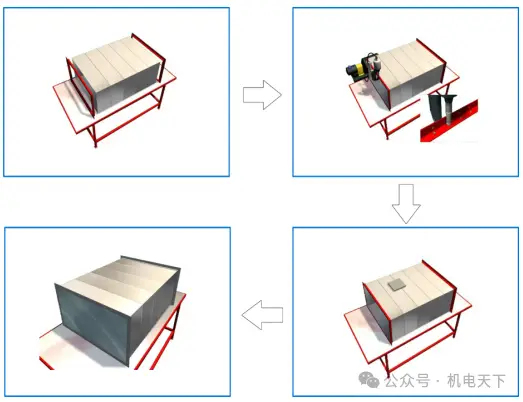
    First, when making ventilation ducts, you must first select the material thickness and select galvanized steel plates according to the list. Second, after shearing and pressing the bead, you need to wipe the surface with alcohol. Many people will ignore this step. However, if cleaning is not done, it will affect the subsequent sealing effect. Third, when folding, the center of the blade and the lower mold must be aligned, and the folding angle must be accurate.

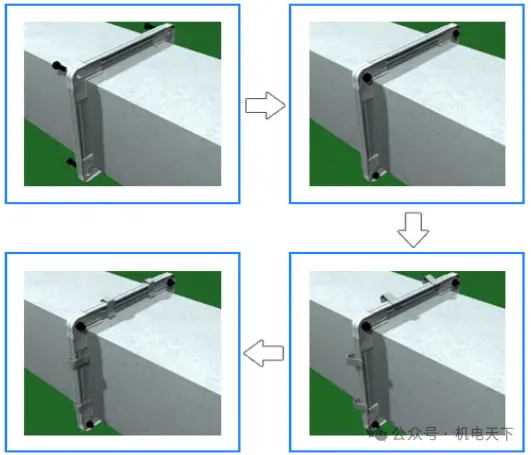
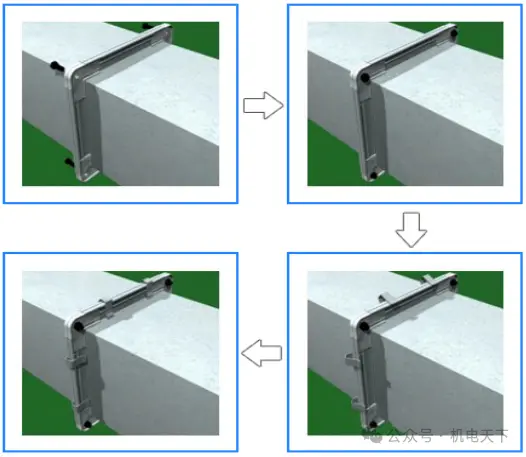
    Use hydraulic rivet pliers or manual eye clamps to connect the angle steel flanges, and use 5 x 10 rivets to firmly fix the air duct. The flange must be flat, and its size must not be less than 6 mm. The four corners must be flattened, and there must be no gaps. Most air leakage problems occur in these subtle places, and they are easily detected during acceptance.
    风管制作安装_镀锌钢板加工_中央空调通风管道(白铁/镀锌板)铆焊加工

    Common plate flange and sealing treatment
    镀锌钢板加工_中央空调通风管道(白铁/镀锌板)铆焊加工_风管制作安装

    镀锌钢板加工_风管制作安装_中央空调通风管道(白铁/镀锌板)铆焊加工

    For common plate flange air ducts, the flange needs to be cut according to the length first. Then insert it into the end of the air duct wall, and then use riveting to connect it into one. For semi-finished air ducts and accessories, the sewing operation must be performed first. Then install the flange corners and check the diagonal error after leveling the flange surface. Finally, apply silicone to the four corners for sealing.
    镀锌钢板加工_中央空调通风管道(白铁/镀锌板)铆焊加工_风管制作安装

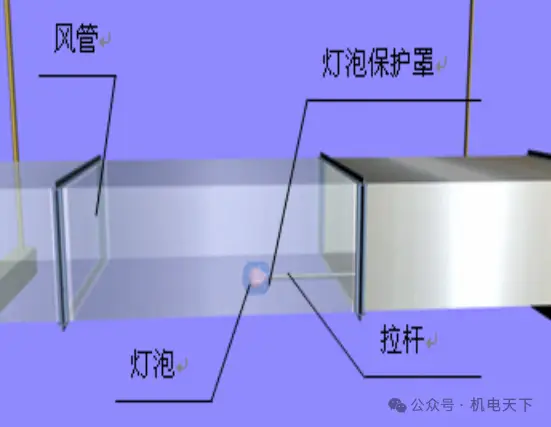
    The installed air duct needs to be tested for tightness in a dark environment, using a 24-volt bulb with a power of more than 100 watts and a protective cover to move it against the air duct. At the same time, arrange for personnel to observe on the other side of the air duct. Once light is found to be emitted, it indicates that there is a leak. At this time, relevant records must be made and repairs must be made immediately. This method is simple and effective, and is used to find leaks at construction sites.
    中央空调通风管道(白铁/镀锌板)铆焊加工_镀锌钢板加工_风管制作安装

    Support and hanger production and insulation construction
    风管制作安装_中央空调通风管道(白铁/镀锌板)铆焊加工_镀锌钢板加工

    风管制作安装_中央空调通风管道(白铁/镀锌板)铆焊加工_镀锌钢板加工

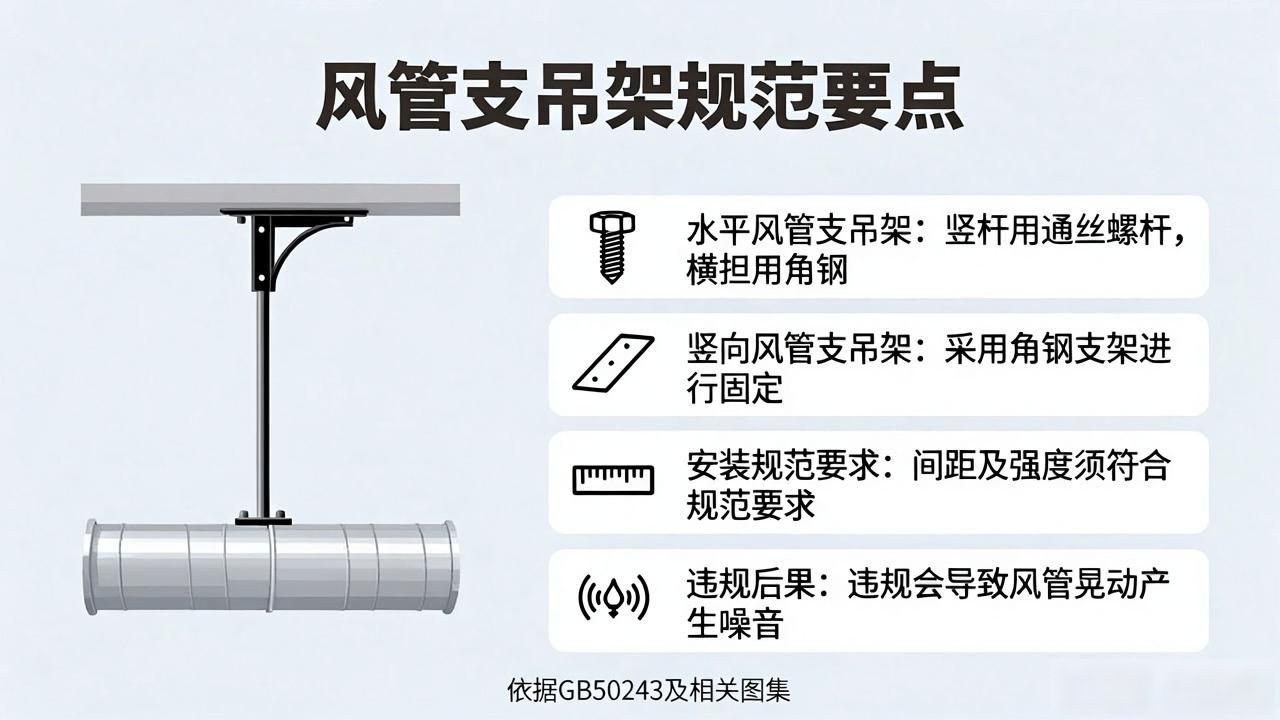
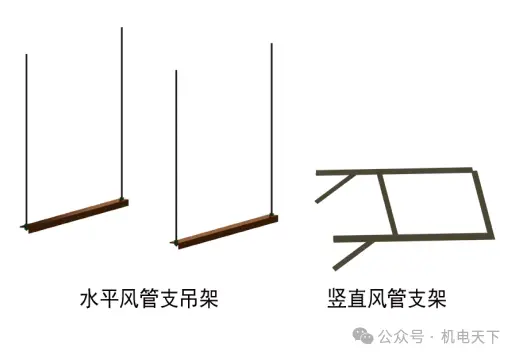
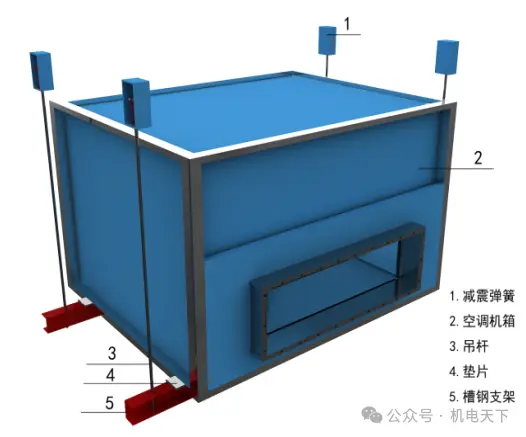
    For air ducts placed in the horizontal direction, the vertical rods used to support the hangers are threaded screws, and the cross arms are made of angle steel. As for the specific model used, it must be determined according to the size of the air duct. For vertical air ducts, angle steel is used as a bracket to achieve fixation. The spacing and strength between these supports and hangers must meet the requirements of the regulations. Otherwise, when the air duct is running, it will shake and generate noise.
    镀锌钢板加工_中央空调通风管道(白铁/镀锌板)铆焊加工_风管制作安装

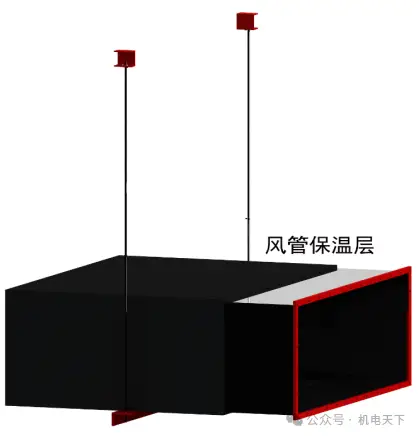
    Only after the air duct tightness test has passed, and the concealment acceptance must also pass, can the air duct insulation begin a series of related operations. First, be sure to wipe the actual surface of the air duct clean, then immediately attach objects such as insulation nails, and then lay the insulation material very carefully. There must not be any gaps left in the insulation layer, and the joints must be carefully sealed with tape, otherwise condensation will easily occur, which will affect the actual effect of the air conditioner.
    镀锌钢板加工_中央空调通风管道(白铁/镀锌板)铆焊加工_风管制作安装

    Plate heat exchanger installation points
    风管制作安装_镀锌钢板加工_中央空调通风管道(白铁/镀锌板)铆焊加工

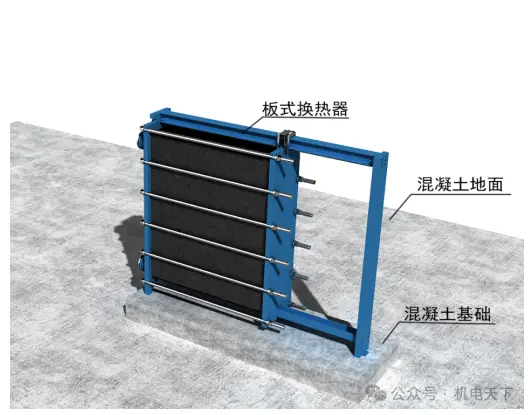
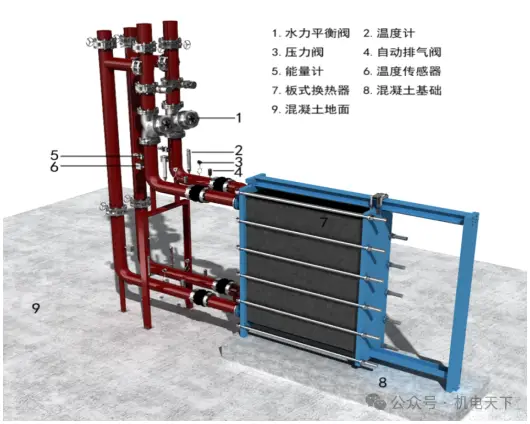
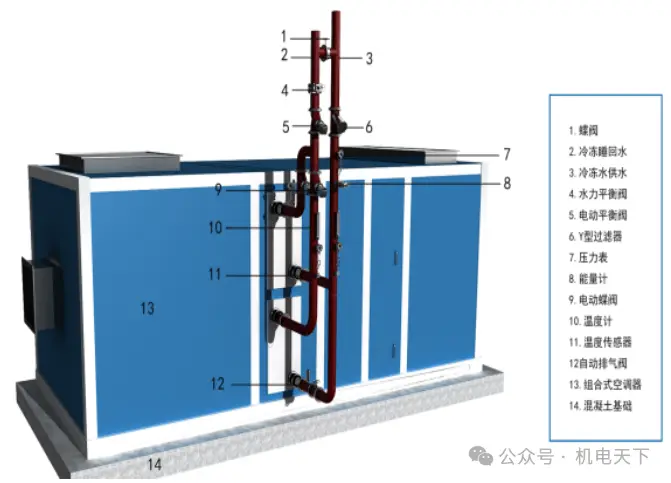
    When installing a plate heat exchanger, it should be noted that the corresponding position of the center of the equipment does not necessarily coincide with the center of the foundation. When moving, be careful to prevent the equipment from overturning. Sufficient maintenance space must be reserved around it. When the equipment fails, sufficient operating distance must be available before it can be removed and repaired.
    镀锌钢板加工_中央空调通风管道(白铁/镀锌板)铆焊加工_风管制作安装

    The supports and hangers of the inlet and outlet pipelines need to be installed reasonably. The three-dimensional visualization scheme of the three major sub-processes of HVAC engineering. The weight of the pipeline must not be borne and exerted by the equipment flange. The weight of the pipeline and the equipment flange are separated from each other. Each of them has its own independent support system. If the weight of the pipeline relies on the flange, leakage will occur after a period of operation, and repairs in this situation will be extremely complicated and troublesome.
    风管制作安装_镀锌钢板加工_中央空调通风管道(白铁/镀锌板)铆焊加工

    中央空调通风管道(白铁/镀锌板)铆焊加工_风管制作安装_镀锌钢板加工

    Air conditioning unit and centrifugal fan installation
    中央空调通风管道(白铁/镀锌板)铆焊加工_风管制作安装_镀锌钢板加工

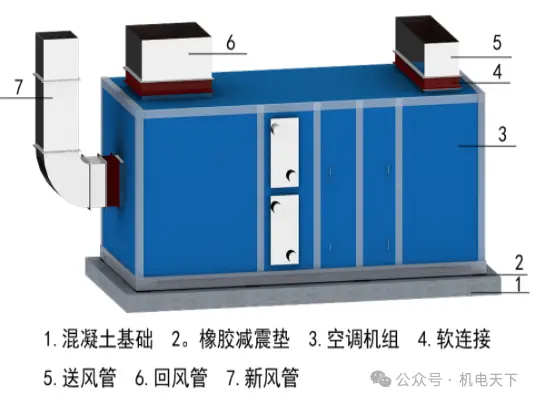
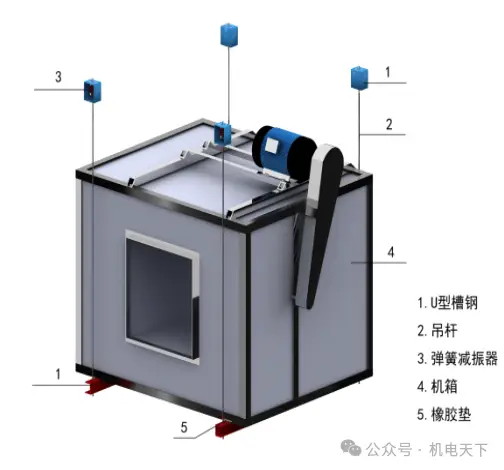
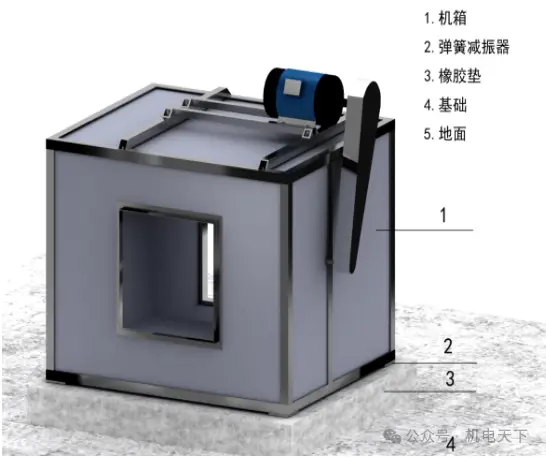
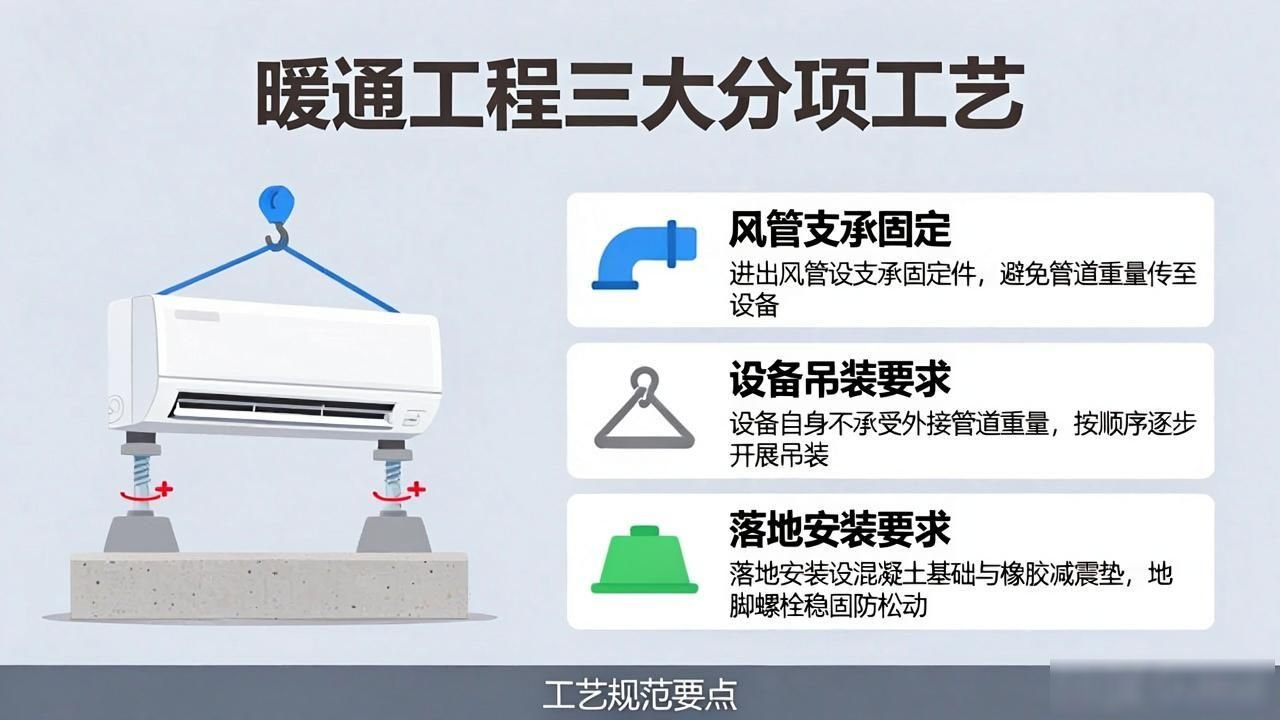
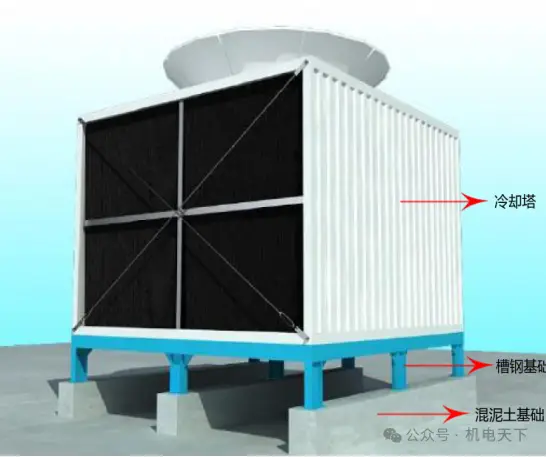
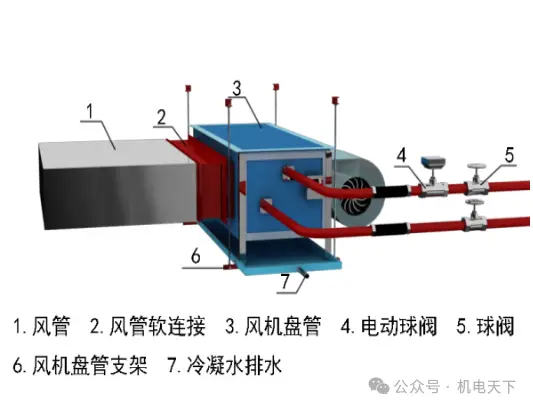
    The hoisting of the air conditioning unit needs to be carried out one by one in sequence from the inside out. The equipment itself cannot bear the weight of the external pipes. All incoming and outgoing air ducts must be equipped with supports and fixings to ensure that the stress on the ducts is not transmitted to the equipment. For installation on the ground, a concrete foundation and rubber shock-absorbing pads must be provided, and the anchor bolts must be stable and have measures to prevent loosening.
    风管制作安装_镀锌钢板加工_中央空调通风管道(白铁/镀锌板)铆焊加工

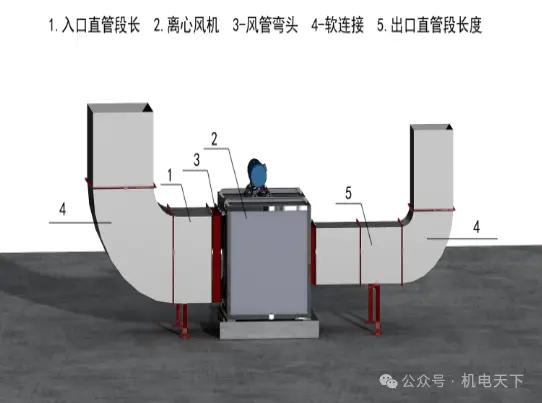
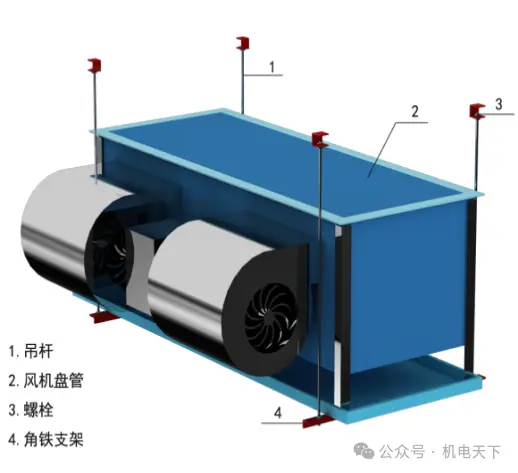
    Floor-mounted centrifugal fans require a concrete foundation, but the shock absorbers must be replaced with spring shock absorbers. When connecting the air duct and the fan, do not force the connection, and the weight of other parts of the machine casing should not be exerted. When the fan is running, there will be a large vibration amplitude . The central air conditioning ventilation duct (white iron/galvanized sheet) is riveted and welded . If the connection is not tight, it will cause great noise and may also cause damage to the equipment.
    风管制作安装_中央空调通风管道(白铁/镀锌板)铆焊加工_镀锌钢板加工

    Installation specifications for air vents and smoke exhaust vents
    镀锌钢板加工_中央空调通风管道(白铁/镀锌板)铆焊加工_风管制作安装

    The length difference between the two diagonals should not exceed 3 mm. This is the basic requirement to ensure that the appearance of the rectangular air outlet is smooth. The connection between the air outlet and the air duct must be tight and firm. The frame must be close to the decorative surface. The central air conditioning ventilation duct (white iron/galvanized sheet) must be riveted and welded . The outer surface must not be deformed. The air outlet blades must be flexible and smooth when adjusting.
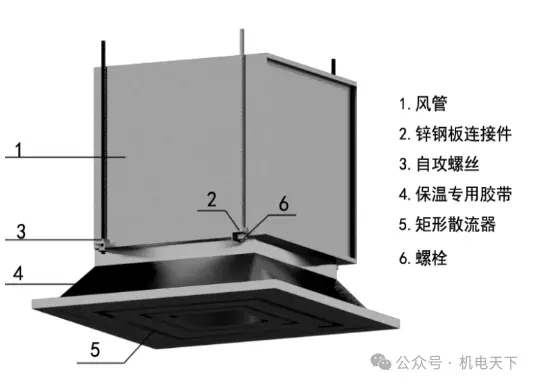
    镀锌钢板加工_中央空调通风管道(白铁/镀锌板)铆焊加工_风管制作安装

    When the smoke exhaust outlet is installed on the suspended ceiling, the bottom elevation of the smoke exhaust pipe must be greater than 250 mm from the ceiling surface. This distance is used to facilitate installation and operation. The control cable should be protected with a DN20 casing. Its bending radius should not be less than 250 mm. The number of bends should usually not exceed 3 central air conditioning ventilation ducts (white iron/galvanized sheet) riveting and welding . If there are too many, it will affect the operational sensitivity.
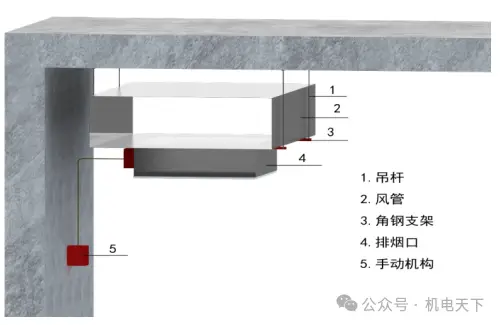
    中央空调通风管道(白铁/镀锌板)铆焊加工_风管制作安装_镀锌钢板加工

    During construction, what is the most frequent air leakage situation in air ducts that everyone encounters? You are sincerely welcome to share your experience and solutions in the comment area?

  • The Practice Of High-precision CNC Machining In Spacecraft Parts Manufacturing

    The Practice Of High-precision CNC Machining In Spacecraft Parts Manufacturing

    The practice of high-precision CNC machining in spacecraft parts manufacturing

    Why are spacecraft parts always out of tolerance?
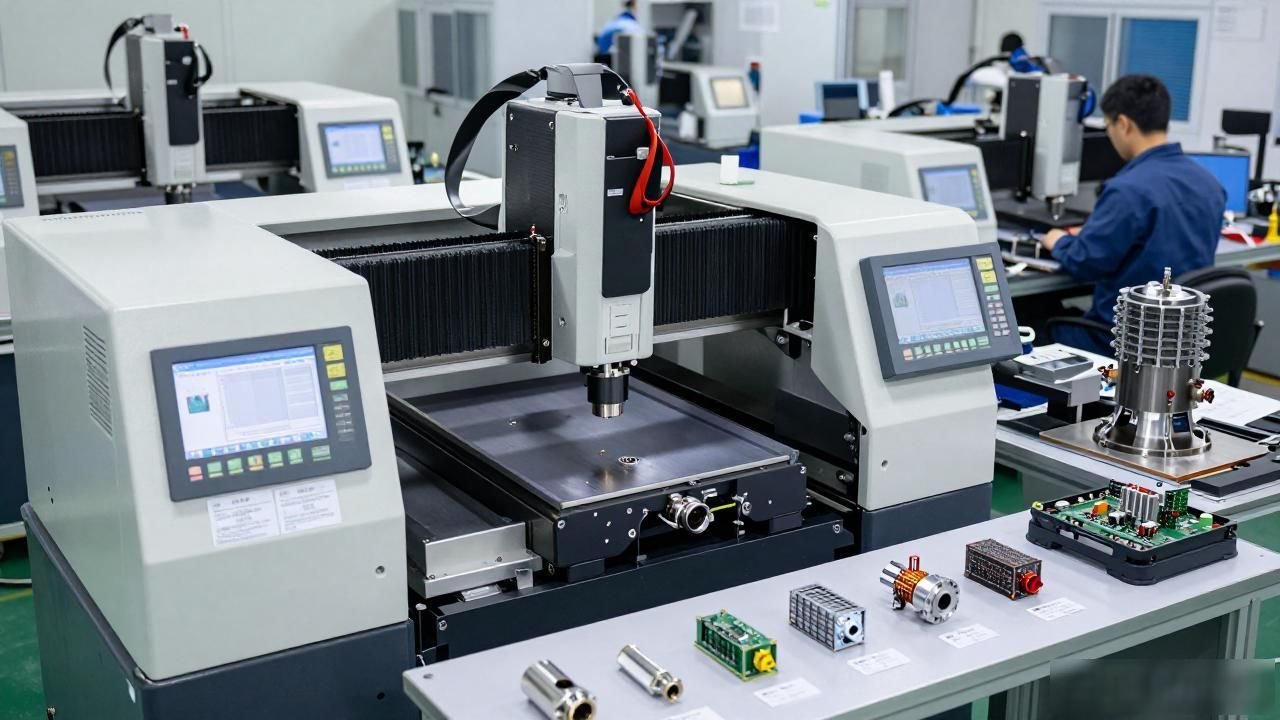
    High-precision CNC machining, which is specially used for manufacturing spacecraft parts, plays a key role in it. However, in the actual production process, we often encounter the troublesome situation that the accuracy cannot meet the standard. The working environment faced by spacecraft is extremely harsh and severe. The requirements for the dimensional stability and geometric accuracy of its parts can be said to be very strict. It is difficult for traditional processing methods to meet such extremely harsh conditions.

    航天器零部件制造_CNC加工中常见的质量问题_高精密CNC加工技术

    Many companies have noticed that even if they use advanced CNC equipment, the processed parts often have dimensional deviations. This not only affects the assembly performance of the parts, but also increases the cost pressure of subsequent rework, creating a bottleneck that restricts the improvement of aerospace manufacturing efficiency.

    Processing challenges caused by complex structures

    高精密CNC加工技术_航天器零部件制造_CNC加工中常见的质量问题

    Spacecraft parts often have complex three-dimensional curved surfaces and slender structures. During processing, these features can easily cause tool deformation and vibration, especially for thin-walled parts and deep hole structures. The cutting force will cause elastic deformation of the workpiece. After cooling, the dimensions will change, resulting in loss of accuracy.

    Tolerance requirements for aerospace parts are generally at the micron level, which places extremely high requirements on the dynamic accuracy and thermal stability of machine tools. Temperature rise changes during the processing process, tool wear accumulation, and workpiece clamping and positioning errors will directly affect the final processing accuracy, making quality control extremely difficult.

    Difficult-to-machine materials exacerbate process challenges

    Among the many materials widely used in spacecraft, high-strength alloy steels, titanium alloys, and high-temperature alloys occupy a place. Among these materials, which are easily worn by tools, they are hard and tough, but difficult to process. The tools wear very quickly when cutting these materials. This not only affects the processing efficiency, but also reduces the quality of the processed surface, and is prone to the occurrence of built-up edges and hardened surface layers.

    There are often anisotropic structures or uneven hardness distribution inside the material, which will cause the cutting force to fluctuate periodically, thereby causing machining vibration. Vibration not only damages tool life, but also leaves vibration marks on the surface of the part, affects surface roughness and dimensional accuracy, and increases the difficulty of subsequent finishing.

    CNC加工中常见的质量问题_航天器零部件制造_高精密CNC加工技术

    Cost control pressure for small batch production

    CNC加工中常见的质量问题_高精密CNC加工技术_航天器零部件制造

    Spacecraft parts are generally produced in single pieces or in small batches. Such production characteristics make it difficult to allocate costs. In order to ensure accuracy, companies often have to use multiple clamping and multiple processing procedures, which not only prolongs the production cycle, but also increases the risk of accumulation of positioning errors.

    Quality is difficult to analyze and improve using statistical methods because small batch production results in insufficient experimental data to support process parameter optimization. Many processing parameters can only be set based on experience. In this situation, there are great obstacles to improving process stability, and quality control costs have always been at a very high level.

    CAD CAM technology improves processing accuracy

    Current CAD CAM software can quickly generate processing paths for complex parts and reduce the number of trial cuts through simulation verification. Engineers can optimize the clamping plan and cutting parameters in the virtual environment to detect potential processing interference and tool collision problems early, thereby reducing quality risks during actual processing.

    高精密CNC加工技术_航天器零部件制造_CNC加工中常见的质量问题

    CAM software has a tool path optimization function that can significantly control cutting force and cutting heat to reduce workpiece deformation. By intelligently adjusting feed speed and spindle speed, material removal efficiency can be improved while ensuring machining accuracy to achieve a balanced control of quality and cost.

    New tool materials improve machining quality

    The use of various new tool materials, such as carbide, ceramics and CBN, has significantly improved the cutting performance of difficult-to-machine materials. These materials have higher hardness and red hardness. Under high-speed cutting conditions, they can maintain sharp cutting edges, reduce the occurrence of built-up edge, and improve the quality of the machined surface.

    CNC加工中常见的质量问题_航天器零部件制造_高精密CNC加工技术

    Tool coating technology is becoming increasingly progressive, which also provides practical and powerful support for further improvement of processing quality. Diamond coating and titanium nitride coating can effectively reduce the friction coefficient, reduce cutting heat generation, and at the same time extend the service life of the tool. Appropriate and reasonable tool selection and coating combination constitute an extremely important means of controlling issues related to CNC machining quality.

    Intelligent manufacturing realizes real-time quality monitoring

    The Internet of Things and sensor technology enable real-time collection of important parameters such as temperature, vibration, and cutting force during the processing process. By analyzing and processing these data, abnormal signs in processing can be detected in time, such as tool wear exceeding the standard or the workpiece deforming, and compensatory measures can be taken to prevent the generation of scraps.

    Artificial intelligence algorithms have the ability to establish processing quality prediction models and learn the quality change patterns of different process parameters based on historical data. This predictive quality control method can solve problems before they first appear, greatly reduce the rate of batch failures, and improve product consistency and reliability.

    Process optimization reduces the risk of deformation

    Regarding the deformation problems of thin-walled and slender parts, it is extremely important to design with reasonable process procedures. Adopting a strategy of phase separation for multiple roughing and finishing operations can fully release the residual stress of the workpiece after roughing, and then the dimensions will become more stable during finishing.

    The fixture design also needs to be considered to reduce the impact of clamping deformation. Flexible fixtures and evenly distributed clamping forces should be used to avoid workpiece deformation due to local stress concentration. At the same time, the processing sequence should be arranged in accordance with the principle of symmetrical processing to make the cutting force distribution as balanced as possible to reduce the occurrence of deformation.

    Cooling lubrication technology improves surface quality

    Adequate cooling and lubrication can effectively reduce the temperature of the cutting zone and reduce the extent to which thermal deformation affects machining accuracy. Minimum quantity lubrication technology and high-pressure internal cooling method can accurately control the flow of coolant to the cutting area, which not only improves the cooling effect, but also avoids environmental pollution caused by excessive use.

    How to select the coolant components and how to control its concentration are equally important. Appropriate additives can form a good lubricating film, thereby reducing the friction between the tool and the chip. How to scientifically manage the use status of coolant, and regularly check its performance and cleanliness. This is an important measure to ensure the stability of long-term processing.

    Testing technology ensures stable quality

    The three-dimensional coordinate measuring machine, its application, and the application of optical inspection equipment provide reliable inspection methods for CNC machining quality. These devices can accurately measure the geometric dimensions and geometric tolerances of complex parts quickly and accurately. Processing deviations can be discovered in time and fed back to the processing equipment for adjustment.

    What helps companies establish a quality early warning mechanism is the statistical process control method. Trend analysis of critical dimension data can determine whether the processing process is under control. This preventive quality management method can avoid batch failure accidents.

    High-precision CNC machining technology continues to improve the manufacturing level of spacecraft parts. However, solving quality problems requires systematic thinking and continuous improvement. What CNC machining quality problems have you encountered in actual work? And how to solve them? Welcome to share your experience and insights in the comment area.

  • How To Reduce The Cost Of Automobile Manufacturing By Introducing Innovative Technologies?

    How To Reduce The Cost Of Automobile Manufacturing By Introducing Innovative Technologies?

    How to reduce the cost of automobile manufacturing by introducing innovative technologies?

    3D printing breaks traditional manufacturing limitations

    1. The application of 3D printing technology in the field of automobile manufacturing is changing the rules of the game. 2. In the past, complex parts required multiple processes to complete. 3. Nowadays, it is now possible to achieve one-time molding directly with the help of 3D printers. 4. This is not just a breakthrough on the technical level. 5. It is a revolution in production methods. 6. After a well-known automobile company introduced 3D printing. 7. The production cycle of parts has been shortened from weeks to days. 8. The material utilization rate has increased to more than 30%.

    More importantly, 3D printing eliminates many subsequent processing steps. Traditional manufacturing requires many processes such as cutting, grinding, and assembly. Each process consumes time and cost. 3D printing goes directly from the design file to the physical product, skipping the intermediate links, saving time and reducing the scrap rate. This technology is particularly valuable for prototype development and customized parts production.

    Automated production lines reshape the employment structure

    In automobile manufacturing, the application of automation and robotic technology has become extremely mature. From welding, to painting, to final assembly, more and more work stations are replaced by robots. After a large automobile factory adopted an automated production line, the number of production line workers was reduced from the original 500 to 200. However, the production capacity increased by 40%. The bosses clearly accounted for this.

    Robots have high efficiency, good stability, will not fatigue, will not ask for leave, and have minimal quality fluctuations. In the welding process, the consistency and accuracy of robot welding far exceed that of manual operations. Statistics from a certain company show that the pass rate of automated welding has reached 99.2%, while the pass rate of manual welding is only about 95%. The rework cost saved is also real money.

    汽车制造创新技术_如何优化中厚板套料节省铆焊成本_降低汽车制造成本技术

    Artificial intelligence lets data tell you whether you will save money

    Due to the combination of artificial intelligence and big data technology, unprecedented optimization methods have emerged in automobile manufacturing. By collecting and analyzing massive data in the production process, companies can detect many problems that were previously invisible and there is still room for improvement. For example, a factory found through AI analysis that the cycle time of a certain station was 15 seconds longer than that of other stations, and this was the bottleneck of the entire production line.

    Data-based predictive maintenance can be used to avoid huge losses caused by unplanned downtime. This maintenance can provide early warning before equipment failure. However, traditional equipment maintenance involves repairing if there is a problem, or maintaining it according to fixed intervals. After a company introduced an intelligent monitoring system, the equipment failure rate dropped by 60% and maintenance costs were saved by 40%.

    Modular design reduces inventory and waste

    The core concept of modular design is to dismantle the car into a number of standardized modules, and different models can share the same modules. This not only simplifies the design process, but also greatly reduces production and maintenance costs. After a certain car company implemented a modular platform strategy, the types of parts were reduced by 35%, and the inventory turnover rate increased by 28%.

    Standardized modules have another benefit, which is that they can improve the supply chain's ability to negotiate prices. When the same module is used by many different vehicles, the quantity purchased will increase significantly, so suppliers will naturally be willing to offer more favorable prices. At the same time, standardization has played a role in reducing after-sales maintenance costs. Maintenance personnel only need to be familiar with the removal and installation procedures of a few modules. At this time, training costs and training time will be greatly reduced.

    Lightweight technology achieves multiple benefits

    降低汽车制造成本技术_汽车制造创新技术_如何优化中厚板套料节省铆焊成本

    Lightweighting is one of the most important trends in the field of automobile manufacturing in recent years. With the use of lightweight materials such as aluminum alloy and carbon fiber, as well as optimized structural design, the curb weight of the automobile can be greatly reduced. For every 100 kilograms of weight reduced, fuel vehicles can save about 0.5 liters of fuel consumption, and electric vehicles can increase the cruising range by about 5%.

    The benefits brought by lightweighting are not limited to fuel economy. A lighter body indicates that the requirements for the braking system and suspension system have been reduced. Those components can be made of lighter materials, which will form a positive cycle. For one company, after adopting an all-aluminum structure for the body, although the material cost of the vehicle increased by 10%, the number of parts was reduced by 25%, the assembly time was correspondingly shortened by 30%, and the overall cost dropped by 8%.

    Comprehensive benefits make investment returns visible

    Looking at these innovative technologies together, automobile manufacturing companies can achieve comprehensive cost reduction effects. A medium-sized automobile factory has successively introduced 3D printing, automated production lines, intelligent management systems and modular design within three years. A total of approximately 20 million yuan was invested in the three years. Financial data in the third year show that production costs dropped by 18%, per capita production capacity increased by 35% of the original volume, and the product quality complaint rate dropped by half to 50%.

    Of course, the introduction of technology cannot be completed all at once. Enterprises must proceed in stages according to their own conditions, first selecting projects with low investment and quick results, and then gradually expanding to more complex areas. The key is to build a mechanism for continuous improvement so that technological innovation becomes a regular part of the enterprise rather than a one-time activity.

    After reading this article, which car company do you think has the most qualities worth learning from? Feel free to share your personal views in the comment area, and don’t forget to like and forward it to more friends in need.

  • Lathe Turning And Milling Combined Processing Software CNC Lathe Programming Software Shanghai DPEI ESPRIT

    Lathe Turning And Milling Combined Processing Software CNC Lathe Programming Software Shanghai DPEI ESPRIT

    Lathe turning and milling combined processing software CNC lathe programming software Shanghai DPEI ESPRIT

    The core advantages of turning and milling composite software

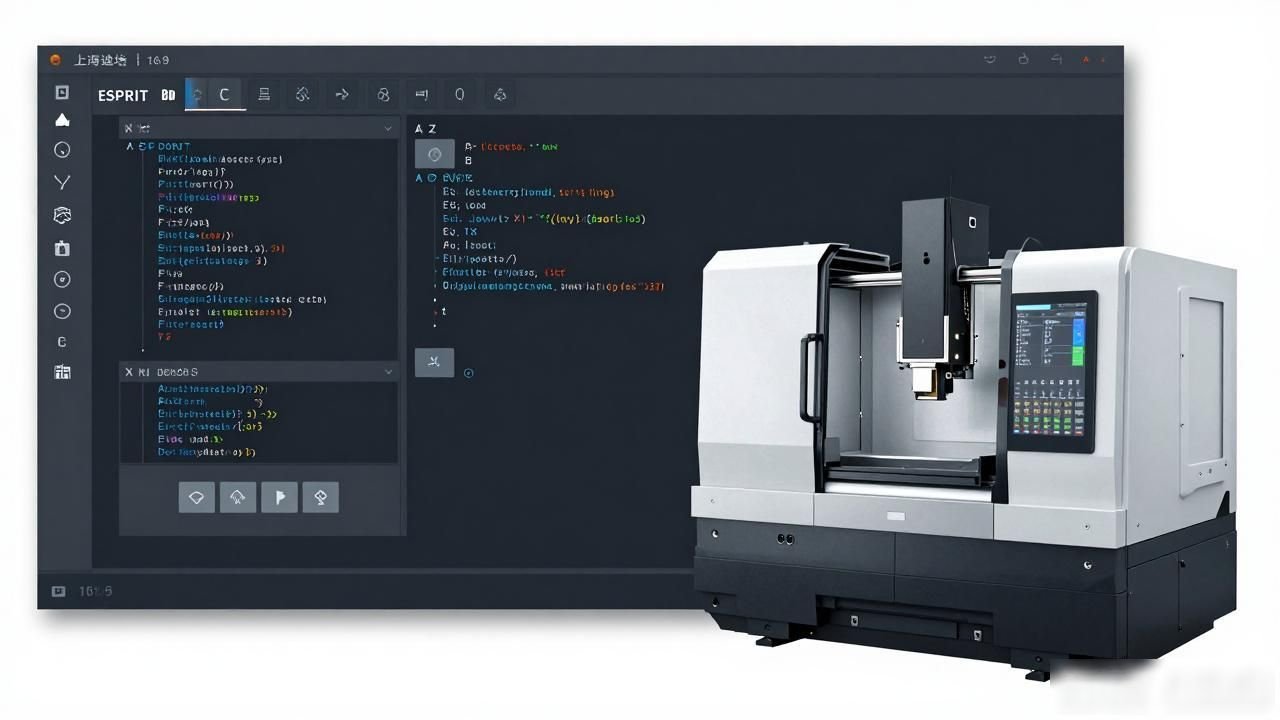
    For enterprises, choosing an appropriate CAM system is related to production efficiency and quality. The CAM system owned by Shanghai Dipei has emerged in the market. The key is that it effectively solves the pain points of turning and milling combined processing. Traditional programming often requires switching between multiple software, which is time-consuming and error-prone.

    The biggest highlight of this system is that it has strong compatibility. It is suitable for any type of machine tool. Whether it is DMG MORI, MAZAK, or even OKUMA, it can achieve perfect adaptation. This system is equipped with factory-certified post-processors, and the quality of the CNC codes generated is very high, which greatly reduces the cost of trial cutting.

    Five-axis programming is easy to master

    Five-axis machining has always been a technical bottleneck for many companies. Its operations are complicated and programming is very difficult. As for this system, by converting complex five-axis motion into an intuitive interface operation, engineers who originally had to have extensive experience can also get started quickly.

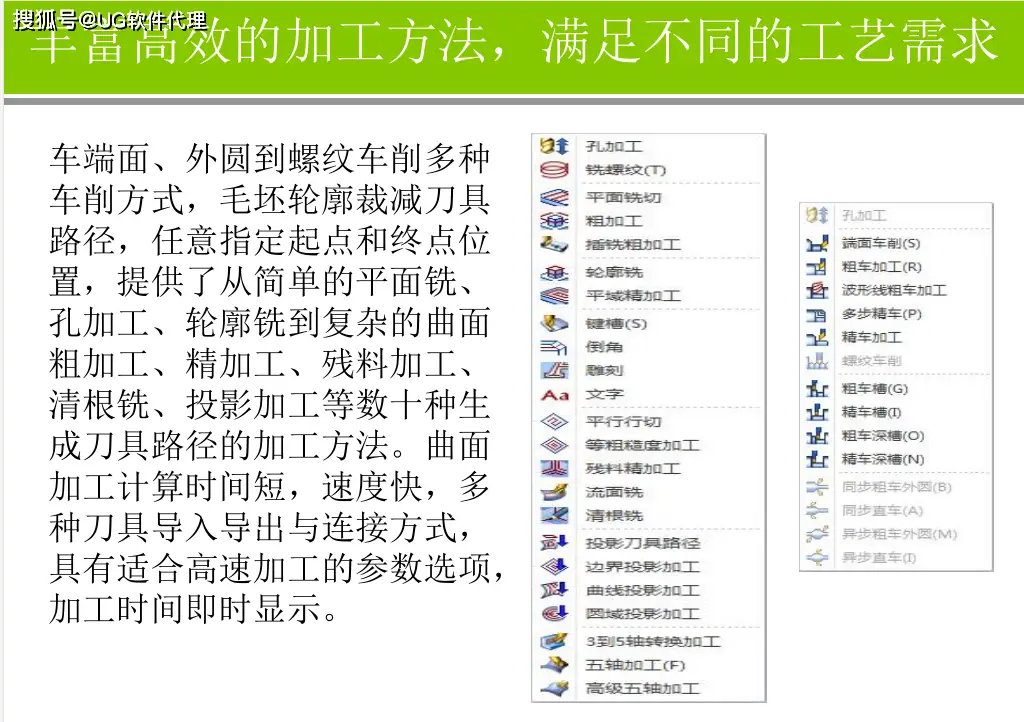
    This system supports all five-axis machine tools and also provides complete solutions for five-axis and special applications. From surface processing to boring to three-dimensional fine processing, each functional module is complete. No matter how complex the shape of the part is, smooth kinematic control of CNC machine tools can be achieved.

    Turning, milling and drilling integrated

    车铣复合加工仿真软件_ESPRIT CAM系统优势_车床车铣复合加工软件

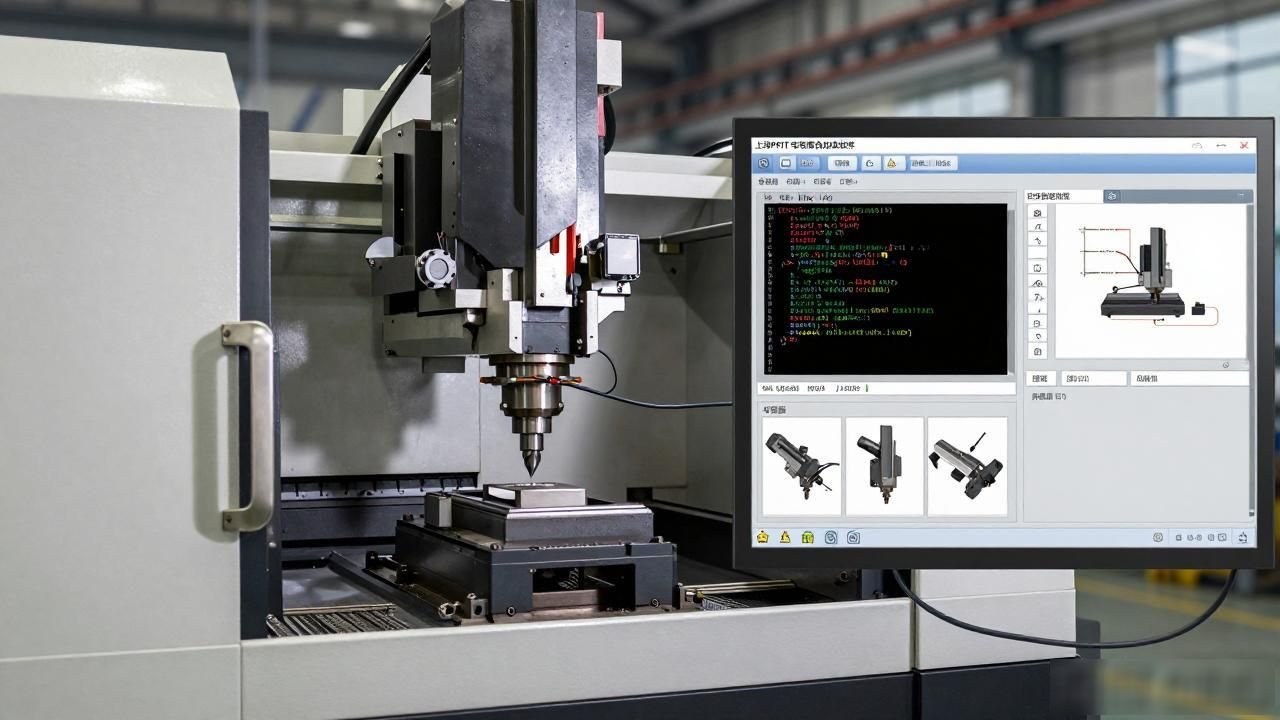
    Turning and milling machine tools with powerful functions can often only demonstrate part of their capabilities if they lack good software to support them. Shanghai Dipei's system makes full use of C-axis, Y-axis and turning and milling compound instructions to achieve turning, milling and drilling operations in one G code program.

    The system has five functional levels of C-axis and Y-axis machining functions. Contour milling can be completed in one program, cavity processing can also be completed in one program, and various drilling operations can also be completed in one program. This allows operators to complete most part processing on the same work surface, thereby reducing the number of clamping times and errors.

    Flexible B-axis machining capabilities

    The turn-milling machine tool with a B-axis has extremely strong processing potential. This system can accurately target the front and rear end surfaces of the part and simultaneously carry out five-axis or five-axis indexing milling, thus fully utilizing the multi-task processing advantages of the machine tool.

    When programming multi-axis tool motion that is not vertical, the system provides comprehensive five-axis processing control capabilities. Whether it is the compound angle of medical components, complex valves, tool holders, or oil well drill bits, it can efficiently complete processing tasks.

    Complete multi-tasking programming environment

    车铣复合加工仿真软件_车床车铣复合加工软件_ESPRIT CAM系统优势

    An integrated programming environment is required for multi-task CNC machine tools to achieve maximum performance. This system is specially designed for turn-mill combined machine tools. It supports any combination of A, B, C, X, Y and Z axis configurations in milling and turning.

    The system has five functional level modules, which comprehensively cover all needs, ranging from three-axis simultaneous milling to five-axis multi-surface solid processing. There are independent processing methods, as well as simultaneous or synchronous processing methods , turning and milling composite processing simulation software . It is these processing methods that have doubled the production efficiency of complex parts.

    Global machining solutions

    DP CAM, which originated in the United States, is the world's only CAM system turning and milling compound processing simulation software . It can carry out turning, milling, wire cutting and turning and milling compound programming processing within the same operating interface. Its application scope is widely distributed in various industry fields, covering everything from automobile parts to medical equipment, and extending from mold manufacturing to energy equipment.

    As a domestic agent, Shanghai Dipei also provides customized services such as robot programming and similar parts automatic processing programming. If you are interested, you can call 021-3100-6975 to consult Anna to obtain detailed information.

    What brand of CAM software and turn-milling composite machining simulation software is currently used in your factory? Have you ever encountered the slow efficiency of turn-milling composite programming? Welcome to share your experience in the comment area, lathe, turn-milling composite machining software, CNC lathe programming software Shanghai Dipei ESPRIT, and like and forward it to many friends in need!

  • my Country Takes The Lead In Revising International Standards In The Basic Field Of Heat Treatment Of Ferrous Metal Materials Released

    my Country Takes The Lead In Revising International Standards In The Basic Field Of Heat Treatment Of Ferrous Metal Materials Released

    my country takes the lead in revising international standards in the basic field of heat treatment of ferrous metal materials released

    International standard for heat treatment terminology released

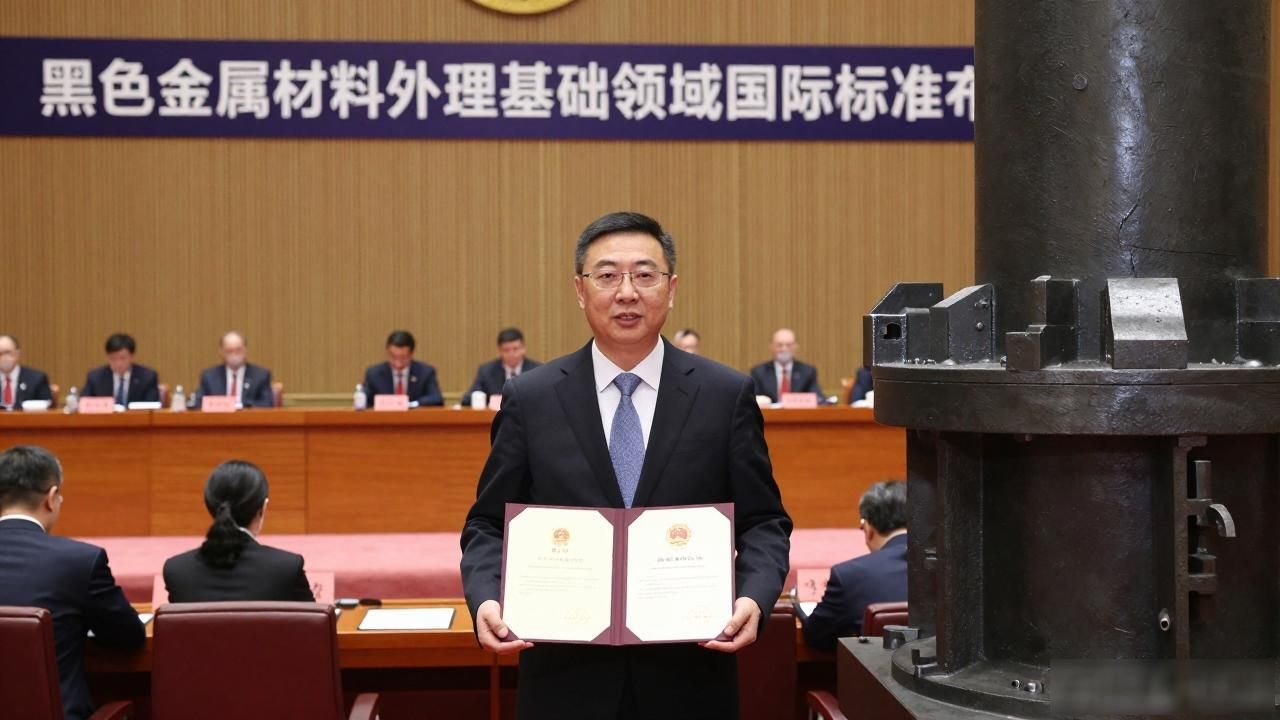
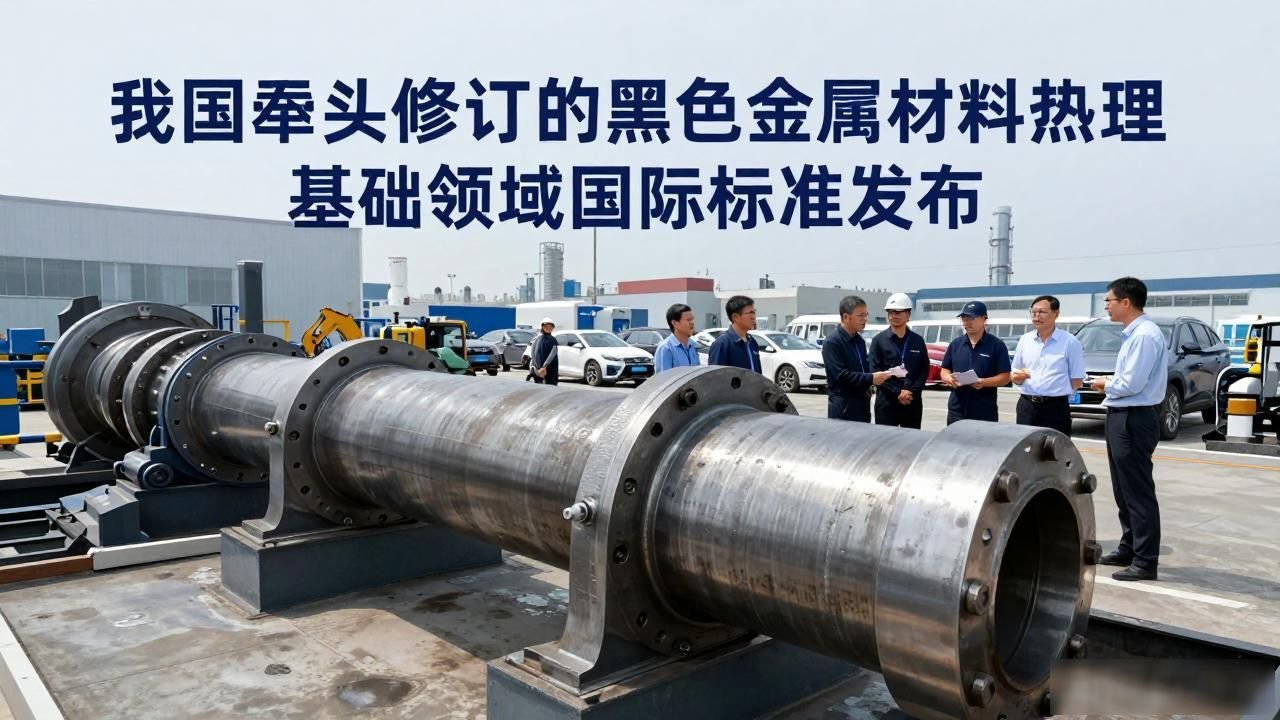
    Recently, the International Organization for Standardization released an important standard. The standard launched this time is the first international standard that my country has taken the lead in revising in the basic field of heat treatment of ferrous metal materials. The name of the standard is "Ferrous Metal Materials – Heat Treatment – Terminology", and the person in charge of this project is a Chinese expert.

    Experts from Germany, Japan, and Finland took the lead in the release of the revised international standard in the basic field of heat treatment of ferrous metal materials . Experts from France and experts from many countries including Italy participated in the formulation of the standard. This means that my country has gained international say in the basic aspects of heat treatment, laying the foundation for the subsequent formulation of relevant standards.

    Comprehensive reconstruction and upgrade of the terminology system

    This revision of the annealing heat treatment of riveted weldments of large mining equipment reclassifies all professional vocabulary into 9 categories, including general basis, annealing and normalizing, quenching, tempering and distribution, aging, surface heat treatment, chemical heat treatment, structure and defects, etc. Its logical level has become clearer, making it easier for technical personnel to review and use it.

    Based on the new technological achievements in heat treatment achieved globally in the past decade, the new standards have been absorbed and 66 new professional terminology classifications have been added that have reached the cutting-edge level, such as continuous austenitization curve, expanded austenite, and full depth of surface quenching hardened layer. These new terms have made up for the deficiencies in the new process terminology. This is the situation.

    国际标准修订_黑色金属材料热处理术语_大型矿山设备铆焊件的退火热处理

    Large mining equipment rivet weldments benefit

    In the manufacturing process of large-scale mining equipment, the riveted weldments must undergo annealing and heat treatment to eliminate welding stress and improve the organizational structure. The unification of terminology standards this time has given the heat treatment process of this type of equipment a more standardized form of expression.

    In the mining equipment industry, it involves the welding of a large number of heavy plates, and the annealing treatment after welding is an important link that plays a key role. The new standard provides precise terminology definitions, which is helpful for technical exchanges between enterprises and international customers on the annealing and heat treatment of rivet weldments for large-scale mining equipment , and can avoid quality-related disputes caused by deviations in terminology understanding.

    Eliminate differences and reduce trade costs

    The new standard has deleted and modified more than 10 backward process terms and vague terms, eliminating differences in terms definitions among countries around the world. This is very critical and important for international trade and can reduce communication barriers caused by inconsistent understanding of terminology.

    A set of standards provides terminology comparison tables in six languages: English, French, German, Italian, Chinese, and Japanese. Chinese terminology continues to serve as the basic language for global heat treatment. The multilingual mutual recognition mechanism can effectively reduce transaction costs and promote technical exchanges.

    Multi-industry common specification basis

    黑色金属材料热处理术语_国际标准修订_大型矿山设备铆焊件的退火热处理

    This standard is a basic general specification for technical exchanges in the global steel industry, automobile industry, aerospace industry, energy equipment industry, engineering machinery and other industries. It is also a basic general specification for product testing and a basic general specification for achieving mutual recognition of trade. Large mining equipment belongs to the category of engineering machinery, and its heat treatment quality will have a direct impact on the service life of the equipment.

    The standard stipulates nearly 300 definitions of heat treatment terms related to ferrous metals such as steel and cast iron, covering a full range of heat treatment process systems. This is of great significance to ensuring product quality and promoting technological progress in the industry. It also provides technical support for my country's manufacturing industry to go global.

    Promote the global development of the industry

    By building a global scope and mutually recognized professional terminology structure in multiple languages, this standard will continue to encourage different countries around the world to eliminate industrial technology barriers. my country has played a leading role in formulating this international standard, which demonstrates my country's technical level and management capabilities in the field of heat treatment.

    In the future, my country will continue to participate in the formulation of more international standards to enhance its influence in international standardization organizations. This has far-reaching significance for my country's ferrous metal heat treatment industry to move global and participate in international competition.

    Has your company updated its heat treatment process documents in accordance with the new standards? Welcome to share your insights in the comment area.

  • Fishing Vessel Tonnage And Inspection

    Fishing Vessel Tonnage And Inspection

    Fishing vessel tonnage and inspection

    How do small fishing boats based on bases operate?

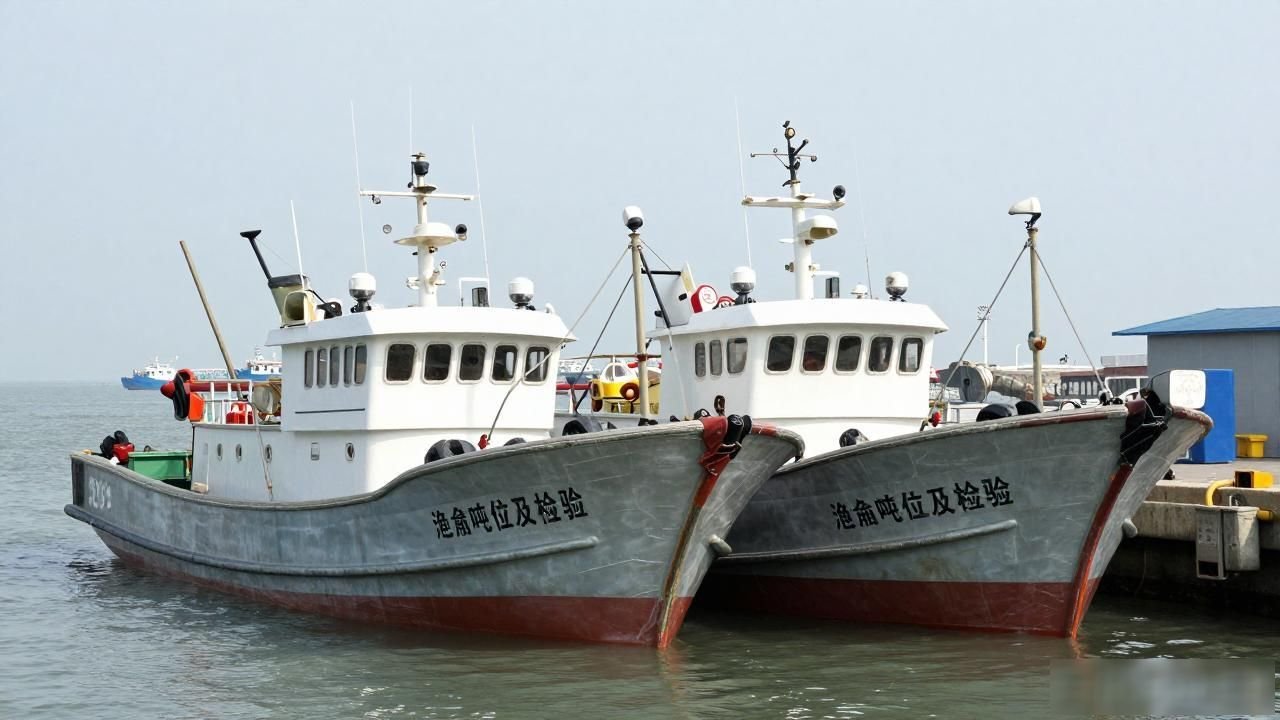
    This type of fishing boat, with a length ranging from 25 meters to 35 meters, mainly relies on land bases to replenish supplies and does not need to stay at sea for a long time. The self-sufficiency of the crew on the ship is about 15 to 30 days. During this period , the hulls of fishing boats and cargo ships are riveted and welded in sections , and they return to the port after completing the fishing operations.

    Due to the limited range, the ship design focuses more on economy and practicality rather than ocean endurance. The captain has great flexibility in route planning and fishing season arrangements.

    Catch albacore tuna and classify them for sale

    The main fishing target of this type of fishing vessel is albacore tuna. At certain times, a smaller number of yellowfin tuna will occasionally be caught together. For the fish caught on board, the cold seawater refrigeration system is used to quickly freeze the fish to preserve it, thereby ensuring the quality of the fish.

    More than half of this product is albacore tuna, about half of which is sold directly to canneries. Those products that are suitable for raw food and meet first-class standards are exported to the Japanese market, while second-class products are sold to the United States, thus establishing a stable sales channel.

    钢质冷海水金枪鱼船_冷海水金枪鱼船_渔船、货轮船体分段铆焊制造

    Steel shell and fiberglass ship types coexist

    Starting from the classification of hull materials, this type of fishing boats are mainly classified into two categories: steel cold seawater tuna boats and fiberglass cold seawater tuna boats. Steel-hulled ships have the characteristics of high structural strength and long service life, and are undoubtedly the mainstream choice in the current market.

    Boats made of fiberglass are lighter than other boats. According to theoretical inference, their fuel consumption will be lower and they will also perform better in terms of corrosion resistance. However, in the actual operation process , the hulls of fishing boats and cargo ships are manufactured by riveting and welding in sections . FRP boats have encountered an extremely difficult shortcoming to solve. This shortcoming is the problem of galvanic corrosion in the mechanical equipment system.

    Rising oil prices drive research and development of fiberglass boats

    International crude oil prices are always rising, causing shipping cost pressure to continue to increase. Against this background, developing a fiberglass ship type that is more economical and energy-saving while ensuring reliable performance has become a focus of scientific research in the industry.

    Many scientific researchers have invested a considerable amount of resources to start research work, fully hoping to use new materials and unique construction techniques to find solutions to the technical limitations of FRP boats in practical applications. At this moment, special tuna fishing boats made of FRP materials have become a hot topic in the industry.

    The corrosion problem of fiberglass boats is difficult to overcome

    钢质冷海水金枪鱼船_渔船、货轮船体分段铆焊制造_冷海水金枪鱼船

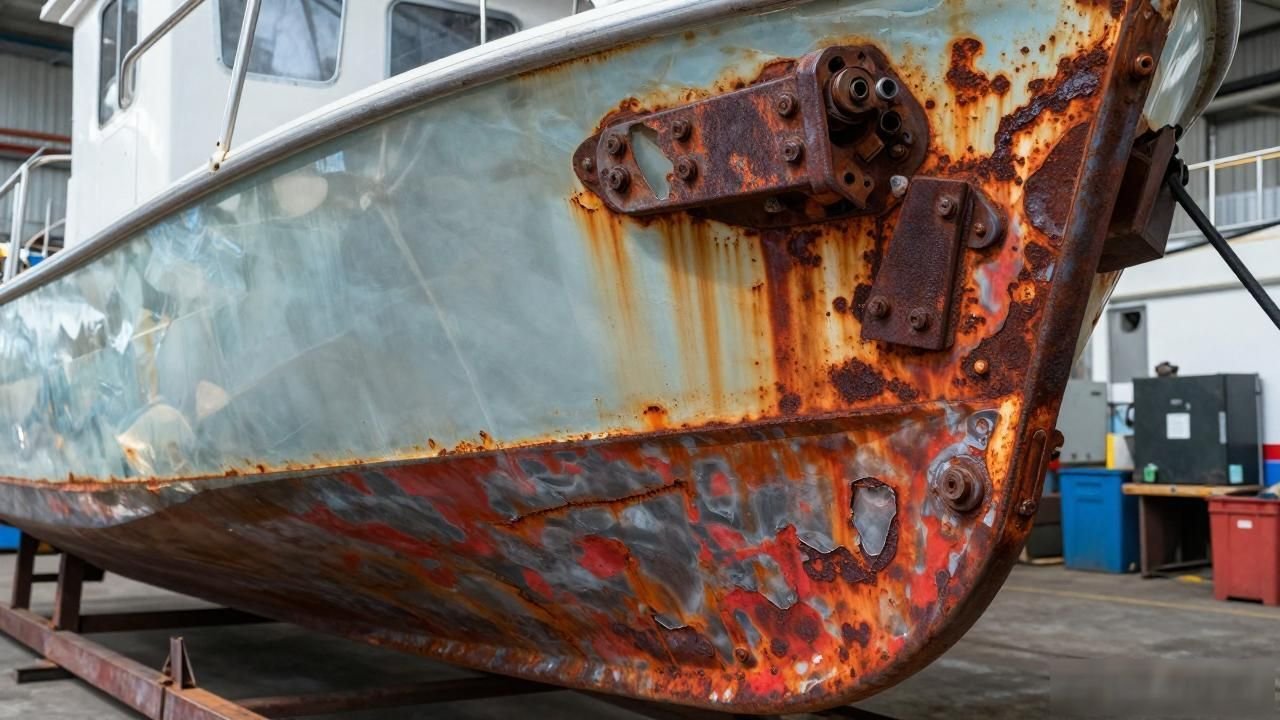
    However, when the FRP boat was undergoing mechanical installation and inspection, it encountered a very serious galvanic corrosion phenomenon. After metal equipment comes into contact with the fiberglass hull, the electrolytic reaction accelerates the corrosion and damage of the metal parts.

    This technical problem has not been effectively solved for a long time. The hulls of fishing boats and cargo ships are manufactured by riveting and welding in sections , which has caused the cost of maintenance and repair of fiberglass boats to remain high. Moreover, during the actual operation process, shipowners became aware of the hidden dangers and gradually lost confidence in the type of FRP ships.

    Shipowners finally return to steel-hulled ships

    Faced with the high maintenance costs of fiberglass boats and the insurmountable technical problems, most shipowners have made pragmatic choices and returned to the more secure production path of steel-hulled boats.

    Steel-hulled boats do not have an advantage in terms of dead weight or fuel economy. However, they are reliable, durable, and have low maintenance costs. These characteristics are more in line with the actual operation needs of this type of fishing boat for short-range operations.

    When you start buying a fishing boat, what do you focus on: the initial cost of building the boat, or the cost of operating and maintaining the boat in the subsequent period? You are sincerely welcome to share your opinions in the comment area.

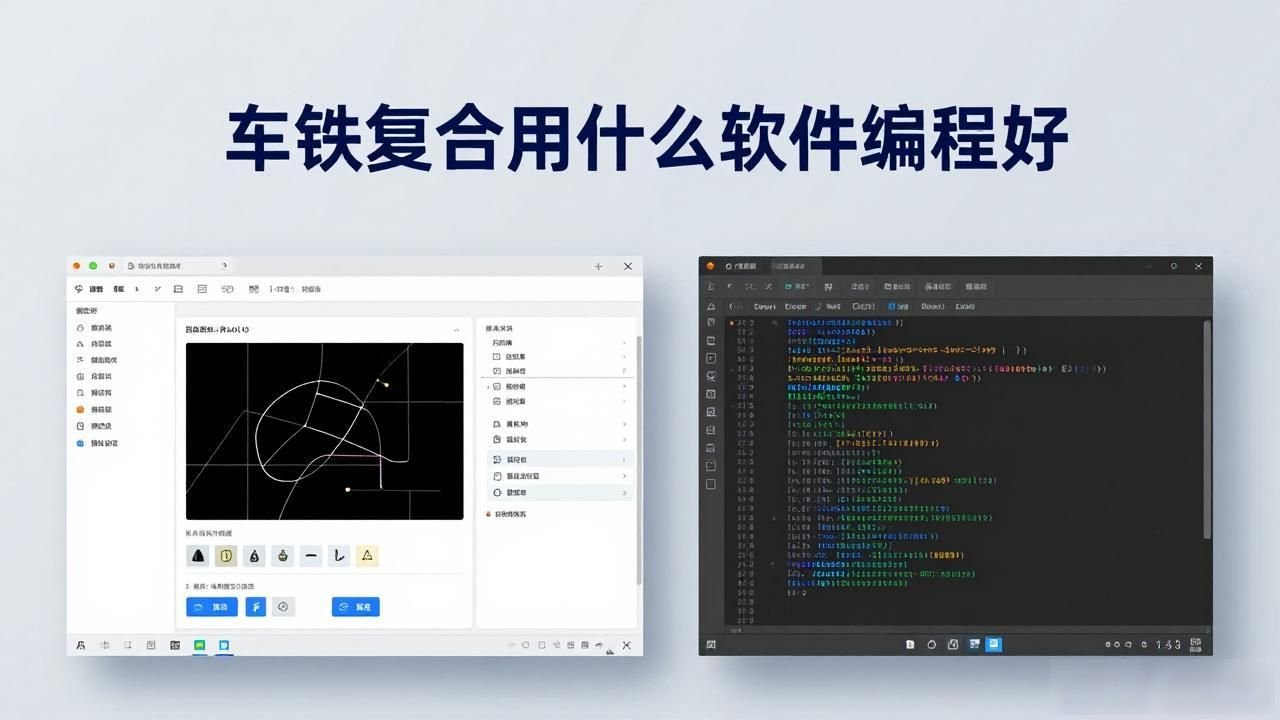
  • What Software Is Good For Turning And Milling Combined Programming?

    What Software Is Good For Turning And Milling Combined Programming?

    What software is good for turning and milling combined programming?

    At present, many people are familiar with the programming methods of three-axis, four-axis, and five-axis machining centers, and software is constantly emerging on the market. However, which software is better for turning and milling combined programming? This is a problem that many engineers are encountering.

    Programming Difficulties of Turn-Milling Complex

    The parts used for turning and milling are complex in structure. It is necessary to use the two process functions of lathe programming and milling machine programming at the same time, which requires operators to have a high technical level. The traditional manual programming method is inefficient and error-prone, making it difficult to meet the needs of modern processing.

    This type of machine tool has a large number of axes, up to twenty-two axes linkage, and the relationship between coordinates is complicated. Novices who are new to the program often have no idea where to start when faced with the operation of complicated programs. Therefore, they need a programming system with intelligent features to reduce the difficulty of learning.

    Importance of Simulation Function

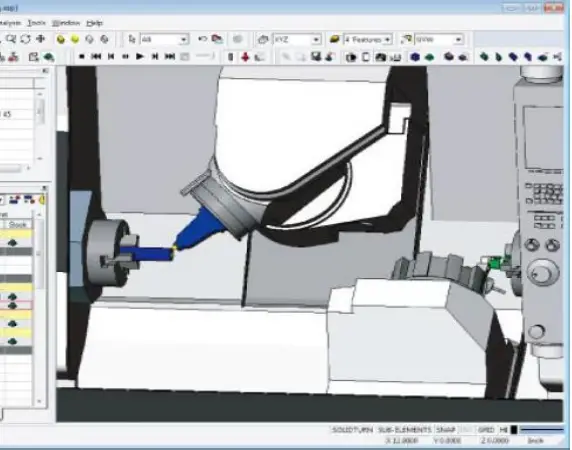
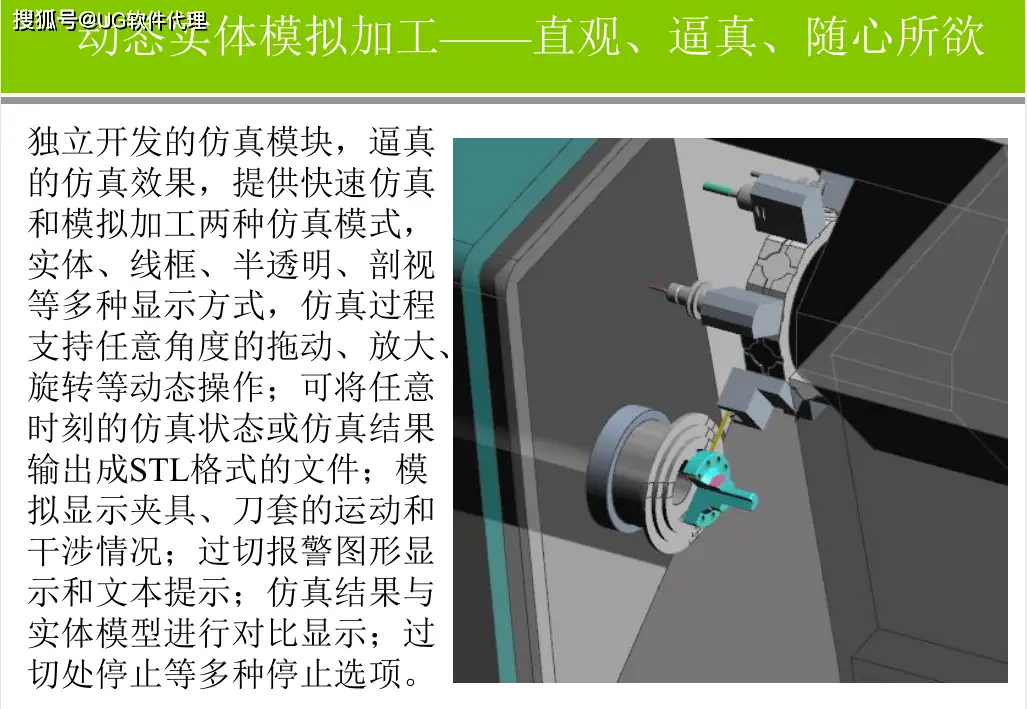
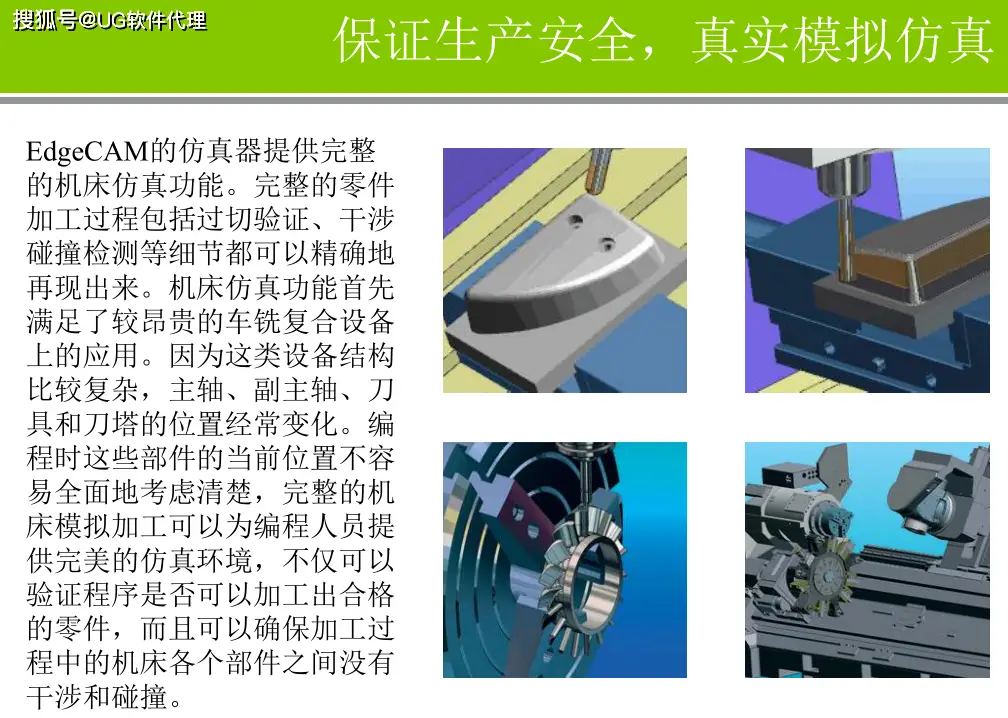
    Turning and milling machine tools are expensive. If the tool path planning is not appropriate, collision accidents can easily occur, resulting in huge property losses. Therefore, virtual simulation verification before processing is particularly critical and can effectively avoid risks.

    Excellent simulation software that supports multi-angle observation and can switch between multiple modes can realistically present the entire cutting process, allowing operators to discover potential problems in advance and adjust the program in a timely manner to ensure that actual processing can proceed smoothly.

    车铣复合加工仿真软件_EDGECAM代理_车铣复合用什么软件编程

    Post-processing problems and solutions

    车铣复合用什么软件编程_EDGECAM代理_车铣复合加工仿真软件

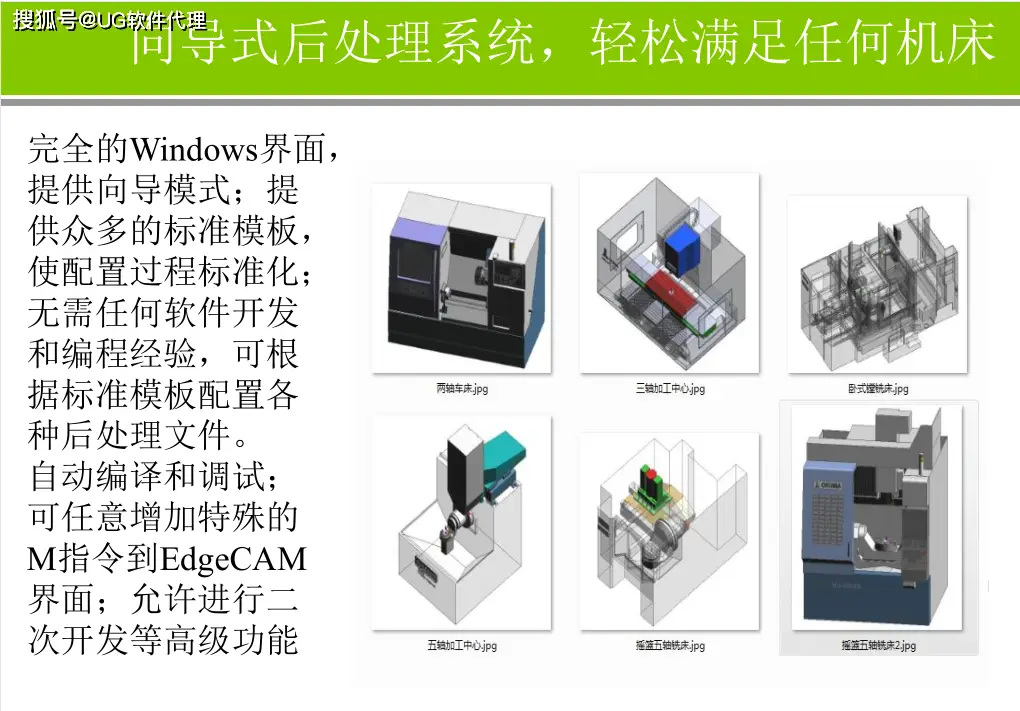
    Different brands of machine tools have large differences in their control systems, and the resulting NC code formats are also different. The traditional post-processing method requires professionals to manually write configuration files. This process is huge in workload and prone to errors, which has become a pain point for many enterprises.

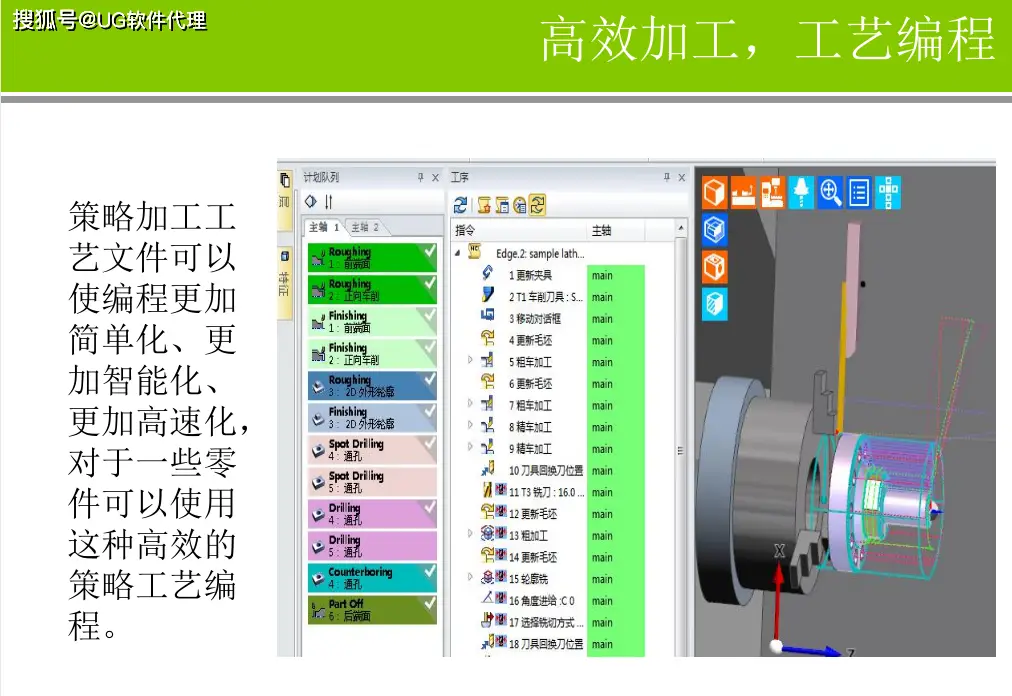
    Modern CAM software has a built-in open post-processing wizard. With the help of this wizard, users can easily generate code formats that meet the requirements of any control machine. This function greatly simplifies the post-processing process and makes programming simple and efficient.

    Advantages of genuine software

    车铣复合加工仿真软件_EDGECAM代理_车铣复合用什么软件编程

    Even though pirated software is cheap, its functions are limited and official technical support is not available. The genuine software is continuously updated and iterated, so its functions become more complete and stable, and it is also compatible with the data formats of various mainstream CAD software.

    车铣复合用什么软件编程_车铣复合加工仿真软件_EDGECAM代理

    Choosing genuine software means you will get complete functional modules and professional technical services. The training support provided by the manufacturer and the after-sales guarantee can help companies quickly improve programming efficiency and reduce trial and error costs.

    EDGECAM代理_车铣复合加工仿真软件_车铣复合用什么软件编程

    How to choose the right software

    车铣复合用什么软件编程_EDGECAM代理_车铣复合加工仿真软件

    There are a wide variety of CAM software on the market today, and their respective functions have different focuses. Software that is suitable for simple part programming makes it faster to get started. However, when faced with complex structural conditions, it seems to be beyond its capabilities and insufficient. Software specifically used in the mold industry has powerful and excellent functions, but the learning curve is very steep.

    车铣复合加工仿真软件_EDGECAM代理_车铣复合用什么软件编程

    The software with the strongest comprehensive performance is the software that can cover many different processing types such as turning, milling, turning and milling combined, etc. For users, they should carefully select a programming system that has matching functions and is easy to operate based on the specific type of their products and processing needs, so that they can maximize their value.

    EDGECAM代理_车铣复合加工仿真软件_车铣复合用什么软件编程

    Selection channels for genuine software

    EDGECAM代理_车铣复合用什么软件编程_车铣复合加工仿真软件

    When purchasing genuine software, it is recommended to purchase it through officially authorized agents to ensure that the source of the software has legal and reliable characteristics. Regular agents will provide a complete set of installation packages and technical support services to help companies quickly implement production applications.

    Some agents will also provide free trials and technical training services so that users can fully understand the software functions before actual operation. This kind of early investment can save companies a lot of exploration time and generate actual benefits as soon as possible.

    Turning and milling compound programming is a headache for many engineers. With professional simulation software, can complex programming become simpler? What kind of programming software are you currently using? Welcome to leave a message in the comment area to share!

  • Mechanism Design Of Orchard Agricultural Machinery Lifting Platform

    Mechanism Design Of Orchard Agricultural Machinery Lifting Platform

    Mechanism design of orchard agricultural machinery lifting platform

    How to choose the metal structure of the 45kW orchard lifting platform? Customized riveting and welding is the key

    Fruit farmers are inseparable from lifting platforms when picking fruits and spraying pesticides. However, many workers are confused when selecting one. Today, I will clearly explain the power configuration of the 45-kilowatt orchard lifting platform, explain it clearly related to the metal structure, thoroughly explain the riveting and welding process, and clearly explain the size design, so as to help you reduce the occurrence of pitfalls. This is how it is done.

    Power matching and power calculation

    The rated power of the orchard lifting platform is 45 kilowatts. This value is not determined arbitrarily. It is calculated based on the torque and speed required when the platform is fully loaded for lifting. The output power of the motor must not only be able to cover the flow demand of the lifting hydraulic pump, but also reserve about 15% or more redundancy to cope with the situation of starting on a slope or a sudden increase in load.

    When actually measuring this behavior, we must first determine the maximum lifting height that the platform can achieve, as well as its lifting speed. For example, taking a maximum stroke of 6 meters and a speed of 1.5 meters per minute as an example, for a hydraulic system, the working pressure is calculated based on 16 MPa, then the required flow rate is approximately 100 liters per minute. Based on this situation, inversely infer that the motor power is in the range of 40 to 47 kilowatts. 45 kilowatts just falls within a reasonable range. It will neither cause waste due to over-design, nor will it cause insufficient lift due to low power.

    Metal structure riveting and welding process

    45kw果园农机升降平台设计_升降平台零部件尺寸计算_果园升降平台金属结构定制铆焊

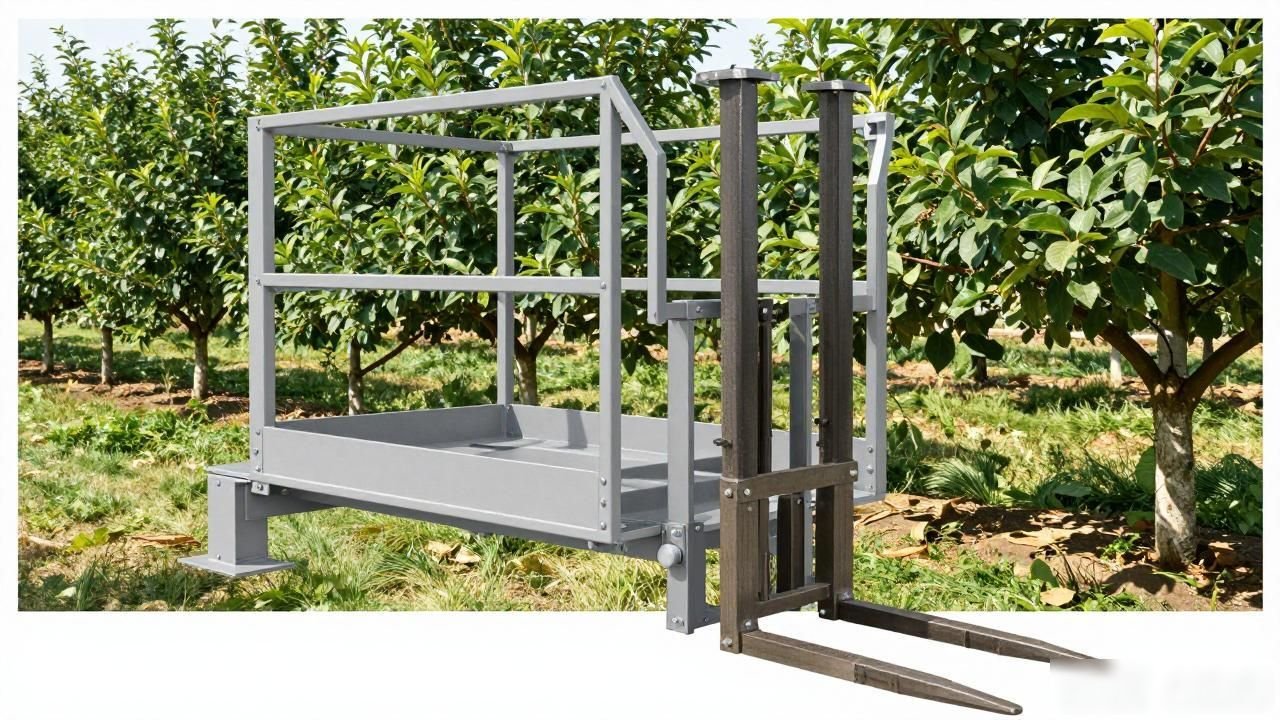
    The main frame of the lifting platform adopts a riveted and welded structure. The columns are force-bearing parts and are welded and formed from steel. The beams are force-bearing parts and are welded and formed from steel. The forks are force-bearing parts and are welded and formed from steel. Key nodes are also reinforced with rivets. The riveting welding process has advantages . The metal structure of the orchard lifting platform is customized with riveting and welding orchard agricultural machinery lifting platform mechanism design. The advantage is that welding can ensure the overall rigidity, and riveting can effectively disperse stress concentration points and avoid weld cracking after long-term use.

    E50 series welding rods are selected as welding materials. The weld grade must meet the secondary standard. The thickness of the plate is determined based on the stress analysis. The main beam part uses a steel plate of more than 8 mm, and the secondary bracket uses a 5 mm plate. 4.8-level high-strength bolts are selected with rivets using riveting technology. After riveting, anti-rust treatment is performed to ensure the service life in the humid environment of the orchard.

    Fork and plate size design

    The component in direct contact with the fruit basket is the fork, and its size design has a direct impact on the load-bearing stability. The length of the forks is calculated and determined to be 1200 mm, the width is 120 mm, and the spacing is 800 mm, which can meet the placement requirements of fruit baskets of common specifications. The fork rod section adopts a channel steel structure, and its bending resistance is stronger than that of a flat plate of the same weight.

    The size of the platform is designed based on the platform's rated load capacity of 1 ton, with a length of 1800 mm, a width of 1200 mm, and a height of 200 mm. The surface of the tabletop is treated with anti-slip texture, and a 50 mm-high rib is installed on its edge to prevent the fruit basket from slipping during transportation. Bolts are used to connect the table and forks to facilitate replacement of worn parts in the future.

    Material selection and strength check

    Q235B carbon structural steel is selected as the main structural component. This material is abundant in the domestic supply chain, its price is moderate, and its welding performance and stamping performance are both good. For key parts that bear greater stress, such as the lifting cylinder connection seat and adapter flange, they are upgraded to Q345B low-alloy high-strength steel. The yield strength of this steel is increased by more than 25%, which can effectively reduce the cross-sectional size of the components.

    The safety factor method is used to conduct strength check. The safety factor is selected as 2.5 under static load conditions and 1.8 under dynamic load conditions. The maximum bending stress in the fork span is calculated to be 120 MPa, which is far lower than the allowable stress of Q235B of 150 MPa, which meets the design requirements. Carry out local pressure bearing calculations at the four corners of the tabletop to ensure that no plastic deformation will occur after long-term heavy-load use.

    Terrain adaptability design

    升降平台零部件尺寸计算_果园升降平台金属结构定制铆焊_45kw果园农机升降平台设计

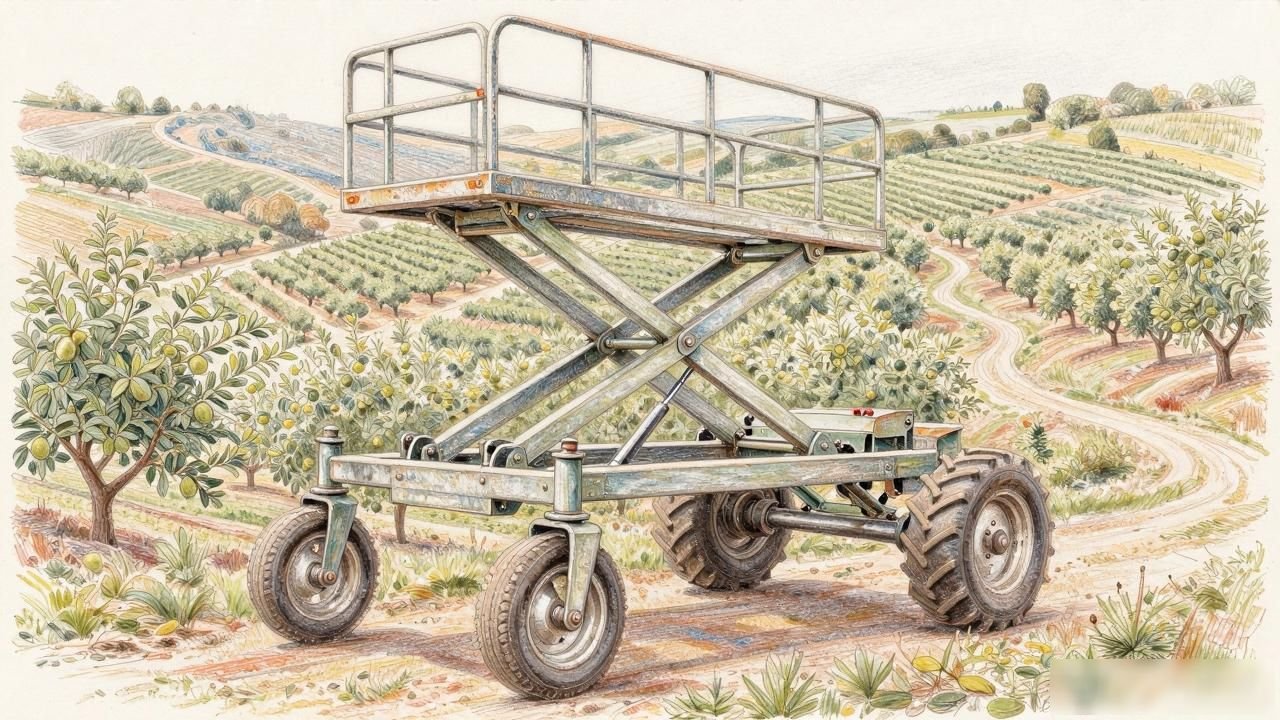
    The terrain of orchards in my country is complex, with plains, hills, and mountains. In this case, the lifting platform must have good terrain adaptability. The chassis is designed with a four-wheel independent suspension structure. The front wheels are responsible for steering, while the rear wheels assume the driving function. The minimum turning radius is controlled within 2.5 meters, so that it can adapt to narrow inter-row passages.

    The ground clearance is set to 280 mm, which has good passability and can cross common ridges and ravines in orchards. The center of gravity of the vehicle has been optimized and calculated. The metal structure of the orchard lifting platform is custom-made and riveted. When the vehicle is fully loaded, the roll stability angle is greater than 25 degrees. There will be no rollover when operating on a 15-degree slope. The tires are wide-width engineering machinery tires with a small ground contact pressure, which minimizes the impact on the soil compaction in the orchard.

    Core component selection and reliability

    The reliability of the lifting platform depends on the quality of the core components. The hydraulic system uses mature domestic brands of plunger pumps and electromagnetic reversing valves. Its working pressure range and flow-related parameters are perfectly matched with the 45-kilowatt motor. The surface of the cylinder piston rod has been treated with chrome plating and hard chromium. Its wear resistance and corrosion resistance have been significantly improved, making it suitable for the high-humidity environment of orchards.

    The PLC programmable logic controller integrated into the electrical control system has overload protection function, stroke limit function, emergency stop braking and other multiple safety functions. The operation panel adopts IP65 protection level, which is dustproof and waterproof. Even if the fruit farmer wears protective gloves, he can still operate normally. Moreover, all exposed fasteners in the system are galvanized, and the hydraulic pipeline uses a dual protection method of high-pressure hoses and metal hoses to eliminate potential oil leakage.

    What type of lifting equipment is used in your orchard today? Have you ever encountered problems such as insufficient power and unstable structure? If so, please share your relevant experience in the comment area.

  • How To Ensure The Surface Roughness Of Medical Precision Parts (such As Ra 0.4μm)?

    How To Ensure The Surface Roughness Of Medical Precision Parts (such As Ra 0.4μm)?

    How to ensure the surface roughness of medical precision parts (such as Ra 0.4μm)?

    When manufacturing medical device parts, if the surface roughness fails to meet the standard of Ra 0.4μm, the product will be judged as scrapped if the situation is minor, and if the situation is more serious, it will pose a threat to the life safety of patients. Currently, many factories are still using traditional methods to perform processing operations, which has resulted in constant complaints. So, at this time, let’s discuss how to cross this threshold.

    Process planning must be advanced

    Surface quality control cannot be considered until the processing is completed, but must be planned in advance during the process design stage. Sufficient amount should be reserved after rough machining. For thin-walled parts, flexible clamping must be used. Otherwise, once the clamping force changes, subsequent polishing will not be able to make up for it.

    Many companies suffer from disadvantages in the rough machining process. The tool marks are too deep and the margins are uneven. When finishing, it is difficult to reach the Ra 0.4μm standard no matter how much polishing is performed. It is much more cost-effective to evaluate the surface in advance and reserve a reasonable margin than to make repairs afterwards.

    Precision grinding to control thermal stress

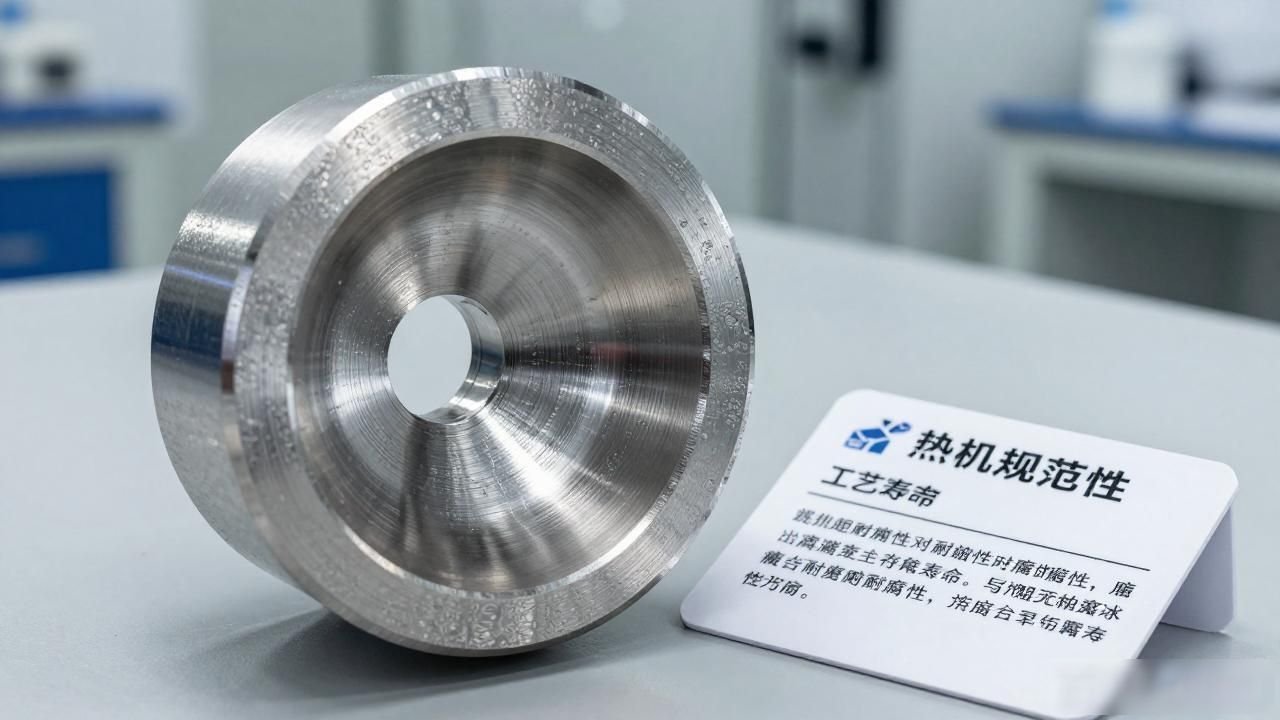
    If you want to achieve zero heat-affected zone with CBN grinding wheels alone, you need to cooperate with strict grinding parameters. The grinding speed must be accurately controlled, the feed rate must be accurately controlled, and the coolant flow rate must also be precisely controlled. Once the local temperature is too high, the material surface will be burned and micro-cracks will occur.

    医疗精密零件表面粗糙度控制_Ra0.4μm工艺体系_精密磨削加工技术

    The surface of the part after the grinding operation will retain changes in the microstructure. These changes are invisible to the naked eye. How to ensure the surface roughness (such as Ra 0.4μm) of medical precision parts? , but it will have an impact on corrosion resistance and fatigue life. The standardized content of the heat engine must be written into the process card, and it cannot be adjusted at will based on the experience of workers.

    Ultra-precision deburring and dead ends removal

    It is simply impossible to achieve medical grade standards by relying solely on manual chamfering. Abrasive particle flow and electrolytic deburring can effectively remove burrs at dead ends such as micropores and grooves, and then stably control the Ra value below 0.4 μm.

    After deburring, the surface morphology will change. Some companies, in order to pursue efficiency, ignore the problem of residual burrs at the root. If a micron-level burr is not treated cleanly, it is very likely to cause an inflammatory reaction once implanted in the human body.

    Cleaning and cleaning to prevent secondary pollution

    Cleaning is not just about flushing away dirt, but also about removing processing oil, particles and scale. Vacuum cleaning must be used in conjunction with plasma activation precision grinding processing technology to achieve medical-grade cleanliness standards and avoid subsequent passivation treatment failures.

    Equally critical are the drying and packaging links. Once stainless steel parts are washed and not passivated in time, rust spots will quickly appear on the surface. The shedding of particles from packaging materials is also a source of invisible pollution, so operations must be carried out in a dust-free environment.

    Data traceability to ensure compliance

    Ra0.4μm工艺体系_精密磨削加工技术_医疗精密零件表面粗糙度控制

    According to the regulations of ISO 13485, each product should be traceable. From the beginning of the material batch to the final Ra value detection, the data of the entire process must be completely recorded. Precision grinding processing technology must be randomly inspected using a profiler or optical microscope before shipment. The proportion of random inspections shall not be less than 95%.

    The traceability system is not just for inspections, it is also the basis for quality improvement. When a problem occurs with a certain batch of parts, it can quickly locate which process, which piece of equipment, and which batch of materials caused it, thus shortening the time spent on troubleshooting.

    New directions for future technology

    New technologies that are becoming popular include polishing by automated robots, magnetorheological polishing, and laser polishing. These methods can eliminate quality fluctuations caused by manual operations, allowing the Ra value to be more stable within 0.4 μm during control.

    Deep integration means the future direction of medical precision manufacturing. The processing technology must be closely connected with the compliance system, and the data collection must be connected with the traceability system. In the high-end equipment market, whoever can take the lead in achieving full-process digital control will be able to gain a firm foothold.

    For your company, what kind of pitfalls have you encountered in the surface treatment of medical precision parts? Precision grinding processing technology . You are welcome to share your own experience in the comment area, like and forward it, so that more peers can benefit from it.

  • Key Points Of Drawing And Processing Of Stainless Steel Sheets, Collect Them Quickly!

    Key Points Of Drawing And Processing Of Stainless Steel Sheets, Collect Them Quickly!

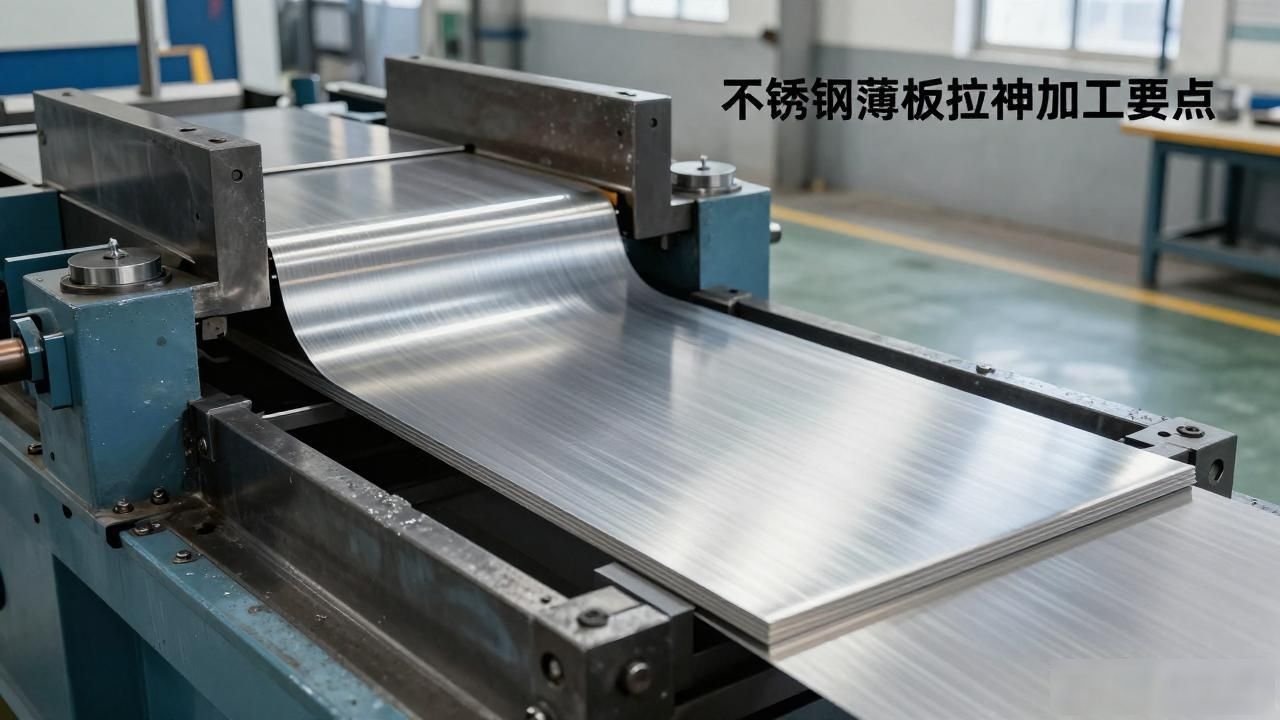
    Key points for drawing and processing of stainless steel sheets Key points for drawing and processing of stainless steel sheets, collect them quickly! , collect quickly!

    Stainless steel products use many methods to successfully process stainless steel , but processing is difficult

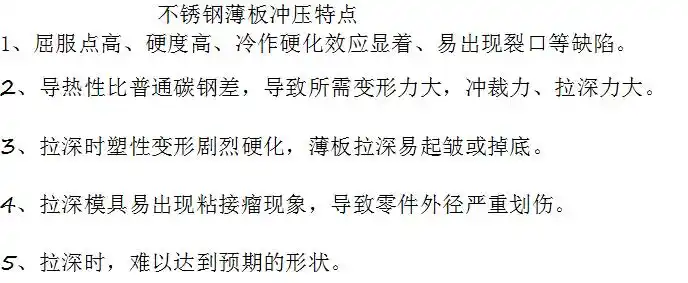
    Nowadays, stainless steel is used in decorations, hardware, and kitchen equipment because of its beautiful and rust-resistant properties. However, the trouble faced by many manufacturers is that during stamping operations, the surface of parts is easily scratched, and adhesive tumors can also be generated, which will have a direct impact on shipment quality and production efficiency.

    不锈钢加工成功之道_不锈钢薄板冲压加工重点_解决不锈钢冲压拉深问题因素

    These problems are not simply caused by inappropriate operations, but more due to the fact that the characteristics of the materials and the details of the process have not reached the level they should be. To achieve a breakthrough in this bottleneck, systematic improvements must be made in various aspects such as molds, materials, and lubrication.

    Mold structure should pay attention to ingenuity

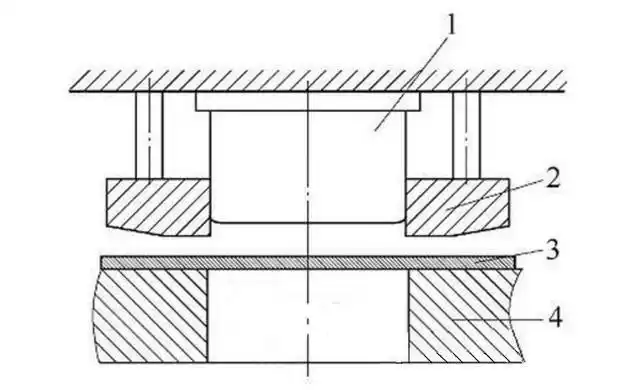
    When stamping stainless steel, the drawing process is very prone to problems . The key to successful stainless steel processing is to change the blank holder surface to an oblique design, so that the material can reach full contact with the rounded corners of the die during drawing, or the blank holder force can be distributed more evenly, and the difficulty of deep drawing will be reduced.

    不锈钢薄板冲压加工重点_不锈钢加工成功之道_解决不锈钢冲压拉深问题因素

    解决不锈钢冲压拉深问题因素_不锈钢加工成功之道_不锈钢薄板冲压加工重点

    The sheet flows more smoothly, thanks to the reasonable mold structure, which can reduce local stress concentration, is more effective than simply increasing pressure, and can also extend the service life of the mold.

    Raw material quality must pass

    The quality of the plate plays a direct and decisive role in the stamping effect. When carrying out purchasing actions, be sure to choose formal channels to ensure that the materials meet the corresponding standards. Before the hard material is used for stamping, it must be annealed. Only after the plasticity is restored can it be processed smoothly. Otherwise, cracking or springback will easily occur.

    Materials from the same batch may have different properties. Before getting on the machine, you can conduct a random inspection to confirm. After the material reaches a stable state, a series of subsequent processes can be carried out smoothly.

    There are ways to choose mold materials

    The material of the mold itself affects its lifespan and the quality of the finished product. Mold steel with good wear resistance and toughness is more suitable for stainless steel stamping. At the same time, the surface treatment of the mold is also very critical. Polishing it to the right level can reduce friction and avoid adhesion of the workpiece.

    When heat treatment is performed, the hardness and precision also need to meet standards. Not only the high-quality molds are used a long time, but the external consistency of each batch of products can be effectively guaranteed.

    Lubricating fluid cannot be ignored

    解决不锈钢冲压拉深问题因素_不锈钢薄板冲压加工重点_不锈钢加工成功之道

    The role of stamping lubricant is often underestimated. It can form a protective film between the plate and the mold, reduce friction and heat, and prevent the occurrence of bonding tumors. Choosing a lubricant suitable for stainless steel can significantly improve the surface finish.

    Pay attention to the spraying method of lubricant, and the contact surface needs to be evenly covered. What achieves the effect of getting twice the result with half the effort is that good lubrication combined with reasonable technology marks the point:!

    不锈钢薄板冲压加工重点_解决不锈钢冲压拉深问题因素_不锈钢加工成功之道

    Process design must be coordinated and balanced

    The stamping process is not just a single step. It starts from blanking, to forming, and then to trimming. These processes all require overall planning. Having a reasonable process route can reduce rework and thereby improve efficiency. Moreover, the parameters of each step must be repeatedly debugged based on the material thickness and mold conditions.

    When you encounter a problem, don't just blame the material or equipment, but look for the cause more from a process perspective. Only with systematic thinking can we solve problems from the root.

    Stainless steel stamping processing may seem complicated, but as long as you grasp the key points of material, mold, lubrication, and process, you can effectively control the surface quality. What stamping problems have you encountered during actual production? Welcome to share and discuss in the comment area.