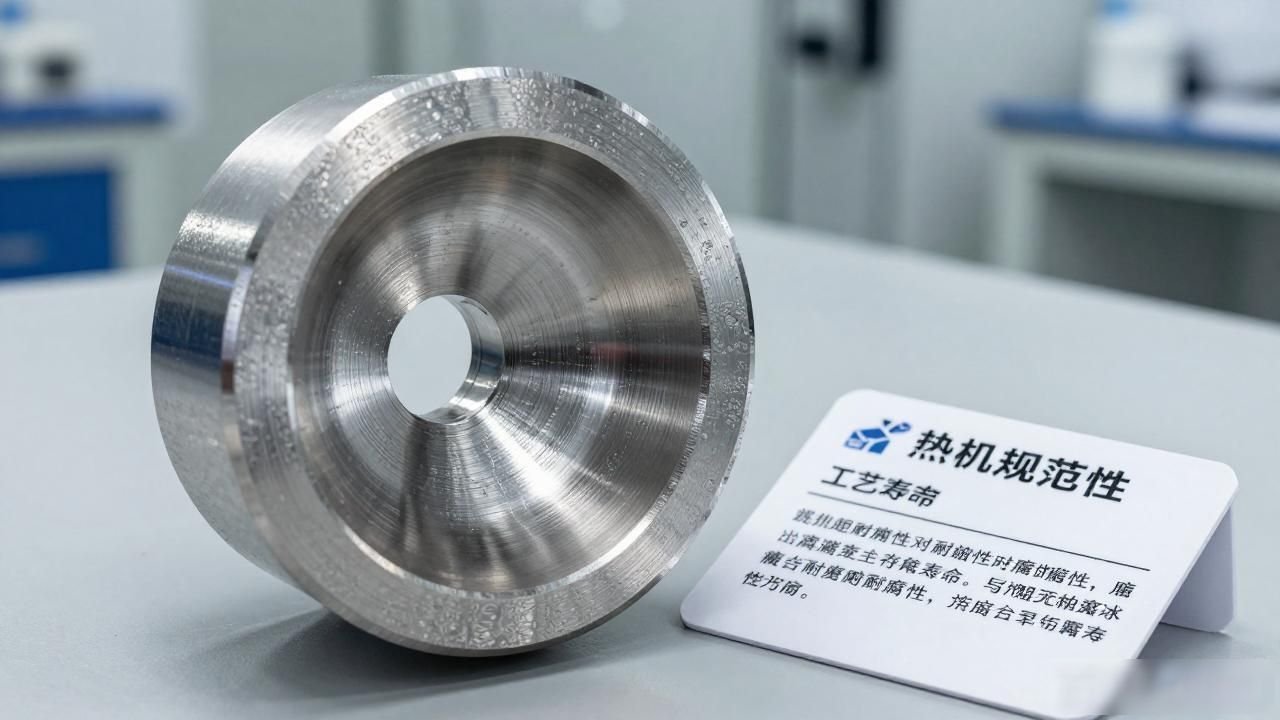


How to ensure the surface roughness of medical precision parts (such as Ra 0.4μm)?
When manufacturing medical device parts, if the surface roughness fails to meet the standard of Ra 0.4μm, the product will be judged as scrapped if the situation is minor, and if the situation is more serious, it will pose a threat to the life safety of patients. Currently, many factories are still using traditional methods to perform processing operations, which has resulted in constant complaints. So, at this time, let’s discuss how to cross this threshold.
Process planning must be advanced
Surface quality control cannot be considered until the processing is completed, but must be planned in advance during the process design stage. Sufficient amount should be reserved after rough machining. For thin-walled parts, flexible clamping must be used. Otherwise, once the clamping force changes, subsequent polishing will not be able to make up for it.
Many companies suffer from disadvantages in the rough machining process. The tool marks are too deep and the margins are uneven. When finishing, it is difficult to reach the Ra 0.4μm standard no matter how much polishing is performed. It is much more cost-effective to evaluate the surface in advance and reserve a reasonable margin than to make repairs afterwards.
Precision grinding to control thermal stress
If you want to achieve zero heat-affected zone with CBN grinding wheels alone, you need to cooperate with strict grinding parameters. The grinding speed must be accurately controlled, the feed rate must be accurately controlled, and the coolant flow rate must also be precisely controlled. Once the local temperature is too high, the material surface will be burned and micro-cracks will occur.

The surface of the part after the grinding operation will retain changes in the microstructure. These changes are invisible to the naked eye. How to ensure the surface roughness (such as Ra 0.4μm) of medical precision parts? , but it will have an impact on corrosion resistance and fatigue life. The standardized content of the heat engine must be written into the process card, and it cannot be adjusted at will based on the experience of workers.
Ultra-precision deburring and dead ends removal
It is simply impossible to achieve medical grade standards by relying solely on manual chamfering. Abrasive particle flow and electrolytic deburring can effectively remove burrs at dead ends such as micropores and grooves, and then stably control the Ra value below 0.4 μm.
After deburring, the surface morphology will change. Some companies, in order to pursue efficiency, ignore the problem of residual burrs at the root. If a micron-level burr is not treated cleanly, it is very likely to cause an inflammatory reaction once implanted in the human body.
Cleaning and cleaning to prevent secondary pollution
Cleaning is not just about flushing away dirt, but also about removing processing oil, particles and scale. Vacuum cleaning must be used in conjunction with plasma activation precision grinding processing technology to achieve medical-grade cleanliness standards and avoid subsequent passivation treatment failures.
Equally critical are the drying and packaging links. Once stainless steel parts are washed and not passivated in time, rust spots will quickly appear on the surface. The shedding of particles from packaging materials is also a source of invisible pollution, so operations must be carried out in a dust-free environment.
Data traceability to ensure compliance
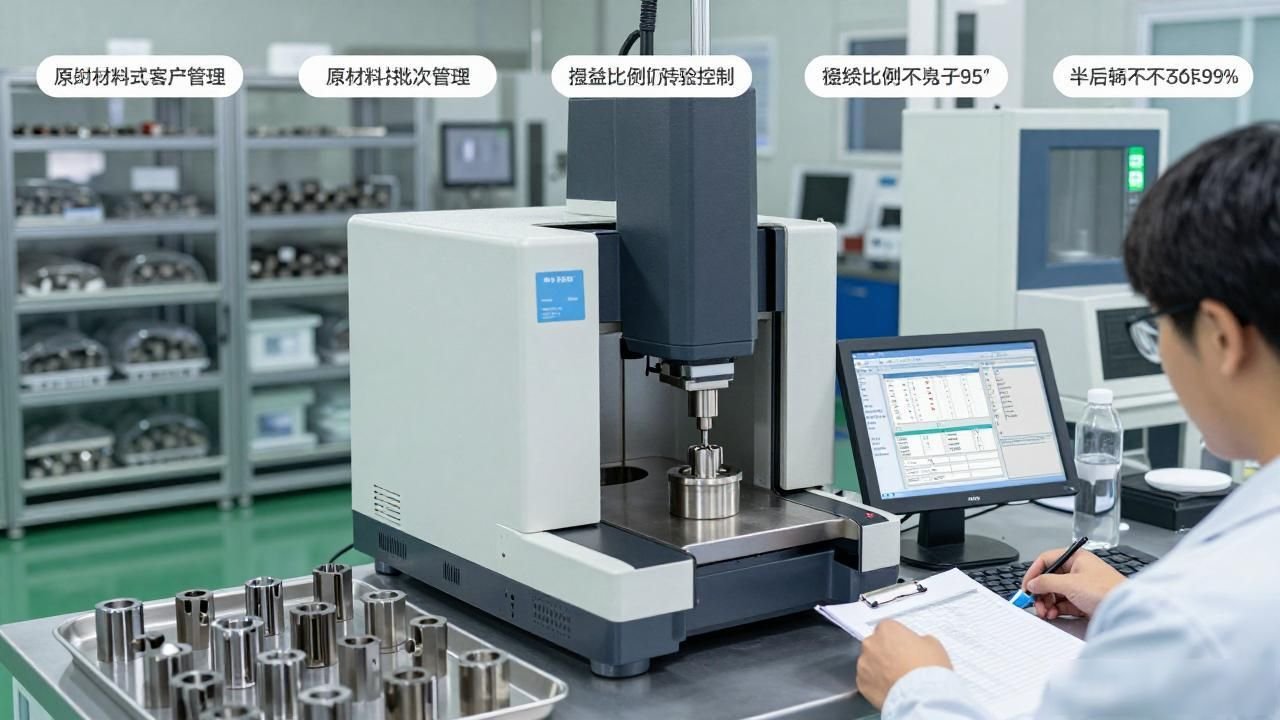
According to the regulations of ISO 13485, each product should be traceable. From the beginning of the material batch to the final Ra value detection, the data of the entire process must be completely recorded. Precision grinding processing technology must be randomly inspected using a profiler or optical microscope before shipment. The proportion of random inspections shall not be less than 95%.
The traceability system is not just for inspections, it is also the basis for quality improvement. When a problem occurs with a certain batch of parts, it can quickly locate which process, which piece of equipment, and which batch of materials caused it, thus shortening the time spent on troubleshooting.
New directions for future technology
New technologies that are becoming popular include polishing by automated robots, magnetorheological polishing, and laser polishing. These methods can eliminate quality fluctuations caused by manual operations, allowing the Ra value to be more stable within 0.4 μm during control.
Deep integration means the future direction of medical precision manufacturing. The processing technology must be closely connected with the compliance system, and the data collection must be connected with the traceability system. In the high-end equipment market, whoever can take the lead in achieving full-process digital control will be able to gain a firm foothold.
For your company, what kind of pitfalls have you encountered in the surface treatment of medical precision parts? Precision grinding processing technology . You are welcome to share your own experience in the comment area, like and forward it, so that more peers can benefit from it.






暂无评论内容