

[Love Science] I know gold, silver, copper, iron and other metals, but this is the first time I heard about titanium. [Love Science] I know gold, silver, copper, iron and other metals, but this is the first time I heard about titanium. What kind of metal is it? , what kind of metal is it?
Do you know that titanium is lighter than steel and stronger than aluminum. It is an indispensable material in the aerospace field. However, many people only have a little understanding of the processing standards of titanium alloys. Today we are going to fully understand it.
What kind of metal is titanium?
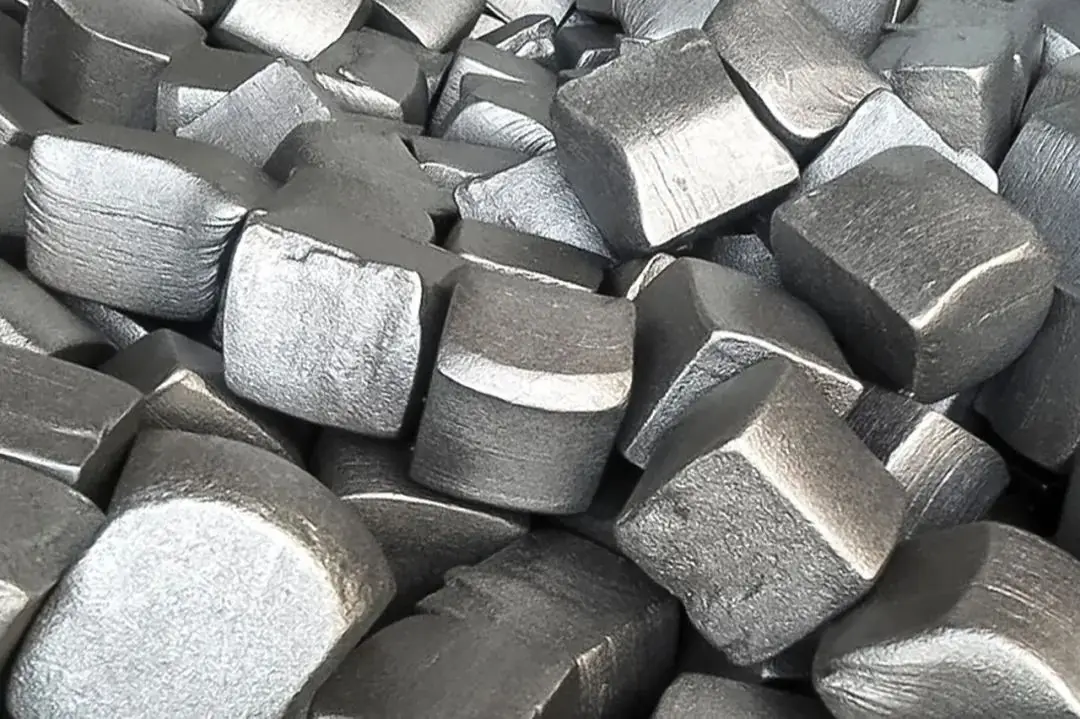
The silvery white material is pure titanium, with a melting point as high as 1668 degrees Celsius. Its density is only 57% of steel, but its strength and hardness are close to steel. It is this unique combination that makes titanium an ideal choice as a lightweight structural material.
Compared with aluminum, titanium is slightly denser, but its mechanical strength is significantly better than aluminum. It has high strength like steel and light weight like aluminum, plus good plasticity, heat resistance and corrosion resistance. The combined performance is extremely outstanding.

The discovery of titanium
In 1795, a German chemist, Klaplot, discovered a new element in red ore. He used the name of the Titans in Greek mythology and named it titanium, which was also translated as titanium in Chinese. However, what was obtained at that time was actually titanium dioxide in powder form , not titanium metal itself.
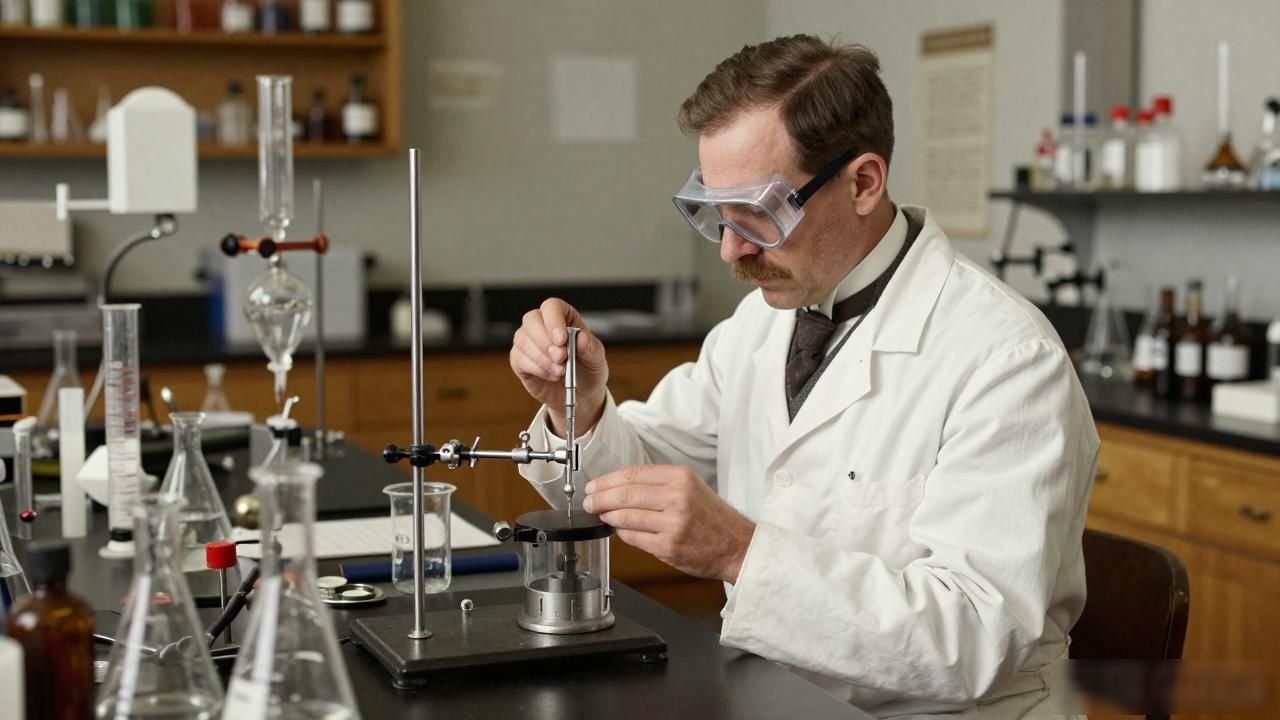
It was not until 1910 that Hunter, an American chemist, successfully produced titanium metal with a purity as high as 99.9% for the first time, but the total amount was less than 1 gram. From the discovery of titanium to the successful preparation of titanium metal, the entire process took 115 years, which clearly shows how difficult it is to refine it.
Titanium’s wide range of applications
Since the 1950s, titanium has been widely used in aerospace fields such as aircraft, rockets, missiles, and ships due to its excellent performance. Titanium dioxide, as a substance of titanium oxide, is an important white pigment. It is a relationship between substance and category. 1 gram of titanium dioxide can paint a wall of 450 square centimeters white. It is a relationship between quantity and effect.
Barium titanate has such an effect, that is, the piezoelectric effect, which produces an electric current when it is subjected to pressure, and its shape changes when it is energized. Ocean detectors made with this characteristic can detect underwater fish schools, reefs, and submarines. Experts predict that titanium will become the third largest metal after copper and iron.
Memory effect of nickel titanium alloy
In 1961, researchers in the United States accidentally discovered that straightened nickel-titanium alloy wires would return to their original curved shape after being exposed to heat. This phenomenon is called the shape memory effect, which means that the alloy can remember and return to its original shape.
The shape memory effect of nickel-titanium alloys, which has important applications in aerospace, automobiles, integrated circuits and medical fields, can be reused. This discovery has subverted people's understanding of metals and proved that metals can have memory functions.
The importance of titanium alloy processing standards
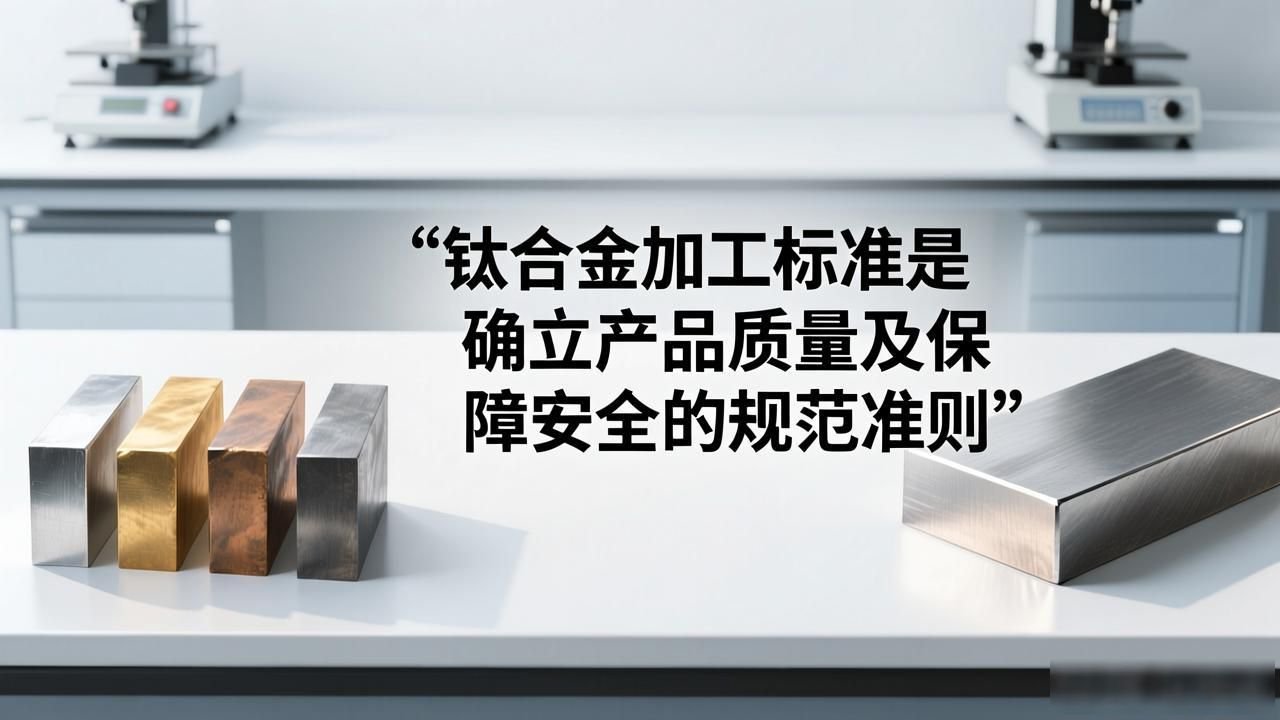
Titanium alloy processing standards are established norms and principles that are followed to establish product quality and ensure safety. In different application scenarios, there are different requirements in terms of strength, corrosion resistance, dimensional accuracy and many other indicators of titanium alloys. The processing standards provide clear technical basis for these situations.
Strictly implementing the standards set by the titanium alloy processing industry can effectively control quality fluctuations during the production process, thereby reducing the defect rate of products. In a high-risk field like aerospace, the implementation of standards is directly related to the safety and reliability of equipment. period.
Current status of titanium alloy processing industry
Nowadays, both domestic and foreign countries have established a relatively complete titanium alloy processing standard system, which covers raw material inspection, processing technology, quality inspection and many other links. Domestically, it is mainly implemented in accordance with the GB/T series of standards, while internationally, standards such as ASTM and ISO can be used for reference.
As the application fields of titanium alloys continue to expand, their processing standards are also continuously updated and improved. Enterprises should pay close attention to the dynamics of standards and promptly update production processes and quality control systems to adapt to new requirements put forward by industry development.
If you have any other questions about titanium alloy processing standards, please leave a message in the comment area to participate in the discussion . If you feel that this article is helpful to you, don’t forget to like and share it!
发表回复
要发表评论,您必须先登录。