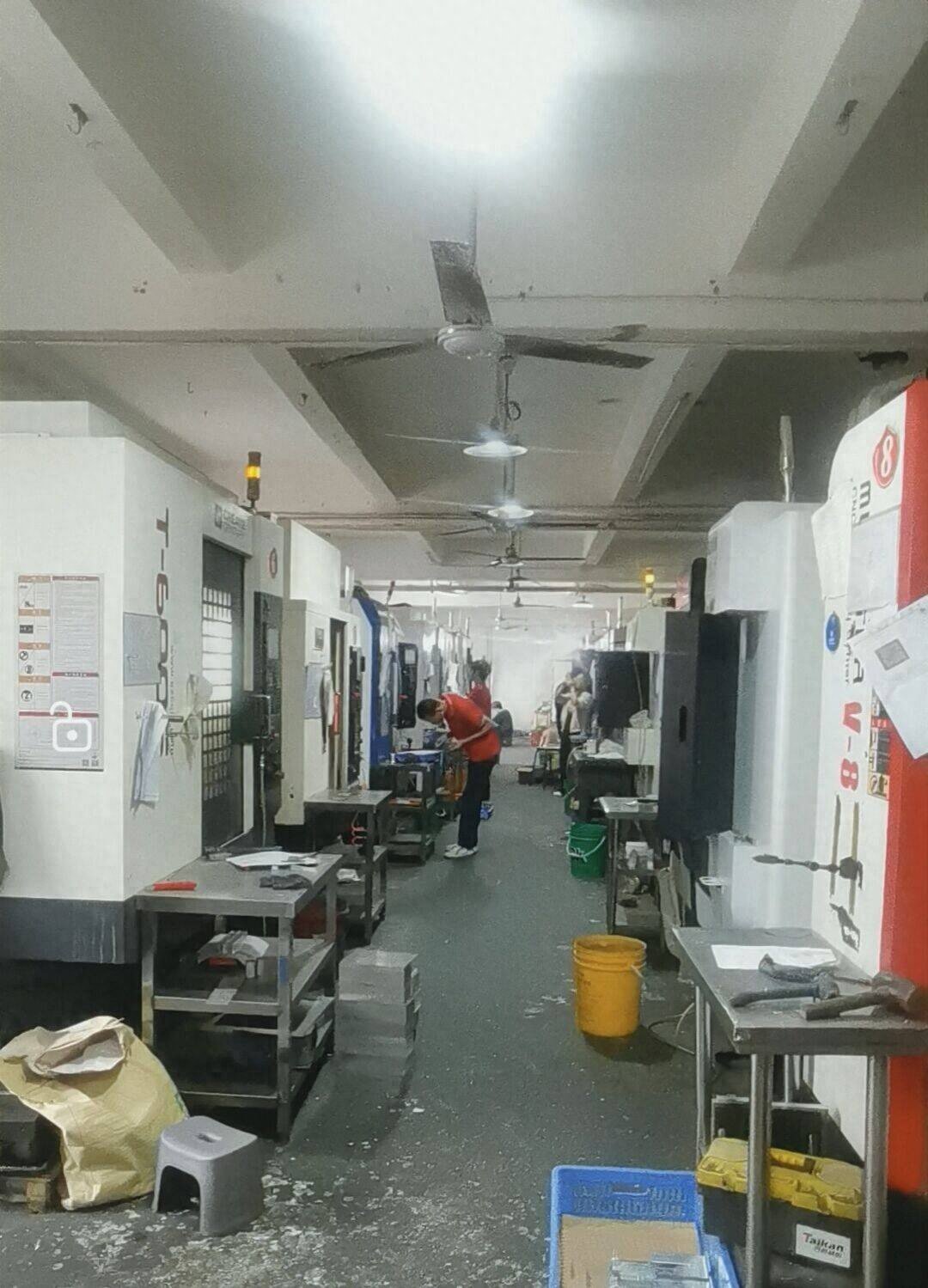


2026 Intelligent Manufacturing Upgrade2026 Intelligent Manufacturing Upgrade, a new trend in high-precision CNC lathe processing, a new trend in high-precision CNC lathe processing
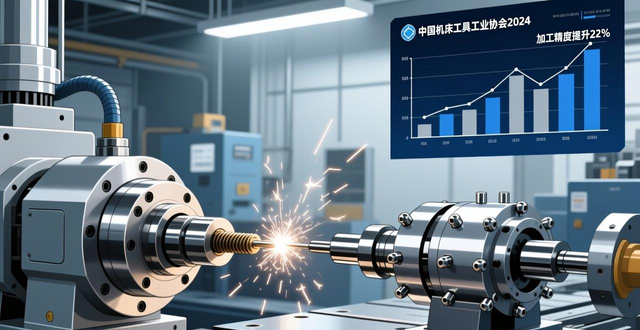
High-precision CNC lathe processing is changing the landscape of high-end manufacturing. In 2026, this technology will reach micron level in terms of accuracy, and will achieve a double leap in efficiency and quality with the help of intelligent methods, transforming into an indispensable core technology in aerospace, medical equipment and other fields.
Intelligent sensing makes processing more accurate

By 2026, mainstream lathes will be equipped with a large number of smart sensors. These sensors can capture very detailed data such as cutting vibration, spindle temperature and tool loss at every moment. For example, there is a factory engaged in the production of precision parts in Taizhou, Zhejiang. During the processing process, the sensor detected slight wear on the spindle bearing. At this time, the system immediately adjusted the feed speed, thus avoiding the scrapping of the finished product. It is such a mechanism that can provide real-time feedback that allows the equipment to maintain a stable accuracy state at all times, thus no longer relying on the original experience of artificial intelligence.
AI parameter control replaces manual machine adjustment
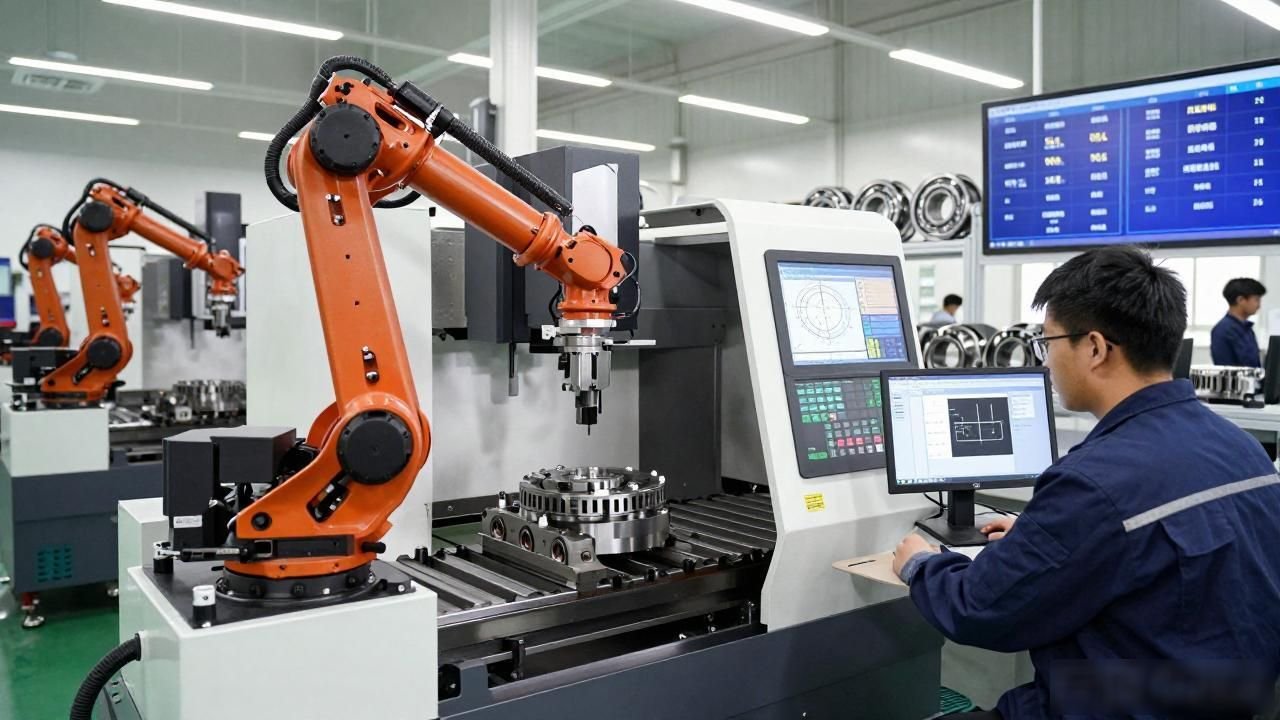
In the past, traditional machining relied on master craftsmen to set parameters based on experience, but now, AI algorithms automatically optimize the spindle speed and cutting depth based on the workpiece material and equipment status. In the workshop of a new energy vehicle company in Suzhou, the AI system increased the yield rate of bearing processing from 87% to 96%, and shortened the time per piece by 15%. Workers only need to monitor the screen, and parameter adjustments are automatically completed by the machine.
Thermal deformation suppression technology improves roundness
The heat generated when cutting metal will cause thermal expansion of the spindle and workpiece, which will affect the roundness and coaxiality. In 2026, those mainstream lathes will use circulating coolant and thermal compensation algorithms to control temperature fluctuations within a range of plus or minus 0.5 degrees Celsius. Data given by an optical instrument factory in Dongguan shows that after applying this technology, the roundness deviation of the lens barrel parts was reduced from 2 microns to 0.8 microns, significantly reducing the grinding process.
Five-axis composite machining reduces clamping
The five-axis linkage technology possessed by high-end equipment has already reached the mid-range market. A lathe can perform turning, milling and drilling operations at the same time. In the aviation parts factory located in Xi'an, all processing of turbine blades can be completed with only one clamping, saving the time required for three tool changes and positioning. The overall production cycle has been reduced by 40%, and the processing accuracy is still maintained within 5 microns.
Domestic supply chain reduces procurement costs
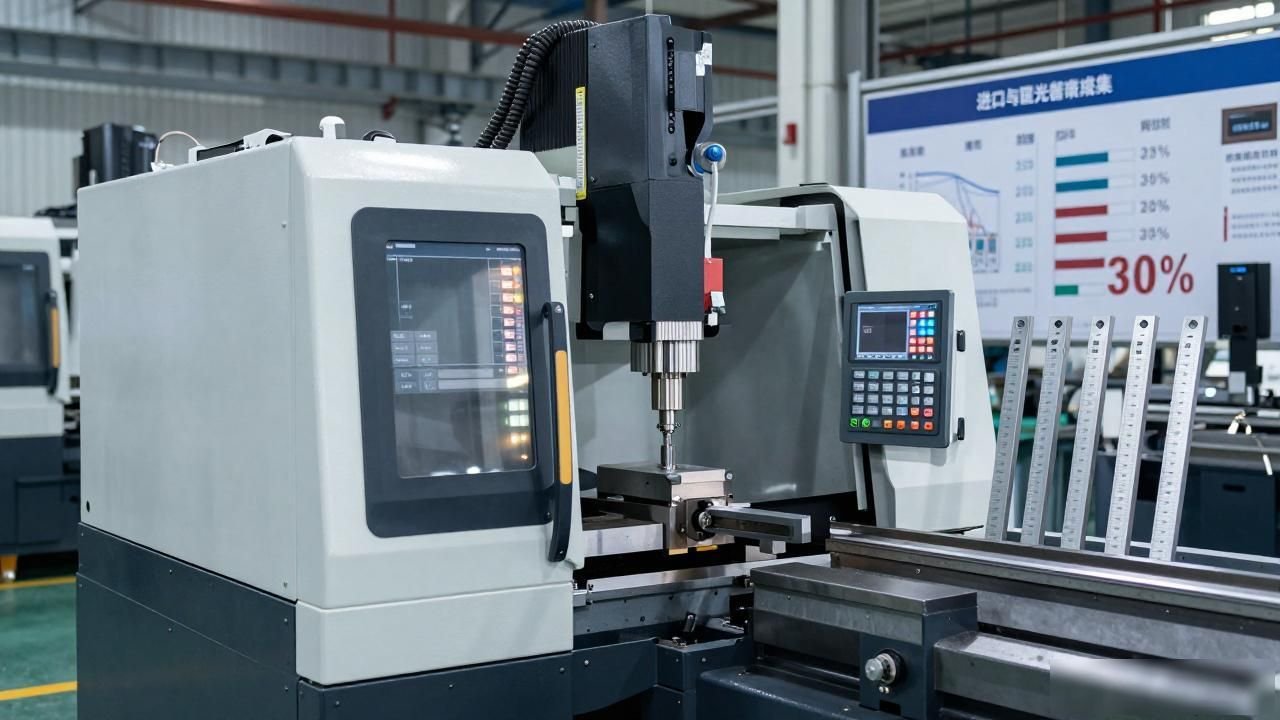
In the past, core components such as high-precision bearings and grating rulers had to be imported, which were very expensive and had long delivery times. Nowadays, domestic alternatives are becoming more mature. There is a machine tool factory in Luoyang. The accuracy of its domestic grating rulers has reached the level of imported products, and the cost has been reduced by 30%. In this way, small and medium-sized factories can purchase lathes with smart sensors without worrying about interruptions in the supply of after-sales parts.
Green processing takes into account efficiency and energy saving
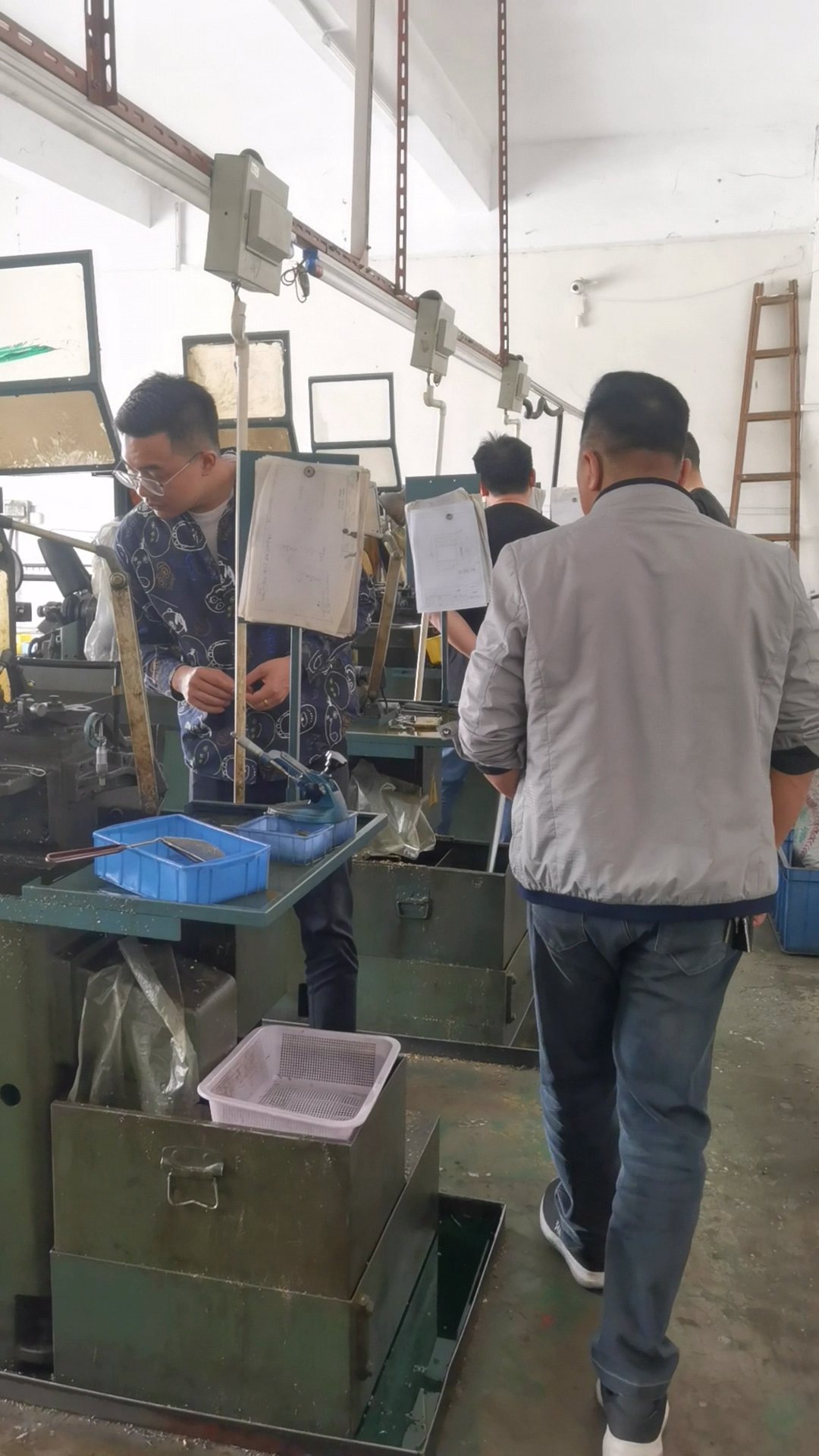
By 2026, the industry will promote energy-saving cutting fluid circulation systems and high-efficiency motors, reducing energy consumption by more than 20%. In a medical device workshop in Shenzhen, the optimized cutting process has reduced coolant consumption by 30%. At the same time, the surface roughness of the workpiece is better than the standard. This model allows companies to meet environmental protection inspection standards and also reduces operating costs.
As this situation comes into view, has the company you are in thinking about improving highly accurate CNC lathes? Is the biggest challenge you have encountered is the problem of accuracy? You are welcome to leave words in the comment area to share, give likes and forward, so that more peers can witness the experience accumulated in these practical operations.








暂无评论内容