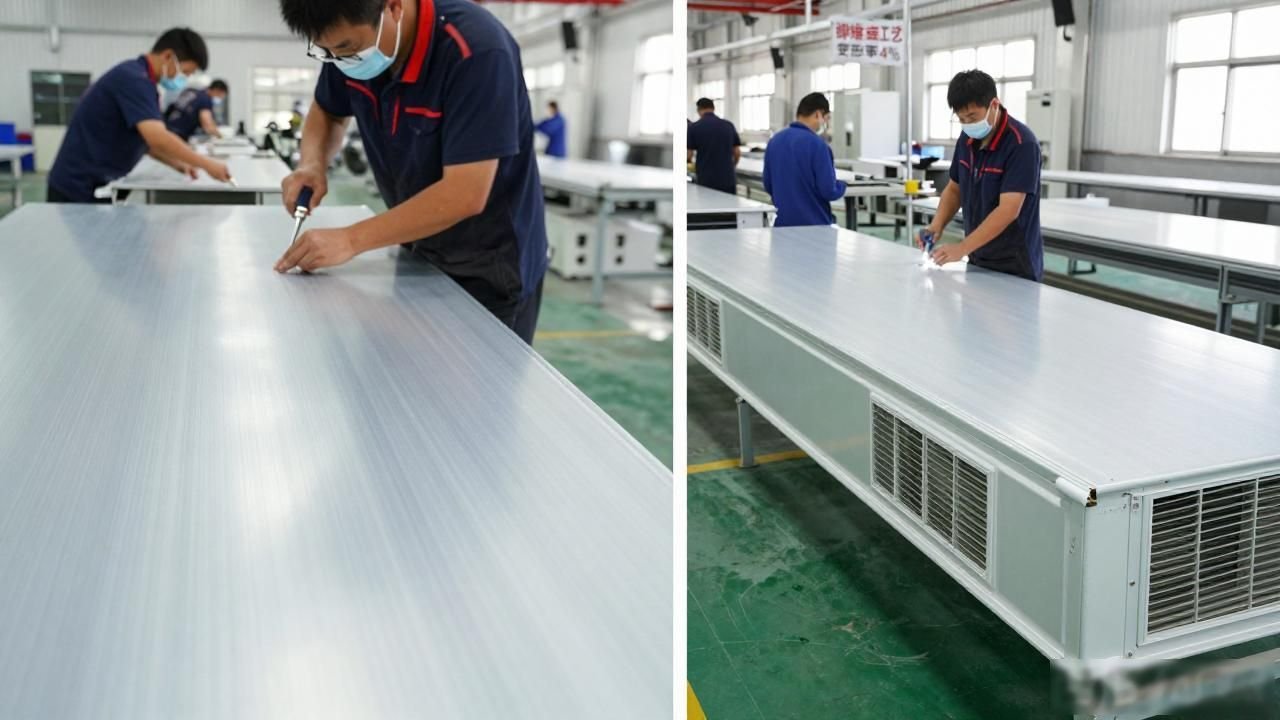


Wide and thin metal sheets
Welding deformation of thin plates is a big problem
In actual production situations, the most common trouble with thin plate welding is deformation. Many operators say that after welding a steel plate with a thickness of 2 mm, the plate will warp or twist when cooling. Data from an auto parts factory in Guangdong in 2025 pointed out that their monthly scrap rate due to welding deformation can reach 8%. If this problem is not solved, it will not only cause a waste of materials, but also slow down the production progress. What customers are most concerned about is whether the deformation of thin plate parts using secondary welding and riveting will become smaller?
The actual impact of secondary welding on thin plates
There is a welding method called carbon dioxide gas shielded welding, which is also called secondary welding. When welding thin plates, the degree of deformation is indeed smaller than that of manual arc welding. This is because the heat input of secondary welding is more concentrated and the welding speed is faster. For example, an electronic equipment factory in Jiangsu conducted a test in 2024 and used secondary welding to weld 1.5 mm thick stainless steel plates. The deformation was reduced by one-third compared to manual welding. However, if the operation method is incorrect, such as the current is adjusted too large or the welding speed is too slow, the deformation will still be very significant.
What are the benefits of riveting and welding?

The method of fixing thin plates with rivets first and then welding them is called riveting welding. The rivets can disperse the thermal stress generated during welding, which is an advantage. After introducing the riveting welding process, a home appliance company in Zhejiang reported that the welding deformation rate dropped from the original 12% to 4%. They mainly produce air-conditioning casings, using 0.8mm galvanized sheets. After riveting and welding, the flatness of the product has been greatly improved. Therefore, when thin plate parts are welded with secondary protection, the riveting deformation is relatively small if the process parameters must be matched.
Key factors affecting the size of deformation
The size of the deformation is directly related to several factors. The first is the thickness of the plate. The thinner the plate, the easier it is to deform. The second is the current and voltage during welding. For example, for a 2 mm thick steel plate, once the current exceeds 180 A, it will be dangerous. The other thing is the order of welding. Welding the short seams first and then the long seams can reduce distortion. There are also cooling methods. Forced water cooling has smaller deformation than natural cooling. In 2023, a shipyard in Shandong carried out such an experiment. During the welding of 3 mm thin plates in a reasonable sequence, the deformation was controlled within 0.5 mm.
Deformation reduction techniques in practical operations
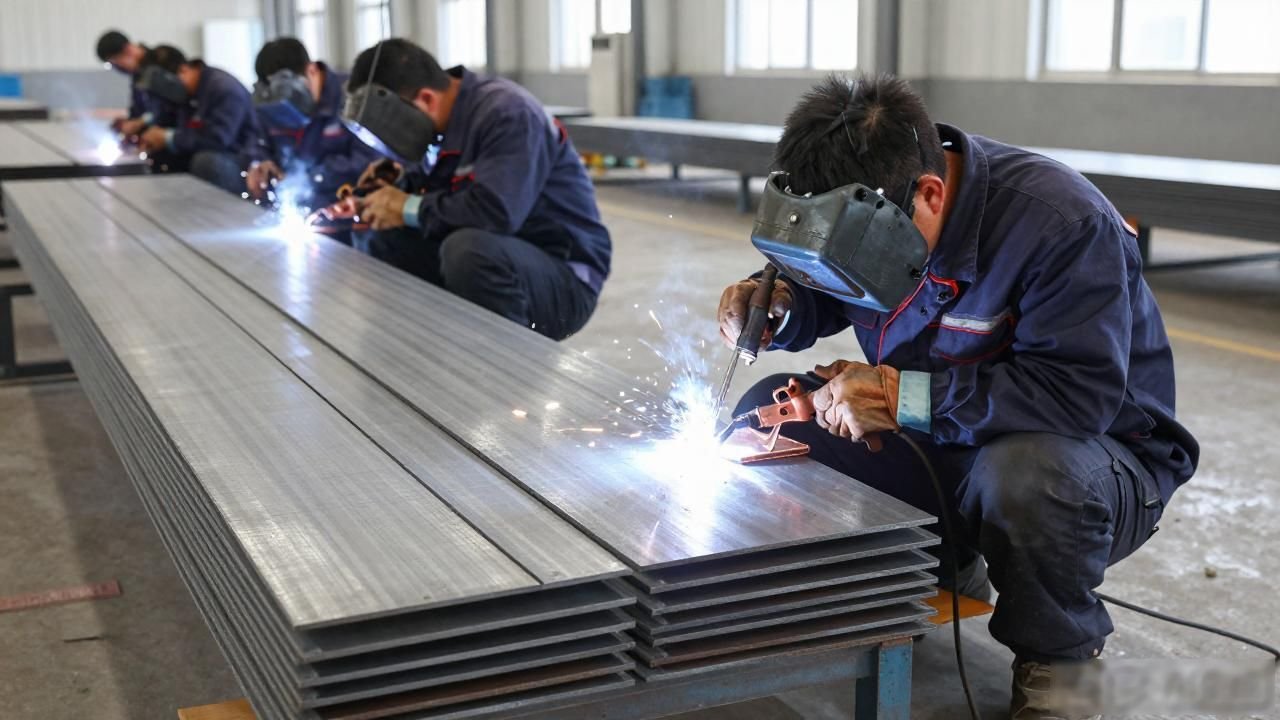
If you want to reduce the deformation of thin plate parts when welding, you can try these methods. The anti-deformation method is used, that is, the board is pre-bent at an angle before welding. Or use copper pads to dissipate heat and take the heat away quickly. There is also segmented welding, each segment is only welded 10 to 15 cm, and the gap is cooled for one minute. Workers at a machinery factory in Henan reported that they used segmented welding and secondary welding to weld 1.2 mm Q235 steel plates, and the deformation was basically difficult to see. These techniques require trial and error to find the optimal parameters.
The price-performance ratio that customers are most concerned about
A large number of factories are worried that riveting and welding costs will rise. In fact, from a long-term perspective, the riveting process can actually save money. This is because the scrap rate is reduced, rework is reduced, and overall efficiency is improved. For example, statistics from a sheet metal processing factory in Hunan showed that after adopting secondary welding and riveting welding, the comprehensive cost of each product dropped by as much as 7%. At the same time, welding quality becomes more stable and customer satisfaction continues to improve. Therefore, when thin plate parts are welded by secondary welding and riveting, the deformation is indeed relatively small, and it is cost-effective at an economic level and is worthy of promotion.
During the actual thin plate welding operation, what troublesome deformation problems did you encounter? You are welcome to share your practical experience in the comment area, and remember to like and save it so that more peers can see these practical methods.





暂无评论内容