投稿者: fc87

  • 鋼材加工と製造の究極ガイド:プロセス、アプリケーション、工場選択の完全分析 (コアコンセプト分析: 鋼材加工と製造)

    The Ultimate Guide to Structural Steel Processing and Fabrication: A Complete Analysis of Processes, Applications and Plant Selection

    紹介

    Structural steelworkとともにManufacture of steel structuresAs a core aspect of the modern construction and engineering sector, it supports the skeleton of everything from skyscrapers to large-scale infrastructure. With increasing demands for quality, efficiency and safety, an in-depth understanding of the steel structure process from raw material to finished product, and the selection of a professional partner, has become critical to project success. This article aims to provide you with a comprehensive industry interpretation and selection guide.

    I. Core Concept Analysis: Steel Processing and Manufacturing

    In a nutshell.Structural steelworkIt usually focuses on cutting, welding and drilling steel to make the required components according to the design drawings. WhereasManufacture of steel structuresIt is a more comprehensive concept, which covers a series of processes from raw material procurement, deepening design, processing and production to surface treatment, quality inspection and even pre-assembly before delivery.

    A typicalManufacture of steel structuresThe process consists of the following precision segments:

    1. Intensive design and detailing: Based on architectural drawings, components are deepened using specialised software such as Tekla and Xsteel to generate accurate machining drawings.

    2. Raw material preparation and correction: Procurement of compliant steel (e.g. Q235B, Q345B) and straightening to ensure material flatness.

    3. Pattern release and guiding: 1:1 projection of the dimensions and shapes from the design drawings onto the raw material.

    4. Cutting: CNC flame/plasma cutting, laser cutting or sawing is used to process steel into the desired shape.

    5. Forming and Edge Finishing: Forming of components by bending, rolling, etc., and machining of welding bevels.

    6. Assembly and riveting process: Precise pre-assembly of multiple parts by tack welding, riveting or bolting.

    7. soldered: Main body welding by licensed welders using submerged arc welding, gas shielded welding and other processes.

    8. Orthodontics and Plastic Surgery: Elimination of deformations and stresses arising from the welding process.

    9. Rust Removal and Painting: Shot blasting/sand blasting to remove rust, and spraying of anti-rust paint and fireproof paint as required.

    10. Preassembly and Inspection: Factory pre-assembly of complex components and non-destructive testing using ultrasonic flaw detection and other techniques.

    11. Marking and shipping: Finish final marking, package and ship to construction site.

    II. Core process of steel processing

    Structural steelworkbeManufacture of steel structuresIt is the core link in the process, and its accuracy directly determines the quality of the final product.

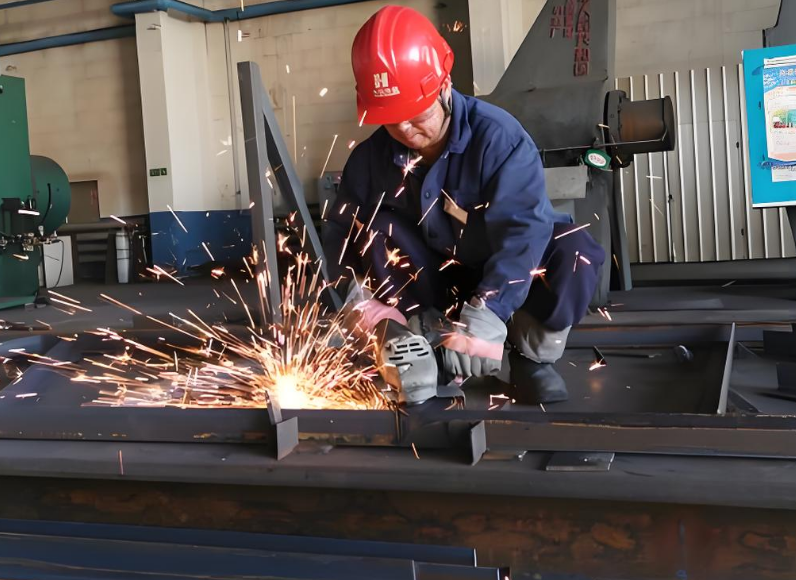
    • Cutting process: ModernStructural steelworkwidely usedCNC cuttingtechnologies such as CNC plasma cutting and CNC flame cutting, which guarantee high precision and efficiency. For higher precision and thicker plate requirements, thelaser cuttingwith waterjet cutting also being used in specific areas.

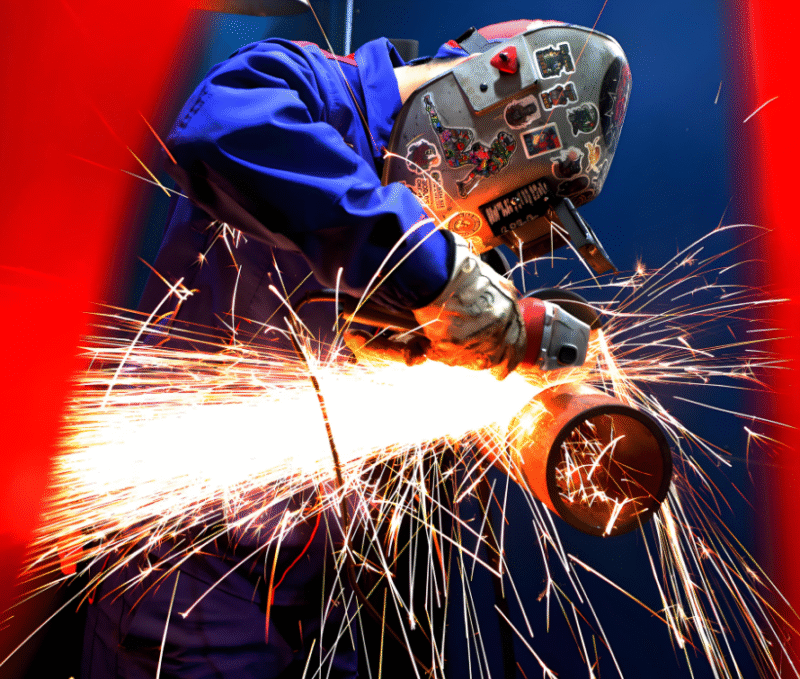
    • Connection process: Welding and bolting are the main types of connection. In welding.Submerged arc automatic weldingWidely used in long weld seams due to its high quality and efficiency, while thegas shielded weldingIt is more suitable for field installations and complex locations. For some specific applications, theリベット溶接Processes are also employed to meet specific strength or vibration resistance needs.

    • Forming process: By means of equipment such as bending machines, plate rolling machines, etc., steel plates are processed into the required arcs or angles, which in theManufacture of steel structuresThe pipes, vessels and building surfaces are vital.图片[1]-钢结构加工与制造终极指南:工艺、应用与选厂全解析(核心概念解析:钢结构加工与制造)-大连富泓机械有限公司

    III. Technical Advantages and Application Fields of Steel Structure

    Manufacture of steel structuresThe product of what has become the backbone of modern engineering stems from a series of irreplaceable advantages.

    コアの強み

    • High strength and light weightThe high strength of steel makes the cross-section of steel structure components small, which can effectively reduce the structural deadweight and save the cost of foundation, especially suitable for large-span and high-rise buildings.

    • Good toughness and excellent seismic performance: The good plasticity and toughness of steel enable it to absorb seismic energy effectively and exhibit excellent seismic performance.

    • Short construction period: Most of the components are prefabricated in factories and only need to be installed on site, which is highly industrialised and can significantly shorten the construction period.

    • green: Steel-framed buildings have a high material recycling rate after dismantling, which is in line with the concept of green building and sustainable development.

    • Uniform quality and high reliability: The steel production process is controlled, the material is uniform and isotropic, the calculation model is in good agreement with the actual, and the structure is reliable.

    主な用途産業

    1. Construction: Ultra-high-rise office buildings, large commercial centres, sports stadiums, airport terminals and industrial plants.

    2. infrastructure: Large bridges (e.g. steel box girder bridges, steel arch bridges), power station structures, hydraulic structures, transmission pylons.

    3. Special structures: Petrochemical platforms, harbour cranes, large storage racks and various mining facilities.图片[2]-钢结构加工与制造终极指南:工艺、应用与选厂全解析(核心概念解析:钢结构加工与制造)-大连富泓机械有限公司

    IV. Choice of specialitySteel Structure ManufacturerA Practical Guide

    In the face of numerous marketStructural steelworkservice providers, it is critical to make an informed choice. Please focus on the following key points:

    1. Technical equipment and capacity assessment

      • Examine whether the company has advancedCNC cuttingそしてset upそしてsoldered歌で応えるlivery (on airline or company vehicle)Production Line.

      • Understanding Business HeavyManufacture of steel structuresCapabilities, such as the ability to handle thick plates and large cross-section members.

    2. Quality Assurance System and Certification

      • Confirm that the company is ISO 9001 certified for quality management systems, as well as industry-specific certifications (e.g., construction steel certification).

      • Examine its quality testing capability, whether it is equipped with perfect physical and chemical laboratory and non-destructive testing equipment.

    3. Engineering Performance and Experience

      • Ask to see past success stories, especially project experience in your industry or similar structural forms.

      • If possible, make a site visit to their production plant to understand the level of on-site management and process execution.

    4. Design deepening and technical service capacity

      • goodManufacture of steel structuresEnterprises should have strong deepening design capabilities, and be able to provide technical support and optimise the design scheme at the pre-project stage.

    The table below summarises the core elements to look for when choosing a steel fabricator:

    survey dimension Key indicators Required Items and Potential Problems
    Technical equipment Equipment automation rate, processing accuracy, maximum processing specifications CNC drilling machine, gantry welding equipment, sand blasting and descaling grade
    Processes and qualifications Welding process evaluation, welder qualification, anti-corrosion and fire protection process Third-party inspection reports, inspection pass rates, paint brands and support systems
    品質管理 QC process integrity, lab configuration, pass rate standards Raw material retest report, process inspection records, final inspection standards for finished products
    Integrated services Deepen design capability, on-time delivery, on-site co-operation Design optimisation recommendations, production schedules, on-site installation guidance programmes

    V. Frequently Asked Questions (FAQ) about Steel Structure Processing

    Q1: What are the common steel grades used in steel fabrication? How to choose?

    A: In China, the most commonly used normal carbon structural steel is Q235, and the higher strength low alloy high strength structural steel is Q345.The choice needs to be based on the importance of the structure, load characteristics, connection method and working environment, etc., and in strict accordance with the design documents.

    Q2: What are the main factors affecting steel fabrication quotes?

    A: Key factors include:Steel grades and market pricesそしてStructural complexity and steel consumptionそしてNode connection formそしてPainting RequirementsそしてProcessing technical difficultytooOrder Batchetc.

    Q3: How can I judge whether the fabrication and welding quality of structural steel members are qualified?

    A: A preliminary judgement can be made by the following points:exterior condition-The welding seam is formed evenly and beautifully, without obvious defects such as biting edges, porosity, slag entrapment, and so on;sizes–Conform to drawing tolerances. The key thing is to ask the manufacturer to provideUltrasonic inspection report issued by a third partyup toPhysical and chemical test report.

    Q4: How to deal with corrosion and fire protection of steel structure?

    A. anti-corrosionUsually, the composite coating system of “antirust primer + intermediate paint + top coat” is used, and the thickness and type of coating are determined according to the corrosive environment.fire protectionInstead, this is achieved primarily by spraying (or applying) fireproofing coatings to increase the fire resistance limit of steel components to the time required by the design code.

    結語

    Structural steelworkとともにManufacture of steel structuresIt is a technology-intensive industry with stringent quality requirements. We hope this guide will help you fully understand the value of your process and provide you with a clear direction when choosing a partner. When starting your next project, it is recommended that you have an in-depth conversation with a number of specialised vendors to obtain targeted technical solutions and detailed evaluation quotes.

    Have you ever worked with a steel structure manufacturer? Or have you encountered any other confusion in moving forward with a project? Feel free to share your insights and questions in the comments section and let’s discuss together.

  • リベット溶接加工の究極ガイド:プロセス、アプリケーション、オプションの完全分析 (リベット溶接加工とは? コアコンセプト解説)

    リベット溶接究極のガイド:プロセス、アプリケーション、オプションの説明
    紹介
    現代の工業製造の中心で、リベットと溶接プロセスは、基本的で重要な接合技術としてかけがえのない役割を果たし続けている。あなたが信頼できる機械加工サービスを探しているバイヤーであろうと、このプロセスについてより深い理解を得ようとしているエンジニアであろうと、リベット打ちと溶接の要と要をよく理解することが不可欠です。この記事では、リベット打ちと溶接プロセスの包括的な概要、応用シナリオ、そしてあなたが情報に基づいた決定をするのに役立つサプライヤーを選ぶための実践的なガイドを提供します。

    I.リベッティング・溶接加工とは?コアコンセプト分析
    リベッティングは、要するに、リベッティングと溶接という2つの接合プロセスの組み合わせである。機械的なリベット接合と熱溶接の組み合わせによって、2つ以上の金属部品を強固な全体に接合する。

    プロセスの本質:リベットの機械的噛み合いと溶接の冶金的結合を利用して、共同で荷重に耐える。

    主な特徴リベット継手と溶接継手の組み合わせは、通常、単一工程よりも高い疲労強度と優れた耐振動性を持つ。

    適用材料:炭素鋼、ステンレス鋼、アルミニウム合金および他の合金鋼の接続に広く使用されています。

    第二に、主要なプロセスの流れのリベットと溶接の処理
    完全なリベッティング・プロセスは複数の精密なステップで構成され、それぞれが最終製品の品質に直接影響する。

    設計と図面の検討:エンジニアは、ワークピースの荷重要件に基づいて、レイアウト、リベット接合部の数、溶接パラメータを決定する。

    材料の前処理:接続する金属表面を洗浄、脱脂、スケール除去し、接続の品質を確保します。

    位置決めと固定:部品は、特別な固定具を使って目的の位置に正確に固定される。

    リベッティングプロセス:圧力リベット、ハンマーリベットまたは引っ張りリベットは、機械的な接続部分を完了するために要求に応じて使用されます。

    溶接作業:溶接は、一般的にアーク溶接、ガスシールド溶接など、工程の要件に従って、免許を持った溶接工によって行われる。

    溶接後の処置:スラグ、スパッタの除去および必要な整形外科処置。

    品質検査:非破壊検査による欠陥検出、寸法検査、完成品の強度検査を行い、規格への適合を確認する。

    III.リベット溶接技術の主な利点と応用分野
    リベット溶接加工は、そのユニークな技術的優位性から、多くの産業分野で支持されている。图片[1]-铆焊加工终极指南:工艺、应用与选择全解析(铆焊加工是什么?核心概念解析)-大连富泓机械有限公司

    コアの強み
    高い接続強度:機械的および冶金的な二重の組み合わせにより、耐荷重性は単一工程をはるかに上回る。

    優れたシール性: 気密または液密接続を形成でき、圧力容器の製造に適している。

    優れた耐久性:耐疲労性と耐振動性に優れ、装置の寿命を延ばす。

    幅広い適用性:異なる材質や厚さの金属部品を接続できる。

    主な用途産業
    重機械および設備:エンジニアリング機械骨格、鉱山機械構造部品、農業機械シャーシ。

    鉄道輸送:車体、台車、緩衝ビーム。

    建築鉄骨構造:大規模な会場のトラス、橋梁の支持構造、高層ビルの接続ノード。

    航空宇宙:航空機のエルロン、ハッチ、内部支持構造。

    造船:船体セクション、デッキハウス、マストベース。

    IV.プロのリベット溶接加工サービスを選ぶための実践ガイド
    市場には数多くの魅力的なサービス・プロバイダーが存在する。以下のポイントに注目してください:

    技術能力評価

    会社の加工設備リストをチェックし、そのリベッティング設備と溶接設備の精巧さと自動化に注意を払う。

    主要な技術チームの経験、特に類似製品のケーススタディについて尋ねる。

    品質保証システム

    ISO9001などの品質マネジメントシステムの認証を受けていることを確認する。

    品質検査機器の構成と工場検査基準を理解する。

    代表的なサービス事例

    過去の成功事例、特にあなたのニーズと似たようなプロジェクトを見てもらう。

    可能であれば、生産工場や品質管理工程を視察すること。

    総合的なコストの検討

    異なるサプライヤーからのオファーの詳細を比較し、市場水準を大幅に下回るオファーには注意すること。

    価格-品質-サービス」のバランスを理解し、最適な判断を下す。

    以下の表は、リベッティング・サービス・プロバイダーを選択する際に見るべき核となる要素をまとめたもので、効率的な決定をするのに役立ちます:

    次元 主要指標 必須項目
    技術設備 設備自動化率、設備精度、設備加工範囲 溶接ロボット、CNCリベッティングマシン
    職人技のレベル 溶接方法の多様性、加工可能な最大板厚、特殊材料の経験 工程評価報告書、溶接工資格証明書
    品質管理 QCプロセスの完全性、高度な試験装置、合格率基準 欠陥検出装置、機械的特性試験能力
    サービス保証 納期厳守、アフターサービス体制、技術サポート能力 お客様の声、緊急時の対応プロセス
    V.リベット溶接加工に関するよくある質問(FAQ)
    Q1: リベット打ちと単なる溶接の主な違いは何ですか?
    A: 主な違いは、接合メカニズムと動的荷重に対する耐性にある。リベット溶接は、リベットの機械的固定と溶接の冶金的接合を組み合わせたもので、衝撃や振動荷重を受けたときに、より均一な応力分布が得られ、通常、耐疲労性は溶接だけの場合より優れています。

    Q2: リベッティングや溶接工程のコストに影響する要因は何ですか?
    A: 主な要因としては、材料の種類と厚さ、構造の複雑さ、プロセス要件(非破壊検査が必要かどうかなど)、注文のバッチサイズ、表面処理などの特別な要件などがあります。

    Q3: リベットと溶接された部品が許容できる品質であるかどうかを見分けるにはどうすればよいですか?
    A: 次のような事前判断が可能である: 外観 - 溶接が均一で、バイトエッジや気孔などの明らかな欠陥がないこと; 寸法 - 図面公差の要件に合致していること; 強度 - 負荷の設計に適合していること。最も重要なことは、サプライヤーに第三者試験報告書の提出を求めることである。

    Q4: アルミ部品をリベットや溶接することはできますか?
    A: はい。アルミニウムとアルミニウム合金は一般的なリベット材料であるが、熱伝導率が高く酸化しやすいため、特殊な溶接プロセス・パラメータと特殊なリベット材料が必要であり、作業者に対してより高い技術的要件がある。

    結語
    リベット溶接確立された工業的接合技術として、その価値は数え切れないほどの実際的な応用で十分に証明されている。我々は、このガイドがリベッティング・プロセスの包括的な理解を得るのに役立ち、加工サービスを選択する際に明確な方向性を提供することを望む。特定の製品ニーズがある場合は、的を絞ったプロセス・ソリューションと見積もりのために、複数の専門メーカーに相談することを推奨する。

    リベット溶接加工の経験はありますか?あるいは、サービス・プロバイダーを選択する際に、他に迷われたことはありますか?あなたの洞察や質問をコメント欄で自由に共有してください!

  • 機械加工鋳物工場:近代製造業の隠れたチャンピオンでありパートナー(適格な機械加工鋳物工場の選び方)

    Machining OEM: Stealth Champions and Partners in Modern Manufacturing
    Behind the core components of high-end medical devices and aerospace precision parts, machining foundries are becoming a key force in high-quality manufacturing with their cutting-edge technology.

    As the division of labour in the manufacturing industry becomes more and more specialised, machining foundries have become an indispensable part of the modern industrial system. These specialised factories combine precision machining technology, advanced management concepts and flexible production capabilities to provide a full range of services from sample making to mass production for customers in a variety of industries.

    Whether it’s a complex part in the aerospace field or a demanding precision component in a medical device, machining foundries are able to transform design drawings into high-quality physical products with their specialised equipment and accumulated know-how.

    01 Core Competencies and Differentiators for Machining Foundries
    The core competitiveness of machining foundry is built on the three-dimensional basis of technical equipment, process knowledge and quality management. Unlike traditional processing enterprises, OEM factories pay more attention to flexible production and rapid response capability.

    High-end CNC equipment is an important indicator of a foundry’s processing capability. Leading foundries are usually equipped with five-axis linked machining centres, mill-turn machines and high-precision grinding machines. For example, Germany’s BAM Machinery has 12 machining centres, 11 of which use five-axis technology and are capable of completing precision machining of complex surfaces.

    The accumulation of process technology has enabled excellent foundries to upgrade from simple implementers to manufacturing solution providers. The Customer Value Creation Application Centre established by Taichung Precision Machinery is able to provide customers with total solutions from machine selection to fixture and tool configuration, helping customers to solve complex workpiece machining problems.

    Digital management platform is the operation brain of modern foundry. YESCAP Precision has increased its delivery rate from 50% to 90% through the introduction of the Express Work Order Production Management System, which realises process standardisation, lightweight information, real-time progress and easy traceability, significantly improving production efficiency.

    02 How to select a qualified machining foundry
    Choosing a machining foundry is a decision that requires comprehensive consideration and has a direct impact on product quality, cost and lead time.

    Technical capability match is the primary consideration. Evaluate whether the foundry’s processing capabilities match the product requirements, including:

    Maximum machining size and accuracy range

    Experience in material processing (e.g. aluminium alloys, stainless steel, special alloys)

    Special process capabilities (e.g. deep hole drilling, precision boring and grinding)

    Configuration of testing and quality control equipment

    A quality certification system is the basis for ensuring product consistency. Qualified foundries should have an ISO 9001 quality management system certification, as well as specialised certificates for specific industries (e.g. medical or aerospace). BAM’s ability to process and deliver complex components in a short period of time is partly due to its strict quality control processes.

    The ability to collaborate digitally has become a new criterion for choosing a foundry. Foundries with a high level of digitalisation enable real-time progress tracking and quality traceability. YOSKEI Precision’s system enables customers to view production progress in real time, and this transparency greatly enhances customer trust.

    03 Digital transformation paths for machining foundries
    Digital transformation has become the core path for machining foundries to enhance competitiveness. This transformation is not only a technological upgrade, but also a comprehensive innovation of management mode and business philosophy.

    Data collection and analysis is the foundation of digitalisation. Through the automatic collection of machine processing data by the machine networking system, the foundry can monitor the status of the machine and the processing progress in real time. company F obtains the processing data from the CNC controller via Ethernet through the OPC function of the machine, which provides information support for lean management.

    Intelligent scheduling system significantly improves resource utilisation. Replacing traditional manual scheduling, the intelligent algorithm can take into account a variety of constraints, such as delivery date and process priority, to achieve dynamic scheduling. Practice shows that an excellent scheduling system can improve production efficiency by 20% and order delivery timeliness by 95%.图片[1]-机加工代工厂:现代制造业的隐形冠军与合作伙伴(如何甄选合格的机械加工代工厂)-大连富泓机械有限公司

    Process visualisation and real-time traceability create a transparent environment in the digital factory. When data is recorded and analysed for each process step, the foundry is able to make the transition from “experience-driven” to “data-driven”. This shift enables Company F to have a precise history of each part’s machining, including machining times, mould and material changeover times, and inter-process waiting times.

    04 Positioning and market strategies of foundries of different sizes
    Machining OEM market presents multi-level, specialised characteristics, different size factories have their own clear positioning and target market.

    Large foundries typically specialise in complex parts and high value-added areas. For example, Mazak provides high-end machining solutions for the aerospace, automotive, energy and medical industries, serving high-end markets with advanced equipment and technological advantages. These types of factories often invest significant resources in technology development to maintain their industry-leading position.

    Small and medium-sized foundries are looking for market space through specialised positioning and flexible production. As a “factory within a factory” enterprise with only 26 employees, Chongqing Hongbubu Machinery Manufacturing Co., Ltd. focuses on casting and processing of basic equipment parts, and has achieved significant revenue growth through business model innovation (e.g., change from OEM to BS business model).

    Regional clustering has become an effective strategy for small and medium-sized foundries to enhance their competitiveness. Taichung Precision helps customers reduce investment risks by establishing “5-axis foundry centres” – customers can first commission foundries when the order volume is small, and then transfer equipment and processes when the order is stable. This model is especially suitable for small and medium-sized enterprises that need to enter the high-end machining field.

    05 Typical case studies of successful foundries
    The German company BAM Maschinenbau shows how digitalisation is reshaping the foundry business model. The small factory, which once had only eight employees, has grown into a modern precision manufacturing plant with 170 employees through the deep integration of digitalisation and automation technologies under the leadership of Marco Bauer, who has a background in computer science.

    BAM’s innovation is its online automated quotation system – customers upload 3D CAD data and get a quote within 5-10 seconds, and complex components can be delivered within three days. Behind this speedy responsiveness is a highly automated process chain and the technical support of a 30-strong software team.

    The efficiency improvement brought by production management digitisation is embodied in YESCAP Precision. Through the introduction of fast work order system, the company has solved the four major pain points of “chaotic production, complicated communication, confused progress and difficult to trace”.

    The system solidifies the standard process route, realises the scanning code to obtain processing parameters and drawings, and saves 2,000 pieces of A4 paper per month, while making the traceability efficiency increase by more than 10 times. This transformation not only improves internal efficiency, but also makes the customer renewal rate rise 40% year-on-year.

    06 Machining OEMfuture development trends
    The integration of intelligence and automation will be the main direction of the development of foundries. With the advancement of artificial intelligence and machine learning technology, future machining equipment will be more adaptive, able to automatically optimise cutting parameters and adjust machining strategies in real time. Germany’s BAM has reduced automated CAM programming time by 70%-80%, significantly improving programming efficiency.

    Service-oriented transformation is a key path for foundries to upgrade their value chain positioning. Leading foundries are transforming from pure machining services to integrated solution providers. Taichung Precision’s “Customer Value Application Centre” no longer just sells machine tools, but provides a full range of services including process design, tool selection, and prototyping.

    Sustainability will become one of the core competences of the foundry. By optimising cutting processes to reduce energy consumption, implementing tool recycling programmes and using environmentally friendly coolants, foundries will not only be able to reduce their operating costs, but will also be able to meet the growing environmental requirements of their customers worldwide.

    The global manufacturing landscape is being reshaped, and machining foundries are no longer just passive executors of orders, but are becoming important partners in customer innovation. In the next five years, with the maturity of technologies such as digital twins and additive and subtractive composite machining, the foundry will establish a closer co-design relationship with its customers.

    オプション加工When you are looking for a foundry, you should not only look at the price factor, but also comprehensively evaluate its technical capability, quality system and innovation culture. An excellent foundry can become the extended R&D department of your enterprise, and together they can meet the technical challenges and win the first chance in the fierce market competition.

    著作権声明
  • マシニング(機械加工):現代製造業のコア技術とアプリケーション

    機械加工加工):現代製造業のコア技術とアプリケーション
    機械加工(マシニング、マシニングと呼ばれる)とは、工作物を機械装置によって切削、成形、その他の加工を行い、所望の形状、寸法、表面品質を得る製造工程のことである。製造の基本プロセスである機械加工技術は、製品の品質、性能、生産性に直接影響する。

    機械加工の主な分類と方法
    従来の切断
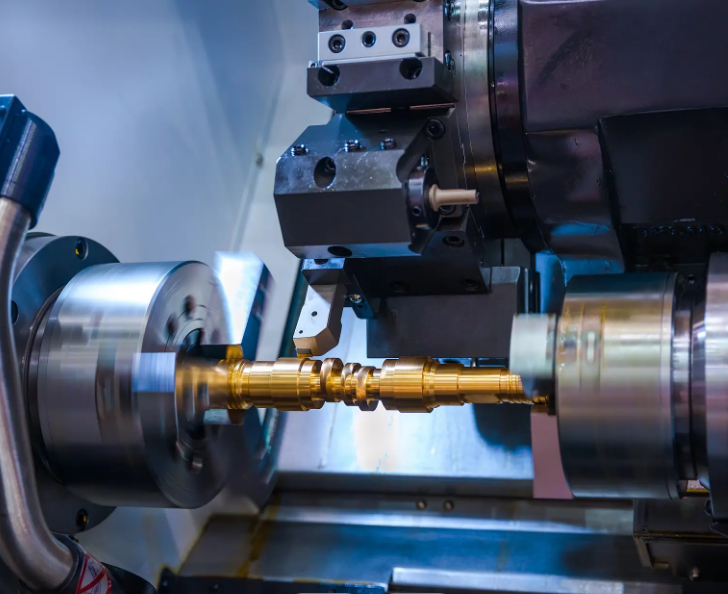
    旋盤加工:ワークの回転、工具の移動、シャフト、ディスク部品に最適

    フライス加工:工具が回転し、ワークが移動する。

    ドリル加工:穴あけ、リーマ加工、リーマ加工などの穴加工専門。

    研削:IT6精度までの高精度平面加工用

    近代的な特殊加工
    EDM:高硬度材の複雑なプロファイル用。

    レーザー加工:高精度、非接触特性

    超音波加工:脆性材料の精密加工

    ウォータージェット切断:熱影響部がなく、環境に優しく効率的。

    機械加工におけるCNC技術の応用
    数値制御(CNC)工作機械の普及により、機械加工はデジタル時代に突入した。コンピューターによるプログラミングと制御によって、機械加工は自動化され、インテリジェントになった:

    最大±0.005mmの加工精度

    生産性を3~5倍向上

    一人で複数の機械を操作できる

    製品品質の安定性が大幅に向上

    機械加工の主要技術パラメーター
    カッティングの3要素
    切削速度:材料の硬さにより選択

    送り:表面粗さに影響

    切り込み:加工効率を決定する

    精度分類
    ラフィング:IT12-IT11

    中仕上げ:IT10-IT9

    仕上げ: IT8-IT7

    超仕上げ:IT6以上

    加工品質管理システム
    プロセス制御ポイント
    一次製品検査システム

    プロセス検査システム

    工具寿命管理

    機器の定期校正

    検出手段
    三次元測定機

    光学式プロジェクター

    表面粗さ計

    硬さ試験機

    機械加工産業の応用分野
    航空宇宙
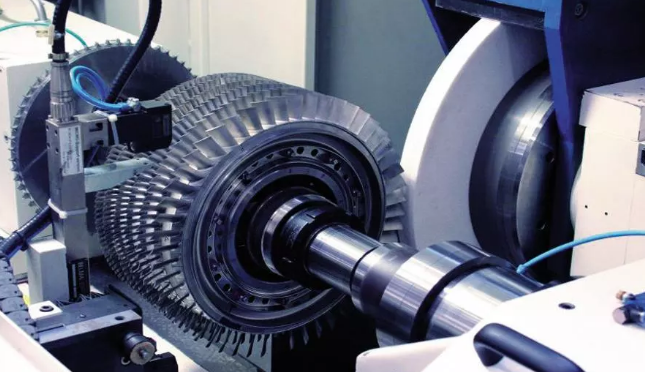
    エンジンブレード加工

    航空宇宙構造部品の製造

    要求精度0.005-0.01mm

    自動車製造
    エンジンブロック シリンダーヘッド

    トランスミッションギア

    年間生産量100万個以上

    医療機器
    手術器具の仕上げ

    インプラント製造

    無菌環境要件

    機械加工サービスを選択する際の考慮事項
    技術能力評価
    機器のブランドとモデル

    最大処理サイズ

    精度保証能力

    特殊素材の加工経験

    品質システム認証
    ISO9001品質システム

    IATF 16949(自動車産業)

    ISO13485(医療機器)

    サービス保証能力
    納期遵守率

    緊急対応スピード

    テクニカル・サポート・レベル

    機械加工の開発動向
    インテリジェントな方向性
    モノのインターネット技術の応用

    適応処理システム

    デジタルツイン

    グリーン・マニュファクチャリング
    ドライカット技術

    工具リサイクル

    エネルギー消費モニタリング

    複合加工
    ターニング&フライスセンター

    加法材料と減法材料の組み合わせ

    オンラインテストの統合

    結語
    機械加工製造の基本的なプロセスとして、機械加工は現代の工業生産においてかけがえのない役割を果たしている。新しい技術や材料が次々と登場する中、機械加工技術はより高精度、高効率、インテリジェントな方向へと発展しています。専門的な機械加工サービスプロバイダーを選ぶには、最適な機械加工ソリューションを確保するために、その技術力、品質システム、サービス能力を総合的に考慮する必要があります。

  • 機械加工技術:近代的製造業の核となる柱(機械加工の重要な技術パラメーターと品質管理)

    加工Technology: a central pillar of modern manufacturing
    From tiny medical devices to giant power generators, the world’s 80% industrial products are all supported by machining technology.

    Machining (referred to as machining) is a manufacturing process in which workpieces are cut, shaped and other operations are performed by mechanical equipment to change their dimensions or properties. As the cornerstone of modern manufacturing, machining technology covers a wide range of fields from traditional manual operation to computer numerical control (CNC), and is a key link in realising the transformation of products from design drawings to physical objects.

    With the advent of the Industry 4.0 era, machining has evolved to integrate theDigitalisation, automation, intelligences advanced manufacturing technology to provide precision component solutions for aerospace, automotive manufacturing, medical devices and other fields.

    01 Basic classification and process characteristics of machining
    Machining can be divided into two main categories based on the type of processing:traditional processingrespond in singingnon-traditional processing. Each type of processing method has its own unique application scenarios and technical advantages.

    Traditional machiningKey Inclusions:

    turning: Workpiece rotation, tool linear movement, suitable for shafts, disc parts

    milling: Tool rotation, workpiece fixed or moving, suitable for flat and curved surface machining

    drilling: Specialised in hole machining for drilling, reaming and reaming operations.

    Grinding: Finishing with abrasives for high precision and good surface quality.

    non-traditional processing(Specialised processing) technologies include:

    EDM: Metal erosion by electric discharge, suitable for complex shape processing of high hardness materials.

    laser processing: Cutting, marking, welding with high-energy laser beams

    ultrasonic processing: For precision machining of brittle materials such as glass and ceramics.

    Water jet cutting: Cutting of materials with high-pressure water flow without heat-affected zone

    02 CNC machine tools in modern machining applications
    CNC (numerical control) technology is a revolutionary breakthrough in the field of machining. By controlling machine movements through digital programming, CNC machining achieves theHigh precision, high efficiency, high consistencyThe production model.

    CNC machining centreIt is the heart of a modern machine shop and typical configurations include:

    Vertical 加工 centre: Suitable for plate and mould parts machining

    Horizontal machining centres: for multi-face machining of box parts

    5-axis machining centreComplex curved surfaces can be machined in a single clamping to complete multiple processes.

    CNC programmingIt is a key aspect of CNC machining. Modern CAD/CAM software enables seamless conversion from 3D models to machining code, greatly improving programming efficiency and accuracy. Advanced programming techniques such asHigh speed cuttingrespond in singingadaptive processingProcessing efficiency and quality are further enhanced.

    Accuracy indicators for CNC machines usually include:

    Positioning accuracy: within ±0.005mm

    Repeat positioning accuracy: within ±0.002mm

    Surface roughness: Ra0.8μm or less (finishing)

    03 Key Technical Parameters and Quality Control of Mechanical Processing
    Machining accuracy is a core indicator of the level of machining. Factors affecting precision includeMachine accuracy, tool selection, cutting parametersrespond in singingprocess plan.

    Optimisation of cutting parametersIt is the key to improving the quality of processing:

    cutting speed: Optimum range according to workpiece material and tool type

    feedrate: Important factors affecting machining efficiency and surface quality

    Depth of cut: Rational selection based on machine rigidity and tool strength

    Quality control systemEnsure machined products meet design requirements:

    process monitoring: First article inspection, inspection system to ensure production stability

    final inspection: Full inspection using CMMs, optical measuring instruments, etc.

    Quality Documentation: Complete inspection records and traceability system

    Modern machine shops commonly useStatistical process controlMethods to achieve preventive quality control, reduce scrap rates and improve product consistency through data analysis and process monitoring.

    04 Examples of machining applications in various industries
    machiningAs a basic manufacturing technology, it permeates almost all industrial sectors. Different industries have specific technical requirements and quality standards for machining.

    AerospaceIt is a concentration of high-end machining technology:

    Aircraft Engine Blades: Precision Manufacturing with 5-Axis Machining Centres

    Aerostructural components: extensive use of high-strength aluminium alloys and composite materials

    Extremely high precision requirements, often down to the micron level

    automobile manufacturingIt is the largest application market for machining technology:

    Engine block, cylinder head: Highly efficient processing with special production line

    Transmission gears: High-precision grinding process required

    Mould Manufacturing: Covering all stamping moulds such as automotive covers

    Medical Device ManufacturingSpecial requirements for machining:

    Surgical instruments: small, complex, high-precision

    Implants: Finishing of biocompatible materials such as titanium alloys

    Extremely stringent sterility requirements and surface quality

    05 How to choose a professional machining service provider
    Choosing a qualified machining supplier requires comprehensive consideration of technical ability, quality system, delivery capacity and other factors.

    Technical capacity assessmentKey points include:

    Equipment list: machine tool brand, model, precision grade

    Technical team: engineers, programmers, operators skill level

    Process experience: experience and solutions for processing similar products

    Quality Certification SystemIt’s basic security:

    ISO9001品質マネジメントシステム認証

    Industry-specific certifications (e.g. aerospace AS9100, medical device ISO13485)

    Testing equipment configuration and metrological calibration system

    Production management capacityImpact on delivery performance:

    Production planning system and capacity status

    Supply chain management capacity

    Contingency order processing mechanism

    06 Trends and Future Prospects of Machining Technology
    Machining technology is moving towardsIntelligent, green and compositedirection, new technologies continue to drive change in manufacturing.

    smart manufacturingis the main direction of development:

    IoT technology enables device interconnectivity and data collection

    Artificial intelligence applied to process parameter optimisation and fault prediction

    Digital Twins Build Virtual Machining Environments

    green manufacturingBecome an industry consensus:

    Dry cutting and micro-lubrication technology to reduce environmental pollution

    Energy monitoring and optimisation to reduce energy consumption

    Tool and cutting fluid recycling

    Composite Processing TechnologyIncreased productivity:

    Turn-mill machining centres for process concentration

    Combined additive and subtractive manufacturing (3D printing + machining)

    Integration of in-line measurement and processing

    Machining, as the cornerstone of the manufacturing industry, is being deeply integrated with new technologies, driving industrial upgrading and change. In the future, withArtificial Intelligence, Big Data, Digital TwinsThe in-depth application of such technologies, machining will achieve a higher level of automation and intelligence, creating new value growth points for the manufacturing industry.

    When choosing a professional machining service, it is important to look not only at the equipment capabilities, but also at the supplier’sTechnology accumulation, quality culturerespond in singingCreative awarenessThis is the only way to gain a lasting competitive advantage in the highly competitive marketplace.

  • リベット工場とリベット下請け工場:近代製造業の中核的生産拠点

    リベット溶接ワークショップリベットと溶接の代用品を備えた作業場:近代的製造業の中核的生産拠点

    一流のリベット工場は製造業の礎石であり、60%以上の工業製品の品質は直接その生産工場のプロ意識に依存する。

    リベット溶接作業場は金属構造物の接合と製造に特化した作業場であり、材料準備、溶接加工、品質検査の完全な生産工程を統合している。一方、リベット溶接代用作業場は、金属構造物の接合と製造に特化した作業場である。柔軟な生産能力歌で応えるカスタマイズされた要件私たちは、同時に複数のお客様にプロフェッショナルな溶接サービスを提供することができます。

    現代のリベッティング作業場は、もはや伝統的な意味での「溶接作業場」ではなく、自動化された設備、デジタル管理システム、標準化された工程の組み合わせである。先進製造ユニット.


    01 最新のリベット溶接工場の計画とレイアウト

    科学的で合理的な作業場のレイアウトは、生産性を保証する基本である。機能領域部門は、リベット工場の設計における主要な考慮事項である。

    典型的なリベット工場は、以下の中核部分を含むべきである:

    • 資材置き場:鋼板、形鋼などの原材料の保管に。棚板システムと明確なラベリング管理。

    • 荷降ろし準備エリア:剪断機、プラズマ切断機など、材料の前加工のための設備を設置する。

    • 溶接エリア:手動溶接エリアとロボット溶接エリアなど、製品タイプによって異なるワークステーション。

    • 半製品ターンアラウンド・エリア:物流のスムーズな流れを確保するための工程間の一時保管場所

    • 完成品検査エリア:品質検証のための各種試験装置を装備

    • 表面処理面積:サンドブラスト、スプレーなどのアフターフォロー。

    物流経路の設計作業効率に直接影響する。優れた作業場のレイアウトは、U字型または直線的な材料フローパターンを採用し、材料ハンドリングの距離と頻度を減らす。溶接ステーションの間隔は通常3-5メートルに維持され、作業スペースを確保するだけでなく、材料処理装置の通過を容易にする。

    環境制御もまた、ワークショップ設計の重要な部分である。換気システム溶接ヒュームの排出基準を満たす必要があり、各ワークステーションには局所排気装置が設置されている;照明システム作業面の照度が300ルクスを下回らないようにする必要がある;電源構成高出力溶接機の同時使用の需要に応える。图片[1]-铆焊车间与铆焊代加工车间:现代制造业的核心生产基地-大连富泓机械有限公司

    02 リベット溶接代用ワークショップ中核機器の構成

    設備のレベルは、鋳物工場の技術力を直接決定する。溶接機器の多様化それは、さまざまな顧客のニーズに応えるための基本である。

    現代のリベットおよび溶接鋳造工場は、通常、次のような設備の組み合わせを備えている:

    • ロボット溶接システム:一貫性を確保するための大量生産、再現性の高い製品用

    • ガントリー自動溶接機大型構造部品の長い溶接シーム用

    • ポータブル溶接機現場でのメンテナンスと特殊な位置での溶接のニーズに対応します。

    • レーザー溶接機:高精度で小さな変形が要求される精密溶接

    補助装置同様に重要なのは作業場には、大型コイラー(厚さ30mm以上の鋼板を扱うことができる)、油圧式曲げ機(圧力1,000トン以上)、一連のクレーン(吊り上げ能力5~50トン)などの金属加工設備を備え、完全な加工能力を形成する必要がある。

    検査機器の充実度は、工場の品質保証のレベルを反映している。三次元測定器大型構造部品の寸法精度をチェックするために使用される;超音波探傷器歌で応える磁粉探傷装置溶接品質検査用;機械性能試験機溶接継手のサンプリングと強度試験に使用。

    03 リベット・溶接工場の生産工程と管理システム

    一貫した製品品質を確保するためには、標準化された工程が鍵となる。生産計画管理それはワークショップの操作の出発点です。OEM工場は、各顧客の注文が時間通りに配信されることを保証するために、マルチプロジェクトの並列管理メカニズム、合理的なスケジューリングを確立する必要があります。

    リベット打ちの完全な工程には以下が含まれる:

    1. 製図プロセスの見直し:製品の製造可能性を分析し、最適なプロセスソリューションを決定する。

    2. 材料の準備:プロセス要件に従った母材と溶接消耗品の準備

    3. 面取り:機械加工またはプラズマ加工による開先溶接

    4. ペアポジショニング:組み立て精度を確保するための特殊工具の使用

    5. 溶接の実施:溶接手順に従って溶接作業を行う。

    6. 溶接処理:溶接部の研磨とクリーニング、外観の補修

    7. 品質管理:非破壊検査と寸法検査の実施

    8. 表面保護:ご要望に応じてサンドブラストとコーティングを施します。

    サイト管理レベルそれは生産効率と安全に直接影響する。6S管理(整理、整頓、清掃、清潔、品質、安全)の実施は、優れたリベット・溶接作業場の基本条件である。設備は定位置に置かれ、工具は定位置で管理され、エリアには明確にラベルが貼られ、整然とした生産環境が作られる。

    04 リベット・溶接鋳造工場の品質管理システム

    品質は鋳造工場の生命線である。総合的品質管理システムは、原材料から最終製品に至るまで、すべての工程をカバーする必要がある。

    溶接消耗品管理は品質管理の源である。ワークショップは溶接消耗品倉庫を設立し、倉庫の温度と湿度(温度≥5℃、相対湿度≤60%)を制御する必要があります。溶接棒とフラックスは要求に従って乾燥と保温を行い、発行と回収の記録を完備し、湿気が溶接品質に影響することを防ぎます。

    溶接工程管理のポイントは以下の通り:

    • 溶接士資格管理:すべての事業者がライセンスを取得し、定期的に見直されるようにする。

    • プロセス分野検査:プロセス規制を遵守するために溶接パラメータを監視する

    • プロセス自主検査と相互検査:オペレータが各工程を完了したことを確認する。

    • 非破壊検査アプリケーション:製品要件に応じた適切な試験方法と比率の選択

    品質トレーサビリティシステムはOEM工場の核心優位性である。製品識別システムの導入により、各ワークの材料バッチ、工程パラメーター、オペレーター、検査結果などの情報が記録され、全工程を追跡することができます。品質問題が発生した場合、原因を迅速に特定し、是正措置を講じることができる。

    05 リベット溶接専門工場の人員配置と技能要件

    人材は工房の最も重要な資産である。チーム編成の合理化それがワークショップを運営し続けるための基本なのだ。

    典型的なリベット・ショップは、以下の専門家を配置すべきである:

    • 溶接エンジニア:プロセス設計、問題解決、技術革新を担当

    • プロダクション・スーパーバイザー:生産計画の実施と現場管理を担当

    • 溶接工:一次、二次、三次と資格のレベルが異なる。

    • 品質管理担当者:原材料、工程、完成品の検査を担当

    • 機器メンテナンススタッフ:機器の定期メンテナンスとトラブルシューティングを担当

    技能訓練制度それが競争力を維持する鍵なのだ。優れたワークショップには、以下のようなトレーニングの仕組みが確立されている:

    • 事前研修:新入社員は安全・技能訓練を受け、テストに合格しなければならない

    • OJT(オン・ザ・ジョブ・トレーニング:新しい技術やテクノロジーに関するトレーニングを定期的に実施する。

    • 認定国際認証(ISO 9606など)のための溶接工の組織化

    • 技能競技:コンペティションを通じた技能交流と強化の促進

    鋳造工場はまた、従業員の能力開発を行う必要がある。カスタマーサービス意識技術スタッフは、顧客と効果的にコミュニケーションをとり、ニーズを理解し、専門的なアドバイスを提供できる必要がある。技術スタッフは、顧客と効果的にコミュニケーションをとり、ニーズを理解し、専門的なアドバイスを提供できる必要がある。生産スタッフは、各製品が要件を満たしていることを確認するために、「次の工程は顧客である」という概念を確立する必要がある。

    06 選び方リベット溶接代用資格講習会

    パートナーを選ぶ際には、鋳造工場の総合的な能力を多くの側面から評価する必要がある。立入検査最も直感的な評価方法だ。图片[2]-铆焊车间与铆焊代加工车间:现代制造业的核心生产基地-大连富泓机械有限公司

    それは、ワークショップを訪れる際に重視されるべきものだ:

    • デバイスステータス:設備は良好な状態にあり、メンテナンス記録は完全である。

    • 現場管理:材料は整然と並べられ、通路は明瞭である。

    • 製品品質:外観品質のための工程中および完成品のサンプリング

    • 従業員オペレーション:従業員が手順書に従って作業しているか、保護措置が講じられているかを観察する。

    資格が基本的な閾値である。資格のある鋳造工場は

    • ISO9001品質マネジメントシステム認証

    • 業界特有の資格(圧力容器製造免許など)

    • 溶接システム認証(EN 15085鉄道溶接認証など)

    • 環境・労働安全衛生マネジメントシステム認証

    協力事例それが一番の実力証明になる。工房は類似製品の成功事例を提供する必要があり、納品された製品の使用状況をその場で視察するのがよい。同時に、工房の主な顧客層と業界の評判を把握し、評判の良いパートナーを選ぶこと。


    インダストリー4.0時代の到来に伴い、インテリジェントなリベッティング・ワークショップがトレンドになりつつある。導入によりモノのインターネット(IoT)技術溶接パラメーターはリアルタイムでモニターでき、品質データは自動的に分析される。デジタルツイン生産工程は、生産に入る前に仮想環境で最適化することができる。

    専門的なリベッティング・溶接鋳造所を選ぶことは、本質的に、以下のような会社を選ぶことである。信頼できる外部生産拠点.優れたワークショップは、高品質の溶接製品を提供するだけでなく、顧客企業の戦略的パートナーとなることができます!

  • リベット溶接工場とリベット溶接下請け会社:理想的な製造パートナー

    リベット専門工場 溶接 下請け業者理想の製造パートナー
    現代の製造業では、65%以上の企業が、製造コストを削減し、製品の品質を向上させるために、専門メーカーにリベッティングを外注することを選択している。

    リベット溶接工場は、先進的な溶接設備、専門技術者、厳格な品質管理システムで、金属構造物の接合と製作を専門としています。そして、リベット溶接下請け工場はさらに一歩進んで、顧客に以下を提供しますカスタマイズされたターンキーまたは包括的な生産サービス設計の最適化、材料の調達から完成品の納品まで、ワンストップ・ソリューションを提供します。

    専門的なリベッティングの下請け業者を選ぶことによって、企業は本業に資源を集中することができ、同時に、より技術的に進んだ、より安定した品質のリベッティング製品を得ることができる。

    01 専門リベット工場の中核能力と設備構成
    適格なリベット工場は、包括的なハードウェア設備と技術チームを備えていなければならない。ハイエンドの溶接設備それはリベット工場のプロフェッショナリズムの程度の主要な尺度である。

    近代的なリベット工場は、異なる材料と工程に対応するために、しばしば広範囲の溶接装置を備えている:

    自動溶接ロボット:大量・高精度の繰り返し溶接作業用

    レーザー溶接システム薄板およびステンレス鋼の精密溶接

    プラズマアーク溶接装置:厚板・特殊合金溶接用

    TIG/MIG溶接機アルミニウム合金、ステンレス鋼などの高品質溶接。

    検査と品質管理設備同様に不可欠である。専門的なリベット工場は三次元測定機、超音波探傷器、X線検査装置などを備えて、すべての製品が設計基準と顧客の要求を満たすことを確保する。

    リベット溶接工場の技術チームは、溶接技術者、工程設計者、品質管理専門家を含むべきである。優良なリベット溶接工場は、ISO 3834のような最新の溶接技術と規格に対応できるように、そのスタッフに定期的な訓練を提供する。 溶接 品質システムおよびEN 15085鉄道車両溶接認証。

    02リベット溶接サービスモデルと工場の利点
    リベット溶接鋳物工場と従来のリベット溶接工場との主な違いは、その柔軟なサービス・モデルである。

    入荷材料加工モデルOEM工場にとって最も一般的な協力形態である。顧客は原材料と設計図を提供し、OEMは溶接、製造、表面処理を担当する。このモデルは、すでに成熟した製品設計があり、材料コストをコントロールしたい場合に適しています。

    包括的な生産サービスOEMが材料の調達から全責任を負うことで、より包括的なものとなる:

    設計レビューとプロセスの最適化

    原材料の調達と品質検査

    溶接加工と工程管理

    品質検査と表面処理

    完成品の組み立てと発送用梱包

    リベット溶接下請け業者を選択する核心的な利点は、コスト管理歌唱に対応専門知識企業は高価な設備を購入し、専門技術者を雇うために多くの資金を投資する必要がありません。企業は、高価な設備を購入するために多くの資金を投資する必要がなく、専門的かつ技術的な人材を雇う必要がなく、溶接プロセスの更新によってもたらされる設備の陳腐化のリスクを心配する必要がない。

    03 高品質のリベット溶接下請け工場を見分ける方法
    信頼できるリベット溶接鋳物工場を選ぶとき、考慮すべきいくつかの次元がある。資格優れたOEMがISO9001品質管理システム認証、圧力容器製造免許、鋼構造工事の専門請負資格などの業界固有の関連資格を持っているべきであることは基本的な敷居である。

    事例経験OEM工場の実際の能力を評価するための重要な基礎となる。強力なメーカーは通常

    類似製品のサクセスストーリーを提供する

    有名顧客のショーケース

    生産工場とサンプルルームの見学

    テクニカル・コミュニケーション・スキル同様に重要である。最初の接触段階で、優れたOEM技術チームは顧客のニーズを素早く理解し、合理的なプロセス提案を行い、製品設計で起こりうる溶接の問題を指摘することができる。

    鋳物工場を評価する際には、生産能力とリードタイムも考慮する必要があります。既存顧客の数、生産ラインの数、急な注文に対応できる能力について問い合わせ、生産スケジュールの要求に応えられるかどうかを確認する。

    04 リベット接合と溶接代用加工の協力プロセスの詳細
    リベッティングや溶接の下請け業者とのパートナーシップは、プロジェクトの円滑な進行を確保するために、しばしば標準化されたプロセスに従う。

    要求分析段階協力の出発点です。OEM工場は顧客の製品用途、作業環境、品質要求、予算範囲を詳細に理解する。この段階で、顧客は材料仕様、構造寸法、力要件など、できるだけ詳細な技術パラメータを提供する必要があります。

    技術評価と見積もりこの段階では、OEMの技術チームが製品設計の製造可能性を分析し、可能な最適化を提案し、材料費、加工の難易度、リードタイムの要件に基づいて詳細な見積もりを提示します。

    正式な協力の後、生産工程を含む:

    プロセス文書化:詳細な溶接プロセスプロトコルの開発

    金型設計:特定の製品に特化した治具の設計。

    試作とサンプル確認:顧客確認のための小ロット試作

    バッチ生産と工程内検査:計画に従って生産し、全工程で品質管理を行う。

    最終検査と納品:全数検査・承認後の出荷

    05 産業用途:どの企業がリベッティングの下請けサービスを必要としているか
    リベット溶接の下請けサービスは、主要な産業分野で広く使用されており、さまざまな業界が下請け業者に対する特定の技術的要件を持っています。

    建設機械産業リベット溶接下請けの重要な顧客である。掘削機、ローダー、その他の機器の大型構造部品は、その強度と耐久性を確保するために特殊な溶接工程を必要とする。優れた下請け業者は、高強度鋼の溶接歪み制御に対処することができ、製品が厳しい作業環境の要件を満たすことを保証する。

    自動車部品・コンポーネントの製造この分野、特に商用トラックのフレーム、シャーシ、その他の安全部品は、溶接品質に対する要求が極めて高い。OEMは、溶接の一貫性と信頼性を確保するために、ロボット溶接技術を習得する必要があります。

    その他の重要な応用分野には以下のようなものがある:

    環境保護装置:集塵機、脱硫塔などの大型鋼構造物。

    倉庫物流:ラック、コンベアフレームなど

    農業機械:収穫機、トラクターなどの農業機械の構造部品。

    電力機器:変圧器ハウジング、開閉器フレームなど

    06 品質管理:プロのリベット溶接工場の品質保証システム
    品質はリベットと溶接代替サービスの核心価値であり、優秀なメーカーは多レベルの品質保証システムを確立している。

    溶接工程管理品質管理の中心です。溶接消耗品の管理から始まり、乾燥、保持、発行、リサイクルを含む全工程の管理。電流、電圧、速度などの溶接パラメータをリアルタイムで監視・記録し、プロセスの安定性を確保する必要があります。

    非破壊検査アプリケーションそれは溶接の品質を保証するための重要なリンクです。プロのリベット溶接工場は製品の要求に応じて適切な試験方法を選択します:

    光線検出:溶接継ぎ目の内部欠陥検出用

    超音波検査:厚板溶接部の品質評価用

    磁性粒子検査:表面および表面近傍の欠陥検査用

    浸透法:非磁性材料の表面欠陥検出用

    品質追跡システム各製品は完全な「IDカード」を持っています。材料バッチ、溶接パラメータ、作業者、生産時間などの情報を記録することで、全工程を追跡することができ、問題分析と継続的な改善を容易にします。

    今後5年間、インテリジェント製造業の深化に伴い、専門的なリベット・溶接工場はモノのインターネットとビッグデータ技術を大量に導入される。溶接パラメーターのリアルタイム監視、品質予測と分析が標準になり、リベッティング・溶接副加工業界の技術的閾値とサービス価値をさらに高める。

    正しいリベット溶接鋳物工場を選択することは、単にサプライヤーを見つけることではなく、長期的で相互に有益な技術パートナーシップを構築することである。優れたOEMは、顧客の組織の外部研究開発部門となり、製品革新と品質向上を促進するために協力することができる。

  • リベット溶接とリベット加工:プロセスの詳細とアプリケーションガイド

    Rivet Welding and Rivet Welding Processing: Process Details and Application Guide

    Riveting technology is an indispensable process method in the machine building, aerospace and automotive industries for its unique joining advantages.

    Riveting is a type of electric welding that is divided into cold riveting and hot riveting. Cold riveting means joining with rivets, whereas hot riveting involves melting the joining parts of two metals together at a high temperature. This process is particularly suitable for joining parts made of different materials, where one part has a riveting post that extends into a hole in the other part, and then by the cold flow or melting of plastic, the post is deformed to form the head of the rivet, which mechanically locks the two parts together.

    01 Basic principles and classification of riveting and welding processes

    The rivet welding process can be divided into several types depending on its working principle and heating method. Each type has its specific application scenarios and advantages.

    Hot rivet welding is one of the most common forms. In hot rivet welding, the compression weld head heats up, so less pressure is required to form the rivet head on the rivet post and less residual stress is created in the rivet head. This process can be applied to a much wider range of thermoplastic materials than cold rivet welding, including glass-filled materials, where the typical weld cycle is 1 to 5 seconds.

    Unlike hot rivet welding, cold rivet welding deforms the rivet post by applying high pressure. This method is only suitable for plastics with good ductility, as the cold flow causes large stresses in the area of the rivet post.

    As technology evolved, more advanced riveting methods emerged:

    Hot Air Rivet Welding: The rivet post is heated by means of a stream of superheated air, which transfers heat through the air tubes surrounding the rivet post. A separate cold welding head is then lowered to compress the rivet post.

    Ultrasonic Rivet Welding: Utilises ultrasonic energy supplied by the weld head to melt the rivet stud. Under constant pressure from the weld head, the melted rivet material flows into a cavity within the weld head to form the desired rivet head design. Typical weld cycles for this method are less than 2 seconds and can be performed with a hand held weld head.

    02 Key technical parameters for riveting and welding processes

    The quality of the riveting process is significantly affected by a number of technical parameters. In Impact riveting technology, due to the complexity of the internal mechanical connection structure, and the high requirements of internal and external conditions during nailing, it is easy to lead to unstable riveting quality and high maintenance costs.

    Optimisation of process parameters is the key to improve the quality of riveted joints. It has been shown that the riveting process can be optimised by studying the parameters such as screw speed, feed rate and monitoring the setting values through orthogonal tests. For example, in the case of 1.2 mm RC5754+3.5 mm 6082-T6 aluminium alloy sheet, the optimum combination of process parameters for the hole forming stage and the corresponding maximum downforce of the rivet gun can be obtained by optimising these parameters.

    The general technical requirements for riveting are also very strict. In the case of aluminium alloy pressure vessels, for example, the amount of misalignment of longitudinal welds and transverse butt welds of the cylinder needs to comply with specific regulations. Considering the factor of milling bevels and welding shrinkage after shearing, the cylinder needs to be reserved with appropriate length and width direction allowance (e.g. 6mm) before riveting and welding.

    The choice of welding parameters has a decisive influence on the final quality. Take aluminium alloy cylinder welding as an example:

    The outer longitudinal seam of the cylinder can be plasma welded, using ER5356 wire with a diameter of 1.6 mm, an arc voltage of 19 to 25 V, a welding current of 270 to 300 A and a welding speed of 12 to 15 cm/min.

    The longitudinal seam in the cylinder can be hand TIG welded using ER5356 wire with a diameter of 1.6 mm, an arc voltage of 15~20 V, a welding current of 320~380 A and a welding speed of 15~20 cm/min.

    03 Examples of the application of riveting welding in different industries

    Riveting technology is widely used in many industrial fields due to its unique advantages. The automotive industry is one of the most important applications of riveting technology, and Impact riveting technology is a common joining technology in automotive welding shops. By optimising the Impact equipment in terms of internal connection modification, rivet gun classification management, maintenance strategy modification, test link management, etc., it can effectively reduce the quality problems such as broken nails in the field, improve the overall efficiency of the equipment (OEE), and reduce the daily maintenance costs.图片[1]-铆焊与铆焊加工:工艺详解与应用指南-大连富泓机械有限公司

    The riveting and welding process also plays an important role in the manufacture of pressure vessels. Taking 5083 aluminium alloy pressure vessel as an example, this alloy has corrosion resistance, better processing performance and welding performance, as well as light weight and high specific strength, so it is widely used in the high-voltage switch industry.

    Through reasonable riveting and welding sequence, deformation can be effectively controlled to ensure product quality.

    その他の重要な応用分野には以下のようなものがある:

    Telecommunications industry: plays an important role in the manufacture of communications equipment.

    Electronics industry: especially the manufacture of printed circuit boards.

    Medical equipment: areas where precision and reliability are critical.

    Consumer goods: Widely used in the production of a variety of everyday consumer goods.

    04 Expertise in quality control of riveted welds

    Achieving high quality riveting and welding processes requires strict control in a number of areas. The choice of riveting and welding sequence has a significant impact on product quality. In the case of aluminium alloy shell manufacturing, for example, different riveting solutions can lead to different results.

    By comparing the three options, it is found that option 2 with step-by-step riveting and welding can achieve the highest personnel utilisation and equipment utilisation, the shortest working time, and reduce one calibration process. Under this scheme, the difference of the inner diameter size after welding Dmax-Dmin≤3 mm, which can meet the design requirements and installation requirements.

    Non-destructive testing is an important means of ensuring the quality of riveted welds. For pressure vessels and other critical equipment:

    Class A welds (e.g. Weld A1, A2) should be X-rayed 24 hours after welding.

    Category C and D welds (e.g. welds C1, C2, C3, D1) should be colour tested 24 hours after welding.

    The test results should be in line with the relevant industry standards (such as JB/T4730 weld Ⅰ standard).

    Pressure testing is the final stage in verifying the quality of the rivet weld. According to the design requirements, the welded tank needs to be held under a specific water pressure (such as 1.2 MPa) for a certain period of time (such as 5 minutes) for leakage testing. Qualified containers should have no water leakage, no obvious deformation and sound, and the actual pressure resistance needs to meet the design requirements.

    05 Common problems and solutions of riveting and welding processing

    Various problems may be encountered during riveting processing, and unstable riveting quality is one of the more common problems. The problem of unstable riveting quality of Impact riveting technology can be solved through the optimisation of the internal connection modification of the equipment, the hierarchical management of the rivet gun, the amendment of the maintenance strategy and the management of the testing session.

    Welding distortion is another common challenge. Distortion can be reduced by choosing the right sequence of riveting and welding. For example, Option 2 (assembling the mother cylinder and mother cylinder flange first, welding C1 and C2; then assembling the stub cylinder and stub cylinder flange, welding C3; and finally assembling the two welded monolithic parts, welding D1) provides better control of distortion compared to other options.

    Solutions to the broken nail problem include:

    Perform internal equipment connection modifications to improve equipment stability.

    Implementing rivet gun grading to ensure the use of appropriate rivet guns.

    Revise maintenance strategies to regularly inspect and maintain equipment.

    Strengthen the management of testing sessions to identify and resolve problems in a timely manner.

    06 How to choose a professional rivet machining service

    There are several factors to consider when choosing a professional rivet machining service. Technical capability is the primary consideration. A professional rivet machining service provider should have a diverse range of riveting equipment and techniques that can handle different materials and product requirements. They should be aware of the advantages and disadvantages of different riveting processes and be able to recommend the most appropriate solution for the customer’s needs.

    Quality assurance system is another important point to consider. Reliable service providers should have well-established quality control processes, including full process quality control from raw material inspection to finished product testing. They should use standard non-destructive testing methods (e.g. X-ray testing and colour testing) to ensure product quality.

    Experience and expertise considerations include:

    Service provider’s experience in specific industries (e.g. automotive, pressure vessels, etc.).

    In-depth understanding and ability to optimise riveting and welding process parameters.

    Ability to solve common riveting problems, such as distortion control and nail breakage problems

    The ability to provide comprehensive test reports and certifications ensures that products comply with relevant industry standards.

    As the manufacturing industry develops in the direction of lightweight and high strength, the riveting technology is also progressing. Modern riveting processing has been automated and intelligent upgrade, through orthogonal tests and parameter optimisation, can accurately control the quality of riveting, while providing a reliable basis for the selection of robots on the production line.

    When choosing the right riveting processing service, it is important to look at the supplier’s quality control systems and industry experience to ensure that they are able to provide standards-compliant hot riveting, cold riveting or ultrasonic riveting solutions

  • 機械加工と機械加工サービスのスペシャリスト - 精密製造ソリューション

    加工With Machining Service Experts – Precision Manufacturing Solutions
    Why choose our machining services?
    In today’s competitive manufacturing environment, precision machining is a key factor in business success. With 20 years of professional machining experience, we offer our customers a full range of machining solutions. Whether it’s a simple part or a complex assembly, we finish to the highest standards.

    Our core strengths:

    50+ advanced CNC machining machines

    ±0.001mm high precision machining capability

    ISO 9001:2015 quality certification system

    Fast response, quote within 24 hours

    30% Cost Savings Pledge

    Range of professional machining services
    1. CNC milling
    We offer multi-axis CNC milling services for a wide range of complex shaped parts. From aluminium alloys to stainless steel materials, we offer precise milling solutions.

    2. Turning services
    Equipped with the latest CNC lathe, it can process all kinds of rotary body parts with diameters ranging from 1mm to 500mm, meeting the turning processing needs of different industries.

    3. Precision grinding
    With a variety of grinding equipment such as surface grinding, cylindrical grinding, internal hole grinding, etc., we can achieve ultra-smooth surface accuracy of Ra0.2.

    4. Speciality materials processing
    Specialising in machining services for difficult-to-machine materials such as stainless steel, titanium alloys, aluminium alloys and tool steel.

    Quality control system
    We strictly implement a three-tier quality inspection system:

    First Article Inspection – 100% Full Size Inspection

    Process Inspection – Hourly Sampling

    Final Inspection – Final inspection using CMMs

    All machined products are provided with complete quality inspection reports to ensure that each product meets the requirements of the drawings.

    Industry Application Cases
    航空宇宙
    Provide high precision titanium alloy parts for aerospace companies with tolerance control within ±0.005mm.

    Automotive manufacturing industry
    High-volume production of engine parts for automotive component suppliers, with a capacity of 500,000 pieces per month.

    Medical Device Field
    Processing of surgical instruments and implants in compliance with GMP standards for medical devices.

    Customer Service Process
    Requirement Communication – Professional Engineer One-on-One Service

    Solution Design – Free Processing Solutions

    Quote Confirmation – Detailed quote within 24 hours

    Manufacturing – Real-time progress updates

    Quality Inspection – Full Quality Control

    Delivery service – on time delivery and after sales support

    Frequently Asked Questions
    Q: What is the minimum order quantity?
    A: We support prototype to high volume production with no minimum order quantity.

    Q: How long does the delivery period take?
    A: 3-5 days for samples, 2-4 weeks for mass production, depending on order quantity.

    Q: Do you offer design optimisation advice?
    A: Yes, our engineers provide free design optimisation advice to help reduce costs and improve efficiency.

    Get a free quote now
    Please provide your processing requirements and drawings, our technical team will provide you with detailed quotations and processing solutions within 24 hours.

    Contact Information:

    電話:13154115663

  • 機械加工・マシニングの総合ガイド:コア技術からスマート・マニュファクチャリングへの精度変化

    機械加工・マシニングの総合ガイド:コア技術からスマート・マニュファクチャリングへの精度変化
    現代の製造業のコア技術を習得することで、機械加工はどのように工業生産の未来を再構築しているのか?

    製造業において、精度と効率は企業の競争力の鍵であり、機械加工(マシニング)はそれを可能にする中核技術である。伝統的な手作業による機械加工であれ、高度なCNC機械加工であれ、精密な加工は生産性の向上と製品品質の向上につながります。

    この記事では、機械加工の世界を深く掘り下げ、基本的なプロセスからスマート・マニュファクチャリングまでを網羅し、ビジネスに真の価値をもたらす最適な機械加工サービスの選び方を理解するのに役立つ。

    1 機械加工:現代製造業の礎石
    機械加工(略してマシニング)とは機械的精密加工によって材料を除去するプロセスであり、近代的製造業の基礎であり中核である1。機械加工には、主に手動加工とCNC加工の2種類がある1。

    手加工とは、フライス盤、旋盤、ボール盤、鋸盤などの機械設備を手動で操作し、様々な材料を加工する方法を指し、小ロットや単純な部品の生産に適している。1.

    CNC加工(CNC)とは、CNC装置を使用して加工を行うことを指し、マシニングセンター、CNC旋盤、EDMワイヤーカット装置などを含むこれらのCNC装置は、連続的な方法でCNC加工を行い、工作物を加工し、大量、複雑な形状、精密部品に適している1。

    2 機械加工の主な種類と工程
    2.1 従来の手動加工
    手作業による機械加工は、主に以下のような機械や設備を操作する熟練工の経験と技能に依存している:

    一般旋盤:回転体加工に適する。

    一般フライス盤:四角形加工用

    ロッカーアーム穴あけ機:一般的な手打ち用。

    卓上ボール盤:小径穴加工に最適。

    平面研削盤:厚み仕上げと表面粗さ低減用。

    タッピングマシンねじ切り専用1.

    2.2 最新のCNC加工
    CNC加工は、加工装置をプログラミングし、制御することで自動化される:

    CNC旋盤:回転体の精密かつ効率的な加工を実現。

    CNCフライス盤:テトラッドの精密加工用。

    マシニングセンター四角形ボディの高精度・高能率加工を実現。

    CNC EDM:形状のある凹部構造の加工用。

    CNCワイヤーカット:精密な輪郭加工

    CNCレーザー切断:精度を必要としない鋼板のアンダーカットや輪郭加工に適しています。

    CNC板曲げ機:設備用板金部品の成形加工用。

    せん断機:装置用板金部品の荷降ろし用.1.

    3 CNC加工と従来の加工の包括的比較
    CNC加工と従来の加工との違いを理解することは、最適な加工方法を選択する上で非常に重要です。以下は、この2つの包括的な比較です:

    比較寸法 CNC機械加工 一般機械加工
    加工 複数のソリューションが可能であり、複数の加工部品と加工工具をプロセスの配置の主な行として、プロセスはさまざまな特性を持っている10 データ加工プロセスは、より複雑であり、完全にこれらの要因を考慮する必要がある、位置決め基準、クランプ方法、工具、切削方法および他の側面は、処理を簡素化することができます10
    クランプと治具 クランププロセスは、この効果的な制御の位置決めとクランプ限り、位置決めは、ほとんどの場合、特別な治具の設計を実施する必要はありませんので、相対的に言えば、そのコストをデバッグするために使用することができます比較的低いです10工作機械自体の限られた加工能力のために、それは加工工程中に複数のクランプを実施する必要があります。また、特殊な治具が必要になるため、治具の設計と製造にかかるコストが高くなる10。
    工具の要件 切削工具の需要が増加する高速切削加工では、加工効率を向上させるために高速切削を使用し、加工品質を保護し、切削変形の可能性を低減し、加工サイクルを短縮する10 工具の一般的な性能要件10
    適用シーン 多量生産、複雑形状、精密部品に最適1 少量生産、単純部品の生産に最適1
    4 正しい機械加工サービスの選び方
    機械加工サービスを選ぶ際には、プロジェクトを成功させるために考慮すべきいくつかの要素があります:

    4.1 コンポーネントの複雑さ
    シンプルな形状、公差の小さい部品については、従来の手動加工が経済的です。複雑な構造で高精度が要求される部品には、CNC加工が適しています。

    4.2 生産ロットサイズ
    一方、大量生産のCNC加工は、自動化によって効率と一貫性が大幅に向上するため、CNC加工に適している。

    4.3 材料特性
    材料によって適した加工方法は異なる。例えば、難しい材料(高強度合金など)は、精度を確保し、材料の無駄を省くために、CNC装置を必要とすることが多い。

    4.4 時間要件
    プロジェクトが時間的に重要な場合、CNC加工は、特に複雑なパーツの場合、多くの場合、より迅速な生産につながります。

    4.5 コストへの配慮
    予算が限られているCNC加工の場合、加工品質とコストはトレードオフの関係にある。従来の機械加工の方が経済的な場合もありますが、高い精度が要求される部品は、長期的に見ればCNC加工の方が優れています。

    5 機械加工産業における品質管理と規格
    品質管理は機械加工プロセスの重要な側面です。優れた機械加工サービス・プロバイダーは、国際的な品質基準を厳格に実施し、部品が仕様を満たしていることを確認するために高度な試験装置を使用する必要があります。

    一般的な品質管理手段には以下のようなものがある:

    初品検査:生産バッチ開始前の最初の部品の全数検査。

    工程内検査:生産中の部品品質の定期的な抜き取り検査。

    最終検査を行う:完成品の100%または抜き取り検査を行う。

    検査機器の使用:三次元測定機(CMM)、光学式コンパレータ、表面粗さ計などの精密検査機器の使用。

    6 機械加工技術の動向と将来展望
    機械加工技術は常に発展・進化しており、主なトレンドには以下のようなものがある:

    自動化とインテリジェンス:ロボットや無人搬送車(AGV)で完全自動化された加工セルが増えている。

    アディティブ・マニュファクチャリングとサブトラクティブ・マニュファクチャリングの融合:3Dプリンティング技術と従来のサブトラクティブ・マシニングを組み合わせることで、より複雑な構造を製造する。

    IoTとデータマイニング:センサーで処理データを収集し、機器の状態や処理をリアルタイムで監視する。

    グリーン製造:より環境に優しいクーラントや加工プロセスを使用することで、環境への影響を低減します。

    高速・高精度加工:スピンドル技術と制御システムの進歩により、加工速度と精度は向上し続けています。

    7 信頼できる加工パートナーの選び方
    機械加工サービス業者を選択する際には、以下の要素を考慮する必要がある:

    技術的能力:サプライヤーの設備リストと技術的専門知識を評価する。

    経験と専門知識:サプライヤーの業界における経験を知る。

    品質保証(QA):品質管理システムと認証を調べる。

    配達可能性:生産能力と納入実績を評価する。

    コミュニケーションとサポート:対応力と技術サポート能力をテストする。

    費用対効果:価格だけでなく、価格と価値のバランスを比較する。

    8 機械加工企業にとっての独立型サイトとオンライン・マーケティングの価値
    機械加工企業にとって、専門的な独立ステーション(公式サイト)を持つことは不可欠である。独立ステーションは、ビジネスだけでなく、ブランドのショールームであり、さらにコンテンツセンター、マーケティングハブ、顧客獲得プラットフォーム、オンラインモールでもある4。サードパーティのB2Bプラットフォームに依存するのに比べ、独立サイトには次のような利点がある:

    完全な所有権:ウェブサイトの所有権は完全に企業に帰属し、蓄積されたデータ資産は企業自身に帰属し、プラットフォーム規則によって制限されることはない4。

    費用対効果:長期的に見れば、独立したウェブサイトを立ち上げ、運営するコストは、B2Bプラットフォームに多くの広告費を投資するよりもはるかに経済的である4。

    競合他社からの干渉がない:独立したステーションでは、顧客のために他の競争相手と競合することを心配する必要はありません、顧客の問い合わせの意図は、ピアによって見られることはありません!4.

    高い信頼性専門的な独立ウェブサイトは、企業の専門性と権威を大幅に高め、顧客の信頼を高めることができる4。

    複数の連絡先電話番号、QRコード、電子メールアドレス、その他の連絡先情報を配置して、顧客との連絡を容易にすることができます4。

    独立したステーションGoogle SEO最適化(例:「機械加工」、「マシニング」、「CNCマシニング」などのキーワードを使用)3やソーシャルメディアプロモーション(例:Facebook、WhatsApp)7を組み合わせることで、機械加工企業は潜在顧客をより正確に捕捉し、顧客獲得コストを削減することができる7。

    結語
    機械加工は、現代の製造業に不可欠で重要な部分である。伝統的な手作業から最新のCNC技術まで、さまざまな加工方法にはそれぞれ独自の利点と適用シーンがあります。適切な機械加工サービスとパートナーを選択するには、部品の複雑さ、生産量、材料の特性、時間要件、コスト要因など、多くの側面を総合的に考慮する必要があります。

    この記事の紹介により、機械加工についてより包括的な理解を深めていただき、お客様のプロジェクトに最適な情報に基づいた選択をしていただければ幸いです。

    シンプルな部品から複雑なアセンブリまで、試作品から大量生産まで、お客様の特定のニーズに最適なソリューションを提供します。