投稿者: fc87

  • リベット溶接プロセスとリベット溶接工場:現代の金属構造物製造の核心的な強み(信頼できるリベット溶接工場は、設備が充実し、品質が保証されているべきである。)

    リベット溶接加工とリベット工場現代の金属構造製作の核となる強み
    重機の頑丈な骨格から精密機器の複雑な部品まで、独自の接合技術によるリベット・溶接加工は、近代工業生産の強固な基盤を築いた。

    工業製造の分野では、接合技術の信頼性と精度は、構造全体の完全性と耐用年数に直接影響します。金属接合ソリューションに特化したサービス・プロバイダーとして、リベット溶接工場は、リベッティングの堅牢性と溶接の連続性を統合することにより、様々な産業に耐振動性と耐疲労性の高性能製品を提供します。製造業の構造安全要求がますます高まる中、リベット溶接プロセスは、重機械、振動機械、特殊な作業条件のための好ましい接合技術になりつつあります。

    リベット溶接技術の分析:伝統工芸の現代的進化
    リベット溶接は電気溶接の一種で、金属接合部品が熱または圧力によって原子結合状態にされる製造工程である。このプロセスは、ユニークな複合接合ソリューションを形成するために、リベット接合と溶接接合方法の両方の利点を兼ね備えています。

    リベット溶接プロセスの基本分類
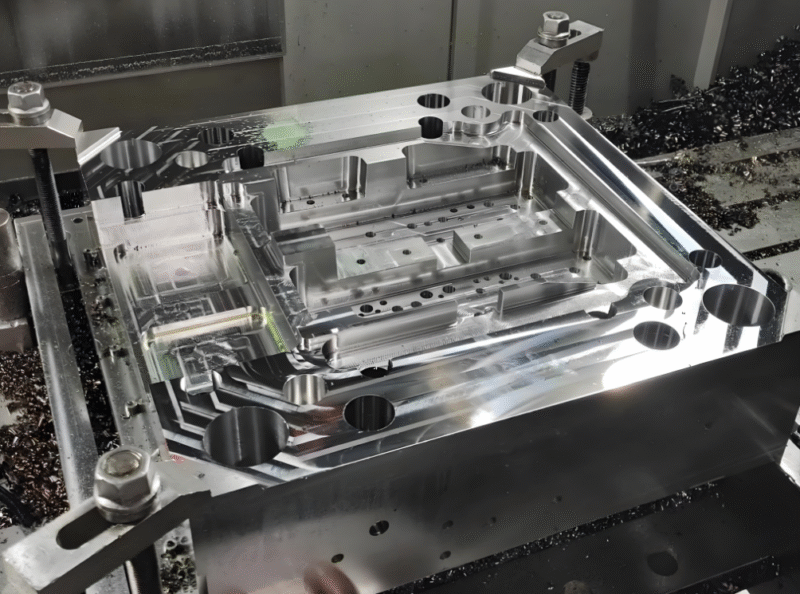
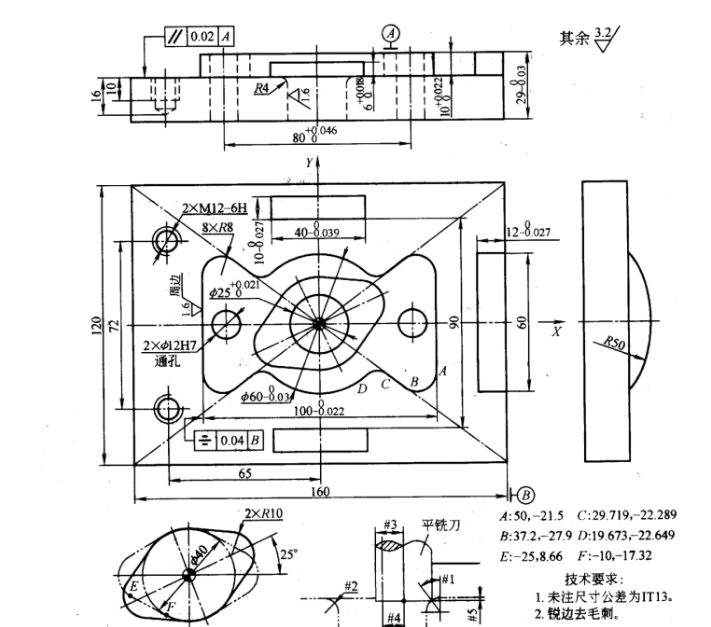
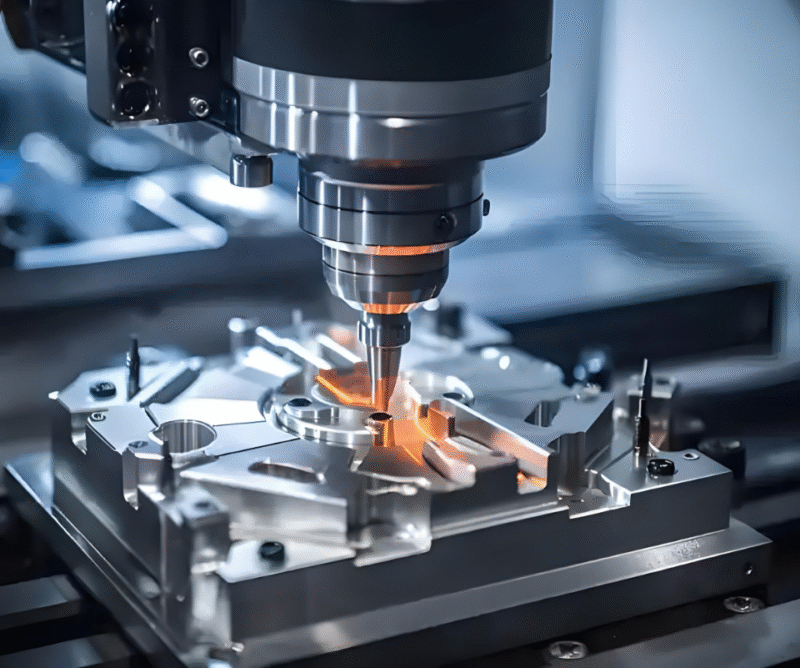
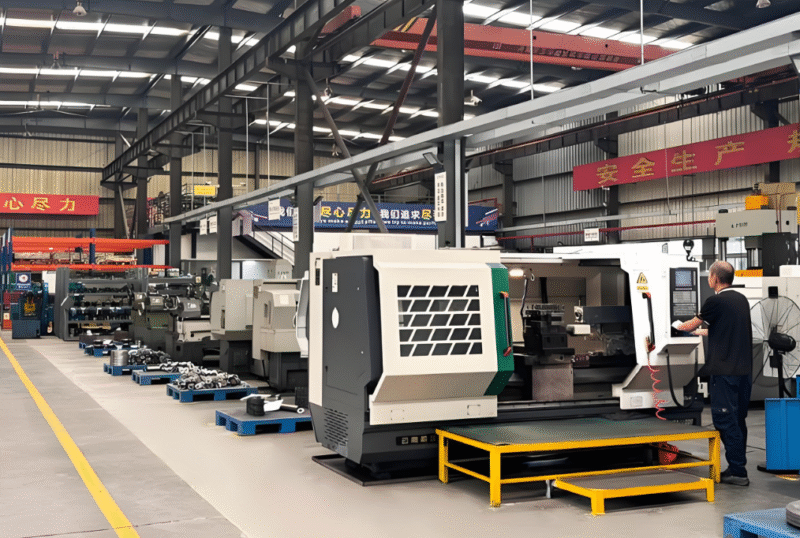
    工程の特徴と加熱の程度によって、リベットと溶接の加工は主に以下のカテゴリーに分けられる:图片[1]-铆焊加工与铆焊厂:现代金属结构制造的核心力量(可靠的铆焊厂应具备完善的设备配置和质量保障)-大连富泓机械有限公司

    コールド・リベット溶接:コールド・リベット溶接では、リベット・ポストは高圧によって変形する。コールド・フローはリベット・ポストの領域に大きな応力を引き起こすので、延性の良いプラスチックにのみ適している。

    熱間リベット溶接:熱間リベット溶接では、圧縮溶接ヘッドが熱を発生し、従ってリベット・ポスト上にリベット・ヘッドを形成するのに必要な圧力はより少ない。接合部の品質は、温度、圧力、時間のプロセス・パラメーターの制御に依存する。典型的な溶接サイクルは1~5秒である。

    熱風リベット溶接:熱風リベット溶接では、リベット・ポストは過熱空気の流れによって加熱され、これはリベット・ポストを取り囲む空気管を通して熱を伝える。その後、別個の冷間溶接ヘッドがリベット・ポストを下降させて圧縮する。

    超音波リベット溶接:超音波リベット溶接では、溶接ヘッドから供給される超音波エネルギーがリベット・ポストを溶かすのに使用される。典型的な溶接サイクル時間は2秒未満である。

    リベット溶接の技術的特徴
    リベット溶接の処理は、優れた機能の数を持っています:それは、金属材料を節約することができ、構造の重量を減らす;小さな、大きな、小さな、重い、複雑な機械部品や部品の製造のために大きいを達成するために、鋳造、鍛造、切断プロセスを簡素化する;溶接継手は良好な機械的特性と密封性を持っているだけでなく、バイメタル構造を作成することができるように、材料の性能をフルに活用する。

    リベット溶接工場の中核生産能力と工程フロー
    プロのリベット溶接工場は、高品質のリベット加工サービスを顧客に提供することを保証するために完璧な生産システムと品質管理プロセスを持っています。

    リベット溶接工場における標準製造工程
    正式なリベット工場は通常、厳格な製造工程に従う:

    事前準備段階:技術要件に従って図面を作成し、図面に従ってモデルを作成し、投薬し、モデル化する。この段階は材料の選択と加工を含み、設計要求に従って適切なマスター材料とリベット材料を選択する。

    加工・成形段階:ワークピースの外観検査、スクライビング、機械加工を含む。専門機器による金属材料の切断、成形、前処理。

    接合・統合段階:ワークピースのレベリングと手作業による削り出しが行われる。この段階で溶接とリベット作業が行われ、完全な金属構造体が形成される。

    後処理と検査:外観処理、塗装、梱包、倉庫保管を含む。その間、厳格な品質検査が行われ、製品が基準を満たしていることを確認します。

    リベット工場の設備構成
    プロのリベットと溶接工場は、加工精度と効率を保証するために高度な生産設備を備えています。例えば、一部のメーカーは、板レベリングライン、CNCレーザー切断機、板剪断機、曲げ機、板金絞り・曲げ設備、溝鉋、レーザー溶接機、アルゴンアーク溶接機、ガス溶接機などの高精度加工設備を持っている。

    リベット溶接加工の利点と適用分野
    リベット溶接加工の優れた利点
    その独特な技術的特徴で、リベット溶接加工は工業製造において重要な利点を示す:

    優れた構造信頼性:リベット接合部は振動エネルギーを効果的に吸収・分散でき、長期振動による連結部の疲労亀裂を防ぐ。

    過負荷保護メカニズム:極端な荷重条件下では、リベット部は「安全弁」として機能し、目に見える変形を示し、構造物が破損する前に早期警告信号を出す。

    幅広いプロセス適応性:異なる素材や厚みの金属部品を効果的に接続でき、従来の接続方法では対応が困難な問題を解決。

    強力な品質管理能力:リベットの品質は目視検査で確認でき、溶接の品質は非破壊検査で確認でき、二重の品質保証システムは製品の全体的な信頼性を向上させる。

    リベット溶接加工の主な応用分野
    リベット溶接加工技術は、さまざまな産業分野で広く利用されている:

    自動車産業:ドアへの部品の接着。自動車製造では、車体構造や主要部品の接合にリベットや溶接の技術が多用されています。

    エレクトロニクスおよび電気通信産業:プリント基板の固定および接続。

    医療機器製造精密医療機器および装置の構造的接合部。

    重機の製造:土木機械、鉱山機械などの重機械、例えば掘削機のアームや鉱山の破砕装置などの構造部品の接続。

    航空宇宙:航空機の胴体接合部や宇宙船の構造部品接合部は、軽量化と高強度という2つの要件を満たす。

    プロのリベット溶接工場の選び方
    多くのリベット工場サプライヤーに直面して、どのように正しいパートナーを選択するかが、プロジェクトの成功を確実にする鍵になる。图片[2]-铆焊加工与铆焊厂:现代金属结构制造的核心力量(可靠的铆焊厂应具备完善的设备配置和质量保障)-大连富泓机械有限公司

    技術的能力と経験の評価
    リベッティング・プラントを選ぶ際には、その技術的な強さに注目すべきである:

    加工精度能力:リベッティング溶接板/リベッティング溶接台の精度基準を含め、製造業者の設備の精度レベルと安定性を評価する。

    専門的な経験の蓄積:ベンダーのプロジェクト経験と特定分野の技術蓄積を調べ、豊富な経験を持つサプライヤーを選ぶ。

    プロセスの標準化の程度:メーカーが標準的なプロセスや業界規範に従っているかどうかを調べる。

    設備と品質システムの検査
    信頼できるリベット工場は、設備が充実し、品質が保証されていなければならない:

    高度な設備構成:メーカーがCNCレーザー切断機、レーザー溶接機、アルゴンアーク溶接機などの高精度加工設備を持っているかどうかを調べる。

    品質管理システム:リベット溶接台の作業面の硬度標準(HB170-240または187-255の間)のようなメーカーの品質検査標準を知る。

    認証と規格:メーカーが、そのプロフェッショナリズムと信頼性を反映する、関連する業界認証を取得しているかどうかをチェックする。

    リベット溶接製造の技術革新と発展動向
    自動化とインテリジェント開発
    伝統的なリベット打ちと溶接加工は、自動化とインテリジェンスの方向に急速に発展している:

    ロボット・リベットと溶接システム:産業用ロボットは、自動化されたリベットと溶接作業を実現するために使用され、生産効率と品質の一貫性を向上させる。

    インテリジェント検査技術:マシン・ビジョンとセンサー技術に基づき、リベッティング・プロセス・パラメータと品質指標をリアルタイムで監視する。

    適応制御システム:最適なリベット効果を達成するために、材料特性や作業条件の変化に応じてプロセス・パラメーターを自動的に調整する。

    新素材と新プロセスの統合
    新しい材料が出現し続けるにつれて、リベットと溶接の加工技術は革新を続けている:

    複合材料リベッティング:複合材料と金属の接続に適用できる特殊なリベッティング・プロセスを開発し、適用範囲を拡大する。

    異種材料の接合異なる性質の材料の接合のための特別なリベッティング・ソリューションを開発する。

    特殊環境リベッティング:極限環境(高温、低温、腐食環境)に適したリベッティング技術と材料の開発。

    リベット溶接加工のSEOガイド
    あなたのリベット加工のウェブサイトをGoogleでより良くインデックスされ、ランク付けされるようにするために、ここにいくつかの重要な戦略がある:

    キーワード戦略とコンテンツの最適化
    キーワードの正確なポジショニング:「リベット溶接加工」、「リベット溶接工場」などのコアキーワードだけでなく、「精密リベット」、「大型リベット溶接加工」などのロングテールキーワードの自然な統合の内容である。

    ページ要素の最適化:タイトルタグ、URL、メタディスクリプションにキーワードを合理的にレイアウト。

    価値あるコンテンツを作成する:専門家としての権威を示すために、魅力的なプロセス紹介、アプリケーション事例、テクニカルガイドなどの教育コンテンツを発行する。

    テクニカル最適化とローカルSEO
    ウェブサイト体験の向上ウェブサイトがわかりやすく、ナビゲートしやすい構造になっていることを確認し、ページの読み込み速度を向上させます。

    ローカル検索エンジン最適化:正確なサービス、画像、ディレクトリ間のNAP(名前、住所、電話番号)の一貫性により、Googleビジネスプロフィールを最適化します。

    構造化データマークアップ:Schema.orgが提供するマークアップ言語を通じて、よりリッチで構造化された製品情報を検索エンジンに提供します。

    ハイエンド、インテリジェントな方向、リベットと溶接加工技術への製造業では、伝統的な金属接続プロセスは、新たな活力を更新されます。現代のリベットと溶接工場は、もはや単なるリベットと溶接サービスプロバイダではなく、材料科学、構造力学、自動制御、システムソリューションプロバイダの他の学際的な知識の統合である。

    将来の産業発展において、リベッティング・溶接加工は、その独特な技術的優位性によって、重機、橋梁建設、航空宇宙及び他の重要な分野でかけがえのない役割を果たし続けるであろう。製造企業にとって、先進的なリベット・溶接加工技術と完璧な品質システムを持つリベット・溶接工場との協力は、製品の競争力を高め、ハイエンド市場を獲得する重要な保証になる。

    添付ファイルリベット溶接単独サイトのSEOチェックリスト

    タイトル、メタディスクリプション、H1タグに「リベット溶接加工」と「リベット溶接工場」というキーワードを適度に含めること。

    リベッティングのサービス、工程、設備能力に関する専門ページの作成

    専門家としての権威を示すために、ケーススタディや専門的な技術記事を出版する。

    ウェブサイトの構造と読み込み速度を最適化し、ユーザー体験を向上させる。

    Googleマイビジネスのリスティングを作成し、最適化することで、地域の顧客を獲得する。

    ウェブサイトがモバイル機器での表示と操作にフレンドリーであることを確認する。

    業界関連のプラットフォームで質の高いバックリンクを構築する

  • リベット溶接とリベット溶接製造:現代の産業接続のための信頼できるソリューション(リベット溶接プロセスは、異なる材料や作業条件に優れた適応性を示す)

    リベットとリベット溶接製造:最新の産業用コネクティビティのための信頼性の高いソリューション
    海上横断橋の鉄骨構造から航空宇宙車両まで、重機の骨格から精密機器の外殻まで、リベットと溶接の製造技術は、そのユニークな構造上の利点を生かし、現代産業において不可欠な接続プロセスとなっている。

    工業生産では、接合技術の選択が製品の構造強度、耐用年数、安全性に直接影響する。リベット溶接-リベットの信頼性と溶接の効率性を組み合わせた複合プロセス-は、頑丈な構造、振動する機器、特殊な運転条件のための好ましい接合ソリューションになりつつある。製造業における構造安全性への要求がますます高まる中、リベット溶接と溶接製造プロセスの技術革新と用途拡大は、工業用接合技術の革新をリードしている。

    リベット溶接技術の分析:伝統と現代の完璧な融合
    リベット溶接は、リベット接合と溶接接合の両方の接合方法の使用を統合する製造工程であり、リベットの振動と疲労抵抗特性、および溶接の構造的連続性と密封の利点を最大限に活用して、ユニークな複合接合ソリューションを形成する。

    リベット溶接プロセスの基本原理
    リベット溶接の製造は、基本的に2つの異なる金属接合部の有機的結合である:

    溶接部:金属接合部を原子結合状態にする熱または圧力によって永久的な接続を形成する。この方法によって、材料の連続性と完全性が達成される。

    リベット・セクション:2つ以上のワークピースが、リベットなどの機械的ファスナーによって結合される。この方法は機械的なインターロックに依存し、緩みに対して良好な耐性がある。

    リベット溶接工程の主な種類
    リベット溶接は、工程の順序や組み合わせによって様々なタイプに分類できる:

    リベッティングの前の溶接:溶接作業は、まず基本構造を決定するために行われ、その後、それを強化するためにリベットが行われ、これは大きな構造部品の製造に適用されます。

    最初にリベット、次に溶接:最初にリベットで位置決めし、その後溶接する。

    ハイブリッド・リベット溶接:溶接とリベットの工程が同じ接続点で同時に使用され、2つの方法の相乗効果をフルに発揮する。

    リベット製造の利点:重工業の第一選択である理由
    優れた構造信頼性
    リベット製造の核となる利点は、比類のない構造的信頼性である:

    抗振動性能:リベット部品は、効果的に振動エネルギーを吸収し、分散させることができ、長期的な振動による接続部の疲労亀裂を防止するために、特にエンジニアリング機械、鉄道輸送などの分野の機器製造に適しています。

    過負荷保護:極端な荷重条件下では、リベット部は「安全弁」として機能し、目に見える変形を示し、構造物が破損する前に早期警告信号を出すことができる。

    冗長設計:溶接とリベットが二重の保険を形成し、片側が故障しても、もう片側が基本的な構造的完全性を維持できるため、構造全体の安全係数が大幅に向上する。

    幅広いプロセス適応图片[1]-铆焊与铆焊制造:现代工业连接的可靠解决方案(铆焊工艺对不同材料和工况表现出极佳的适应性)-大连富泓机械有限公司
    リベット溶接プロセスは、異なる材料と作業条件に優れた適応性を示す:

    異材接続:材質や厚みの異なる金属部品を効果的に接続することができ、従来の接続方法では対処が困難だった多くの問題を解決します。

    強力な品質管理能力:リベットの品質は目視検査で確認でき、溶接の品質は非破壊検査で確認でき、二重の品質保証システムは製品の全体的な信頼性を向上させる。

    現場での調整が便利純粋な溶接構造に比べ、リベットによる製造は、設置現場での寸法調整や修正が容易で、組み立ての困難さとコストを削減する。

    大きな経済効果
    リベット溶接による製造は、トータル・ライフサイクル・コストの観点から考えると、大きな経済性を発揮する:

    便利なメンテナンス:個々のリベットは、損傷した場合に個別に交換することができ、大規模な修理の必要性を排除し、メンテナンスのコストと時間を大幅に削減します。

    長いライフサイクル:適切に施工されたリベット構造物は何十年も長持ちし、100年以上前のリベット橋の多くは今日でも安全に使用されている。

    検査は直感的である:リベットの緩みや摩耗は簡単な検査で検出でき、状態評価は複雑な装置を必要とせずに実施できる。

    リベット溶接の製造工程プロセス詳細
    リベット溶接の製造は、いくつかの厳格な工程を含む体系的なプロジェクトである:

    準備段階
    材料の選択と処理:設計要件に従って適切な母材とリベット材を選択し、材料の品質が規格に適合するように必要な表面処理を実施する。

    工程計画:リベット接合と溶接の順序、パラメーター、方法を決定し、溶接方法の選択、リベット接合タイプの決定を含む詳細な工程手順を作成する。

    工具設計:リベッティングや溶接工程におけるワークピースの正確な位置決めと固定を確実にするための特別な治具や金型の設計と製造。

    加工段階
    位置決めと固定:ワークピースは、仮接続点または特殊な固定具によって所定の位置に正確に固定され、組立精度を確保する。

    溶接作業:所定のプロセスに従って溶接作業を行い、溶接変形を制御し、溶接品質を確保する。

    リベット打ちの実施:リベット打ちの品質を確保するために適切なリベット打ち方法を用いて、重要な部分にリベット打ちを行う。图片[2]-铆焊与铆焊制造:现代工业连接的可靠解决方案(铆焊工艺对不同材料和工况表现出极佳的适应性)-大连富泓机械有限公司

    後処理と検査
    応力除去:熱処理またはその他の方法によって、リベット接合や溶接の過程で発生する残留応力を除去すること。

    形状修正:最終寸法が設計要件に適合するように、過度の変形を伴う作業を修正すること。

    品質検査:外観検査、非破壊検査、寸法測定などの方法を採用して、リベットと溶接の品質を総合的に評価する。

    さまざまな産業におけるリベット溶接の製造慣行
    重機械製造
    建設機械、鉱山機械、その他の重機械製造において、リベット製造は重要な役割を果たしている:

    掘削モーターアーム:ボックスリベット構造を採用し、構造の強度と剛性を確保し、良好な防振性能を提供する。

    採鉱破砕装置:リベットと溶接複合接続は、深刻な衝撃荷重がかかる部分に採用され、悪い作業条件下での装置の耐用年数を大幅に向上させる。

    大型圧力容器:ヘッドとシリンダーの接続部にリベット溶接構造を採用し、接続部のシール性と耐圧性を確保。

    橋梁建設分野
    橋梁工学は、リベット溶接技術を応用するための典型的な分野である:

    鋼橋の節点接続:複雑な応力を持つ節点部品では、動的荷重と温度応力に効果的に対処するため、リベット接合と溶接接合が採用される。

    橋梁デッキシステムの接続橋梁床版耐力構造と支持構造の接合は、構造強度や耐震性能を考慮し、リベット接合や溶接方法を採用することが多い。

    橋の補強工事古い橋の補強や改修工事では、新旧の構造物を接続するために、リベットや溶接の技術が優先されることが多い。

    航空宇宙
    航空宇宙産業では、接続技術に対する要求が非常に厳しい:

    航空機の胴体接続部:厳しい振動や温度変化の下での接続部の信頼性を確保するため、重要な応力部分に特殊な航空宇宙用リベット技術が使用される。

    宇宙船の構造:軽量かつ高強度という2つの要求を満たすため、特殊なリベット接合と溶接プロセスを用いて、異なる材質の構造部品を接続する。

    エンジンマウント:高温環境下での接続の安定性と耐久性を確保するために、高温リベットと溶接プロセスを採用しています。

    リベット溶接製造の技術革新と発展動向
    自動化とインテリジェント開発
    伝統的なリベット製造は、自動化とインテリジェンスに向けて急速に発展している:

    ロボット・リベットと溶接システム:産業用ロボットは、自動化されたリベットと溶接作業を実現するために使用され、生産効率と品質の一貫性を向上させる。

    インテリジェント検査技術:マシン・ビジョンとセンサー技術に基づき、リベッティング・プロセス・パラメータと品質指標をリアルタイムで監視する。

    適応制御システム:最適なリベット効果を達成するために、材料特性や作業条件の変化に応じてプロセス・パラメーターを自動的に調整する。

    新素材と新プロセスの統合
    新素材が登場し続ける中、リベッティング技術も革新を続けている:

    複合材料リベッティング:複合材料と金属の接続に適用できる特殊なリベッティング・プロセスを開発し、適用範囲を拡大する。

    異種材料の接合異なる性質の材料の接合のための特別なリベッティング・ソリューションを開発する。

    特殊環境リベッティング:極限環境(高温、低温、腐食環境)に適したリベッティング技術と材料の開発。

    グリーン・マニュファクチャリングと持続可能な開発
    現代のリベット製造は、より環境に優しく持続可能である:

    低エネルギー・プロセス:エネルギー消費を削減するために、集中エネルギーと低入熱を用いたリベッティング方法を開発する。

    環境に優しい材料:環境への影響を軽減するために、無公害または低公害のリベットおよび溶接材料を使用する。

    取り外し可能な設計:製品の全ライフサイクルを考慮し、分解やリサイクルが容易なリベット構造を設計する。

    リベット溶接工程の品質管理及び試験基準
    リベットと溶接の製造品質は製品の安全性に直結しており、厳格な品質管理システムを確立しなければならない:

    プロセス品質管理
    工程評価:正式な生産に先立ち、工程パラメータの最適範囲を決定するために工程評価試験が実施される。

    要員認証:作業の標準化を確保するために、リベット接合および溶接作業者の厳格な訓練と資格認定を行う。

    設備の監視:定期的な校正とリベット・溶接機器のメンテナンスにより、機器が良好な状態にあることを確認する。

    完成品の品質検査
    外観検査:溶接の整形、リベットの配置など、リベット部品の外観品質をチェックする。

    寸法測定:設計要件に準拠していることを確認するために、重要な寸法と形状公差を測定する。

    非破壊検査:超音波、光線、その他の非破壊検査法を使用して、内部の品質欠陥を検出する。

    性能試験:接続強度と保守性を確認するために必要な機械的性能試験を実施する。

    ハイエンド、インテリジェントな方向、リベットと溶接技術への製造業では、伝統的な接続プロセスは、新たな活力を更新されます。現代のリベットと溶接製造は、もはやリベットと溶接の単純な組み合わせではなく、材料科学、構造力学、自動制御、システム工学技術の他の学際的な知識の融合である。

    将来の産業発展において、リベッティング製造は、重機、橋梁建設、航空宇宙及び他の重要な分野で、そのユニークな技術的優位性に依存し続け、かけがえのない役割を果たす。製造企業にとって、先進的なリベット技術を習得し、完璧なリベット製造システムを確立することは、製品競争力を強化し、ハイエンド市場を獲得する重要な保証である。

  • 溶接プロセスと溶解技術:現代の製造業における接合と仕上げの革命(溶接プロセスと溶解技術の最新の進歩を詳しく紹介)

    溶接工程と溶解技術:現代の製造業における接続と仕上げの革命
    材料原子のミクロな連結から、巨大構造物のマクロな成形に至るまで、溶接プロセスと溶解技術は、現代の製造業の境界を再構築している。

    ハイエンド製造において、接合と仕上げは製品の性能と寿命を決定する重要な要素である。従来の溶接プロセスが熱によって金属の原子レベルの接合を実現するのに対し、革新的な溶解技術は材料の溶解特性を利用して超精密加工を実現する。この2つの技術の相乗的発展は、航空宇宙、マイクロエレクトロニクス、医療機器などの産業を新たな高みへと押し上げている。

    溶接プロセス分析:金属接合の科学と技術
    溶接とは、金属やその他の熱可塑性材料を、熱、高温、高圧の下で接合する製造プロセスであり技術である。

    溶接を分類する3つの主な方法
    溶接方法は、溶接プロセス中の加熱の度合いとプロセスの特性によって、大きく3つに分けられる:

    溶融溶接:被溶接物を局部加熱して溶融状態にし、溶融池を形成する(通常は溶加材も加える)。冷却して結晶化させて溶接部を形成した後、溶接された被溶接物を一体不可分のものに結合する。一般的な溶接方法には、ガス溶接、アーク溶接、エレクトロスラグ溶接、プラズマ・アーク溶接、電子ビーム溶接、レーザー溶接などがある。

    加圧溶接:溶接工程では、加熱の有無にかかわらず、溶接方法を加圧する必要がある。一般的な圧力溶接抵抗溶接、摩擦溶接、冷間圧接、拡散溶接、爆発溶接など。

    ろう付け:溶接される金属の融点より低い融点を持つろう材(フィラーメタル)を使用し、溶融後に接合部の隙間を埋め、溶接される金属と拡散させて接続を実現すること。ろう付け中に被溶接物が溶融することはなく、一般に塑性変形はない。图片[1]-焊接工艺与溶解技术:现代制造业的连接与精加工革命(深入了解焊接工艺与溶解技术的最新进展)-大连富泓机械有限公司

    溶接技術コアの強み
    金属材料を節約し、構造物の重量を減らすことができます。鋳造、鍛造、切削プロセスを簡素化するために、小さな、大きな、小さな、重い、複雑な機械部品の製造のための大規模な達成するために、溶接接合部は、良好な機械的特性とシールを持っているだけでなく、材料の性能を十分に活用されるように、バイメタル構造を製造することができる。

    溶解技術を探る:従来の加工を超える精密革命
    溶解技術は、製造業における材料加工への革新的なアプローチであり、特定の溶媒に対する材料の溶解特性を利用して、材料の除去や表面改質を実現するものである。

    溶解法の基本原理
    溶解法とは、適当な溶媒を用いて試料を溶解して溶液を作る方法で、比較的簡単で短時間で行うことができる。水は無機物質を溶解するための最も重要な溶媒の一つであり、水に不溶な無機物質を分解するためには、通常、酸、塩基または混合酸が溶媒として使用される。

    超精密溶解研磨技術
    ハイエンド製造の分野では、溶解技術が水溶性研磨のような超精密加工法を生み出した。例えば、KDP結晶(リン酸二水素カリウム単結晶)の超精密加工では、水溶解の原理を応用したCNC研磨法が開発されている。この方法は、水に溶けるKDP結晶の特性を利用し、研磨液として水を含む油性マイクロエマルジョンを選択することで、加工材料の除去における「機械的-水溶性相互作用の相乗効果」により、従来の機械的除去プロセスでは表面下の損傷を生じない。

    精密溶接と溶解技術の相乗的応用
    航空宇宙セクターとの完璧なマッチング
    航空宇宙産業では、直径0.012インチ、肉厚0.001インチの細管を溶接するために精密溶接プロセスを使用することができ、チタンやニッケル基合金を含むほとんどすべての金属を精密溶接することができます。

    同時に、溶解技術は航空宇宙精密部品の加工においても重要な役割を果たしている。例えば、ある種の精密部品は溶接後に表面処理が必要になることがあるが、溶解技術は、部品が要求される表面品質と精度要件を満たすことを保証するための非破壊精密加工ソリューションを提供することができる。

    マイクロエレクトロニクス製造における技術の融合
    マイクロエレクトロニクス製造の分野では、はんだ付けプロセスと溶解技術は驚くべき相乗効果を発揮する:

    精密抵抗溶接は、制御可能な溶接継手、滑らかな溶接面、微小部品に対する優れた性能により、マイクロエレクトロニクスパッケージングに広く使用されています。

    レーザー溶接は、マイクロエレクトロニクスの分野でも重要であり、高度に制御可能な溶接継手、高濃度のエネルギー、強力な接合という利点がある。

    水溶性研磨技術は、類似のKDP結晶に適用することができます材料を処理することが困難な水に溶解することができ、困難な問題の除去に残留する小規模な波紋の表面の処理の高精度部品を解決するために、仕上げ工程におけるマイクロエレクトロニクス部品の原理は、アプリケーションのための広い見通しを持っています。

    技術革新と開発動向图片[2]-焊接工艺与溶解技术:现代制造业的连接与精加工革命(深入了解焊接工艺与溶解技术的最新进展)-大连富泓机械有限公司
    溶接技術における自動化とインテリジェンス
    工作機械業界における溶接技術は、高効率、数値制御、自動方向に向かっている。具体的な性能

    一部の基幹企業は完全な溶接管理システムを確立し、導入製品の溶接工程標準を吸収・消化している。

    溶接工程は完成され、単一の機械加工工程から、原材料の前処理、切断・落下、成形、溶接、溶接後試験、溶接後処理に至る一連の新興総合エンジニアリング技術へと発展した。

    CNC精密切断とコンピュータ・プログラムによるネスティング技術が使用されている。

    CO2ガスやアルゴン・リッチ・ガスシールド溶接、サブマージアーク溶接など、先進的で効率的な新技術が普及・応用されている。

    溶解技術の精度と制御
    溶解技術も同様に、より高精度でより制御しやすいものへと進化している:

    大型KDP結晶素子の超精密加工は、コンピュータ制御による光学表面成形技術によって実現された。

    機械的-水溶解相互作用の相乗効果」による材料除去メカニズムの開発により、より精密な材料除去制御が可能になった。

    材料除去率の正確な制御は、研磨液の含水量とプロセスパラメーターを調整することによって達成されます。

    プロセス選択ガイド:溶接と溶解技術の比較
    メーカーがそれぞれのニーズに最も適したプロセスを選択できるよう、以下の比較では溶接技術と溶解技術の主な特徴を分析している:

    比較寸法 溶接プロセス 溶解技術
    プロセスの性質 材料接合技術 材料除去または表面処理技術
    適切な材料 金属、熱可塑性プラスチック 特定の溶媒に可溶な材料(KDP結晶など)
    精度レベル ミクロンレベルまで(精密溶接) ナノレベルの超精密加工
    熱影響 ほとんどの方法には熱影響ゾーンがある 通常、熱影響はない
    主な用途 構造接合、部品組立 超精密表面加工、マイクロ・ナノテクスチャ除去
    設備コストは技術によって異なる(抵抗溶接設備は安く、レーザー溶接は高い) 特殊なCNC設備はより高い
    技術動向 自動化、インテリジェンス、高効率 精密性、制御性、多機能性
    将来の展望テクノロジーと産業の共進化
    溶接プロセスの今後の方向性
    溶接技術の将来は、自動化、知能化、専門溶接の発展にもっと注目するようになる。鋳造の代わりに溶接、鍛造の代わりに溶接、切削の代わりに溶接」が製造業の一般的な傾向となっているため、製造業の溶接技術はより広く使用されるようになります。同時に、冶金学と材料科学、コンピュータとネットワーク技術の発展に伴い、材料接続理論と溶接製造技術の応用の人気は急速に発展し続けるでしょう。

    溶解技術革新的な視点
    溶解技術は特殊材料加工の分野で有望である。水に溶けるKDP結晶のような難加工材料に対して、水溶解研磨法は超精密加工に効果的なソリューションを提供する。材料の表面品質要求の継続的な向上に伴い、溶解技術はより多くの分野で従来の機械加工法に取って代わることが期待されている。

    国境を越えた統合の無限の可能性
    溶接工程と溶解技術の統合の発展は、より革新的な解決策を生み出すだろう。たとえば、溶接後に精密部品を溶解技術で表面仕上げすることで、構造強度と耐用性の両方を確保することができる。このような技術の組み合わせは、製造業により完全な製品品質ソリューションを提供する。

    精度、効率、品質要求の製造業が改善され続けると、溶接プロセスと溶解技術は、より正確な、よりインテリジェントな方向に向かってそれぞれであり、ハイエンドの製造業の分野で大きな相乗効果の可能性を示しています。製造企業は、プロセスの適切な組み合わせを選択する独自の製品の特性に応じて、これら2つの技術の開発動向を把握し、産業のアップグレードの新ラウンドの最初の機会を占めることになる。

    製造に重点を置く組織の如何にかかわらず、溶接プロセスと溶解技術の最新の進歩を深く理解することは、製品の品質向上と技術革新をサポートします。

  • 切削加工とフライス加工:現代の製造業のためのコア技術と革新的なアプリケーション(フライス加工と研削加工の分析:効率と精密革新の融合)

    加工フライス加工と研削加工:現代の製造業におけるコア技術と革新的アプリケーション
    自動車エンジンから航空宇宙精密部品まで、医療機器からインテリジェント機器の中核部品まで、切削・フライス加工技術は近代工業製造の礎を築いてきた。

    世界の製造業のインテリジェント化の波の中で、最も基本的な加工方法である切削加工と、高効率と高精度を併せ持つフライス・研削加工技術は、様々な産業において製品製造の精度と効率の飛躍的向上を共同で推進している。この2つの技術の核心原理、有利な相違点、統合を理解することが、製造工程の最適化と製造企業の市場競争力強化のカギとなっている。

    切削加工の基礎:ものづくりの世界共通語
    切削加工とは、ワークの表面から工具の規則的な形状を使用して余分な材料を除去し、形状、寸法精度、表面粗さ、表面層の品質が加工方法の設計要件に沿うようにすることを指す。どのような切削加工にも、切削工具、被削材、切削動作という3つの基本条件が必要である。

    ワークに対する工具の動き方や工具の形状によって、切削は主に以下のようなさまざまなタイプに分類される:

    旋盤加工:主にシャフト、ディスク、セットなどの回転部品を加工する。

    フライス加工:回転する多刃カッター(フライスカッター)をワークピースに使用し、平面、溝、複雑なプロファイルなどを加工することができる。

    プレーニング:工具と被加工物の間の相対的な直線往復運動で、被加工物の表面を平らにすることを目的とし、主に平面加工や溝加工に使用される。

    研削:砥石やその他の砥粒を使用して、工作物の表面を高い直線速度で加工し、高い精度と低い表面粗さを得ること。图片[1]-切削加工与铣磨加工:现代制造业的核心技术与创新应用(铣磨加工解析:效率与精度的融合创新)-大连富泓机械有限公司

    ドリル、ボーリング:主に穴加工と仕上げに使用される。

    切削加工は、材料除去率と加工精度によって、荒加工、中仕上げ加工、仕上げ加工、仕上げ加工、超精密加工などの段階に分けられる。工作機械と切削工具の絶え間ない発展により、切削加工の精度、効率、自動化の程度は絶えず向上し、応用範囲も拡大している。

    フライス加工と研削の分析:効率と精度の統合のための革新
    フライス加工と研削加工は、フライス加工と研削加工の有機的な組み合わせと革新的な応用です。フライスの効率的な材料除去能力と研削の無駄のない仕上げ面品質の両方を包含し、ユニークな複合加工ソリューションを生み出します。

    フライス加工の中核機能
    フライス加工は、回転する多刃の工具を使って被加工物を切削する加工方法である。フライス加工では

    運動:工具の回転運動が主運動であり、主運動に直交する方向の工作物または工具の直線運動が送り運動である。

    切削特性:多刃切削工具の使用により、フライス加工は多刃切削、断続切削、良好な冷却効果、高い加工効率という特徴を持つ。

    用途フライス加工は主に、平面、傾斜面、成形面、溝などの加工に使用される。現代の製造業で最も広く使われている加工方法の一つです。

    研磨技術的な利点
    研削とは、砥石などの砥粒を使用し、高い線速度で工作物の表面を加工する方法である。その大きな利点は以下の通りである:

    高精度能力:加工精度はIT3-IT7に達する。

    硬い材料への対応:研削盤は、焼入れ鋼や超硬合金などの硬い材料の加工が可能です。

    優れた表面品質:研削加工により、多くの精密部品や機能的な表面の主な要件である、非常に滑らかな表面が得られます。

    粉砕と研削の組み合わせによる相乗効果
    製粉と粉砕の2つの工程を有機的に組み合わせることで、お互いを補い合う:

    プロセスの統合:ワークのクランプ回数と機械交換時間を削減し、全体的な加工効率を向上させます。

    品質の最適化:荒削りおよび中仕上げとしてフライス加工を行い、材料を素早く除去します。仕上げとして研削加工を行い、最終的な精度と表面品質を確保します。

    コスト管理:工程を最適化することで、単品加工コストと工数を削減。

    フライス加工と研削加工の完全比較
    次の表は、フライス加工と研削加工という2つの加工方法の主な特徴を詳細に比較したもので、特定のニーズに最適な選択をするのに役立ちます:

    比較寸法 フライス加工 研削加工
    加工方法 フライスカッターによる被加工物のフライス加工 高速回転する砥石による被加工物の研削加工
    加工精度 精密クラスIT6-IT12、粗さはグラインダー以下 精密クラスIT3-IT7、高精度で非常に小さな面粗さの研削が可能。
    加工能率 加工速度が速く、材料除去率が高い 加工速度は遅いが、高能率研削、例えばパワー研削が可能
    適用材料 あらゆる金属材料に広く適用可能 高硬度材料、例えば焼き入れ鋼、超硬合金等の加工が可能。
    表面品質 比較的大きな表面粗さ 非常に滑らかな表面が得られる
    設備コスト 比較的低く、広く適用可能 特に高精度研削盤では高い場合が多い
    代表的な用途 平面、溝、複雑なプロファイル 高精度表面、硬質材料加工、精密部品
    切削加工とフライス加工のアプリケーション・シナリオ
    航空宇宙
    切削加工とフライス加工は、高精度、高信頼性、軽量化が要求される航空宇宙産業において重要な役割を担っている:

    エンジン部品:タービンブレード、エンジンケース、その他の主要部品は通常、5軸フライス加工と精密研削を組み合わせた工程で製造される。

    構造部品:航空機の構造部品は、多くの場合、高速フライス加工で粗加工され、その後、重要な合わせ面の精度を確保するために精密研削が行われる。

    自動車製造
    自動車製造業は、切削加工技術が最も広く使われている分野のひとつである:

    動力組立:エンジンブロック、シリンダーヘッド、クランクシャフトなどの主要部品は、高速フライス加工と精密研削加工に多用される。

    トランスミッションギアボックスのハウジングやギアなどの部品は、フライス加工と研削加工の複合加工に依存している。

    医療機器製造
    医療機器には、生体適合性、表面品質、精度に対する極めて高い要求がある:

    インプラント人工関節や骨プレートなどのインプラントは通常、精密なフライス加工によって成形され、必要な表面品質を得るために研削・研磨される。

    手術器具精密手術器具の製造には、微細加工と研削技術が多用されている。

    金型製造分野
    金型産業は、フライス加工と研削技術を応用する上で重要な分野である:

    キャビティ加工:金型キャビティは通常、高速フライス加工によって粗加工と半加工が行われ、その後、最終的なサイズと表面要件を達成するために精密研削加工が行われます。

    高光沢の表面鏡面効果を必要とする金型では、精密研削と研磨が重要な工程となります。

    フライス加工と研削加工の技術動向とイノベーション
    複合加工技術の台頭
    複合マシニングセンタのフライス加工と研削は、近年のハイエンド製造装置の急速な発展であり、それは大幅に加工精度と生産効率を向上させ、すべての処理を完了するためにクランプを達成するために、デバイスのフライス加工と研削機能に統合されています。

    インテリジェント・テクノロジー・イネーブルメント
    インダストリー4.0とスマート・マニュファクチャリングの進展に伴い、フライス・研削加工技術は新たな変化を迎えている:

    適応加工:工具の摩耗や材料の変化に応じて加工パラメータを自動調整する、リアルタイムのセンシングデータに基づく適応制御システム。

    デジタルツイン:加工工程のデジタルマッピングにより、仮想環境で加工パラメータを最適化できるため、試行錯誤のコストを削減できる。

    インテリジェントな監視:人工知能ベースの処理状態監視システム、リアルタイムで異常を識別し、自動調整する。

    工具技術と素材の革新
    工具技術と材料の進歩は、フライス加工と研削加工の限界の拡大に直接貢献している:

    超硬工具材料PCD、CBN、その他の超硬工具材料の幅広い適用により、硬い材料の高速ミリングが可能になります。

    コーティング技術:新しいナノコーティングは、工具寿命と加工効率を劇的に向上させます。

    カスタマイズされた工具:加工結果を最適化するための、特定の材料やプロセス専用の工具。

    適切な加工戦略の選び方
    さまざまな加工ニーズがある中で、いかに科学的に切削加工戦略を選択するかが重要である:

    材料特性に基づく選択
    一般鉄鋼および非鉄金属:高能率と優れたコストのため、フライス加工が優先される。

    硬化鋼と超硬合金:研削またはハードミル加工技術が必要。

    複合材料と難削材:特殊な工具とプロセス・パラメータは、特定の材料特性に応じて選択する必要がある。

    精度要件に基づく意思決定
    一般的な精度要件(IT7以上):精密フライス加工を優先することができる。

    高精度が要求される(IT5-IT7):研削加工、またはフライス加工と研削加工の複合加工が必要。

    超高精度要求(IT3-IT5):精密研削、ラッピング、研磨などの仕上げ方法を使用しなければならない。

    生産ロットサイズに基づく考察
    少量の単一部品:柔軟なプログラミングと短い準備時間のCNCフライス加工が優先されます。

    中量:精度の要求に応じて、フライス加工または研削加工を選択できます。

    大量生産:特殊な生産ラインを使用することで、粉砕と研削の工程を統合し、全体的な効率を最適化することができます。

    新素材、新技術、知能化技術の絶え間ない発展により、切削加工技術はより効率的で、より精密で、より知能的で、より環境に優しい方向に進化している。企業の規模に関係なく、切削加工技術の発展傾向を把握し、フライス加工と研削加工の革新プロセスの合理的な使用は、産業革命の新しいラウンドの最初の機会を占めることになります。

    こんな方に加工先進的な製粉・粉砕処理設備、豊富な経験、技術チームを持つパートナーを選ぶことは、製品の品質を確保し、サービスを提供する企業の市場競争力を高めるための重要な決断となる。

  • 機械加工とCNC加工:現代の製造業のためのコア技術とアプリケーション(CNC加工のコア・アドバンテージ:なぜCNC加工が現代の製造業の第一選択肢なのか?)

    加工およびCNC機械加工:現代製造業のコア技術とアプリケーション

    航空宇宙から自動車製造、精密医療機器から日常的な電子機器に至るまで、機械加工技術は現代の産業発展を支える礎石である。

    競争が激化する今日のグローバルな製造環境において、機械加工技術、特にCNC機械加工の進歩は、製品の生産形態と品質精度を大きく変えつつある。大量生産であれ、カスタマイズされた小ロット加工であれ、高度な機械加工技術を習得することは、製造企業の競争優位性を維持するための鍵となっている。

    機械加工の基礎:伝統から現代への進化

    機械加工とは、加工機械を用いてワークピースの外形寸法や性質を変化させることである。加工するワークピースの温度状態によって、冷間加工と熱間加工に分けられる。

    冷間加工とは常温での加工を指し、被加工物に化学的または物理的な変化を起こさず、切削加工と加圧加工に分けられる。熱間加工とは、一般的な熱処理、鍛造、鋳造、溶接のことで、通常は室温以上または室温以下の状態で加工を行うため、被加工物に化学的または物理的な相変化が生じる。

    広義の機械加工とは、機械的手段によって製品を製造するために使用できるあらゆるプロセスを指す。狭義の機械加工とは、旋盤、フライス盤、ボール盤、研削盤、スタンピングプレス、ダイカストマシンなどの特殊な機械や設備を使って部品を製造するプロセスを指す。

    コンピュータ技術の発展に伴い、CNC加工技術は、自動化された加工方法のコンピュータプログラム制御を介して、大幅に処理精度と効率を向上させ、近代的な機械加工の中核となっている。

    CNC加工の主な利点:現代の製造業がCNC加工を第一選択とする理由
    1.加工精度を確保する精密制御

    CNC加工の核心は、コンピュータープログラムによって工作機械の軌道を正確に制御することにある。オペレーターは、部品の加工パラメータや工具経路などを制御システムに入力するだけで、機械はあらかじめ設定された指示に従って、切削、穴あけ、フライス加工などの工程を自動的に完了させることができる。

    このデジタル制御は、従来の機械加工が手動操作の経験に頼りすぎていたのを完全に解消し、人為的要因による寸法の狂いを回避します。極小のシャフト部品であろうと、複雑なボックス部品であろうと、CNC機械加工は、すべての寸法が設計要件に厳密に準拠していることを保証します。

    2.複雑な構造、加工が容易

    ハードウェアや機械の精密部品は、曲面、ねじ山、形状の穴など、複雑な形状を持つことが多い。このような構造に直面する場合、従来の加工方法では何度もクランプや工具交換を行う必要があり、効率が悪いだけでなく、複数の位置決めによる累積誤差が発生しやすい。

    一方、CNCマシニングは、多軸リンク技術により、1回のクランプで多面加工を完了することができる。例えば、5軸のCNCマシンは、同時に5方向の工具の動きを制御することができるため、従来の方法では困難だった複雑な面の加工も簡単に行うことができる。

    3.効率的な生産、バッチ製造品質の保証

    製造業では、部品の大量生産が当たり前です。CNCマシニングは、プログラムコピー機能により、同じ部品に対して複数の加工指示を素早く生成し、標準化された大量生産を実現します。

    従来の機械加工に比べ、CNC機械加工は部品ごとに工作機械を個別に調整する必要がないため、生産リードタイムを大幅に短縮できる。同時に、加工工程がコンピューターによって自動制御されるため、同一バッチの部品は寸法の一貫性が極めて高く、手作業の違いによる製品品質の変動を効果的に回避することができる。图片[1]-机械加工与数控加工:现代制造业的核心技术与应用(数控加工的核心优势:为何成为现代制造业首选)-大连富泓机械有限公司

    機械加工の主な工程と技術
    1.切断加工の基本分類

    加工代表的な機械加工工程のひとつで、主に刃物を使って金属を切ったり削ったりする。鉛筆削りや木材を鉋(かんな)で削ることを思い浮かべてほしい。切削加工は、旋盤加工(ターニング)、フライス加工、穴あけ加工の3つに大別される。

    旋盤加工(ターニング):ワークを高速で回転させ、工具に接触させて材料を切削する。ワークが回転するため、円筒形部品の加工に適している。

    フライス加工:フライス加工では、固定されたワークピースに高速回転する工具を接触させて加工する。フェースミル、エンドミル、スロットミル、フラットミルなどの工具を使用することで、表面のフライス加工や溝のスコアリングなど、さまざまな加工が可能になる。

    穴あけ(ボール盤):ボール盤は「穴あけだけ」と思われがちだが、実は使用する工具によって、穴の精度を高めるリーマ加工、穴の内径を広げるボーリング加工、ネジ切り加工など、さまざまな加工ができる。

    2.機械的切断の主なモード

    機械切削は機械加工の重要な一部であり、物理的な力を使って切削工具とワークピースを直接接触させ、材料を分離または成形する材料除去プロセスである。主な方法は以下の通り:

    鋸引き:最も一般的な機械的切断方法のひとつで、歯のついた刃を使って材料を切断する。

    せん断:材料を所定の線に沿って破断させる反対力を加えて切断すること。

    フライス加工:回転する多点切削工具を使用してワークピースから材料を除去すること。

    旋盤加工:一点切削工具を使用して材料を除去しながら工作物を回転させ、円筒形状を作成すること。

    ドリル:ドリルと呼ばれる回転切削工具を使って丸い穴を開ける。

    高速加工技術:効率と精度の革命

    高速切削加工技術とは、高速回転する工具を用いてワークを切削し、加工効率や加工品質を向上させる技術である。工具材料や工作機械技術の発展に伴い、高速切削技術の応用範囲はますます広がっている。

    高速切断の優位性は、生産性の向上にとどまらず、一連の大きな利点がある:

    切削力が大幅に減少:高速切削切削力は約30%減少させることができ、このため、これらの薄肉部品を処理するために、この技術の使用は、切削工程の部品の変形を低減するために非常に有利である。

    ワークの温度上昇が小さい:切削時に発生する熱のほとんどが持ち去られるため、ワークの温度上昇が非常に小さく、温度に非常に敏感な部品の加工に特に適している。

    高い加工面品質:機械構造の改善と加振周波数の高速切削により、加振周波数が工作機械の固有周波数から離れ、しばしば「無振動」切削状態が現れ、加工面品質の向上に寄与する。

    工具耐久性の向上:高速切削において工具耐久性が約70%向上。

    高速加工の鍵は、小さな切削体積(横方向の段差/切り込みは従来の約1/3)と高速回転(主軸回転数/送り速度)である。切削量が少ないため、高品位な加工面が得られ、高速であるため、切削量の減少による総加工時間の増加が少ない。

    機械加工の応用分野
    1.航空宇宙

    航空宇宙分野では、機械加工技術に対する要求が非常に高く、高精度、高安定性、高能率を特徴とする必要がある。航空宇宙分野における機械加工技術は、主にエンジン、翼、胴体などの主要部品の製造と加工に適用される。

    航空産業は、高速加工産業の主なアプリケーションであり、信頼性を向上させ、コストを削減するために、航空機上のいくつかの部品は、全体的な製造方法の使用は、元の複数のリベットまたは溶接部品全体の固体材料製造に。これらの部品の多くは、剛性が低いため、薄肉、微細なリブ構造のために、工具を大量に食べることができないので、高速加工は、このような部品の加工プロセスのための唯一の選択肢となる。

    2.自動車製造分野

    自動車製造は、機械加工技術の最も広く使われている分野の一つである。自動車製造における機械加工技術は、主にエンジン、トランスミッション、シャーシなどの主要部品の製造と加工に応用されている。

    現在の自動車製品は多様化し、自動車製品は、元の単一のワークの大量生産から、大量生産に重ね合わせ、それぞれの小さなバッチのワークの様々な製品の多様性、より迅速に変化している。したがって、自動車製造業界では長年にわたって工作機械(特殊機械)の生産ラインの組み合わせを支配し、実際のニーズの自動車産業の急速な更新を満たすことができませんでした。

    3.金型産業

    金型業界では、高速加工は典型的な高速、多速度送り、低切削量の加工方法を採用し、従来の研削加工、放電加工、仕上げ加工を置き換えることができるため、加工準備時間の短縮、工程の短縮、切削時間の短縮による生産性の向上などの面で大きなメリットがある。

    4.精密製造

    精密機械や光学機器の製造では、寸法精度、加工安定性などの要求が高いことが多く、高速加工の加振周波数が高く、滑らかな加工で高い寸法精度が得られやすい。

    加工技術の動向
    1.進歩し続けるCNC加工技術

    CNC加工技術は、コンピュータ制御とデジタルプログラミングによる自動化とインテリジェントな処理を指します。CNC加工技術は加工効率と加工品質を大幅に向上させることができ、現代の加工技術の重要な発展方向である。

    AI-CNC全工程無人CNC加工大型モデル技術の出現は、産業用マザーマシンの知能化の最先端の進歩を示している。

    2.複合加工技術が進む道

    複合加工技術とは、様々な加工方法を統合し、複数の加工工程を一度に完了させる加工技術を指す。複合加工技術は、加工効率と加工品質を大幅に向上させることができ、現代の加工技術のもう一つの重要な発展方向である。

    3.グリーン製造技術の重要性の高まり

    グリーン製造技術とは、製品の品質や性能を確保することを前提に、環境への影響や資源の消費を最小限に抑えることを指す。環境保護に対する意識の高まりとともに、グリーン製造技術は今後の加工技術の重要な発展方向となるだろう。

    4.高速加工コストは徐々に低下

    CNC高速加工この技術の普及と応用は、経済的な制約によって制限されている。 高速切削工作機械は高価であり、切削性能、精度、工具の動的バランスに対する要求が高く、固定資産への投資額が大きく、工具コストも高い。しかし、高速切削加工技術の普及と成熟に伴い、高速切削加工のコストは低下しており、高速切削加工の普及を強力に促進する。

    新素材、新工程、新技術の絶え間ない出現により、加工技術はより高速、より精密、よりインテリジェント、より環境に優しい方向に向かっている。企業の規模に関係なく、加工技術の発展傾向を把握し、インテリジェントなアップグレードの早いレイアウトは、産業革命の新しいラウンドの最初の機会を占めることになります。

    機械加工サービスを必要とする企業にとって、先進的なCNC機械加工設備、豊富な経験、技術チームを持つパートナーを選ぶことは、製品の品質を確保し、市場競争力を高めるための重要な決断となる。

  • 機械加工とCNC加工:現代の製造業におけるコア技術の分析(企業が機械加工パートナーを選ぶ際の考慮点)

    機械加工 数値制御加工現代製造業のコア技術の分析
    航空宇宙、自動車部品、電子機器などの高精度製造分野では、効率と精度が企業の中核的競争力となっている-3。

    今日の競争の激しいグローバルな製造業において、機械加工とCNC加工技術は現代の工業生産の要となっている。インダストリー4.0と「メイド・イン・チャイナ2025」戦略の徹底的な推進により、CNC技術は中国の製造業のパターンを大きく変えつつある-9。

    製造業にとって、こうした技術を理解し応用することは、生産性を向上させる鍵であるだけでなく、グローバルな競争において優位性を保つために不可欠な要素でもある。

    01 機械加工の進化とCNC革命
    伝統的な機械加工は、機械工の職人技と経験に大きく依存しているが、現代のCNC機械加工は、自動化とインテリジェントな利点3によって、伝統的な機械加工の限界を打ち破っている。

    CNC加工とは?人間の髪の毛の1/10-9に相当するミクロン単位の高精度な加工を可能にする、コンピュータープログラムによって制御される自動加工方法です。

    中国工作機械工業協会のデータによると、2023年、中国のCNC工作機械市場規模は2568億元に達し、15.6%増加し、そのうちハイエンドCNC工作機械の5軸連結は、輸入代替率は45%-9に増加した。

    このデータは、中国の製造業におけるCNC技術の急速な発展と普及を明確に示している。

    02 CNC加工の核となる利点の分析
    CNC技術は、いくつかの次元において、従来の機械加工よりも大きな利点を示している:

    精密制御はCNC加工の核心的な強みである。CNCは高精度のサーボシステムによって機械の動きの精度を保証し、リアルタイムの監視とフィードバック装置は自動的に偏差-3を避けるためにパラメータを調整する。

    自動化された効率的な生産、CNCは「ワンタッチスタート」で全工程を自動化するようにプログラムされており、24時間の連続運転が可能です。また、多工程統合をサポートし、ワークのハンドリングを軽減し、精度ロス-3を回避します。

    柔軟な生産。伝統的な機械加工の変更生産は、治具を変更し、パラメータを調整する必要があり、長い準備サイクル;CNCは、プログラムを変更し、ツールを変更する必要があるだけで、すぐに生産品種を切り替えることができ、カスタマイズされた単一ピースから大量生産のニーズに適応する-3。

    03 ザ・ビッグ 4CNC加工 プロセス比較
    さまざまな加工プロセスが、さまざまなニーズや材料に適している。以下は、4つの主要なCNC機械加工プロセスの技術的特性とアプリケーションシナリオです-9:

    加工タイプ 加工特性 適用材料 代表的な適用シーン 精度クラス
    フライス加工 多軸複合表面加工 金属/複合材料 航空機用エンジンブレード IT6-IT7
    旋盤加工 回転部品の効率的な加工 棒材/チューブ材 自動車用ドライブシャフト IT5-IT6
    彫刻の良いパターン テキスト彫刻木材/アクリル クラフト ギフト カスタマイズ IT8-IT10
    研削 超精密表面処理 硬化鋼 / セラミックス 精密金型キャビティ IT3-IT5
    04 CNC機械加工業界における応用事例
    CNC加工技術は様々な製造分野に浸透しており、その代表的な用途は以下の通りである:

    新エネルギー車の分野では、バッテリートレイのフライス加工工程は7075アルミ合金を採用し、30%の軽量化を達成することができます。モーターシェルの精密旋削真円度誤差は≤0.01mm-9に制御することができます。

    航空宇宙産業は、複雑な曲面を持つエンジンブレードや構造部品-1を加工できる5軸マシニングセンターなどの高精度機器に依存している。

    医療機器製造では、人工関節の精密研削で表面粗さRa0.2μmを達成し、手術器具の微細旋削の直径公差は±0.005mm-9に達する。

    05 製造インテリジェンスの将来動向
    人工知能技術の発展により、CNC加工の分野は新たな変化を遂げつつある。

    2025年工業博覧会で、TOP CNCはAI-CNC全工程無人CNC加工大型モデル技術を発表し、工業マザーマシンの知能-8の最先端の進歩を示した。

    このシステムは、エンド・ツー・エンドのインテリジェント・プログラミング、フルプロセス知識ベースのサポート、高忠実度のシミュレーション環境-8という3つの革新的なブレークスルーを特徴としている。

    IFE-2でのインタビューで、慧川科技のCEOである朱興明は、「インテリジェンスは製造業をシンプルにするもので、製造業の仕事を減らすものではなく、人工知能や機械が解決する仕事を増やすものだ」と語った。

    06 加工パートナーを選択する際の企業の考慮事項
    多くの機械加工サービスプロバイダーがある中で、適切なパートナーを選ぶことは非常に重要です。

    企業は、設備の精度レベルや安定性など、加工精度の能力を評価すべきである。耐用年数が長く、長期にわたって精度が高く、加工効率の高い優れた機械は、企業に持続的な利益をもたらすことができる5。

    技術的な専門知識は、経験と同じくらい重要である。特定の分野で豊富な経験を持つサプライヤーを選ぶことで、プロジェクトのリスクを大幅に軽減することができます。

    さらに、自動化の度合い、技術サポート能力、アフターサービス体制など、設備の総合的な性能を考慮することも重要である。これらは、長期的な協力を円滑に行うための重要な要素である5。

    CNC加工技術は、よりスマートで高精度な方向に発展している。2025年工業見本市で、TOP CNCはAI-CNCシステムを展示し、ニューラルネットワーク技術-8に組み込まれた物理的知識によってミクロンレベルの加工プロセスの高精度シミュレーションを実現した。

    将来的には、人工知能と製造業の深い統合により、CNC加工はもはや手作業を置き換えるだけのツールではなく、製造業のデジタルトランスフォーメーション製造業のデジタルトランスフォーメーションのコアドライバーになるだろう。

    企業の規模に関係なく、CNC加工技術の開発動向を把握し、インテリジェントなアップグレードの初期のレイアウトは、産業革命の新しいラウンドの最初の機会を占めることになります。

  • CNC加工とボーリング:現代の製造業における高精度開発の原動力

    numerical control 加工Machining with Boring Machines: The Core Force Driving the Development of High Precision in Modern Manufacturing

    Against the backdrop of global manufacturing transformation towards intelligence and precision, thenumerical control machiningWith its high efficiency and precision, it has become a key technology to promote industrial upgrading; andboring machineAs a CNC machining system specialising in complex holes and large workpieces in the core process, but also for high-end manufacturing areas to solve many technical problems. In this paper, we will comprehensively analyse the technical principles of CNC machining and boring machine processing, core advantages, typical application scenarios, and at the same time for enterprises to choose the processing services to provide practical guidance to help enterprises in the fierce competition in the market to seize the first opportunity.​
    I. CNC machining: reshaping manufacturing efficiency and precision “all-rounder”​
    1. Definition and technical principles of CNC machining​
    CNC Machining is a modern technology that automatically completes the machining of workpieces with the help of a computer numerical control system (CNC system), which provides precise control of the machine tool’s trajectory and cutting parameters (e.g., rotational speed, feed, and depth of cut). The core logic is to convert the design drawings into digital programs, through the program instructions to drive the relative motion of the machine tool and the workpiece, to achieve automation and standardisation of production from raw materials to finished products. Compared with traditional manual machining, CNC machining gets rid of the excessive reliance on manual operation experience, and fundamentally improves the stability and consistency of machining.​
    2. Four core advantages of CNC machining​
    Ultra-high precision for demanding needsCNC machining has a repeatable positioning accuracy of ±0.001mm, enabling the accurate machining of precision parts that meet the requirements of aerospace, medical devices and other fields. For example, in automotive engine spool machining, CNC machining can control the dimensional error within a very small range to ensure the efficient operation of the engine.​
    Efficient production and reduced time costsCNC machining equipment can be used 24 hours a day without frequent human intervention, thanks to its automated mode of operation. Compared with traditional machine tools, its productivity can be increased by 3-5 times, and at the same time, it reduces the waste of materials caused by manual operation errors, and controls the scrap rate within 5%, which significantly reduces the long-term production cost of the enterprise.​
    Flexible production to suit the needs of multiple categoriesThe same CNC machine can be quickly switched to process different types of workpieces by simply modifying the CNC programme, without the need for large-scale adjustments to the machine structure. This flexible quality is especially suitable for small batch, multi-species customised production, such as industrial moulds, special parts processing, to help enterprises quickly respond to changes in market demand.​
    Safety and stability to ensure production continuity: Modern CNC systems are equipped with perfect safety protection functions, including overload protection, emergency stop, tool collision warning, etc.. These functions can effectively avoid equipment damage and safety accidents in the machining process, reduce the pressure of safety management in the workshop, and ensure the stable operation of the production process.​
    Two,boring machine: “Masters of precision” specialising in complex hole systems.​
    1. Technical orientation and application scenarios of boring machine machining​
    Boring machine machining is an important branch of CNC machining, mainly for theComplex hole systems, large box-type workpieces, shaped structural partsCarry out machining. Its core function is to complete high-precision hole machining such as deep holes, step holes, threaded holes and other holes through the rotary cutting of the boring tool and the accurate feeding of the spindle, while taking into account the milling operation of the plane and inclined surfaces. In the field of large equipment manufacturing, such as machine tool bed, engine block, engineering machinery chassis parts processing, boring machine processing by virtue of “one-stop solution for multiple holes processing and overall structural moulding” advantage, become indispensable to the key process.
    2. Key Technical Highlights of Boring Machines​
    Excellent hole system machining accuracyThe closed-loop servo control system can control the coaxiality and parallelism of holes within 0.005mm, which perfectly solves the problem of “accumulation of deviation in multiple holes” in traditional processing. In the aero-engine magazine, hydraulic valve body and other parts that require extremely high precision of the hole system, the accuracy advantage of boring machine processing is particularly prominent.​
    High load capacity, suitable for large workpieces.The CNC boring machines are of different types, such as floor-standing and horizontal, with a table load capacity of several tonnes, capable of easily machining large workpieces with a length of more than 3 metres and a weight of several tonnes. During the machining process, the workpieces do not need to be clamped frequently, effectively reducing the errors brought about by multiple positioning and guaranteeing the machining accuracy of large workpieces.​
    Composite processing to shorten the production processModern CNC boring machines are commonly integrated with milling, drilling, tapping and other functions, which can complete the whole process of “hole machining + plane milling + contour forming” of the workpiece at one time. This composite processing capability to avoid the loss of precision caused by the workpiece in the transfer between multiple devices, while significantly shortening the production cycle and improve the overall production efficiency.​
    Intelligent upgrades for improved processing stabilityHigh-end CNC boring machines are equipped with probe inspection system, which can measure the workpiece machining dimensions in real time and automatically compensate the machining errors according to the measurement results, further improving the machining accuracy. In addition, some of the equipment supports direct connection of CAD/CAM software, realising the seamless connection of “design drawing – machining procedure – production execution”, reducing manual intervention and lowering the probability of errors.​
    Third, CNC machining and boring machine processing application scenarios comparison and synergistic​
    Although CNC machining and boring machines have their own focuses, they often work in tandem in actual production to cover the needs of machining from small precision parts to large complex components. The following table clearly shows the differences and synergies between the two in different areas of application:​

    Areas of application​
    Characteristics of processing requirements​
    CNC machining applications​
    Boring Machine Machining Applications​
    Synergy Advantage​
    aerospace​
    Special materials (titanium alloys, high-temperature alloys), complex structures (space curved surfaces, multiple holes)​
    5-axis CNC machining centre for surface forming and precision milling​
    CNC boring machine processing deep holes, step holes, to ensure the accuracy of the hole system​
    Achieve “surface + hole system” integrated machining of complex parts to meet the requirements of aerospace-grade precision.​
    automobile manufacturing​
    Large batch sizes and high degree of standardisation (engine blocks, gearbox housings)​
    CNC lathe and milling machine to complete the cylindrical and flat surface machining of batch parts​
    CNC Boring Line Completes Multi-Hole System for Cylinder Blocks and Housings​
    Formation of automated production lines, taking into account the efficiency of mass production and the accuracy of the hole system to meet the needs of mass production in the automotive industry.​
    medical equipment​
    High precision requirements, special materials (titanium artificial joints, stainless steel surgical instruments)​
    CNC machining centre completes artificial joint surface grinding, instrument contour machining​
    CNC boring machine to complete the precision hole processing of surgical instruments, to ensure the safety of use​
    Meet the dual requirements of “high precision + biocompatibility” for medical devices and enhance product reliability.​
    Mould Manufacturing​
    Large workpiece size and complex cavities (automotive bumper moulds, home appliance shell moulds)​
    High-speed CNC milling machine to complete the mould cavity roughing, semi-finishing processing​
    CNC boring machine to complete the finishing of the mould guide pillar holes, positioning holes, to ensure the accuracy of the mould assembly​
    Shorten the mould development cycle, enhance the service life of the mould and reduce the production cost of the enterprise.​

    A Practical Guide for Enterprises Choosing CNC Machining and Boring Service Providers​
    Choosing a reliable processing service provider is the key to guaranteeing product quality and controlling production costs. Enterprises can focus on the following four dimensions in the screening process:​
    Equipment and Technical StrengthPriority is given to service providers equipped with high-end equipment, such as machining equipment equipped with CNC systems of famous brands such as Siemens of Germany and Fanuc of Japan, as well as companies with five-axis machining centres and large CNC boring machines. At the same time, understand whether the service provider has experience in processing difficult-to-machine materials (such as titanium alloys and high-temperature alloys) to ensure that their technical capabilities match their needs.​
    Quality Control SystemCheck whether the service provider has passed the ISO9001 quality management system certification, and for special areas such as automotive, aerospace, etc., you also need to confirm whether it has industry certifications such as IATF16949 and AS9100. In addition, understand the service provider’s testing equipment configuration, such as coordinate measuring machine, laser interferometer, etc., to ensure that the processing accuracy can be traced and verified.​
    Project Cases and Industry Reputation: Through the service provider’s official website, industry platforms and other channels, check its past cooperation cases, especially the cooperation experience with enterprises in the same industry. At the same time, refer to customer reviews, years of cooperation and other information to judge the service stability and reputation of the service provider. If the service provider has provided processing services for well-known enterprises, its technology and service capabilities are usually more secure.​
    Customisation and responsivenessFor non-standard parts processing needs, you need to confirm whether the service provider has a professional programming team, can quickly develop processing solutions and generate processing procedures based on the design drawings. In addition, to understand the service provider’s order response speed and delivery capacity, such as whether to support the urgent order of 72 hours of rapid prototyping, whether to meet the enterprise’s production cycle requirements.​
    V. Future Trends in CNC Machining and Boring Machining​
    With the continuous penetration of Industry 4.0 technology, CNC machining and boring machines are moving towards a smarter, more efficient and greener direction:​
    Intelligent level continues to improveIn the future, the CNC system will integrate artificial intelligence (AI) technology to achieve adaptive adjustment of machining parameters – according to the hardness of the material, tool wear state automatically optimise the cutting speed and feed, reduce tool loss, improve processing efficiency. At the same time, digital twin technology will be widely used in boring machine processing, through virtual simulation to simulate the machining process, to find out the process problems in advance and reduce the cost of trial and error.​
    Green Processing Becomes New DirectionIn response to the global call for environmental protection, CNC machining equipment will adopt more energy-efficient drive systems and cooling technology to reduce energy consumption and cutting fluid waste. In addition, the development and application of new environmentally friendly cutting materials will further reduce the environmental pollution of the machining process, and promote the manufacturing industry to the direction of green and sustainable development.​
    Accelerated cross-sectoral integrationCNC machining and boring machine processing will be deeply integrated with 3D printing, industrial robotics and other technologies to form an integrated production model of “additive manufacturing + subtractive machining + automated assembly”. This integration mode can give full play to the advantages of each technology, providing more efficient and flexible solutions for the manufacture of complex parts.​
    VI. Conclusion​
    numerical control machiningtogether withboring machineAs the core technology of modern manufacturing, it is not only the key to improve product precision and production efficiency, but also an important support for enterprises to achieve industrial upgrading and participate in global competition. Whether it is the high-precision parts in the aerospace field or the batch standardised components in the automotive industry, the synergistic empowerment of these two technologies is indispensable.​
    If your company has CNC machining or boring needs, why not contact us — we have an experienced technical team, equipped with many high-end CNC equipment, can provide the whole process from drawing analysis, process design to mass production services. We will be professional technology, strict quality control and efficient response speed, help your products stand out in the market competition, and jointly promote the high-quality development of the manufacturing industry

  • CNCマシニングとCNCボーリングマシン加工:精密加工のコア技術とアプリケーションガイド (信頼できるCNCマシニングとCNCボーリングマシン加工サービスプロバイダーの選び方)

    CNC machiningMachining with CNC Boring Machines: Core Technology and Application Guide for Precision Manufacturing
    In the wave of transformation of modern manufacturing to high precision and efficiency, theCNC machiningWith its automation and intelligence advantages, it has become a core process to support the development of high-end fields such as aerospace, automotive manufacturing and medical devices. AndCNC Boring Machine MachiningAs the CNC machining system for complex hole system, large workpiece key technology, but also to solve the traditional processing is difficult to break through the accuracy and efficiency bottleneck. In this paper, we will analyse the core value of CNC machining, CNC boring machine processing technology characteristics, as well as the two in the actual production of application scenarios for manufacturing enterprises to choose processing solutions to enhance the competitiveness of production to provide reference.
    First, CNC machining: modern manufacturing “precision cornerstone”
    1. What is CNC machining?
    CNC Machining (CNC Machining) refers to the technology that drives the machine tool through the computer numerical control system (CNC system) to automatically complete the machining process of workpiece cutting, shaping, grinding and other machining processes in accordance with the preset procedures. Compared with traditional manual machining, it does not require manual real-time operation, but precisely controls parameters such as tool path, rotational speed, and feed through programming instructions, which fundamentally avoids human error in operation and realises “one-time programming, batch accurate production”.
    2. Core advantages of CNC machining
    Highly accurate and stable outputRepeatability: Repeat positioning accuracy of ±0.001mm, to meet the stringent tolerance requirements of precision parts (such as automotive engine spools, aerospace connectors), to solve the traditional machining of “inconsistent accuracy in the same batch” of the pain point.
    High efficiency to reduce costs and increase efficiencyAutomated machining requires no human intervention, and a single machine can achieve 24-hour continuous production, increasing productivity by 3-5 times compared to traditional machine tools; at the same time, it reduces material wastage (scrap rate can be controlled within 5%) and lowers long-term production costs.
    Highly flexible and adaptable to multiple categoriesThe machine is particularly suitable for small-lot, multi-variety customised production (e.g. medical device parts, industrial moulds), as the type of workpiece can be switched by modifying the program without frequent adjustments to the machine structure.
    High safety for productionCNC system is equipped with overload protection and emergency stop functions to avoid safety accidents such as tool collision and workpiece dislodgement, which reduces the pressure of safety management in the workshop.
    Second, CNC boring machine processing: complex workpiece “hole system processing experts”
    1. Technical orientation of CNC boring machine processing
    CNC boring machine processing is an important branch of CNC machining, specialising inComplex hole systems, large box-type workpieces, shaped structural partsThe machining requirements of the machine, through the boring tool rotary cutting and spindle precision feed, to achieve high-precision hole machining such as deep holes, step holes, threaded holes, as well as the milling of flat surfaces and inclined surfaces. Its core advantage lies in the fact that “it can guarantee the positional accuracy of holes while taking into account the machining uniformity of the overall structure of the workpiece”, making it an irreplaceable equipment for the machining of large equipment (such as machine tool beds and engine blocks).
    2. Key technical features of CNC boring machine processing
    Leading accuracy in hole system machiningThe closed-loop servo control system is adopted, and the coaxiality and parallelism errors of the holes can be controlled within 0.005mm, solving the problem of “accumulation of deviation in multiple holes” of the traditional boring machine, and meeting the processing requirements of complex hole parts such as aero-engine magazines, hydraulic valve bodies, and so on.
    High load capacity for large workpiecesCNC Boring Machines (especially floor-type CNC Boring Machines) with a table load of several tonnes can process large workpieces (e.g. chassis of construction machinery) with a length of more than 3 metres, and the workpieces do not need to be clamped frequently during the machining process, thus reducing the positioning errors.
    Outstanding Composite Processing Capability: Modern CNC boring machine more integrated milling, drilling, tapping and other functions, can be a one-time completion of the workpiece “hole machining + plane milling + contour forming”, to avoid the loss of precision caused by the transit of multiple equipment, shorten the production cycle.
    Intelligent function upgradeSome of the high-end CNC boring machines are equipped with probe inspection system, which can measure the workpiece processing size in real time and automatically compensate for the error; meanwhile, they support direct connection of CAD/CAM software, realising the seamless connection of “design drawings – processing procedures – production execution”.
    III. CNC machining andCNC Boring Machine MachiningTypical application scenarios
    The combination of the two not only covers the general machinery manufacturing, but also in the high-end field to show the irreplaceable value, the following is the core application scenario analysis:
    Areas of application Core processing requirements CNC Machining Solutions Machining accuracy requirements
    aerospace Complex structural parts made of difficult-to-machine materials such as titanium alloys and high-temperature alloys (e.g., aircraft landing gear, engine blade tongue and groove) CNC Boring Machine + 5-axis linkage technology for integrated machining of complex holes and spatial surfaces. Dimensional tolerance ±0.002mm, surface roughness Ra0.8μm
    automobile manufacturing Batch hole machining of engine blocks and gearbox housings, and high-precision face milling of motor housings for new energy vehicles. CNC Boring Line (multiple machines) + automated loading and unloading system to meet mass production requirements. Hole coaxiality ≤ 0.01mm, flatness ≤ 0.005mm/m
    medical equipment Curved surface moulding of artificial joints (made of titanium alloy), precision drilling of surgical instruments (e.g. orthopaedic drills) CNC machining (milling + drilling) + fine boring with CNC boring machine for biocompatibility and safety in use. Surface roughness Ra0.4μm, dimensional tolerance ±0.005mm
    Mould Manufacturing Cavity milling and guide hole boring for large plastic moulds (e.g. car bumper moulds) CNC boring machine (large stroke table) + high speed milling function for shortening mould development cycle time Cavity size tolerance ±0.01mm, hole position accuracy ±0.005mm
    Fourth, how to choose a reliable CNC machining and CNC boring machine processing service provider?
    For manufacturing companies, the choice of a technically competent processing service provider is the key to guaranteeing product quality, focusing on the following four points:
    Equipment and Technical Strength: Confirm whether the service provider is equipped with high-end CNC boring machines (e.g. Heidenhain from Germany, Fanuc system from Japan), five-axis machining centres and other equipment, as well as experience in machining difficult-to-machine materials (e.g. titanium alloys, stainless steel).
    Quality Control System: Require quality certificates such as ISO9001, IATF16949 (automotive industry), etc., as well as knowledge of the availability of their testing equipment (e.g. CMMs, laser interferometers) to ensure that machining accuracy can be traced.
    Cases and Word of MouthCheck the service provider’s past industry cases (e.g., whether it provides supporting processing for aerospace companies and automotive OEMs) and judge its service stability through customer evaluations, years of cooperation, and so on.
    Customisation and responsivenessFor non-standard parts processing, you need to confirm whether the service provider has an independent programming team (which can quickly generate processing solutions based on drawings), and whether it can meet the delivery requirements of urgent orders (such as 72-hour rapid prototyping).
    V. Conclusion: future trends in CNC machining technology
    With the advancement of Industry 4.0CNC machiningIt is developing in the direction of “higher precision, smarter and greener” – the future CNC system will realise AI adaptive control (automatically adjusting cutting parameters according to the hardness of the material) to reduce tool loss; andCNC Boring Machine MachiningIt will further integrate digital twin technology to optimise machining paths and reduce trial and error costs through virtual simulation.
    For manufacturing enterprises, mastering the core logic of CNC machining technology and choosing the appropriate machining solutions can not only enhance product competitiveness, but also take the lead in industrial upgrading. If you have CNC machining or CNC boring machine machining needs, welcome to contact us, we will provide from drawing analysis, process design to mass production of the whole process solutions to help your products to achieve “double breakthroughs in precision and efficiency”.

  • 機械加工プラントと旋盤の完全ガイド:プロセス、選択、コスト分析 (コアコンセプト分析: 機械加工プラントと旋盤)

    機械工場旋盤加工の総合ガイド:プロセス、オプション、コスト
    紹介
    今日の製造業において、機械加工工場は産業チェーンのコアリンクとして、その技術と能力は様々な製品の品質と性能に直結している。その中でも、旋盤加工は基本的かつ重要な金属成形プロセスとして、機械加工工場の技術レベルを測る重要な指標となります。アウトソーシングサービスを求めるバイヤーであれ、業界を深く理解したいエンジニアであれ、機械加工工場の中核的な能力と旋盤加工プロセスの詳細を理解することは非常に重要である。この記事では、包括的な分析と実践的な選択ガイドを提供します。

    I.コアコンセプトの分析:加工プラントと旋盤加工
    専門的な機械工場は通常、設計、プログラミング、生産、品質管理などの一連の機能を統合しており、顧客の図面やニーズに応じて、さまざまな工作機械や設備を使用して金属やプラスチックなどの材料を精密加工し、要件を満たす部品や製品を製造することができる。

    旋盤加工は、機械加工における最も一般的で基本的な工程の一つである。旋盤加工とは、主に旋盤で回転体の表面を切削する工程を指し、ワークの回転と工具の移動の相対運動を利用して、所定の形状、寸法、表面精度を実現する。旋盤加工の現代的な意味は、主にCNC旋盤加工、すなわちコンピュータ数値制御(CNC)技術による高精度で効率的な自動加工を指す。

    第二に、旋盤加工の主な工程フローである。
    完全な旋盤加工工程は、複数の精密工程から構成され、それぞれが最終製品の品質に直接影響します。

    図面レビューと工程設計エンジニアは、顧客から提供された2D/3D図面を詳細に分析し、加工計画、ツールパス、切削パラメータを決定します。

    プログラミングとシミュレーションCAD/CAMソフトウェアは、設計図面をCNCマシンで認識可能なGコードに変換し、加工経路をシミュレートしてエラーを回避するために使用されます。

    材料の準備とクランプ:適切な材料(例:ステンレス鋼)は、要件に従って準備され、正確に位置決めされ、機械にクランプされます。

    荒加工と仕上げ:CNC旋盤は、許容誤差を素早く除去するための荒加工工程から始まり、その後、部品の最終寸法と表面仕上げを確実にするための精密仕上げ工程が続きます。

    オンライン検査と補正:加工中や加工終了後に、プローブなどを用いてオンライン計測を行い、その結果に基づいて工具補正を行い、精度を確保する。

    下部旋盤の後処理:部品加工後、バリ取りや洗浄などの後処理が必要になる場合がある。

    最終品質検査:三次元測定機、ノギス、マイクロメーター、その他の精密ゲージを使用し、完成品の原寸検査を行い、図面との適合性を確認する。

    3人だ、旋盤加工技術利点と応用分野
    プロの機械工場が持つ旋盤加工能力には、複数の大きな利点がある。图片[1]-机械加工厂与车床加工全方位指南:工艺、选择与成本解析(核心概念解析:机械加工厂与车床加工)-大连富泓机械有限公司

    コアの強み
    高精度と一貫性:CNC旋盤加工は、プログラム制御によりミクロンレベル(≤0.005mm)の繰り返し位置決め精度を達成することができ、公差要求の厳しい精密部品の生産に非常に適しています。

    高効率、低コスト:伝統的な手動旋盤に比べて、CNC旋盤はプログラムが設定されると、長時間連続的に自動運転することができ、生産効率を大幅に向上させ、特にバッチ注文に適しており、効果的に各ピースのコストを削減することができます。

    複雑な形状を加工する強力な能力:CNCシステムのプログラミングにより、現代の旋盤は、従来の手動旋盤では困難であった楕円、放物線、その他の複雑な曲面の加工を容易に完成させることができる。

    高い生産柔軟性:機械加工部品を変更する場合、通常は加工プログラムを変更する必要があるだけで、機械加工工場はすぐに少量多品種生産に適応するために、市場の需要の変化に対応できるようにすることができます。

    主な用途産業
    自動車産業:エンジン部品、ドライブシャフト、ブレーキシステム部品など

    航空宇宙航空機の着陸装置部品、エンジンブレード、アビオニクス機器シェル、その他高性能が要求される精密部品。

    エネルギー機器:風力発電用ベアリングハウジング、油圧バルブボディ、ポンプハウジング、タービンブレードなど

    一般機械設備:各種シャフト、ブッシング、フランジ、ねじ継手など

    電子通信:精密コネクター、ヒートシンク、金型インサートなど

    IV.プロの機械工場を選ぶための実践的ガイド
    市場には多くの機械加工工場がありますが、どのように専門性を見極め、正しい選択をすればよいのでしょうか?以下のポイントに注目してください:

    技術設備の評価

    工場に先進的なCNC旋盤、マシニングセンター、その他の中核設備があるかどうかを調べる。

    より複雑な工程を1回のクランピングで完了させ、精度を確保することができるミルターン機能を備えているかどうかを確認してください。

    品質保証システム

    工場がISO9001などの国際的な品質マネジメントシステム認証に合格していることを確認する。

    三次元測定機、光学投影機、表面粗さ計、その他の精密測定機器を備えているかどうか、その検査能力を把握する。

    エンジニアリング・チームの経験

    複雑な機械加工の課題を解決し、コストを最適化する能力に直結する技術チーム、特にプログラミングとプロセスエンジニアの経験を評価する。

    あなたの業界や類似製品での成功事例をチェックしてください。

    統合されたサービス能力

    旋盤加工に加えて、優れた工場はフライス盤加工や研削盤加工などの多工程統合サービスも提供し、ワンストップソリューションを提供することができます。图片[2]-机械加工厂与车床加工全方位指南:工艺、选择与成本解析(核心概念解析:机械加工厂与车床加工)-大连富泓机械有限公司

    下の表は、機械工場を選ぶ際に見るべき核となる要素をまとめたものである:

    次元 主要指標 必須項目と潜在的問題点
    技術設備 設備のブランド、新しさの度合い、自動化の度合い CNCシステムのモデル、旋盤加工とフライス加工の組み合わせの有無、ロボットによるローディングとアンローディング
    プロセスおよび資格 品質マネジメントシステム認証、プロセス文書の完全性 ISO 認証書、プロセスカード、作業指示書
    品質管理 検査機器の構成、合格率管理基準 調整報告書、検査記録の最初の部分、完成品の最終検査基準
    統合サービス 設計サポート、納期厳守、迅速な対応能力 DFM(製造のための設計)解析の提供、生産スケジュールの可視化
    V.機械加工工場と旋盤加工に関するよくある質問(FAQ)
    Q1: CNC旋盤加工と従来の手動旋盤加工の主な違いは何ですか?
    A: 主な違いは、制御方法と自動化の程度にあります。従来の旋盤がオペレーターの技量と経験に頼った手動制御であったのに対し、CNC旋盤はあらかじめプログラムされたルーチンによって自動的に加工が行われるため、加工精度、能率の安定性、複雑な部品の加工能力において大きなメリットがあります。

    Q2: 旋盤加工部品の最終コストに影響する要因は何ですか?
    A: 主な要因としては、材料の種類と量、部品の構造と精度要件(公差が厳しいほどコストが高くなる)、注文バッチサイズ、表面処理要件、加工サイクルの緊急性などがあります。

    Q3: 工作機械店の旋盤加工の品質が信頼できるかどうか、最初にどのように判断すればよいですか?
    A: 私たちは以下の点から事前に判断することができます: コミュニケーションのプロフェッショナリズム - お客様の図面を素早く理解し、合理的な提案を提供できるかどうか; サンプルの品質 - サイズや外観をチェックするためにサンプルを要求する; 工場訪問 - 生産現場が整然としているかどうか、設備がどのように維持されているかを観察する。-生産現場が整然としているか、設備はどのようにメンテナンスされているかを観察する。

    Q4: 機械工場は少量多品種の研究開発プロジェクトを請け負うことができますか?
    A: もちろんです。近代的な機械加工工場、特にCNC旋盤加工を専門とする工場の柔軟な生産特性は、少量多品種の研究開発サンプリングや試験的な注文を引き受けるのに理想的です。重要なのは、工場とニーズを明確に伝え、少量注文の場合、1個あたりのコストが大量生産よりも若干高くなる可能性があることを理解することです。

    結語
    熟練した管理体制の機械工場を選び、その旋盤加工能力を最大限に活用することは、品質、コスト、納期の面でプロジェクトを成功に導く鍵となります。このガイドが、この2つの核となるコンセプトを明確に理解し、その後の協力に理想的なパートナーを選ぶ一助となれば幸いです。

    具体的な旋盤加工のニーズはありますか?あるいは、これまでのコラボレーションでどのような課題に直面しましたか?あなたの洞察や質問をコメント欄で遠慮なく共有してください。

  • 溶接技術における溶解プロセスの革新的応用:原理、利点、将来の展望(適切な溶解溶接プロセスを選択するための考慮事項)

    Dissolution processInnovative applications in welding technology: principles, advantages and future perspectives

    In modern industry, the development of welding technology is evolving towards high precision and low heat impact, and the dissolution process, as an advanced joining technology, is playing an important role in this evolution.

    Welding as the cornerstone of modern manufacturing, its technical level directly affects product quality and performance. Among the many welding methods, the welding technology related to the dissolution process shows significant advantages in solving the welding problems of special materials through a unique connection mechanism.

    In this article, we will analyse the application of the dissolution process in the field of welding to help you fully understand the principles, characteristics and practical applications of this advanced technology.

    I. Dissolution processsolderedanalysis of the core concepts of

    Dissolution process welding is a general term for a class of welding methods that utilise the intermediate layer of material to form a joint by mutual dissolution and diffusion with the base material. It achieves the joining of materials through a controlled physico-chemical process rather than the traditional method of complete melting and re-solidification.

    Main types of technology图片[1]-溶解工艺在焊接技术中的创新应用:原理、优势与未来展望(选择合适溶解焊接工艺的考量因素)-大连富泓机械有限公司

    Dissolution-Diffusion Welding: Steel materials are prone to hard phases and cracks under fusion welding and fast-cooling conditions, and dissolution-diffusion welding as a non-melting joining method for base materials is conducive to solving this problem-1. This process achieves interdiffusion of interfacial atoms through the process of dissolution-diffusion of a liquid film at the appropriate temperatures (e.g., 700-800°C) to form a dense joining layer-6.

    Transitional liquid-phase diffusion welding: Commonly used for joining dissimilar materials, e.g. aluminium matrix composites to mild steel. The process uses copper foils, etc., as an intermediate layer, which are held at a specific temperature (e.g., 590°C) to achieve a reliable connection through liquid phase formation and isothermal solidification processes-7.

    Low-temperature penetration welding: mainly for the welding of metals made of aluminium, using low-temperature welding rods made of aluminium, silver and cadmium, the welding process can be completed at a relatively low temperature of 580 ℃. The surface of this process is particularly smooth after welding, leaving no traces, and does not require mechanical treatment -5.

    II. Main process of dissolution welding

    A complete dissolution process welding procedure consists of several precise steps:

    1. Surface pre-treatment

    The weld is first decontaminated to completely remove metal oxides and oil impurities. This step is essential to ensure the effectiveness of dissolution and diffusion and has a direct impact on the quality of the weld-5.

    2. Intermediate material applications

    Depending on the process requirements, it may be necessary:

    Flux-5 for application

    Addition of nickel-based alloy transition layer-2

    Laying of interlayer materials such as copper foil – 7

    3. Temperature control and welding

    Precise control of the spray melting temperature is a key process parameter. It has been shown that in the dissolution-diffusion welding of steel materials, the spray melting temperature (700-800°C) corresponding to the static mirror-like liquid film state can optimise the process performance and weld zone performance-1.

    4. Insulation and diffusion

    At this stage, interfacial atomic interdiffusion is intensified and the thickness of the interfacial diffusion bonding layer increases. As in transition liquid-phase diffusion welding, a holding time of 30 minutes to 2 hours at a specific temperature (e.g., 590°C) is required to ensure adequate diffusion and reaction-7.

    5. Post-welding treatment

    Cool naturally to room temperature

    Checking the quality of welding

    Surface treatment where necessary

    III. Key advantages of dissolution welding technology

    Dissolution process welding offers multiple advantages over conventional welding techniques:

    Small heat-affected zone: The connection is realised at a relatively low temperature, which significantly reduces the heat-affected zone and avoids damage to the properties of the base material-4

    High joint strength: the metallurgical bond formed by interdiffusion between atoms at the interface gives the joint excellent mechanical properties-1

    Suitable for dissimilar materials: enables the joining of dissimilar materials that are difficult to achieve with conventional welding, e.g. aluminium matrix composites with mild steel-7

    Low distortion and low residual stresses: the low-temperature process characteristics lead to a significant reduction in weld distortion and residual stresses.

    Good surface quality: especially low-temperature penetration welding, smooth surface after welding, no need for mechanical reprocessing – 5

    IV. Application areas of dissolution welding technology
    1. Steel material connections

    Dissolution Diffusion Welding TechnologyIt is particularly suitable for joining steel materials, and can effectively avoid hard phases and cracks-1. The technology has been successfully applied to weld repair of medium and large cast iron parts, through the combination of micro-alloyed cast iron wires without preheating gas welding, to achieve efficient, energy-saving, high-performance welding repair-2.图片[2]-溶解工艺在焊接技术中的创新应用:原理、优势与未来展望(选择合适溶解焊接工艺的考量因素)-大连富泓机械有限公司

    2. Aluminium and aluminium alloy welding

    The low-temperature penetration welding process is mainly aimed at welding aluminium metal, using special low-temperature welding rods (which can be dissolved at 580°C) to make the welding process safer and more efficient -5.

    3. Dissimilar material connections

    Transitional liquid-phase diffusion welding shows unique value in joining aluminium matrix composites with dissimilar materials such as mild steel, where differences in physicochemical properties between materials are addressed by the design of intermediate layers-7.

    4. High-end manufacturing

    In high-end manufacturing areas such as semiconductors and biomedicine, autosoluble welding technology can be used to connect clean fluid piping to meet the stringent requirements of “nanoscale cleanliness” and “aseptic transport”-4.

    V. Considerations for selecting a suitable dissolution welding process

    The table below summarises the core elements to look at when selecting a dissolution welding process:


    Consideration Dimension Key Indicators Applicable Scenarios
    Material type Steel, aluminium alloys, composite materials, etc. Dissolution diffusion welding is suitable for steel materials; low-temperature penetration welding is suitable for aluminium alloys; transition liquid-phase diffusion welding is suitable for dissimilar materials.
    Workpiece size Large, medium and small parts Medium and large cast iron parts can be welded with micro-alloyed wires without preheating gas welding process-2
    Performance Requirements Strength, Sealability, Appearance Dissolution Diffusion Welding for high strength requirements; Low Temperature Penetration Welding for high appearance requirements.
    Production conditions Equipment capacity, environmental requirements Clean environment can choose autolysis welding; general environment can choose low temperature penetration welding.
    Cost budget Equipment investment, operating costs Low-temperature penetration welding requires low heat source, safe to use, lower cost-5
    VI. Frequently Asked Questions (FAQ) on Dissolution Process Welding
    Q1: What is the main difference between dissolution diffusion welding and conventional fusion welding?

    A: The main difference is the joining mechanism. Dissolution-diffusion welding joins by interfacial atomic interdiffusion without melting the base metal, whereas conventional fusion welding melts the base metal to form the weld. This difference results in a smaller heat-affected zone and better joint performance in dissolution-diffusion welding-1.

    Q2: What factors affect the quality of the dissolution welding process?

    A: The main factors include: quality of surface pretreatment, precision of temperature control, holding time, choice of intermediate layer material and protective atmosphere.

    Q3: What are the advantages of using solution welding for aluminium parts?

    A: Aluminium material is welded by low-temperature penetration welding, which has the advantages of simple process and easy operation, using low-temperature welding rods when welding, low requirements for heat source, safe to use, the biggest advantage is that the surface is particularly smooth after welding, leaving no traces, and does not require mechanical treatment -5.

    Q4: Can dissolution welding technology be used to repair large components?

    A: Yes. For example, medium- and large-sized cast iron parts can be repaired using a process that combines dissolved diffusion welding technology with the non-preheated gas welding of microalloyed cast iron wires to achieve highly efficient, energy-saving, high-performance weld repairs, obtaining welded patches with no white gouges or cracks, good colour consistency and excellent machinability – 2.

    結語

    As an important technological innovation in the field of welding, dissolution process welding, with its advantages of low heat input, high connection quality and wide material adaptability, has shown great potential in solving special material welding problems. With the continuous improvement of welding quality requirements in high-end manufacturing industry, dissolution welding technology is expected to be popularised and applied in more industrial fields.

    Do you have a specific welding challenge to solve? Or have you encountered other confusion when selecting a welding process? Feel free to share your needs and insights in the comments section and we will be happy to provide you with professional advice.