Tekijä: fc87

  • Teräksen käsittelyn ja valmistuksen perimmäinen opas: Täydellinen analyysi prosesseista, sovelluksista ja laitosten valinnasta (Core Concept Analysis: Steel Processing and Fabrication).

    Rakenneteräksen käsittelyn ja valmistuksen perimmäinen opas: Täydellinen analyysi prosesseista, sovelluksista ja laitosten valinnasta.

    johdanto

    TeräsrakenteetyhdessäTeräsrakenteiden valmistusNykyaikaisen rakennus- ja konepajateollisuuden keskeisenä osa-alueena se tukee kaikenlaista pilvenpiirtäjistä suuriin infrastruktuureihin. Laadun, tehokkuuden ja turvallisuuden vaatimusten kasvaessa teräsrakenteiden valmistusprosessin syvällinen ymmärtäminen raaka-aineesta valmiiseen tuotteeseen ja ammattitaitoisen kumppanin valinta on tullut kriittiseksi hankkeen onnistumisen kannalta. Tämän artikkelin tarkoituksena on tarjota sinulle kattava alan tulkinta- ja valintaopas.

    I. Keskeisten käsitteiden analyysi: Teräksen jalostus ja valmistus

    Pähkinänkuoressa.TeräsrakenteetSiinä keskitytään yleensä teräksen leikkaamiseen, hitsaamiseen ja poraamiseen tarvittavien osien valmistamiseksi piirustusten mukaisesti. .Teräsrakenteiden valmistusSe on kattavampi käsite, joka kattaa useita prosesseja raaka-aineiden hankinnasta, syventävästä suunnittelusta, käsittelystä ja tuotannosta pintakäsittelyyn, laadunvalvontaan ja jopa esiasennukseen ennen toimitusta.

    TyypillinenTeräsrakenteiden valmistusProsessi koostuu seuraavista tarkkuusjaksoista:

    1. Intensiivinen suunnittelu ja yksityiskohtainen suunnittelu: Arkkitehtipiirustusten perusteella komponentit syvennetään Teklan ja Xsteelin kaltaisilla erikoisohjelmistoilla tarkkojen työstöpiirustusten luomiseksi.

    2. Raaka-aineiden valmistelu ja korjaus: Vaatimustenmukaisen teräksen (esim. Q235B, Q345B) hankinta ja suoristus materiaalin tasaisuuden varmistamiseksi.

    3. Kuvion vapauttaminen ja ohjaaminen: Suunnitelmapiirustusten mittojen ja muotojen 1:1-projektio raaka-aineeseen.

    4. Leikkaus: CNC-liekki/plasmaleikkaus, laserleikkaus tai sahaaminen käytetään teräksen työstämiseen haluttuun muotoon.

    5. Muotoilu ja reunojen viimeistely: Komponenttien muokkaus taivuttamalla, valssaamalla jne. ja hitsausviisteiden työstö.

    6. Kokoonpano- ja niittausprosessi: Useiden osien tarkka esikokoonpano hitsaamalla, niittaamalla tai pulttaamalla.

    7. juotettu: Luvan saaneiden hitsaajien suorittama runkohitsaus uppokaarihitsauksella, suojakaasuhitsauksella ja muilla menetelmillä.

    8. Oikomishoito ja plastiikkakirurgia: Hitsausprosessista aiheutuvien muodonmuutosten ja jännitysten poistaminen.

    9. Ruosteen poisto ja maalaus: Ruosteen poistaminen hiekkapuhaltamalla tai hiekkapuhaltamalla sekä ruosteenestomaalin ja palosuojamaalin ruiskuttaminen tarpeen mukaan.

    10. Esikokoonpano ja tarkastus: Monimutkaisten komponenttien esiasennus tehtaalla ja rikkomaton testaus ultraäänivirheiden havaitsemisella ja muilla tekniikoilla.

    11. Merkintä ja lähetys: Viimeistele lopullinen merkintä, pakkaa ja lähetä työmaalle.

    II. Teräksen jalostuksen ydinprosessi

    TeräsrakenteetollaTeräsrakenteiden valmistusSe on prosessin keskeinen lenkki, ja sen tarkkuus määrittää suoraan lopputuotteen laadun.

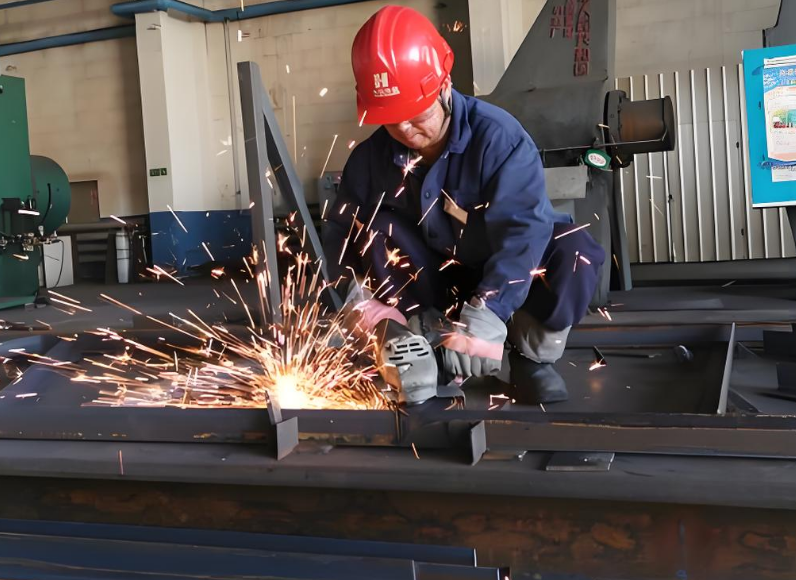
    • Leikkausprosessi: ModerniTeräsrakenteetlaajalti käytettyCNC-leikkausCNC-plasmaleikkauksen ja CNC-liekkileikkauksen kaltaisia tekniikoita, jotka takaavat korkean tarkkuuden ja tehokkuuden. Suurempaa tarkkuutta ja paksumpien levyjen vaatimuksia varten voidaan käyttäälaserleikkausmyös vesisuihkuleikkausta käytetään tietyillä aloilla.

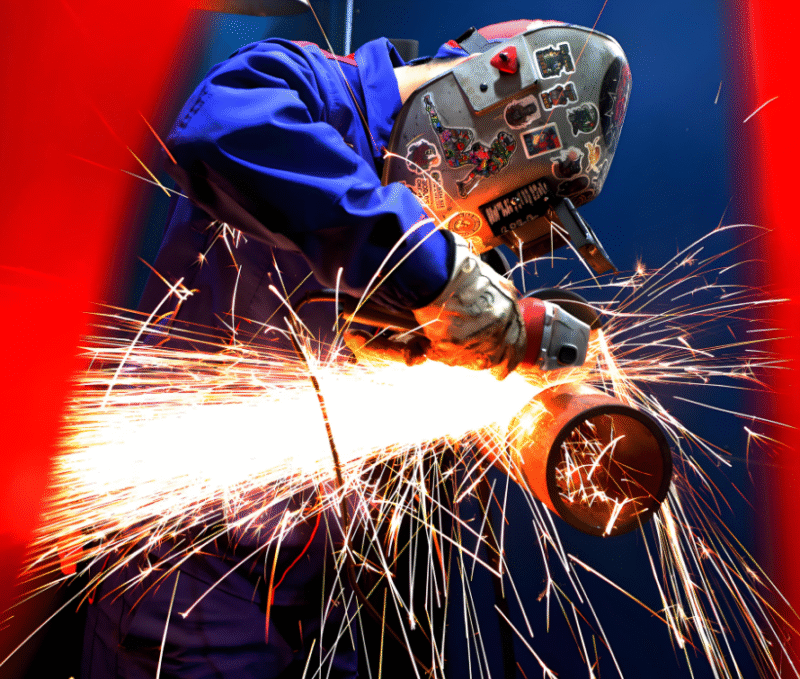
    • Yhteysprosessi: Hitsaus ja ruuviliitos ovat tärkeimmät liitostyypit. Hitsauksessa.Automaattinen uppokaarihitsausKäytetään laajalti pitkissä hitsaussaumoissa sen korkean laadun ja tehokkuuden vuoksi, kun taassuojakaasuhitsausSe soveltuu paremmin kenttäasennuksiin ja monimutkaisiin paikkoihin. Joissakin erityissovelluksissaNiittihitsausProsesseja käytetään myös erityisten lujuus- tai tärinänkestävyystarpeiden täyttämiseksi.

    • Muotoiluprosessi: Teräslevyjä työstetään taivutuskoneiden, levyvalssauskoneiden jne. avulla tarvittaviksi kaariksi tai kulmiksi, jotka on valmistettuTeräsrakenteiden valmistusPutket, astiat ja rakennuksen pinnat ovat elintärkeitä.图片[1]-钢结构加工与制造终极指南:工艺、应用与选厂全解析(核心概念解析:钢结构加工与制造)-大连富泓机械有限公司

    III. Teräsrakenteiden tekniset edut ja käyttöalueet

    Teräsrakenteiden valmistusNykyaikaisen tekniikan selkärangaksi muodostunut tuote perustuu useisiin korvaamattomiin etuihin.

    Keskeiset vahvuudet

    • Korkea lujuus ja keveysTeräksen suuri lujuus tekee teräsrakenteiden osien poikkileikkauksesta pienen, mikä voi tehokkaasti vähentää rakenteellista omapainoa ja säästää perustamiskustannuksia, mikä soveltuu erityisesti suurten jännevälien ja korkeiden rakennusten rakentamiseen.

    • Hyvä sitkeys ja erinomainen seismisyys: Teräksen hyvä plastisuus ja sitkeys mahdollistavat sen tehokkaan seismisen energian absorboinnin ja erinomaisen seismisen suorituskyvyn.

    • Lyhyt rakennusaika: Suurin osa komponenteista valmistetaan valmiiksi tehtaissa, ja ne tarvitsee asentaa vasta työmaalla, mikä on erittäin teollista ja voi lyhentää rakennusaikaa merkittävästi.

    • vihreä: Teräsrunkoisissa rakennuksissa on korkea materiaalien kierrätysaste purkamisen jälkeen, mikä on vihreän rakentamisen ja kestävän kehityksen käsitteen mukaista.

    • Tasainen laatu ja korkea luotettavuus: Teräksen tuotantoprosessi on hallittu, materiaali on tasainen ja isotrooppinen, laskentamalli on hyvässä sopusoinnussa todellisen kanssa ja rakenne on luotettava.

    Tärkeimmät sovellusalat

    1. Rakentaminen: Erittäin korkeat toimistorakennukset, suuret liikekeskukset, urheilustadionit, lentokenttäterminaalit ja teollisuuslaitokset.

    2. infrastruktuuri: Suuret sillat (esim. teräksiset laatikkopalkkisillat, teräskaarisillat), voimalaitosrakenteet, vesirakenteet, siirtopylväät.

    3. Erityisrakenteet: Petrokemian laiturit, satamanosturit, suuret varastohyllyt ja erilaiset kaivoslaitokset.图片[2]-钢结构加工与制造终极指南:工艺、应用与选厂全解析(核心概念解析:钢结构加工与制造)-大连富泓机械有限公司

    IV. Erikoisalan valintaTeräsrakenteiden valmistajaKäytännön opas

    Markkinoiden lukuisistaTeräsrakenteetpalveluntarjoajia, on tärkeää tehdä tietoon perustuva valinta. Keskity seuraaviin keskeisiin seikkoihin:

    1. Teknisten laitteiden ja kapasiteetin arviointi

      • Tutkitaan, onko yritys edistynytCNC-leikkausjaperustaminenjajuotettuvastata laulamallaväritys (lentoyhtiön tai yrityksen ajoneuvossa)Tuotantolinja.

      • Business Heavy -yrityksen ymmärtäminenTeräsrakenteiden valmistusKyvyt, kuten kyky käsitellä paksuja levyjä ja suuria poikkileikkauksia.

    2. Laadunvarmistusjärjestelmä ja sertifiointi

      • Varmista, että yritys on sertifioitu ISO 9001 -laadunhallintajärjestelmän osalta, sekä toimialakohtaiset sertifikaatit (esim. rakennusterästen sertifiointi).

      • Tutki sen laadun testausvalmiudet ja se, onko sillä täydelliset fysikaaliset ja kemialliset laboratorio- ja rikkomaton testauslaitteet.

    3. Tekninen suorituskyky ja kokemus

      • Pyydä nähdä aiempia menestystarinoita, erityisesti kokemusta toimialallasi tai vastaavissa rakennemuodoissa toteutetuista hankkeista.

      • Jos mahdollista, tee vierailu tuotantolaitoksessa, jotta ymmärrät paikan päällä tapahtuvan hallinnan ja prosessin toteutuksen tason.

    4. Suunnittelun syventäminen ja teknisen palvelun valmiudet

      • hyväTeräsrakenteiden valmistusYrityksillä olisi oltava vahvat syventävän suunnittelun valmiudet, ja niiden olisi kyettävä tarjoamaan teknistä tukea ja optimoimaan suunnittelusuunnitelma hanketta edeltävässä vaiheessa.

    Alla olevassa taulukossa on yhteenveto keskeisistä tekijöistä, joita on syytä tarkastella valittaessa teräksentuottajaa:

    tutkimusulottuvuus Keskeiset indikaattorit Tarvittavat kohteet ja mahdolliset ongelmat
    Tekniset laitteet Laitteiden automatisointinopeus, käsittelytarkkuus, maksimaaliset käsittelyeritelmät CNC-porauskone, portaalihitsauslaitteet, hiekkapuhallus ja kalkinpoistoaste
    Prosessit ja pätevyysvaatimukset Hitsausprosessin arviointi, hitsaajan pätevyys, korroosionesto- ja palonsuojaprosessi. Kolmannen osapuolen tarkastusraportit, tarkastusten läpäisyasteet, maalimerkit ja tukijärjestelmät.
    laadunvalvonta QC-prosessin eheys, laboratoriokokoonpano, läpäisyasteen standardit Raaka-aineen uusintatestausraportti, prosessitarkastuspöytäkirjat, lopputuotteiden lopputarkastusstandardit.
    Integroidut palvelut Suunnitteluvalmiuksien syventäminen, oikea-aikainen toimitus, yhteistyö paikan päällä. Suunnittelun optimointisuositukset, tuotantoaikataulut, paikan päällä tapahtuvan asennuksen opastusohjelmat.

    V. Usein kysytyt kysymykset teräsrakenteiden käsittelystä (FAQ)

    Kysymys 1: Mitkä ovat yleiset teräslaadut, joita käytetään teräksen valmistuksessa? Miten valita?

    V: Kiinassa yleisimmin käytetty tavallinen hiiliteräs on Q235 ja korkeampi lujuus on Q345.Valinnan on perustuttava rakenteen merkitykseen, kuormitusominaisuuksiin, liitäntätapaan ja työympäristöön jne. ja noudatettava tarkasti suunnitteluasiakirjoja.

    Kysymys 2: Mitkä ovat tärkeimmät tekijät, jotka vaikuttavat teräksen valmistuksen tarjouksiin?

    V: Keskeisiä tekijöitä ovat:Teräslajit ja markkinahinnatjaRakenteiden monimutkaisuus ja teräksen kulutusjaSolmun yhteyslomakejaMaalausvaatimuksetjaKäsittelyn tekninen vaikeusliianTilauseräjne.

    Kysymys 3: Miten voin arvioida, onko teräsrakenteiden valmistuksen ja hitsauksen laatu pätevä?

    V: Alustavan arvion voi tehdä seuraavien seikkojen perusteella:ulkoinen kunto-Hitsaussauma muodostuu tasaisesti ja kauniisti, ilman selviä vikoja, kuten purevia reunoja, huokoisuutta, kuonan sulkeutumista ja niin edelleen;koot-On piirustusten toleranssien mukainen. Tärkeintä on pyytää valmistajalta seuraavat tiedotKolmannen osapuolen antama ultraäänitarkastusraportti.jopaFysikaalinen ja kemiallinen testausseloste.

    Kysymys 4: Miten käsitellä teräsrakenteen korroosiota ja palosuojausta?

    A. korroosionestoYleensä käytetään yhdistelmäpinnoitusjärjestelmää "ruosteenestopohjamaali + välimaali + pintamaali", ja pinnoitteen paksuus ja tyyppi määräytyvät syövyttävän ympäristön mukaan.palontorjuntaSen sijaan tämä saavutetaan ensisijaisesti ruiskuttamalla (tai levittämällä) palosuojapinnoitteita teräsosien palonkestävyysrajan nostamiseksi suunnittelukoodin edellyttämään aikaan.

    loppuhuomautukset

    TeräsrakenteetyhdessäTeräsrakenteiden valmistusKyseessä on teknologiaintensiivinen teollisuus, jolla on tiukat laatuvaatimukset. Toivomme, että tämä opas auttaa sinua ymmärtämään täysin prosessisi arvon ja antaa sinulle selkeän suunnan kumppania valitessasi. Seuraavaa projektia aloittaessasi on suositeltavaa käydä perusteellinen keskustelu useiden erikoistuneiden toimittajien kanssa, jotta saat kohdennettuja teknisiä ratkaisuja ja yksityiskohtaisia arviointitarjouksia.

    Oletko koskaan työskennellyt teräsrakenteiden valmistajan kanssa? Tai oletko kohdannut muita epäselvyyksiä hankkeen etenemisessä? Kerro rohkeasti näkemyksesi ja kysymyksesi kommenttiosassa, niin keskustellaan yhdessä.

  • Niittihitsauksen käsittelyn perimmäinen opas: Täydellinen analyysi prosesseista, sovelluksista ja vaihtoehdoista (What is Niittihitsauksen käsittely?) Core Concepts Explained)

    NiittihitsausPerimmäinen opas: Processes, Applications and Options Explained
    johdanto
    Nykyaikaisen teollisen valmistuksen ytimessä niittaus- ja hitsausmenetelmillä on edelleen korvaamaton rooli perustavanlaatuisena ja elintärkeänä liitostekniikkana. Olitpa sitten ostaja, joka etsii luotettavia koneistuspalveluja, tai insinööri, joka haluaa ymmärtää prosessia syvällisemmin, on tärkeää, että ymmärrät niittauksen ja hitsauksen mutterit ja pultit. Tässä artikkelissa annamme kattavan yleiskatsauksen niittaus- ja hitsausprosesseista, sovellusskenaarioista ja käytännön oppaan toimittajan valintaan, jotta voit tehdä tietoon perustuvan päätöksen.

    I. Mitä on niittaus ja hitsausprosessi? Ydinkäsitteen analyysi
    Niittaus on pohjimmiltaan kahden liitosprosessin, niittauksen ja hitsauksen, yhdistelmä. Se yhdistää kaksi tai useampia metalliosia vahvaksi kokonaisuudeksi mekaanisen niittauksen ja lämpöhitsauksen yhdistelmällä.

    Prosessin ydin: niitin mekaanisen purennan ja hitsin metallurgisen sidoksen käyttö yhdessä kuormituksen kantamiseksi.

    Tärkeimmät ominaisuudet: Yhdistetyt niitti- ja hitsausliitokset ovat tyypillisesti väsymislujempia ja tärinänkestävyydeltään parempia kuin yksittäiset prosessit.

    Käyttökelpoiset materiaalit: käytetään laajalti hiiliteräksen, ruostumattoman teräksen, alumiiniseoksen ja muun seosteräksen liittämiseen.

    Toiseksi, niittaus ja hitsauksen käsittely pääprosessin virtauksesta
    Kokonaisvaltainen niittausprosessi koostuu useista tarkkuusvaiheista, joista jokainen vaikuttaa suoraan lopputuotteen laatuun.

    Suunnittelun ja piirustusten tarkistaminen: Insinöörit määrittävät ulkoasun, niittiliitosten määrän ja hitsausparametrit työkappaleen kuormitusvaatimusten perusteella.

    Materiaalin esikäsittely: Liitettävät metallipinnat puhdistetaan, rasvanpoistetaan ja kalkinpoisto liitoksen laadun varmistamiseksi.

    Paikannus ja kiinnitys: osat kiinnitetään tarkasti aiottuun paikkaan erityisten kiinnikkeiden avulla.

    Niittausprosessi: Mekaanisen liitososan valmistamiseen käytetään tarpeen mukaan paineniveljä, vasaraniittia tai vetoniveljä.

    Hitsaustoiminnot: Hitsauksen suorittavat luvan saaneet hitsaajat prosessin vaatimusten mukaisesti, yleensä kaarihitsaus, suojakaasuhitsaus jne.

    Hitsauksen jälkeinen käsittely: Kuonan ja roiskeiden poisto sekä tarvittavat ortopediset toimenpiteet.

    Laaduntarkastus: rikkomattomien virheiden havaitseminen, kokotarkastus ja lopputuotteiden lujuuden testaus standardien noudattamisen varmistamiseksi.

    III. Niittihitsaustekniikan tärkeimmät edut ja sovellusalueet
    Niittihitsaus on saavuttanut suosiota monilla teollisuudenaloilla sen ainutlaatuisten teknisten etujen vuoksi.图片[1]-铆焊加工终极指南:工艺、应用与选择全解析(铆焊加工是什么?核心概念解析)-大连富泓机械有限公司

    Keskeiset vahvuudet
    Korkea liitoslujuus: mekaanisen ja metallurgisen kaksoiskombinaation kantavuus ylittää huomattavasti yksittäisen prosessin kantavuuden.

    Hyvä tiivistys: voi muodostaa kaasutiiviin tai nestetiiviin liitoksen, joka soveltuu paineastioiden valmistukseen.

    Erinomainen kestävyys: erinomainen väsymyksen- ja tärinänkestävyys pidentää laitteiden käyttöikää.

    Laaja soveltuvuus: voi yhdistää eri materiaaleja ja paksuuksia olevia metalliosia.

    Tärkeimmät sovellusalat
    Raskaat koneet ja laitteet: konepajakoneiden runko, kaivoslaitteiden rakenneosat, maatalouskoneiden alustat.

    Rautatieliikenne: junarungot, telit, puskuripalkit.

    Arkkitehtoniset teräsrakenteet: suurten tapahtumapaikkojen ristikot, siltojen tukirakenteet, korkeiden rakennusten liitäntäsolmut.

    Ilmailu- ja avaruusala: lentokoneiden siivekkeet, luukut, sisäiset tukirakenteet.

    Laivanrakennus: rungon osat, kansirakennukset, mastojen perustukset.

    IV. Käytännön opas ammattimaisen niittihitsauksen käsittelypalvelujen valintaan
    Kun markkinoilla on lukuisia niittaavia palveluntarjoajia, miten seuloa heidän ammattitaitoaan? Keskity seuraaviin avainkohtiin:

    Teknisten valmiuksien arviointi

    Tarkista yrityksen jalostuslaiteluettelo ja kiinnitä huomiota sen niittaus- ja hitsauslaitteiden kehittyneisyyteen ja automatisointiin.

    Kysy teknisen päätiimin kokemuksesta ja erityisesti tapaustutkimuksista vastaavista tuotteista.

    Laadunvarmistusjärjestelmä

    Varmista, että yritys on sertifioitu ISO 9001:n kaltaisella laadunhallintajärjestelmällä.

    Ymmärtää sen laadun testauslaitteiden kokoonpanon ja tehdastarkastusstandardit.

    Tyypilliset palvelutapaukset

    Pyydä nähdä aiempia menestystarinoita, erityisesti tarpeitasi vastaavia hankkeita.

    Jos mahdollista, käy tutustumassa tuotantolaitokseen ja laadunvalvontaprosessiin paikan päällä.

    Kokonaisvaltaiset kustannusnäkökohdat

    Vertaile eri toimittajien tarjousten yksityiskohtia ja varo tarjouksia, jotka ovat selvästi markkinatasoa alhaisempia.

    Ymmärrä tasapaino "hinta - laatu - palvelu" välillä ja tee optimaalisia päätöksiä.

    Alla olevassa taulukossa on yhteenveto tärkeimmistä tekijöistä, joita on syytä tarkastella, kun valitset niittauspalvelun tarjoajaa, jotta voit tehdä tehokkaan päätöksen:

    Mitat Avainindikaattorit Pakolliset kohdat
    Teknologia Laitteet Laitteiden automatisointinopeus, laitteiden tarkkuus, laitteiden käsittelyalue Hitsausrobotti, CNC-niittikone
    Käsityötaidon taso Hitsausmenetelmien monipuolisuus, suurimmat käsiteltävät paksuudet, kokemus erikoismateriaaleista Prosessin arviointiraportit, hitsaajan pätevyystodistukset.
    Laadunvalvonta QC-prosessin eheys, kehittyneet testauslaitteet, läpäisyaste standardi Virheiden havaitsemislaitteet, mekaanisten ominaisuuksien testausmahdollisuus
    Palveluvarmuus Oikea-aikainen toimitus, myynnin jälkeinen vastausmekanismi, tekninen tukivalmius Asiakaskokemukset, hätätapausten käsittelyprosessi.
    V. Usein kysytyt kysymykset niittihitsauksen käsittelystä (FAQ)
    Kysymys 1: Mikä on tärkein ero niittauksen ja pelkän hitsauksen välillä?
    V: Suurin ero on liitosmekanismissa ja dynaamisten kuormitusten kestävyydessä. Niittihitsauksessa yhdistyvät niittien mekaaninen kiinnitys ja hitsauksen metallurginen sidos, mikä johtaa tasaisempaan jännitysjakaumaan isku- tai tärinäkuormituksessa, ja väsymiskestävyys on yleensä parempi kuin pelkällä hitsauksella.

    Kysymys 2: Mitkä tekijät vaikuttavat niittaus- ja hitsausprosessin kustannuksiin?
    V: Tärkeimpiä tekijöitä ovat: materiaalin tyyppi ja paksuus, rakenteen monimutkaisuus, prosessivaatimukset (esim. tarvitaanko rikkomatonta testausta), tilauserän koko ja erityisvaatimukset, kuten pintakäsittely.

    Kysymys 3: Mistä tiedän, onko niitattu ja hitsattu osa laadultaan hyväksyttävä?
    A: voi olla seuraavien alustavien arvioiden kautta: ulkonäkö - hitsin muodostaminen yhtenäiseksi, ei purentareunaa, huokoisuutta ja muita ilmeisiä vikoja; koko - piirustuksen toleranssivaatimusten mukaisesti; lujuus - kuorman suunnittelun täyttämiseksi. Kriittisin asia on pyytää toimittajaa toimittamaan kolmannen osapuolen testiraportti.

    Kysymys 4: Voidaanko alumiiniosat niitata ja hitsata?
    V: Kyllä. Alumiini ja alumiiniseokset ovat yleisiä niittimateriaaleja, mutta niiden korkean lämmönjohtavuuden ja helpon hapettumisen vuoksi ne vaativat erityisiä hitsausprosessiparametreja ja erityisiä niittimateriaaleja, ja niiden käyttäjille asetetaan korkeammat tekniset vaatimukset.

    loppuhuomautukset
    NiittihitsausKoska se on vakiintunut teollinen liitostekniikka, sen arvo on todistettu lukemattomissa käytännön sovelluksissa. Toivomme, että tämä opas auttaa sinua saamaan kattavan käsityksen niittausprosessista ja antaa sinulle selkeän suunnan, kun valitset valmistuspalvelua. Jos sinulla on erityisiä tuotetarpeita, suosittelemme konsultoimaan useita erikoistuneita valmistajia kohdennettujen prosessiratkaisujen ja tarjousten saamiseksi.

    Onko sinulla kokemusta niittihitsauksen käsittelystä? Vai oletko kohdannut muita hämmennyksiä palveluntarjoajan valinnassa? Voit vapaasti jakaa näkemyksesi ja kysymyksesi kommenttiosioon!

  • Koneistusvalimot: nykyaikaisen valmistuksen piilotetut mestarit ja kumppanit (miten valita pätevät koneistusvalimot).

    Koneistus OEM: Stealth Champions ja kumppanit nykyaikaisessa valmistuksessa
    Huippuluokan lääkinnällisten laitteiden ja ilmailu- ja avaruusalan tarkkuusosien ydinkomponenttien takana olevat koneistusvalimot ovat huipputeknologiansa ansiosta nousemassa avainasemaan korkealaatuisessa valmistuksessa.

    Kun valmistusteollisuuden työnjako on yhä erikoistuneempaa, koneistusvalimoista on tullut välttämätön osa nykyaikaista teollisuusjärjestelmää. Näissä erikoistuneissa tehtaissa yhdistyvät tarkkuuskoneistustekniikka, edistykselliset hallintakonseptit ja joustavat tuotantokapasiteetit, ja ne tarjoavat täyden palveluvalikoiman näytteiden valmistuksesta massatuotantoon eri teollisuudenaloilla toimiville asiakkaille.

    Olipa kyse sitten monimutkaisesta osasta ilmailu- ja avaruusalalla tai vaativasta tarkkuuskomponentista lääkinnällisessä laitteessa, koneistusvalimot pystyvät muuntamaan suunnittelupiirustukset korkealaatuisiksi fyysisiksi tuotteiksi erikoislaitteistojensa ja kertyneen tietotaitonsa avulla.

    01 Koneistusvalimoiden ydinosaaminen ja erottuvat tekijät
    Koneistusvalimon keskeinen kilpailukyky perustuu teknisten laitteiden, prosessitietämyksen ja laadunhallinnan kolmiulotteiseen perustaan. Toisin kuin perinteiset jalostusyritykset, OEM-tehtaat kiinnittävät enemmän huomiota joustavaan tuotantoon ja nopeaan reagointikykyyn.

    Korkealuokkaiset CNC-laitteet ovat tärkeä osoitus valimon jalostuskyvystä. Johtavat valimot on yleensä varustettu viisiakselisilla yhdistetyillä työstökeskuksilla, jyrsintäsorvauskoneilla ja korkean tarkkuuden hiomakoneilla. Esimerkiksi saksalaisella BAM Machinery -yrityksellä on 12 työstökeskusta, joista 11:ssä käytetään viisiakselista tekniikkaa ja joilla voidaan suorittaa monimutkaisten pintojen tarkkuuskoneistus.

    Prosessiteknologian kehittyminen on mahdollistanut sen, että erinomaiset valimot ovat kehittyneet yksinkertaisista toteuttajista valmistusratkaisujen tarjoajiksi. Taichung Precision Machineryn perustama Customer Value Creation Application Centre pystyy tarjoamaan asiakkaille kokonaisratkaisuja koneen valinnasta kiinnittimien ja työkalujen konfigurointiin, mikä auttaa asiakkaita ratkaisemaan monimutkaisia työkappaleiden työstöongelmia.

    Digitaalinen hallintajärjestelmä on nykyaikaisen valimon aivot. YESCAP Precision on lisännyt toimitusmääräänsä 50%:stä 90%:hen ottamalla käyttöön Express Work Order Production Management System -järjestelmän, joka toteuttaa prosessien standardoinnin, kevyet tiedot, reaaliaikaisen edistymisen ja helpon jäljitettävyyden, mikä parantaa merkittävästi tuotannon tehokkuutta.

    02 Miten valita pätevä koneistusvalimo?
    Koneistusvalimon valinta on päätös, joka vaatii kokonaisvaltaista harkintaa ja jolla on suora vaikutus tuotteen laatuun, kustannuksiin ja toimitusaikaan.

    Ensisijainen näkökohta on teknisten valmiuksien vastaavuus. Arvioidaan, vastaavatko valimon käsittelyvalmiudet tuotteen vaatimuksia, mukaan lukien:

    Suurin työstökoko ja tarkkuusalue

    Kokemus materiaalien käsittelystä (esim. alumiiniseokset, ruostumaton teräs, erikoisseokset).

    Erikoisprosessivalmiudet (esim. syvien reikien poraaminen, tarkkuusporaus ja hionta).

    Testaus- ja laadunvalvontalaitteiden konfigurointi

    Laadunvarmistusjärjestelmä on perusta tuotteiden yhdenmukaisuuden varmistamiselle. Pätevillä valimoilla olisi oltava ISO 9001 -laadunhallintajärjestelmän sertifikaatti sekä erityissertifikaatit tiettyjä teollisuudenaloja varten (esim. lääketiede tai ilmailu- ja avaruusala). BAM:n kyky käsitellä ja toimittaa monimutkaisia komponentteja lyhyessä ajassa johtuu osittain sen tiukoista laadunvalvontaprosesseista.

    Kyvystä digitaaliseen yhteistyöhön on tullut uusi kriteeri valimon valinnassa. Valimot, joiden digitalisointiaste on korkea, mahdollistavat reaaliaikaisen edistymisen seurannan ja laadun jäljitettävyyden. YOSKEI Precisionin järjestelmän avulla asiakkaat voivat tarkastella tuotannon edistymistä reaaliajassa, ja tämä läpinäkyvyys lisää huomattavasti asiakkaiden luottamusta.

    03 Koneistusvalimoiden digitaalisen muutoksen polut
    Digitaalisesta transformaatiosta on tullut koneistusvalimoiden keskeinen tie kilpailukyvyn parantamiseen. Tämä muutos ei ole vain teknologinen päivitys, vaan myös kattava innovaatio hallintotavan ja liiketoimintafilosofian osalta.

    Tietojen kerääminen ja analysointi on digitalisaation perusta. Kun koneen verkkojärjestelmä kerää automaattisesti koneen prosessointitietoja, valimo voi seurata koneen tilaa ja prosessoinnin edistymistä reaaliajassa. Yritys F saa prosessointitiedot CNC-ohjaimelta Ethernetin kautta koneen OPC-toiminnon kautta, mikä tukee lean-hallintaa.

    Älykäs aikataulutusjärjestelmä parantaa merkittävästi resurssien käyttöä. Perinteisen manuaalisen aikataulutuksen korvaava älykäs algoritmi voi ottaa huomioon erilaisia rajoitteita, kuten toimituspäivän ja prosessin prioriteetin, dynaamisen aikataulutuksen aikaansaamiseksi. Käytäntö osoittaa, että erinomainen aikataulutusjärjestelmä voi parantaa tuotannon tehokkuutta 20% ja tilausten toimitusaikaa 95%.图片[1]-机加工代工厂:现代制造业的隐形冠军与合作伙伴(如何甄选合格的机械加工代工厂)-大连富泓机械有限公司

    Prosessien visualisointi ja reaaliaikainen jäljitettävyys luovat läpinäkyvän ympäristön digitaalisessa tehtaassa. Kun tiedot tallennetaan ja analysoidaan jokaisesta prosessivaiheesta, valimo pystyy siirtymään "kokemuslähtöisestä" "tietolähtöiseen". Tämän siirtymän ansiosta yritys F:llä on tarkka historia kunkin osan työstöstä, mukaan lukien työstöajat, muotin ja materiaalin vaihtoajat sekä prosessien väliset odotusajat.

    04 Erikokoisten valimoiden asemointi ja markkinastrategiat
    Koneistus OEM-markkinoilla on monitasoisia, erikoistuneita ominaisuuksia, ja erikokoisilla tehtailla on oma selkeä asemointinsa ja kohdemarkkinansa.

    Suuret valimot ovat tyypillisesti erikoistuneet monimutkaisiin osiin ja korkean lisäarvon aloihin. Esimerkiksi Mazak tarjoaa huippuluokan koneistusratkaisuja ilmailu- ja avaruusteollisuudelle, autoteollisuudelle, energiateollisuudelle ja lääketeollisuudelle ja palvelee huippumarkkinoita kehittyneillä laitteilla ja teknologisilla eduilla. Tämäntyyppiset tehtaat investoivat usein merkittäviä resursseja teknologian kehittämiseen säilyttääkseen alan johtavan asemansa.

    Pienet ja keskisuuret valimot etsivät markkina-asemaa erikoistumalla ja joustavalla tuotannolla. Chongqing Hongbubu Machinery Manufacturing Co., Ltd. on vain 26 työntekijää työllistävä "tehdas tehtaassa" -yritys, joka keskittyy peruslaitteiden osien valamiseen ja käsittelyyn ja on saavuttanut merkittävää tulojen kasvua liiketoimintamalli-innovaatioiden avulla (esim. siirtyminen OEM-liiketoimintamallista BS-liiketoimintamalliin).

    Alueellisesta klusteroinnista on tullut tehokas strategia, jolla pienet ja keskisuuret valimot voivat parantaa kilpailukykyään. Taichung Precision auttaa asiakkaita vähentämään investointiriskejä perustamalla "5-akselisia valimokeskuksia" - asiakkaat voivat ensin ottaa valimot käyttöön, kun tilausmäärä on pieni, ja sitten siirtää laitteet ja prosessit, kun tilaus on vakaa. Tämä malli soveltuu erityisesti pienille ja keskisuurille yrityksille, joiden on päästävä huipputyöstön alalle.

    05 Tyypillisiä tapaustutkimuksia menestyneistä valimoista
    Saksalainen yritys BAM Maschinenbau osoittaa, miten digitalisaatio muuttaa valimoiden liiketoimintamallia. Pienestä tehtaasta, jossa oli aikoinaan vain kahdeksan työntekijää, on kasvanut nykyaikainen 170 työntekijän tarkkuusvalmistuslaitos digitalisaatio- ja automaatioteknologioiden syvällisen integroinnin ansiosta Marco Bauerin johdolla, joka on koulutukseltaan tietotekniikan asiantuntija.

    BAMin innovaatio on sen automaattinen online-tarjousjärjestelmä - asiakkaat lataavat 3D-CAD-tiedot ja saavat tarjouksen 5-10 sekunnissa, ja monimutkaiset osat voidaan toimittaa kolmessa päivässä. Nopean reagointikyvyn taustalla on pitkälle automatisoitu prosessiketju ja 30-päisen ohjelmistotiimin tekninen tuki.

    Tuotannonhallinnan digitalisoinnin tuoma tehokkuuden parantaminen on toteutettu YESCAP Precision -ohjelmassa. Nopean työtilausjärjestelmän käyttöönoton ansiosta yritys on ratkaissut neljä suurta ongelmakohtaa: "kaoottinen tuotanto, monimutkainen viestintä, sekava edistyminen ja vaikea jäljittää".

    Järjestelmä vahvistaa vakioprosessireitin, toteuttaa skannauskoodin käsittelyparametrien ja piirustusten saamiseksi ja säästää 2 000 A4-paperia kuukaudessa, ja jäljitettävyyden tehokkuus kasvaa yli 10-kertaiseksi. Tämä muutos ei ainoastaan paranna sisäistä tehokkuutta, vaan myös asiakkaiden uusimisaste nousee 40% vuosittain.

    06 Koneistus OEMtulevat kehityssuuntaukset
    Älykkyyden ja automaation yhdistäminen on valimoiden kehityksen pääsuunta. Tekoälyn ja koneoppimisteknologian kehittyessä tulevaisuuden työstölaitteet ovat entistä mukautuvampia, ja ne pystyvät optimoimaan leikkausparametrit ja säätämään työstöstrategioita automaattisesti reaaliajassa. Saksalainen BAM on lyhentänyt automatisoitua CAM-ohjelmointiaikaa 70%-80%, mikä on parantanut ohjelmoinnin tehokkuutta merkittävästi.

    Palvelukeskeinen muutos on valimoille keskeinen keino parantaa arvoketjun asemaansa. Johtavat valimot ovat muuttumassa puhtaista koneistuspalveluista integroitujen ratkaisujen tarjoajiksi. Taichung Precisionin "Customer Value Application Centre" ei enää pelkästään myy työstökoneita, vaan tarjoaa täyden valikoiman palveluja, kuten prosessisuunnittelua, työkalujen valintaa ja prototyyppien valmistusta.

    Kestävyydestä tulee yksi valimon ydinosaamisalueista. Optimoimalla leikkausprosesseja energiankulutuksen vähentämiseksi, toteuttamalla työkalujen kierrätysohjelmia ja käyttämällä ympäristöystävällisiä jäähdytysnesteitä valimot pystyvät paitsi alentamaan käyttökustannuksiaan myös vastaamaan asiakkaidensa kasvaviin ympäristövaatimuksiin maailmanlaajuisesti.

    Maailmanlaajuinen tuotantomaailma on muuttumassa, eivätkä koneistusvalimot ole enää vain passiivisia tilausten toteuttajia, vaan niistä on tulossa tärkeitä yhteistyökumppaneita asiakkaiden innovoinnissa. Seuraavien viiden vuoden aikana, kun digitaalisten kaksosten ja additiivisen ja subtraktiivisen komposiittikoneistuksen kaltaiset teknologiat ovat kehittyneet, valimot luovat läheisemmän yhteissuunnittelusuhteen asiakkaidensa kanssa.

    vaihtoehtotyöstöKun etsit valimoa, sinun ei pitäisi tarkastella vain hintatekijää vaan arvioida kattavasti myös sen teknisiä valmiuksia, laatujärjestelmää ja innovaatiokulttuuria. Erinomaisesta valimosta voi tulla yrityksesi laajennettu T&K-osasto, ja yhdessä ne voivat vastata teknisiin haasteisiin ja voittaa ensimmäisen mahdollisuuden kovassa markkinakilpailussa.

    © tekijänoikeusilmoitus
  • Koneistus (koneistus): nykyaikaisen valmistuksen keskeiset teknologiat ja sovellukset

    Machining (työstö): Core technologies and applications for modern manufacturing
    Machining (referred to as machining) is a manufacturing process of cutting, forming and other processing of workpieces through mechanical equipment to obtain the desired shape, size and surface quality. As the basic process of manufacturing, machining technology directly affects product quality, performance and productivity.

    Main classifications and methods of machining
    Conventional Cutting
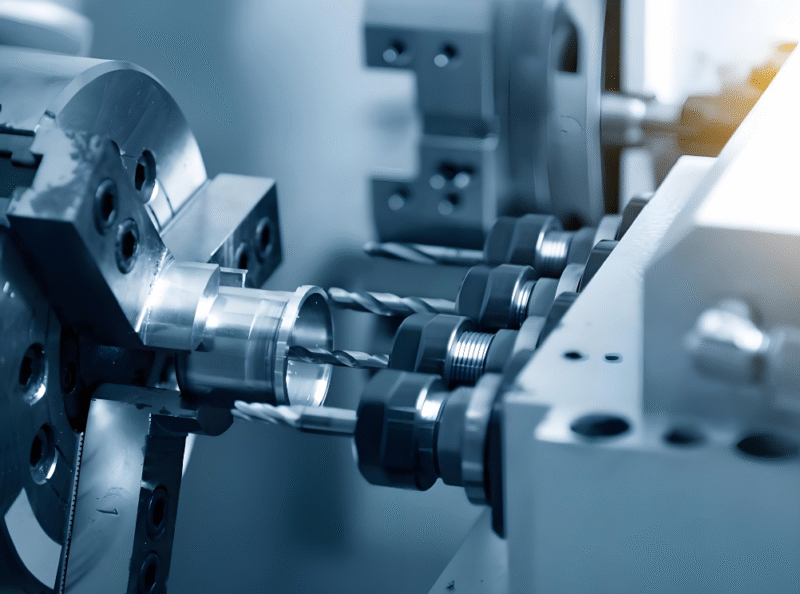
    Turning: workpiece rotation, tool movement, suitable for shafts, disc parts

    Milling: the tool rotates and the workpiece moves, suitable for flat surfaces and grooves.

    Drilling: specialised in hole processing, including drilling, reaming, reaming, etc.

    Grinding: for high-precision surface machining up to IT6 accuracy

    Modern speciality processing
    EDM: for complex profiles in high hardness materials.

    Laser processing: high precision, non-contact characteristics

    Ultrasonic machining: precision machining for brittle materials

    Water jet cutting: no heat affected zone, environmentally friendly and efficient

    Application of CNC technology in machining
    The popularity of numerical control (CNC) machine tools has brought machining into the digital age. Through computer programming and control, the machining process is automated and intelligent:

    Machining accuracy up to ±0.005mm

    Increase productivity by 3-5 times

    One person can operate multiple machines

    Significant improvement in product quality stability

    Machining key technical parameters
    Three elements of cutting
    Cutting speed: Selected according to material hardness

    Feed: affects surface roughness

    Depth of cut: determines machining efficiency

    Accuracy Classification
    Roughing: IT12-IT11

    Semi-finishing: IT10-IT9

    Finishing: IT8-IT7

    Superfinishing: IT6 and above

    Machining quality control system
    Process control points
    First Article Inspection System

    Process Inspection System

    Tool life management

    Periodic calibration of equipment

    Means of detection
    Coordinate measuring machine

    Optical projector

    Surface Roughness Gauge

    Hardness testing equipment

    Application areas of the machining industry
    aerospace
    Engine blade processing

    Manufacture of aerospace structural components

    Accuracy requirements: 0.005-0.01mm

    autonvalmistus
    Engine Block Cylinder Head

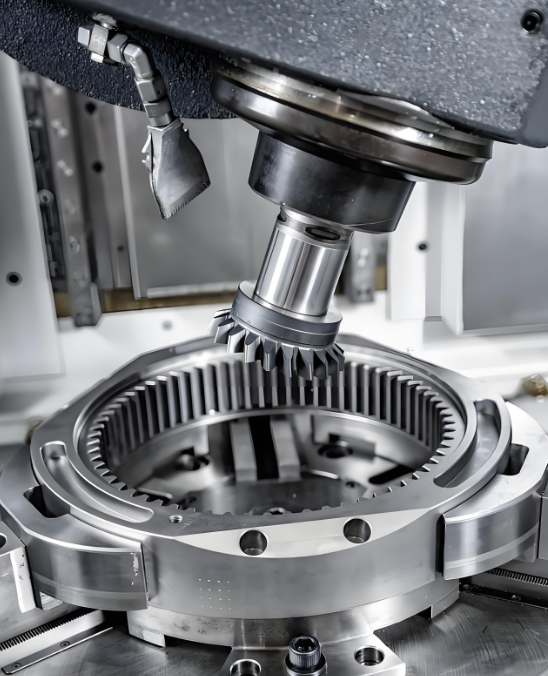
    Transmission Gear

    Annual production of more than one million pieces

    medical equipment
    Surgical Instrument Finishing

    Implant Manufacturing

    Aseptic environment requirements

    Considerations for Choosing Machining Services
    Teknisten valmiuksien arviointi
    Equipment brands and models

    Maximum processing size

    Accuracy assurance capability

    Experience in processing special materials

    Quality System Certification
    ISO9001 quality system

    IATF 16949 (automotive industry)

    ISO13485 (medical devices)

    Service guarantee capacity
    on-time delivery rate

    Emergency response speed

    Technical Support Level

    Development trend of machining
    Intelligent direction
    Esineiden internetin teknologiasovellukset

    Adaptive processing systems

    digital twin

    vihreä valmistus
    Dry cutting technology

    Tool recycling

    Energy consumption monitoring

    Composite processing
    Turning and milling centre

    combination of additive and subtractive material

    On-line testing integration

    loppuhuomautukset
    machiningAs the basic process of manufacturing, it plays an irreplaceable role in modern industrial production. With the continuous emergence of new technologies and materials, machining technology is developing in the direction of higher precision, higher efficiency and more intelligent. Choosing a professional machining service provider requires comprehensive consideration of its technical strength, quality system and service capabilities to ensure optimal machining solutions.

  • Koneistustekniikka: nykyaikaisen valmistuksen peruspilari (koneistuksen keskeiset tekniset parametrit ja laadunvalvonta).

    työstöTechnology: a central pillar of modern manufacturing
    From tiny medical devices to giant power generators, the world’s 80% industrial products are all supported by machining technology.

    Machining (referred to as machining) is a manufacturing process in which workpieces are cut, shaped and other operations are performed by mechanical equipment to change their dimensions or properties. As the cornerstone of modern manufacturing, machining technology covers a wide range of fields from traditional manual operation to computer numerical control (CNC), and is a key link in realising the transformation of products from design drawings to physical objects.

    With the advent of the Industry 4.0 era, machining has evolved to integrate theDigitalisation, automation, intelligences advanced manufacturing technology to provide precision component solutions for aerospace, automotive manufacturing, medical devices and other fields.

    01 Basic classification and process characteristics of machining
    Machining can be divided into two main categories based on the type of processing:traditional processingrespond in singingnon-traditional processing. Each type of processing method has its own unique application scenarios and technical advantages.

    Traditional machiningKey Inclusions:

    turning: Workpiece rotation, tool linear movement, suitable for shafts, disc parts

    milling: Tool rotation, workpiece fixed or moving, suitable for flat and curved surface machining

    drilling: Specialised in hole machining for drilling, reaming and reaming operations.

    Grinding: Finishing with abrasives for high precision and good surface quality.

    non-traditional processing(Specialised processing) technologies include:

    EDM: Metal erosion by electric discharge, suitable for complex shape processing of high hardness materials.

    laser processing: Cutting, marking, welding with high-energy laser beams

    ultrasonic processing: For precision machining of brittle materials such as glass and ceramics.

    Water jet cutting: Cutting of materials with high-pressure water flow without heat-affected zone

    02 CNC machine tools in modern machining applications
    CNC (numerical control) technology is a revolutionary breakthrough in the field of machining. By controlling machine movements through digital programming, CNC machining achieves theHigh precision, high efficiency, high consistencyThe production model.

    CNC machining centreIt is the heart of a modern machine shop and typical configurations include:

    Vertical työstö centre: Suitable for plate and mould parts machining

    Horizontal machining centres: for multi-face machining of box parts

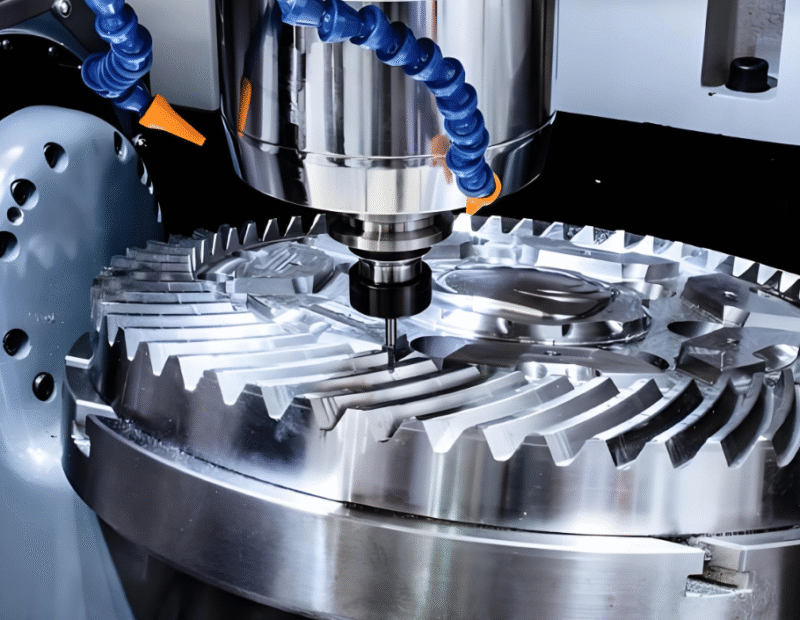
    5-axis machining centreComplex curved surfaces can be machined in a single clamping to complete multiple processes.

    CNC programmingIt is a key aspect of CNC machining. Modern CAD/CAM software enables seamless conversion from 3D models to machining code, greatly improving programming efficiency and accuracy. Advanced programming techniques such asHigh speed cuttingrespond in singingadaptive processingProcessing efficiency and quality are further enhanced.

    Accuracy indicators for CNC machines usually include:

    Positioning accuracy: within ±0.005mm

    Repeat positioning accuracy: within ±0.002mm

    Surface roughness: Ra0.8μm or less (finishing)

    03 Key Technical Parameters and Quality Control of Mechanical Processing
    Machining accuracy is a core indicator of the level of machining. Factors affecting precision includeMachine accuracy, tool selection, cutting parametersrespond in singingprocess plan.

    Optimisation of cutting parametersIt is the key to improving the quality of processing:

    cutting speed: Optimum range according to workpiece material and tool type

    feedrate: Important factors affecting machining efficiency and surface quality

    Depth of cut: Rational selection based on machine rigidity and tool strength

    Quality control systemEnsure machined products meet design requirements:

    process monitoring: First article inspection, inspection system to ensure production stability

    final inspection: Full inspection using CMMs, optical measuring instruments, etc.

    Quality Documentation: Complete inspection records and traceability system

    Modern machine shops commonly useStatistical process controlMethods to achieve preventive quality control, reduce scrap rates and improve product consistency through data analysis and process monitoring.

    04 Examples of machining applications in various industries
    machiningAs a basic manufacturing technology, it permeates almost all industrial sectors. Different industries have specific technical requirements and quality standards for machining.

    AerospaceIt is a concentration of high-end machining technology:

    Aircraft Engine Blades: Precision Manufacturing with 5-Axis Machining Centres

    Aerostructural components: extensive use of high-strength aluminium alloys and composite materials

    Extremely high precision requirements, often down to the micron level

    automobile manufacturingIt is the largest application market for machining technology:

    Engine block, cylinder head: Highly efficient processing with special production line

    Transmission gears: High-precision grinding process required

    Mould Manufacturing: Covering all stamping moulds such as automotive covers

    Medical Device ManufacturingSpecial requirements for machining:

    Surgical instruments: small, complex, high-precision

    Implants: Finishing of biocompatible materials such as titanium alloys

    Extremely stringent sterility requirements and surface quality

    05 How to choose a professional machining service provider
    Choosing a qualified machining supplier requires comprehensive consideration of technical ability, quality system, delivery capacity and other factors.

    Technical capacity assessmentKey points include:

    Equipment list: machine tool brand, model, precision grade

    Technical team: engineers, programmers, operators skill level

    Process experience: experience and solutions for processing similar products

    Quality Certification SystemIt’s basic security:

    ISO9001 Quality Management System Certification

    Industry-specific certifications (e.g. aerospace AS9100, medical device ISO13485)

    Testing equipment configuration and metrological calibration system

    Production management capacityImpact on delivery performance:

    Production planning system and capacity status

    Supply chain management capacity

    Contingency order processing mechanism

    06 Trends and Future Prospects of Machining Technology
    Machining technology is moving towardsIntelligent, green and compositedirection, new technologies continue to drive change in manufacturing.

    smart manufacturingis the main direction of development:

    IoT technology enables device interconnectivity and data collection

    Artificial intelligence applied to process parameter optimisation and fault prediction

    Digital Twins Build Virtual Machining Environments

    green manufacturingBecome an industry consensus:

    Dry cutting and micro-lubrication technology to reduce environmental pollution

    Energy monitoring and optimisation to reduce energy consumption

    Tool and cutting fluid recycling

    Composite Processing TechnologyIncreased productivity:

    Turn-mill machining centres for process concentration

    Combined additive and subtractive manufacturing (3D printing + machining)

    Integration of in-line measurement and processing

    Machining, as the cornerstone of the manufacturing industry, is being deeply integrated with new technologies, driving industrial upgrading and change. In the future, withArtificial Intelligence, Big Data, Digital TwinsThe in-depth application of such technologies, machining will achieve a higher level of automation and intelligence, creating new value growth points for the manufacturing industry.

    When choosing a professional machining service, it is important to look not only at the equipment capabilities, but also at the supplier’sTechnology accumulation, quality culturerespond in singingCreative awarenessThis is the only way to gain a lasting competitive advantage in the highly competitive marketplace.

  • Niittiliikkeet ja niittiliikkeiden alihankintaliikkeet: nykyaikaisen valmistuksen keskeinen tuotantoperusta.

    Rivet welding workshopWorkshops with riveting and welding substitutes: the core production base for modern manufacturing

    A first-class rivet shop is the cornerstone of the manufacturing industry, and the quality of industrial products above 60% depends directly on the professionalism of its production workshop.

    Rivet welding workshop is an operation place specialised in joining and manufacturing of metal structures, integrating the complete production process of material preparation, welding processing and quality inspection. The riveting and welding substitution workshop, on the other hand, pays more attention to theFlexible production capacityvastata laulamallaCustomised requirementsWe are able to provide professional welding services to multiple customers at the same time.

    The modern riveting workshop is no longer a “welding workshop” in the traditional sense, but a combination of automated equipment, digital management system and standardised processes.Advanced Manufacturing Unit.


    01 Planning and Layout of a Modern Rivet Welding Shop

    A scientific and reasonable workshop layout is the basis for guaranteeing productivity.Functional area divisionis a primary consideration in the design of a rivet shop.

    A typical rivet shop should contain the following core areas:

    • material storage area: For storage of raw materials such as steel plates, profiles, etc., with shelving systems and clear labelling management

    • Unloading preparation area: Setting up equipment such as shears, plasma cutters, etc. for preliminary processing of materials

    • welding area: Different workstations such as manual welding area and robot welding area according to product type.

    • Semi-finished goods turnaround area: Temporary storage areas between processes to ensure smooth flow of logistics

    • Finished product inspection area: Equipped with various testing equipment for quality verification

    • Surface treatment area: Follow-up treatments such as sandblasting, spraying, etc.

    Logistics path designDirectly affects workshop efficiency. Excellent workshop layout adopts U-shape or linear material flow pattern to reduce material handling distance and frequency. Welding station spacing is usually maintained at 3-5 metres, not only to ensure that the operating space, but also to facilitate the passage of material handling equipment.

    Environmental control is also an important part of workshop design.ventilation systemWelding fume emission standards must be met, and each workstation is equipped with a local exhaust device;Lighting systemsIt is necessary to ensure that the illumination of the working surface is not less than 300 lux;Power ConfigurationTo meet the demand for simultaneous use of high-power welding equipment.图片[1]-铆焊车间与铆焊代加工车间:现代制造业的核心生产基地-大连富泓机械有限公司

    02 Rivet Welding Substitute WorkshopCore equipment configurations

    The level of equipment directly determines the technical capability of the foundry.Diversification of welding equipmentIt is the basis for meeting the needs of different customers.

    Modern riveting and welding foundry shops are usually equipped with the following combination of equipment:

    • Robotic Welding Systems: For high volume, highly repeatable products to ensure consistency

    • Gantry automatic welding machine: for long weld seams on large structural parts

    • Portable welding equipment: meets the needs of on-site maintenance and special-position welding

    • laser welding machine: Precision welding for high precision and small deformation requirements

    Auxiliary equipmentEqually important. The workshop should be equipped with metal processing equipment such as large coiler (which can handle steel plates with a thickness of more than 30mm), hydraulic bending machine (with a pressure of more than 1,000 tonnes), and a series of cranes (with a lifting capacity of 5-50 tonnes), to form a complete processing capacity.

    The level of testing equipment reflects the level of quality assurance in the workshop.Three-dimensional measuring instrumentUsed to check the dimensional accuracy of large structural parts;Ultrasonic Flaw Detectorvastata laulamallaMagnetic particle flaw detection equipmentFor weld quality inspection;Mechanical Performance TesterUsed for sampling and testing the strength of welded joints.

    03 Production process and management system of the riveting and welding shop

    Standardised processes are key to ensuring consistent product quality.Production Planning ManagementIt is the starting point of workshop operation. OEM workshop needs to establish multi-project parallel management mechanism, reasonable scheduling, to ensure that each customer order is delivered on time.

    The complete riveting process includes:

    1. Drawing Process Review: Analyse product manufacturability and determine optimal process solutions

    2. Material Preparation: Preparation of base materials and welding consumables according to process requirements

    3. Bevelling: Welding bevels by mechanical or plasma machining

    4. pairwise positioning: Use of special tooling to ensure assembly accuracy

    5. Welding implementation: Perform welding operations in accordance with welding procedures

    6. weld treatment: Grinding and cleaning of welds, cosmetic repairs

    7. laadunvalvonta: Perform non-destructive testing and dimensional inspection

    8. Surface protection: Sandblasted and coated on request.

    Site management levelIt directly affects production efficiency and safety. The implementation of 6S management (sorting, straightening, cleaning, cleanliness, quality and safety) is the basic requirement of an excellent riveting and welding workshop. The equipment is placed in a fixed position, tools are managed in a fixed position, and the area is clearly labelled to create an orderly production environment.

    04 Quality control system for riveted and welded foundry shops

    Quality is the lifeblood of the foundry.Total Quality ControlThe system should cover every step of the process from raw materials to finished products.

    Welding consumables management is the source of quality control. Workshop needs to establish welding consumables warehouse, control the temperature and humidity of the warehouse (temperature ≥5℃, relative humidity ≤60%). Welding rods and fluxes are dried and kept warm according to the requirements, and there are complete records of issuance and recovery to prevent moisture from affecting the welding quality.

    Key points for welding process control include:

    • Hitsaajan pätevyyden hallinta: Ensure that every operator is licensed and regularly reviewed

    • Process discipline inspections: Monitor welding parameters for compliance with process regulations

    • Process self-inspection and mutual inspection: Checks and confirms when the operator has completed each process.

    • Non-destructive testing applications: Selection of appropriate test methods and ratios according to product requirements

    Quality traceability system is the core advantage of the OEM workshop. Through the implementation of the product identification system, the material batch, process parameters, operators, inspection results and other information of each workpiece are recorded, so that the whole process can be traced. When quality problems occur, the cause can be quickly located and corrective measures taken.

    05 Staffing and Skill Requirements for Specialised Rivet Welding Shops

    Human resources are the workshop’s most important asset.Rationalisation of team structureIt is the basis for keeping the workshop running.

    A typical rivet shop should be staffed with the following professionals:

    • Welding Engineer: Responsible for process design, problem solving and technological innovation

    • Production Supervisor: Responsible for production plan implementation and site management

    • welder: Different levels of qualification: primary, secondary and tertiary.

    • quality control personnel: Responsible for raw material, process and finished product inspections

    • Equipment maintenance staff: Responsible for routine maintenance and troubleshooting of equipment

    Skills training systemIt is the key to remain competitive. Excellent workshops have well-established training mechanisms, including:

    • pre-service training: New employees must receive safety and skills training and pass the test

    • On-the-job training: Regularly organise training in new technologies and techniques

    • accreditationOrganisation of welders for international certification (e.g. ISO 9606)

    • skills competition: Promoting Skill Exchange and Enhancement through Competitions

    Foundry shops also need to develop their employees’Customer Service AwarenessTechnical staff need to be able to communicate effectively with customers to understand requirements and provide professional advice. Technical staff need to be able to communicate effectively with customers, understand needs and provide professional advice; production staff need to establish the concept of “the next process is the customer” to ensure that each product meets the requirements.

    06 How to chooseQualified Rivet Welding Substitute Workshop

    When choosing a partner, the overall capabilities of the foundry need to be assessed in a number of dimensions.on-site inspectionIt is the most intuitive way to assess.图片[2]-铆焊车间与铆焊代加工车间:现代制造业的核心生产基地-大连富泓机械有限公司

    It should be focused on when visiting the workshop:

    • device status: Equipment is in good condition and maintenance records are complete

    • On-site management: Material is arranged in an orderly manner, and aisles are clear.

    • product quality: Sampling of in-process and finished products for appearance quality

    • Employee Operation: Observe whether employees are operating in accordance with procedures and whether protection is in place

    Qualificationis the basic threshold. Qualified foundry shops should have:

    • ISO9001 Quality Management System Certification

    • Industry-specific qualifications (e.g. pressure vessel manufacturing licence)

    • Welding system certifications (e.g. EN 15085 Railway Welding Certification)

    • Environmental and Occupational Health and Safety Management System Certification

    Cooperation CasesIt is the best proof of ability. The workshop is required to provide successful cases of similar products, and it is better to visit the use of delivered products on the spot. At the same time, understand the workshop’s main customer groups and industry reputation, and choose partners with good reputation.


    With the advent of Industry 4.0 era, intelligent riveting workshop is becoming a trend. By introducingInternet of Things (IoT) technologyThe welding parameters can be monitored in real time and the quality data can be analysed automatically.digital twinProduction processes can be optimised in a virtual environment before being put into production.

    Choosing a professional riveting and welding foundry is essentially choosing aReliable external production sites. Excellent workshop can not only provide high quality welding products, but also become a strategic partner of the customer enterprise, to deal with the market challenges together, to achieve win-win development!

  • Rivet Welding Factory & Rivet Welding Subcontractor: Your Ideal Manufacturing Partner

    Specialised riveting factory withRivet welding subcontractor: Your Ideal Manufacturing Partner
    In modern manufacturing, more than 65% companies choose to outsource riveting to specialised manufacturers to reduce production costs and improve product quality.

    Rivet welding factories are specialised in the joining and fabrication of metal structures, with advanced welding equipment, professional technicians and strict quality management systems. And the rivet welding subcontracting factory goes a step further, providing customers withCustomised turnkey or all-inclusive production servicesWe provide one-stop solutions from design optimisation, material sourcing to finished product delivery.

    By choosing a professional riveting subcontractor, companies are able to focus their resources on their core business and at the same time obtain riveting products that are more technologically advanced and of more consistent quality.

    01 Core competencies and equipment configuration of a specialised riveting plant
    A qualified riveting plant must be equipped with comprehensive hardware facilities and technical teams.High-end welding equipmentIt is the primary measure of the degree of professionalism of a rivet factory.

    Modern riveting plants often have a wide range of welding equipment to cater for different materials and processes:

    Automated welding robots: for high volume, high precision repetitive welding tasks

    Laser welding systems: Precision welding of thin sheet materials and stainless steel

    Plasma arc welding equipment: for welding thick plates and special alloys

    TIG/MIG welding machineHigh-quality welding of aluminium alloys, stainless steel and other materials.

    Testing and quality control equipmentEqually indispensable. The professional riveting factory is equipped with CMM, ultrasonic flaw detector, X-ray inspection equipment, etc. to ensure that every product meets the design standards and customer requirements.

    The technical team of a rivet welding plant should include welding engineers, process designers and quality control specialists. A good rivet welding plant will provide regular training to its staff to ensure that they are up-to-date with the latest welding technology and standards, such as ISO 3834 welding quality system and EN 15085 rail vehicle welding certification.

    02 Rivet WeldingService model and advantages of the plant
    The main difference between a rivet welding foundry and a traditional rivet welding factory is itsFlexible service modelrespond in singingCustomer orientated workflow.

    Incoming material processing modelIt is the most common form of co-operation for OEM factories. The customer provides the raw materials and design drawings, and the OEM is responsible for welding, manufacturing and surface treatment. This model is suitable for those who already have a mature product design and want to control material costs.

    All-inclusive production servicesIt is more comprehensive, with the OEM taking full responsibility from the procurement of materials:

    Design review and process optimisation

    Raw material procurement and quality inspection

    Welding fabrication and process control

    Quality inspection and surface treatment

    Finished product assembly and packaging for dispatch

    The core advantages of choosing a rivet welding subcontractor arecost controlrespond in singingExpertiseThe company does not need to invest a lot of money to buy expensive equipment, hire professional technicians. Enterprises do not need to invest a lot of money to buy expensive equipment, hire professional and technical personnel, and do not have to worry about the risk of equipment obsolescence brought about by the renewal of the welding process.

    03 How to identify quality rivet welding subcontracting plants
    There are several dimensions to consider when choosing a reliable rivet welding foundry.QualificationIt is the basic threshold that an excellent OEM should have ISO9001 quality management system certification, as well as industry-specific relevant qualifications, such as pressure vessel manufacturing licences, professional contracting qualifications for steel structure works, and so on.

    Case experienceIt is an important basis for assessing the actual capability of the OEM factory. Powerful manufacturers usually will:

    Provide success stories of similar products

    Showcase of famous clients served

    Provide a tour of the production plant and sample room

    Technical communication skillsEqually critical. At the initial contact stage, a good OEM technical team can quickly understand the customer’s needs, make reasonable process suggestions, and point out possible welding problems in the product design.

    When evaluating a foundry, you should also consider itsProduction capacity and lead times. Enquire about the number of existing customers, the number of production lines and the capacity to handle urgent orders to ensure that they can meet the demands of your production schedule.

    04 Details of the co-operation process of riveting and welding substitution processing
    Partnerships with riveting and welding subcontractors often follow standardised processes to ensure smooth project progress.

    Requirements analysis phaseIt is the starting point of co-operation. The OEM factory will understand the customer’s product use, working environment, quality requirements and budget range in detail. At this stage, the customer should provide as much detailed technical parameters as possible, such as material specifications, structural dimensions, force requirements and so on.

    Technical evaluation and quotationAt this stage, the OEM’s technical team analyses the manufacturability of the product design, suggests possible optimisations and provides a detailed quotation based on material costs, processing difficulty and lead time requirements.

    After the official co-operationproduction processIncluded:

    Process documentation: development of detailed welding process protocols

    Tooling design: Design of specialised fixtures for specific products.

    Trial production and sample confirmation: small batch trial production for customer verification

    Batch production and in-process inspection: production according to plan and quality control throughout the process

    Final Inspection and Delivery: Shipments after full inspection and approval

    05 Industry applications: which companies need riveting subcontracting services
    Rivet welding subcontracting services are widely used in major industrial sectors, and different industries have specific technical requirements for subcontractors.

    Construction Machinery IndustryIt is an important customer for rivet welding subcontracting. Large structural parts of excavators, loaders and other equipment require specialised welding processes to ensure their strength and durability. Excellent subcontractors are able to deal with welding distortion control of high-strength steels and ensure that the products meet the requirements of demanding working environments.

    Manufacture of automotive parts and componentsThe field, especially commercial truck frames, chassis and other safety components, has extremely high requirements for welding quality. OEMs need to master robotic welding technology to ensure the consistency and reliability of welds.

    Other important areas of application include:

    Environmental protection equipment: Large steel structures such as dust collectors, desulphurisation towers, etc.

    Warehouse Logistics: Racks, conveyor frames, etc.

    agricultural machinery: Structural parts of agricultural equipment such as harvesters, tractors, etc.

    Power equipment: Transformer housings, switchgear frames, etc.

    06 Quality Control: Professional Rivet Welding Factory Quality Assurance System
    Quality is the core value of the riveting and welding substitution service, and excellent manufacturers have established a multi-level quality assurance system.

    Welding process controlIt is the focus of quality management. Starting from welding consumables management, including drying, holding, issuing and recycling the whole process control. Welding parameters such as current, voltage and speed need to be monitored and recorded in real time to ensure process stability.

    Non-destructive testing applicationsIt is the key link to ensure the quality of the weld. Professional rivet welding factory will choose the appropriate testing method according to the product requirements:

    ray detection: for detecting internal defects in welded seams

    ultrasonic testing: For quality assessment of thick plate welds

    Magnetic particle inspection: For inspection of surface and near-surface defects

    Osmosis: for surface defect detection on non-magnetic materials

    Quality Tracing SystemEach product has a complete “identity card”. By recording information such as material batch, welding parameters, operators and production time, the whole process can be traced, which facilitates problem analysis and continuous improvement.

    In the next five years, with the deepening of intelligent manufacturing, professional riveting and welding plants will be introduced in large numbersInternet of Things and Big Data technologies. Real-time monitoring of welding parameters, quality prediction and analysis will become standard, further enhancing the technical threshold and service value of the riveting and welding sub-processing industry.

    Choosing the right rivet welding foundry is not just about finding a supplier, it’s about building aLong-term, mutually beneficial technology partnerships. Excellent OEMs are able to become the external R&D department of the customer’s organisation and work together to promote product innovation and quality improvement.

  • Rivet Welding and Rivet Machining: Process Details and Application Guide

    Rivet Welding and Rivet Welding Processing: Process Details and Application Guide

    Riveting technology is an indispensable process method in the machine building, aerospace and automotive industries for its unique joining advantages.

    Riveting is a type of electric welding that is divided into cold riveting and hot riveting. Cold riveting means joining with rivets, whereas hot riveting involves melting the joining parts of two metals together at a high temperature. This process is particularly suitable for joining parts made of different materials, where one part has a riveting post that extends into a hole in the other part, and then by the cold flow or melting of plastic, the post is deformed to form the head of the rivet, which mechanically locks the two parts together.

    01 Basic principles and classification of riveting and welding processes

    The rivet welding process can be divided into several types depending on its working principle and heating method. Each type has its specific application scenarios and advantages.

    Hot rivet welding is one of the most common forms. In hot rivet welding, the compression weld head heats up, so less pressure is required to form the rivet head on the rivet post and less residual stress is created in the rivet head. This process can be applied to a much wider range of thermoplastic materials than cold rivet welding, including glass-filled materials, where the typical weld cycle is 1 to 5 seconds.

    Unlike hot rivet welding, cold rivet welding deforms the rivet post by applying high pressure. This method is only suitable for plastics with good ductility, as the cold flow causes large stresses in the area of the rivet post.

    As technology evolved, more advanced riveting methods emerged:

    Hot Air Rivet Welding: The rivet post is heated by means of a stream of superheated air, which transfers heat through the air tubes surrounding the rivet post. A separate cold welding head is then lowered to compress the rivet post.

    Ultrasonic Rivet Welding: Utilises ultrasonic energy supplied by the weld head to melt the rivet stud. Under constant pressure from the weld head, the melted rivet material flows into a cavity within the weld head to form the desired rivet head design. Typical weld cycles for this method are less than 2 seconds and can be performed with a hand held weld head.

    02 Key technical parameters for riveting and welding processes

    The quality of the riveting process is significantly affected by a number of technical parameters. In Impact riveting technology, due to the complexity of the internal mechanical connection structure, and the high requirements of internal and external conditions during nailing, it is easy to lead to unstable riveting quality and high maintenance costs.

    Optimisation of process parameters is the key to improve the quality of riveted joints. It has been shown that the riveting process can be optimised by studying the parameters such as screw speed, feed rate and monitoring the setting values through orthogonal tests. For example, in the case of 1.2 mm RC5754+3.5 mm 6082-T6 aluminium alloy sheet, the optimum combination of process parameters for the hole forming stage and the corresponding maximum downforce of the rivet gun can be obtained by optimising these parameters.

    The general technical requirements for riveting are also very strict. In the case of aluminium alloy pressure vessels, for example, the amount of misalignment of longitudinal welds and transverse butt welds of the cylinder needs to comply with specific regulations. Considering the factor of milling bevels and welding shrinkage after shearing, the cylinder needs to be reserved with appropriate length and width direction allowance (e.g. 6mm) before riveting and welding.

    The choice of welding parameters has a decisive influence on the final quality. Take aluminium alloy cylinder welding as an example:

    The outer longitudinal seam of the cylinder can be plasma welded, using ER5356 wire with a diameter of 1.6 mm, an arc voltage of 19 to 25 V, a welding current of 270 to 300 A and a welding speed of 12 to 15 cm/min.

    The longitudinal seam in the cylinder can be hand TIG welded using ER5356 wire with a diameter of 1.6 mm, an arc voltage of 15~20 V, a welding current of 320~380 A and a welding speed of 15~20 cm/min.

    03 Examples of the application of riveting welding in different industries

    Riveting technology is widely used in many industrial fields due to its unique advantages. The automotive industry is one of the most important applications of riveting technology, and Impact riveting technology is a common joining technology in automotive welding shops. By optimising the Impact equipment in terms of internal connection modification, rivet gun classification management, maintenance strategy modification, test link management, etc., it can effectively reduce the quality problems such as broken nails in the field, improve the overall efficiency of the equipment (OEE), and reduce the daily maintenance costs.图片[1]-铆焊与铆焊加工:工艺详解与应用指南-大连富泓机械有限公司

    The riveting and welding process also plays an important role in the manufacture of pressure vessels. Taking 5083 aluminium alloy pressure vessel as an example, this alloy has corrosion resistance, better processing performance and welding performance, as well as light weight and high specific strength, so it is widely used in the high-voltage switch industry.

    Through reasonable riveting and welding sequence, deformation can be effectively controlled to ensure product quality.

    Other important areas of application include:

    Telecommunications industry: plays an important role in the manufacture of communications equipment.

    Electronics industry: especially the manufacture of printed circuit boards.

    Medical equipment: areas where precision and reliability are critical.

    Consumer goods: Widely used in the production of a variety of everyday consumer goods.

    04 Expertise in quality control of riveted welds

    Achieving high quality riveting and welding processes requires strict control in a number of areas. The choice of riveting and welding sequence has a significant impact on product quality. In the case of aluminium alloy shell manufacturing, for example, different riveting solutions can lead to different results.

    By comparing the three options, it is found that option 2 with step-by-step riveting and welding can achieve the highest personnel utilisation and equipment utilisation, the shortest working time, and reduce one calibration process. Under this scheme, the difference of the inner diameter size after welding Dmax-Dmin≤3 mm, which can meet the design requirements and installation requirements.

    Non-destructive testing is an important means of ensuring the quality of riveted welds. For pressure vessels and other critical equipment:

    Class A welds (e.g. Weld A1, A2) should be X-rayed 24 hours after welding.

    Category C and D welds (e.g. welds C1, C2, C3, D1) should be colour tested 24 hours after welding.

    The test results should be in line with the relevant industry standards (such as JB/T4730 weld Ⅰ standard).

    Pressure testing is the final stage in verifying the quality of the rivet weld. According to the design requirements, the welded tank needs to be held under a specific water pressure (such as 1.2 MPa) for a certain period of time (such as 5 minutes) for leakage testing. Qualified containers should have no water leakage, no obvious deformation and sound, and the actual pressure resistance needs to meet the design requirements.

    05 Common problems and solutions of riveting and welding processing

    Various problems may be encountered during riveting processing, and unstable riveting quality is one of the more common problems. The problem of unstable riveting quality of Impact riveting technology can be solved through the optimisation of the internal connection modification of the equipment, the hierarchical management of the rivet gun, the amendment of the maintenance strategy and the management of the testing session.

    Welding distortion is another common challenge. Distortion can be reduced by choosing the right sequence of riveting and welding. For example, Option 2 (assembling the mother cylinder and mother cylinder flange first, welding C1 and C2; then assembling the stub cylinder and stub cylinder flange, welding C3; and finally assembling the two welded monolithic parts, welding D1) provides better control of distortion compared to other options.

    Solutions to the broken nail problem include:

    Perform internal equipment connection modifications to improve equipment stability.

    Implementing rivet gun grading to ensure the use of appropriate rivet guns.

    Revise maintenance strategies to regularly inspect and maintain equipment.

    Strengthen the management of testing sessions to identify and resolve problems in a timely manner.

    06 How to choose a professional rivet machining service

    There are several factors to consider when choosing a professional rivet machining service. Technical capability is the primary consideration. A professional rivet machining service provider should have a diverse range of riveting equipment and techniques that can handle different materials and product requirements. They should be aware of the advantages and disadvantages of different riveting processes and be able to recommend the most appropriate solution for the customer’s needs.

    Quality assurance system is another important point to consider. Reliable service providers should have well-established quality control processes, including full process quality control from raw material inspection to finished product testing. They should use standard non-destructive testing methods (e.g. X-ray testing and colour testing) to ensure product quality.

    Experience and expertise considerations include:

    Service provider’s experience in specific industries (e.g. automotive, pressure vessels, etc.).

    In-depth understanding and ability to optimise riveting and welding process parameters.

    Ability to solve common riveting problems, such as distortion control and nail breakage problems

    The ability to provide comprehensive test reports and certifications ensures that products comply with relevant industry standards.

    As the manufacturing industry develops in the direction of lightweight and high strength, the riveting technology is also progressing. Modern riveting processing has been automated and intelligent upgrade, through orthogonal tests and parameter optimisation, can accurately control the quality of riveting, while providing a reliable basis for the selection of robots on the production line.

    When choosing the right riveting processing service, it is important to look at the supplier’s quality control systems and industry experience to ensure that they are able to provide standards-compliant hot riveting, cold riveting or ultrasonic riveting solutions

  • Koneistus- ja koneistuspalvelujen asiantuntijat - Precision Manufacturing Solutions - Tarkkuusvalmistusratkaisut

    työstöWith Machining Service Experts – Precision Manufacturing Solutions
    Why choose our machining services?
    In today’s competitive manufacturing environment, precision machining is a key factor in business success. With 20 years of professional machining experience, we offer our customers a full range of machining solutions. Whether it’s a simple part or a complex assembly, we finish to the highest standards.

    Our core strengths:

    50+ advanced CNC machining machines

    ±0.001mm high precision machining capability

    ISO 9001:2015 quality certification system

    Fast response, quote within 24 hours

    30% Cost Savings Pledge

    Range of professional machining services
    1. CNC milling
    We offer multi-axis CNC milling services for a wide range of complex shaped parts. From aluminium alloys to stainless steel materials, we offer precise milling solutions.

    2. Turning services
    Equipped with the latest CNC lathe, it can process all kinds of rotary body parts with diameters ranging from 1mm to 500mm, meeting the turning processing needs of different industries.

    3. Precision grinding
    With a variety of grinding equipment such as surface grinding, cylindrical grinding, internal hole grinding, etc., we can achieve ultra-smooth surface accuracy of Ra0.2.

    4. Speciality materials processing
    Specialising in machining services for difficult-to-machine materials such as stainless steel, titanium alloys, aluminium alloys and tool steel.

    Quality control system
    We strictly implement a three-tier quality inspection system:

    First Article Inspection – 100% Full Size Inspection

    Process Inspection – Hourly Sampling

    Final Inspection – Final inspection using CMMs

    All machined products are provided with complete quality inspection reports to ensure that each product meets the requirements of the drawings.

    Industry Application Cases
    Ilmailu- ja avaruusala
    Provide high precision titanium alloy parts for aerospace companies with tolerance control within ±0.005mm.

    Automotive manufacturing industry
    High-volume production of engine parts for automotive component suppliers, with a capacity of 500,000 pieces per month.

    Medical Device Field
    Processing of surgical instruments and implants in compliance with GMP standards for medical devices.

    Customer Service Process
    Requirement Communication – Professional Engineer One-on-One Service

    Solution Design – Free Processing Solutions

    Quote Confirmation – Detailed quote within 24 hours

    Manufacturing – Real-time progress updates

    Quality Inspection – Full Quality Control

    Delivery service – on time delivery and after sales support

    Frequently Asked Questions
    Q: What is the minimum order quantity?
    A: We support prototype to high volume production with no minimum order quantity.

    Q: How long does the delivery period take?
    A: 3-5 days for samples, 2-4 weeks for mass production, depending on order quantity.

    Q: Do you offer design optimisation advice?
    A: Yes, our engineers provide free design optimisation advice to help reduce costs and improve efficiency.

    Get a free quote now
    Please provide your processing requirements and drawings, our technical team will provide you with detailed quotations and processing solutions within 24 hours.

    Contact Information:

    Puh: 13154115663

  • Kattava opas koneistukseen ja työstöön: tarkkuusmuutos ydinteknologiasta älykkääseen valmistukseen

    Kattava opas koneistukseen ja työstöön: tarkkuusmuutos ydinteknologiasta älykkääseen valmistukseen
    How machining is reshaping the future of industrial production by mastering the core technologies of modern manufacturing?

    In the manufacturing industry, precision and efficiency are key to the competitiveness of a company, and theMachining (machining)It is the core technology that makes this possible. Whether it’s traditional manual machining or advanced CNC machining, precision workmanship leads to higher productivity and better product quality.

    This article takes a deep dive into the world of machining, covering the full spectrum from basic processes to smart manufacturing, to help you understand how to choose the most appropriate machining services that will add real value to your business.

    1 Machining: the cornerstone of modern manufacturing
    Machining (or machining for short) isProcesses for removing material by mechanical precision machiningIt is the foundation and core of modern manufacturing1. The two main types of machining are manual and CNC machining1.

    Manual machining refers to the method of machining various materials by manually operating mechanical equipment such as milling machines, lathes, drilling machines and sawing machines, and it is suitable for the production of small batches and simple parts.1.

    CNC machining (CNC) refers to the use of CNC equipment to carry out processing, these CNC equipment, including machining centres, CNC lathes, EDM wire cutting equipment, etc., CNC machining in a continuous manner to process the workpiece, suitable for large quantities, complex shapes, precision parts1.

    2 Main types and processes of machining
    2.1 Perinteinen manuaalinen työstö
    Manuaalinen työstö perustuu ammattitaitoisten työntekijöiden kokemukseen ja taitoihin käyttää koneita ja laitteita, joihin kuuluvat pääasiassa seuraavat:

    General lathe: Suitable for rotary body machining.

    General Milling Machine: For quadrangle machining.

    Rocker arm drilling machine: For general hand punching.

    Benchtop drilling machine: Suitable for small hole machining.

    surface grinding machine: For thickness finishing and surface roughness reduction.

    tapping machine: Specialised for threading1.

    2.2 Nykyaikainen CNC-työstö
    CNC-työstö automatisoidaan ohjelmoimalla ja ohjaamalla työstölaitteita, jotka koostuvat seuraavista:

    CNC lathe: Realisation of precision and efficient machining of rotary bodies.

    CNC Milling Machine: For precision machining of tetrads.

    machining centre: Achievement of precision and efficient machining of quadratic bodies.

    CNC EDM: For machining of shaped recessed structures.

    CNC Wire Cutting: For precision contouring.

    CNC Laser Cutting: Suitable for steel plate undercutting or contouring where accuracy is not required.

    CNC Plate Bending Machine: For forming and processing of sheet metal parts for equipment.

    shear: For unloading of sheet metal parts for equipment.1.

    3 Comprehensive comparison of CNC machining and traditional machining
    Understanding the differences between CNC machining and conventional machining is critical to choosing the most appropriate machining method. Below is a comprehensive comparison of the two:

    Vertailumitat CNC-koneistus Yleinen koneistus
    Processing Multiple solutions are possible, with multiple machining parts and machining tools as the main line of the process arrangement, the process has a variety of characteristics.10 Data machining process is more complex, need to fully consider these factors, positioning reference, clamping methods, tools, cutting methods and other aspects can be simplified processing10
    Clamping and fixtures Clamping process as long as the positioning and clamping of this effective control, positioning can be used to debug the instrument, in most cases do not need to carry out the design of special fixtures, so relatively speaking, its cost is relatively low.10 Due to the limited machining capacity of the machine tool itself, it is necessary to carry out multiple clamping during the machining process. Also, special fixtures are required, which results in higher costs for the design and manufacture of fixtures.10
    Tooling Requirements High-speed cutting on the cutting tool demand increases, the use of high-speed cutting to improve machining efficiency, to protect the quality of machining, reduce the chances of cutting deformation, shorten the machining cycle10 General performance requirements for tools10
    Applicable Scenarios Suitable for large quantities, complex shapes and precision parts1 Suitable for small-lot, simple part production.1
    4 How to choose the right machining service
    Koneistuspalveluja valittaessa on otettava huomioon useita tekijöitä onnistuneen projektin varmistamiseksi:

    4.1 Component Complexity
    yksinkertaisen muodon, pienen toleranssin vaatimien osien osalta perinteinen manuaalinen työstö voi olla taloudellisempaa. Monimutkaisen rakenteen ja korkean tarkkuuden vaatimusosien osalta CNC-työstö on parempi valinta.

    4.2 Production lot sizes
    Pienet erät soveltuvat ehkä paremmin manuaaliseen koneistukseen, kun taas massatuotantoCNC-koneistus soveltuu paremmin CNC-koneistukseen, koska automaatio voi parantaa tehokkuutta ja johdonmukaisuutta huomattavasti.

    4.3 Materiaalin ominaisuudet
    Eri materiaalit voivat soveltua eri käsittelymenetelmiin. Esimerkiksi vaikeat materiaalit (esim. lujat seokset) vaativat usein CNC-laitteita tarkkuuden varmistamiseksi ja materiaalihukan vähentämiseksi.

    4.4 Aikavaatimukset
    Jos projektin aika on kriittinenCNC-työstö nopeuttaa usein tuotantoa, erityisesti monimutkaisten osien osalta.

    4.5 Kustannusnäkökohdat
    on olemassa Rajoitettu budjettiCNC-työstön tapauksessa työstön laadun ja kustannusten välillä on kompromissi. Joskus perinteinen työstö voi olla edullisempaa, mutta suurta tarkkuutta vaativissa osissa CNC-työstö on pitkällä aikavälillä parempi vaihtoehto.

    5 Quality Control and Standards in the Machining Industry
    Quality control is a critical aspect of the machining process. A good machining service provider should strictly implement international quality standards and use advanced testing equipment to ensure that parts meet specifications.

    Yleisiä laadunvalvontatoimenpiteitä ovat:

    First article inspection: Full inspection of the first part before the start of the production batch.

    In-process inspection: Regular spot-checks of part quality during production.

    final inspection: Perform 100% or sampling inspection of finished products.

    Testing equipment use: Use of precision inspection equipment such as Coordinate Measuring Machines (CMM), Optical Comparators, Surface Roughness Measuring Instruments, and others.

    6 Trends and Future Prospects of Machining Technology
    Koneistustekniikka kehittyy ja kehittyy jatkuvasti, ja keskeisiä suuntauksia ovat:

    Automation and Intelligence: An increasing number of processing cells are fully automated with robots and automated guided vehicles (AGVs).

    Additive and subtractive manufacturing combined: Combining 3D printing technology with traditional subtractive machining for the fabrication of more complex structures.

    IoT and datamining: Collects processing data through sensors to monitor equipment status and processing in real time.

    green manufacturing: Reduce environmental impact by using more environmentally friendly coolants and machining processes.

    High-speed, high-precision machining: Machining speeds and precision continue to improve with advances in spindle technology and control systems.

    7 How to choose a reliable machining partner
    Seuraavat tekijät on otettava huomioon koneistuspalvelun tarjoajan valinnassa:

    technical capability: Evaluate suppliers’ equipment lists and technical expertise.

    Experience and expertise: Know the supplier’s experience in your industry.

    quality assurance (QA): Examine their quality control systems and certifications.

    Deliverability: Assess its production capacity and delivery record.

    Communication and support: Test their responsiveness and technical support capabilities.

    cost-effectiveness: Compare the balance of price and value, not just price.

    8 The Value of Standalone Sites and Online Marketing for Machining Companies
    For machining companies, it is vital to have a professional independent station (official website)4. Independent stations are not only businessThe brand’s showroomeven moreContent centre, marketing hub, customer acquisition platform and online mall4. Compared with relying on third-party B2B platforms, independent sites have the following advantages:

    full ownership: The ownership of the website is fully owned by the enterprise, and the accumulated data assets belong to the enterprise itself, not limited by the platform rules4.

    cost-effectiveness: In the long run, the cost of setting up and running an independent website is much more economical than investing a lot of advertising costs in a B2B platform.4.

    No interference from competitors: On the independent station, do not have to worry about competing with other competitors for customers, the intention of the customer’s enquiry will not be seen by peers!4.

    high confidenceA professional independent website can significantly enhance the professionalism and authority of the enterprise and increase customer trust.4.

    Multiple ContactsYou can place phone numbers, QR codes, email addresses and other contact information to facilitate customer contact.4.

    Combined through stand-alone stationsGoogle SEO Optimisation(e.g. using keywords such as “machining”, “machining”, “CNC machining”, etc.)3andSocial Media Promotion(e.g., Facebook, WhatsApp)7, machining companies can more accurately capture potential customers andReduce customer acquisition costs7.

    loppuhuomautukset
    Machining is an integral and important part of modern manufacturing. From traditional manual machining to modern CNC technology, various machining methods have their unique advantages and applicable scenarios. Choosing the right machining service and partner requires a comprehensive consideration of a number of aspects such as part complexity, production volume, material characteristics, time requirements and cost factors.

    With the introduction of this article, we hope you can have a more comprehensive understanding of machining and make the most informed choice for your project.

    Ota rohkeasti yhteyttä koneistusasiantuntijoihimmeTarjoamme sinulle sopivimman ratkaisun erityistarpeisiisi, yksinkertaisista osista monimutkaisiin kokoonpanoihin, prototyyppien valmistuksesta suursarjatuotantoon, tarjoamme korkealaatuisia koneistuspalveluja.