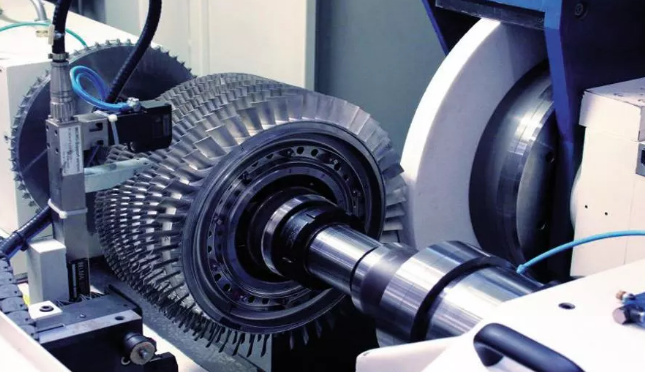
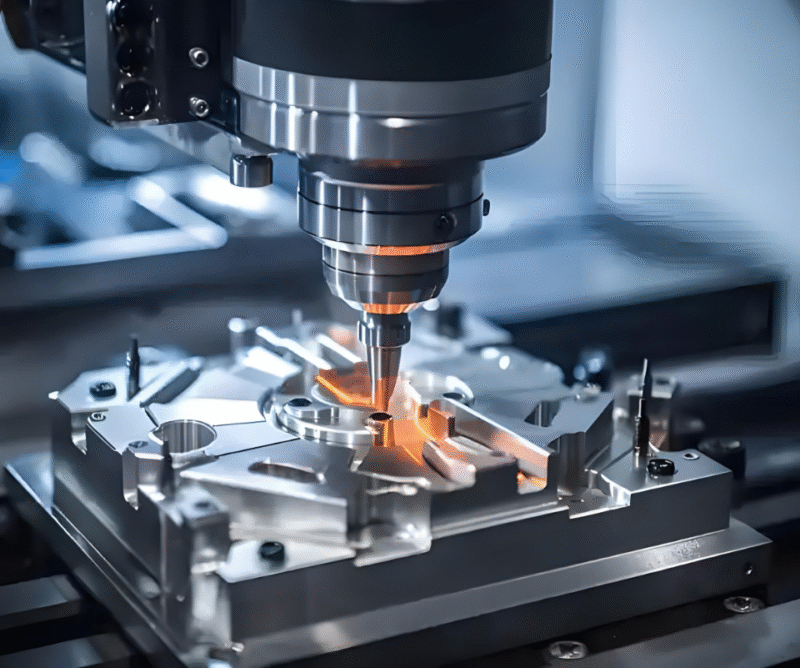
Tekijä: fc87

  • Kattava opas koneistukseen ja koneistukseen: Koneistus ja työstö: Tarkkuusvalmistuksen taito perinteisestä CNC:hen.

    Kattava opas koneistukseen ja Koneistus: Tarkkuusvalmistuksen taito perinteisestä CNC:hen asti
    Valmistuksessa tarkkuus ja tehokkuus ovat avainasemassa, ja työstö on keskeinen tekniikka, jolla tämä saavutetaan.

    Tässä artikkelissa tarkastelemme perusteellisesti koneistusta Perinteisestä manuaalisesta koneistuksesta nykyaikaiseen CNC-teknologiaan tarjoamme kattavan analyysin erilaisista koneistusprosesseista, laitteiden valinnan avainkohdista ja siitä, miten voit valita oikean koneistuspalveluntarjoajan projektiisi.

    Olitpa sitten valmistusteollisuuden ammattilainen tai koneistuspalveluja tarvitseva ostaja, tämä artikkeli tarjoaa sinulle arvokasta tietoa.

    1. Koneistus: modernin valmistuksen kulmakivi
    Koneistus (tai lyhyesti koneistus) onProsessit materiaalin poistamiseksi mekaanisella tarkkuuskoneistuksellaSe on nykyaikaisen valmistuksen perusta ja ydin1Koneistus. Koneistus koostuu kahdesta pääluokasta: manuaalinen koneistus ja CNC-koneistus, joilla kummallakin on omat ainutlaatuiset etunsa ja sovelluskohteensa1.

    Manuaalinen työstö on menetelmä, jossa erilaisia materiaaleja työstetään manuaalisesti käyttämällä mekaanisia laitteita, kuten jyrsinkoneita, sorveja, porakoneita ja sahoja, ja joka soveltuu pienten erien ja yksinkertaisten osien valmistukseen1.

    CNC-työstö puolestaan tarkoittaa CNC-laitteiden käyttöä työstöön, johon kuuluvat työstökeskukset, CNC-sorvit, EDM-langanleikkauslaitteet jne., ja ne soveltuvat paremmin suurille määrille, monimutkaisille muodoille, korkean tarkkuuden osille, jotka synnyttävät lapsen1.

    2. Koneistuksen päätyypit ja prosessit
    2.1 Perinteinen manuaalinen työstö
    Manuaalinen työstö perustuu ammattitaitoisten työntekijöiden kokemukseen ja taitoihin käyttää koneita ja laitteita, joihin kuuluvat pääasiassa seuraavat:

    Yleinen sorvi: Pyörivään työstöön

    Yleinen jyrsinkone: Nelikulmaista työstöä varten

    Keinuvarsiporakone: yleiseen käsin lävistämiseen.

    Pöytäporakone: Pienten reikien työstöön

    pinnan hiomakone: paksuuden viimeistelyyn ja pinnankarheuden vähentämiseen

    naputuskone: Erikoistunut kierteitykseen

    2.2 Nykyaikainen CNC-työstö
    CNC-työstö automatisoidaan ohjelmoimalla ja ohjaamalla työstölaitteita, jotka koostuvat seuraavista:

    CNC-sorvi: Kohti pyörivien kappaleiden tarkkaa ja tehokasta työstöä

    CNC-jyrsin: Tetradien tarkkaan työstöön

    työstökeskus: Nelikulmaisten koneistusten tarkkuus ja tehokkuus: nelikulmaisten koneistusten toteuttaminen

    CNC EDM: Muotoiltuja syvennettyjä rakenteita varten

    CNC-langanleikkaus: tarkkaan ääriviivojen muotoiluun

    CNC-laserleikkaus: Laserleikkaus: Soveltuu teräslevyjen purkamiseen tai ääriviivojen muotoiluun, kun tarkkuusvaatimukset ovat alhaiset.

    CNC-levyn taivutuskone: Laitteiden ohutlevyosien muodostamiseen

    leikkaus: Levyosien purkamiseen laitteita varten.

    3. CNC-työstön ja perinteisen työstön kattava vertailu
    CNC-työstön ja perinteisen työstön erojen ymmärtäminen on olennaisen tärkeää, jotta voidaan valita sopivin työstömenetelmä.7.

    Vertailumitat CNC-koneistus Yleinen koneistus
    Käsittely Monipuolisuus, useita työstöosia ja työstökaluja voidaan järjestää prosessin päälinjaksi. Suhteellisen yksinkertainen, mutta on otettava täysin huomioon paikannusviite, kiinnitysmenetelmä ja muut tekijät.
    Kiinnitys ja kiinnikkeet Tarvitaan vain paikannuksen ja kiinnityksen valvonta, useimmissa tapauksissa ei tarvita erityisiä kiinnikkeitä, alhaiset kustannukset Vaatii useita kiinnikkeitä ja erityisiä kiinnikkeitä, korkeammat suunnittelu- ja valmistuskustannukset.
    Työkaluvaatimukset Vaatii suurnopeusleikkurit, jotta koneistuksen tehokkuus paranee ja koneistuksen laatu taataan. Työkalujen suorituskykyä koskevat yleiset vaatimukset
    Sovellettavat skenaariot Suuret määrät, monimutkaiset muodot, korkean tarkkuuden osat Pienet erät, yksinkertaisten osien valmistus
    4. Miten valita oikea koneistuspalvelu
    Koneistuspalveluja valittaessa on otettava huomioon useita tekijöitä onnistuneen projektin varmistamiseksi:

    4.1 Komponenttien monimutkaisuus
    yksinkertaisen muodon, pienen toleranssin vaatimien osien osalta perinteinen manuaalinen työstö voi olla taloudellisempaa. Monimutkaisen rakenteen ja korkean tarkkuuden vaatimusosien osalta CNC-työstö on parempi valinta.

    4.2 Tuotantoerät
    Pienet erät soveltuvat ehkä paremmin manuaaliseen koneistukseen, kun taas massatuotantoCNC-koneistus soveltuu paremmin CNC-koneistukseen, koska automaatio voi parantaa tehokkuutta ja johdonmukaisuutta huomattavasti.

    4.3 Materiaalin ominaisuudet
    Eri materiaalit voivat soveltua eri käsittelymenetelmiin. Esimerkiksi vaikeat materiaalit (esim. lujat seokset) vaativat usein CNC-laitteita tarkkuuden varmistamiseksi ja materiaalihukan vähentämiseksi.

    4.4 Aikavaatimukset
    Jos projektin aika on kriittinenCNC-työstö nopeuttaa usein tuotantoa, erityisesti monimutkaisten osien osalta.

    4.5 Kustannusnäkökohdat
    on olemassa Rajoitettu budjettiCNC-työstön tapauksessa työstön laadun ja kustannusten välillä on kompromissi. Joskus perinteinen työstö voi olla edullisempaa, mutta suurta tarkkuutta vaativissa osissa CNC-työstö on pitkällä aikavälillä parempi vaihtoehto.

    5. Laadunvalvonta ja standardit koneistusteollisuudessa
    Laadunvalvonta on tärkeä osa koneistusprosessia. Hyvän koneistuspalvelun tarjoajan on noudatettava tiukasti kansainvälisiä laatustandardeja, kuten ISO 9001 -laadunhallintajärjestelmää, ja käytettävä kehittyneitä testauslaitteita sen varmistamiseksi, että osat täyttävät eritelmät.

    Yleisiä laadunvalvontatoimenpiteitä ovat:

    Ensimmäisen artikkelin tarkastus: Ensimmäisen osan täydellinen tarkastus ennen tuotantoerän aloittamista.

    Prosessin aikainen tarkastus: Säännölliset pistokokeet osien laadusta tuotannon aikana.

    lopputarkastus: 100% tai valmiiden tuotteiden näytteenottotarkastus.

    Testauslaitteiden käyttö: Tarkkuustarkastuslaitteiden, kuten koordinaattimittakoneiden (CMM), optisten komparaattoreiden, pinnankarheuden mittauslaitteiden jne. käyttö.

    6. Koneistustekniikan suuntaukset ja tulevaisuuden näkymät
    Koneistustekniikka kehittyy ja kehittyy jatkuvasti, ja keskeisiä suuntauksia ovat:

    Automaatio ja älykkyys: Yhä useammat käsittelysolut ovat täysin automatisoituja robottien ja automaattisten ajoneuvojen (AGV) avulla.

    Additiivinen ja subtraktiivinen valmistus yhdistettynä: 3D-tulostustekniikan ja perinteisen subtraktiivisen työstön yhdistäminen monimutkaisempien rakenteiden valmistamiseksi.

    IoT ja datamining: Koneen tilan ja käsittelyn reaaliaikainen seuranta keräämällä käsittelytietoja antureiden avulla.

    vihreä valmistus: Ympäristövaikutusten vähentäminen ympäristöystävällisempien jäähdytysnesteiden ja työstöprosessien käytön avulla.

    Suurnopeus- ja tarkkuustyöstö: Koneistusnopeuden ja -tarkkuuden lisääminen karatekniikan ja ohjausjärjestelmien kehittymisen ansiosta.

    7. Miten valita luotettava työstökumppani
    Seuraavat tekijät on otettava huomioon koneistuspalvelun tarjoajan valinnassa:

    tekniset valmiudet: Toimittajien laiteluetteloiden ja teknisen asiantuntemuksen arviointi

    Kokemus ja asiantuntemus: Tietoa toimittajan kokemuksesta toimialallasi

    laadunvarmistus (QA): Laadunvalvontajärjestelmien ja sertifioinnin tarkastelu

    Toimitettavuus: Tuotantokapasiteetin ja toimitusten arviointi

    Viestintä ja tuki: Testaa sen reagointikykyä ja teknisen tuen valmiuksia

    kustannustehokkuus: Vertaa hinnan ja arvon välistä tasapainoa, ei vain hintaa.

    loppuhuomautukset
    Koneistus on välttämätön ja tärkeä osa nykyaikaista valmistusteollisuutta, perinteisestä manuaalisesta koneistuksesta nykyaikaiseen CNC-tekniikkaan, eri koneistusmenetelmillä on omat ainutlaatuiset etunsa ja sovellettavat skenaariot.

    Oikean koneistuspalvelun ja -kumppanin valinta edellyttää kappaleen monimutkaisuuden, tuotantomäärän, materiaalin ominaisuuksien, aikavaatimusten ja kustannustekijöiden yhdistelmää. Toivomme, että tämän artikkelin avulla saat kattavamman käsityksen koneistuksesta ja voit tehdä tietoon perustuvan valinnan projektiasi varten.

    Ota rohkeasti yhteyttä koneistusasiantuntijoihimmeTarjoamme sinulle sopivimman ratkaisun erityistarpeisiisi, yksinkertaisista osista monimutkaisiin kokoonpanoihin, prototyyppien valmistuksesta suursarjatuotantoon, tarjoamme korkealaatuisia koneistuspalveluja.

  • Rivet Welding: High-quality metal joining solutions for your projects

    Rivet Welding: High-quality metal joining solutions for your projects
    In today’s manufacturing industry, the choice of joining technology has a direct impact on product quality and performance. Riveting and welding processing, as a key joining process, provides companies with an efficient, reliable and cost-effective solution by organically combining riveting and welding technologies.

    Whether it’s in aerospace, automotive manufacturing or construction, rivet machining plays a vital role. In this article, we will give you an insight into the advantages of riveting and welding, application scenarios and how to choose a professional riveting and welding service.

    What is it?Rivet welding?
    Riveting and welding processing is a metal joining process that combines the techniques of riveting and welding. It combines the advantages of both techniques: riveting provides theVery high shear strength and reliabilityand welding ensures that theSealing and continuity of the connection.

    This process is particularly suitable for joining different materials, plates of different thicknesses and those application scenarios that are sensitive to thermal deformation. According to the principle of the process, riveting can be divided into two kinds of cold riveting and hot riveting: cold riveting, i.e. connecting with rivets, and hot riveting, in which the joining parts of the two metals are melted together by means of high temperatures.2.

    The main advantages of rivet welding processing
    1. High strength and durability
    Rivet-welded connections can withstand extremely high shear and tensile forces, ensuring the stability and safety of structures under extreme conditions. Compared to welding alone, the rivet-welding combination process canSignificantly reduces stress concentrations, increasing fatigue life.

    2. Reduction of deformation
    Especially in thin plate welding, conventional welding tends to cause deformation of the workpiece.The degree of distortion of the electric rivet welding process is significantly smaller than that of the plug welding process.This significantly reduces welding distortion, greatly reduces the levelling workload of the workpiece and ensures the appearance of the structural components.6.

    3. Applicable to a wide range of materials


    Rivet weldingParticularly suitable for aluminium sheet metal partsThese materials are susceptible to welding cracks during the welding process due to deformation and poor weldability.1. The rivet welding process has found an alternative process for aluminium sheet metal parts that are not suitable for welding.

    4. Quality stability
    By optimising the welding process parameters of riveting welding, it is possible to verify the reasonableness of the riveting welding process and ensure quality consistency in mass production.6.

    Areas of application for rivet welding processes
    Rivet welding technology is widely used in several industries:

    aerospace: Connection of aircraft skins, structural components

    automobile manufacturing: Manufacture of body structures, chassis components, e.g. door parts adhesion2

    Construction: Connection of steel bridges and high-rise buildings

    electronic equipment: Assembly of printed circuit boards, cases and enclosures2

    Industrial equipment: Manufacture of heavy machinery and pressure vessels

    Medical equipment: Assembly and manufacture of specialised medical equipment2

    How to choose a professional rivet machining service
    There are several key factors to consider when choosing a rivet machining service:

    Technical expertise: Ensure that the service provider has extensive experience in rivet welding, especially with examples of experience similar to your project. A study of the application of the electric rivet welding process to thin plate welding shows the importance of optimising the process parameters6.

    Quality control system: Understand suppliers’ quality testing methods and standards to ensure their ability to deliver consistent, high quality products.

    Equipment capacity: Advanced production equipment is the basis for ensuring the accuracy and quality of riveting and welding processing.

    Certifications and standards: Check whether the supplier has industry-related certifications, such as ISO quality system certification and welding certification.

    Customisation capabilities: A good supplier can provide customised riveting solutions for your specific needs.

    Advantages of our riveting and welding services
    Our company specialises in providing high quality riveting and machining services with the following advantages:

    advanced technology: We have studied the relationship between the rivet size and the bottom hole during riveting, and summarised a set of process methods for riveting countersunk nails to ensure optimum performance at each connection point.1.

    quality assurance (QA): Strict implementation of quality control standards ensures that every product meets customer specifications and industry requirements.

    rapid response: With our efficient production processes and extensive experience, we are able to respond quickly to customer needs and shorten delivery times.

    Comprehensive supportWe offer a full range of technical support and services from design consultancy to post-maintenance.

    Google Search Optimisation and Content Strategy
    In order for more potential customers to find our rivet machining services, we have taken the following steps to optimise our Google search rankings:

    Keyword Optimisation: In the content of the natural integration of “riveting processing”, “riveting” and other core keywords and related long-tail keywords, to ensure that the content and the user’s search intent is highly matched.3.

    High-quality content: Provide unique and valuable content, such as detailed process descriptions, application examples and technical guides, to meet user needs and improve page quality8.

    Website structure optimisation: Ensure that the site has a clear, easy-to-navigate structure, uses a logical URL structure, and sets up internal links wisely3.

    Mobile device friendly: Responsive design to ensure the site performs well on devices such as mobile phones and tablets8.

    Page loading speed: Optimise the size of images, use CDN acceleration and other technical means to ensure that the site loads quickly.8.

    loppuhuomautukset
    As an efficient and reliable joining process, riveting and welding processing has an irreplaceable place in modern manufacturing. Choosing the right riveting and welding processing service provider not only ensures product quality, but also improves productivity and reduces overall costs.

    We are committed to providing our customers with the highest quality riveting and welding fabrication services, combining technical expertise and state-of-the-art equipment to ensure the success of your project. Whatever your joining challenges, our team is capable of providing you with innovative riveting solutions.

    Feel free to contact our team of experts to learn more about our riveting machining capabilities and how we can provide a customised solution for your specific needs.Let us use our professional riveting and welding processing technology to provide you with a solid guarantee of product quality and performance!

  • Riveting: An indispensable joining process in modern manufacturingRobust and reliable connections begin with the craft of riveting.

    Niittihitsaus: An indispensable joining process in modern manufacturing Robust and reliable connections begin with the craft of riveting and welding.

    In today’s manufacturing industry, the choice of joining technology has a direct impact on product quality and performance. Riveting and welding processing, as a key joining process, provides companies with an efficient, reliable and cost-effective solution by organically combining riveting and welding technologies.

    Whether it’s in aerospace, automotive manufacturing or construction, rivet machining plays a vital role. In this article, we will give you an insight into the advantages of riveting and welding, application scenarios and how to choose a professional riveting and welding service.

    What is riveting processing?
    Rivet-welding processing is a metal joining process that combines riveting and welding techniques. It combines the advantages of both techniques: riveting provides extremely high shear strength and reliability, while welding ensures a hermetic and continuous connection.

    This process is particularly suitable for joining different materials and sheet thicknesses, as well as for those application scenarios that are sensitive to thermal deformation.
    1. High strength and durability
    Rivet-welded connections are capable of withstanding extremely high shear and tensile forces, ensuring structural stability and safety under extreme conditions. The rivet-welding combination process significantly reduces stress concentrations and increases fatigue life compared to welding alone.

    2. Reduction of deformation
    Especially in thin plate welding, conventional welding tends to cause deformation of the workpiece.6 The degree of deformation of the rivet welding process is significantly smaller than that of the plug welding process, which can significantly reduce welding deformation and greatly reduce the levelling workload of the workpiece.6

    3. Applicable to a wide range of materials
    The rivet welding process is particularly suitable for aluminium sheet metal parts, which are susceptible to weld cracks due to deformation and poor weldability during the welding process.1 The rivet welding process has found an alternative process for aluminium sheet metal parts that are not suitable for welding.1

    4. Quality stability
    By optimising the welding process parameters for riveting, it is possible to verify that theRivet Welding Processof reasonableness6 to ensure quality consistency in high-volume production.

    Areas of application for rivet welding processes
    Rivet welding technology is widely used in several industries:

    Aerospace: aircraft skins, joining of structural components

    Automotive manufacturing: manufacture of body structures, chassis components

    Construction industry: connection of steel bridges and high-rise buildings

    Electronic equipment: assembly of cases and enclosures

    Industrial equipment: manufacture of heavy machinery and pressure vessels

    How to choose a professional rivet machining service
    There are several key factors to consider when choosing a rivet machining service:

    Technical expertise: Ensure that the service provider has extensive experience in rivet welding, especially with examples of experience similar to your project. A study of the application of the electric rivet welding process to thin plate welding6 demonstrates the importance of optimising the process parameters.

    Quality control systems: Understand suppliers’ quality testing methods and standards to ensure their ability to deliver consistent, high-quality products.

    Equipment capacity: advanced production equipment is the basis for ensuring the accuracy and quality of riveting and welding processing.

    Certifications and standards: Check whether the supplier has industry-related certifications, such as ISO quality system certification and welding certification.

    Customisation Capability: Good suppliers are able to provide customised riveting solutions based on your specific needs.

    Advantages of our riveting and welding services
    Our company specialises in providing high quality riveting and machining services with the following advantages:

    Advanced process: We study the relationship between rivet size and bottom hole during riveting1 and summarise a set of process methods for riveting countersunk head nails1 to ensure optimal performance at each connection point.

    Quality Assurance: Strict implementation of quality control standards ensures that every product meets customer specifications and industry requirements.

    Quick Response: With our efficient production process and rich experience, we are able to respond quickly to customer needs and shorten delivery time.

    Comprehensive support: From design consultation to post maintenance, we provide full process technical support and services.

    loppuhuomautukset
    As an efficient and reliable joining process, riveting and welding processing has an irreplaceable place in modern manufacturing. Choosing the right riveting and welding processing service provider not only ensures product quality, but also improves productivity and reduces overall costs.

    We are committed to providing our customers with the highest quality riveting and welding fabrication services, combining technical expertise and state-of-the-art equipment to ensure the success of your project. Whatever your joining challenges, our team is capable of providing you with innovative riveting solutions.

    Feel free to contact our team of experts to learn more about our riveting machining capabilities and how we can provide a customised solution for your specific needs.

  • Laser welding vs. conventional welding: How to choose the right technology for your project?

    In the field of metal fabrication and machining, choosing the right welding technology is a critical part of determining the success or failure of a project. Laser and conventional welding (e.g., MIG/MAG, TIG) are the two dominant technologies, but they differ significantly in terms of productivity, cost and final quality. As a business owner or engineer, understanding these differences is critical to controlling budgets, ensuring lead times and obtaining optimal product performance.

    This article will give you a full breakdown of the advantages and disadvantages of both technologies to help you make the most informed choice for your next project.

    I. Comparison of in-depth techniques: accuracy, speed and thermal influence
    1. Precision and weld quality
    Laser welding: A highly concentrated laser beam with extremely high energy density is used as the heat source. This makes it possible to produce extremely narrow and deep weld seams with a very small heat affected zone (HAZ). This means that workpiece distortion is extremely low, making it ideal for precision components, thin sheet materials and products where aesthetics are important. The weld seams are usually very clean and require little or no subsequent grinding.

    Conventional welding (TIG as an example): relies on the arc to melt the base metal and the welding consumables. Whilst a skilled technician can produce a high quality weld, the heat affected zone is wider and the heat input is greater, resulting in a higher risk of distortion of the workpiece. It is usually more suitable for medium to thick plate material and may require proof-forming and surface preparation.

    2. Productivity and speed
    Laser welding: essentially a high-speed process, particularly suitable for long weld seams and automated mass production. Its speed can be as much as several times that of conventional welding, which significantly shortens the production cycle and reduces the cost per unit of time.

    Conventional welding: typically slower and more dependent on the skill level of the operator. Although it has the advantage of flexibility in the production of small batches of a single piece, the efficiency bottleneck is more obvious in large batches.

    3. Analysis of cost components
    Laser welding:

    Initial investment: very high. Equipment such as laser generators and automated workstations are expensive.

    Operating costs: lower. Faster speeds, fewer consumables (no need for welding wire or in some cases), and lower subsequent processing costs make unit production costs more favourable in the long run.

    Traditional welding:

    Initial investment: relatively low, with a low barrier to entry for equipment.

    Operating costs: High. Labour costs dependent on skilled craftsmen, high consumption of welding consumables (wire, tungsten electrodes, shielding gases), and possible additional costs for subsequent processing.

    II. How to choose? Key decision-making factors
    Your project requirements are the only criteria for selection. Please refer to the decision matrix below:

    Project characteristics Recommended technology Cause analysis
    Laser welding of thin sheet materials (< 1 mm) prevents burn-through and distortion and guarantees precision.
    Thick plate materials (> 5 mm) Conventional welding technology is more mature and the equipment is more cost-effective.
    Extremely high precision requirements Laser welding Minimal heat-affected zones and distortions, aesthetically pleasing and consistent weld seams.
    High-volume, automated production Laser welding High-speed production, low unit costs and extremely high consistency.
    Small batch, prototyping Conventional soldering Flexible setup, no need for costly jigs and fixtures, cost-effective.
    Limited budget, cautious investment Conventional welding Low initial equipment investment, suitable for project-based production.
    Multi-material/dissimilar material welding needs to be evaluated specifically Laser welding requires very high assembly clearances, while conventional welding is more forgiving.
    III. Examples of practical application scenarios
    Typical applications for laser welding:

    Medical instruments: surgical instruments, implants, requiring absolute cleanliness and absence of deformation.

    Aerospace: engine blades, precision sensor components.

    Consumer electronics: Battery seal welding, internal structural parts of mobile phones.

    Automotive industry: transmission gears, airbag generators.

    Typical applications for conventional welding:

    Building steel structure: beam-column connection, large thickness and high strength requirement.

    Heavy machinery: excavator boom, mining equipment frame.

    Pressure vessels: pipe welding, tank welding.

    Repair and maintenance: on-site operations requiring a high degree of flexibility.

    IV. Frequently Asked Questions (FAQ)
    Q: Is laser welding always stronger than conventional welding?
    A: Not necessarily. The strength of the weld depends on whether the process parameters are set correctly. Both are capable of achieving welds that far exceed the strength of the base material. The advantage of laser welding is its combination of high strength and low distortion.

    Q: We have special materials for our products, which one should I choose?
    A: Laser welding of highly reflective materials (e.g. aluminium, copper) is challenging and requires lasers with specific parameters. Conventional welding is more widely adaptable in this regard. The best way to do this is to provide samples for test welding.

    Q: Is there one technology that can completely replace another?
    A: No. They are complementary, not substitutes. The top modern manufacturers will have both technologies in place, choosing the most appropriate process for the different characteristics of their products in order to achieve optimum cost and quality control.

    Conclusion: there is no best, only the most suitable
    The choice between laser or conventional welding is a trade-off between precision, efficiency, cost and material suitability. For projects with extreme precision and high volume production, laser welding is the way to go. For thicker materials, small batches or budget-sensitive projects, conventional welding is more cost-effective.

    Not sure which technology is best suited for your project?

    Feel free to contact the expert team at [your company name]!

    We have both advanced fibre laser welding equipment and experienced traditional welding technicians. You can provide us with free samples or drawings and we will carry out a free trial welding assessment for you and provide you with the most professional technical advice and quotation to ensure that your project will be successful in the most optimal way.

    Enquire today for your customised welding solution!

  • Työstöautomaation trendit 2025: Robotit voivat lisätä tuottavuutta

    Driven by the wave of intelligence, robotics is reshaping the production model and efficiency landscape of the työstö industry at an unprecedented rate.

    existDalian FuhongIn the workshop of a machinery enterprise, intelligent equipment is running efficiently: it can complete the whole process of processing 18,000 brake discs per hour. Through AI vision inspection system and automated production line transformation, the enterprise’s unit product power consumption reduced by 25%, production efficiency increased by more than 40%, and manual intervention reduced by 70%.6.

    This is just a snapshot of the työstö automation revolution of 2025.

    01 Robotics revolution, reshaping the competitive landscape of manufacturing
    When manufacturing bosses are having a hard time sleeping at night because of recruitment difficulties and soaring labour costs, six truss manipulators are shuttling accurately in the darkness, removing metal parts weighing up to 50 kilograms from the CNC machine tools, and then transferring them to the next process after neatly stacking them.

    This set of automation system called “black light factory”, so that a single production line manpower costs from 60,000 yuan per month down to 12,000 yuan, the product defective rate from 2.3% down to 0.15%!1.

    This is not a science fiction film, but a real change that is happening in China’s manufacturing industry. 2025, intelligent transformation has changed from a “multiple choice question” to a “mandatory question”, and the efficiency improvement and energy consumption optimisation achieved through technological upgrading is reshaping the industrial chain’s value distribution pattern!6.

    02 Four trends that define the new automation paradigm for 2025
    Trend 1: Collaborative Robots at the Heart of Flexible Manufacturing
    HuaYi Robotics showcases innovative applications of its collaborative robots in automated welding, CNC loading and unloading, and other areas at FABTECH 2025 in Chicago9.

    The E10-Pro collaborative robot achieves a repeatability of ±0.03mm, requiring a drag force of less than 5N to achieve a smoother end-drag effect, and allowing users to quickly complete point calibration and trajectory planning.9.

    The biggest advantages of collaborative robots areAbility to safely share workspace with human workersIt eliminates the need for safety fences that are traditionally required for industrial robots.7. They allow skilled labour to shift roles and help manufacturers to achieve output expansion and adaptation7.

    Trend 2: AI and Edge Computing Enabling Intelligent Decision Making
    AI continues to move closer to the source of data, closer to sensors and other machines7.. For vision systems, the close connection between AI and the source of the data improves detection and action at the source, fundamentally eliminating the delay of data being sent to the control unit for processing before being returned7.

    This edge intelligence enables robots toReal-time adaptation to changing environmental conditionsAutomatically adjusts machining parameters, such as material differences or tool wear, to ensure machining accuracy and efficiency.4.

    Trend 3: Digital twins optimise the full production cycle
    Digital twin technology creates virtual models of physical equipment to simulate operation, predict performance and optimise processes4.. The combination of simulation-driven design with machine learning and data analytics allows engineers to test, improve and refine designs before they are actually realised or after they are put into operation7.

    Topstar and other innovative enterprises through the “process data → AI model → equipment control” closed-loop system, driving intelligent systems in the production of continuous evolution5. This digital twin technology can significantly improve design quality and reduce costs, even as it improves physical and cyber security7.

    Trend 4: The Rise of Modular and Reconfigurable Systems
    Industrial automation is having a moment of rotation towards flexible modular systems7. A system that fell out of favour when Henry Ford tried to balance its car assembly lines is now gaining renewed support as it adopts more automation technology.7.

    Modular designMake the equipment easy to upgrade, functional expansion and rapid reconfiguration of the production line, to adapt to the small batch, multi-variety production needs4. Quick changeover, modular design, automatic tool/head/table change technology, shorten the product switching time, so that the production line can quickly respond to market changes4.

    03 Technology fusion, robot performance breaks through limits
    A double leap in precision and speed
    The truss manipulator adopts the design of right-angle coordinate system, and realises “three-dimensional space free walking” through the precise cooperation of X, Y, Z linear motion and rotary axis.1. Its core components include high rigidity truss structure, servo drive system, intelligent gripping system and modular control system1.

    HuaYi Robotics demonstrated the more flexible and faster robot loading and unloading application solutions for overseas customers.Optimisation of robot loading and unloading beats to achieve an overall increase in loading and unloading speed of the robotic arm 35%9.

    The Elfin high-speed version of the collaborative robot reaches a maximum joint speed of 370°/s, with a maximum joint speed increase of 1.5 times, which is used in CNC loading and unloading scenarios to further compress loading and unloading times.9.

    Sensing technology and adaptive control
    Advanced sensing technology is changing the industrial landscape7. Whether it’s optics, infrared, sensors, LIDAR or ultrasound, these technologies give manufacturers better control of the real-time environment on the factory floor7.

    Leading suppliers such as SICK develop flexible and traceableIntelligent sensors and vision systemsIt is particularly suited to high-speed and collaborative environments7. Safety sensing technologies such as light curtains, emergency stops and safe motion control help manufacturers interact with their devices and surroundings7.

    04 Application deepening, from traditional fields to emerging scenarios
    Transformation of traditional machining
    Robotic loading and unloading solutions are becoming more efficient and flexible in CNC machine automation.9The collaborative robots of Huayi Robotics have excellent performance in pick and place, alignment and machine linkage. The collaborative robots of Huayi Robotics have excellent performance in pick-and-place, alignment, machine linkage, etc., with advantages of high efficiency, precision, stability, etc., and have become the “right helper” for the automation of CNC machine tools.9.

    Welding Automation Breakthrough
    The welding field is also undergoing an automation revolution. Along the welding robot has been widely used in shipbuilding, construction steel structure, automotive manufacturing, large machinery and other fields.9.

    They can carryArc tracking, laser vision seam tracking systemIt realises automatic identification of weld seams, automatic deviation correction and other functions, making complex welding simpler and easier.9.

    Cross-industry application expansion
    Machining centres continue to push the boundaries of traditional manufacturing applications10In the automotive field. In the automotive field, in addition to the processing of core components such as engines and gearboxes, the machining centre has been deeply involved in the integrated die-casting process of new energy vehicles, to meet the demand for high-precision moulds for lightweight car bodies10.

    In the medical field.Customised implant processingHigher requirements for equipment flexibility, promoting the transformation of machining centres to “multi-species, small batch” production mode10.

    05 Benefit analyses for a clear return on automation investment
    The benefits of investment in automation can be seen in a number of dimensions: increased productivity, reduced labour costs, improved product quality and reduced energy consumption.4.

    The previously mentioned Yantai enterprise through intelligent transformation, unit product power consumption reduced by 25%, annual power savings of 580,000 kWh, production efficiency increased by more than 40%, manual intervention links to reduce 70%6.

    Intelligent equipment is dramatically improving productivity6. After the introduction of truss manipulator in a company in Shandong, theMachine tool utilisation soars from 65% to 95%Increased capacity from 800 to 1500 pieces per day on a single machine.1.

    The return on investment is not only in terms of direct cost savings, but also in terms of increased productivity, reduced waste, lower energy consumption and increased production flexibility.4.

    06 Implementation path, a pragmatic strategy towards automation upgrades
    Overcoming implementation challenges
    Implementing intelligent automation faces multiple challenges, including high upfront investment costs, high technological complexity, lack of interdisciplinary talent, integration challenges with old and new equipment/systems, and data security and cybersecurity risks.4.

    SMEs, in particular, face multiple pressures on capital, technology and talent2. Addressing these challenges requires strategic vision, sustained investment, cross-disciplinary collaboration and a strong focus on data and talent4.

    Building an Ecosystem for Human-Machine Collaboration
    Automation is not meant to completely replace human labourIt’s about human empowerment.7. Because demand is growing faster than labour, automation enables manufacturers to scale up production without relying entirely on labour7.

    But that doesn’t mean that manufacturers rely entirely on robots without the need for skilled labour, because robotic systems still need people to maintain them.7. Manufacturers will still need people to work alongside machines, but will need to re-engineer the way they work to support consistent output and reduce training overheads7.

    According to industry data, in 2024 China’s exports of high value-added machinery parts and components have beenSurpassing $80 billion6. By the end of 2025, leading companies will have 85% of automated production line coverage, driving up output per unit of labour to three times the pre-retrofit level6.

    With the density of industrial robots exceeding 400 units per 10,000 people, theChina Machinery ManufacturingWill continue to lead the global industrial transformation on the road of high-end, service-oriented and internationalisation6. Organisations that see automation as a strategic investment rather than a cost outlay have already won a head start along the way.

  • Miten valita luotettava OEM-työstötoimittaja: Laatu- ja toimitusstandardit

    In a globalised manufacturing environment, choosing a reliable OEM machining supplier is crucial.Dalian Fu Hong MachineryThis excellent supplier will not only ensure product quality and delivery efficiency, but also become a strategic partner in your supply chain. This article will provide you with a comprehensive set of selection guidelines to help you evaluate suppliers on key dimensions such as quality, deliverability, and technical capabilities, to mitigate partnering risks and achieve long-term win-win situations123.


    I. Core assessment dimensions

    1. Quality control systems

    Quality is the primary consideration in selecting a supplier. A reliable supplier should have the following conditions:


    International certifications: such as ISO 9001 quality management system certification, IATF 16949 (automotive industry standard) or AS9100 (aerospace standard), which show that their processes comply with international norms15.


    Full chain QC: This includes everything from raw material inspection (e.g. using a spectrometer to analyse material composition), IPQC during processing (inspections every 2 hours), to full-size inspection of the final product (using equipment such as CMMs)1.


    Defect control measures: e.g. specialised solutions for surface damage (scuffing, bruising) and oxidation problems to ensure consistency in high volume production1.


    2. Deliverability and flexibility

    Delivery timelines directly affect project schedules and require attention:


    Capacity scale: number of equipment (e.g. CNC machining centre, mill-turn equipment), factory area (e.g. capacity base of 5000m2 or more) and degree of automation (application of robots)1.


    Emergency Response Capability: Whether to provide 24-hour proofing service (e.g. 3 days for urgent orders) and support flexible production with no minimum order quantity (MOQ)1.


    Supply Chain Stability: Located in the industrial chain cluster area (e.g. Shenzhen), there is close co-operation with surface treatment suppliers to ensure the timeliness of raw materials and process matching1.


    3. Technical strength and level of equipment

    Advanced equipment: including 5-axis CNC machine tools, high-precision turning and milling centres to handle complex parts and difficult-to-machine materials (e.g. titanium alloys, nickel-chromium alloys) 13.


    Process expertise: Able to provide DFM (Design for Manufacturing Optimisation) recommendations and improve yield through parameter optimisation (e.g. Weimet has improved yield by 5%+ through technical improvements)1.


    Material compatibility: In addition to conventional aluminium alloy, stainless steel, can handle high hardness steel, copper alloy and other special materials1.


    4. Services and cooperation guarantees

    Full support: from drawing evaluation, process design to after-sales problem solving (e.g. responding to quality complaints within 24 hours) 16.


    Intellectual property protection: Customer design confidentiality is safeguarded through NDA agreements1.


    Customer cases and reputation: refer to the co-operation endorsement of industry head enterprises (e.g. drone and auto parts manufacturers)16.


    II. Selection Process and Practical Suggestions

    Define requirements: define part accuracy, materials, lot sizes and industry standards (e.g., medical or aerospace grade requirements) 2.


    Vendor Screening:


    Access to the list through industry trade shows (e.g. FABTECH), B2B platforms or peer referrals7.


    Initial screening of qualifications (business licences, certificates of accreditation) and capacity matching 4.


    Field Audit:


    Examine the state of factory equipment, quality control process and team professionalism 23.


    Request samples and test key parameters (dimensional accuracy, surface finish quality) 8.


    Integrated assessment:


    Quality (40%), delivery (30%), cost (20%), and service (10%) were weighted and evaluated using a scorecard7.


    Priority is given to A-class suppliers (rating ≥ 90 points) and long-term co-operation is established7.


    III. Risk avoidance strategies

    Contractual terms: Clarify quality standards, liability for breach of delivery and ownership of intellectual property rights8.


    Delivery in batches: the first order is tested in small batches to verify stability before expanding the co-operation1.


    Backup suppliers: avoid single supply chain dependency and ensure project continuity7.


    IV. Why choose us?

    [Your Company Name], as a deep-rooted source manufacturer in the field of riveting manufacturing and machining, has:


    Technical Advantage: 80+ high precision CNC machines, multi-material machining capability (aluminium alloy to titanium alloy) and 12-step quality control process.


    Delivery Promise: Fast sampling within 7 days, 24 hours emergency response, support global logistics.


    International experience: Serving 500+ corporate clients, ISO 9001/SGS certified, compliant with European and American market standards.


    Next step: Get a free DFM proposal and quote, contact our team of experts for a customised solution.


    SEO Optimisation Elements

    Keyword Layout:


    Core words:OEM Machining SuppliersPrecision parts machining, quality control system, CNC machining services


    Long-tailed terms: how to choose a CNC supplier, batch processor certification, ISO 9001 machining


    Content structure: use H2/H3 subheadings, list body to improve readability, add FAQ section (e.g. “What is the minimum order quantity?”). Add FAQ section (e.g. “What is the minimum order quantity?”).


    Example meta description: “Selecting a reliable OEM machining supplier involves evaluating quality systems, delivery capabilities and technical prowess. This guide provides practical selection steps and international certification standards to help you optimise your supply chain decisions.”


    Through this content, potential customers can systematically evaluate suppliers and increase their trust in your expertise, driving conversions and enquiries.

  • Kattava opas teollisten sovellusten niittaus- ja hitsausprosessointipalveluista.

    Meta Description: Looking for reliable riveting and welding processing services? Our expert team offers precision metal fabrication for automotive, aerospace, and more. Contact us today!


    Riveting and Welding Processing: Precision Metal Fabrication for Global Industries

    Riveting and welding processing  is a critical industrial technique that combines mechanical fastening (riveting) and metallurgical bonding (welding) to create strong, durable structures. This process is widely used in industries such as automotive, aerospace, telecommunications, and construction due to its ability to join diverse materials—including metals and plastics—efficiently and economically15. At [Your Company Name], we specialize in providing high-quality riveting and welding solutions tailored to meet global standards.

    What Is Riveting and Welding Processing?

    Riveting and welding processing involves:

    • Riveting: A mechanical method where a rivet (a permanent fastener) is used to join materials. This includes techniques like cold riveting (for ductile materials) and hot riveting (for thermoplastics and glass-filled materials)1.

    • Welding: A fusion process that uses heat (e.g., arc, laser, or gas) to melt materials, forming a permanent bond. Common methods include CO2 welding, argon arc welding, and laser welding5.

    This combination is ideal for applications requiring high strength, corrosion resistance, and minimal deformation, such as in lightweight alloys (e.g., aluminum and magnesium) used in aerospace and automotive sectors37.

    Applications of Riveting and Welding Processing

    Our services cater to diverse industries:

    1. Automotive: Door assemblies, chassis components, and brackets1.

    2. Ilmailu- ja avaruusala: Lightweight alloy structures for aircraft3.

    3. Electronics: PCB mounts and enclosures1.

    4. Rakentaminen: Steel frames and infrastructure components9.

    5. Medical Devices: Precision instruments and equipment1.

    Advantages of Our Riveting and Welding Services

    • Material Versatility: Join dissimilar materials (e.g., stainless steel, aluminum, plastics) without compromising integrity17.

    • Strength & Durability: Achieve high shear strength (e.g., up to 6.78 kN for aluminum-steel joints)7 and resistance to environmental stressors.

    • Cost-Effectiveness: Reduce assembly time and costs with automated processes like ultrasonic riveting (<2 seconds per cycle)1.

    • Laadunvarmistus: Adherence to international standards (ISO 9001, AS9100) and advanced testing protocols10.

    Our Capabilities

    • Cold and Hot Riveting: For ductile plastics and metals1.

    • Laser Welding: Precision welding for thin materials and密封要求5.

    • Custom Fabrication: From prototypes to large-scale production49.

    • Global Supply Chain: Experience in serving markets in the EU, U.S., Japan, and more68.

    Industries We Serve

    We support sectors requiring rigorous quality standards:

    • Oil & Gas: Corrosion-resistant components2.

    • Shipbuilding: Marine-grade stainless steel assemblies24.

    • Nuclear Energy: Radiation-resistant materials2.

    Why Choose Us?

    • Expertise: 30+ years in metal fabrication10.

    • Technology: CNC machining, robotic welding, and precision cutting49.

    • Sertifikaatit: ISO 9001, IATF 16949, and AS9100 compliance10.

    Ota yhteyttä

    For riveting and welding processing that meets global standards, partner with us. Request a free quote or discuss your project needs today!

    [Get a Free Quote] [Learn More About Our Services]


    Keywords: riveting and welding processing, metal fabrication, precision welding, industrial riveting, automotive welding, aerospace fabrication, custom metal assembly, global supplier.

    Alt-text for Images:

    • Image 1: CNC robotic welding in action for automotive parts.

    • Image 2: Comparison of cold vs. hot riveting techniques.

    • Image 3: Aerospace components fabricated via laser welding.

    This article integrates target keywords naturally, highlights customer benefits, and aligns with Google SEO best practices by providing authoritative, relevant content. Let me know if you need additional sections or revisions!

  • Etsitkö huippuluokan koneistuspalveluja? Tarjoamme erittäin tarkkoja ja laadukkaita CNC-työstöratkaisuja, jotka palvelevat Euroopan, Yhdysvaltojen ja Japanin markkinoita. Tiukka laadunvalvonta ja välittömät tarjoukset vastaamaan räätälöityjä työstötarpeitasi.

    Finding the toptyöstöServices? We provide high-precision and high-quality CNCtyöstösolutions, serving the European, American and Japanese markets. Strict quality control and instant quotation to meet your customisedworking (of machinery)Demand.
    (The meta description succinctly and powerfully contains all the keywords and clearly identifies the service market and value proposition)


    Introduction: In today’s globalised manufacturing industry, precision, reliability and speed are indispensable.图片[1]-寻找顶尖的机械加工服务?我们提供高精度、高质量的CNC机加工解决方案,服务于欧美及日本市场。严格的品质管控,即时报价,满足您的定制加工需求-大连富泓机械有限公司

    Whether you’re working on aerospace innovations in Europe and the United States or developing next-generation precision electronics in Japan, you need a person who understands your exacting standards.työstöPartners. We are exactly the partner you are looking for. We specialise in providing world-class CNCtyöstöServices that combine advanced technology with unrivalled craftsmanship to deliver perfect parts to customers worldwide.

    Our Core Machining Capabilities

    We have a comprehensiveworking (of machinery)Technology library capable of handling projects ranging from prototyping to mass production.

    • CNC Milling. Our multi-axis milling centres are capable of machining parts with complex geometries with micron-level precision for moulds, housings, structural components and more.

    • CNC Turning. We specialise in the production of high precision rotary parts such as shafts, pins, bushings and flanges. Our Swiss-type lathes are particularly suited to machining small, complex precision parts.

    • Turn-Mill Complex Machining. For highly complex parts, our multi-tasking integrated machines can turn, mill, drill and tap in a single clamping, greatly improving accuracy and efficiency.

    Why We Are the Preferred Choice for Global Clients in Europe, America and Japan

    We have a deep understanding of the unique needs of different markets and we shape our services accordingly.

    For European and American customers:

    • Excellent engineering support. Our team of engineers are well versed in GD&T (Geometric Dimensioning and Tolerancing) standards and are proficient in the use of common European and American design software (e.g. SolidWorks, AutoCAD). We are not just a supplier, we are an extension of your design process.

    • Material diversity. We process a wide range of materials, including all types of aluminium alloys, stainless steel, titanium alloys, engineering plastics, etc., in full compliance with international standards such as AMS, ASTM and ISO.

    • Scalable production capacity. Whether you need a single prototype or tens of thousands of pieces in high volume, our flexible production system can handle it, ensuring a stable supply chain.

    For Japanese customers:

    • The Pursuit of Extreme Quality. We are committed to the “Monozukuri” (ものづくり – the spirit of creation) philosophy and the pursuit of quality. Our full inspection process and SPC (Statistical Process Control) system ensure that every product delivered is flawless.

    • Kodawari (Attention to Detail). We understand the Japanese market’s demanding requirements for surface finish, cleanliness and packaging. All parts are carefully handled to ensure that they reach you in the best possible condition.

    • Efficient Communication. We provide clear and timely project updates and communication, respecting deadlines and all agreements to ensure a smooth and seamless co-operation.

    Rigorous Quality Control

    Quality is every timetyöstöThe heart of the operation. Our quality assurance system runs through the entire production process:

    • First Article Inspection (FAI). Strictly in accordance with AS9102 or customer-specified format.

    • In-process Inspection. Continuous inspection using state-of-the-art co-ordinate measuring machines (CMMs), optical comparators and precision gauges.

    • Final Audit. 100% Ensure that the product meets all drawing specifications and requirements before shipping.图片[2]-寻找顶尖的机械加工服务?我们提供高精度、高质量的CNC机加工解决方案,服务于欧美及日本市场。严格的品质管控,即时报价,满足您的定制加工需求-大连富泓机械有限公司

    Your Partner, Not Just a Vendor

    Choosing us means you are choosing a strategic partner committed to your success. We offer:

    • Professional project appraisal and DFM analysis. Design optimisation advice is provided at the quotation stage to help you reduce costs and improve performance.

    • Competitive Pricing & Quick Quotes. Get a detailed quote within 24 hours of submitting drawings.

    • Reliable logistics solutions. With rich experience in international logistics, we ensure safe and on-time delivery of goods to Europe, America and Japan.

    Immediate action:
    If you’re looking for a reliable, accuratetyöstöservice providers, contact us today.Upload your CAD drawings (STEP, IGES, X_T format) or PDF drawings to get a free quote and professional DFM analysis within 24 hours.

  • Täydellinen kirja työstöprosesseista! (Koneistusprosessi ja koneistettujen osien prosessianalyysi)

    Machining processThe Complete Book! (Machining process and process analysis of machined parts)

    1、What are the three methods of workpiece clamping?

    {1. Clamping in fixture; 2. Direct alignment clamping; 3. Scribing alignment clamping}

    2. What does the process system consist of?

    {machine tools, workpieces, fixtures, tools}

    3. Composition of the machining process?

    {Roughing, semi-finishing, finishing, superfinishing}

    4. How are benchmarks categorised?

    {1. design datum 2. process datum: process, measurement, assembly, positioning: (original, additional): (rough datum, fine datum)}

    What does machining accuracy consist of?

    {1. dimensional accuracy 2. shape accuracy 3. positional accuracy }

    5. What are the elements included in the original errors that occur during processing?

    {Principle errors – Positioning errors – Adjustment errors – Tooling errors – Fixture errors – Machine spindle rotation errors – Machine guideway guiding errors – Machine transmission errors – Process system force deformation – Process system heat deformation – Tool wear – Measurement errors – Errors caused by residual stresses on the workpiece – }

    6. The effect of process system stiffness on machining accuracy (machine deformation, workpiece deformation)?

    {1. workpiece shape error caused by changes in the location of the point of action of the cutting force 2. machining error caused by changes in the size of the cutting force 3. machining error caused by clamping force and gravity 4. transmitted force and inertial force on the machining accuracy}

    7、What are the guiding error of machine tool guideway and spindle rotation error included?

    {1. Guideway Mainly includes the relative displacement error between the tool and the workpiece in the error-sensitive direction caused by the guideway 2. Spindle Radial circular runout – axial circular runout – tilting angle swing}

    8. What is the phenomenon of “error reproduction”? What is the error reproduction factor? What are the measures to reduce error reproduction?

    {Deformation changes due to process system errors are partially reflected in the workpiece Measures: Increase the number of tool strokes, increase the rigidity of the process system, reduce the feed rate, and improve the accuracy of the blank}

    9, machine tool transmission chain transmission error analysis? Reduce the transmission chain transmission error measures?

    {Error analysis: i.e. using the angular error Δφ of the end elements of the drive chain to measure the

    Measures: 1. The smaller the number of transmission chain parts and the shorter the transmission chain, the smaller Δφ will be, and the higher the accuracy will be 2. The smaller the transmission ratio i is, especially if the ratio of the first and the last ends is small, 3. Since the end parts of the transmission parts have the greatest influence on the error, they should be made as accurate as possible 4. Adoption of a calibration device }

    10,How are työstö errors classified? Which errors are constant value errors? Which errors are variable value systematic errors? Which errors are random errors?

    {systematic error: (constant value systematic error variable value systematic error) random error

    Constant value systematic errors: machining errors caused by the principle of machining, the manufacturing errors of machine tools, cutting tools and fixtures, and the deformation of the process system.

    Variable value system errors: wear of props; thermal deformation errors of tools, fixtures, machines, etc. before thermal equilibrium.

    Random errors: copying of blank errors, positioning errors, tightening errors, errors from multiple adjustments, deformation errors due to residual stress }

    11. What are the ways to ensure and improve machining accuracy?

    {Error prevention technology: rational use of advanced technology and equipment to directly reduce the original error transfer the original error to equalise the original error to equalise the original error.

    2. Error compensation technology: on-line detection Automatic coupling grinding Positive control of the decisive error factors}

    12、What does the machined surface geometry include?

    {geometric roughness, surface waviness, grain direction, surface defects}

    13. What are the physical and chemical properties of surface layer materials?

    {1. cold work hardening of surface layer metals 2. metallographic deformation of surface layer metals 3. residual stresses in surface layer metals}

    14. Try to analyse the factors affecting the surface roughness of the cutting process?

    {Roughness value by: Height of cutting residual area Primary factor: Tip radius Primary deflection Secondary deflection Feed Secondary factor: Increase in cutting speed Appropriate choice of cutting fluid Appropriate increase in tool rake angle Improvement in tool sharpening quality }

    15. Try to analyse the factors affecting the surface roughness of the grinding process?

    {1. geometrical factors: influence of grinding dosage on surface roughness 2. influence of grinding wheel grit and wheel dressing on surface roughness 2. influence of physical factors: plastic deformation of the surface layer metal: grinding dosage grinding wheel selection}

    16. Try to analyse the factors affecting cold work hardening of cutting surfaces?

    {Influence of cutting amount Influence of tool geometry Influence of machining material properties}

    17、What is grinding tempering burns? What is grinding quenching burns? What is grinding annealing burns?

    {Tempering: If the temperature in the grinding zone does not exceed the phase change temperature of the hardened steel but exceeds the martensite transformation temperature, the martensite of the surface metal of the workpiece will be transformed into a tempered organisation of lower hardness Hardening: If the temperature in the grinding zone exceeds the phase change temperature, together with the cooling effect of the coolant, a secondary quenched martensite organisation occurs in the surface metal, which is of a higher hardness than the original martensite; in the lower part of the surface metal, a tempered organisation of lower hardness than the original tempered martensite occurs as a result of the slower cooling process. Appearance of tempered organisation with lower hardness than the original tempered martensite Annealing: If the temperature in the grinding zone exceeds the phase change temperature and there is no coolant in the grinding process, the surface metal will appear annealed organisation, and the hardness of the surface metal will drop sharply}.

    18. Prevention and control of machining vibration

    {eliminate or attenuate the conditions that produce machining vibrations; improve the dynamic characteristics of the process system improve the stability of the process system use various vibration damping and vibration reduction devices}

    19. Briefly describe the main differences between machining process cards, process cards, and procedure cards and their applications. 

    {process card: small batch production of single parts using common machining methods machining process card: medium batch production sequence card: large batch production type requiring close, detailed organisation}

    *20. Principles of coarse datum selection? Principles for selecting fine datums?

    {Rough datum: 1. to ensure that the mutual position requirements of the principle; 2. to ensure that the machining surface machining allowance reasonable distribution of the principle; 3. to facilitate the principle of workpiece clamping; 4. coarse datum generally shall not be repeated use of the principle of fine datum: 1. datum overlap principle; 2. the principle of uniformity of the datum; 3. each other for the principle of the principle of the datum; 4. the principle of the datum for the principle of the 5. to facilitate the principle of the principle of the clamping }

    21. What are the principles of process sequencing?

    { 1. machining the datum surface before other surfaces; 2. in half the cases, machining the surface before the hole; 3. machining the primary surface before the secondary surface; 4. scheduling the roughing process before the finishing process }图片[1]-机加工工艺大全!(机械加工工艺及加工件工序分析)-大连富泓机械有限公司

    22. How are the processing stages divided? What are the benefits of dividing the processing stages?

    { The division of machining stages: 1. Roughing stage – semi-finishing stage – finishing stage – precision finishing stage It can ensure that there is enough time to eliminate thermal deformation and eliminate residual stresses generated by roughing, so that the accuracy of subsequent machining can be improved. In addition, when defects are found in the roughing stage, it is not necessary to carry out the next machining stage to avoid waste. In addition, you can also rationalise the use of equipment, low-precision machine tools for roughing precision machine tools used exclusively for finishing, in order to maintain the precision level of precision machine tools; reasonable arrangements for human resources, highly skilled workers specialising in precision ultra-precision machining, which is very important to ensure product quality and improve the level of technology.}

    23. What are the factors affecting process margins?

    {1. dimensional tolerance Ta of the previous process; 2. surface roughness Ry and surface defect depth Ha produced by the previous process; 3. spatial error left by the previous process}

    24. What are the components of a labour hourly rate?

    {T quota = T single piece time + t quasi-final time/n number of pieces}

    25. What are the process ways to increase productivity?

    {1. Reduction of basic time; 2. Reduction of overlap between auxiliary time and basic time; 3. Reduction of workplace set-up time; 4. Reduction of preparation and finishing time}

    26、What are the main contents of the assembly process regulations?

    {1. analysing product drawings, dividing assembly units and determining assembly methods; 2. drawing up assembly sequences and dividing assembly processes; 3. calculating assembly time quotas; 4. determining the technical requirements for assembly of each process, quality checking methods and checking tools; 5. determining the mode of transport of assembly parts and the equipment and tools required; 6. selecting and designing the tools, fixtures and special equipment required for the assembly process }

    27. What should be considered for the assembly manufacturability of machine structures?

    {1. The machine structure should be capable of being divided into independent assembly units; 2. Reduce the amount of trimming and machining during assembly; 3. The machine structure should be easy to assemble and disassemble}

    28、What does assembly accuracy generally include?

    {1. mutual positional accuracy; 2. mutual motion accuracy; 3. mutual fitting accuracy}

    29. What should I look for in an assembly dimensional chain?

    {1. assembly dimensional chain should be necessary to simplify; 2. assembly dimensional chain composed of “a piece of a ring”; 3. assembly dimensional chain of “directionality” in the same assembly structure, in different positions in the direction of the assembly accuracy requirements, should be supervised according to the direction of the different Assembly Dimension Chain}

    30. What are the methods for ensuring assembly accuracy? How are the various methods applied?

    {1. Interchangeability; 2. Selection; 3. Modification; 4. Adjustment}

    31, the composition and function of machine tool fixtures?

    {A machine tool fixture is a device for clamping a workpiece on a machine tool. Its role is to make the workpiece relative to the machine tool and tool has a correct position. And in the machining process to maintain this position unchanged. Components are: 1. positioning elements or devices. 2. tool guiding elements or devices. 3. clamping elements or devices. 4. coupling elements 5. clamping specific 6. other components or devices…

    Main Functions1.Ensure machining quality2.Improve production efficiency.3.Expand the range of machine tool technology4.Reduce the labour intensity of workers to ensure production safety.}

    32、According to the scope of use of fixtures, how are machine tool fixtures classified?

    {1. general-purpose fixtures 2. special-purpose fixtures 3. adjustable fixtures and group fixtures 4. combination fixtures and random fixtures}

    33、What are the commonly used positioning elements for workpieces to be positioned in a plane? And analyse the elimination of degrees of freedom.

    {The workpiece is positioned on a flat surface. Commonly used positioning elements are 1. fixed support 2. adjustable support 3. self-positioning support 4. auxiliary support }

    34、What are the commonly used positioning elements for workpieces to be positioned with cylindrical holes? And analyse the elimination of degrees of freedom.

    {The workpiece is positioned with a cylindrical hole. . Commonly used locating elements are 1 mandrel 2. locating pins}

    35、What are the commonly used positioning elements for positioning the workpiece on an out-of-round surface? And analyse the elimination of degrees of freedom.

    {Surface positioning of workpieces on out-of-round surfaces. . Commonly used positioning elements are V-block}

    36. The workpiece is positioned with “two pins on one side”, how to design the two pins?

    {1. Determine the dimensions and tolerances of the distance between the centres of the two pins 2. Determine the diameter of the cylindrical pin and its tolerance 3. Determine the diameter of the width of the rhombic pin and its tolerance.}

    37. What two aspects are included in the positioning error? What are the methods for calculating positioning error?

    {Positioning error in two aspects.1. Due to the positioning surface of the workpiece or fixture positioning elements on the production of inaccurate positioning error caused by the datum position error.2. Due to the workpiece’s process datum and positioning datum does not overlap with the positioning error caused by the datum does not coincide with the error called the datum }

    38. Basic requirements for the design of workpiece clamping devices.

    {1. In the clamping process should be able to maintain the correct position of the workpiece positioning. 2. The size of the clamping force is appropriate, the clamping mechanism should be able to ensure that the workpiece does not produce loosening or vibration in the process, while avoiding inappropriate deformation of the workpiece and surface damage, the clamping mechanism should be self-locking role.

    3. Clamping device should be easy to operate, labour-saving, safety. 4. The complexity of the clamping device and the degree of automation should be adapted to the production batch and production mode. Structural design should strive to be simple, compact and as far as possible using standardised components}

    39, clamping force to determine the three elements? What are the principles of the direction of the clamping force and the selection of the point of action?

    {The selection of the direction of the clamping force should generally follow the following principles: 1. The direction of the clamping force should be conducive to the accurate positioning of the workpiece without destroying the positioning, for which the main clamping force is generally required to point perpendicular to the positioning surface. 2. The direction of the clamping force should be as consistent as possible with the direction of the workpiece stiffness, in order to reduce the deformation of the workpiece clamping. 3. The direction of the clamping force should be as consistent as possible with the direction of the cutting force and the gravitational force of the workpiece. Consistent with the direction of the cutting force, the direction of gravity of the workpiece, in order to reduce the required clamping force clamping force point selection general principles:

    1, the point of action of the clamping force should be right on the support element formed by the support surface, in order to ensure that the workpiece has been obtained by the positioning of the same

    2. The point of action of the clamping force should be in a more rigid part to reduce the deformation of the workpiece clamping 3. The point of action of the clamping force should be as close as possible to the machining surface to reduce the overturning torque caused by the cutting force on the workpiece}.

    40, what are the commonly used clamping mechanism? Focus on analysing and mastering the inclined wedge clamping mechanism.

    {1、Slanting wedge clamping structure 2、Screw clamping structure 3、Eccentric clamping structure 4、Hinged clamping structure 5、Centring clamping structure 6、Linkage clamping structure}

    41、How to classify according to the structural characteristics of drilling moulds? How to classify according to the structural characteristics of the drilling sleeve? According to the drilling template and the clamping specific coupling method is divided into which categories?

    {Drilling moulds according to common structural characteristics.

    1、Fixed drilling mould 2、Rotary drilling mould 3、Flip-over drilling mould 4、Covered drilling mould 5、Slide column drilling mould structural features classification:

    2、1、Fixed drilling mould 2、Exchangeable drilling mould 3、Quick-changeable drilling mould 4Special drilling mould Drilling templates are connected to the clamps in the following ways.

    3. Fixed Hinged Separate Suspended}
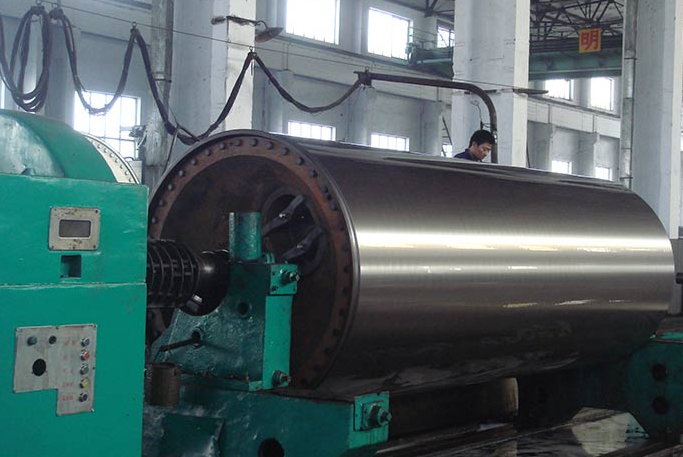
  • Tarkkuuskoneistus ja niittaustekniikka: Kiinan valmistusteollisuuden peruspilari

    Tarkkuuskoneistus ja niittaustekniikka: Kiinan valmistusteollisuuden peruspilari

    Korkealuokkaisessa valmistusteollisuudessa tarkkuuskoneistus ja niittausprosessointi on keskeinen teknologia, jolla määritetään tuotteen laatu ja suorituskyky.

    Olipa kyse sitten ilmailu- ja avaruusteollisuudesta, autoteollisuudesta tai tarkkuusinstrumenttien valmistuksesta, koneistustekniikan tarkkuus ja luotettavuus on aina ollut valmistajien huomion keskipisteenä kaikkialla maailmassa. Koska korkealaatuisten osien kysyntä kasvaa edelleen Japanissa, Euroopassa ja Yhdysvalloissa, kehittyneen koneistustekniikan yrityksillä on ennennäkemättömiä mahdollisuuksia.

    Tässä artikkelissa tarkastellaan perusteellisesti uusinta teknologiaa tarkkuuskoneistuksessa ja niittauksessa, sovellusalueita ja pätevän koneistuspalvelun tarjoajan valintaa.


    01 Tarkkuuskoneistustekniikan kehitys

    Tarkkuuskoneistus on prosessi, jossa metallimateriaaleja leikataan, muotoillaan ja viimeistellään erilaisilla työstökoneilla suunnittelussa vaaditun muodon, koon ja pinnan tarkkuuden saavuttamiseksi. Tällä alalla on viime vuosina tapahtunut merkittäviä teknologisia muutoksia.

    CNC-työstötekniikka(CNC) on nyt kehittynyt valmistusteollisuuden vakiokokoonpanoksi, jolla saavutetaan suuri tarkkuus ja tehokkuus monimutkaisten osien tuotannossa. Moniakseliset työstökeskukset pystyvät työstämään useita pintoja kerralla, mikä vähentää kiinnikkeiden määrää ja parantaa työstötarkkuutta ja johdonmukaisuutta.

    Älykkyys ja automaatioSiitä on tullut modernin jalostusverstaan symboli. Teollisuusroboteilla varustettu automatisoitu tuotantolinja on mahdollistanut 24 tunnin keskeytymättömän tuotannon, mikä on parantanut merkittävästi tuotannon tehokkuutta ja vähentänyt inhimillisiä virheitä.

    Materiaalitieteen edistysaskeleetKoneistustekniikan kehitystä on edistetty. Uusien seosmateriaalien, komposiittimateriaalien ja superkovien materiaalien laajan käytön myötä työstöprosessi mukautuu ja uudistuu jatkuvasti näiden materiaalien erityisten työstövaatimusten täyttämiseksi.

    02 Niittaus- ja hitsausprosessien erikoisalojen käyttö图片[1]-精密加工与铆焊技术:中国制造业的核心支柱-大连富泓机械有限公司

    Niittaus ja hitsaus ovat perinteisiä liitosmenetelmiä, ja niillä on edelleen korvaamaton rooli nykyaikaisessa valmistuksessa. Niittaustekniikka tarjoaa luotettavan ja kestävän liitosratkaisun erityisesti ilmailu- ja avaruusalalla, autoteollisuudessa ja rakennusten rakenteissa.

    Sokea niittitekniikkaNiittauksen kehittyminen on laajentanut käyttömahdollisuuksia huomattavasti. Tämä yksipuolinen niittausmenetelmä soveltuu erityisen hyvin suljettuihin säiliöihin tai levyjen liitostilanteisiin, joissa pääsy on mahdollista vain toiselta puolelta.8Brittiläinen Aircraft Manufacturing Company patentoi sokkonaulat vuonna 1916, ja niitä on käytetty monenlaisissa sovelluksissa ilmailu- ja avaruusalasta elektroniikkaan.

    Lujat rakenteelliset niittauksetVastaa markkinoiden huippuluokan kysyntään. Esimerkiksi Wuxi City, Wuxi City, kolmen tähden niittitehtaan tuotanto korkean lujuuden rakenteellisen sarjan niittien laatu voittaa high-end markkinoilla Euroopassa ja Yhdysvalloissa laajalti tunnustettu!8. Nämä tuotteet kestävät erittäin suuria leikkaus- ja vetovoimia, mikä takaa kriittisten rakenteiden turvallisuuden ja luotettavuuden.

    Niittihitsaus komposiittiprosessiNiittauksen ja hitsauksen etujen yhdistäminen tarjoaa innovatiivisia ratkaisuja erikoismateriaalien yhdistämiseen. Esimerkiksi autoteollisuudessa Komar teki yhteistyötä Jaguar Land Roverin tiimin kanssa kehittäessään alumiinin niittaus- ja teräksen hitsaustekniikoita sen uusia alumiiniseoksesta valmistettuja D-segmentin autoja varten.10.

    03 Laatusertifiointi ja kansainväliset standardit

    Kansainvälisesti tunnustettujen laatusertifikaattien hankkiminen on välttämätöntä Japanin, Euroopan ja Yhdysvaltojen markkinoille suuntautuville jalostusyrityksille. Nämä sertifikaatit eivät ole ainoastaan markkinoille pääsyn edellytys, vaan myös osoitus yrityksen teknisistä valmiuksista ja johtamisen tasosta.

    ISO9001 ja IATF16949Se on tärkeä standardi autoteollisuuden laadunhallintajärjestelmälle. Hebei Jinlingin tuotemerkin profiilikiinnitystuotteet ovat läpäisseet nämä kaksi sertifikaattia, teollisuus "passina autoteollisuuden markkinoille pääsemiseksi".4.

    Euroopan unionin CE-merkintäSe on välttämätön edellytys sille, että tuotteet pääsevät Euroopan markkinoille. Wuxi Anshida Hardware Co., Ltd. on saanut CE-sertifikaatin pneumaattisille niittipistooleilleen, mikä antaa turvatakuun EU:n markkinoille vietäville tuotteille.2.

    AS9100 ilmailu- ja avaruusalan laatujärjestelmäSe on standardi, joka on kehitetty ilmailu- ja avaruusteollisuuden erityisvaatimuksia varten ja jolla varmistetaan ilmailu- ja avaruusteollisuudessa vaadittava korkea luotettavuus ja turvallisuus.

    04 Käyttötapaukset maailmanlaajuisilla markkinoilla

    Tarkkuuskoneistus- ja niittaustekniikkaa on käytetty laajalti eri teollisuudenaloilla, ja seuraavassa on joitakin onnistuneita tapauksia:

    autonvalmistus: Komar on saanut tilauksia laserjuottamisesta useilta Fordin tehtailta ympäri maailmaa, muun muassa Saarlouisissa Saksassa, Michiganissa Yhdysvalloissa, Pachecossa Argentiinassa ja Thaimaassa.10. Tällä erittäin teknisellä työstöprosessilla on tärkeä rooli autojen korien laadun ja suorituskyvyn parantamisessa.

    Ilmailu- ja avaruusala: Lujitetuilla rakenneneeteillä on laaja valikoima sovelluksia tällä alalla. Wuxi Three Star Rivet Factory 70%:n tuotteita viedään Saksaan, Britanniaan, Yhdysvaltoihin, Italiaan ja muihin maihin ja alueille.8Sen tuotteiden laatu täyttää ilmailu- ja avaruusteollisuuden vaativat vaatimukset.

    Elektroniikka- ja viestintälaitteet: Miniatyrisoidut ja tarkkuusniitatut osat ovat tärkeässä asemassa elektroniikka- ja viestintälaitteissa, ja ne tarjoavat luotettavia liitosratkaisuja.

    Euroopan markkinoiden laajentaminen: Kiinalaiset teollisuusyritykset tutkivat aktiivisesti Euroopan markkinoita. Hebei Jinling tuotemerkin muotoinen kiinnitystuotteiden onnistuneesti tuli Euroopan markkinoille, viime vuonna on yli 20 lajikkeiden ruostumattomasta teräksestä niittimutteri, sarake tuotteita tulla Eurooppaan, tänä vuonna lisätty yli 30 lajiketta.4.

    05 Miten valita käsittelypalvelujen tarjoaja

    On useita tekijöitä, jotka on otettava huomioon valittaessa pätevää tarkkuuskoneistus- ja niittauspalvelun tarjoajaa:

    Teknisten valmiuksien ja laitteiden taso: Pätevillä toimittajilla on oltava kehittyneet koneistuslaitteet ja ammattitaitoinen tekninen tiimi. Esimerkiksi joillakin erinomaisilla jalostusyrityksillä on satojen miljoonien tuotteiden vuotuinen tuotantokapasiteetti, ja niillä on monenlaisia CNC-työstökeskuksia ja erityisiä niittauslaitteita.8.

    Laadunvarmistusjärjestelmä: Tavarantoimittajien tulisi luoda täydellinen laadunhallintajärjestelmä, joka on varustettu kehittyneillä testauslaitteilla, jotta saavutetaan täydellinen laadunvalvonta. Näin Anshida on tehnyt. Se edistää virheetöntä laatua ja on läpäissyt useita laadunhallintajärjestelmän sertifikaatteja.2.

    Kokemus ja alan maine: On tärkeää valita toimittaja, jolla on runsaasti kokemusta ja hyvä maine alalla. Wuxi Three Star Rivet Factory on vuonna 1995 perustettu yritys, jolla on laajat maailmanlaajuiset markkinat ja joka on saavuttanut hyvän maineen asiakkaiden keskuudessa kaikkialla maailmassa.8.

    Räätälöintimahdollisuudet: Erinomaisen jalostuspalvelun tarjoajan pitäisi pystyä vastaamaan asiakkaiden erityistarpeisiin ja tarjoamaan räätälöityjä ratkaisuja. Ensysta ei ainoastaan tuota erilaisten kansainvälisten standardien, kuten DIN-, IFI- ja ISO-standardien mukaisesti, vaan täyttää myös kotimaisten ja ulkomaisten asiakkaiden ei-standardien ja erityisten räätälöintivaatimusten vaatimukset.2.

    06 Tulevaisuuden teknologiset suuntaukset

    Tarkkuuskoneistus- ja niittaustekniikka kehittyy kohti suurempaa tehokkuutta, tarkkuutta ja älykkyyttä:

    älykäs valmistusja teollisuus 4.0 -konseptit integroidaan jalostusalalle. IoT-teknologian avulla jalostuslaitteet pystyvät kommunikoimaan ja optimoimaan itseään reaaliaikaisesti, mikä mahdollistaa tuotantoprosessien läpinäkyvän ja älykkään hallinnan.

    additiivinen valmistus(3D-tulostuksen ja perinteisten työstötekniikoiden yhdistelmä luo uusia mahdollisuuksia. Hybridivalmistustekniikoiden avulla osat voidaan muovata nopeasti 3D-tulostuksen avulla ja sen jälkeen koneistaa tarkasti vaaditun lopullisen tarkkuuden saavuttamiseksi.

    vihreä valmistusKäsitteitä arvostetaan yhä enemmän. Energiaa säästävistä laitteista, ympäristöystävällisistä prosesseista ja kierrätettävien materiaalien käytöstä on tulossa alan standardeja. Esimerkiksi ruostumattomasta teräksestä valmistetut niittimutterituotteet, joissa käytetään kehittynyttä pintakiillotustekniikkaa, korvaavat tavallisten muttereiden perinteisen kemiallisen sinkitysmenetelmän, joka on ympäristöystävällisempi ja saasteettomampi!4.

    Tekoäly ja koneoppiminenTeknologiaa sovelletaan työstöprosessin optimointiin ja laadunvalvontaan. Big data -analyysin ja hahmontunnistuksen avulla työstöparametreja voidaan säätää reaaliaikaisesti optimaalisten työstötulosten ja laadunvarmistuksen saavuttamiseksi.


    Japanin, Euroopan ja Yhdysvaltojen markkinoilla toimivien asiakkaiden on valittava jalostuspalvelun tarjoaja seuraavastiTeknisten valmiuksien, laatujärjestelmien, alan kokemuksen ja palvelujen joustavuuden yhdistäminen..

    Kiinalaiset yritykset, kutenDalian Fu Hong Machineryovat osoittaneet kilpailukykynsä näillä aloilla läpäisemällä tiukat kansainväliset sertifioinnit ja soveltamalla tuotteitaan menestyksekkäästi huippumarkkinoilla.

    Uusien markkinointimenetelmien, kuten tekoälyn hakusijojen optimoinnin, kehittyessä...7Tuotantoyrityksillä on myös enemmän mahdollisuuksia tarjota potentiaalisille asiakkaille mahdollisuus tutustua niiden ainutlaatuisiin jalostuskapasiteetteihin ja asiantuntemukseen, mikä lisää yhteistyömahdollisuuksia globaaleilla markkinoilla.