Autor: hfc87

  • Detailed Knowledge Of Shenzhen Grinding Fluid

    Detailed Knowledge Of Shenzhen Grinding Fluid

    Detailed knowledge of Shenzhen grinding fluid

    When the boring process is handed over to external collaboration, many manufacturers complain that the tool wears out too quickly and the surface quality of the workpiece is unstable. If you can choose the right grinding fluid, all these problems can be solved smoothly.

    Four core functions of grinding fluid

    In metal processing, grinding fluid plays four roles, namely lubrication, cooling, cleaning, and rust prevention. These four functions cooperate with each other, without any one of them, and they also directly affect the processing quality and efficiency.

    Good lubrication performance can reduce the friction between the tool and the workpiece and reduce the temperature generated during cutting. The role of cleaning can remove chips and oil stains in time to avoid scratches on the surface of the workpiece.

    Suitable for a variety of metal processing processes

    This grinding fluid for machining is suitable for stainless steel, alloy steel, ferrous metals, and various non-ferrous metals such as copper and aluminum. It can handle turning, drilling, milling, grinding, tapping, and gear hobbing.

    Various complex processes also have corresponding applicability to machining centers. Different metal materials have different cutting characteristics. A grinding fluid with good performance must be able to take into account the processing requirements of multiple materials at the same time.

    Extend tool life

    磨削液性能特点_磨削液用途_镗削加工外协加工服务

    Grinding fluid has outstanding lubrication and anti-wear properties, which can effectively protect the tool and significantly extend the service life of the tool. In terms of service life, tool cost is a key expenditure in machining. Saving tools is equivalent to cost. Saving tools means saving costs. It is cost saving.

    At the same time, it can also improve machining accuracy and improve surface finish, thereby reducing the need for subsequent rework. Products with high-efficiency and energy-saving characteristics will help reduce overall production costs for factories and improve market competitiveness.

    Affordable choice

    The grinding fluid can be used after being diluted ten to twenty times, and its dosage is very economical. This product has good stability, is not prone to corruption, has a long service life, and has a relatively low overall cost.

    It has high transparency, which is conducive to observing the processing status of the workpiece. It has excellent hard water resistance and strong adaptability to water quality, and the use effect will not be affected due to water quality problems.

    Proper preparation and use

    When preparing the working fluid, you should choose fresh water quality Shenzhen grinding fluid and dilute it according to the proportion. When replenishing the working fluid, it needs to be replenished at a higher concentration to prevent the lubrication and anti-rust performance from declining.

    磨削液用途_磨削液性能特点_镗削加工外协加工服务

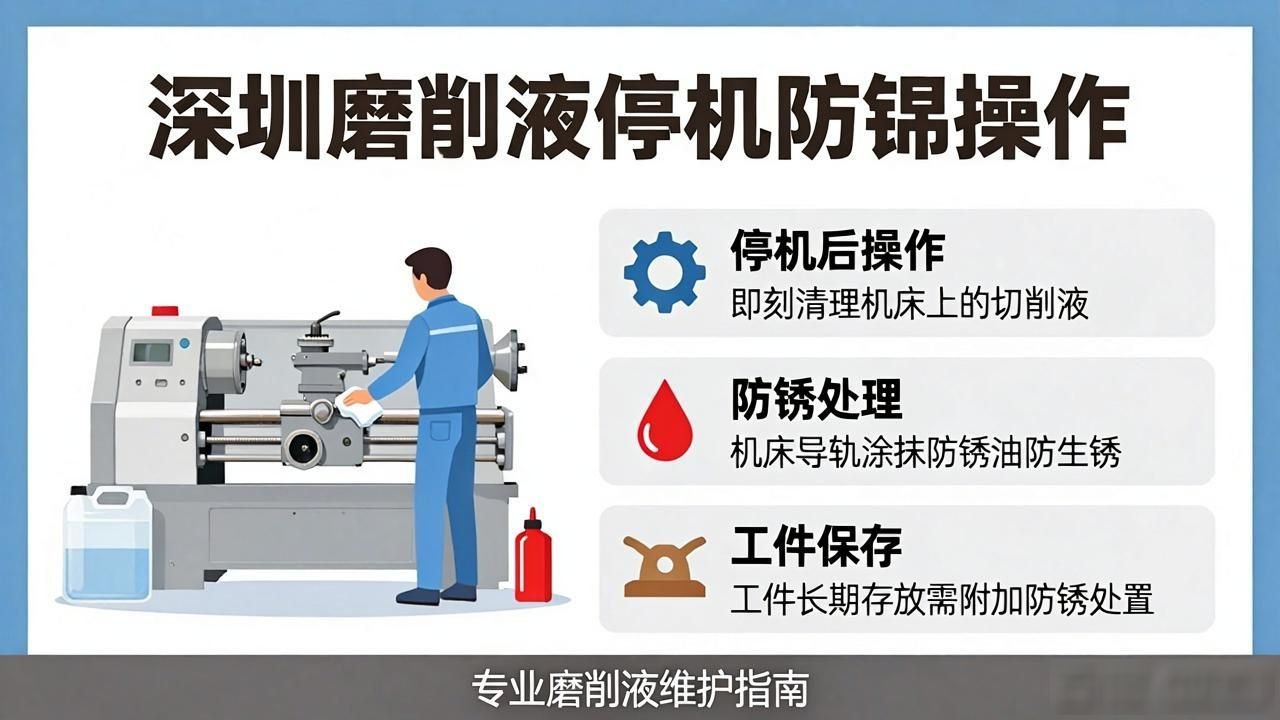
    After the machine stops operating, the cutting fluid installed on the machine tool should be cleaned immediately and oiled to prevent rust. If the workpiece needs to be stored for a long time, it is recommended to carry out additional anti-rust treatment for poor quality materials.

    Precautions for safe use

    Grinding fluid is absolutely forbidden to be eaten, and it needs to be kept clean at all times during its configuration and use. Be sure not to mix metal chips, engine oil, lint and other debris into it, otherwise it will affect its performance.

    In heavy-load and difficult-to-cut situations, extreme pressure anti-wear agents can be used to improve the lubrication and cooling effect. Never use working fluid to wash hands or rags, and pay attention to safe operation.

    What kind of grinding fluid-related problems have you encountered when outsourcing boring processing? Leave your words in the comment area to share them happily and enthusiastically!

  • , Small Steel Cap, Metal Stamping And Drawing Parts Processing

    , Small Steel Cap, Metal Stamping And Drawing Parts Processing

    , small steel cap, metal stamping and drawing parts processing

    Material preprocessing optimization

    Material selection must be done before stainless steel stamping. 304 austenitic stainless steel has a high n value and its plastic deformation ability is significantly better than ordinary materials. This type of material can achieve better ductility during stamping and is not prone to cracking problems.

    Heating the plate to 800 to 850 degrees Celsius and then slowly cooling it can eliminate the hardening phenomenon inside the material due to processing, thereby greatly improving the ductility of the material. This is called annealing. In the field of surface treatment, the oxide layer can be removed through electrolytic cleaning, and frictional resistance can be effectively reduced with the help of nano-scale lubricating film pre-coating.

    Mold system upgrade

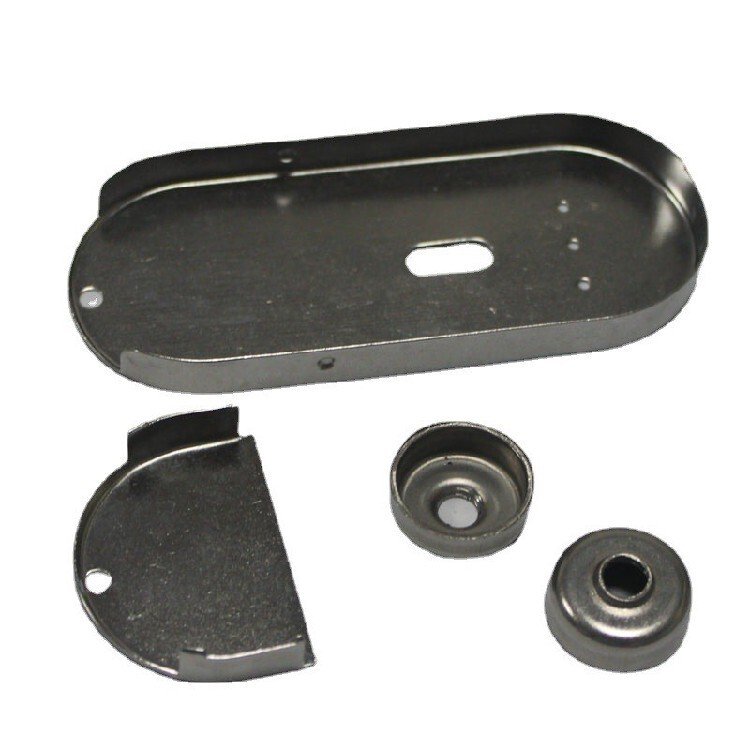
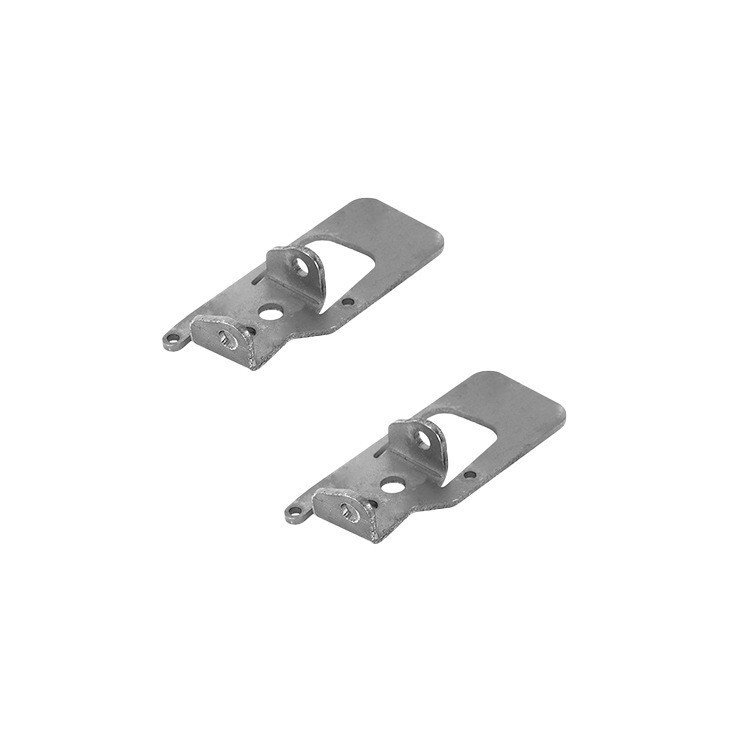
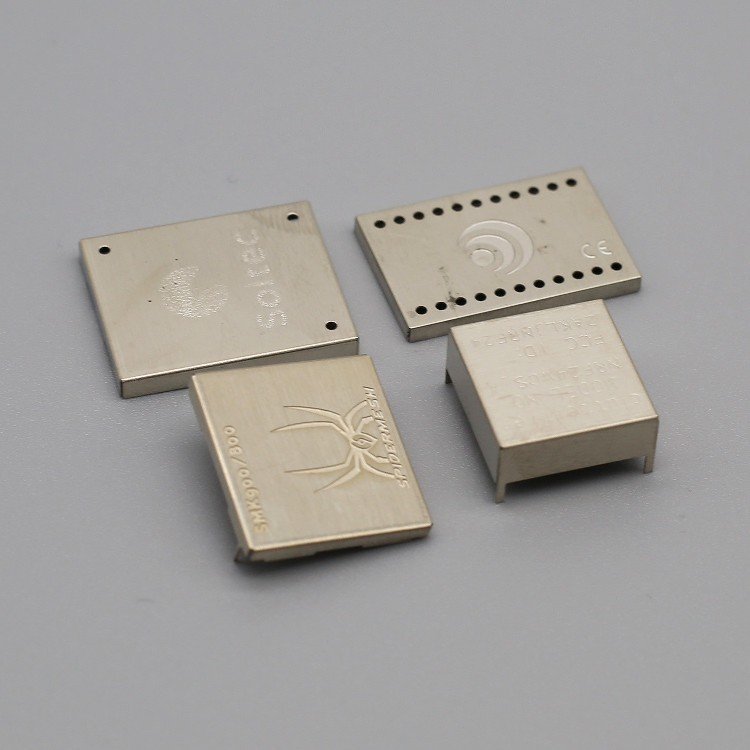
    As for the mold material, SKD11 special mold steel is selected, and its hardness meets the standard of HRC58 to 62. Molds, small steel caps, and metal stamping and drawing parts made of this high-hardness steel have a longer service life, which can greatly reduce the frequency of mold changes, thereby reducing production costs.

    The design of the mold structure is also very critical. The fillet radius of the convex and concave molds must be greater than or equal to twice the thickness of the plate. In this way, the stress distribution of the bending path can be optimized. By using AI to simulate the molding process, the risk of rupture can be effectively reduced.

    Process parameter control

    不锈钢冲压件制造流程优化方案_小五金零件加工冲压工艺_选材标准退火处理表面处理

    The stamping speed is slower than that of carbon steel and needs to be controlled at about two-thirds of the conventional speed. When the thickness of the sheet is less than one millimeter, it is recommended that the number of stamping times per minute should not exceed fifteen times. Only in this way can the molding quality be ensured.

    The blanking gap is set to 4% to 6% of the material thickness, and the gap in the drawing process is larger than that of carbon steel, ranging from 15% to 20%. Combined with a composite lubricant containing molybdenum disulfide, the friction coefficient can be reduced to a range of 0.08 to 0.12.

    Three core elements

    小五金零件加工冲压工艺_不锈钢冲压件制造流程优化方案_选材标准退火处理表面处理

    There is such a primary point that is regarded as precision molding. A hydraulic machine with a pressure bearing capacity of 300 tons is equipped with a mold with an accuracy of 0.1 mm, which can achieve a change in the shape of the metal plate in an instant. The bending route is optimized with the help of artificial intelligence to ensure that the stress can be distributed in a reasonable state. The surface is presented in the form of a brushed texture, which is both functional and anti-counterfeiting.

    The second element is material processing. The annealing heat treatment process has the ability to adjust the ductility of the material. The vacuum ion plating phenomenon can achieve the result of improving surface performance, and the six-axis robot arm polishing behavior can achieve the effect of forming a hydrodynamically optimized curved surface, which can effectively control the turbulence effect.

    Common process challenges

    小五金零件加工冲压工艺_不锈钢冲压件制造流程优化方案_选材标准退火处理表面处理

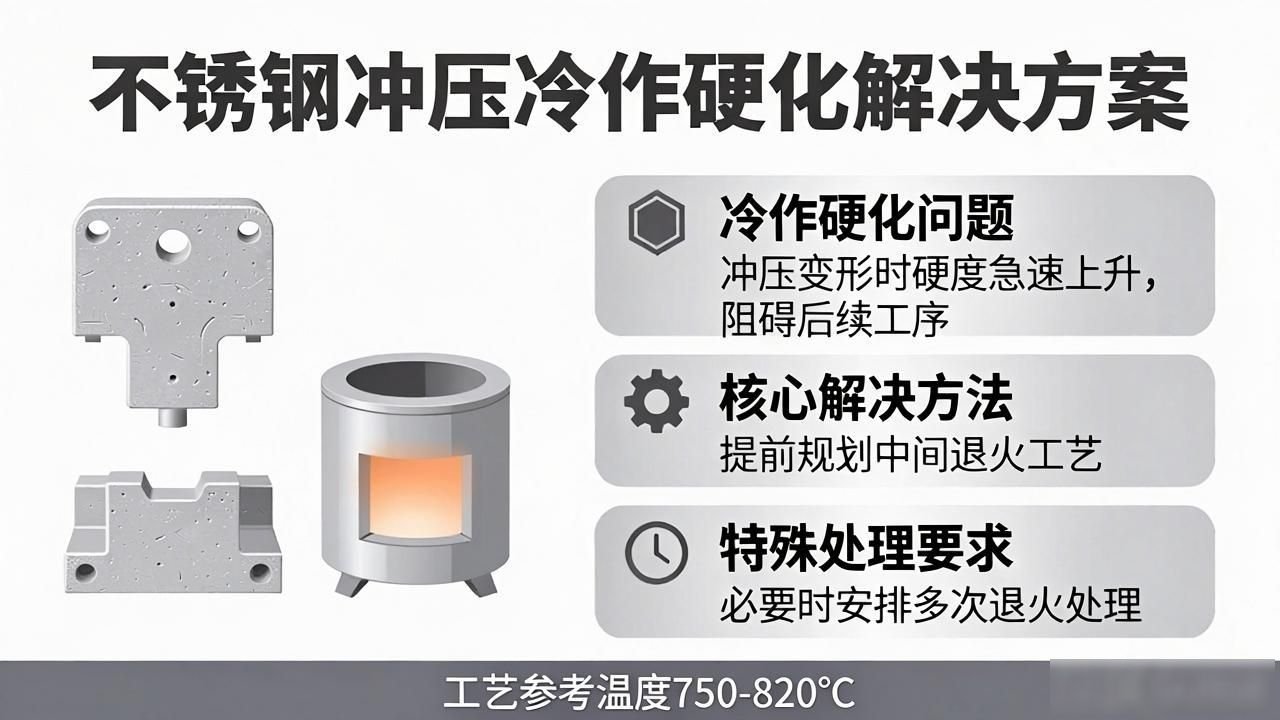
    Cold work hardening is a very common problem in the stamping process of small hardware parts processing in stainless steel stamping. During the deformation process of the material, the hardness will rise rapidly, making it impossible to continue the subsequent processes. To solve this problem, the intermediate annealing process must be planned in advance. If necessary, multiple annealing treatments must be arranged.

    选材标准退火处理表面处理_不锈钢冲压件制造流程优化方案_小五金零件加工冲压工艺

    Production efficiency and product quality will be seriously affected by the mold sticking phenomenon. Polishing the mold surface and combining it with DLC coating can greatly reduce the probability of mold sticking. Choosing a suitable lubrication system is also one of the key measures.

    Wide range of industry applications

    Deep-drawn parts are widely used in many fields. In the automotive industry, they are often used in parts such as fuel tanks, body panels, and engine hoods. In the home appliance industry, they are used in the processing and stamping process of small hardware parts . However, they are used in the manufacturing of products such as washing machine inner barrels, refrigerator casings, and microwave oven cavities.

    In the electronics industry, stainless steel drawn parts such as mobile phone casings and battery cases are used. Water cups, pots, and tableware in the daily hardware field are all inseparable from this process. As for engine parts and structural parts in the aerospace field, they also put forward higher requirements for stainless steel stamping.

    After reading this article, which optimization measure do you think will most significantly help your production within the stainless steel stamping process? Feel free to share your experiences, feelings, and past experiences in the comment area.

  • ,,small Hardware Processing

    ,,small Hardware Processing

    ,,small hardware processing

    Stamping forming principle

    A commonly used process in metal processing is stamping. The steel plate is pressed into the mold with the help of a punch to form it. The machine exerts great pressure, causing the metal plate to plastically deform in the mold. The entire process only takes a few seconds to obtain a part with a precise shape.

    This processing method is highly efficient and relatively low-cost. A single steel plate can continuously punch out multiple identical parts, and waste materials can also be effectively used. Hundreds of objects used as automotive components and home appliance casings in factories are all manufactured in this way.

    The key role of mold

    冲压件钢板加工_小五金加工工艺_小五金零件加工冲压工艺

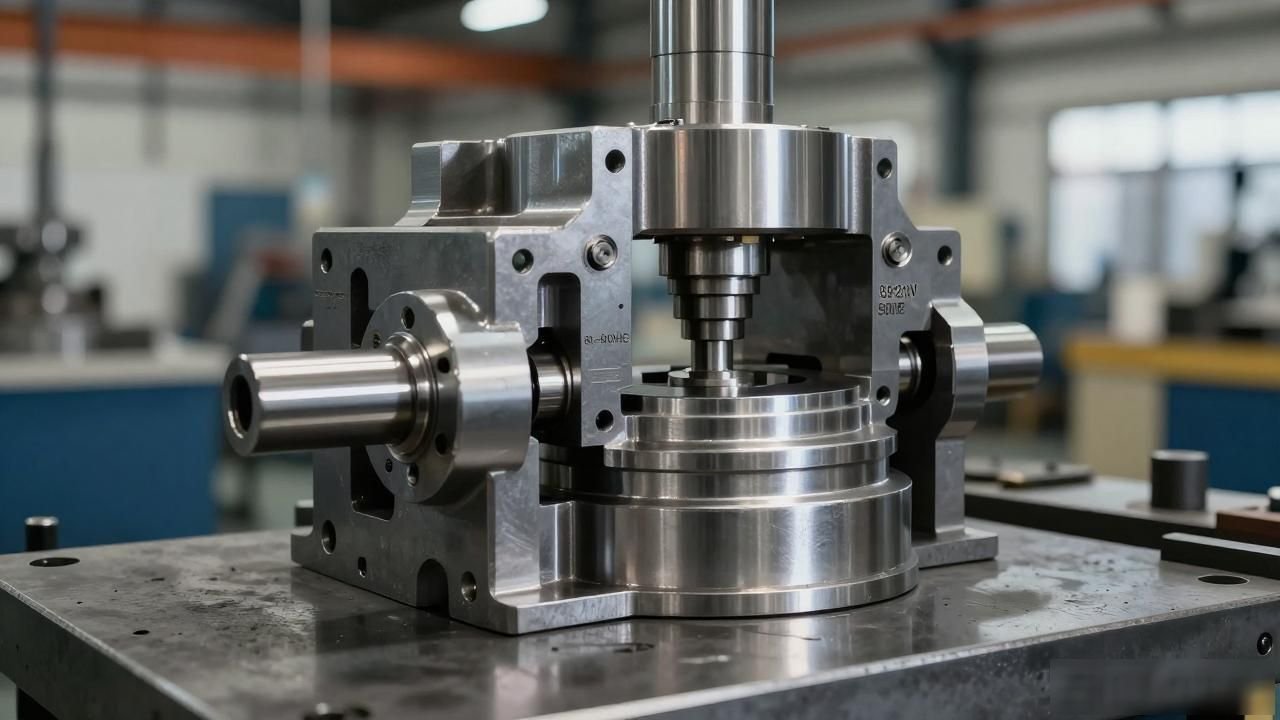
    The shape and size of the final part are determined by the mold. The stamping mold is like a seal. Materials can be placed into it and the finished product can be made after pressing. The mold is usually made of high-strength steel and its service life can reach hundreds of thousands of stamping times.

    小五金零件加工冲压工艺_冲压件钢板加工_小五金加工工艺

    Well-designed molds can accurately control the accuracy of parts within the wire-level error range. Parts vary in complexity and require different mold structures. Simple parts use single-process molds, while complex parts use multi-station continuous molds. This is the corresponding adaptation method.

    Products widely used

    小五金加工工艺_小五金零件加工冲压工艺_冲压件钢板加工

    Stamping parts can be seen everywhere in daily life. The reinforcing ribs of car doors and bumper brackets are typical products of stamping. The shell of the rice cooker and the panel of the washing machine are also processed and manufactured using the stamping process.

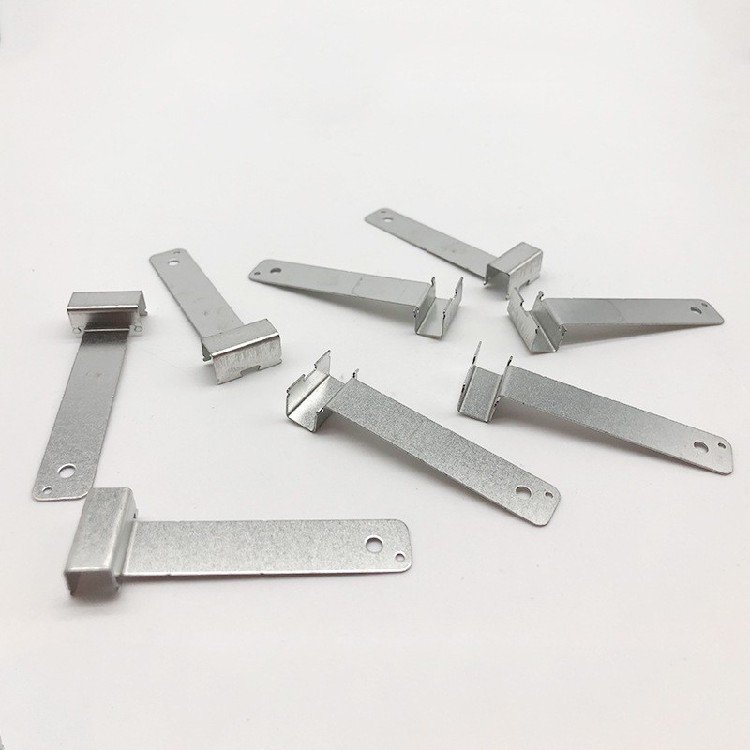
    Stamping parts are also indispensable in the industrial field. Small hardware parts such as screws and washers, electrical connectors, and motor silicon steel sheets are almost all mass-produced through the stamping process. Although these parts are small in size, they are related to the overall performance of the equipment.

    Quality inspection process

    Product quality must be strictly controlled, and dimensional inspection is the first step. Tools such as calipers, micrometers, and three-dimensional coordinate measuring machines must be used to ensure that the geometric dimensions of each part can strictly comply with the requirements specified in the drawings.

    Surface quality inspection cannot be ignored either, with the help of visual inspection and roughness meter measurement to ensure that the appearance of the parts meets the requirements. At the material performance level, hardness testing and tensile testing will be carried out to verify whether the mechanical properties of the material meet the standards.

    Industry development status

    小五金零件加工冲压工艺_小五金加工工艺_冲压件钢板加工

    The small hardware processing industry is a very important part of the modern manufacturing industry. With the continuous development of intelligent manufacturing, automated stamping production lines have become more and more popular, and production efficiency has continued to improve. A number of domestic professional processing plants have the ability to produce high-precision, high-volume products.

    In the market, the precision requirements for stamping parts are getting higher and higher. In the fields of new energy vehicles and consumer electronics, they have strong demand for thin plate stamping parts. This industry is developing in a more precise and efficient direction, and its technical level has also maintained a state of continuous improvement.

    Technology development trends

    In the future that has already arrived and continues to advance, the stamping process will continue to develop in the direction of intelligence. CNC punch machines and automatic feeding systems will cooperate with each other to achieve continuous unmanned production. CAE software has also begun to be widely used in mold design to optimize the overall stamping process, thereby reducing the cost of trial and error, with complete punctuation.

    The applicable scope of the stamping process has been expanded due to the application of new materials. The materials formed by stamping include high-strength steel, aluminum alloy, stainless steel, etc. These new materials can meet the requirements of different working conditions, such as lightweight, corrosion resistance, etc.

    If you have any other questions about the stamping process, please leave a message in the comment area to discuss. If you think this article is helpful to you, remember to like and share to support it!

  • Machining Center Cutting Tools And Application Knowledge

    Machining Center Cutting Tools And Application Knowledge

    Machining center cutting tools and application knowledge

    The root cause of poor CNC machining accuracy is often not caused by the program, but by the "cutting corners" in the tool itself.

    Tool geometric accuracy must meet standards

    The cutting edge profile accuracy will have a direct impact on precision machining, causing the final surface quality to change. Once the grinding process is not accurate enough, radius deviation will exist, and the machining size will be out of control.

    In the actual production process, a large number of manufacturers only focus on the tool coating and material, but completely ignore the geometric accuracy of the cutting edge. There is a situation where if the accuracy of the tool does not meet the corresponding standards, no matter how well the CAM path is set, it is impossible to process products that meet the qualified requirements.

    Control radial runout error

    The overhang length of the tool holder must be within the specified range, and the overhang length of the tool system must also be within the specified range. This is a prerequisite for ensuring the smooth operation of the spindle. Regarding radial runout error machining center cutting tools and application knowledge, separate inspections must be carried out at the tool holder and at the cutting edge.

    CNC铣削刀具路径类型_保证刀具径向跳动误差最小方法_高速切削刀具几何精度

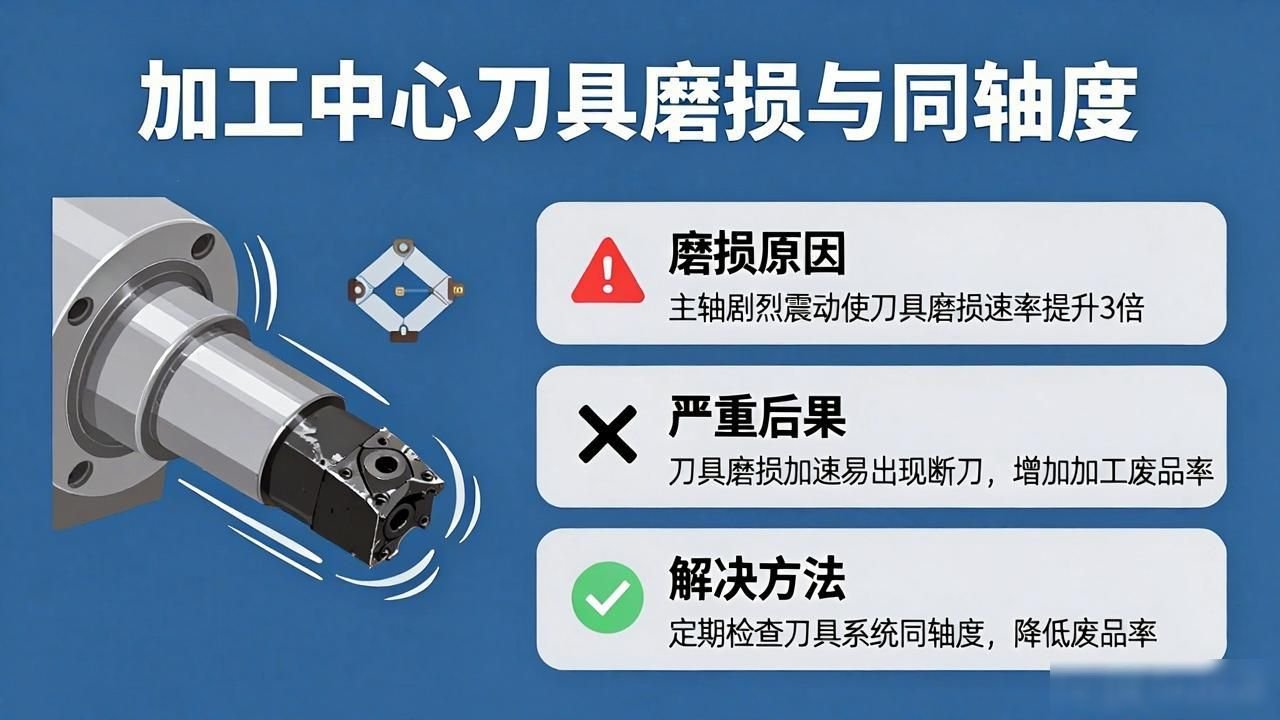
    Severe vibration of the spindle will be caused by excessive runout, which will accelerate tool wear and even cause tool breakage. Regular inspection of the coaxiality of the tool system is an effective means to reduce the scrap rate.

    Choose the right cutting tool

    The first thing to do is to analyze the workpiece material characteristics, which include key measurement criteria such as hardness, flexibility, heat conduction performance, etc. CNC milling tool path type , and then select the tool. Different types of materials have greatly different requirements for tool materials and coatings.

    Secondly, it is necessary to take into account the requirements of the processed surface quality, the accuracy level, and the production cost budget. Under the premise of meeting the process requirements, only by selecting the most cost-effective tool solution can we create the greatest value for the enterprise.

    High speed cutting parameter calculation

    There are three important formulas, which belong to the category of high-speed cutting and are used to calculate cutting speed, feed , CNC milling tool path type , and material removal rate. Mastering these formulas is the basis for reasonably setting processing parameters.

    Many programmers set parameters at will based on experience. As a result, either the efficiency is low or the tool life is short. The correct calculation method can more than double the processing efficiency and significantly extend the service life of the tool.

    Analysis of key processing parameters

    高速切削刀具几何精度_保证刀具径向跳动误差最小方法_CNC铣削刀具路径类型

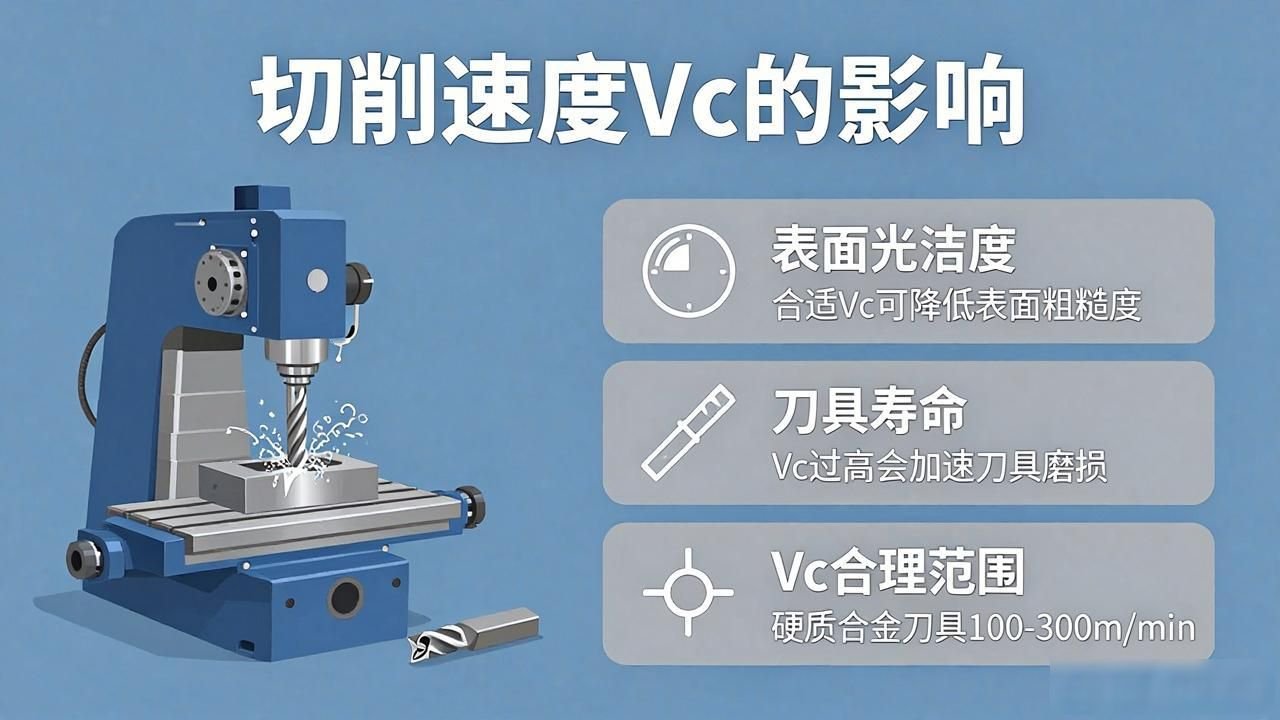
    The cutting speed Vc of the recommended value provided by the tool supplier is the most core parameter. It can also refer to experimental data, or based on the accumulation of self-built databases. The Vc value will have a direct impact on surface finish and tool life.

    Deff CNC milling tool path type , which is the effective tool diameter, and fz, which is the feed per edge, are also of importance that cannot be ignored. ap, which is the axial feed amount, and ae, which is the radial feed amount, need to be comprehensively determined based on the spindle rigidity, tool strength and material properties, and cannot be set arbitrarily.

    S136 Material Cutting Test

    This test uses a tool with a diameter of 10mm, six edges, and is coated with TiAlN coating to verify the cutting ability of S136 mold steel. The data obtained from the test can provide a reference for processing similar materials.

    After actual testing, it has been verified that it is necessary to accurately set parameters, select precise tools, and continuously adjust and optimize parameters during different working conditions to successfully find a most suitable processing plan. The true meaning of this conclusion is the importance of parameter setting and tool selection.

    In the actual machining process, have you ever encountered the problem of too much tool vibration, causing the tool to vibrate? You are welcome to leave a text about your experience and solutions. If you think it is useful, please like it and forward it to more practitioners in the same field!

  • Two Milling Paths On Drilling And Milling Machines: The Difference Between Circumferential Milling And End Milling

    Two Milling Paths On Drilling And Milling Machines: The Difference Between Circumferential Milling And End Milling

    Two milling paths on drilling and milling machines: the difference between circumferential milling and end milling

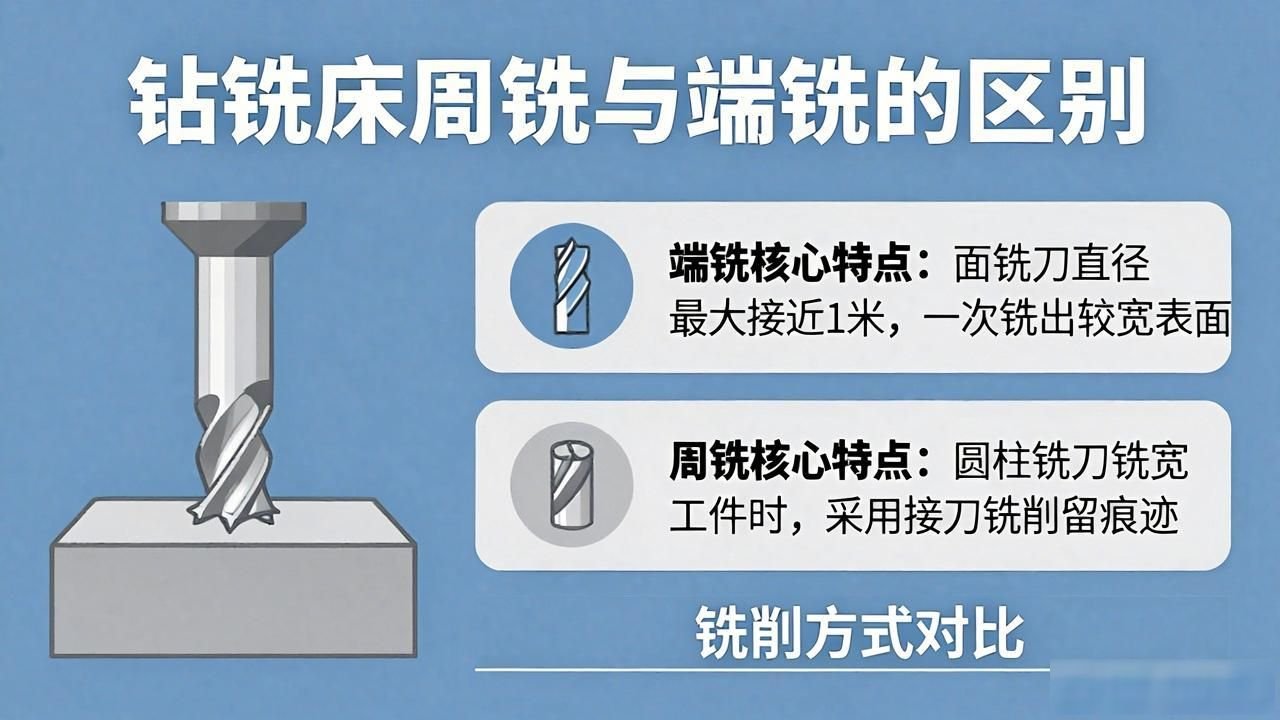
    Circumferential milling and end milling are the two most common CNC milling tool path types on drilling and milling machines. Many novices are confused about which one to use.

    Principle of circumferential milling method

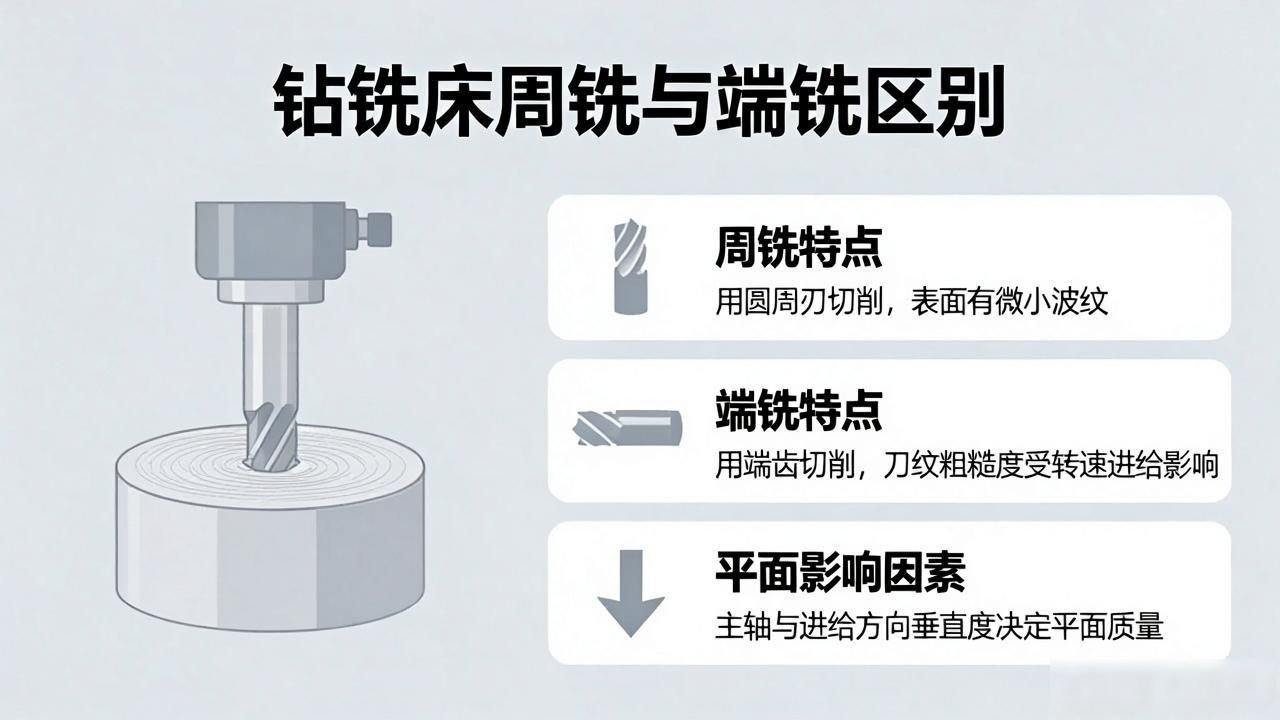
    Circumferential milling, which uses the cutting edge on the circumference of the milling cutter to perform processing, is also called peripheral milling. Because the cylindrical milling cutter has multiple teeth, the milled plane will have extremely small ripples.

    The quality of cylindricity will have a direct impact on the specific flatness of the milling plane, and this is a feature of circumferential milling.

    Principle of end milling method

    The method of using the teeth at the end of the end mill for processing is called end milling, which is also called end edge milling. It uses the tip on the end face of the milling cutter to create a plane, thus leaving tool marks on the machined surface.

    CNC铣削刀具路径类型_钻铣床铣削方式对比_钻铣床周铣端铣区别

    The roughness of the tool pattern is related to factors such as rotation speed and feed speed. The perpendicularity of the spindle axis and the feed direction of the workpiece will also play a decisive role in the quality of the milling plane.

    Rigidity comparison between the two methods

    The face milling cutter has a short tool shank, good rigidity when clamped, a large number of cutter teeth, and low vibration. The cylindrical milling cutter has a long tool shank, a small shaft diameter, and equally small cutter teeth, which are prone to bending deformation and thus vibration.

    This difference directly affects the stability and surface quality of the two processing methods.

    Carbide blade applications

    Face milling cutters that are easy to install carbide inserts for high-speed milling have high production efficiency and good milling quality. For cylindrical milling cutters that are difficult to insert carbide inserts, this limits their application scope.

    High-speed milling is the mainstream direction of modern machining. CNC milling tool path type . There are two milling paths on drilling and milling machines: the difference between peripheral milling and end milling. Face milling has obvious advantages in this aspect.

    The difference in processing width

    CNC铣削刀具路径类型_钻铣床铣削方式对比_钻铣床周铣端铣区别

    Face milling cutters with a maximum diameter of almost one meter can mill a relatively wide surface in one pass. When cylindrical milling cutters are used to mill workpieces with relatively large widths, they are generally milled with the tool connected, which will leave traces of the tool connected.

    The difference in effect between one-time molding and multiple-joint CNC milling tool path types is clear at a glance.

    How to choose actual processing

    The use of cylindrical milling cutters with large blade angles is helpful for milling difficult-to-machine materials. Taken together, the processing quality of end milling is higher than that of circumferential milling, and the production efficiency is also higher than that of circumferential milling. When processing flat surfaces, end milling is generally used.

    6.jpg

    However, complex processing such as steps and grooves often requires two methods to be used together. When it is actually used, the key is to be flexible in choosing.

    Are you engaged in machining work, or are you in the process of learning milling and drilling operations? Which milling method is most frequently used?

  • Stamping Parts Mold Processing, Deep Drawing, Anti-wrinkle Edge Pressing, Stainless Steel Hardware Manufacturing

    Stamping Parts Mold Processing, Deep Drawing, Anti-wrinkle Edge Pressing, Stainless Steel Hardware Manufacturing

    Stamping parts mold processing, deep drawing, anti-wrinkle edge pressing, stainless steel hardware manufacturing

    When engaged in processing small hardware parts, the stamping process and the bending process are the two most critical production processes. If you can master these two technologies proficiently, you can not only improve product quality, but also effectively control production costs.

    Equipment application fields

    Metal bending processing is widely used in mechanical equipment manufacturing. Chassis, brackets, shells and other components must be bent and formed. Many of these parts of different sizes have very high precision requirements, which will directly affect the overall performance and service life.
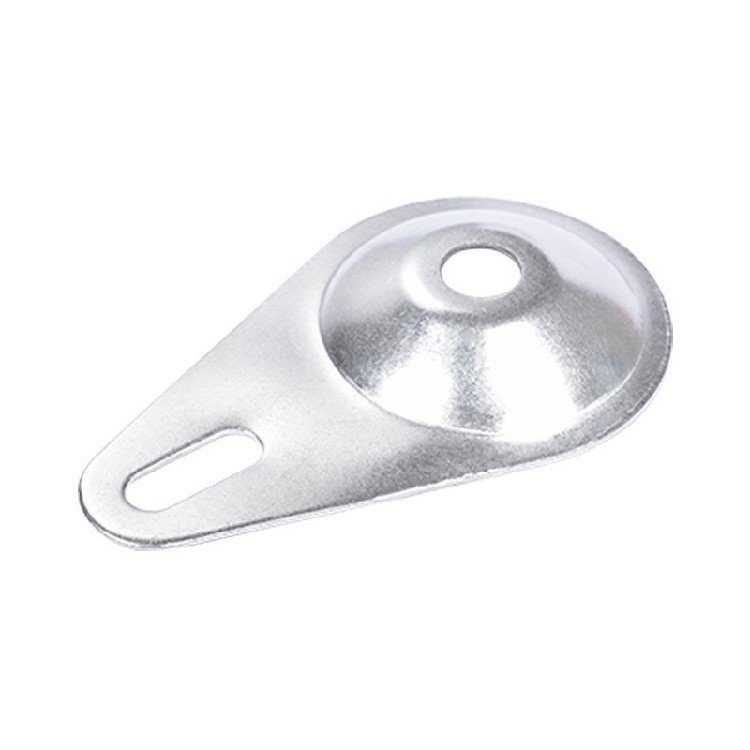
    小五金零件加工冲压工艺_金属折弯加工应用领域_冲压件优点与材料

    The field of architectural decoration also relies on the bending process. Decorative parts such as metal curtain walls and door and window frames are shaped into specific shapes by bending. These products focus on appearance quality and dimensional stability, and often use stainless steel or aluminum alloy materials.

    In the field of automobile manufacturing, many bending and stamping parts are used. Body parts and chassis parts all require high-precision molding. In the electronic and electrical industry, bending parts are often used to manufacture products such as cabinets and heat sinks, which have specific requirements for conductivity and heat dissipation performance.

    Stamping process advantages

    The stamping process is suitable for mass production. It has a high proportion of automation and can achieve continuous and rapid operation. A stamping production line can produce hundreds or even thousands of products per hour, which significantly improves production efficiency and reduces the cost of a single piece.

    When stamping, the outstanding feature is that the mold precision is very high, and it can also ensure that the dimensions of the parts are consistent. If stamped objects are mass-produced, the errors produced can be controlled within the range of millimeters, thereby meeting the requirements of precision assembly, and they can be used directly without additional processing.

    If the material utilization rate is high, it means less waste. When the stamping layout design is reasonable, the material utilization rate can reach more than 70%. Not only that, this not only reduces the cost of raw materials, but also reduces the waste of materials in the production process.

    The surface of the stamping parts is smooth and its strength is relatively high. During the forming process, the material undergoes cold work hardening, and the hardness and strength of the parts are improved. The surface quality of the finished product is good. In most cases, it can meet the requirements of use without subsequent processing.
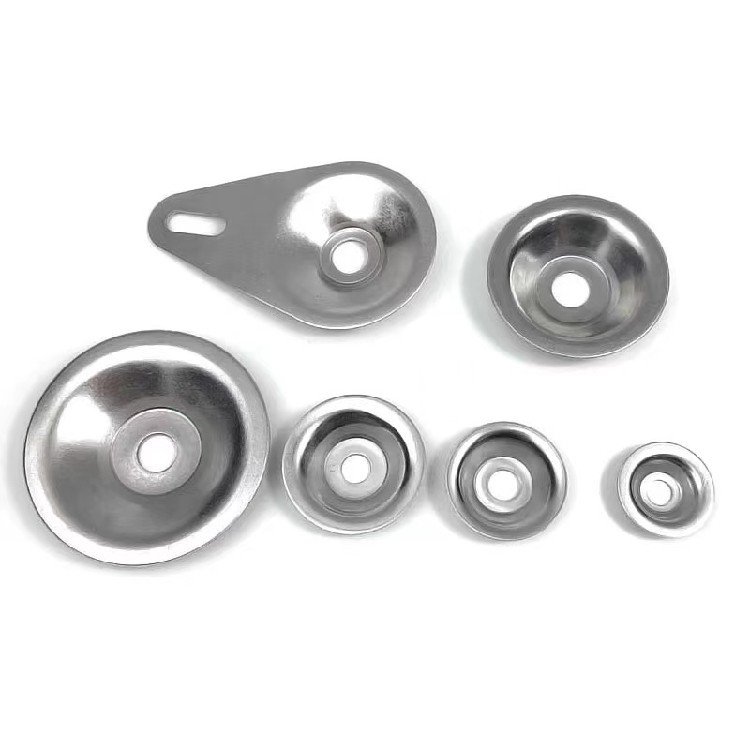
    金属折弯加工应用领域_小五金零件加工冲压工艺_冲压件优点与材料

    Common material types

    小五金零件加工冲压工艺_冲压件优点与材料_金属折弯加工应用领域

    Among the materials used for stamping, ordinary carbon steel plates such as SPCC and SPHC are extremely commonly used. They are inexpensive, have good processing performance, and can be suitable for the manufacture of most conventional parts. The hardness of this type of material is moderate, and it is not prone to cracking even during bending and stamping operations.

    There is a kind of material, which is made of stainless steel and has good corrosion resistance. It is often used in parts that require anti-rust. Its common grades include 304, 316, etc. Although the cost of this material is relatively high, it shows excellent performance in use in harsh environments, especially its surface finish is relatively high.

    In corresponding fields that have strict requirements on weight and are generally sensitive to weight, such as aviation and automobiles, we often see a type of material being used in manufacturing. This type of material is aluminum alloy, which has good performance in terms of processing performance and good heat dissipation performance, and it is only one-third the weight of the density of steel.

    Copper and copper alloys with particularly excellent electrical conductivity are ideal materials for electronic parts. Brass, copper and other materials are easy to process and shape, and are often used to make electronic hardware such as conductive terminals and connectors.
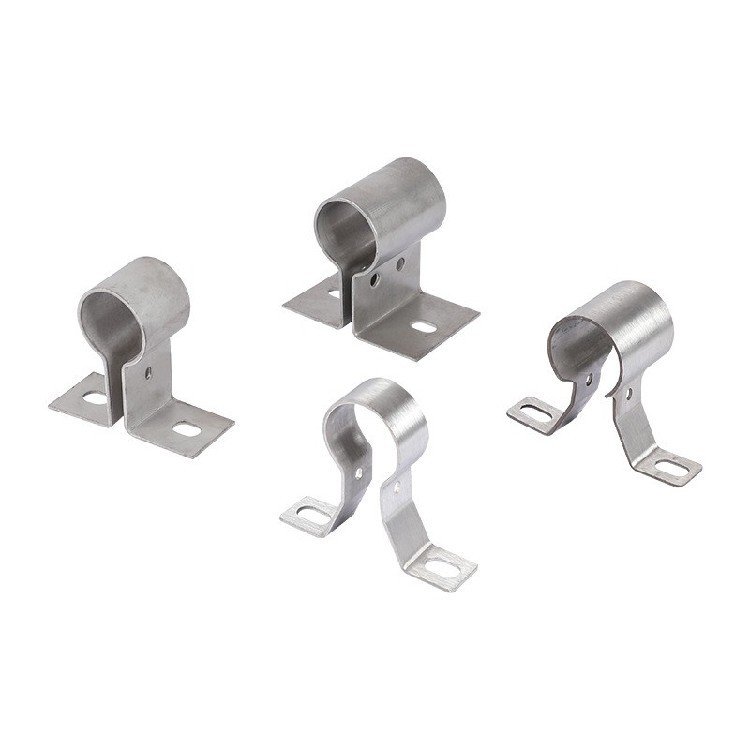
    金属折弯加工应用领域_小五金零件加工冲压工艺_冲压件优点与材料

    Characteristics of deep drawing process

    The process of pressing a flat blank into an open hollow part through a mold is stamping and drawing. In this process, the material undergoes plastic deformation under the action of pressure, gradually transforming from a flat surface into a three-dimensional shape.

    Deep-drawn parts can create complex geometric shapes, such as cylindrical shapes, conical shapes, box-like shapes, etc. With the help of appropriate mold design and process parameter control, the molding and production of various complex structures can be achieved.

    As a key conspicuous feature of the deep drawing process, uniform wall thickness can be achieved by optimizing the mold structure and blank holder force to maintain the wall thickness of each part of the part at the same level. Wall thickness distribution with uniform properties is beneficial to improving the overall strength of the part and extending its service life.

    There is a situation where the surface quality of the deep-drawn parts is good and the production efficiency is at a high level, so it is suitable for manufacturing in large quantities. Under this situation, common products include automobile body parts, fuel tanks, pots, battery cases, etc. These products are widely used in home appliances, automobiles, and even aerospace and other fields.

    Quality control points

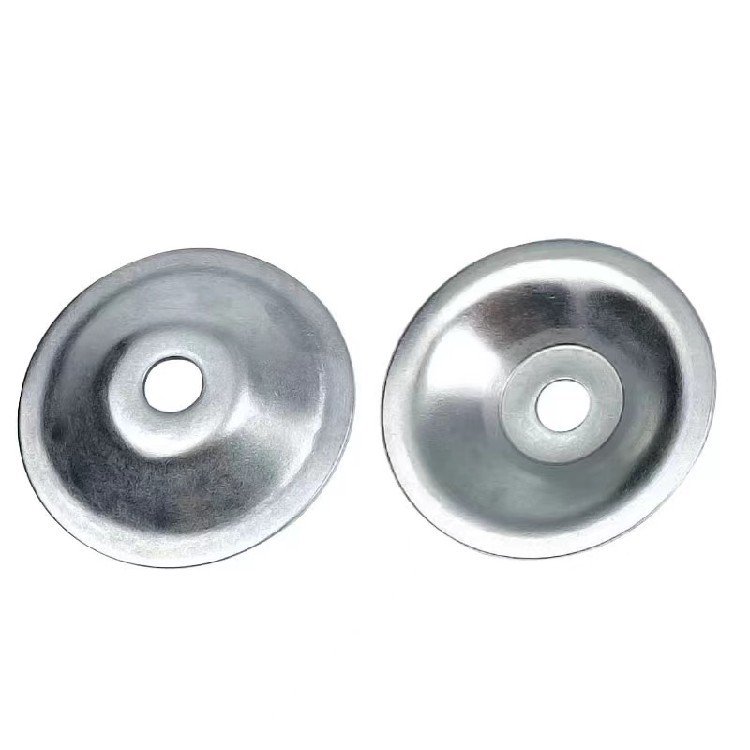
    For bending used for processing, for placement, the metal sheet or profile to be processed needs to be placed on the applied bending machine, and then the corresponding position is aligned with the line where the bending can occur; then the equipment is used to apply pressure, so that the material can achieve plastic deformation along the bending line. The key link is to control the bending angle and depth, which is important to ensure quality.
    金属折弯加工应用领域_冲压件优点与材料_小五金零件加工冲压工艺

    冲压件优点与材料_金属折弯加工应用领域_小五金零件加工冲压工艺

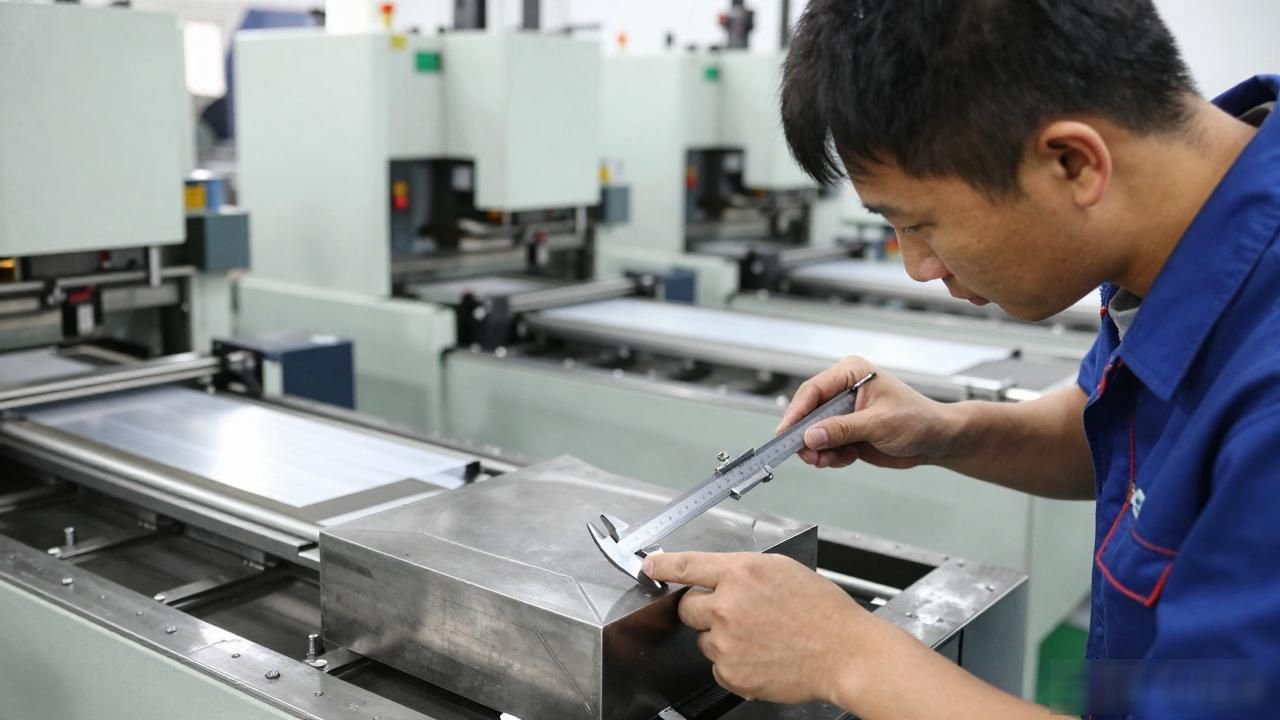
    During quality inspection, measuring tools such as angle rulers and calipers should be used to measure the dimensions and angles after bending to ensure compliance with tolerance requirements. The inspection of surface quality is also important, and it is necessary to confirm that there are no defects such as cracks, scratches, etc.

    Material characteristics need to be considered to adjust bending parameters. Different metal materials have differences in bending performance. During operation, parameters such as bending pressure and speed must be adjusted according to the ductility and hardness of the material to avoid cracks or fractures.

    In bending processing, springback phenomenon is a problem that requires special attention. Metal materials will have a certain amount of springback after bending. It is necessary to reserve an amount of springback during design, and use trial bending to adjust the mold and pressure to ensure that the final angle meets the requirements.

    Safe operating practices

    For bending processing, attention needs to be paid to the selection of the bending radius. If the radius is too small, it may easily cause the material to crack. Generally speaking, the bending radius should be greater than 1 times the material thickness. The specific value needs to be determined based on the thickness and hardness of the material in order to ensure the quality of molding.

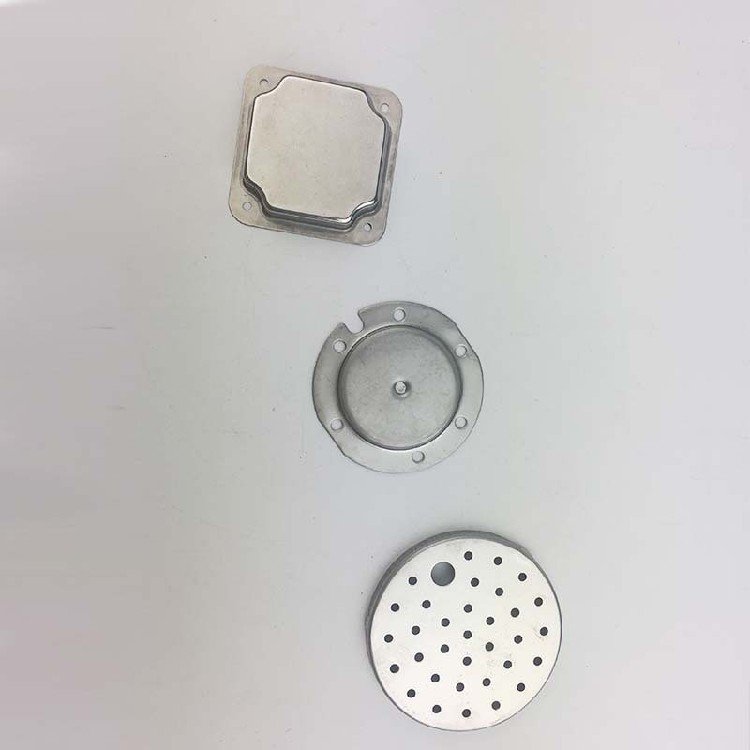
    The selection of equipment and molds will directly affect the quality of the product. You must choose the appropriate bending machine and mold based on the size and shape of the product. To ensure the accuracy and durability of the mold, you need to check the mold wear status regularly to prevent mold problems from affecting the processing quality.
    小五金零件加工冲压工艺_冲压件优点与材料_金属折弯加工应用领域

    Different bending methods are suitable for different occasions. Most metal sheets are suitable for V-shaped bending, U-shaped bending is suitable for workpieces with larger bending radius, and Z-shaped bending is suitable for multiple processing of complex shapes.

    Crimp bending is often used to enhance edge strength or improve appearance. It achieves specific functions by curling the edge of the board. In terms of safe operation, operators need to wear protective equipment such as gloves and goggles to ensure the smooth operation of the equipment.

    In fields such as electronics, automobiles, medical equipment, aerospace, etc., precision hardware is widely used. It has the characteristics of high precision, strong reliability, and corrosion resistance. These seemingly small parts play an indispensable role in the equipment and also play an indispensable role in the product.

    In the electronics industry, smart devices such as mobile phones and computers use a large number of precision hardware as connectors and fixings. The automotive industry uses them for key components such as engines, gearboxes, and sensors. The fields of medical equipment and instrumentation have stricter requirements on the accuracy and reliability of parts.

    If you encounter any quality problems during sheet metal processing, please feel free to share your personal experiences and problems in the comment area.

  • Selection Of Tool Path For CNC Milling Surface Processing

    Selection Of Tool Path For CNC Milling Surface Processing

    Selection of tool path for CNC milling surface processing

    The core of curved surface processing lies in the tool path

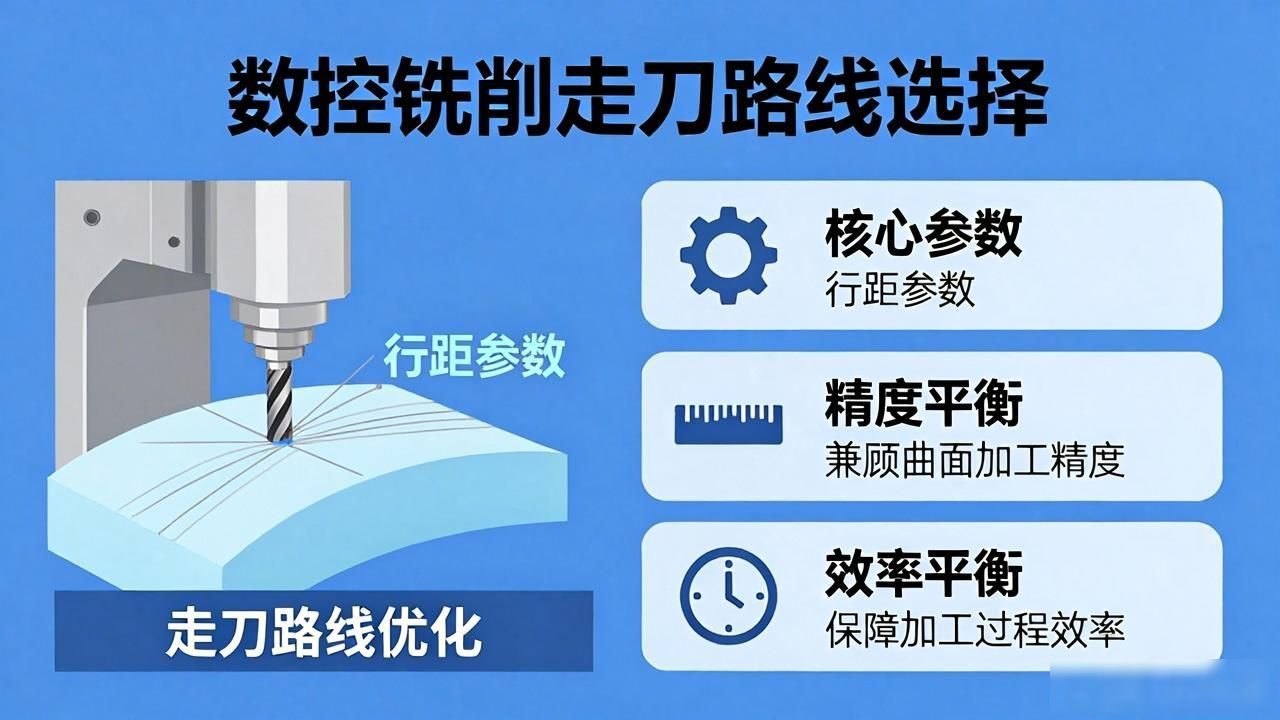
    When using CNC milling for processing, the processing quality of the curved surface is largely determined by the design of the feed route. A reasonable tool feeding method can make the surface of the part smoother and at the same time reduce the wear of the tool.

    When processing different surface types, the appropriate route should be selected based on the characteristics of the surface. There are differences between the processing methods of ruled surfaces and free-form surfaces. Only by choosing the right method can we achieve twice the result with half the effort.

    Two options for ruled surface line cutting methods

    The boundaries of ruled surfaces are generally open, and during processing, ball-nose cutting methods are mostly used. The tool position point trajectory of this method presents the distribution state of line cutting CNC milling tool path type , and the line spacing is set according to the machining accuracy requirements.

    The first solution is that the tool path is perpendicular to the curved direction of the surface; each time the tool is moved along a straight line; this method has the characteristics of simple calculation of tool position points; it has few program segments; it can ensure the straightness of the busbar.

    CNC milling曲面进给路线_直纹曲面加工路线选择_CNC铣削刀具路径类型

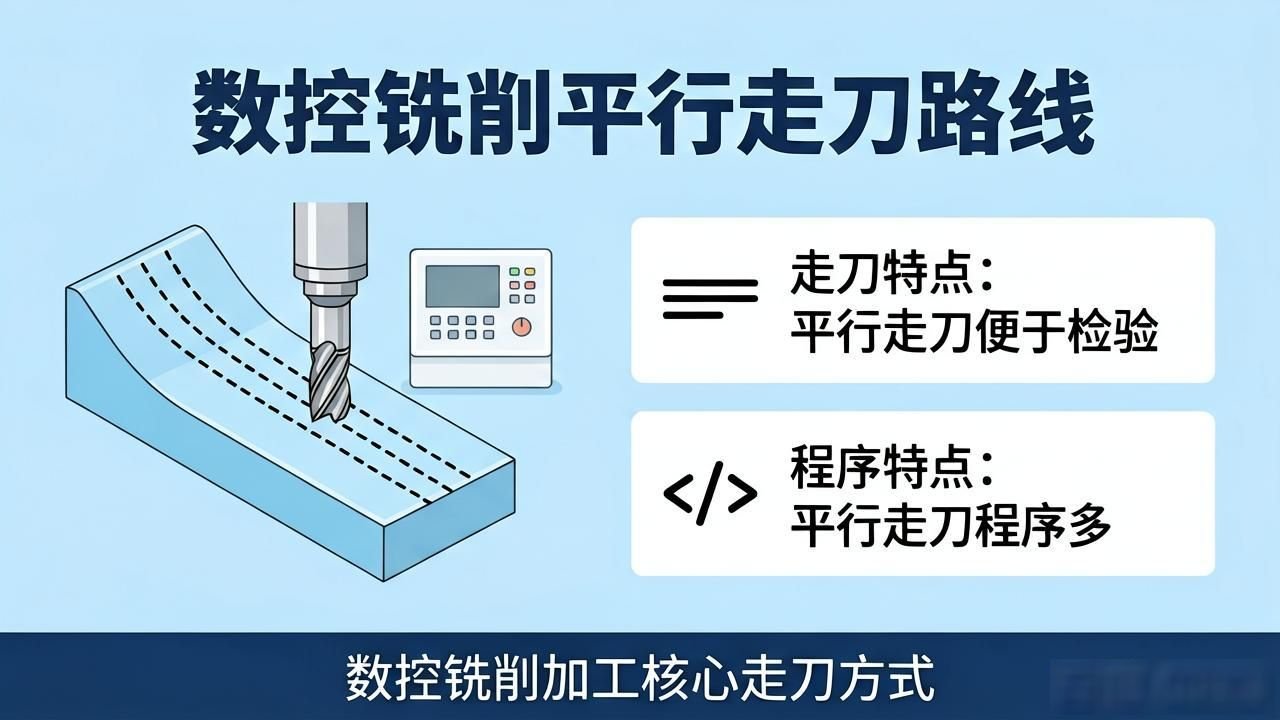
    Parallel tooling facilitates inspection but requires many procedures

    CNC milling

    The second solution is used to make the tool path parallel to the curved direction of the curved surface. Its advantage is that it facilitates subsequent inspection and has high processing accuracy, but the number of program segments will significantly increase.

    Because the ruled surface boundary is an open CNC milling tool path type , so the surface can extend, the ball end cutter should start cutting from outside the boundary. This will prevent the tool from cutting directly from the edge and causing damage.

    Two-axis semi-linked processing of curved surface contours

    When processing curved surface contours, the milling method must be selected based on the shape of the tool, the shape of the curved surface, and accuracy requirements. Among them, the most commonly used method is the line cutting method that can implement linkage of two coordinates in three coordinates.

    This method will treat any two axes constituting the X, Y, and Z axes as linked interpolation axes, while the third axis will perform periodic feed alone. The X direction will be divided into multiple sections for CNC milling surface machining path selection. The ball-end milling cutter will perform milling according to the curve intercepted along the YZ plane.

    CNC milling曲面进给路线_CNC铣削刀具路径类型_直纹曲面加工路线选择

    The line spacing parameter must take into account both accuracy and efficiency.

    Whenever a section of processing is completed, the ΔX distance is fed, and then cutting work is carried out on the adjacent curves, and the entire curved surface is processed in this order. When selecting ΔX, surface roughness and cutter head interference issues need to be taken into consideration.

    When using a ball end mill, the cutter head radius should be selected as large as possible, which is good for heat dissipation. However, the tool tip radius must be smaller than the minimum curvature radius of the curved surface, otherwise it will cause overcutting.

    When programming ball-nose cutters, attention should be paid to residual lines.

    When using a ball end milling cutter to process a curved surface, the tool center trajectory data is usually used for programming. In view of the changing trend of surface curvature, the position of the cutting point has been changing, showing continuity and finally forming a spatial curve.

    In one case, the line connecting the cutting point to the surface will generate distorted residual grooves, and such a path is suitable for situations where the curvature changes little, and is suitable for CNC milling tool path types in rough machining conditions with low accuracy requirements. At the same time, the programming calculation of this path is relatively simple.

    During actual machining, what kind of surface cutting problems have you encountered? Welcome to show your experience in the comment area!

  • recruitment

    recruitment

    recruitment

    Located in prime location of Dalian

    The Nangang Industrial Zone in the Dalian Development Zone is now home to a large number of shipbuilding companies. Among them, Oulun Shipbuilding is a representative company of the emerging Sino-European joint venture. The company was founded in 2006 with a registered capital of US$5 million. Over the past ten years, its assets have steadily increased and its development momentum has been very strong.

    There is a factory area that rivets and welds the entire hull of small boats . It covers an area of ​​20,000 square meters of modern factory buildings, and is also equipped with standardized office buildings and a dedicated shoreline pier, which can dock aluminum boats under 60 meters. All kinds of production equipment, process equipment, and testing instruments are available, and the hardware conditions are at the forefront of the industry.

    Gathering Chinese and Western design talents

    Oulun Shipbuilding invited senior designers from France, senior construction supervisors from Germany, senior designers from Australia, senior construction supervisors from New Zealand and other related personnel from many countries, and combined them with outstanding designers imported from China, and then merged the construction team with senior technicians imported from China. Such a talent structure that combines Chinese and Western talents to manufacture the entire hull of small boats by riveting and welding has led to continuous innovation and improvement in ship design, as well as continuous innovation and improvement in appearance and hydrodynamic performance.

    大连欧伦船业_小型船艇整体船体铆焊制造_欧伦(大连)船业有限公司

    Europe's mature shipbuilding concepts and technical standards have been brought about by the addition of foreign experts. The recruitment of local teams is more familiar with the needs of the domestic market and process conditions. After the combination of the two, the quality and reliability of the products have been effectively improved, and customer feedback has been good.

    Using internationally certified materials

    The entire boat is made of aluminum-magnesium alloy plates certified by the French BV classification society. All marine products are supplied by selected manufacturers recognized by international classification society member organizations. Various series of products consisting of electronic devices, outfitting parts, hardware, etc. have complete specifications and can be tailor-made according to the individual needs of customers.

    The company also supplies outboard engines belonging to world-famous brands, as well as gasoline and diesel inboard engines, as well as related accessories to meet customers' different power configuration needs. Such a one-stop purchasing model saves time and cost for customers, and also ensures the quality consistency requirements of the entire ship.

    Establishing international design collaborations

    The result of many efforts of Oulun Shipbuilding Industry is the establishment of strategic cooperative relationships with many internationally renowned institutions such as the French Mer et Design Institute, the New Zealand Naiad Design Institute, and the New Zealand Roger Hill Yacht Design Institute. These cooperations enable enterprises to gain access to the most cutting-edge ship design concepts.

    The cooperation with the Norwegian Design Institute has provided the company with technical support in the field of high-end ship type development. By introducing riveting and welding manufacturing of the entire hull of small boats , digesting and accepting it, and then innovating, the company's technical level and design capabilities have continued to improve, and the competitiveness of the products themselves has also continued to strengthen.

    Products cover many types of ships

    欧伦(大连)船业有限公司_大连欧伦船业_小型船艇整体船体铆焊制造

    The company is mainly engaged in design work and is also responsible for building a series of boats, including pilot boats, tourist boats, patrol boats, rescue boats, fire boats, traffic boats and other official operation boats. At the same time, it also provides customers with customized yacht services. Ship types for different purposes have their own characteristics and requirements in design.

    Pilot boats focus on high speed and stability, tourist boats focus on comfort and viewing experience, patrol boats and rescue boats emphasize functionality and reliability, and fire boats need to be equipped with professional fire-fighting equipment. Each type of product has mature design solutions and rich construction experience.

    Adhere to pragmatic business philosophy

    Oulun Boat Industry, which adheres to European boat design standards, has a price positioning in the domestic market, making its products both high quality and cost-effective. The company follows a business philosophy that is guided by market demand, customer satisfaction is the criterion, teamwork is the cornerstone, and management technology is the guarantee, thus winning the trust of domestic and foreign customers.

    Competition in the shipbuilding manufacturing industry is extremely fierce, and this pragmatic attitude allows the company to develop steadily. The company hopes to cooperate sincerely with more customers, seek development together, and jointly innovate to create a better future. Are you interested in the aluminum boat products produced by Oulun Boat Industry? Please leave your own opinions in the comment area and communicate with us.

  • Hardware Spring Stamping Parts, Metal Stamping Parts Drawing Parts Processing

    Hardware Spring Stamping Parts, Metal Stamping Parts Drawing Parts Processing

    Hardware spring stamping parts, metal stamping parts drawing parts processing

    Material selection is the foundation

    The first step for stamping and drawing stainless steel parts is to select the right material. Common outsourced processing manufacturers will choose 304 or 316 stainless steel according to the drawing requirements. This kind of material has good ductility and is suitable for processing and stamping of small hardware parts , and is suitable for repeated deformation. If the material is not selected properly, it can easily lead to cracking or springback, which will affect subsequent processes.

    Different grades of stainless steel have significant differences in strength. The stainless steel called 201 is relatively low-cost, but its molding performance is average, and it is especially suitable for simple stretching. For home appliance casings or related automobile parts that have high requirements, materials above 304 must be used. Only in this way can the finished product be guaranteed to be in a stable dimensional state and have a smooth surface.

    Mold design determines success or failure

    冲压件拉深件不锈钢加工_小五金零件加工冲压工艺_不锈钢拉深件加工工艺

    The fillet radius and gap size of the mold can directly play a decisive role in product quality. The experience often used by outsourced processing plants is that the radius of the concave mold should be five to eight times the thickness of the plate, and the gap between the convex and concave molds should be accurately adjusted according to the material thickness. If the gap is too small, the surface will be scratched. If the gap is too large, it will wrinkle.

    不锈钢拉深件加工工艺_小五金零件加工冲压工艺_冲压件拉深件不锈钢加工

    What can improve production efficiency and life is a reasonable mold structure. Many processing plants add blank holder designs to deep drawing molds to effectively control the material flow direction. Most mold steels are Cr12MoV or SKD11. After heat treatment, the hardness reaches 58 to 60 hrc, and its wear resistance is even stronger.

    Lubrication process is essential

    During the stamping and stretching period, excessive friction is the key cause of cracks. Proper selection of lubricants can significantly alleviate die wear. Water-soluble drawing oil is suitable for rough drawing processing of stainless steel. It has good lubrication properties and is easy to clean. At this stage of fine drawing, special drawing grease is usually used. This special drawing grease has the characteristics of strong adhesion.

    The coating method of lubricant has an impact on the effect. Most automated production lines use a spray system for small hardware parts processing and stamping process to ensure that the surface of each plate can be evenly covered. During manual operation, pay attention to the control of the amount. If the amount is too much, it will cause pollution to the environment. If the amount is too little, the lubrication effect will not be achieved. It is important to clean the residue on the mold regularly.

    Parameter control should be strict

    If the stamping speed is too fast, the material will not have time to flow and cracks will occur. Experienced operators usually control the stroke speed between 800 and 1,200 times per hour. The specific value is adjusted according to the shape and thickness of the product. The pressure setting also plays an extremely important role. If the pressure is too high, the stool will easily break. If the pressure is too low, the stool will not wrinkle, but the molding will be unsatisfactory.

    The tonnage of the selected press must match the product demand. Deep-drawn parts require larger tonnage. However, the equipment must be prevented from overloading. Modern CNC punch presses are equipped with pressure sensors, which can monitor in real time and automatically adjust parameters to reduce human errors and thereby improve product consistency.

    There are ways to prevent defects

    冲压件拉深件不锈钢加工_不锈钢拉深件加工工艺_小五金零件加工冲压工艺

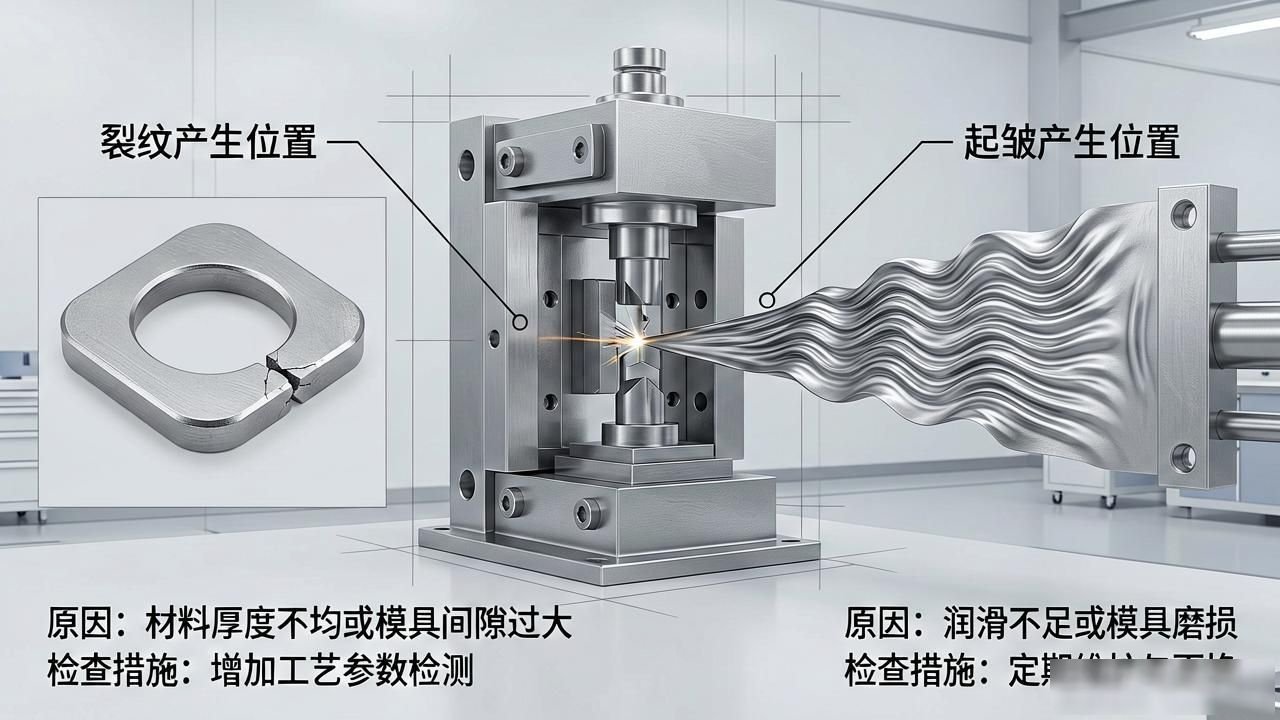
    The most common shortcomings of deep-drawn parts are cracks and wrinkles. The occurrence of cracks is generally due to the obstruction of material flow or insufficient lubrication. Hardware spring stamping parts, and metal stamping parts drawing parts processing. In this case, the die gap and lubrication status need to be checked. Wrinkles are mostly due to insufficient blank holder force or the material is too thin. In this case, the blank holder force can be appropriately increased or a thicker specification plate can be replaced.

    Springback deformation is another common situation. Stainless steel has a high elastic modulus and is prone to rebound after molding. The solution is to compensate in the mold design or add a shaping process. Some manufacturers will perform low-temperature stress relief annealing after stretching, which can effectively stabilize product dimensions.

    Quality inspection cannot be relaxed

    小五金零件加工冲压工艺_冲压件拉深件不锈钢加工_不锈钢拉深件加工工艺

    The product enters the finished product inspection stage, which is a key and important link to ensure quality. For the outer dimensions, calipers or inspection tools must be used to measure piece by piece. The stamping process of small hardware parts of products with extremely strict tolerance requirements must be inspected by the second dimension. There must be no obvious scratches, pits or rust on the product surface. The common method is to use reflective inspection.

    Before batch delivery, samples need to be retained and records must be archived. For qualified products, they must be classified and packaged according to specifications to prevent collision and deformation during transportation. Unqualified products must be scrapped or reworked in time to prevent them from flowing into the next process. A complete traceability system allows customers to purchase with confidence.

    During actual production, what kind of stamping and drawing defects have you encountered? You are welcome to share your own experience in the comment area.
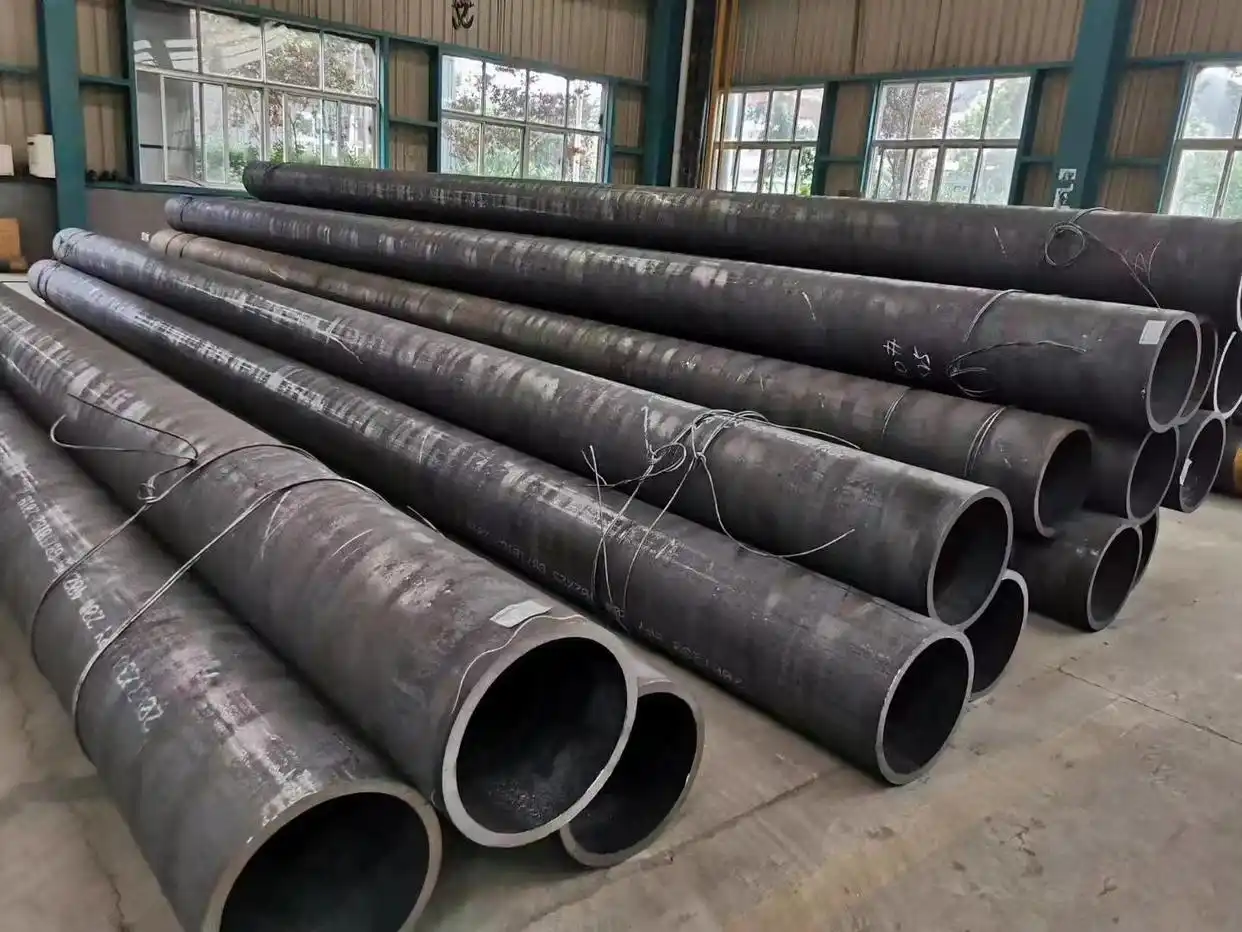
  • Shanghai Q345 Seamless Steel Pipe Has Complete Specifications

    Shanghai Q345 Seamless Steel Pipe Has Complete Specifications

    Shanghai Q345 seamless steel pipe has complete specifications

    Market demand for high-quality steel pipes

    上海Q345钢板铆焊厂家哪家质量好_高端制造业配套用无缝管_上海Q345无缝钢管

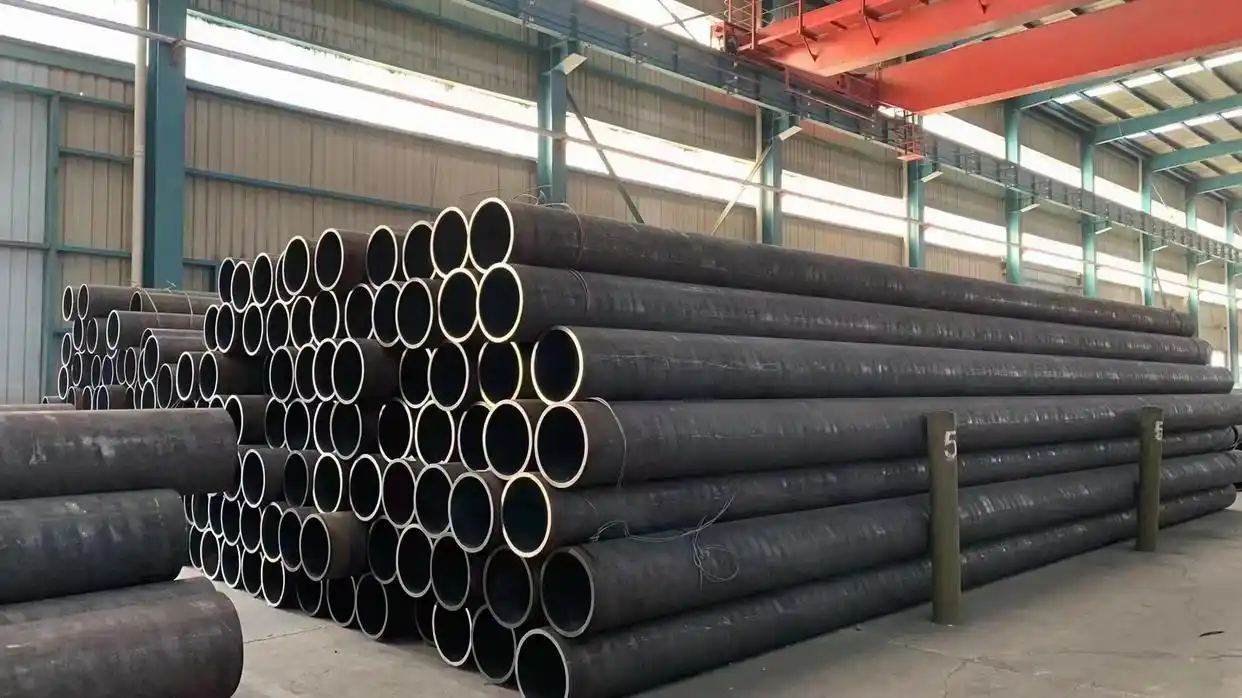
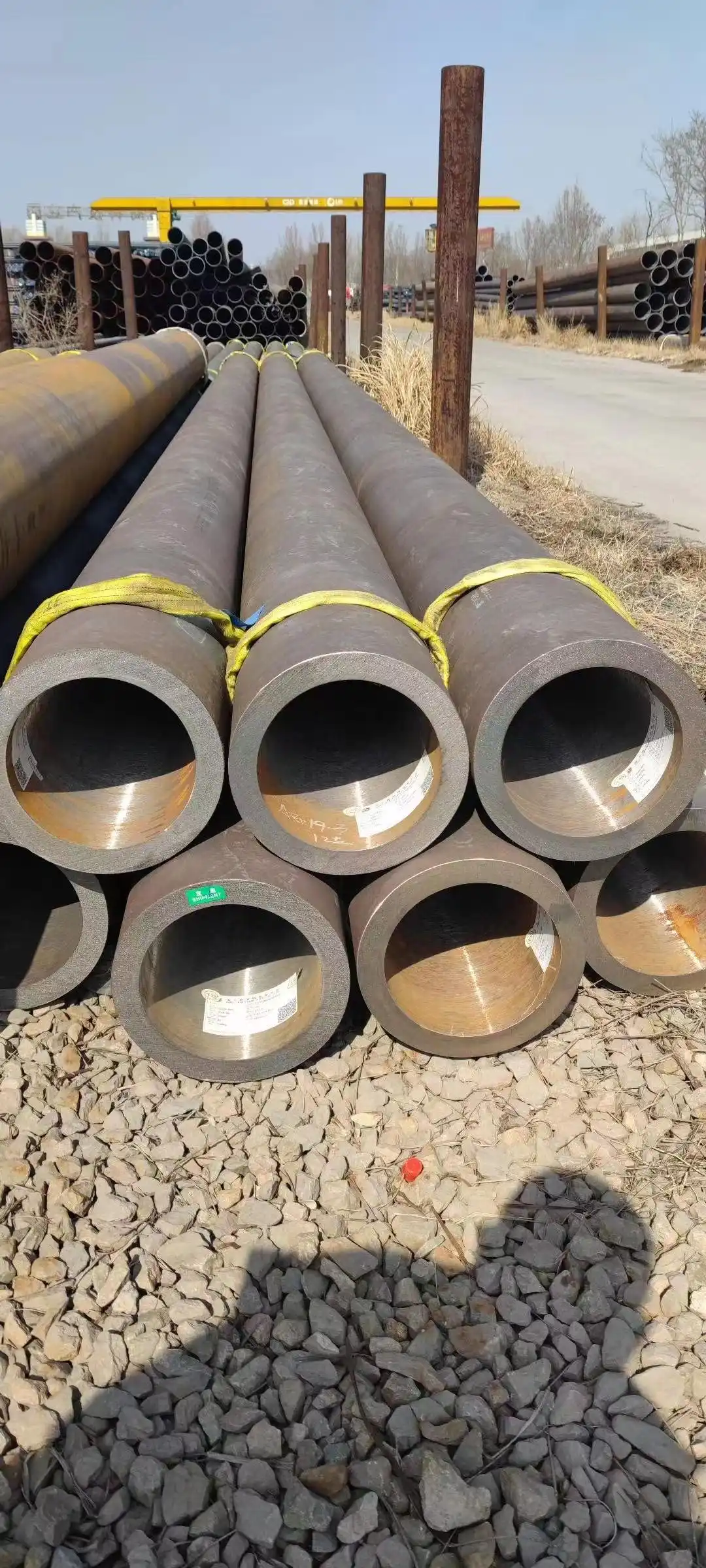
    Shanghai is regarded as an international financial and technological innovation center. The upgrading of its manufacturing industry has put forward more difficult requirements for the quality of steel pipes. As the main product of structural steel pipes, Q345 seamless steel pipes are widely used in automobiles, molds, equipment and many other fields. Purchasing policies are becoming more and more concerned about the control of chemical composition and the stability of mechanical properties.
    Phosphorus and sulfur with a content of less than 0.025% has become a basic standard for Shanghai factories. This indicator has a direct impact on the long-term reliability of steel pipes, and is also an important reference for high-end customers when selecting suppliers.

    Production technology and technical strength

    Most of the factories in Shanghai implement hot rolling process, and the continuous casting billet is rolled directly, which ensures the stability of the comprehensive mechanical properties of the product, the fluctuation range of the yield strength is narrow, and it is delivered in normalized or tempered state to meet different processing needs. Due to precision perforation and tension reduction technology, the internal and external surface quality is superior to ordinary hot-rolled pipes.

    高端制造业配套用无缝管_上海Q345钢板铆焊厂家哪家质量好_上海Q345无缝钢管

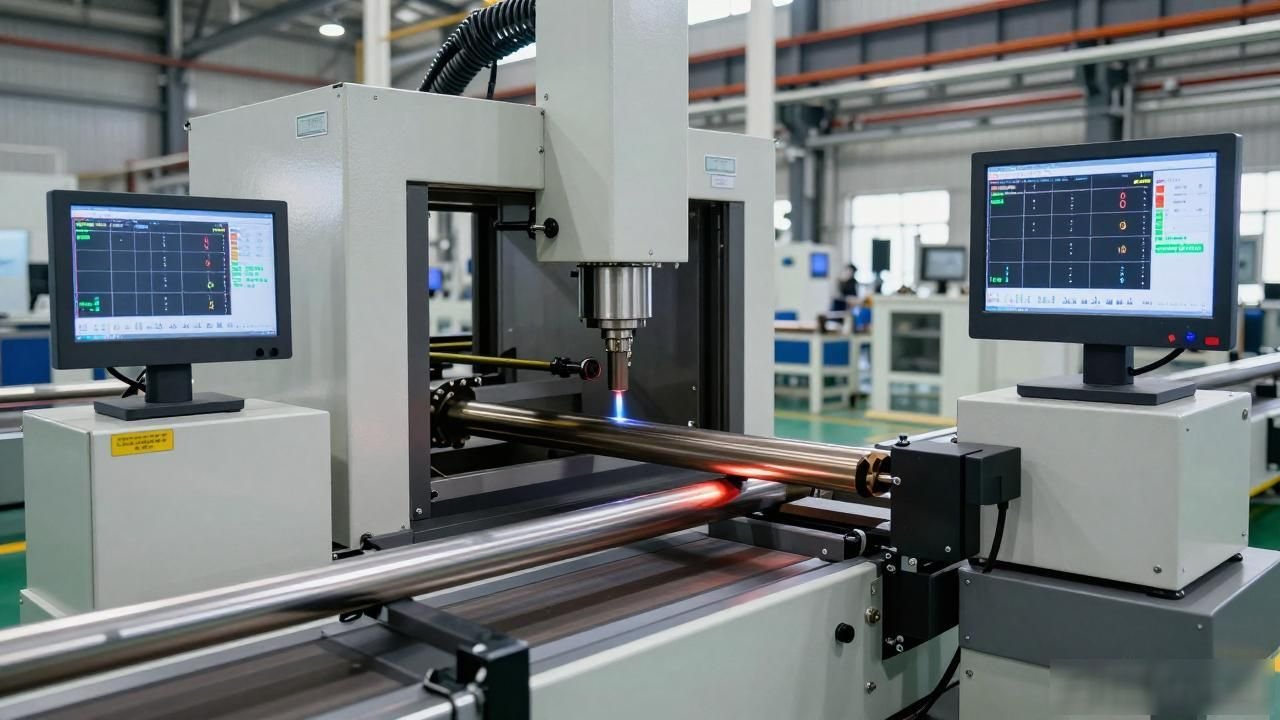
    The online detection system performs laser diameter measurement and wall thickness detection, thereby achieving real-time feedback and automatic adjustment. The dimensional consistency of each steel pipe is guaranteed, avoiding the thickness deviation problem that often occurs in traditional production, and providing a stable foundation for downstream processing.

    Certification system and international standards

    Those factories located in Shanghai that can be called excellent pay great attention to connecting with international standards. At the same time, they can also meet many standards such as EN, ASTM, and GB. A class of independent third-party certified laboratories exists that can perform impact testing, metallographic analysis, and grain size assessment. Such a type of certification capability is the most critical threshold that must be crossed to engage in export trade and high-end manufacturing supporting facilities.

    Factories with a complete certification system are more competitive when participating in international bidding. Domestic projects also attach great importance to these qualifications, because the certification itself is a strong proof of product quality and management level.

    Technical characteristics and differentiated advantages

    The factory in Shanghai has launched corresponding explorations in improving weather resistance, that is, by adding small amounts of copper and chromium elements to improve atmospheric corrosion resistance. Then, combined with the needs of the automotive industry, an inner-wall steel pipe with high cleanliness was developed, and the content of residual iron powder inside was precisely controlled at an extremely low level to avoid contamination of the hydraulic system.

    高端制造业配套用无缝管_上海Q345无缝钢管_上海Q345钢板铆焊厂家哪家质量好

    The production technology of ultra-long steel pipes with a length of at least 18 meters can be realized, which reduces the number of welded joints in the project. This feature greatly improves the structural safety and has obvious advantages in large-scale projects such as bridges and buildings.

    Regional advantages and green manufacturing

    上海Q345无缝钢管_上海Q345钢板铆焊厂家哪家质量好_高端制造业配套用无缝管

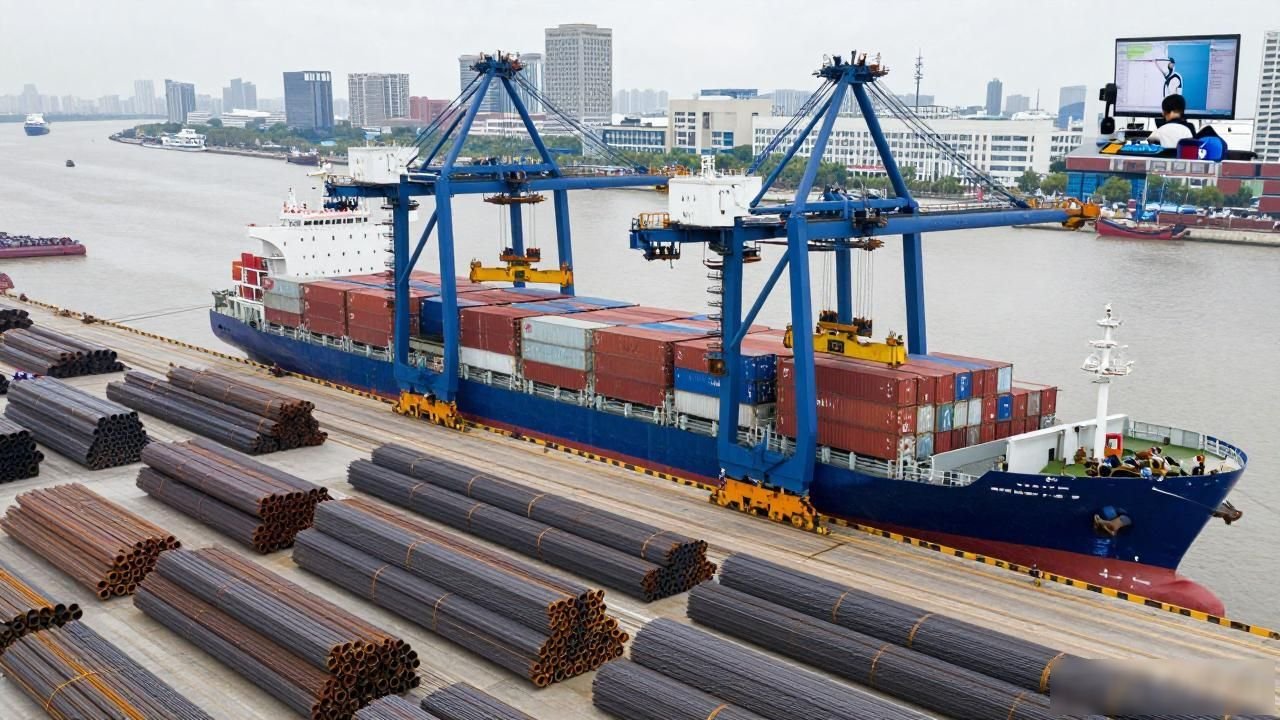
    As a global port city, Shanghai has convenient shipping conditions and a complete trade service system. Q345 seamless steel pipes can be exported to high-end markets such as Europe and North America in an efficient manner. Local universities and scientific research institutions provide technical support to the factory and cooperate in numerical simulation of rolling deformation and optimization of pass design.

    高端制造业配套用无缝管_上海Q345钢板铆焊厂家哪家质量好_上海Q345无缝钢管

    Shanghai has strict environmental regulations, which allows factories to use cleaner energy and adopt cleaner processes. The green attributes of products are increasingly valued by international customers, and have become an important selling point that differentiates them from suppliers in other regions.

    How to choose quality suppliers

    上海Q345无缝钢管_上海Q345钢板铆焊厂家哪家质量好_高端制造业配套用无缝管

    When selecting a supplier of Q345 seamless pipes in Shanghai, the first thing to pay attention to is the completeness of certification, the second is to pay attention to the laboratory testing capabilities, the third is to pay attention to the level of production technology, and customer cases are also considered. Carrying out on-site inspections to review factory equipment and quality inspection processes is the most direct method.

    It is more appropriate to give priority to factories that have EN certification, ASTM certification, GB certification, and have online testing systems. Such companies usually have more reliable elements in terms of product quality control and order delivery.

    When you are purchasing Q345 seamless pipes, what aspects are you most concerned about at the moment? Please come to the comment area to speak freely and share your experience and standards.