Autor: fc87

  • Zu welchem Industriezweig gehört die Niet- und Schweißtechnik? Erläutern Sie ihre zentrale Stellung im modernen Industriesystem

    In welchem Industriezweig werden Nieten geschweißt? Verarbeitung gehören? Erläutern Sie ihre zentrale Stellung im modernen Industriesystem | [Name Ihres Standorts].
    Meta Description (description tags): Sie möchten wissen, zu welcher Branche die Niet- und Schweißtechnik gehört? Dieser Beitrag befasst sich mit der Rolle des Niet- und Schweißverfahrens als wichtiges Bindeglied in der Metallwarenindustrie und im Gerätebau sowie mit den vielfältigen Anwendungsmöglichkeiten in der Luft- und Raumfahrt, bei Baumaschinen und in anderen Bereichen.

    Zu welchem Industriezweig gehört die Niet- und Schweißtechnik? Erläutern Sie ihre zentrale Stellung im modernen Industriesystem
    Einleitung:
    Wenn man von "Niet- und Schweißverarbeitung" spricht, fragt man sich oft, zu welchem Industriezweig sie gehört. Tatsächlich ist die Niet- und Schweißtechnik kein eigenständiger Industriezweig, sondern ein modernes industrielles System, das eine wichtige Querverbindung zwischen den einzelnen Bereichen darstellt. Es ist genau in der "Metallprodukte-Industrie" und "Ausrüstung Herstellung von Industrie" an der Kreuzung positioniert, ist eine unverzichtbare Unterstützung Technologie für viele Branchen.

    I. Kernzuordnung: Metallwarenindustrie
    Nach der nationalen Standard-Industrieklassifikation der Volkswirtschaft ist die Kategorie, die der Niet- und Schweißverarbeitung am ehesten entspricht, "C33 Metallwarenindustrie". Genauer gesagt, gehört sie zu:

    C3311 Herstellung von Metallkonstruktionen: Dies bezieht sich auf die Herstellung von Metallteilen für Gebäude, Brücken, Türme und Masten, wobei Metalle wie Eisen, Stahl und Aluminium als Hauptmaterial verwendet werden. Dies ist der typischste Anwendungsbereich für Nietschweißverfahren.

    II. Die Hauptakteure: die "Knochen und Muskeln" der Maschinenbaubranche
    Die Nietschweißtechnik ist das Herzstück des "Gerätebaus". Fast jeder Großgerätebau kommt ohne sie nicht aus:

    Herstellung von Spezialgeräten: z. B. chemische Behälter, Kessel, Druckrohre usw.

    Allgemeiner Maschinenbau: z. B. Werkzeugmaschinengehäuse, Pumpengehäuse, Ventile usw.

    Automobilherstellung: Schweißen von Rohkarosserie-, Rahmen- und Fahrgestellstrukturen.

    Herstellung von Eisenbahnmaterial: Herstellung von Wagenkästen für Hochgeschwindigkeitsbahnen und U-Bahnen.

    Luft- und Raumfahrtindustrie: Flugzeugrahmen, Raketentreibstofftanks usw. (sehr hohe Prozessanforderungen).

    Es kann gesagt werden, dass Nieten und Schweißen Verarbeitung ist für alle Arten von Geräten Herstellung "Knochen" und "Muskel" Prozess, bestimmt die strukturelle Festigkeit, Stabilität und Sicherheit des Produkts.

    III. Dienstleistungsmodell für die Niet- und Schweißbearbeitung
    In der Industriekette gibt es in der Regel zwei Arten von Unternehmen, die Nieten und Schweißarbeiten ausführen:

    Hilfsbearbeitungsanlage: Professionelles Schweißen von Strukturen und Anpassung von Komponenten für große OEMs.

    Professioneller Dienstleistungsanbieter: In direktem Kontakt mit den Endkunden übernehmen wir die kundenspezifische Produktion von nicht standardisierten Geräten, Metallrahmen, Vorrichtungen und Halterungen.

    Zusammenfassung:
    Kurz gesagt, die Niet- und Schweißtechnik ist ein grundlegender Prozess, der sich über die gesamte Metallwarenindustrie und den Anlagenbau erstreckt. Es handelt sich nicht um eine isolierte Branche, sondern um eine Kerntechnologie, die tief in fast alle Schwerindustrien wie Maschinenbau, Bauwesen, Energie und Kraft sowie Verkehr integriert ist und diese bedient. Mit der Entwicklung der intelligenten Fertigung und der Automatisierung wird das Nieten mit Robotern zu einem neuen Trend in diesem Bereich, aber seine Kernposition als industrielle "Skelettabteilung" hat sich nie geändert.

    Erweiterte Lektüre:

    Sie verstehen den Prozess nicht? Lesen Sie es in einem ArtikelDer grundlegende Prozess der Niet- und Schweißverarbeitung

    Erläutern Sie die Klassifizierung von "Nieten und Schweißen": Zu welcher Art von Arbeit oder Handwerk gehört es wirklich?
  • Was ist die Kategorie des Nietschweißens? Eine umfassende Analyse aus der Perspektive sowohl der Art der Arbeit als auch des Verfahrens

    What is the category of rivet welding? A comprehensive analysis from the perspective of both the type of work and the process
    Meta Description: Confused about “what category does riveting belong to”? This article will help you to clearly classify the concept of riveting and welding from two dimensions, namely the type of work (riveter/welder) and the process (joining technology).

    What category does rivet welding belong to?What’s the best way to do this? A comprehensive analysis from the perspective of both trades and processes
    Einleitung:
    “The term ”riveting“ often begs the question: does it refer to a trade or a craft? The answer is: both. In order to understand exactly ”what category rivet welding belongs to”, we need to look at it from two different dimensions: the occupational category and the technical process.

    I. Classification from the perspective of occupational groups
    In the factory and labour system, “riveting and welding” usually refers to two closely related technical trades with different responsibilities:

    worker with rivets

    Classification: A trade that belongs to the assembly category.

    Primary job: To release, lay out, set up, assemble and straighten structural metal parts. They are the “building block builders”, putting the metal parts together accurately according to the drawings and preparing them for welding. Riveters focus more on overall structural accuracy and assembly.

    welder

    Classification: A joining type of work.

    Primary Job: Responsible for permanently joining pairs of parts together using welding equipment and materials. They are the “seamstresses” who form strong welds from molten metal. Welders focus more on the quality, strength and aesthetics of the weld.

    Conclusion: At the level of trades, “riveting and welding” is a collective term for the two trades of riveters and welders, who work together to manufacture structural metal parts. One is responsible for “moulding” and the other for “joining”.

    II. Classification from the point of view of technical process
    From a manufacturing technology perspective, riveting is a non-removable joining process.

    Position in the broad category of connectivity technologies:

    Removable connections: threaded, keyed, pinned, etc.

    Non-removable connections: welding, riveting, gluing, etc.

    “The term ”riveting“ itself encompasses the two main non-removable joining methods, welding and riveting. Although welding has become absolutely dominant in modern industry, the historic term ”riveting” is still widely used to refer to this process of permanent joining by heat or pressure.

    Position in the material machining process:

    Thermal processing: Casting, forging, welding, heat treatment, etc.

    Welding (the core of riveting) is explicitly categorised as a type of thermal processing because the process involves the melting and solidification of metal.

    Zusammenfassung:
    So when someone asks, “What category does rivet welding belong to?”, you can answer:

    Occupationally, it is a skilled trade in industrial manufacturing, subdivided into riveters and welders.

    Technically, it is a non-detachable joining of materials and is an important form of thermal processing.

    Understanding these two dimensions of classification helps us to gain a fuller and deeper understanding of the role and value of riveting in industrial production.

    Erweiterte Lektüre:

    Don’t understand the process? Read the basic process flow of riveting and welding processing in one article.

    Zu welchem Industriezweig gehört die Niet- und Schweißtechnik? Erläutern Sie ihre zentrale Stellung im modernen Industriesystem

  • Der grundlegende Prozess der Niet- und Schweißverarbeitung: von den Zeichnungen bis zum fertigen Produkt des gesamten Prozesses

    NietschweißenDer grundlegende Ablauf des Prozesses wird ausführlich erläutert: 8 wichtige Schritte von der Zeichnung zum fertigen Produkt | [Name Ihrer Website]
    Meta Beschreibung: Dieser Artikel ist eine detaillierte Analyse des grundlegenden Prozesses von Nieten und Schweißen, die das Material, Fasen, Gruppierung, Schweißen, Inspektion und andere 8 Kernschritte umfasst, um Ihnen zu helfen, den gesamten Prozess der Produktion von genieteten und geschweißten Teilen zu verstehen.

    Der grundlegende Prozess der Niet- und Schweißverarbeitung: von den Zeichnungen bis zum fertigen Produkt des gesamten Prozesses
    Einleitung:
    Haben Sie sich schon einmal gefragt, wie starke Metallrahmen, große Geräte und Strukturteile durch Nieten und Schweißen hergestellt werden? Nietschweißen ist nicht einfach "Schweißen", sondern ein strenger und systematischer Prozess. Das Verständnis des grundlegenden Prozesses des Nietens und Schweißens ist entscheidend für die Gewährleistung der Produktqualität und die Kontrolle der Produktionskosten. In diesem Artikel werden wir Ihnen jeden wichtigen Schritt von den Konstruktionszeichnungen bis zum Endprodukt ausführlich erläutern.

    I. Prüfung von Zeichnungen und technischen Unterlagen
    Dies ist der Ausgangspunkt für alle Arbeiten. Die Verfahrenstechniker müssen die vom Kunden zur Verfügung gestellten Konstruktionszeichnungen genau prüfen und die technischen Anforderungen verstehen, einschließlich der Materialarten, Maßtoleranzen, Schweißnormen usw. Anschließend findet eine technische Besprechung mit dem Produktionsteam statt, um sicherzustellen, dass sich alle Beteiligten über die Bearbeitungsanforderungen und Qualitätsziele im Klaren sind.

    II. Unterbietung
    Unter Hinterschneiden versteht man das Zuschneiden von Rohmaterialien (z. B. Stahlplatten, Profile) in die gewünschte Form und Größe gemäß den Zeichnungen. Zu den häufig verwendeten Methoden gehören:

    Brennschneiden: Für dicke Platten.

    Plasmaschneiden: schnell, geeignet für mittlere und dünne Bleche und Nichteisenmetalle.

    Laserschneiden: Hohe Präzision und gute Qualität des Schnitts.

    Schermaschine Schere: Für regelmäßig geformte Bleche.

    III. Abschrägung
    Um das Eindringen der Schweißnaht zu gewährleisten und eine gute Schweißnaht zu bilden, ist es in der Regel erforderlich, eine bestimmte Form der Fase an der zu schweißenden Kante zu bearbeiten. Gängige Formen von Fasen sind I-förmig, V-förmig, X-förmig, U-förmig und so weiter. Zu den Bearbeitungsmethoden gehören Kantenhobeln, Fräsen, Flammfasen und so weiter.

    IV. Gruppierung und Punktfestlegung
    Montiert und kombiniert geschnittene und abgekantete Teile gemäß den Zeichnungen. Vorrichtungen oder Lehren werden verwendet, um die relative Position und die Maßgenauigkeit der Teile zu gewährleisten. Nach Abschluss der Montage werden die Teile mit kurzen Schweißnähten "punktuell" fixiert, die die Teile für das anschließende formale Schweißen vorübergehend in Position halten.

    V. Schweißen
    Dies ist der zentrale Aspekt des Nietschweißverfahrens. Je nach den Anforderungen an das Produkt, den Materialeigenschaften und anderen Faktoren muss das geeignete Schweißverfahren gewählt werden:

    Lichtbogenschweißen mit Elektrode: Flexibel und weit verbreitet.

    Gas-Schutzgas-Schweißen: Hohe Effizienz und schöne Schweißnaht.

    Unterpulverschweißen: Für lange gerade Schweißnähte mit stabiler Qualität.

    Argon-Lichtbogenschweißen: für rostfreien Stahl, Aluminium und andere Materialien, die einen hohen Schutz erfordern.

    VI. Behandlung nach dem Schweißen
    Nach Abschluss der Schweißarbeiten kann es erforderlich sein, das Aussehen und die Leistung des Produkts zu verbessern:

    Schlackenentfernung und Schleifen: Entfernen Sie Schlacke und Spritzer und schleifen Sie die Schweißnaht, damit sie glatt und schön wird.

    Kalibrierung: Beseitigung von Spannungen und Verformungen, die während des Schweißvorgangs entstehen.

    Wärmebehandlung: Für kritische Bauteile wird ein Spannungsarmglühen durchgeführt, um die Abmessungen und Eigenschaften zu stabilisieren.

    VII. Qualitätskontrolle
    Die Inspektion ist der letzte Schritt zur Gewährleistung der Produktqualität. Sie umfasst hauptsächlich:

    Prüfung des Aussehens: Prüfen Sie die Schweißnaht auf Oberflächenfehler.

    Zerstörungsfreie Prüfung: z. B. Röntgenprüfung, Ultraschallprüfung, um die innere Qualität der Schweißnaht festzustellen.

    Überprüfung der Abmessungen: Überprüfen Sie, ob die fertigen Abmessungen mit den Zeichnungen übereinstimmen.

    Druckprüfung: Bei Produkten in Behältern ist ein Wasser- oder Luftdrucktest durchzuführen.

    VIII. Oberflächenbehandlung und Rostschutz
    Je nach den Anforderungen des Kunden und der Einsatzumgebung werden die fertigen Produkte einer Oberflächenbehandlung wie Sandstrahlen, Lackieren, Verzinken usw. unterzogen, um ihre Korrosionsbeständigkeit und Ästhetik zu verbessern.

    Zusammenfassung:
    Der grundlegende Prozess der Niet- und SchweißverarbeitungEs handelt sich um ein ineinandergreifendes systematisches Projekt. Jeder Schritt wirkt sich direkt auf die Qualität, Sicherheit und Lebensdauer des Endprodukts aus. Ein professionelles Werk für die Verarbeitung von Nieten und Schweißen wird zwangsläufig jedes Glied streng kontrollieren. Wenn Sie Nietschweißen Verarbeitung Bedürfnisse haben, willkommen, uns zu kontaktieren, werden wir Sie mit qualitativ hochwertigen Produkten und Dienstleistungen, die den Standard erfüllen.

    Erweiterte Lektüre:

    Zu welchem Industriezweig gehört die Niet- und Schweißverarbeitung? Wie unterscheidet sie sich von der traditionellen Fertigung?

    Erläutern Sie die Klassifizierung von "Nieten und Schweißen": Zu welcher Art von Arbeit oder Handwerk gehört es wirklich?
  • Wie wählt man einen professionellen Outsourcing-Partner für den Maschinenbau aus? 2025 Ultimatives Handbuch zur Bewertung

    questReliable machine shop outsourcing processingServices? This article provides a complete assessment system covering equipment capability, quality systems, technical communication and case review to ensure you find a long-term stable strategic supplier.

    When the core of your product lies in precision parts, or you need long-term, stable, high-volume outsourcing production, beyond the simple “platform comparison”, with a top machine shop outsourcing processing service provider to establish a deep, mutual trust partnership, it becomes your strategic necessity. This article will provide you with a set of professional evaluation framework to help you find the most trustworthy manufacturing partner.

    A. Beyond Price: Four Core Values of Quality Machine Shop Outsourcing A good machine shop brings not only parts, but also: Quality Assurance: Systematic quality system to eliminate the risk of bulk scrap from the source. Technology Enablement: Manufacturable design advice to optimise your design to reduce costs and increase efficiency. Reliable delivery: Stable production schedules and capacity to keep your project on track. Risk Avoidance: Standardised management avoids potential risks such as data leakage and intellectual property disputes.

    Second, the assessment of outsourcing processing of professional machine shop Checklist During your site visit or communication, please be sure to verify the following aspects: 1. Hard power: equipment and process capability Equipment list: whether it has CNC machine tools (three-axis, four-axis, five-axis?) matched with your products, turning and milling machine, slow-walking machine, three-axis, etc.? Do you have CNC machines (3-axis, 4-axis, 5-axis?) that are compatible with your products, such as mill-turn, mill-turn, slow-feeding, CMM, etc? What is the newness and brand of the equipment? Process scope: Can you cover the whole process from machining process planning to turning, milling, grinding, heat treatment, surface treatment, etc.? (Maximum machining capacity: What is the maximum part size, weight and accuracy level that can be handled? 2. Soft power: quality and management system Quality certification: whether through the ISO9001 and other international quality system certification? Inspection capability: Does it have advanced full-size inspection equipment (e.g. CMM, laser scanner) and a professional QC team? Production Management: Do you use MES (Manufacturing Execution System) for production schedule and material management? Documentation: Can you provide complete FAI (First Article Inspection Report), material certification and other quality documents?

    Third, from communication to cooperation: the key steps in screening machinery factory Initial communication: provide your parts drawings, observe the other side of the response speed of the technicians and the depth of understanding of the problem. This can directly reflect the degree of professionalism. Request for solutions: Ask the other party to provide a preliminary process plan and quotation. Professional manufacturers will explain their machining strategy in detail. Request for case studies: Check out their past successes in processing products similar to yours. Site visit (for large orders): Check their production environment, equipment condition and management level in person. First piece trial production: This is the most critical link. Through the small batch trial production, to fully test its quality, delivery and communication efficiency.

    Fourth, digital collaboration: when traditional machine shops meet outsourcing apps Today, top machine shops are actively embracing digitalisation. They may: Proactively use mainstream machining outsourcing apps to receive orders and manage customer communications. (Note: link to article 2 here) Have their own customer portal system that allows customers to view production progress in real time. This demonstrates their commitment to modernising their approach to improving customer experience and internal management efficiency.

    Conclusion Choosing a machine shop outsourcing processing partner is an important strategic decision. It should not be based on a quotation alone, but on a comprehensive and critical assessment of their strengths, systems and culture. An ideal partner will be an extension of your product reliability and a strong link in the supply chain. Please invest the necessary time and effort, as the ultimate success of your product is at stake.

  • Ein Leitfaden zu den besten Apps für das Outsourcing von Bearbeitungsprozessen im Jahr 2025: Wie Sie Ihre Lieferkette mit digitalen Plattformen optimieren können

    Looking forMachining outsourcing appThis article reviews the functions of mainstream platforms. This article reviews the mainstream platform features, revealing how to use the app to efficiently publish requirements, intelligent matching suppliers, manage orders and delivery, completely change your traditional outsourcing model.

    In the increasingly competitive manufacturing industry, efficient and transparent management of outsourced processing orders has become the core competitiveness of enterprises. The traditional way of communication by phone and email is inefficient and the information is not transparent. The machining outsourcing app is a digital solution to address these pain points. This article will take you on a journey to explore how you can utilise these platforms to bring your supply chain management into the smart era.

    First, what is machining outsourcing app and what core pain points does it solve? Machining outsourcing app is a digital B2B platform that connects the demand side (Party A) with machining needs and the supply side (machine shop) with machining capacity. It solves the following core problems: Difficulty in sourcing: Quickly find multiple qualified suppliers with appropriate capabilities. Slow quotation: shorten from days to hours or even minutes. Messy management: Order status, drawing versions, delivery progress are scattered in different chats. Non-transparent: Where is production at? No real-time visibility.

    Second, the core functions of mainstream machining outsourcing app comparison An excellent platform usually provides the following functional matrix: Functional modules Value to the demand side Value to the supply side (machine shop) Demand Intelligent Release Upload 3D drawings / 2D drawings, automatically generate process requirements form. Clearly understand customer requirements and reduce communication errors. Intelligent matching of suppliers The platform automatically recommends high-quality manufacturers based on processing capacity, geography and reputation. Get accurate business opportunities that match your ability. Online Quotation and Bidding Quickly obtain multiple quotations for easy price comparison and selection. Participate in fair competition and show your cost advantage. Order and Progress Management Track the production progress of your orders in real time like a courier. Conveniently update production status to improve customer satisfaction. Online Communication and Document Management All communication records and document versions are stored centrally and never lost. Avoid confusion of drawing versions and clear responsibilities. Payment and Credit System Provide guaranteed transactions to ensure the safety of funds; evaluation system to screen high-quality partners. Build up your online reputation and win more orders.

    How to choose the right outsourcing app for your business? Look at the positioning of the platform: does it focus on high-precision CNC machining, or does it cover all traditional machining? Is the qualification of suppliers on the platform strict? Look at the user activity: a platform with a large number of active suppliers can ensure that your needs are quickly responded to. Completeness of functionality: Do you need sourcing functionality or full project management functionality? Ease of use: Post a test request, feel whether the whole process is smooth, whether the customer service response is timely.

    Fourth, the use of outsourcing app practical skills Demand description should be professional: provide clear, standard drawings and technical requirements, can greatly improve the speed and accuracy of the quote. Make good use of the “invitation to quote” function: In addition to the platform recommended, you can also take the initiative to invite your known excellent machine shop outsourcing processing partners to station on the platform and quote, to achieve unified management. Start with small orders: When cooperating with new suppliers, place a small batch of trial orders first to test their quality and delivery capacity.

    concluding remarks Machining outsourcing appIt is not only a tool for publishing demand, but also a portal for digital transformation of enterprise supply chain. It enables efficient matching of resources and transparent management of processes through technology. However, even the best tool needs to be combined with a reliable partner. For complex projects in pursuit of ultimate quality, delivery and service, choosing a deeply co-operative machine shop outsourcing processing partner with strong capabilities is often a more secure strategic choice.

  • Bearbeitungsverfahren und Bearbeitungsverfahren im Detail: Der Weg der Fertigung vom Rohling zum fertigen Teil

    comprehensive analysisMachining process and machining processThis article is a must-have guide to understanding modern manufacturing! This article takes you through the entire process, from drawing analysis and process planning to specific processes such as turning, milling, drilling and grinding, and is an essential guide to understanding modern manufacturing. Text Contents Introduction Machining is the cornerstone of mechanical engineering, shaping raw metal or non-metallic blanks into parts that meet the requirements of precision drawings through a series of organised technical operations. Understanding its systematic “process flow” and specific “machining processes” is essential for optimising production, controlling costs and quality. This article will serve as your in-house training manual, giving you a thorough insight into the heart of manufacturing.

    I. Core concepts: process flow vs. processing process Process flow: refers to the macro path and sequential arrangement of parts processing. It defines “what to do first and what to do later” and is the strategic blueprint for the entire production activity. Process: This refers to the cutting action and the process of changing shape at the micro level in each process. It solves the problem of “how to do it”

    Second, the complete process of machining (macro-process) The birth of a standard part, usually follow the following eight steps: drawing analysis and digestion: a comprehensive understanding of the technical requirements of the parts drawing, including dimensional tolerances, shape and location tolerances, surface roughness, material and heat treatment requirements. Process review and selection of blanks: Evaluate the drawings for process reasonableness and determine the form of blanks (e.g. castings, forgings, profiles, etc.). Process Route Development: This is the core planning. Determine the machining sequence, e.g. “face first, hole second”, “rough first, finish first”, “datum first”. Process design: Selection of equipment, fixtures, tools and gauges for each process, and determination of cutting parameters (speed, feed, depth of cut). CNC Programming (if required): Preparation of the machining programme for the CNC machine. Production preparation: Preparation of all the above production materials. Machining execution and process inspection: Operators execute machining according to the process documents, and carry out self-inspection and mutual inspection. Final Inspection and Storage: The quality inspector will measure the finished products and put them into storage after passing the inspection.

    Third, the common machining process (micro-operation) This is the process route to the specific link, mainly including the following types of typical processing methods: turning: workpiece rotation, tool movement. Mainly used in the processing of rotating body parts (such as shafts, discs, sets), to complete the outer circle, bore, end face, threads and other features. Milling: The tool rotates and the workpiece moves. It is suitable for machining flat surfaces, grooves, complex cavities and curved surfaces. It is one of the most widely used machining methods. Drilling and Boring: Drilling is used to machine holes; Boring is used to enlarge and refine existing holes to obtain high accuracy in hole diameter and position. Grinding: The use of grinding wheels for finishing can achieve very high dimensional accuracy and excellent surface roughness. WEDM and EDM: Special machining methods for high hardness materials or complex moulds.

    Fourth, how to develop the optimal process? The optimal process is a balance of quality, efficiency and cost. The key is: the principle of unity of reference: as far as possible to use the same set of positioning datum to complete most of the processes. Reduce the number of clamping: By using composite tools or 5-axis machine tools, a single clamping to complete multi-face machining. Reasonable arrangement of heat treatment: Annealing, quenching, tempering and other processes are arranged in the right place to eliminate internal stresses and ensure material properties.

    Conclusion Mastering systematic machining processes and procedures is fundamental to ensuring product quality and production efficiency. For machine builders, this is an internal skill; for companies that need to outsource machining, this can help you evaluate and communicate with suppliers in a more professional manner. When you need to outsource this part of the work, how to manage it efficiently becomes a new challenge – this is exactly the pain point that machining outsourcing app and professional outsourcing machining services for machine shops are trying to solve.

  • [Dalian Furhong Machinery: Ihr vertrauenswürdiger Servicepartner für Hochpräzisionsbearbeitung und CNC-Bearbeitung

    [Dalian Fu Hong Maschinenpark]: Ihr zuverlässiger Partner für Hochpräzisionsbearbeitung und CNC-Bearbeitungsdienstleistungen

    Artikel Text:

    Wenn Ihre Produkte ein Höchstmaß an Präzision, Zuverlässigkeit und Konsistenz erfordern, brauchen Sie einen ebenso außergewöhnlichen Fertigungspartner. [NAME IHRES UNTERNEHMENS] ist ein solcher Dienstleister, der sich auf die Hochpräzisions- und CNC-Bearbeitung spezialisiert hat, und wir sind bestrebt, Ihre Ideen in die perfekte Realität umzusetzen.

    Warum sollten Sie [Dalian Furong Machinery] wählen?
    Führende Produktionskapazitäten
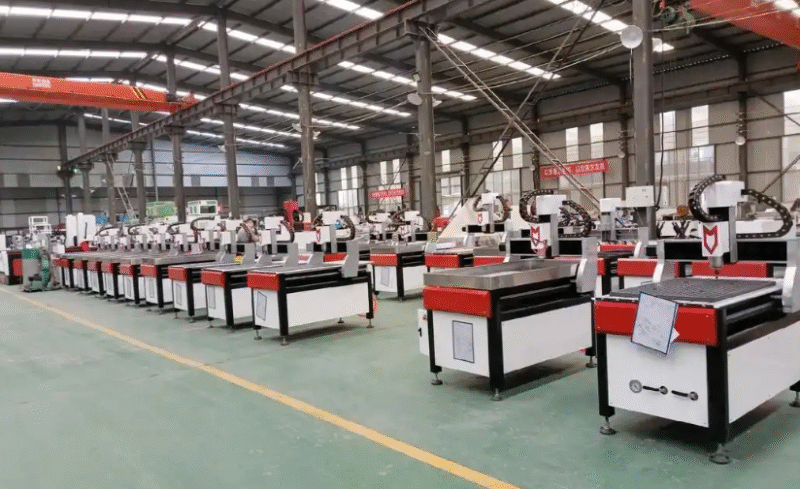
    Wir haben in erstklassige Bearbeitungsmaschinen investiert, darunter [um einige unserer wichtigsten High-End-Geräte zu nennen, z. B. aus Deutschland importierte 5-Achsen-CNC-Bearbeitungszentren, Präzisions-Fräs-Dreh-Zentren aus Japan], um sicherzustellen, dass wir in der Lage sind, Herausforderungen zu meistern, die von komplexen gekrümmten Oberflächen bis hin zu Präzision im Mikrometerbereich reichen.图片[1]-[大连富泓机械]:您值得信赖的高精度机械加工与CNC加工服务伙伴-大连富泓机械有限公司

    Branchenübergreifendes Know-how
    Unser Team verfügt über eine große Projekterfahrung und einen umfassenden Service:

    Medizinisches Gerät: Beherrscht die Bearbeitung steriler Teile mit hoher Oberflächengüte nach GMP-Standards.

    Luft- und Raumfahrt: Vertraut mit der Bearbeitung von schwer zu bearbeitenden Materialien wie Titanlegierungen und Hochtemperaturlegierungen.

    Autoindustrie: Leistungsstarke Kernkomponenten für Motoren und Getriebesysteme.

    Industrielle Automatisierung: Schnelle Lieferung von hochpräzisen Roboterteilen und Vorrichtungen.

    Nahtloser Qualitätsverschluss
    Wir sind der festen Überzeugung, dass "Qualität gemacht und geprüft wird". Von der Eingangskontrolle der Rohstoffe über die IPQC während der Verarbeitung bis hin zur FQC für den endgültigen Versand verwenden wir [Liste der Prüfgeräte, z. B.: Zeiss CMM], um sicherzustellen, dass jedes an Sie gelieferte Produkt 100% den Anforderungen der Zeichnungen entspricht.

    Kundenzentrierte Dienstleistungsprozesse

    Anforderungen an die Kommunikation: professionelle Vertriebsingenieure, die unter vier Augen andocken und Ihre zentralen Bedürfnisse verstehen.

    Technische Überprüfung: Erfahrene Prozessingenieure analysieren die Zeichnungen auf ihre Herstellbarkeit und geben Empfehlungen zur Optimierung.

    Schnelles Angebot: Mit unserem bewährten Angebotssystem versprechen wir, innerhalb von 24 Stunden ein detailliertes Angebot zu erstellen.

    Produktion und Lieferung: Der Projektmanager verfolgt den gesamten Prozess und gibt in Echtzeit Rückmeldung über den Fortschritt, um eine pünktliche Lieferung zu gewährleisten.

    Unsere wichtigsten Dienstleistungsbereiche
    Mehrachsiges CNC-Drehen und -Fräsen

    Präzisionsschleifen und Honen

    Blechbearbeitung und Schweißen

    Kleine bis mittlere Produktionsmengen

    [Starker Aufruf zum Handeln CTA]
    Ihr Erfolg beginnt mit der richtigen Wahl. Suchen Sie nicht länger nach qualifizierten Lieferanten für die mechanische Bearbeitung.
    Handeln Sie jetzt, es gibt drei Möglichkeiten, wie Sie mit uns in Verbindung treten können:

    Click hereGet an online quote now! (Link to RFQ form)

    Schauen Sie sich unsere Erfolgsgeschichten an, um zu erfahren, wie wir anderen Kunden bei der Lösung von Fertigungsproblemen geholfen haben.

    Let [Dalian Fu Hong Maschinenpark] zu Ihrer zuverlässigsten Produktionsverlängerung!

  • Praxishandbuch Nietschweißen: Fortgeschrittene Techniken, Fehlersuche und Lösungsbuch

  • The riveting method of operation in detail: step by step instructions on how to complete the riveting correctly

    get itBasics of Rivet WeldingAfter that, the next step is to put it into practice. A standardised method of operation is the key to ensuring riveting quality, improving efficiency and safeguarding personal safety. This article will be like an experienced master at the side, hand in hand to take you through each key step of the riveting operation, whether it is hot riveting or cold riveting, you can find a clear guide.

    First, the operation of the pre-preparation: to do a good job, you must first sharpen their tools and equipment check: hot riveting: heating furnace (oil, gas or electric furnace), rivet gun, top handle (top iron), clamps, spanners and so on. Cold riveting: riveting machine, rivet gun (for blind rivets), hand hammer, top handle, etc.. Common tools: pneumatic drill or electric drill, drill, scribe, hammer, magnifying glass, sample plate. Rivet selection: According to the drawing requirements, select the correct material, diameter and length of rivets. Rivet length calculation formula: L = δ + (1.3 ~ 1.5)d, where δ is the total thickness of the plate stack and d is the rivet diameter. Preparation of workpiece: Clean the connection surface of oil, rust and burrs. Position the workpiece according to the scribed line or sample plate and fix it temporarily with jig or spot welding.图片[1]-铆焊的操作方法详解:一步步教你如何正确完成铆接-大连富泓机械有限公司

    Second, the core operation steps (to hot riveting as an example) Clean the hole and heating: use the air drill to clean the rivet hole, make sure the hole wall is smooth. Put the rivets into the heating furnace and heat them evenly until bright orange-red (about 1000-1100°C). Heating should be rapid and even to avoid overcooking or heavy oxidation. Threading and Topping: Quickly insert the heated rivets into the nail holes with a clamp. One worker immediately use the top handle to tighten the rivet at the original end of the rivet. Rivet shaping: Another worker uses the rivet gun to aim at the sticking out end of the rivet rod to impact, first light and then heavy, to upset the rod and fill the nail hole. Then swing the rivet gun around the centre of the nail rod and crush the end of the rod into a semi-circular upsetting head. The action should be rapid, accurate, in the rivet temperature drops to the loss of plasticity before completion. Cold riveting operation points: rivets do not need to be heated, directly into the hole. The header is formed by a single press using a riveting press, or by pulling the mandrel off using a rivet gun. Simpler operation, but requires equipment and rivet strength.

    Third, quality inspection and defect analysis after riveting is completed, must be strictly checked: Appearance check: the header should be regular, smooth, no cracks; and the original header should be concentric, there shall be no skew. Dimension check: Use sample plate to check whether the diameter and height of the header meet the standard. Tightness check: Use 0.1mm tape measure to check the fitting surface of the workpiece, and the insertion depth should not be more than 20mm. Common defects: Crooked header: the top handle is not top positive or the angle of the rivet gun is not right. Rivet cracks: poor material quality or improper heating (overcooking). Burying the head is not solid: improper processing of the nail hole or riveting force is insufficient. Safety regulations must wear protective glasses, heat-insulating gloves, earplugs and overalls. Hot riveting pay attention to fire prevention, and to prevent high-temperature rivet burns. When using the rivet gun, the muzzle is strictly prohibited to people. Keep the workplace neat and tidy, and tools are placed in an orderly manner.

    Conclusion Following standard operating methods is a sure way to become a competent riveter and welder. Theory combined with practice, more observation, more practice, you will be able to master this skill. Once you have accumulated enough experience, you will be able to cope with a variety of complex working conditions, which is exactly what we will discuss in our next article, “Rivet Welding Handbook: Advanced Techniques and Solutions to Troubleshooting Problems”.

  • The Complete Guide to Rivet Welding Basics: From Principles and Types to Applications

    want to masterNietschweißtechnik? This article is your ultimate beginner’s guide. It explains in detail the definition of rivet welding, its core principles, main classifications, advantages and disadvantages, and the wide range of applications, helping you to build a good foundation from the ground up.

    Text
    Einführung
    Rivet welding is a time-honoured and vital permanent joining technique in modern industrial manufacturing and the joining of metal structures. Whether you are a mechanical student, a new mechanic, or a hobbyist interested in metal fabrication, understanding the basics of rivet welding is the first step toward mastery. This article will systematically introduce you to the core concepts of riveting, providing a solid foundation for further study and practice.

    I. What is riveting? Core principle analysis
    Riveting, in layman’s terms, is the use of rivets to connect two or more workpieces (usually sheet metal or profiles) in a non-removable manner. The core principle is that the plastic deformation (upsetting) of the rivet stem creates a large axial pressure inside the stem, which tightly presses the connected parts together, thus transmitting and sealing the force.图片[1]-铆焊基础知识完全指南:从原理、类型到应用领域-大连富泓机械有限公司

    II. Main types and characteristics of rivet welding
    Depending on the operating temperature, process and structural form, rivet welding can be divided into the following categories:

    Warmnieten

    Process: The rivets are heated to a red-hot state (approx. 1000°C) and then riveted.

    Advantages: Good plasticity of the rivets, the required riveting force is small, the connection is tight and reliable, especially for large diameter rivets and heavy structures (such as bridges, ships).

    Disadvantages: Complicated process, requires heating equipment, high energy consumption, fire risk, high labour intensity for workers.

    Kaltnieten

    Process: Direct riveting of rivets at room temperature.

    Advantages: Simple process, high efficiency, no thermal influence, good labour conditions.

    Disadvantages: High plasticity requirements for riveting materials, riveting force, usually used for smaller diameter (generally less than 10mm) rivets and aluminium alloys and other soft materials.

    Classification by riveting method

    Impact Riveting: Forming headers using the impact of a pneumatic or hydraulic rivet gun. Most widely used, but noisy.

    Pressure riveting: Riveting is done by static pressure using pressure riveting machine. No noise, stable riveting quality and flat surface.

    III. Advantages and disadvantages of rivet welding

    Pros:

    High reliability: Reliable connection, good vibration resistance, commonly used in structures subject to shock and vibration loads.

    The quality of the riveted joints can be initially judged by visual inspection.

    Suitable for dissimilar materials: Can be used to join different types of metallic or non-metallic materials.

    Drawbacks:

    High structural weight: Increased structural weight due to the need for lap plates and rivets.

    Stress concentrations: Riveted holes weaken the cross-section of the workpiece and are prone to stress concentrations.

    Noisy: Especially for impact riveting, the working environment is harsh.

    High demands on workers’ skills: High-quality riveting requires experienced craftsmen.

    IV. Application areas of rivet welding
    Despite the growing popularity of welding technology, riveting still occupies an irreplaceable position in the following areas:

    Aerospace: The connection of the aircraft skin to the skeleton, taking advantage of its excellent fatigue resistance.

    Steel structure buildings: large-scale factory buildings, stadiums, bridges, etc.

    Heavy machinery: frame connections for cranes, excavators and other equipment.

    Shipbuilding: Joining of hull structures.

    Some high quality leather goods, bags and jeans (metal rivets).

    Schlussbemerkungen
    Mastering the basics of rivet welding is a prerequisite for understanding more advanced methods of operation and practical skills. By the end of this article, you should have gained a comprehensive understanding of the principles, classifications and characteristics of rivet welding. In the next articles, we will delve into theRivet welding method of operationThe book takes you step by step into the hands-on world of rivet welding.