Autor: fc87

  • Was sind die Bearbeitungsmethoden und Merkmale der Bearbeitung, 7 Mainstream-Prozesse und Auswahl Leitfaden

    ErkundungenBearbeitungDie Welt! Dieser Artikel eingehende Analyse der Drehen, Fräsen, Bohren, Bohren, Schleifen, Drahtschneiden, Laser-Bearbeitung 7 Mainstream-Wege, einen detaillierten Vergleich der Verarbeitung Eigenschaften, Präzision, anwendbare Materialien, um Ihnen zu helfen, wählen Sie das beste Verfahren für das Projekt.
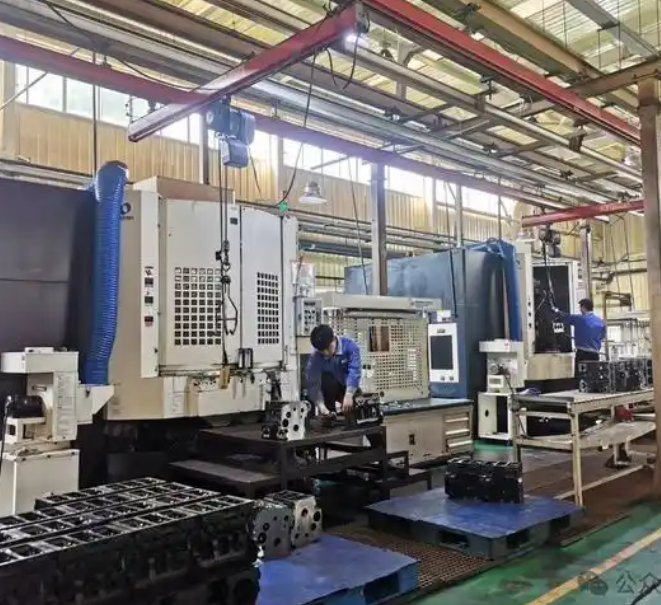
    Panorama der Bearbeitungsmethoden: eingehende Analyse der Merkmale und praktische Auswahl

    EINLEITUNG: "Einen Maschinenbaubetrieb zu verstehen ist der erste Schritt, denn nur wenn man seine Kerntechnologie versteht, kann man effektiv kommunizieren. Unterschiedliche Teilemerkmale erfordern unterschiedliche Bearbeitungsmethoden."

    I. Grundlage der Klassifizierung: rotierend vs. nicht-rotierend, kontaktierend vs. nicht-kontaktierend

    II. 7 Kernbearbeitungsmodi im Detail (ein H3 für jeden Modus)

    1. Drehen - der König der rotierenden Körperteile

    Merkmale: Werkstückrotation, Werkzeugvorschub. Kompetenz in Außenrund, Bohrung, Stirnfläche, Gewinde.

    Genauigkeit und Bereich der Oberflächenrauhigkeit.

    (Kernpunkt: Erläutern Sie deutlich seine Merkmale und Anwendungen)

    2. Fräsen - vielseitig in komplexen Konturen und Ebenen

    Merkmale: Werkzeugrotation, Werkstückvorschub. Kompetenz in flachen Oberflächen, Nuten, Zahnrädern, 3D-Oberflächen.

    (Vertikale und horizontale Fräsmaschinen, CNC-Bearbeitungszentren)

    3. Bohren und Aufbohren - Spezialist für die Herstellung von Löchern

    Bohren: Bearbeitung von neuen Löchern mit relativ geringer Genauigkeit.

    Bohren: Vergrößerung und Fertigstellung vorhandener Löcher mit hoher Genauigkeit.

    4. Schleifen - das Nonplusultra in Sachen Präzision und Finish

    Eigenschaften: Mikrozerspanung mit Schleifscheibe, verwendet für die Endbearbeitung harter Materialien nach dem Abschrecken.

    5. Drahterodieren (WEDM) - für harte Materialien und komplexe Formen

    Merkmale: Berührungslos, mit elektrischer Funkenerosion. Leitfähige superharte Materialien können ohne Schneidkraft bearbeitet werden.

    6. Laserschneiden - effiziente und präzise Lösungen für das Schneiden von Blechen

    Merkmale: berührungslose, thermische Bearbeitung. Schnelle Geschwindigkeit, gute Qualität Schnittfläche, geeignet für dünne Platte.

    III. Prozessvergleich und Auswahl Schnellreferenztabelle

    (Entwerfen Sie eine Vergleichstabelle mit folgenden Angaben: Name des Verfahrens, Hauptbewegung, typische Genauigkeit, Oberflächenqualität, besondere Merkmale, Einschränkungen)

    IV. Moderne Trends: Verbundverarbeitung und Intelligenz

    (Beschreiben Sie kurz die Vorteile von Fräs-Dreh- und Mehrachs-Bearbeitungszentren)

    SCHLUSSFOLGERUNG & CTA: Die Beherrschung der Merkmale dieser Prozesse ist eine Voraussetzung für das Verständnis einer qualitativ hochwertigen Bearbeitung. Echte Qualitätssicherung entsteht durch strenge Normen und Spezifikationen für Bearbeitungsprozesse (Link zu den Artikeln IV/V/VI).

    FAQ.

    "Unter welches Verfahren fällt die CNC-Bearbeitung?" (A: CNC ist eine Steuerungsmethode, kein spezifisches Verfahren. Sie kann Drehbänke (CNC-Drehen), Fräsmaschinen (Bearbeitungszentren), Schleifmaschinen usw. steuern, um eine Automatisierung und hohe Präzision bei vielen der oben genannten Bearbeitungsverfahren zu erreichen).

    "Worin besteht der Unterschied bei der Wahl des Verfahrens für die Bearbeitung von Aluminium- und Stahlteilen?" (A: Der grundlegende Prozess ist derselbe, aber es gibt erhebliche Unterschiede bei den Schnittparametern, den Werkzeugmaterialien und der Wahl des Kühlmittels).

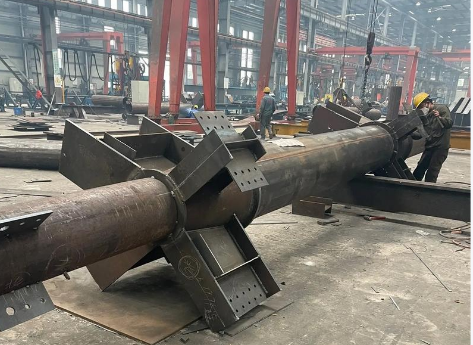
  • Was macht eine Maschinenwerkstatt? Ein Artikel über die wichtigsten Fertigungsdienstleistungen von der Zeichnung bis zum Teil

    wondermachine shopWhat exactly are the services offered? This article details the core business of a machine shop: turning, milling, drilling, grinding, etc. How to turn design drawings into high-precision metal/plastic parts is the starting point for your search for a reliable supplier.

    Outline of text (-H3 structure).

    :What does a machine shop do? The realiser of your products from blueprint to physical reality

    Introduction: Taking common industrial products (e.g. automotive parts, medical devices, drone frames) as an introduction, it is pointed out that machining is indispensable for their core components, which leads to the role of machining factories as the “cornerstone” of the modern manufacturing industry.

    I. The nature of a machine shop: a specialist in subtractive manufacturing

    Explain the concept of “subtractive manufacturing” and compare it to 3D printing (additive).

    II. Core service process of the machine shop

    1. Drawing analysis and process planning

    2. Preparation of raw materials (bars, plates, castings and forgings)

    3. Core process manufacturing (brief list of turning, milling, drilling, etc., to set the stage for what follows)

    4. Quality testing and reprocessing

    5. Delivery of finished products

    III. Common Industries and Product Types Served by Machining Plants

    (Displayed with icons or lists: aerospace, automotive manufacturing, medical devices, electronic equipment, mould and die fixtures, etc.)

    Fourth, how to choose a qualified machine shop?

    (Key points to consider: equipment capability, process experience, quality system, delivery control, and to set the stage for subsequent articles on “standards”.)

    Conclusion & CTA: Machining plants are key partners in getting your products off the ground. To find out exactly what advanced machining methods we have at our disposal and their unique features, please read our technical details (link to article 2).

    FAQ.

    “What is the difference between machining and sheet metal working?” (Answer: Machining is mainly for three-dimensional cutting of solid blocks; sheet metal is mainly for cutting, bending, and other forming processes of thin plates.)

    “Can I get a machine shop to do small batch prototype parts?” (A: Yes, many factories offer rapid prototyping services and CNC machining is perfect for small quantities of high precision prototypes.)

    “What is the basis for quotes from machine shops?” (Answer: Mainly based on material costs, machining man-hours (programming and machine time), process complexity and post-processing requirements.)

  • Welche Ausrüstung brauchen Sie, um eine Nietfabrik zu gründen? 2025 Liste der wichtigsten Investitionen (mit Kaufberatung)

    scheduled openingRivet Welding Processing PlantThis article provides you with a list of all the equipment you need from small workshops to medium-sized factories. This article provides you with a list of all the equipment you need from a small workshop to a medium-sized factory, including material handling, moulding, riveting, welding and auxiliary equipment, as well as key points for purchasing, which will help you to plan your investment wisely.


    The ultimate guide to riveting plant equipment: a checklist of must-haves for investing in a plant

    Introduction: Professional and systematic equipment planning solutions for entrepreneurs and factory managers.

    I. Sheet Metal Unloading and Forming Equipment Area

    1.1 Cutting equipment: plate shears, CNC flame/plasma cutting machines, laser cutting machines (selected according to size)

    1.2 Forming equipment: bending machines, plate rolling machines, punching machines

    II. Core riveting and assembly equipment area

    2.1 Drilling equipment: bench drills, rocker arm drills, magnetic drills (according to the size of the workpiece)

    2.2 Riveting equipment: manual/pneumatic/electrical riveting guns, riveting presses, pneumatic riveting hammers, ring groove rivet guns

    2.3 Assembly and clamping: C-clamp, F-clamp, various jigs, assembly platforms

    III. Welding and reprocessing equipment area (“riveting” usually includes welding)

    3.1 Welding equipment: welding machine (electric arc welding, gas shielded welding), welding consumables

    3.2 Post-treatment equipment: Angle grinders, sandblasting machines, spraying equipment

    IV. Auxiliary and safety equipment area

    (lifting equipment, dust removal systems, personal protective equipment PPE, etc.)

    V. Equipment Investment and Layout Recommendations

    Option A: Core equipment list for a small repair workshop ($100,000 – $200,000 budget)

    Option B: Core equipment list for a medium-sized structural fabrication plant ($500,000 – $1 million budget)

    Strong CTA: [Get a detailed list of equipment models and quotes] “The above is a category overview only. If you need detailed equipment brand, model recommendation and budget planning for a specific processing type (e.g. steel structure, container, ventilation duct), please leave your contact information or needs and our experts will provide you with a free consultation.”

    FAQ.

    “What are the three most preferred pieces of equipment to buy to start a small riveting workshop?” (Answer: Cutting equipment (e.g. plasma cutter), drilling equipment (bench/magnetic drill), and riveting equipment (pneumatic rivet gun).)

    “What’s the difference between pressure riveting machine and pull rivet gun, which one is more efficient?” (A: Pressure riveting machine is used for solid rivets with holes in advance, requires double-sided operation, extremely high strength, suitable for batch; pull rivet gun is used for core-pulling rivets, single-sided operation, flexible, suitable for multiple scenarios. Pressure riveter is more efficient in batch production.)

  • Welche Arbeitsmethoden gibt es beim Nietschweißen? Ein schneller Vergleich aller technischen Merkmale in einer Tabelle

    Schnelle SucheAlle Arbeitsmethoden für das Nietschweißen!Wir listen die Definitionen, Werkzeuge, Stärken und Anwendungsszenarien von Warmniet-, Kaltniet- und Zugniettechniken in einer übersichtlichen Vergleichstabelle auf, um Ihnen eine schnelle Entscheidung zu ermöglichen.

    图片[1]-铆焊的操作方法有哪些?一张表格快速对比所有技术特点-大连富泓机械有限公司Nietschweißen Alle Arbeitsschritte auf einen Blick & Kurzanleitung
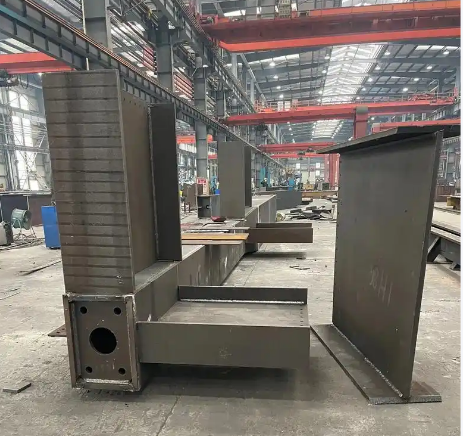
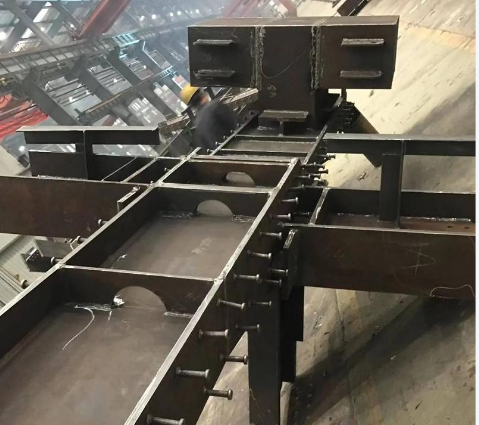
    EINLEITUNG: Bringen Sie es auf den Punkt und geben Sie einen schnellen Überblick.

    Übersichtstabelle der Nietschweißverfahren

    Entwerfen Sie eine Vergleichstabelle mit folgenden Spalten: Name der Methode, wichtigste benötigte Werkzeuge, kurze Beschreibung der Funktionsweise, Stärke der Verbindung, Vorteile, Nachteile, typische Anwendungen.

    (Abdeckung: manuelles Heißnieten, pneumatisches Hammernieten, Drucknieten, Zugnieten, Kernnieten, Ringnutnieten)

    Schnelles Anpassen der Methoden an Ihre Bedürfnisse

    Szenario 1: "Ich muss auf einer Seite arbeiten" -> Empfohlen für das Zugnieten, das kernmachende Nieten.

    Szenario 2: "Ich suche nach maximaler Festigkeit" -> Heißnieten, Ringnutnieten werden empfohlen.

    Szenario 3: "Ich bin ein Heimwerker mit begrenztem Werkzeug" -> Manuelles Ziehen von Nieten wird empfohlen.

    Erweiterte Lektüre: detaillierte Schritte für jede Methode

    (Hier kurz beschrieben, mit umfangreichen internen Links zu den ausführlichen Kapiteln des ersten Artikels und dem entsprechenden Video im zweiten Artikel).


    "Gibt es fortschrittlichere Nietmethoden als die in der Tabelle aufgeführten?" (A: Ja, z. B. nietloses Fügen, Stanznieten usw., die meist in automatisierten Produktionslinien eingesetzt werden).

    "(A: Der anfängliche Werkzeugaufwand und die Nietkosten sind beim manuellen Nieten in der Regel relativ gering).

  • Der Weg zur Meisterschaft: 10 fesselnde Video-Techniken zur Lösung Ihrer praktischen Probleme

    Say goodbye to rivets that don’t hold or look good! This article is an in-depth solution to the challenges of riveting eccentricity, deformation, sealing, and joining dissimilar materials through advanced technique video explanations to enhance your craftsmanship.

    Advanced Rivet Welding TechniquesVideo presentation: From “know how” to “do it right”

    Introduction: For users who have mastered the basics but are having trouble with complex scenarios.

    Tip 1: How to achieve “invisible riveting”? (Perfect installation of countersunk head rivets)

    Video + lecture: countersinking (chamfering) techniques and riveting force control.

    Tip 2: A great trick for riveting in tight spaces

    Video + explanation: using a corner rivet gun or special rivets.

    Tip 3: Riveting sequence and support method to prevent deformation of thin plates

    Video + explanation: the sequence of riveting from the centre to the perimeter, staggered.

    Tip 4: Achieve a watertight/airtight riveted joint (use closed type rivets with sealant)

    Video + Explanation.

    Tip 5: Considerations for riveting dissimilar materials (e.g. aluminium to steel)

    Video + lecture: anti-electrochemical corrosion treatment.

    These advanced techniques can dramatically improve the quality of your products. If you’re planning a fabrication shop, you can’t do these jobs efficiently and with high quality without specialised equipment. Check out our ultimate list of What Equipment Do You Need in a Rivet Welding Plant (link to article six).


    “Why is there a gap in the workpiece after riveting?” (A: It may not be clamped securely or the rivet may not be of sufficient length to produce sufficient clamping force.)

    “How do I remove a riveted rivet?” (A: Video demonstrating the use of a drill to drill out the centre of a rivet.)

  • Zero Basic Riveting Techniques Video Tutorial: Hands on mit Ihren ersten professionellen Nieten

    rivet weldingA must-see for newbies! This detailed video tutorial starts from scratch and teaches you to recognise the tools, choose the materials and complete your first solid and beautiful riveted piece step by step. Start learning immediately!

    Zero-Basic Rivet Welding Video Tutorial: Your First Lesson

    Introduction: Aimed at complete novices, this tutorial promises a “0 to 1” breakthrough.

    Chapter 1: Know your “arsenal” – riveting welding common tool introduction

    (Pictures showing hand drills, rivet guns, hammers, top irons, etc. and explaining what they do)

    Chapter 2: Choosing the Right “Tie” – A Guide to Rivet Type and Size Selection

    (Demonstrate solid rivets, blind rivets, open end/closed end rivets and explain the application scenarios)

    Chapter 3: Best Practices for Beginners – Single Sheet Steel Pull Rivet Project

    Video embedded: “Making a Simple Metal Hanger”

    Step-by-step illustrations (synchronised with the video).

    Item 1: Measuring and scribing.

    Project 2: Drilling techniques (how to prevent the drill bit from slipping).

    Item 3: Deburring (importance emphasised).

    Project 4: Clamping and Riveting (hands-on).

    Item 5: Final inspection and finishing.

    Chapter 4: Post-Course Exercises and Self-Checklist

    Congratulations on completing lesson one! To learn about the several ways riveting can be done and where they are each used, read our technical guide (link to article one).


    “What is the best material to use for practice?” (Answer: Aluminium or mild steel plates 2-3 mm thick are recommended, which are low cost and easy to work with.)

    “How do I choose a rivet gun?” (Answer: for occasional home use, go with a single-handle model; for frequent use, go with a two-handle, labour-saving model; check out our equipment list article for brand suggestions.)

  • HD Hands-on] Video über Nietschweißmethoden: Von der Werkzeugvorbereitung bis zum vollständigen Nieten

    Intuitive learning through high-definition videorivet weldingThis page brings together the complete process video of the core operations of riveting and hot riveting! This page brings together the complete process video of the core operation methods of pulling rivets, hot rivets, etc., with key steps of text interpretation, the novice can also easily understand.

    图片[1]-【高清实操】铆焊的操作方法视频大全:从工具准备到完成铆接-大连富泓机械有限公司
    Video on how to do rivet welding (with step-by-step instructions)

    “A hundred times over, watching videos is the fastest way to learn a hands-on process like riveting and welding. We have integrated HD videos of key operations for you.”

    Before you watch: safety precautions and tool checks

    (Pictures showing helmets, goggles, gloves, and a list of tools)

    Video 1: Pull Rivet (Blind Riveting) Standard Operating Methods

    Embed video (or place video thumbnails, link to YouTube/B site, etc.)

    Video Highlights Text Commentary.

    Step 1: Select rivet size and drill bit.

    Step 2: Align the workpiece and drill the holes.

    Step 3: Insert rivets and position rivet gun.

    Step 4: Pull gun handle evenly until rivet breaks off.

    Step 5: Check that the rivets are fully formed.

    Video 2: Demonstration of the traditional process of hot riveting (teamwork)

    Embedded video

    Explanation: Emphasis is placed on heating temperature control, transfer and riveting.

    Video 3: Ring Groove Rivet Power Tool Installation Demonstration

    Embedded video

    Text description: Demonstrates the efficient industrialised installation process.

    Video collection of common operational errors (cautionary tale)

    (A short demonstration of failures caused by oversized holes and uncomfortable rivet lengths)

    CTA: Want to advance to mastery after watching basic operations? Take the next step and learn the Rivet Welding Techniques Video Explained (link to article four) for the secrets to making your work more professional.


    “Why is my rivet not riveted tight?” (Answer: Possible causes: Hole diameter too large, insufficient length of the nail shank, head not selected correctly.)

    “Where can I buy the tools used in these videos?” (A: A detailed list of tools and equipment is included in our next article, “What All Equipment is Needed in a Rivet Welding Plant.”)

  • Wie viele Arten von Nietschweißverfahren gibt es? Umfassende Analyse der 5 gängigsten Verfahren und Anwendungen

    wonderrivet weldingAre there actually several ways to operate?
    This article explains in detail the hot rivets, cold rivets, pull rivets, core rivets and ring groove rivets 5 process principles, steps and applicable scenarios, an article to read and understand!

    图片[1]-铆焊的操作方法有几种?全面解析5大主流工艺与应用-大连富泓机械有限公司
    How many ways are there to operate rivet welding? Master all the mainstream processes in one article

    INTRODUCTION: Briefly describes the critical role of riveting in structural steel, marine, and aerospace, and asks the central question, “How many ways are there to operate riveting in the face of different materials and requirements?”

    I. Five major classifications of riveting and welding operation methods

    1. Hot Riveting – traditional and robust

    (Principles, steps, advantages and disadvantages, application scenarios)

    2. Cold Riveting – The choice for efficiency and convenience.

    (Principle, tools required, application)

    3. Pull Rivet (Blind Rivet / Blind Rivet) – A revolution in one-sided operation

    (Highlights, operating procedures using a rivet gun)

    4. Blind riveting – the faster riveting variant

    5. Ring-grooved riveting – a high-strength alternative to bolts

    II.How to choose the right riveting method for your project?

    (Provides selection guidelines in four dimensions: material thickness, strength requirements, accessibility, and productivity)

    III. Core safety operating guidelines (must be followed regardless of method)

    Conclusion & Call to Action (CTA): Mastering categorisation is the first step, want to know the specific details and techniques of how each method works? We’ve got you covered with detailed video tutorials (links to articles II/III).

    FAQ.

    “Which is the most common method of riveting?” (Answer: Pull riveting is currently the most widely used in maintenance and manufacturing because of its convenience.)

    “Which is stronger, hot riveting or cold riveting?” (A: Typically, hot riveted connections are slightly stronger when done correctly, but cold rivets are adequate for most scenarios.)

    “Which method should a beginner start learning?” (A: It is recommended to start with riveting using a rivet gun; the tools are easy to obtain, the operation is safe, and it is easy to build confidence.)

  • Die Ausrüstungsindustrie unter dem Blickwinkel der Globalisierung: Synergie der Industrieketten und neue Muster des Marktwettbewerbs

    Analysing how globalisation is shapingModern equipment manufacturingof the industry chain. Discuss how localisation strategies, technological innovation and cooperation models can help companies find their position and win the market in the new landscape.

    After decades of deep globalisation and integration, the equipment manufacturing industry chain has spread to all corners of the world. However, global events in recent years are reshaping the landscape, prompting companies to look at their globalisation strategies from a new perspective and pay more attention to the synergy and resilience of the industry chain.

    1. Division of labour and collaboration in the global industrial chain A high-end CNC machine tool may contain a controller from Germany, precision bearings from Japan, structural parts from China and software from the United States. This deep international division of labour makes the optimal allocation of resources and reduces the cost of the final product

    2. Emerging current challenges and trends Supply chain security and resilience: Epidemics and geopolitical conflicts have exposed the vulnerability of very long supply chains. Enterprises are seeking to “localise” or “near-shore outsource” to shorten supply chains and improve response times. The rise of technological protectionism: the acquisition and protection of core technologies have become the focus of competition between countries, which has raised new issues for international technological cooperation among equipment manufacturing enterprises. Impact of regional trade agreements: The entry into force of regional FTAs, such as RCEP, is reshaping the industrial chain layout in the region.

    3. Winning Strategies in the New Landscape Building an Agile and Transparent Supply Chain: Use digital tools to achieve real-time visual monitoring of the global supply chain and establish a diversified supplier system. Deep ploughing into core technologies to create “hidden champions”: By excelling in a certain segment and mastering irreplaceable core technologies, we can have a strong voice in the global industrial chain even if we are small in scale. From “going out” to “going in”: Overseas market expansion is not only about selling products, but also about setting up local R&D centres and service centres to achieve truly localized operation, and to deeply understand and meet the needs of regional customers.

    4. The future of win-win cooperation Despite the trend of anti-globalisation, the complexity of the equipment manufacturing industry dictates that international cooperation is still the mainstream. The competition in the future will be the competition between different industrial chain ecosystems. Enterprises that can effectively integrate global high-quality resources and build a stable and efficient synergistic network will become the future industry leaders.

    Summary: Globalisation has entered a new stage, and equipment manufacturing enterprises need to have a sharper global vision and more flexible adaptability. Under the premise of guaranteeing the safety of the industrial chain, through technological innovation and in-depth synergy, continuing to find growth opportunities in the global market is the only way to cope with the current complex situation.

  • Die Schwerindustrie im Kontext der nachhaltigen Entwicklung: Herausforderungen, Chancen und innovative Lösungen

    directly facingmanufacturingThis article explores how clean technologies and policy guidance can help heavy industry move towards a sustainable future. This paper explores how clean technologies, circular models and policy guidance can help heavy industry move towards a sustainable future.

    Text: As the world’s attention is focused on climate change and environmental protection, heavy industry, as a major consumer of energy and emissions, is undoubtedly facing unprecedented pressure. However, challenges and opportunities exist side by side, and this green revolution is also giving rise to unprecedented innovation and growth in the heavy industry sector.

    1. Core challenges Large carbon footprint: Production processes in industries such as steel, cement and chemicals involve the combustion of large amounts of fossil fuels and chemical reactions, which are one of the main sources of CO2 emissions. Resource-intensive: Extremely dependent on natural resources such as ore, coal and water. Waste and Pollution Control: The treatment of waste slag, waste water and waste gas is always a difficult problem for the industry.

    2. Shifting to a circular economy model The linear economy model of “take – make – waste” is no longer sustainable. Heavy industry is actively exploring circular economy pathways: Material innovation: Research and development for the use of recyclable or bio-based materials. Industrial symbiosis: Using by-products from one factory (e.g. waste heat, blast furnace gas) as raw materials or energy for another factory, forming an eco-industrial park with shared resources. Product Life Cycle Management: Consideration of disassembly, recyclability and remanufacturing potential from the design stage.

    3. Breakthrough applications of clean technologies Hydrogen steelmaking: Using hydrogen instead of coal as a reductant, with water as a by-product, can fundamentally eliminate carbon emissions from the steelmaking process, and is the most promising disruptive technology available. Carbon Capture, Utilisation and Storage (CCUS): As mentioned earlier, CCUS technology is a viable option for deep decarbonisation of existing facilities. Electrification: Substitution of fossil fuels with electricity, accompanied by the use of renewable energy sources, where feasible.

    4. Driven by both policies and markets Carbon tax policies, green financial support and consumer preference for low-carbon products, such as “green steel”, in countries around the globe are creating a strong external impetus for the green transformation of heavy industry. Summary: The impact of sustainable development onmanufacturingIn terms of social responsibility, it has gone from being an option to being a must. It’s not just about social responsibility, it’s at the heart of a strategy for business survival and competitiveness. Those who are the first to adopt and invest in innovative green solutions will have an absolute advantage in the marketplace of the future.