Autor: fc87

  • Ausrüstung der verarbeitenden Industrie: das wichtigste Instrument des Landes, wie man den zukünftigen Markt durch intelligente Fertigung zu gewinnen

    zerlegen.Anlagenbauim Herzen der Industrie als industrielle Muttermaschine. Erfahren Sie, wie die intelligente Fertigung, die Umgestaltung von Dienstleistungen und die Optimierung der Lieferkette diese Branche umgestalten und neue Wachstumschancen für Unternehmen eröffnen.

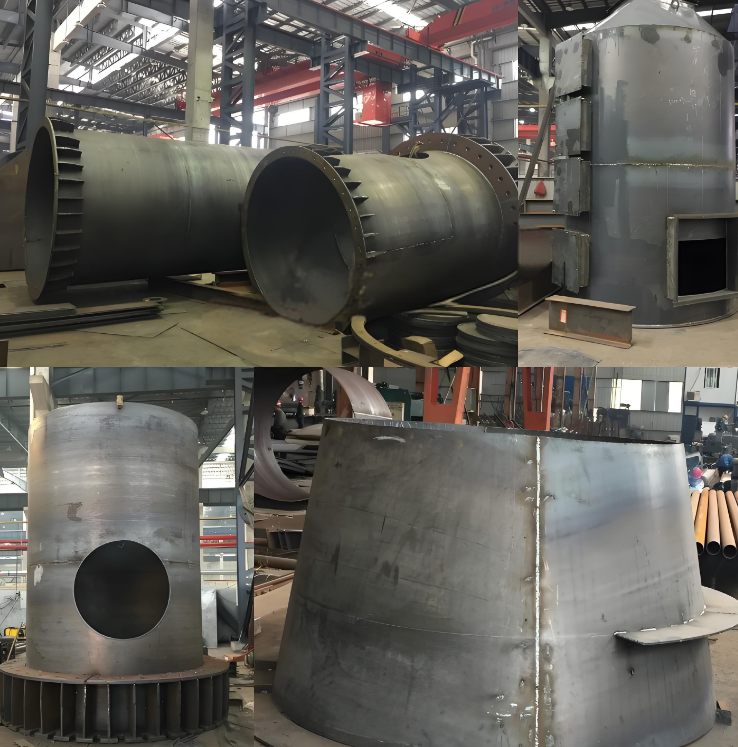
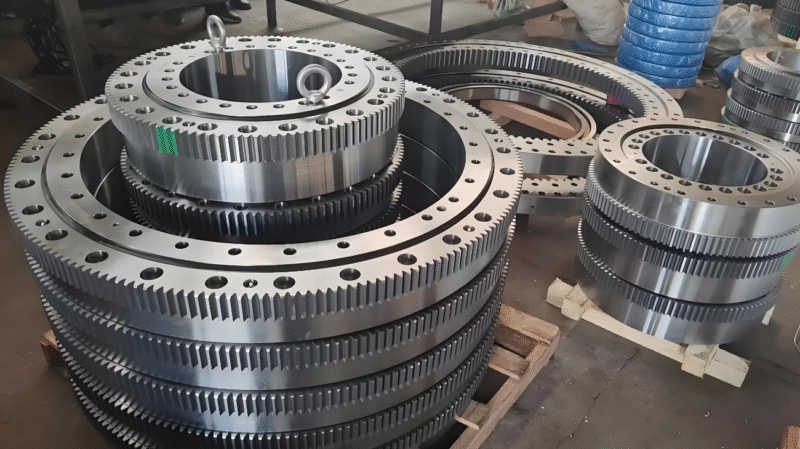
    Text: Wenn die Industrie das Skelett der modernen Wirtschaft ist, dann ist die Ausrüstungsindustrie die Herstellung des Skeletts der "Muttermaschine". Sie ist verantwortlich für die Produktion aller Lebensbereiche, die für die Arbeit der Maschine, der technischen Großgeräte und der automatisierten Produktionslinien erforderlich sind, und ist ein wichtiges Symbol für den Industrialisierungsgrad eines Landes und die umfassende nationale Stärke.图片[1]-装备制造业:国之重器,如何通过智能制造决胜未来市场-大连富泓机械有限公司

    1. Verständnis des Umfangs und der Bedeutung der Ausrüstungsindustrie Die Ausrüstungsindustrie umfasst eine breite Palette von Branchen, darunter: Energieanlagen: wie Gasturbinen, Wasserturbinen, Kernkraftwerke. CNC-Werkzeugmaschinen: die "Zähne" der modernen Fertigung, verantwortlich für die Präzisionsbearbeitung. Maschinen für den Maschinenbau: wie Bagger, Kräne, Schildmaschinen. Landmaschinen, Textilmaschinen, Druckmaschinen und andere Spezialmaschinen. Sie bilden eine leistungsfähige technische und materielle Grundlage für die Volkswirtschaft und den Aufbau der Landesverteidigung.

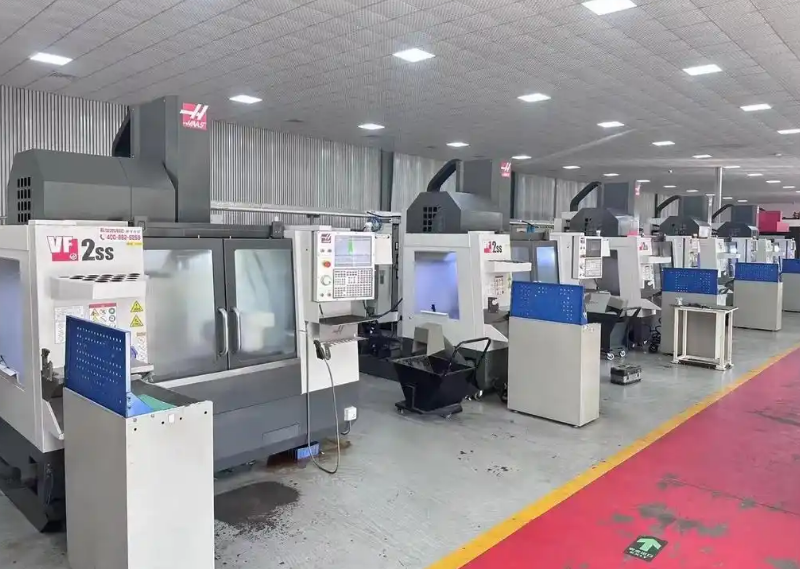
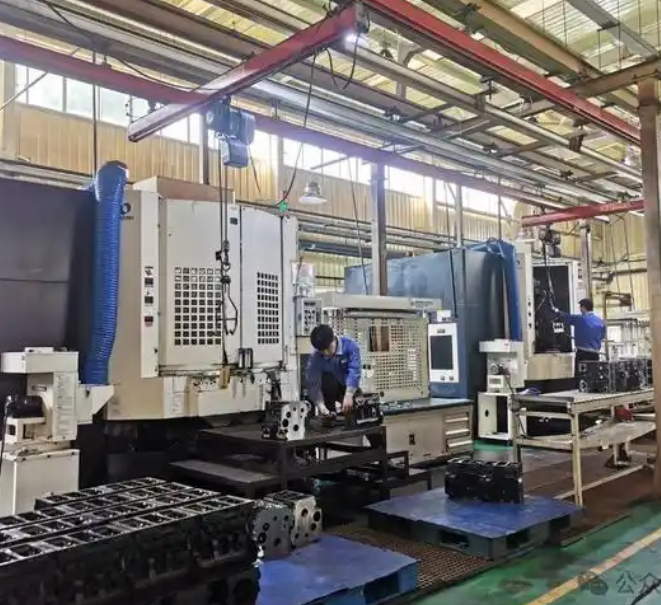
    2. Intelligente Fertigung ist die zentrale treibende Kraft Unter der Welle von Industrie 4.0 übernimmt die Fertigungsindustrie selbst die Führung bei der intelligenten Modernisierung. Flexibles Fertigungssystem: Die Produktionslinie kann schnell an die Marktnachfrage nach Kleinserien und mehreren Arten angepasst werden. Anwendung der additiven Fertigung: Die 3D-Drucktechnologie wird zur Herstellung von Prototypen komplexer Teile und sogar zur direkten Produktion des Endprodukts eingesetzt, wodurch der Entwicklungszyklus erheblich verkürzt wird. Datenbasierte Optimierung: Daten aus dem Betrieb von Geräten auf Kundenseite werden an den Hersteller zurückgespielt, um das Design und die Leistung von Produkten der nächsten Generation zu optimieren.图片[2]-装备制造业:国之重器,如何通过智能制造决胜未来市场-大连富泓机械有限公司

    3. Wandel vom "Verkauf von Produkten" zum "Verkauf von Dienstleistungen" Führende Gerätehersteller verkaufen nicht mehr nur Geräte auf einer einmaligen Basis, sondern gehen dazu über, Dienstleistungen über den gesamten Lebenszyklus hinweg anzubieten. Fernbedienungs- und Wartungsdienste: Über die Internet-of-Things-Plattform können Kunden rund um die Uhr den Gerätestatus überwachen und Ferndiagnosen stellen. Finanzierungsleasing und Pay-per-Use: Senkung der anfänglichen Investitionsschwelle der Kunden und Bindung der Interessen von Herstellern und Kunden.

    4. Verbesserung der Widerstandsfähigkeit der Lieferkette Ausrüstungsherstellende IndustrieDie Ketten sind lang und die Stabilität der Lieferkette ist entscheidend. Globales Layout und regionales Backup werden zu Mainstream-Strategien, um mit potenziellen geopolitischen Risiken und Unwägbarkeiten fertig zu werden. Zusammenfassung: Die Maschinenbaubranche steht an einem Scheideweg der Transformation, der sowohl durch technologische Revolutionen als auch durch Geschäftsmodellinnovationen angetrieben wird. Nur wenn sie sich aktiv für eine intelligente Fertigung einsetzen, die Umgestaltung von Dienstleistungen vertiefen und eine robuste Lieferkette aufbauen, können Unternehmen im Bereich der "wichtigsten Waffe der Nation" unschlagbar sein.

  • Metallurgische Ausrüstungen an der technologischen Grenze: Vom hocheffizienten Schmelzen zur totalen Innovation mit intelligenter Steuerung

    Gründliche Kenntnisse der modernen metallurgischen AusrüstungSchlüsseltechnologische Durchbrüche, einschließlich elektrischer Lichtbogenöfen, Stranggussanlagen und automatisierter Kontrollsysteme, zur Verbesserung der Effizienz, Qualität und Umweltverträglichkeit der Metallverhüttung.

    Text: Der Fortschritt der metallurgischen Industrie hängt in hohem Maße von der kontinuierlichen Innovation der metallurgischen Ausrüstung ab, die ihr Herzstück ist. Vom Erz bis zu hochreinen metallischen Werkstoffen wird jeder Schritt durch hochentwickelte, effiziente und zuverlässige Anlagen unterstützt. In diesem Artikel nehmen wir Sie mit auf eine Reise durch die aktuellen technologischen Grenzen im Bereich der metallurgischen Ausrüstung.

    1. Hocheffiziente Schmelzanlagen: das Herzstück des metallurgischen Prozesses Das Schmelzen ist das Herzstück der Metallurgie, und die Leistung der Anlagen bestimmt direkt das Niveau der Produktionseffizienz und des Energieverbrauchs. Ultrahochleistungs-Elektrolichtbogenofen: In der modernen Stahlproduktion gewinnen Elektrolichtbogenöfen aufgrund ihrer Flexibilität und ihrer Umweltvorteile zunehmend an Bedeutung. Die neue Generation von Ultra-Hochleistungs-Elektrolichtbogenöfen verkürzt den Schmelzzyklus erheblich, reduziert den Stromverbrauch und ist die Kernausrüstung für die Stahlerzeugung in Kurzzeitverfahren. Schnellschmelzofen: Bei der Verhüttung von Nichteisenmetallen (z. B. Kupfer, Nickel) hat die Schnellschmelztechnologie die Vorteile einer hohen Festigkeit, eines geringen Energieverbrauchs und einer hohen Schwefelrückgewinnungsrate und stellt die Entwicklungsrichtung der umweltfreundlichen Verhüttung dar.

    2. Stranggussanlagen: Verbesserung der Qualität und der Ausbeute Stranggussanlagen haben das Kokillengussverfahren, bei dem der Stahl direkt in die gewünschte Form des Knüppels erstarrt, im Wesentlichen ersetzt. Dünnbrammen-Strangguss und Walztechnologie: Strangguss- und Walzverfahren sind nahtlos miteinander verbunden, was zu erheblichen Energieeinsparungen und einer Verkürzung des Produktionsprozesses führt und der Schlüssel zu einer hocheffizienten und kostengünstigen Produktion ist. Intelligente Form: Die Kokille ist das "Herz" der Stranggussmaschine. Durch die eingebauten Sensoren und das fortschrittliche Kontrollsystem kann sie den Flüssigkeitsstand des Stahls und die Kühlintensität in Echtzeit überwachen, um sicherzustellen, dass die interne Qualität des Knüppelgießens gleichmäßig und stabil ist.

    3. Automatisierung und intelligentes Kontrollsystem Die moderne metallurgische Werkstatt entwickelt sich in Richtung "Schwarzlichtfabrik", hinter der ein leistungsfähiges Kontrollsystem steht. Prozesskontrollsystem: Echtzeit-Erfassung und optimale Kontrolle von Tausenden von Parametern wie Temperatur, Druck, Zusammensetzung usw., um sicherzustellen, dass sich der Produktionsprozess in einem optimalen Zustand befindet. System zur vorbeugenden Wartung: Durch die Analyse von Schwingungs-, Temperatur- und anderen Daten wird eine frühzeitige Warnung vor potenziellen Ausfällen und eine planmäßige Wartung ermöglicht, um ungeplante Ausfallzeiten zu vermeiden, die zu großen Verlusten führen. 4. Umweltschutz und Ressourcen Ausrüstung Umweltschutz Druck hat die rasche Entwicklung der damit verbundenen Ausrüstung, wie zum Beispiel: Sinter-Rauchgasentschwefelung und Entstickung Ausrüstung: wirksame Beseitigung von Schwefelverbindungen und Stickoxide im Rauchgas. Anlagen zur Behandlung von Hüttenschlacke und zur Nutzung von Rohstoffen: Verarbeitung fester Abfälle wie Hochofenschlacke und Stahlschlacke zu Rohstoffen für Baumaterialien, um aus Abfall einen Schatz zu machen.

    Zusammenfassung: HyundaiMetallurgische AusrüstungenEs entwickelt sich schnell in Richtung groß angelegter, hocheffizienter, intelligenter und umweltfreundlicher Anlagen. Investitionen in fortschrittliche metallurgische Ausrüstung sind nicht nur der Schlüssel zur Verbesserung der Wettbewerbsfähigkeit von Unternehmen, sondern auch die grundlegende Garantie für die nachhaltige Entwicklung der metallurgischen Industrie.

  • Modernisierung der Schwerindustrie: ein zentraler Motor der Weltwirtschaft und der nachhaltigen Entwicklung

    explorationsmanufacturingHow to modernise and transform through technological innovation and green initiatives. Understand its cornerstone role in the global economy and future trends, providing in-depth insights for your business decisions.

    Main article: In today’s fast-moving global economy, heavy industry, the cornerstone of a nation’s economic strength, is undergoing a profound modernisation. It is no longer just synonymous with steel, machinery and minerals, but an advanced field that incorporates automation, the Internet of Things and the concept of sustainability.

    1. Heavy industry: the backbone of the national economy Heavy industry encompasses such basic industries as coal, petroleum, iron and steel, non-ferrous metals and machinery manufacturing. These industries provide indispensable raw materials and production equipment for infrastructure construction, national defence and military industries, and their level of development has a direct bearing on a country’s degree of industrialisation and economic security.

    2. Technology-driven modernisation and transformation The stereotype of traditional heavy industry as energy-intensive and polluting is being broken. The core of modern heavy industry is technological innovation: automation and robotics: robots are gradually replacing human labour in production lines, welding, spraying and other high-risk or precision processes, improving efficiency and safety. Industrial Internet of Things (IoT): Real-time monitoring and predictive maintenance of equipment operating status through sensors and big data analysis to minimise downtime. Digital Twins: Creating mappings of physical entities in virtual space to simulate, test and optimise production processes, thereby solving potential problems before they are put into production.

    3. The path to green and sustainable development In the face of the challenges of global climate change, heavy industry is actively transitioning to green manufacturing. This includes: Energy efficiency improvements: adopting more efficient furnaces and motors, and recycling waste heat and pressure from the production process. Circular economy model: Promoting the recycling of scrap steel and non-ferrous metals to reduce dependence on virgin resources. Carbon Capture and Storage (CCS) technology application: Capturing carbon dioxide at the source of emissions and sequestering or reusing it is a key pathway for heavy industry to achieve carbon neutrality.

    4. Future outlook The heavy industry of the future will be smarter, more service-oriented and greener. It will not only be a “production sector”, but also a comprehensive industrial ecosystem integrating high-end manufacturing, technical services and data value. Conclusion: The modernisation of heavy industry is a necessary step for the global economy to move to a higher stage. By embracing new technologies and sustainable development concepts, this traditional industry is taking on a new lease of life and will continue to be the core engine that drives the world forward.

  • Investitionen in die CNC-Bearbeitung: Wie können KMU kostengünstig in die intelligente Fertigung einsteigen?

    KMU können bei der numerischen Kontrolle mitwirken BearbeitungDieser Artikel bietet einen praktischen Leitfaden für die ersten Schritte, von der Auswahl der Ausrüstung über Outsourcing-Strategien bis hin zur Talententwicklung! Dieser Artikel bietet einen praktischen Leitfaden für die ersten Schritte in der intelligenten Fertigung, von der Auswahl der Ausrüstung über Outsourcing-Strategien bis hin zur Talententwicklung.

    Für viele kleine und mittlere Fertigungsunternehmen (KMU) mag die Investition in die CNC-Bearbeitung eine hohe Kosten- und Technologiebarriere darstellen. Da sich die Technologie jedoch immer weiter verbreitet und der Markt sich weiterentwickelt, gibt es jetzt mehrere Wege, die es KMU ermöglichen, diese Technologie flexibler einzusetzen und Kapazitäts- und Qualitätssteigerungen zu erzielen.

    I. Wahl des Weges: Eigene Ausrüstung vs. Outsourcing-Kooperation Eigene CNC-Ausrüstung Vorteile: Kontrolle des Produktionszyklus, Schutz der Rechte am geistigen Eigentum, einfache iterative Änderung. Herausforderungen: Hohe Anfangsinvestitionen, Bedarf an Bedienungs- und Programmiertalenten, Risiko des Stillstands der Ausrüstung. Anregung: Beginnen Sie mit einem kostengünstigen kleinen vertikalen Bearbeitungszentrum oder einer CNC-Drehmaschine. Es gibt heute viele kostengünstige CNC-Marken auf dem Markt. Zusammenarbeit mit Outsourcing-Dienstleistern für CNC-Bearbeitung Vorteile: keine Investitionen in Ausrüstung, keine Notwendigkeit, ein professionelles Team auszubilden, Sie können schnell professionelle Kapazitäten erhalten. Herausforderungen: Höhere Kommunikationskosten, Einschränkungen bei den Lieferterminen, mögliche Abwanderung von Kernprozessen. Empfehlung: Für die Herstellung von Prototypen, kleine Versuchsproduktionen oder Teile, die nicht zum Kerngeschäft gehören, ist dies die kostengünstigste Option.

    Wichtige Schritte für eine erfolgreiche Inbetriebnahme Definieren Sie Ihren Bedarf: Analysieren Sie die Werkstoffe, die Sie hauptsächlich verarbeiten wollen, den Bereich der Teilegrößen, die Genauigkeitsanforderungen und den erwarteten Ausstoß. Dies ist die Grundlage für alle Entscheidungen. Entwickeln Sie Kerntalente: Selbst wenn Sie sich für eine Auslagerung entscheiden, sollten Sie mindestens einen Mitarbeiter mit grundlegenden CAD/CAM-Kenntnissen und der Fähigkeit, Zeichnungen zu lesen, im Haus haben, um effizient mit Ihren Lieferanten kommunizieren zu können. Beginnen Sie mit digitalem Design: Stellen Sie sicher, dass Sie über ein hochwertiges digitales 3D-Modell Ihres Produkts verfügen (z. B. im STEP- oder IGES-Format). Dies ist die "Lingua franca" für die Kommunikation mit jedem CNC-Bearbeitungsdienstleister. Prototyp: Bevor Sie sich für einen langfristigen Partner entscheiden, erteilen Sie einen kleinen Pilotauftrag an 2-3 Bearbeitungsdienstleister, um deren Qualität, Lieferfähigkeit und Kommunikationsfähigkeit zu beurteilen.

    Ein Blick in die Zukunft: Cloud-Fertigung und kollaborative Netzwerke Heute gibt es zahlreiche Plattformen für die "Cloud-Fertigung". Sie brauchen nur Ihr 3D-Modell online hochzuladen, und schon können Sie automatisch ein Angebot einholen, Materialien auswählen und einen Produktionsauftrag erteilen. Dieses Modell senkt die Schwelle für KMU zur Nutzung von High-End-Fertigungsdienstleistungen erheblich.

    Zusammenfassung: Investitionen in die CNC-Bearbeitung sind nicht mehr nur großen Unternehmen vorbehalten. Durch eine umsichtige Auswahl des Weges, eine klare Bedarfsanalyse und eine effektive Talentstrategie können kleine und mittlere Unternehmen die Möglichkeiten der CNC-Technologie voll ausschöpfen, um ihre Wettbewerbsfähigkeit zu verbessern und einen Platz in der Welle der intelligenten Fertigung einzunehmen.

  • Zerspanung und Werkstoffkunde: Wie wählt man optimale Schneidlösungen für verschiedene Werkstoffe?

    BearbeitungIt is not set in stone. This article takes an in-depth look at how to select the right tools, cutting fluids and parameters to optimise results when machining aluminium alloys, stainless steel, titanium alloys and engineering plastics.

    Successful machining depends partly on equipment and processes and partly on a deep understanding of material properties. Different materials exhibit very different behaviours during machining and therefore require a “tailor-made” machining strategy.

    First, the machining characteristics of common materials and countermeasures Aluminium alloy Characteristics: soft, sticky, good thermal conductivity. Challenge: Easy to produce chip tumour, affecting the surface finish. Programmes: the use of sharp positive front angle tool, high speed, large feed, and the use of coolant to prevent the material from sticking to the knife. Stainless steel Characteristics: High strength, high toughness, poor thermal conductivity. Challenge: Severe tendency to work-hardening and rapid tool wear. Solution: Use tough carbide tools, maintain constant and appropriate feeds to avoid “grinding” the tool and ensure adequate cooling. Titanium alloy Characteristics: High strength, light weight, high chemical activity, very poor thermal conductivity.

    Challenge: Extremely high temperatures in the cutting zone, which can react chemically with the tool material and lead to rapid tool failure. Solution: Lower cutting speeds, continuous feed, use of high pressure coolant and sharp edges. Specialised titanium machining tools are often required. ENGINEERING PLASTICS Characteristics: Low modulus of elasticity, poor thermal conductivity. Challenges: Prone to deformation and springback, heat dissipation difficulties can lead to melting of the material. Solution: Use extremely sharp cutting edges, high speeds, small feeds and air or space cooling if necessary.

    General optimisation principles Tool selection: Select the correct tool material (e.g. carbide, CBN, diamond) and coating according to the material. Cutting fluids: not only for cooling, but also for lubrication and chip evacuation, which is essential for difficult-to-machine materials. Stability: Ensure that the workpiece is securely clamped and that the entire process system (machine – tool – fixture – workpiece) is sufficiently rigid.

    Incorporating materials science knowledge into machining practices is a critical step from a general operator to a process expert. Precise matching is at the heart of improving machining efficiency, part quality and economic efficiency.

  • Was ist CNC-Bearbeitung? Eine umfassende Erklärung der Revolution in Sachen Präzision und Effizienz in der modernen Fertigung.

    insightnumerical control machiningTechnology. From CNC principles and G-code to machining centres, this article takes you on a journey to discover how CNC machining enables high precision, high efficiency and automated production of complex parts.

    If you’re interested in modern manufacturing, “CNC machining” is a core term that can’t be avoided. It represents a quantum leap in manufacturing technology, revolutionising the way products are developed and produced, with the ability to translate digital designs directly into precision solids.图片[1]-数控加工是什么?为您全面解读现代制造业的精度与效率革命-大连富泓机械有限公司

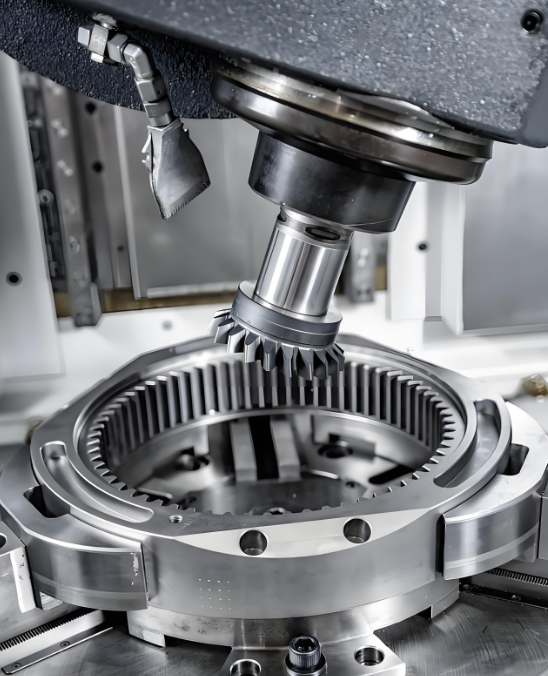
    First, the core principle of CNC machining CNC machining, that is, CNC machine tool processing, the core is: digital instructions: the operator or designer using CAD (computer-aided design) software to create a three-dimensional model, and then through the CAM (computer-aided manufacturing) software will be converted to a series of model instructions (known as G code and M code). Machine execution: The controller of the CNC machine reads these codes and accurately controls the relative movement of the tool and the workpiece in multiple axes to automate the cutting task.

    Second, the great advantages of CNC machining Extremely high precision and repeatability: can easily reach micron-level tolerances, and can be thousands of times to produce identical parts. Powerful complex shape machining ability: able to complete the traditional machining is difficult to achieve or even impossible to complete the complex surfaces and shaped structures, is the first choice for aerospace, medical equipment field. Superior productivity: Once programmed, the process is almost completely automated, allowing unattended operation for long periods of time and dramatically reducing the cost per part. High degree of flexibility: Changing to a different part usually requires only a change of programme and tooling, making it ideal for flexible manufacturing of multiple varieties and small batches.图片[2]-数控加工是什么?为您全面解读现代制造业的精度与效率革命-大连富泓机械有限公司

    Third, the common types of CNC machining CNC milling: the most widely used form of CNC machining, typical equipment is a vertical or horizontal machining centre. CNC turning: for precision rotary parts processing, equipment for CNC lathes or turning centres. Multi-axis linkage processing: such as five-axis machining centre, a clamping to complete the complexity of the parts of the five sides of the processing, to avoid the error brought about by multiple clamping. Summary: CNC machining is the basis of intelligent manufacturing. It is not only a technical guarantee for product innovation, but also a key productivity tool for enterprises to maintain their advantages in global competition.

  • Grundlagen der maschinellen Bearbeitung erklärt: Von traditionellen Prozessen zu modernen Anwendungen

    Erkundung der maschinellen Bearbeitung der Kernwelt. In diesem Artikel werden die Prinzipien, Merkmale und Anwendungsszenarien traditioneller Bearbeitungsverfahren wie Drehen, Fräsen, Bohren und Schleifen detailliert beschrieben, um Sie bei der Auswahl der am besten geeigneten Bearbeitung Methode für Ihr Projekt.

    Die maschinelle Bearbeitung, der Eckpfeiler der Fertigung, ist der Prozess des Abtragens von überschüssigem Material von einem Werkstück (z. B. Metall, Kunststoff, Holz) durch mechanische Kraft unter Verwendung eines Schneidwerkzeugs, um eine vorgegebene Form, Abmessung und Oberflächengenauigkeit zu erhalten. Es ist die Grundlage aller mechanischen Fertigungs- und Wartungsarbeiten.

    Trotz des raschen Wandels in der modernen Technologie sind die folgenden traditionellen Bearbeitungsmethoden immer noch das Rückgrat der Werkstatt: Drehen Prinzip: Das Werkstück wird gedreht und das Schneidewerkzeug bewegt sich entlang einer festen Bahn, um zu schneiden. Hauptausrüstung: Drehmaschine. Anwendung: Hauptsächlich für die Bearbeitung von Wellen, Scheiben, Hülsen und anderen rotierenden Körperteilen, können externe, interne Löcher, Gewinde, Endflächen und andere Operationen sein. Fräsen Prinzip: Das Werkzeug dreht sich, das Werkstück ist auf dem Tisch befestigt und bewegt sich, und das Material wird durch die Drehbewegung des mehrschneidigen Werkzeugs entfernt. Hauptausrüstung: Fräsmaschine. Anwendung: Bearbeitung von ebenen Flächen, Nuten, Zahnrädern, komplex gekrümmten Flächen usw. Aufgrund seiner hohen Flexibilität ist es eine der am häufigsten verwendeten Bearbeitungsmethoden. Prinzip des Bohrens: Bearbeitung von runden Löchern in festem Material mit speziellen rotierenden Werkzeugen (Bohrern). Wichtigste Ausrüstung: Bohrmaschine. Anwendung: Fast alle Teile, für die Löcher benötigt werden, können ohne Bohren nicht hergestellt werden; dies ist das grundlegende Lochbearbeitungsverfahren. Schleifen Prinzip: Verwendung einer mit hoher Geschwindigkeit rotierenden Schleifscheibe (aus miteinander verbundenen Schleifkörnern), um winzige Schnitte auf der Oberfläche eines Werkstücks vorzunehmen. Wichtigste Ausrüstung: Schleifmaschine. Anwendung: Hauptsächlich für die Fertigbearbeitung zur Erzielung einer sehr hohen Maßgenauigkeit und einer ausgezeichneten Oberflächengüte, häufig für harte Teile nach der Wärmebehandlung verwendet.

    Zweitens: Wie wählt man das richtige Bearbeitungsverfahren? Die Wahl des Verfahrens hängt von einer Reihe von Faktoren ab: Teilegeometrie: Drehkörper haben Priorität beim Drehen, ebene und komplexe Konturen beim Fräsen. Materialtyp: verschiedene Materialien müssen mit verschiedenen Materialien und Schnittparametern des Werkzeugs übereinstimmen. Präzisions- und Oberflächenanforderungen: Drehen und Fräsen für allgemeine Präzision und Schleifen für hohe Präzision. Produktionskosten und Effizienz: Die Losgröße wirkt sich direkt auf die Auswahl des Verfahrens und die Gestaltung der Vorrichtung aus.

    Zusammenfassung: Das Verständnis dieser grundlegenden Bearbeitungsprozesse ist eine Voraussetzung für Produktdesign, Fertigung und Outsourcing. Sie sind eine entscheidende Brücke vom Zeichenbrett zum physischen Objekt, und ihre grundlegende Position bleibt auch in der heutigen hochautomatisierten Welt unerschütterlich.

  • Buch über Bearbeitungsmaschinen und -geräte: Die Kernkraft, die die moderne Fertigung bestimmt

    Machining Machines and Equipment: From turning, milling and grinding to CNC, read how to choose in one article |
    Meta Description: Don’t know about machining equipment? This article provides a comprehensive overview of the functions and selection points of core equipment such as lathes, mills, grinders, CNC machining centres, etc., to help you evaluate supplier capabilities or plan equipment purchases.

    Buch über Bearbeitungsmaschinen und -geräte: Die Kernkraft, die die moderne Fertigung bestimmt
    Einleitung:
    “If you want to do a good job, you must first sharpen your tools.” Machining equipment is the “tool” of a machine shop, which directly determines its machining capability, accuracy level and business scope. Whether you’re looking to purchase equipment to build your own shop, or you’re a customer evaluating the strength of your suppliers, it’s important to understand the mainstream machining equipment. This article will bring you a quick introduction to these “steel warriors” of modern manufacturing.

    I. Conventional/general-purpose machine tools (basic and supplementary)

    lathes

    Function: Mainly machining rotary body parts (such as shafts, rods, sleeves) for external round, internal hole, thread, end face, etc.

    Features: It is one of the most basic equipment in machining.

    machining centre

    Function: Used for machining flat surfaces, grooves, gears, splines and various complex profiles.

    Features: Tool rotation is the main motion and workpiece movement is the feed motion.

    drilling machine

    Function: Mainly used for drilling, reaming, reaming and tapping.

    Characteristics: Simple structure, strong specialisation.

    grinder

    Function: Finishing with grinding wheels achieves extremely high dimensional accuracy and surface finish.

    Type: Surface grinder, cylindrical grinder, internal grinder, centreless grinder, etc.

    II. CNC machine tools (the mainstay of modern machining)

    CNC machining centre

    Function: Milling, drilling, boring, tapping and other functions in one, with automatic tool changer, one clamping can complete multiple processes.

    Core Advantages: High precision, high efficiency, automation, suitable for processing complex parts.

    Classification: Vertical, horizontal, gantry, three-axis, four-axis, five-axis linkage. Five-axis machining centres are a key indicator of a factory’s high-end machining capabilities.

    CNC lathe (numerically controlled lathe)

    Function: Numerically controlled lathe for automatic precision machining of complex rotary parts.

    Derivation: Combined turning and milling centre with further integrated milling functions for greater functionality.

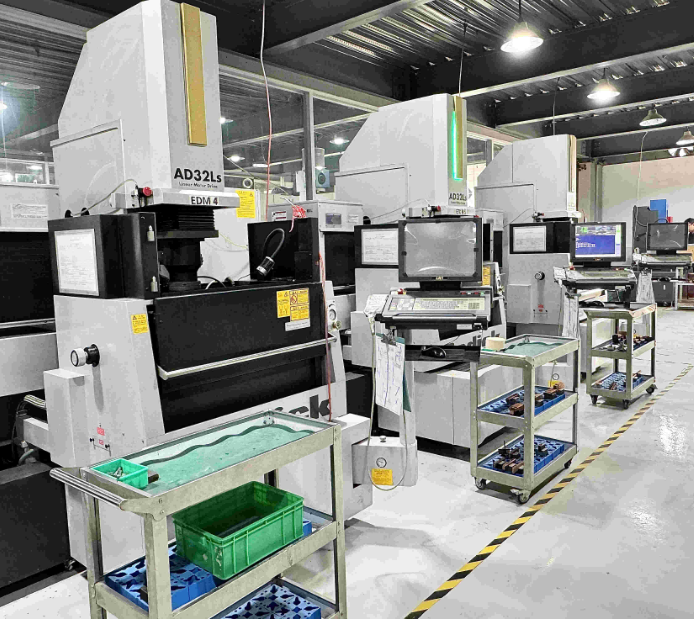
    wire erosion machine

    Function: EDM cutting using a moving wire (electrode), especially suitable for processing high hardness metals and complex moulds.

    Classification: Fast walking wire, slow walking wire (higher precision).

    laser cutting machine

    Function: Using high energy laser beam to cut metal sheet, fast speed, high precision, no need to open mould.

    Third, how to choose machining machines and equipment according to the business?

    Start-ups/Small Workshops: Can start with one or two CNC machining centres and CNC lathes, covering most general parts machining needs.

    Medium-sized specialised factories: On the basis of general-purpose CNC equipment, add special equipment such as wire-cutting and grinding machines, and consider 4-axis/5-axis equipment to undertake high value-added orders.

    Large/Integrated manufacturers: need to be equipped with a complete chain of equipment, including large-scale gantry milling, horizontal machining centres, turning and milling and a variety of testing equipment, to form a one-stop solution capability.

    Zusammenfassung:
    A machine shop’s equipment list is its “resume”. Customers can roughly judge its technical strength by looking at the brand, model, quantity and newness of the equipment. For a machine shop, continued investment in advanced machining equipment is an inevitable choice for improving competitiveness and accepting higher-value machining orders.

    Our equipment strength promises:
    [Your Website Name] has always been committed to technological upgrading, with advanced equipment clusters including 5-axis linkage machining centres, high-precision CNC lathes, slow-feeding wire-cutting, etc., to ensure that we can provide customers with a full range of precision machining services from simple to complex, from prototype to batch.

    Erweiterte Lektüre:

    How do machinists take orders? How do machining orders usually get taken?

    Looking for Machining Outsourcing Manufacturers? Machining Outsourcing Machining Network Full Tips

  • Vollständige Strategie für das Outsourcing des Bearbeitungsnetzes: Wählen Sie die richtige Plattform, lassen Sie den Auftrag zu Ihnen kommen

    Machining outsourcing processing network which is good?2025 Mainstream Platform Review and Usage Guidelines |
    Meta Description: Don’t know how to choose machining outsourcing processing network? This article in-depth review of Alibaba 1688, Huicong network and other mainstream platforms, teach you how to efficiently use the network to receive orders, to avoid stepping on the pit.

    Vollständige Strategie für das Outsourcing des Bearbeitungsnetzes: Wählen Sie die richtige Plattform, lassen Sie den Auftrag zu Ihnen kommen
    Einleitung:
    In the Internet era, “machining outsourcing processing network” has become the core bridge connecting supply and demand. For the buyer, it is a fast channel to find suppliers; for the processor, it is an important window to show strength and get orders. However, there are many platforms, how to choose and use to maximise the benefits? This article will provide you with one by one analysis.

    I. Mainstream machining outsourcing processing platform review

    Ali Baba, character from The Arabian Nights

    Advantage: The largest B2B platform in China, with huge traffic and extremely rich demand types, from simple turning and milling to five-axis complex processing are covered.

    Disadvantages: High competition, price transparency, need to invest effort in operations and bidding.

    Suitable for: The vast majority of machining companies, especially manufacturers who wish to reach a wide range of customers nationwide.

    Wiseguy.com

    Advantage: Old B2B platform, deep cultivation in the field of industrial products for many years, with a certain number of loyal user groups.

    Weaknesses: There is a gap between traffic and influence compared to 1688.

    Suitable for: As a complementary channel to 1688, or enterprises with resource advantages in specific industries.

    Advantage: High visibility overseas, ideal for processing factories wishing to undertake foreign trade orders and do export business.

    Weaknesses: There is a requirement for the company’s English ability and familiarity with foreign trade processes.

    Suitable for: Enterprises with experience in foreign trade or aspiring to develop international markets.

    Vertical Machining Crowdsourcing Platform

    Strengths: Very precise, platform model specifically tailored to machining, more professional process.

    Disadvantages: Single platform does not have as much traffic as a large integrated platform and may need to register more than one to cover more demand.

    Example: You will need to search for currently active specialised platforms yourself.

    Second, the processing side: how to take orders efficiently on the outsourcing network?

    Create a professional shop page:

    Facade: Upload high-resolution photos of the plant, equipment ([machining machinery and equipment]) and team.

    Proof of strength: Detailed list of equipment (e.g., CNC model, machining range) and machining capabilities (e.g., material, accuracy, maximum size).

    Case Gallery: Showcases the most successful machined part drawings with a brief description of the process.

    Positive quotes and professional communication:

    Quick Response: Respond to enquiries at the first time to give customers a good impression.

    Professional Quotation: Quotations are clear and standardised, containing key information such as material, workmanship, quantity, unit price and delivery date.

    Technical communication: proactively communicate with customers on the details of the drawings, make professional suggestions, show your value rather than just the price.

    Accumulate credit and reviews:

    Complete each order carefully and strive for positive customer feedback. Platform credit is an important endorsement for subsequent orders.

    III. Purchasers: How to find quality manufacturers on the Outsourcing Network?

    Look at the hard power: Focus on the manufacturer’s equipment list and processing cases to determine whether it can meet your technical needs.

    Look for soft power: Check for certifications (e.g., ISO 9001), customer reviews, and years in business to assess reliability and stability.

    Multi-Channel Verification: Don’t limit yourself to online communication, but conduct on-site factory inspections when conditions allow to see the equipment and production management processes first hand.

    Zusammenfassung:
    Machining Outsourcing NetworkIt is a powerful tool, but the key to success lies in “doing business with heart”. For processors, it makes up for the shortcomings of traditional channels; for buyers, it greatly widens the range of choices. In this online market, professionalism, honesty and communication are always the basis for cooperation.

    Contact us to save on platform screening:
    We have been deeply cultivated in the major outsourcing platform for many years, with good reputation and rich experience. If you have precision parts to be processed, welcome to contact us directly, we will provide you with more cost-effective and guaranteed services.

    Erweiterte Lektüre:

    How do machinists take orders? How do machining orders usually get taken?

    The core of machining capabilities: a detailed look at common machining machinery and equipment and selection

  • Wie erhält man Bearbeitungsaufträge im Allgemeinen? 8 effiziente Kanäle, die Ihnen helfen, Ihre Aufträge zu erfüllen

    How a machine shop takes orders? The 8 Most Effective Customer Acquisition Channels Revealed | [Your Web Name]
    Meta Description: Worried about how to get machining orders? This article provides you with a detailed explanation of the online and offline 8 efficient channels to receive orders, from outsourcing machining network to word-of-mouth marketing, to help your machining plant orders continue to flow.

    Wie erhält man Bearbeitungsaufträge im Allgemeinen? 8 effiziente Kanäle, die Ihnen helfen, Ihre Aufträge zu erfüllen
    Einleitung:
    For many machine shop owners or salesmen, “where to get orders” is a central question. In an increasingly competitive market, it is no longer feasible to wait for orders. Whether you are a start-up or a mature enterprise, you need to take the initiative to develop customer sources. In this article, we will systematically sort out the most effective machining order channels, to help you find the most suitable for their own customer road.

    I. Online order-taking channels (essential for modern enterprises)

    Machining outsourcing processing network (vertical B2B platform)

    Description: This is the most direct and professional order taking channel. The platform gathers a large number of customers with outgoing processing needs.

    Mainstream platforms: Alibaba 1688 Industrial, Huicong.com, Made-in-China.com, and various vertical machining crowdsourcing platforms.

    Operation Points: Carefully decorate the shop homepage, upload high-quality pictures of equipment and successful cases, actively offer to participate in the bidding, and accumulate positive customer feedback.

    Official Business Website and SEO图片[1]-机加工单子一般怎么接?8大高效渠道助您订单满满-大连富泓机械有限公司

    Description: Your stand-alone website is a 24-hour online sales presence. By optimising the content of your website (such as the article you are reading), potential customers will find you when searching for “how to get a machining order”, “[region]+CNC machining”.

    Operation Points: Continuously publish articles, cases and videos that show your technical strength, enhance the ranking of Google and other search engines, and attract accurate passive traffic.

    Social media and professional forums

    Description: Demonstrate your expertise by being active on LinkedIn, professional QQ groups, WeChat groups, and industry forums (e.g. Machinery Community).

    Operation point: Share processing technology tips, answer others’ questions, and subconsciously build up an expert image, thus attracting orders.

    II. Offline and networking channels (traditional but solid)

    Local industry chain and industrial park visits

    Description: Proactively visit equipment manufacturers, research institutes, and product companies in your area that typically have ongoing machining outsourcing needs.

    Word-of-mouth referrals and regular customer maintenance

    Description: This is the lowest cost, highest turnover channel. Serve every existing customer well, let them become your live advertisement, bring the “snowball” effect.

    Operational Points: Guarantee quality, deliver on time, communicate proactively, and build long-term trusting relationships.

    Participation in industry exhibitions

    Description: Such as the China International Industry Fair, all kinds of professional machinery exhibition, is both the window to understand the industry, but also direct contact with large quantities of high-quality customer excellent opportunity.

    III. Integration and innovation channels

    Co-operation with design companies or traders

    Description: Many product design companies or traders do not have factories and they need stable processing partners. Establishing a relationship with them can result in a continuous and stable flow of orders.

    Participation in government or corporate procurement tenders

    Description: Pay attention to the government procurement platform and large enterprises bidding information, for manufacturers with the appropriate qualifications and production capacity, this is a good opportunity to undertake large projects.

    Zusammenfassung:
    Taking orders is not a single method of winning, but a multi-channel combination of punches. It is recommended that start-up companies start from “external platform + word of mouth”, and developing companies must build the core system of “independent station SEO + old customer maintenance”. No matter which way, excellent technical strength, reliable quality and integrity of the operation is the fundamental guarantee that you can receive a single, good single.

    Next Steps:
    If you are looking for a reliable and high quality machining partner, please feel free to contact us. With advanced [machining machines and equipment] and experienced team, we can provide you one-stop solution from drawing to finished product.

    Erweiterte Lektüre:

    Looking for Machining Outsourcing Manufacturers? Machining Outsourcing Machining Network Full Tips

    The core of machining capabilities: a detailed look at common machining machinery and equipment and selection