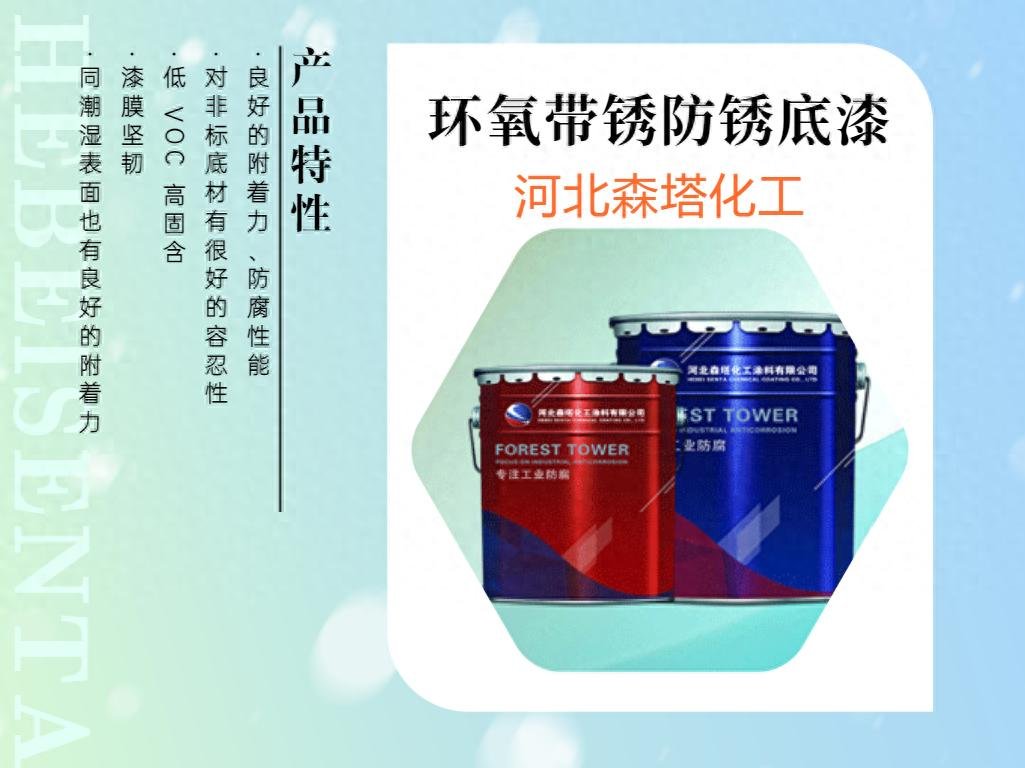


What kind of primer should I use if the steel structure is not rust-removed properly? Applicable working conditions, advantages and disadvantages of rust-proof primer
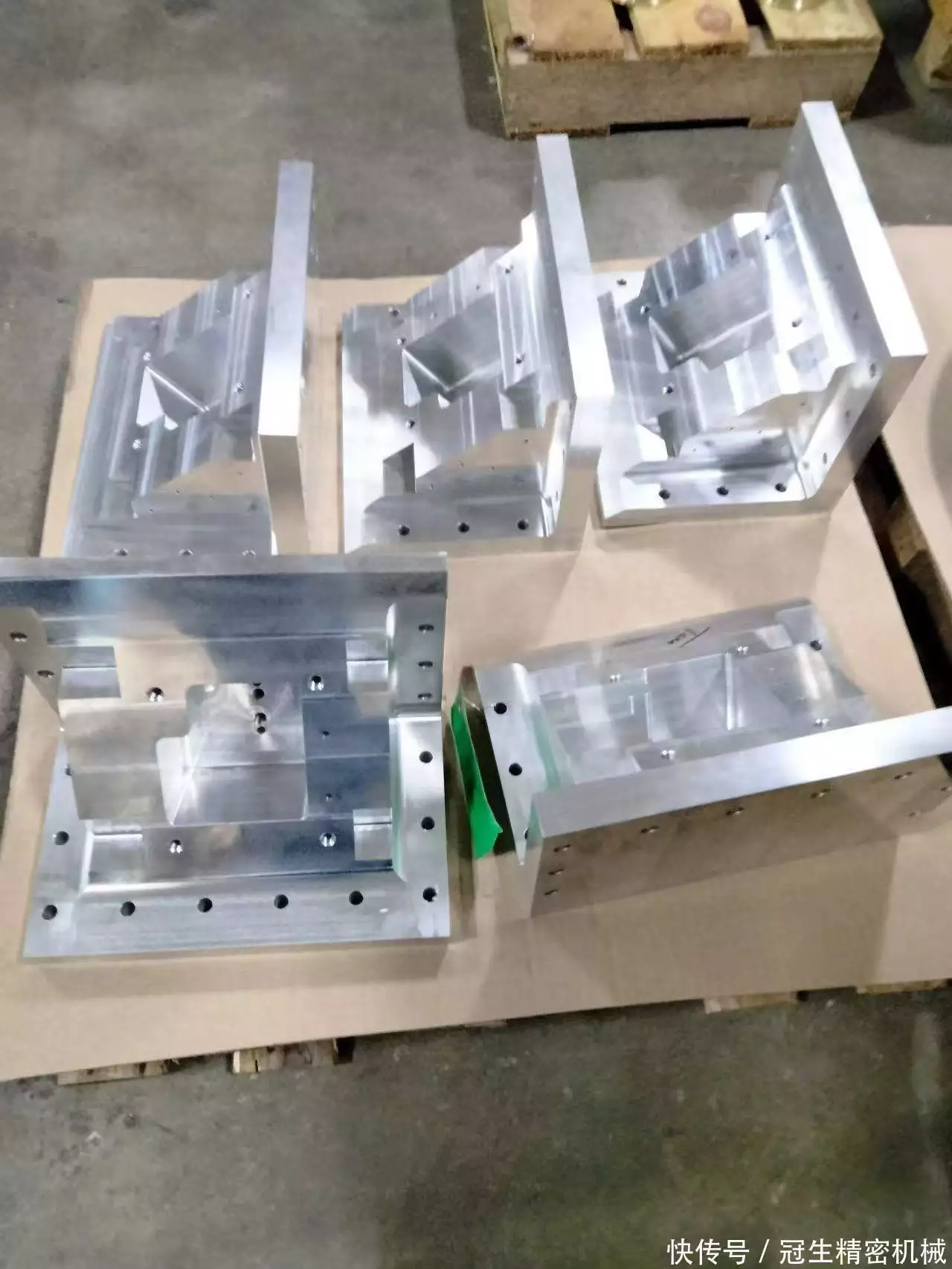
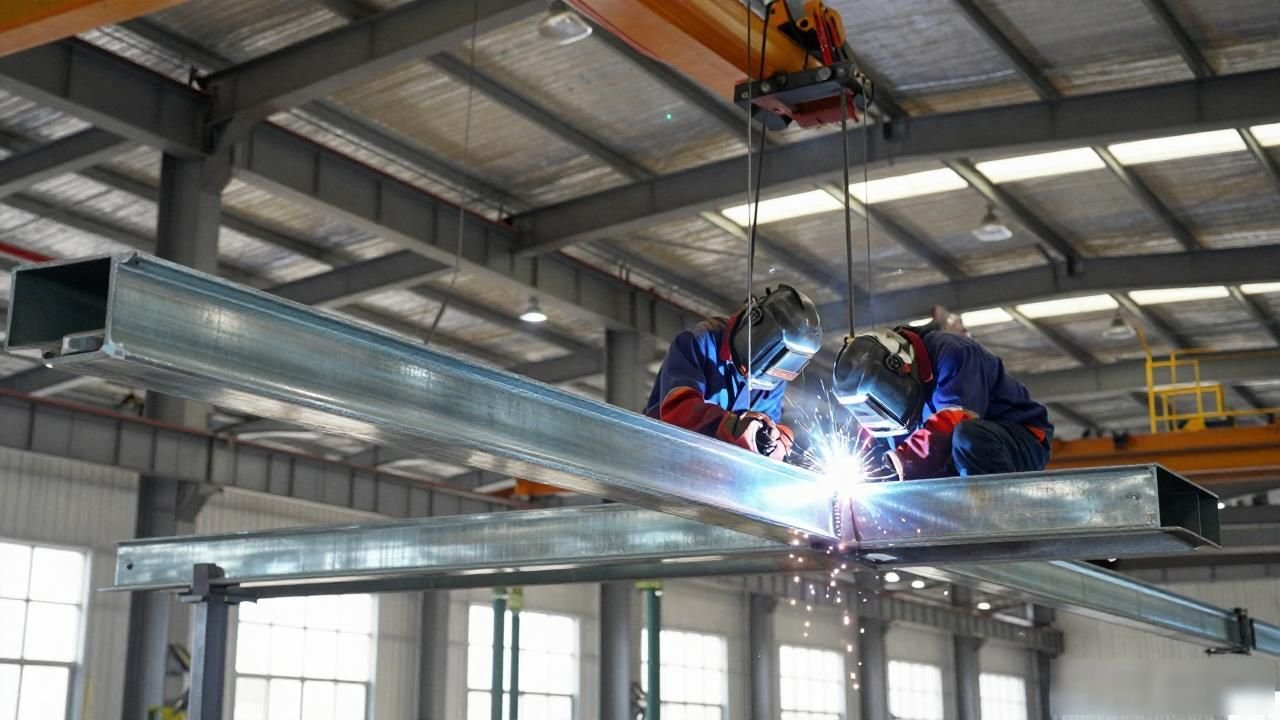
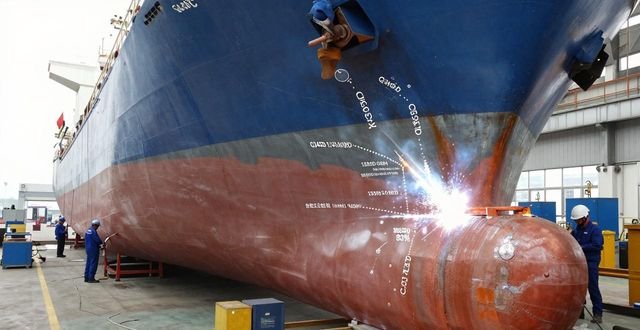
During the repair and renovation of hull rivet weldments, during the process of sandblasting and rust removal, often due to the tight construction schedule and poor on-site conditions, the rust removal is incomplete, leaving a thin layer of rust on the steel plate before painting. Ordinary primers have very poor adhesion on rusted surfaces, and will peel and rust again after a short period of use. Rust-resistant anti-rust primer is a choice that is particularly suitable for this working condition.

How common are sites where rust removal is not done properly?
In shipyards and repair shops, when parts to be riveted and welded are being sandblasted and derusted, they often encounter the problem of insufficient space above the work station, are also restricted by dust control requirements, and have no time to deal with it because they have to be queued at the front of the assembly line. Therefore, this situation is very common. Take the riveted welding node at the seam on a deck as an example. After putting it in a sand box and grinding it twice, The operator will hand it over directly after finishing the work. The most common situation in this case is that a part of the relatively thin rust is still firmly attached to the surface and has not been cleaned. At the same time, there are still some local oxide scales that have not been removed. This situation does not even meet the base surface standard of Sa2.5 level.
This kind of rust is hydrated iron oxide generated after the iron matrix is oxidized, and it bites tightly on the surface of the steel plate. Ordinary epoxy primers and zinc yellow primers require the base surface to be very clean. If you paint directly on the rusty surface, a loose oxide film will be sandwiched between the paint film and the base material. Over time, hollowing and peeling will occur, and the anti-corrosion work will be in vain.
Can rust-proof primer be applied directly?
The answer is yes, but certain preconditions must be met. You can understand the formula of the rust-proof primer in this way, because it does contain ingredients such as phosphoric acid or organic acid conversion agents. Then you will see that these components can slowly penetrate along the capillary pores of that rust layer.
A chemical reaction then occurs, which converts the active iron oxide into an insoluble iron phosphate passivation film. After the transformation is completed, this rust layer becomes an inert protective layer. Finally, it will adhere firmly to the surface of the substrate together with the outer paint film, ensuring that it will no longer spread.
The core lies in the specific shape of the rust. If the rust layer is hard, evenly distributed, and the thickness is controlled within fifty microns, then the painting operation can be carried out directly after removing the floating rust and oil stains on the surface. On the contrary, if the rust part has obvious bulging and can be easily picked off, it proves that the base material has undergone deep corrosion. At this time, the subsequent construction process must be carried out after polishing until the metal body is exposed. Primers with anti-rust properties are completely unable to protect against such severe rust.
Which working conditions are suitable for direct application of rusty primer?
The first category refers to the refurbishment of riveted joints in the hull. Inside those old bulkheads and pressurized water tanks, although the rust on the riveted joints is not thick, it is distributed quite evenly. If the whole sandblasting operation is carried out, the cost is too high. Therefore, the solution of using a rusty primer locally, and then matching the intermediate paint and topcoat is much more cost-effective than re-sandblasting.
The second category refers to engineering projects where on-site rust removal conditions are restricted, because sandblasting operations cannot be carried out in locations such as underwater sections or narrow cabins. Therefore, choosing materials with anti-rust primers can reduce the dependence on base surface treatment to a certain extent.
As for the third category, this mainly refers to steel structures that are exposed to the outdoor environment and are only affected by mild rust. When the surface shows evenly distributed slight rust, the primer can be directly applied. This saves the need for a polishing process and ultimately shortens the overall construction period by two to three days.
Anti-rust Mechanisms and Practical Benefits of Rust Primer
Penetration and transformation is actually the core link. In the rust-proof primer, those acidic components will penetrate into the rust layer. Then, they will undergo a chemical reaction with ferric ions. The result is the formation of insoluble iron phosphate crystals.
This is like locking those rusty things firmly on the surface of the base material. Then these transformed products, plus the paint film applied later, will form a continuous barrier together. Finally, we rely on this barrier to block water vapor and chloride ions, so that they can no longer cause erosion and damage to the steel matrix.
The practical benefits are fairly straightforward. On the one hand, it saves the sandblasting machine equipment, on the other hand, it also saves the heavy grinding equipment, and at the same time, it also saves manpower, and also saves the construction period. For components such as riveted and welded parts of the ship hull, which have a very complex structure and many edges and corners, the difficulty of construction is greatly reduced.
The bonding force between the conversion layer and the base is very good, and peeling will not easily occur in the subsequent period. The maintenance cycle is much longer than that of ordinary primers.
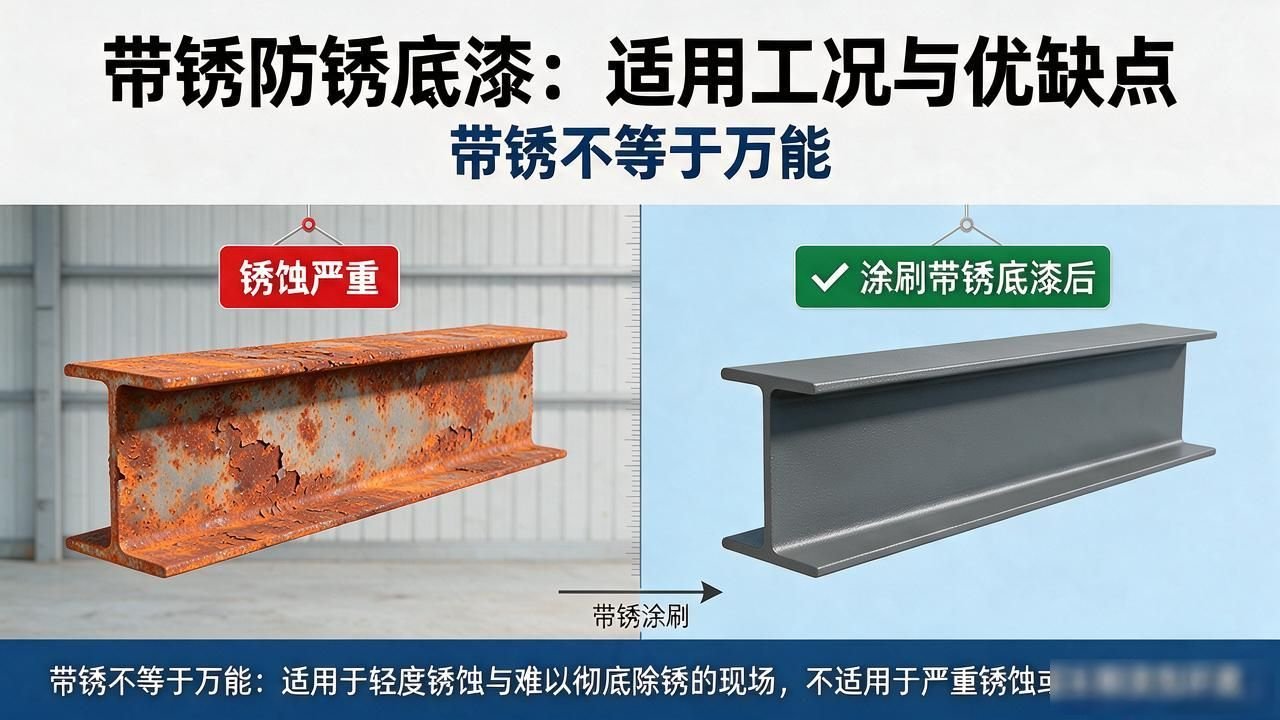
Where is the boundary between being rusty and omnipotent?
If there is thick rust on the surface, it cannot be painted directly. For a large-scale loose rust layer, or if the thickness of the rust layer exceeds 100 microns, or if the base material has been pitted and perforated, the rust must be polished off before construction work can begin. Because the conversion ability of the rusty primer has an upper limit, if the rust is too thick, the paint will not be able to penetrate into the interior of the substrate, and eventually hollowing and peeling will occur.
There are also restrictions on the level of anti-corrosion. For the severely corrosive environment containing high concentrations of salt and high humidity such as the position of the hull below the waterline and the ballast tank, relying solely on the rust primer for protection will not last long enough. Therefore, an epoxy thick-build intermediate paint and topcoat must be used, which together form a complete system. But before painting, The oil stains, salt spray dust and floating rust attached to the surface still need to be cleaned off. What is saved by doing so is only the thorough sandblasting process, but not all the base surface treatment work.
Key control points during construction
The ratio and film thickness cannot be confused. For the two-component rust-proof primer, if the ratio deviation of the two materials A and B exceeds plus or minus 5%, the conversion will be insufficient and the anti-rust layer will become discontinuous. The dry film thickness must be controlled according to the product instructions and must be controlled between 60 and 80 microns. If it is applied too thin, the conversion will not be thorough. If it is applied too thickly, the surface will dry but the inside will not dry. Adhesion will be compromised.
Do not ignore the limitations of environmental conditions. The base surface temperature must be maintained at three degrees Celsius above the dew point, and the air humidity needs to be controlled below 80%. If you cannot do this, the condensation of water vapor under the paint film will directly lead to adhesion failure. There are many and complex gaps in items with a structure such as riveted welding parts, so you must use a fine brush to carefully repaint the corners and the area on the back of the weld and ensure that it is applied in place. The interval between the next paint application and the previous process must be judged and implemented strictly in accordance with the standards specified in the data table given by the product name. You must not directly forcibly compress the time just because you want to speed up the construction period.
When you were at the construction site, have you ever encountered a situation where the rust removal work was not done properly, and you could only carry out the construction with rust stains? In this case, what kind of plan did you finally adopt to deal with these problems, and what was the actual treatment effect?
Everyone is welcome to exchange opinions in the comment area. If you think this information is helpful to you, please give it a like and forward it to fellow workers who work together.




暂无评论内容