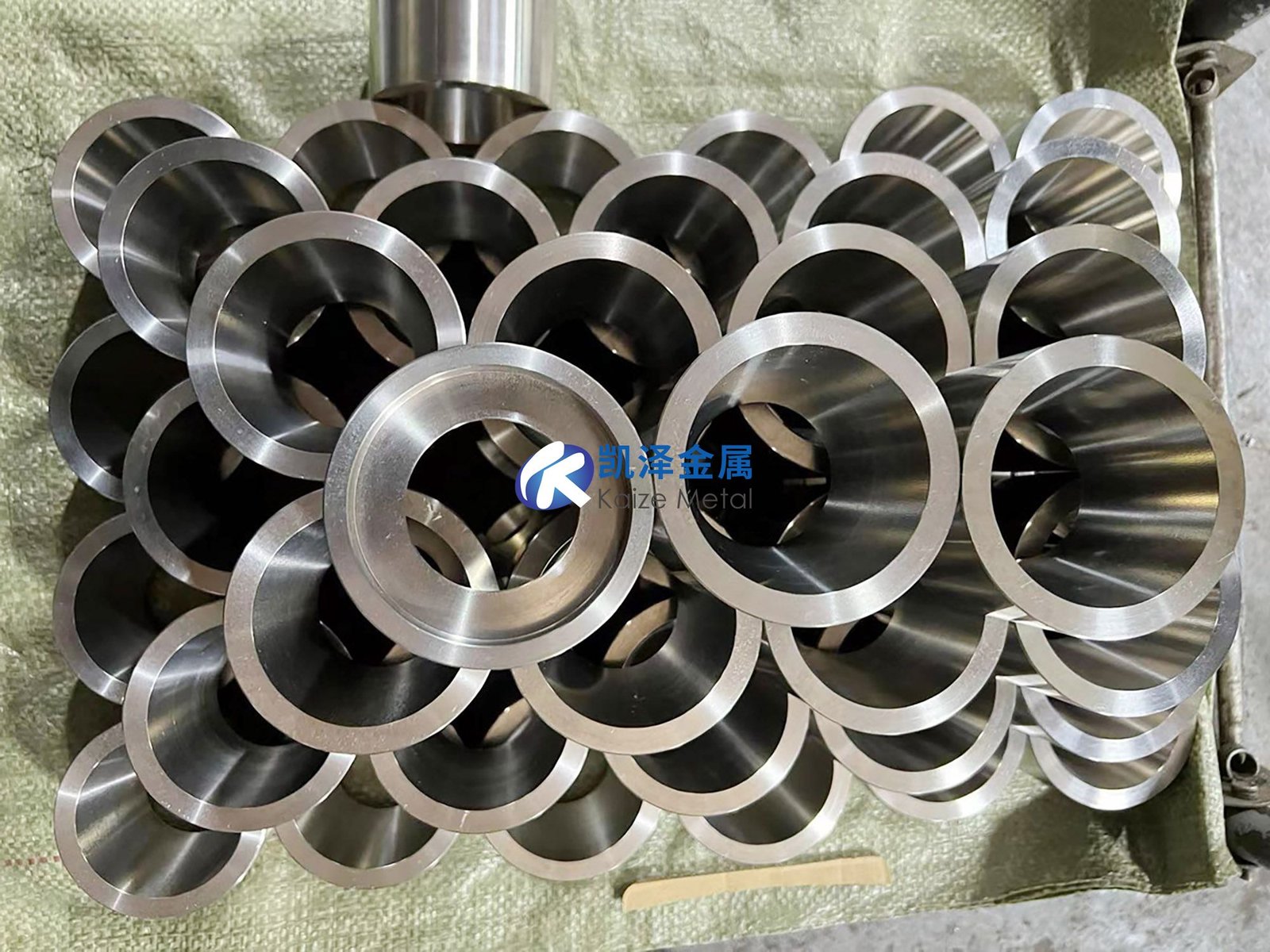


Titanium special-shaped processing parts

When processing titanium alloy parts, the most frightening thing is to choose the wrong grade or make the wrong process. After the part is installed, it is discovered that it is not corrosion-resistant or the strength is not strong enough. At this time, if you want to rework titanium alloy processing , the cost will directly double. The four industries of petroleum, aviation, shipbuilding, and precision machinery have completely different requirements for titanium. Today’s article will make this issue clear.
Titanium processing parts for petroleum industry
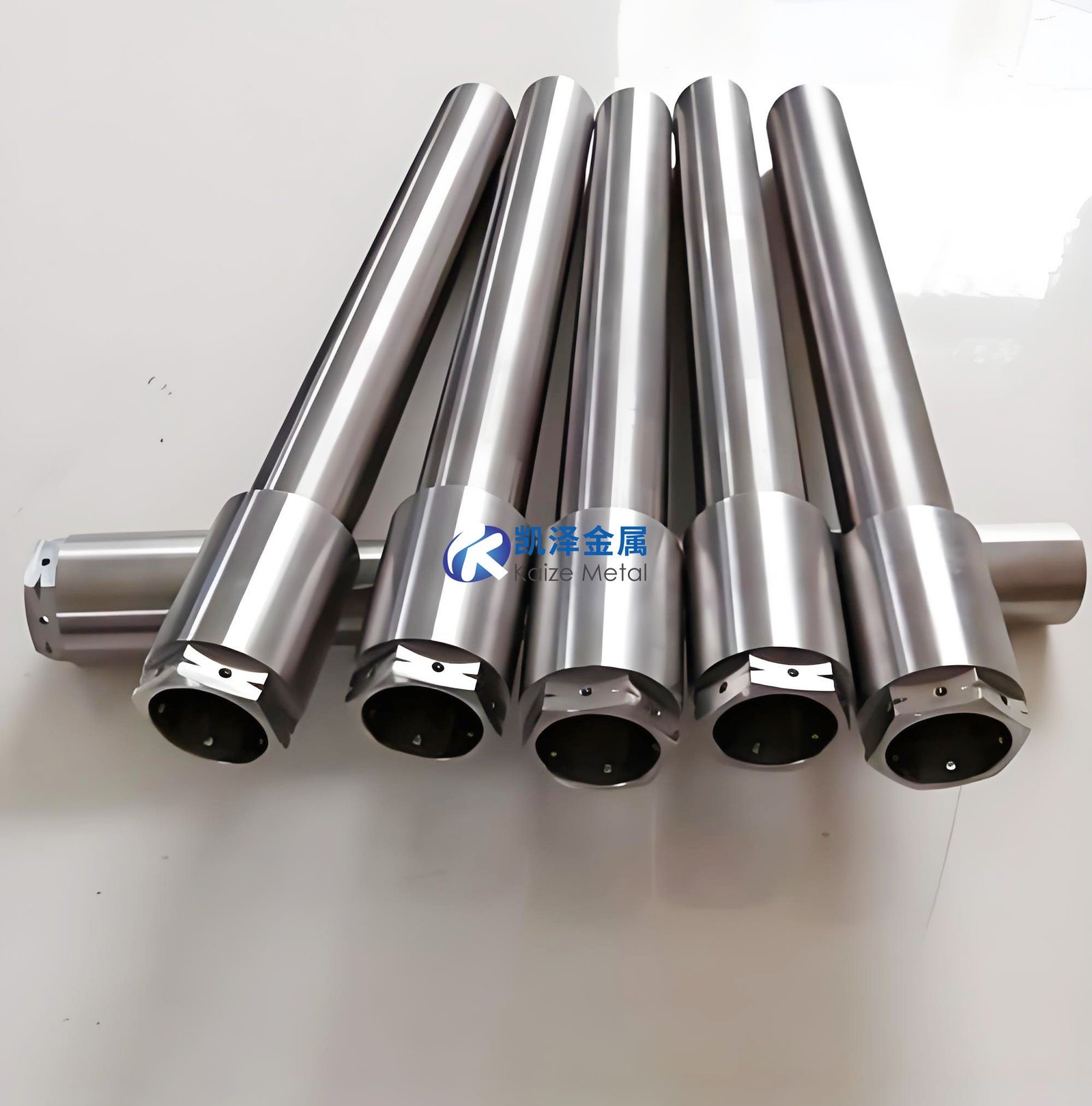
In the environment of oil and gas wellbore titanium alloy processing , the concentration of hydrogen sulfide and carbon dioxide is quite high, and the temperature exceeds 200 degrees Celsius. Ordinary titanium plates will not be used for long, and will fail due to corrosion in just a few months.
At present, the mainstream practice in the industry is to use TA1 grade or TA2 grade titanium materials to make heat exchanger tube bundles and related wellhead accessories. These materials and products need to comply with the requirements of the GB/T 3621 standard, and also need to meet the specifications of the ASTM B381 standard.
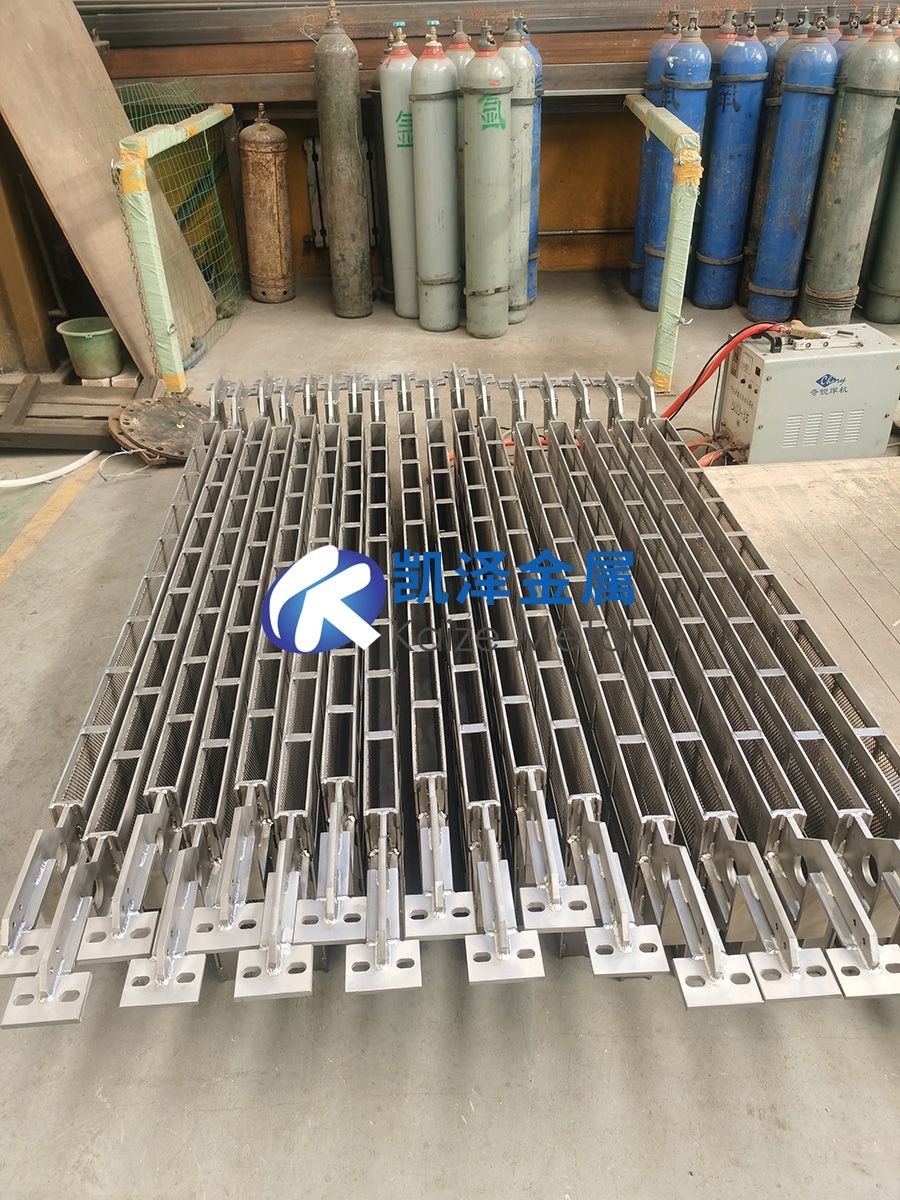
TC4 titanium rod processing parts are used in deep well Christmas trees and blowout preventers. Its density is 4.5g/cm³. Compared with steel, it is 40% lighter and its tensile strength can reach a value of 950MPa. In 2025, the total amount of titanium parts purchased from domestic oil fields was approximately 12,000 tons, and the procurement proportion increased from 3% to 7% now.
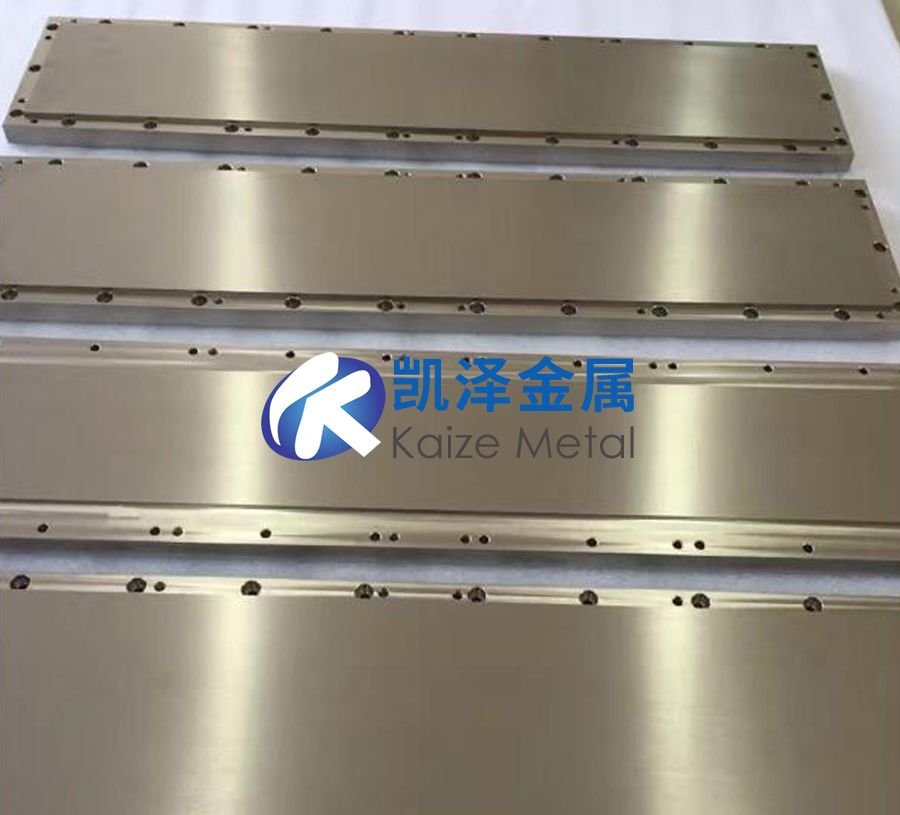
Titanium processing parts for aerospace
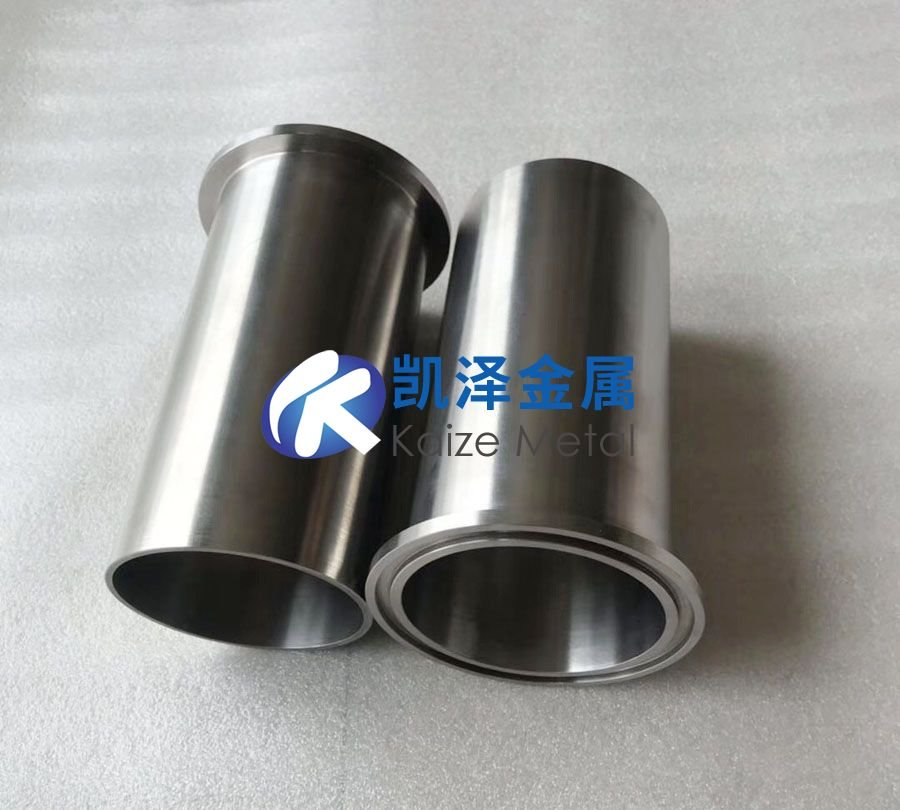
In the field of aerospace engines, the materials used for turbine disc parts are TC4 and GR5, and these two materials are also used for landing gears. The processing accuracy of these parts needs to be controlled within the range of plus or minus 0.01 mm, and the surface roughness Ra value must reach the level of 0.4.
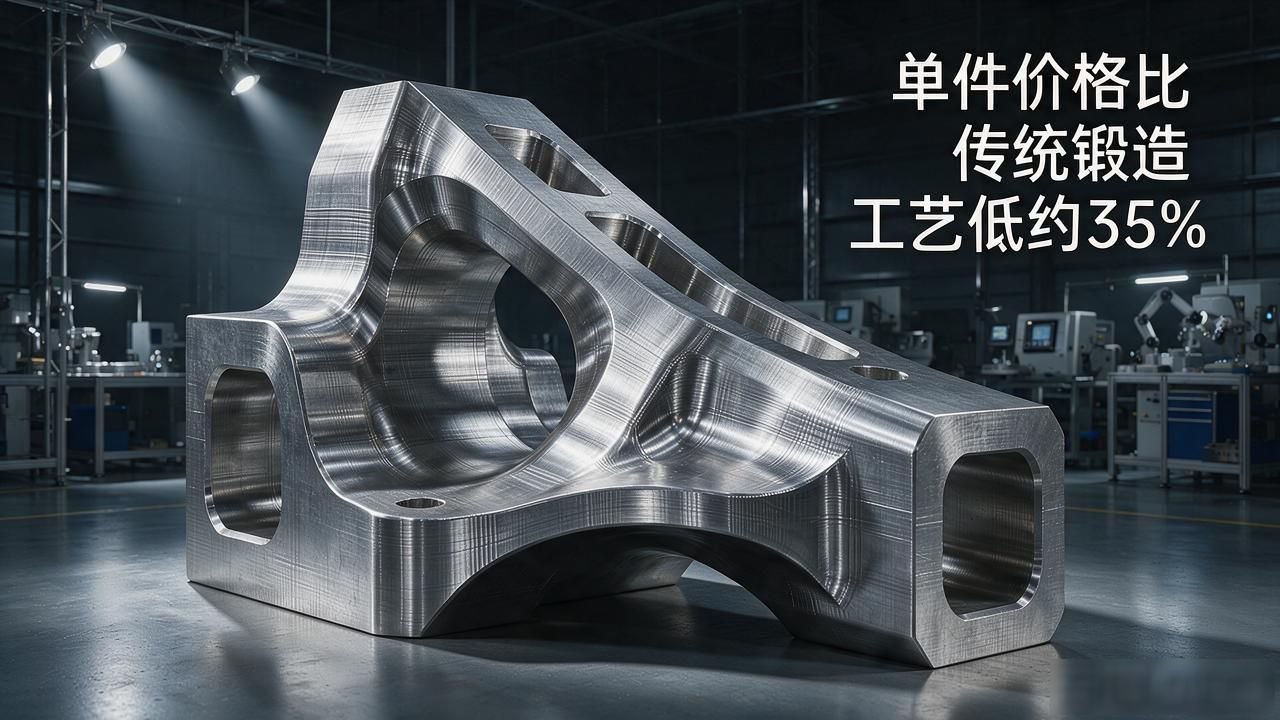
By 2024, titanium powder parts produced using additive manufacturing technology have officially entered the supply system of the C919 aircraft. After cost comparison, it was found that the price of this single product is about 35% lower than the traditional forging process.
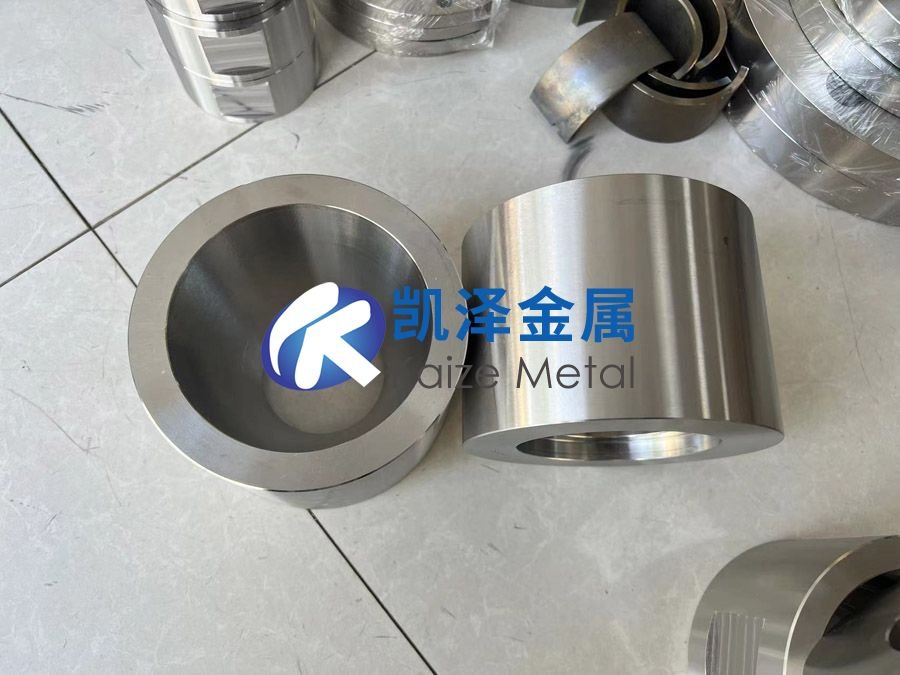
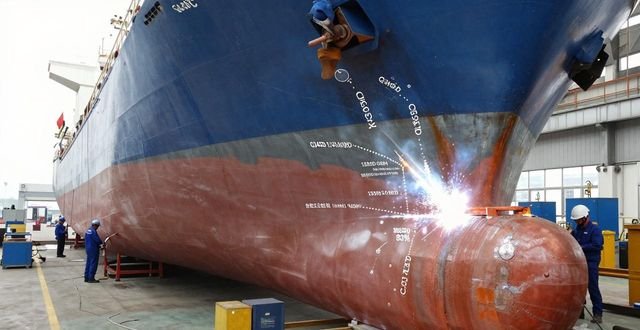
For the salt spray test of TC4 parts for ships, the standard is to be able to continuously pass the test for up to 72 hours, and after the welding is completed, solution treatment must be carried out in the process. Judging from the number of titanium alloy parts purchased by domestic shipbuilding companies every year, it reaches approximately 800 tons, and the main supporting area is the pressure-resistant hull of nuclear submarines.
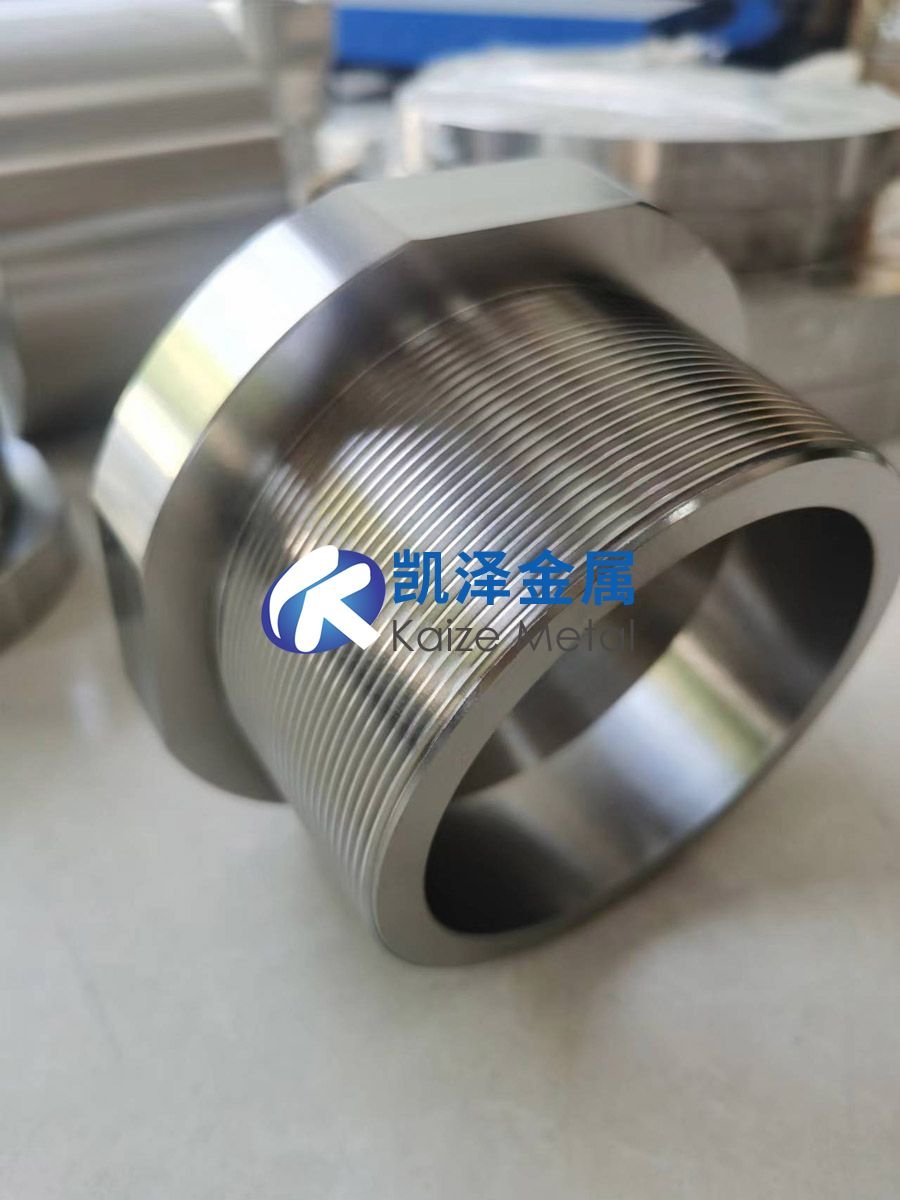
Titanium processing parts for precision machinery
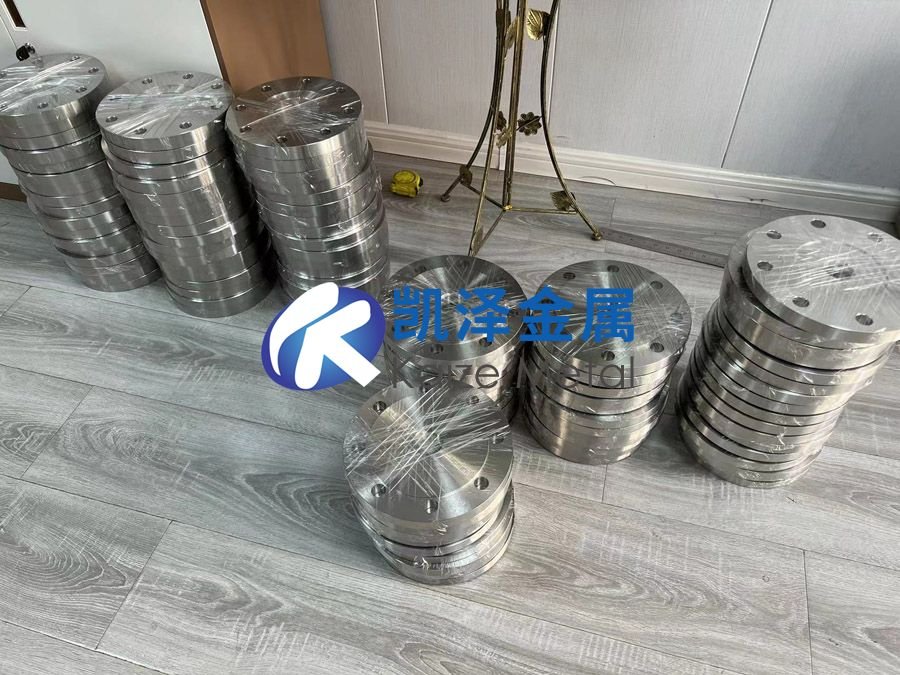
In the field of semiconductor equipment, there are clear requirements for the purity of titanium plate materials such as TA2. It must be ensured to be above 99.7%. At the same time, its surface condition must not show any scratches, and the dimensional tolerance needs to be controlled within the range of plus or minus 0.005 mm.
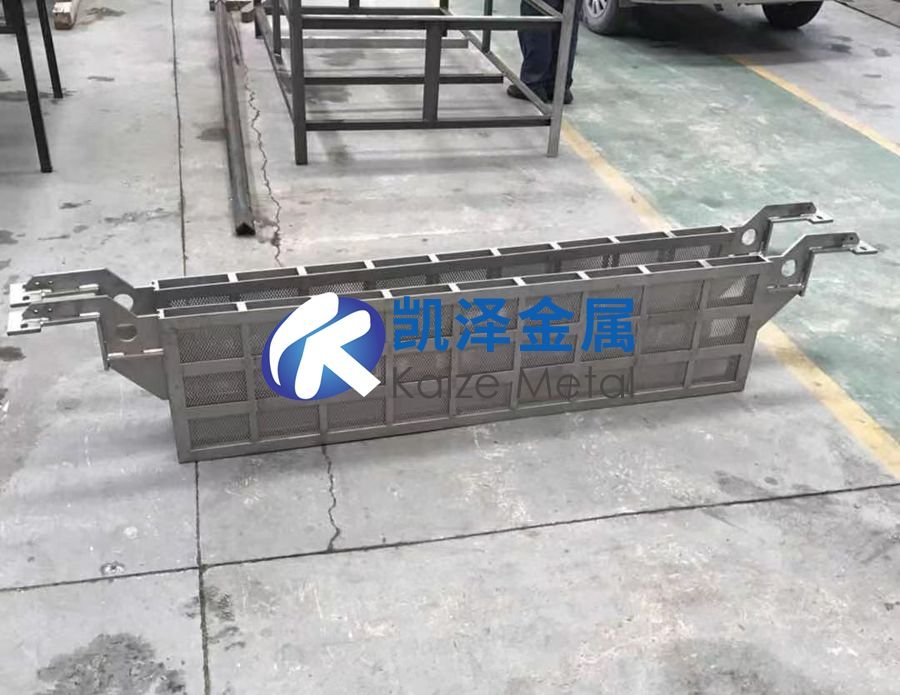
In addition, in the electronic metallurgy industry, some parts processed from titanium mesh are specially used to make electrolytic cell anodes. After these parts are coated with titanium blue coating, they can maintain good corrosion resistance in corrosive media environments such as sulfuric acid.
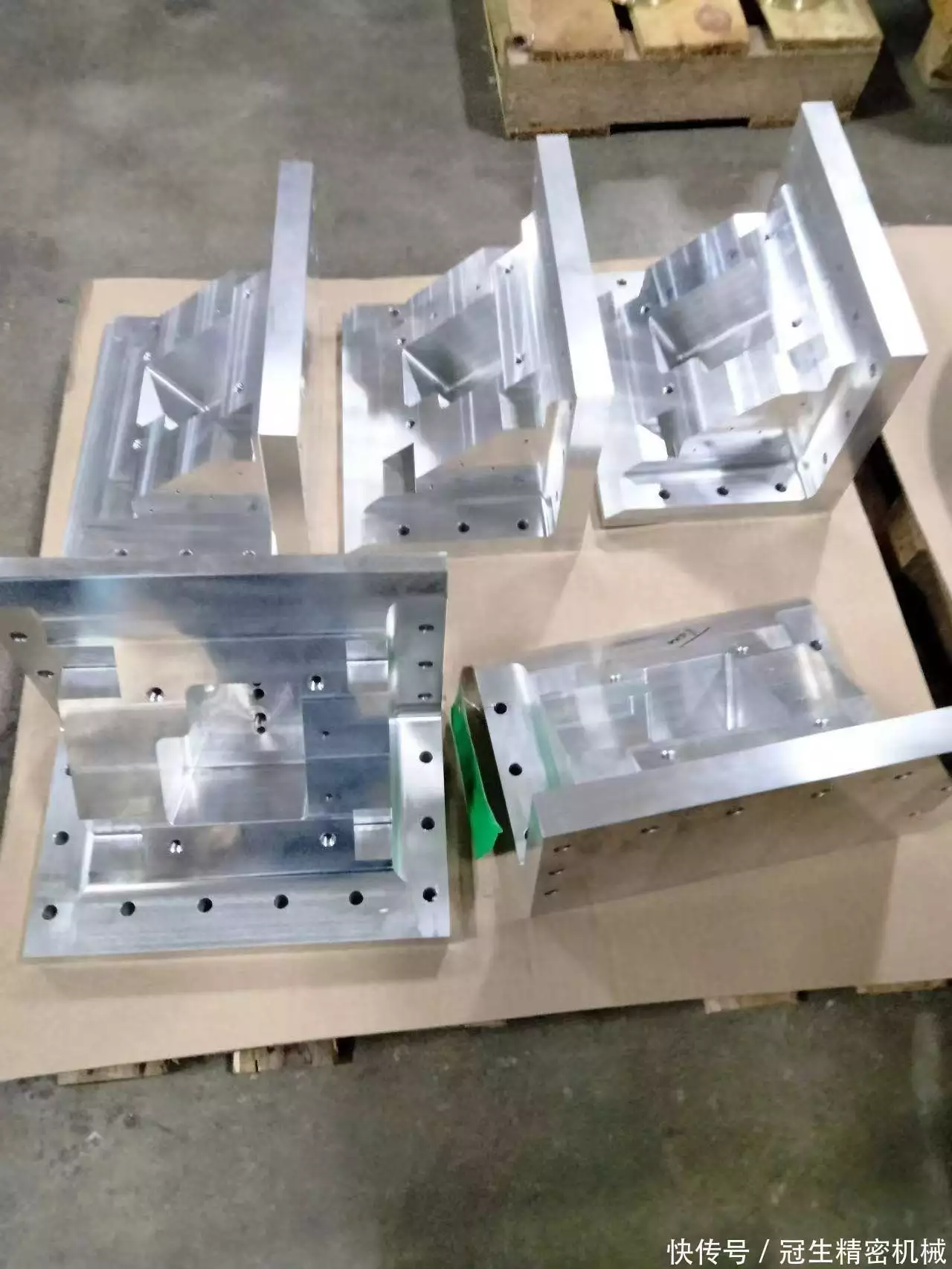
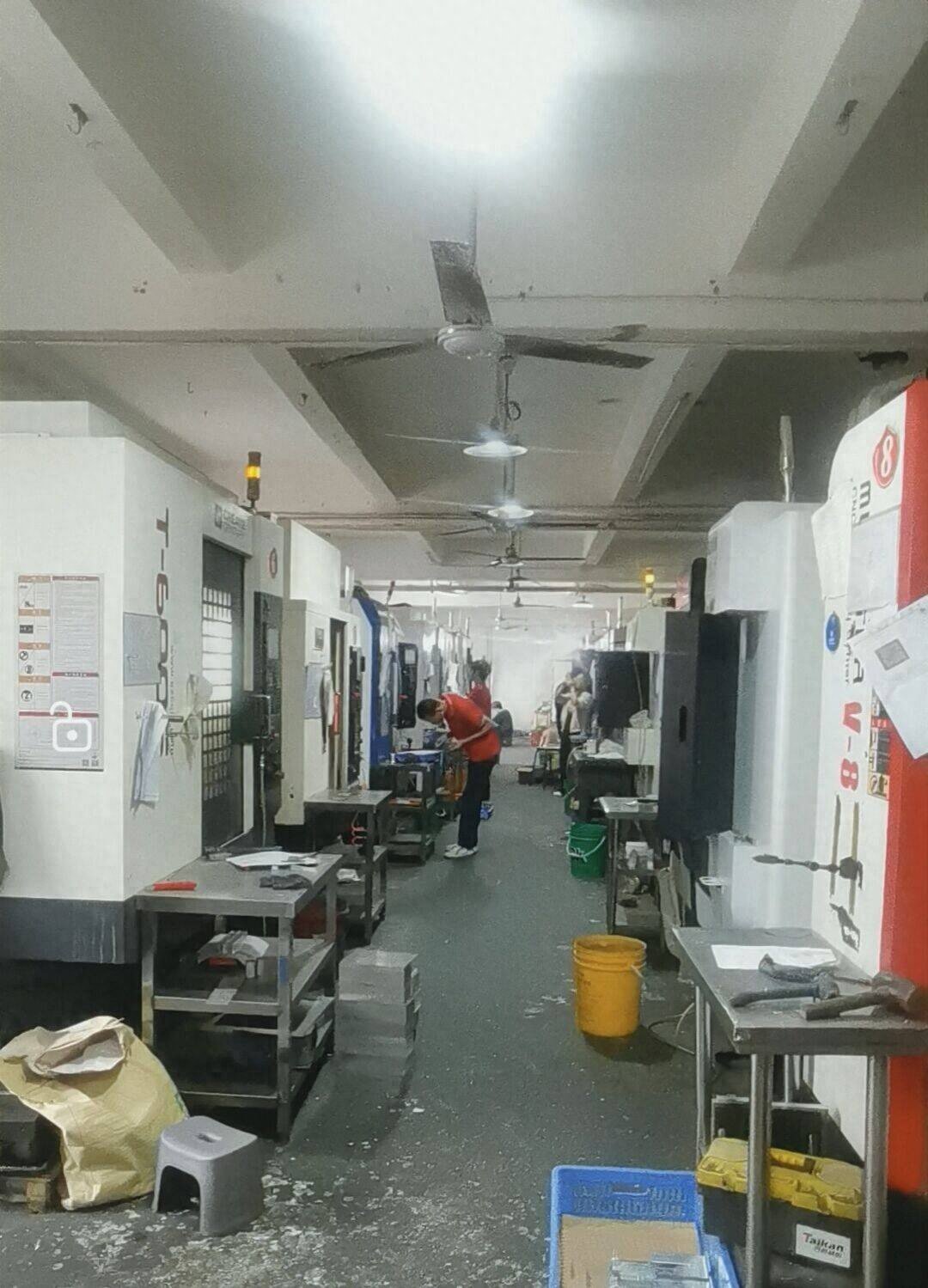
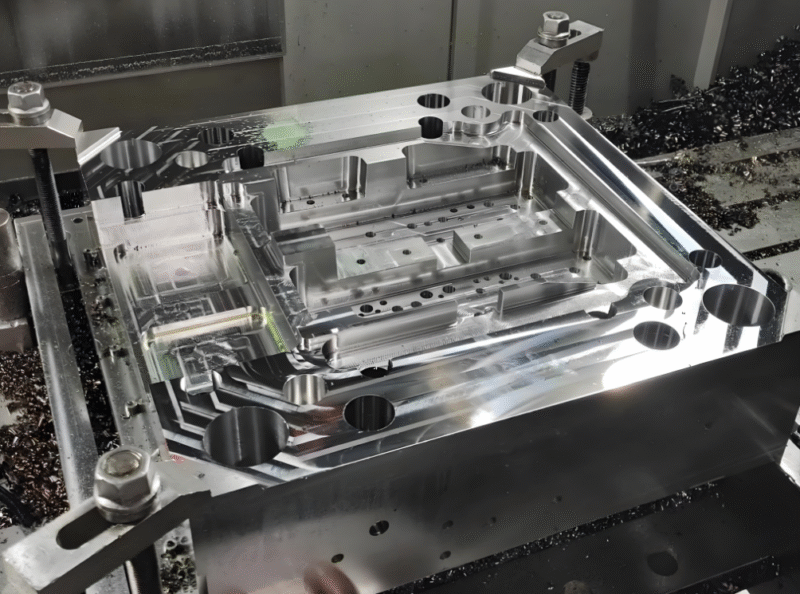
For the processing of precision special-shaped parts, five-axis CNC is now commonly used for fine turning. This process can complete the combined operation of milling and turning in one clamping, thereby controlling the scrap rate to less than 2%. In terms of production scale, OEM manufacturers in Suzhou and Dongguan can produce up to 5,000 pieces per month, and the product delivery cycle takes 15 to 30 days.
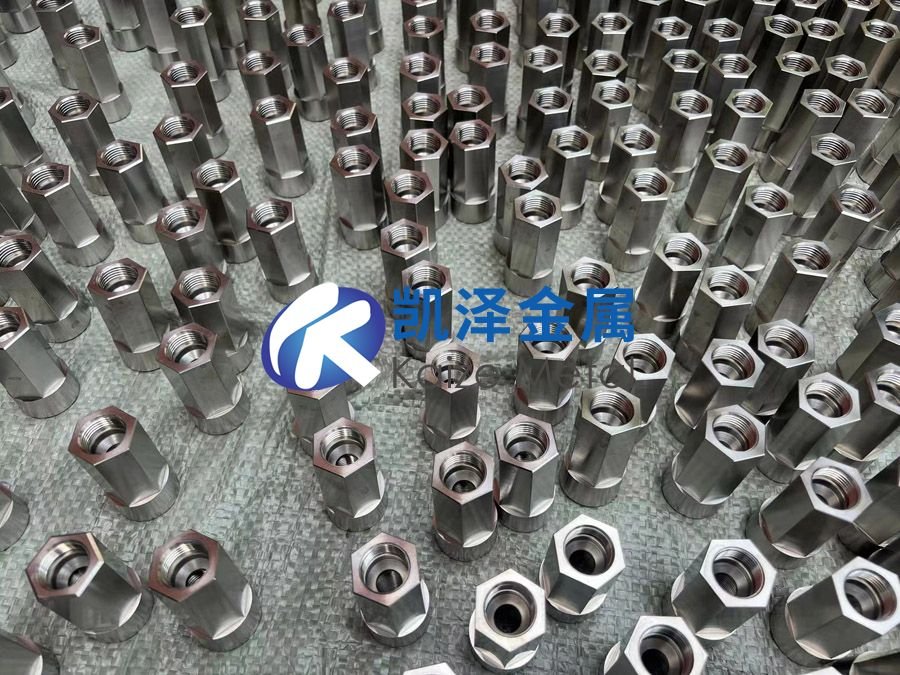
Titanium processing parts for ships
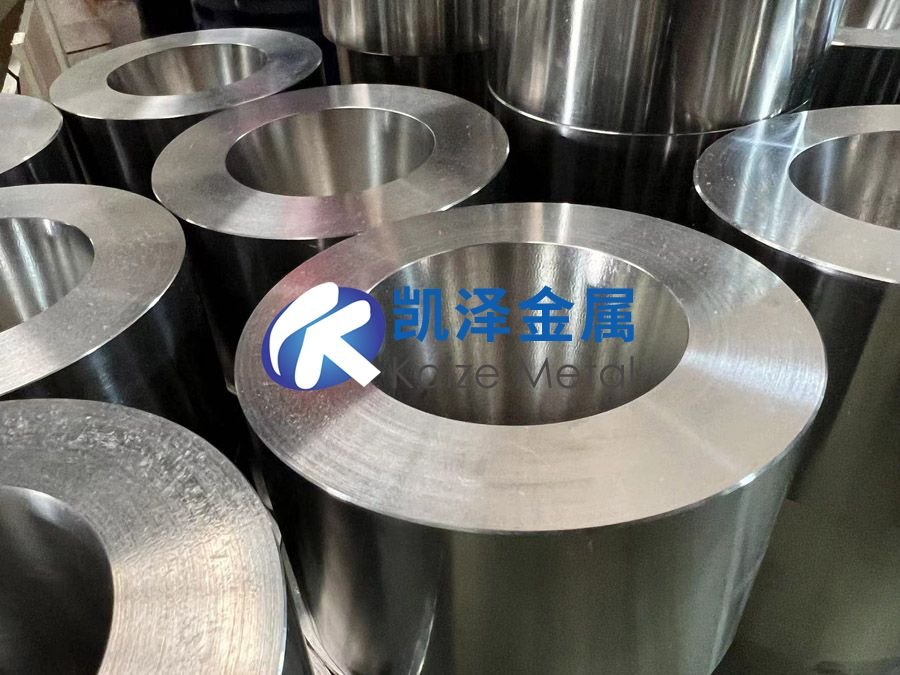
In the seawater environment, what everyone is most worried about is the issue of crevice corrosion. Things like pumps, valves and propellers are cut and welded with TA2 brand sheets. For the welds, argon gas is used for double-layer protection. By 2025, the number of orders for titanium parts at shipyards in Zhoushan and Dalian increased by 22% compared to the same period last year. These titanium parts are mainly used to support the ballast water system of LNG ships.
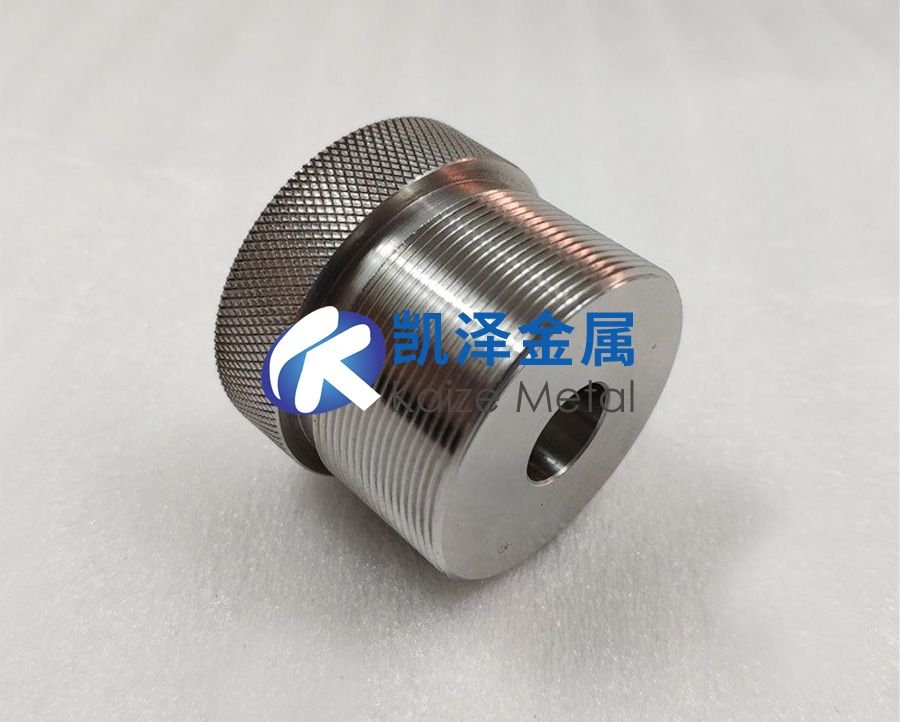
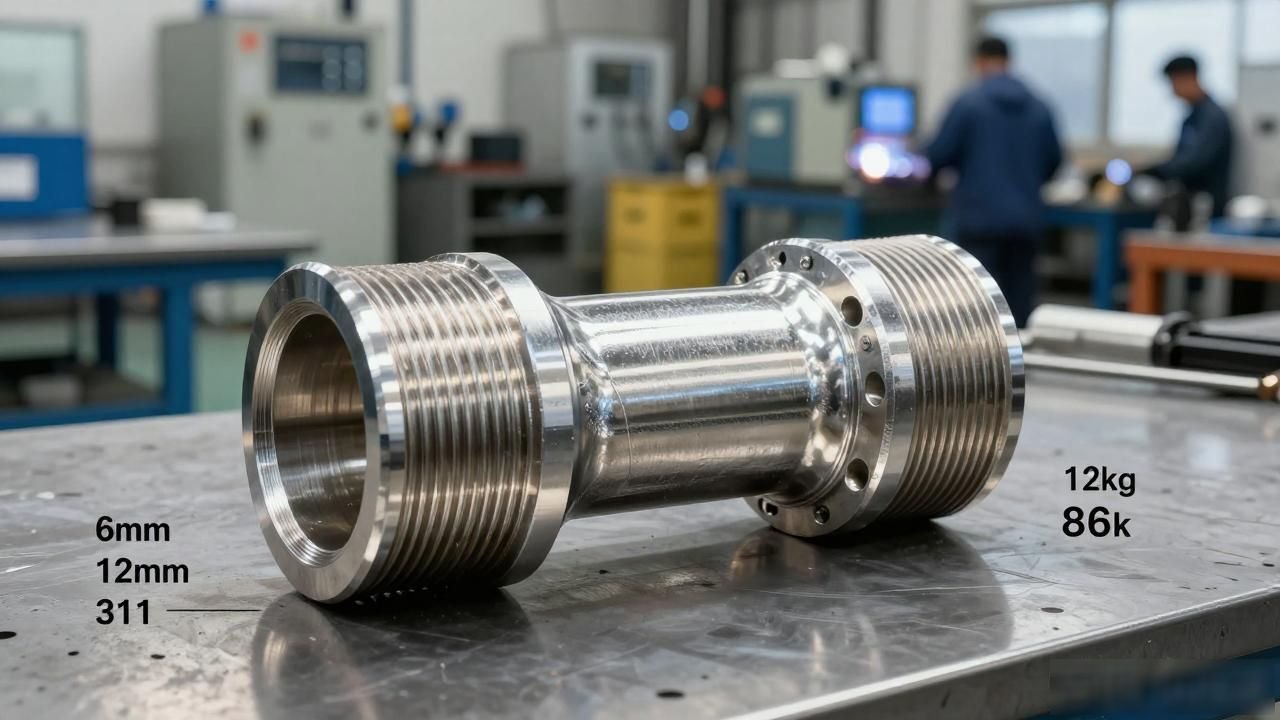
Titanium special-shaped processing parts have a wide range of uses. They are widely used in the manufacturing of seawater pipeline joints. The specifications of this product must strictly follow the national standard GB/T 11466 for production and inspection of titanium alloy processing . Its common wall thickness parameter range is between 6mm and 12mm. The weight of each individual workpiece usually falls in the range of 2kg to 8kg. From the overall market demand, the total annual usage nationwide is about 300 tons.
Brand standards and implementation specifications
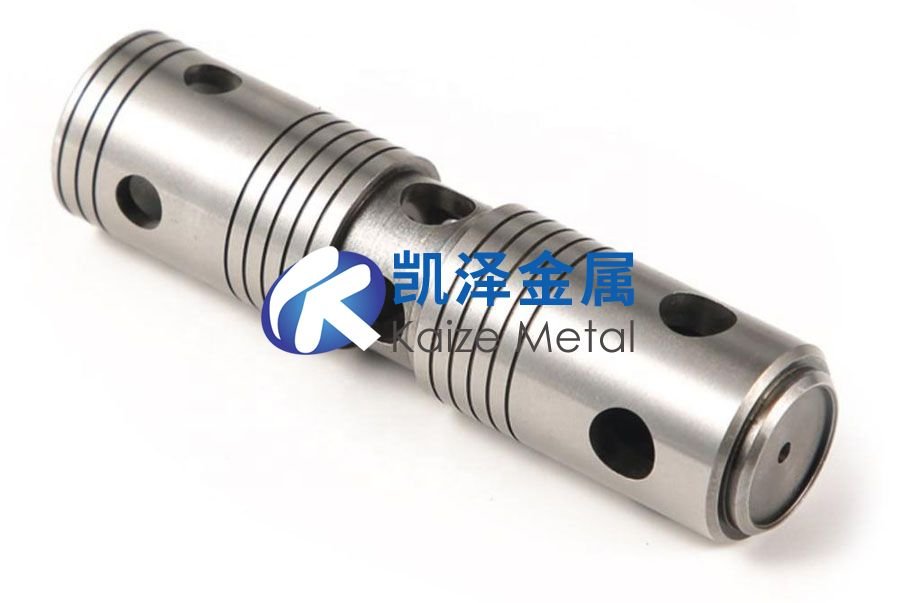
The purity of TA1 alloy is the highest, so its corrosion resistance is very good, but its strength is relatively low. TA2 alloy takes into account both cost and corrosion resistance. TC4 alloy has the highest strength, but it is more difficult to process. TC11 alloy is specially used to make high-temperature bolts. If it is imported parts, you also need to check the AMS 4911 standard, and don't just focus on the national standard.
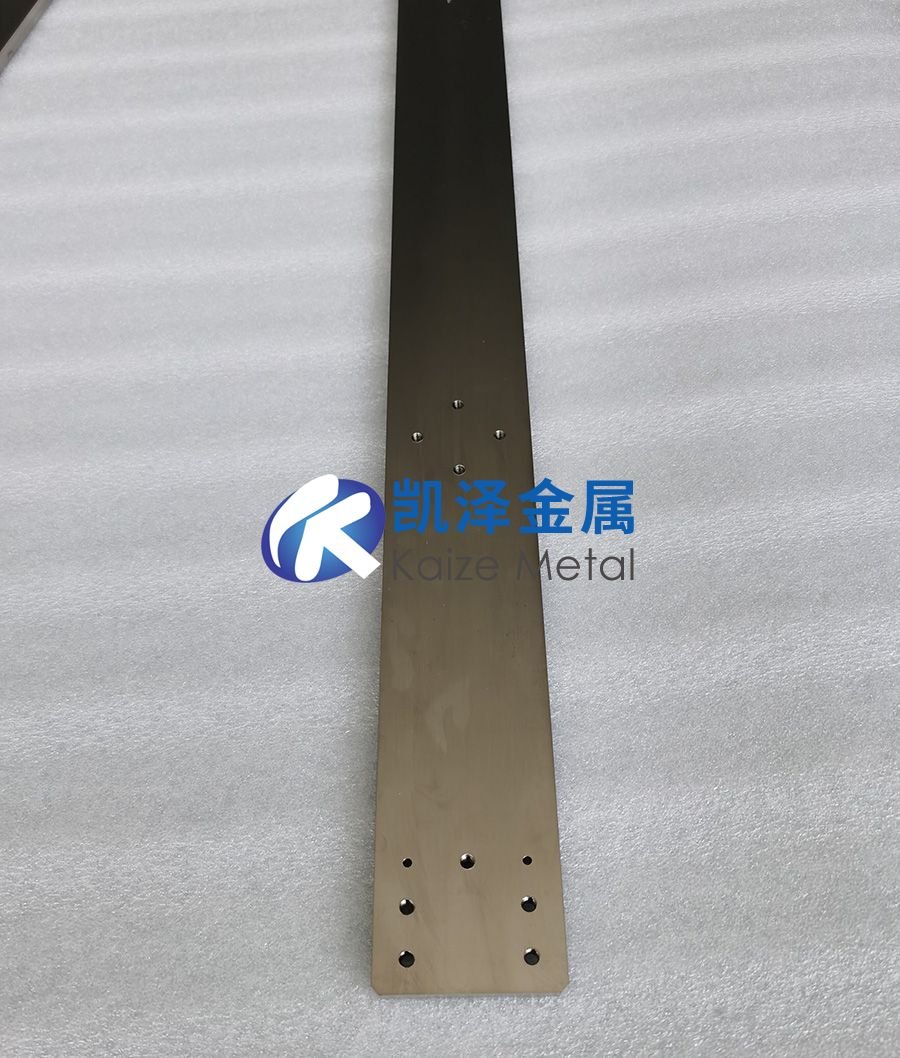
When receiving the goods, be sure to ask for material certification documents and ultrasonic flaw detection reports. This process is confirmed by performing dual inspections such as ultrasonic testing and penetrant testing. According to random inspections by the market supervision department in 2024, 8% of the titanium rods were actually mixed with iron elements, and their hardness index failed to meet the required standards. As a result, the entire batch of goods was arranged to be returned for processing.
Key points to avoid pitfalls when looking for manufacturers
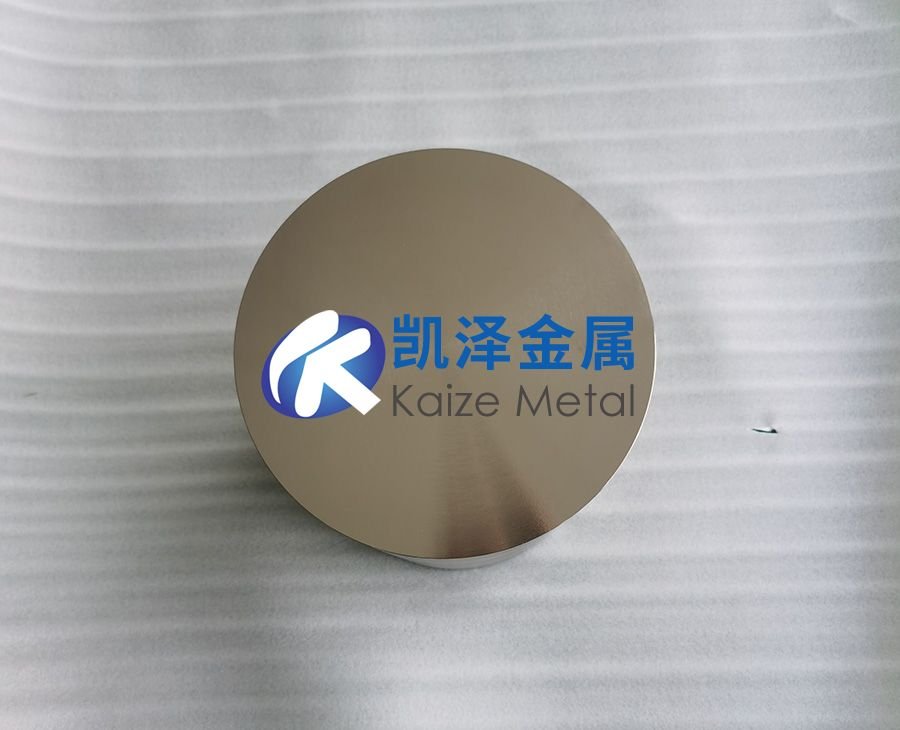
Don’t just look at the unit price, but ask whether the price includes stress relief annealing, pickling and passivation. Also confirm whether there will be discoloration after anodizing, because once discoloration is involved, the cost will be 15% to 20% more. However, it is most likely to cause various disputes and buck-passing in the appearance acceptance process.
If the order quantity is less than 50 pieces, choose CNC finishing technology. If it is mass production, isothermal forging and then machining are used. The cost difference between the two options reaches 30%. Before signing the contract, it is required to see the smelting furnace number and check the spectrum report. At the same time, 2 samples are retained for sealing and then sent to a third-party testing agency for testing.
Which industry of titanium parts processing business are you currently engaged in? Is it petroleum, aerospace titanium special-shaped processing parts, or ships? Please explain your usage and budget range in the comment area, and I will help you analyze to determine which grade is the most cost-effective. If you find this content useful, please like it and forward it to your colleagues so that they can avoid detours.



暂无评论内容