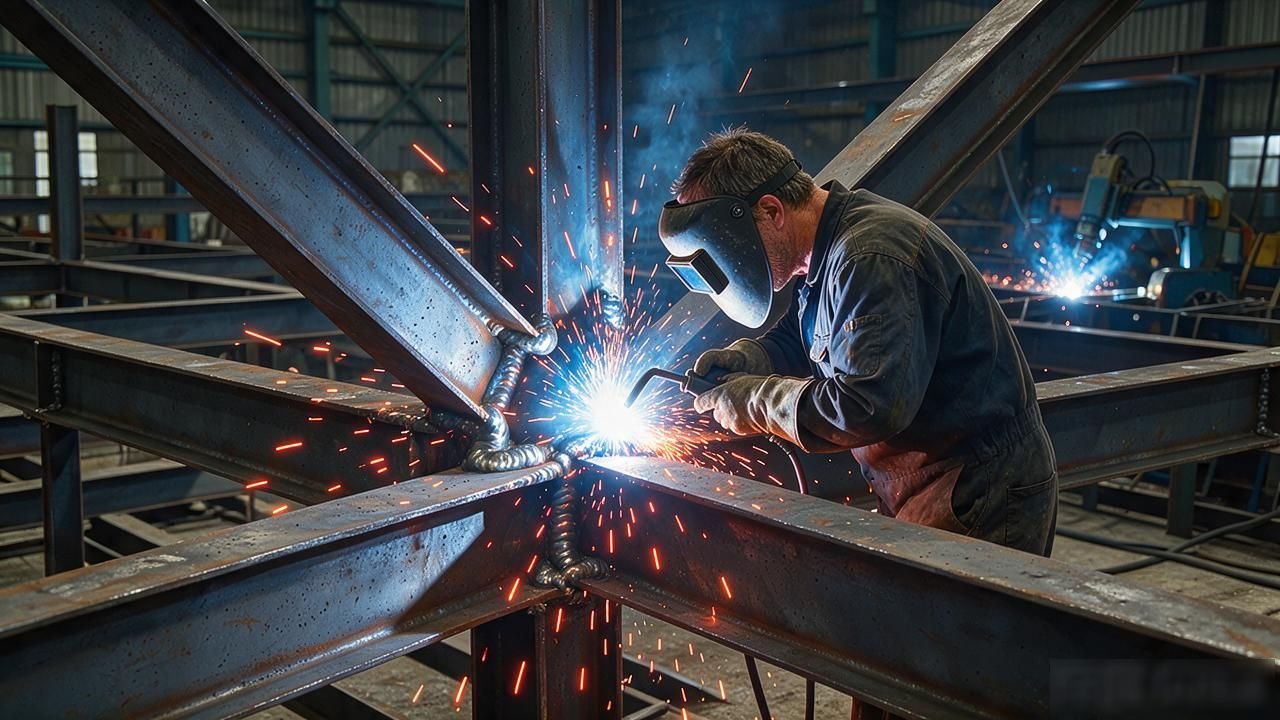


Application of new technologies in domestic construction steel structure welding
Among steel structure projects under construction in China in 2025, the terms laser hybrid welding technology and robot automatic welding operations no longer seem new or rare. However, for specific construction teams, the current actual situation that makes them feel entangled and difficult to make decisions is that they need to clearly distinguish how many newly launched process technologies have the possibility of being truly implemented and operated on site, and many processes are still only at the theoretical design level and have not yet entered the substantive execution stage.
Laser hybrid welding into the construction site
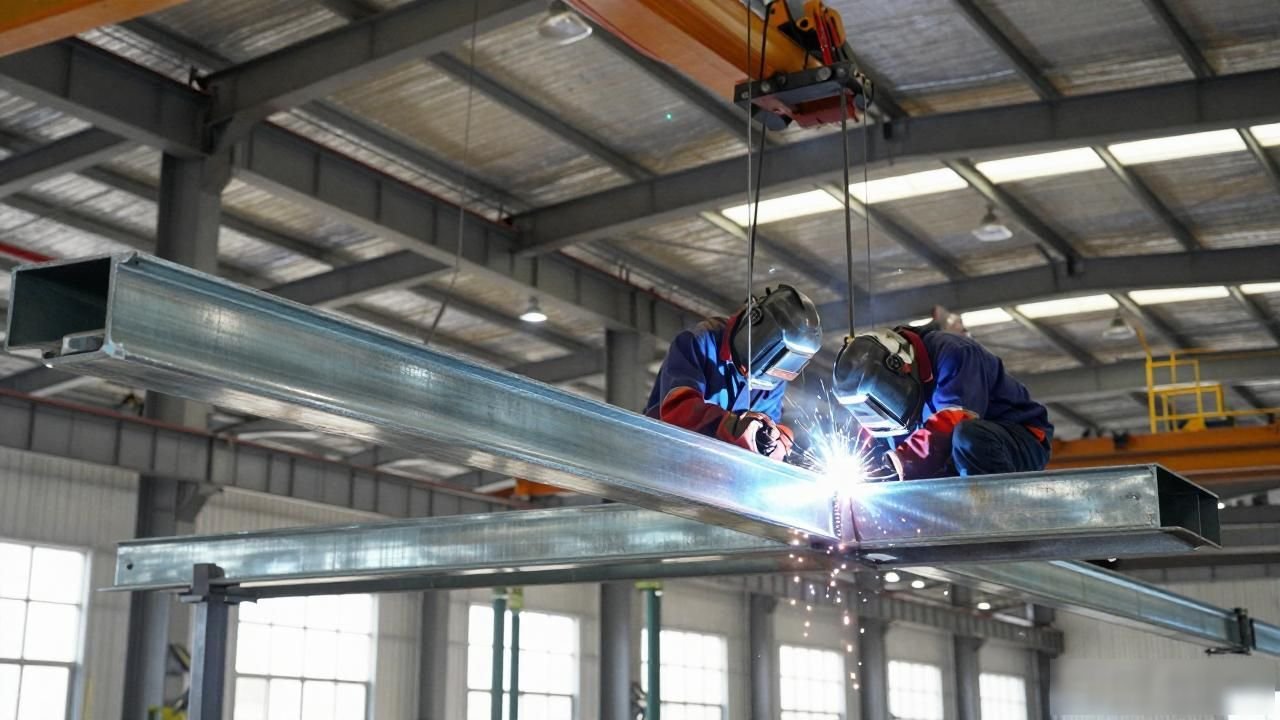
Time has turned to the end of 2024. China Construction Eighth Engineering Group Co., Ltd. has applied laser and MIG hybrid welding processes to the assembly process of H-shaped steel columns in a super high-rise building project in Shanghai. The result is that the output efficiency of its single-pass welding operation is almost 40% higher than the traditional arc welding method in the past. At the same time, the width of the heat-affected zone has also been narrowed by nearly half. As a result, the deformation compensation amount also decreased.
Up to now, the number of units that can stably provide this construction service will not exceed 10, and the daily rental price of equipment exceeds 10,000 yuan. Small and medium-sized projects basically cannot afford such high-cost service conditions. The actual application is concentrated in leading real estate companies and landmark engineering buildings. Ordinary residential steel structure projects have not seen obvious market action on the market.
Robot welding implemented in large-scale projects
In the specific year of 2025, the China Railway Fourth Bureau deployed a total of 6 welding robots for a rail transit station roof project in Wuhan to complete the welding work at the box beam nodes. The final workload completed in a single day was three times that of manual welding in the past. At the same time, the number of welders working on the project has been strictly reduced from the original 40 to 15. The overall safety record of the construction site has also shown a good trend of significant improvement.
However, the preprogramming of nodes with complex structures and irregular shapes is still a key sticking point. Under this situation, robots can currently only handle standardized and repetitive welding parts.

For those intersecting special-shaped nodes, it is actually necessary to rely on experienced masters to perform the final finishing work by hand. As a result, the actual automation rate can only hover around 70%.
Digital twins monitor welds
By June 2025, the steel structure project of an airport terminal project located somewhere in Beijing will bring the digital twin system to the on-site weld inspection . The mixed application of welding and riveting in modern steel structure projects . As long as the code is scanned after each weld pass is completed and the corresponding flaw detection data is directly uploaded, artificial intelligence will be used to fully automatically determine whether it is qualified or not. Once it is found that the result is a work order that does not meet the conditions, it can be pushed to the relevant quality inspectors for processing in an instant. In this way, there is no need to manually read through those complicated report materials.
This system has increased the first-time acceptance rate of concealed welds from the original 92% to 98.7%. However, the preliminary modeling work, plus the sensor layout work, will cost about 15% more. For those projects that are relatively small or medium-sized, after everyone has finished calculating the accounts in their minds, they will basically give up directly.
Breakthrough in low-hydrogen welding materials for high-strength steel
At this point in time in 2024, Baowu Group has joined forces with the Institute of Metallurgy , Chinese Academy of Sciences to launch ultra-low hydrogen solid welding wires that are specifically adapted to Q1100 high-strength steel. The hydrogen content of this welding wire is suppressed to a value range of less than 0.8ml/100g. This measure directly solves the old problem of cold cracks during the welding process of high-strength steel. By 2025, these welding wires were being used in batches at a sports venue in Chengdu.
The weld impact toughness compliance rate is 99.2%, which is very beautiful data. However, the unit price of welding wire is nearly three times more expensive than the regular price, so projects with tight budgets can only use this material partially. Large-scale promotion will have to wait until costs come down.
Post-weld heat treatment-free process
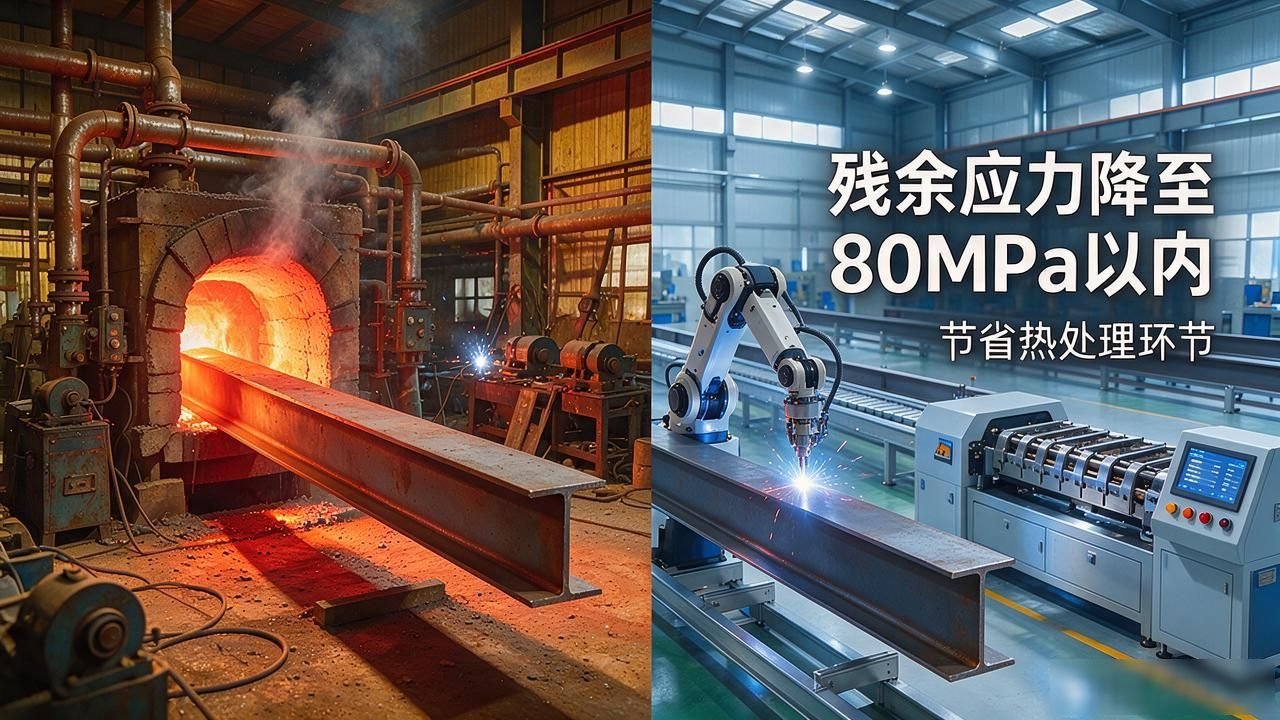
Traditional steel structures must undergo furnace annealing or flame stress relief treatment after welding, which results in the downtime of medium-sized factories requiring at least two or three days to start. In 2025, a steel structure factory in East China verified the combined process of low heat input and vibration aging. The results showed that the residual stress was directly reduced to less than 80MPa, thus eliminating the entire heat treatment process.
The price is that there are extremely high requirements for the discipline of welding operations, because if the heat input of any weld exceeds the standard, it must be reprocessed. Therefore, currently only those large manufacturers with standardized management dare to fully roll out, and small workshops are still waiting to see.
Welding and riveting hybrid connection practice
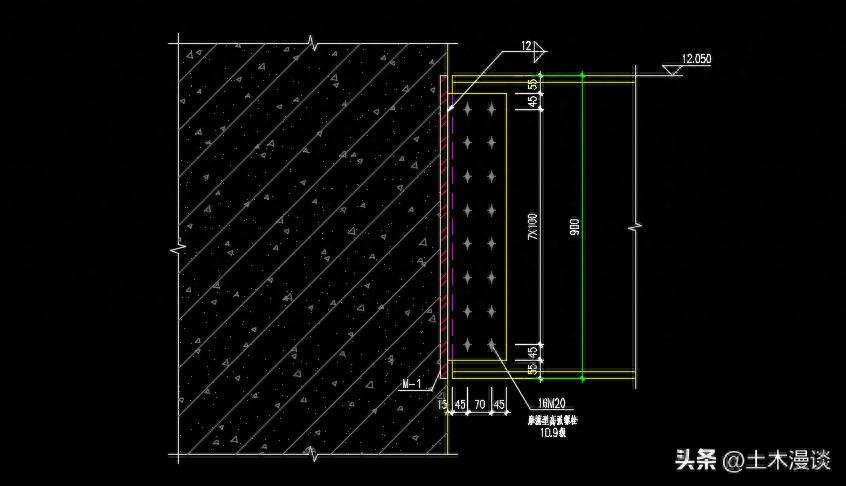
Revised in 2025. This time, in the "Steel Structure Welding Regulations", for the first time, hybrid joints that include both welding and riveting are included in the regulations. It sets a rule. It is the pretightening force of high-strength bolts and the residual stress generated by the weld. The total stress after the two are superimposed. It must not exceed 90% of the yield strength of the base material. Because of such regulations, the degree of freedom in design has become much greater.
However, there was feedback from the construction site that the acceptance standards for hybrid nodes were a bit unclear. The welding evaluation system and the riveting evaluation system were intertwined. Many supervisors were unable to make accurate judgments on site and could only perform harsh inspections according to the most stringent set of standards. As a result, the construction schedule was delayed and costs increased.
In the project you are working on, do you mix welds and bolts together? Or are the two used completely separately? During the actual acceptance, which corresponding standard should the specific process be carried out? You can express your opinions in the comment area. If you think what I said is of value to you, please give it a like and forward it to the workers around you.



暂无评论内容