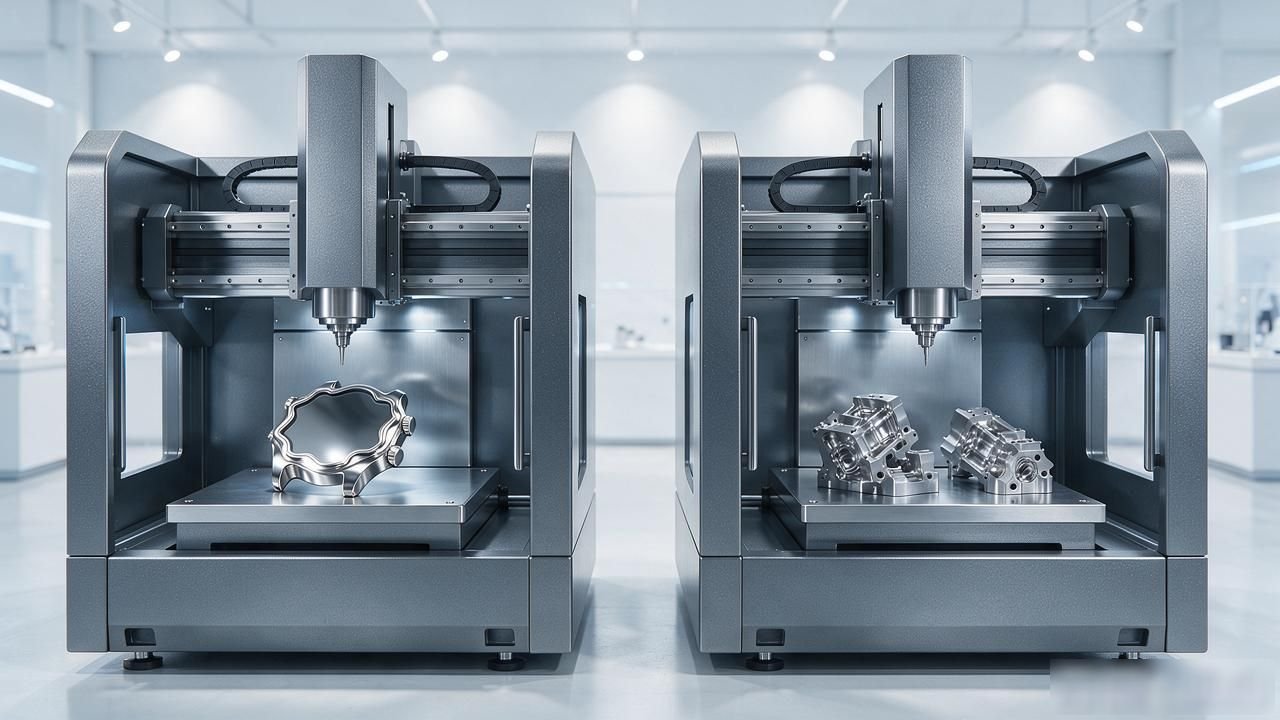


What is an engraving machine? Comprehensive popularization of precision CNC machining equipment
Among precision machining equipment, the most commonly used type by parts factories is engraving machines. If you choose the wrong model, the mass production line will directly encounter the problem of stuck neck. So today I want to explain everything about the fine engraving machine from the classification to the purchasing method.
How does the engraving machine work?
The precision engraving machine is a CNC cutting machine tool. The system drives high-speed tools, and then cuts and shapes the raw materials according to the preset trajectory. It can indeed complete the processes of engraving, milling, drilling, and polishing. Whether it is aluminum alloy, ceramics, acrylic, or mold steel, all these materials can be processed, and batch output can be achieved. At the same time, the consistency performance is very strong, so in fact, it is equivalent to saying that one piece of equipment can perform the role of several manual carving operations.
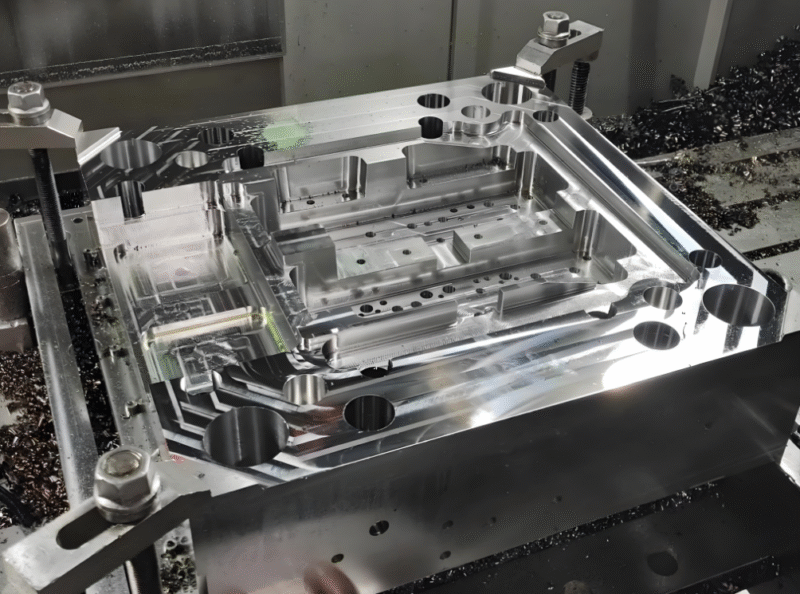
The difference between it and traditional CNC milling machines is that the spindle speed is higher and the positioning accuracy is finer, so it is specially used to do fine work. High-gloss machine is a branch of precision engraving machine. Its function is to achieve a mirror effect on the processed surface. It is most commonly seen in places such as mobile phone cases and wearable dials.
What are the main categories of engraving machines?
Conventional models include standard engraving machines, high-gloss machines, precision machining equipment , tool magazine machines and drilling and tapping machines. They are completely sufficient for processing flat contours and conventional contour shapes. They are widely used when processing small hardware parts and plastic accessories. Multi-head models are divided into 3-head machines and 4-head machines. This type of machine can process multiple workpieces at the same time. It is used most in the production lines of mobile phone cases and batch electronic accessories. Its work efficiency can be directly increased several times.

The most high-end ones are four-axis precision engraving machines and five-axis precision engraving machines, which can handle special-shaped curved surface parts and three-dimensional parts. Complex parts that require multi-angle processing, such as smart watch dials and medical micro-components, can basically only be handled with five axes. How many axis models you should choose depends entirely on what you think the angle of the most complex surface of your product is.
Which hard indicators should you pay attention to when buying an engraving machine?
The first step is to see if the compatibility of the materials is acceptable, that is, whether the same machine can process stainless steel, ceramics, and plastics. The second step is to observe how stable it is during operation. The machine's body structure must be solid, otherwise it will easily break down during long-term continuous production. Only this is considered reliable. After all, reduced losses can save both tool money and electricity bills.
From the third aspect, look at the flexibility of adaptation. For small batch work orders, a single machine is sufficient. If you want to carry out large-scale production, you can set up a network and build an automated production line. In addition, the tool magazine capacity, spindle speed, and repetitive positioning accuracy must be taken into consideration. These parameters will directly determine the upper limit of production capacity. When purchasing, don't just look at the spindle model marked on the quotation.
Which industries are inseparable from engraving machines in their workshops?
In the digital electronics factory industry, the usage is the largest. The metal frame of the mobile phone is made of it. The internal connectors are also against it. The dial shells of smart watches and bracelets are all formed by this. In Shenzhen, there are also OEM factories in Dongguan that make accessories. The engraving machine in the workshop is almost a standard equipment. If there is a machine running there, it can process hundreds or thousands of items.
When the medical industry is manufacturing micro and high-precision parts, and when mold and hardware factories are engraving and forming parts with special shapes, they cannot do without high-precision engraving machines.
In mold factories in Suzhou and Kunshan, for small precision molds, workers basically use high-precision engraving machines to do the first step of roughening, and then use wire routing for fine processing and trimming. This overall work efficiency is much higher than simply using wire cutting technology.
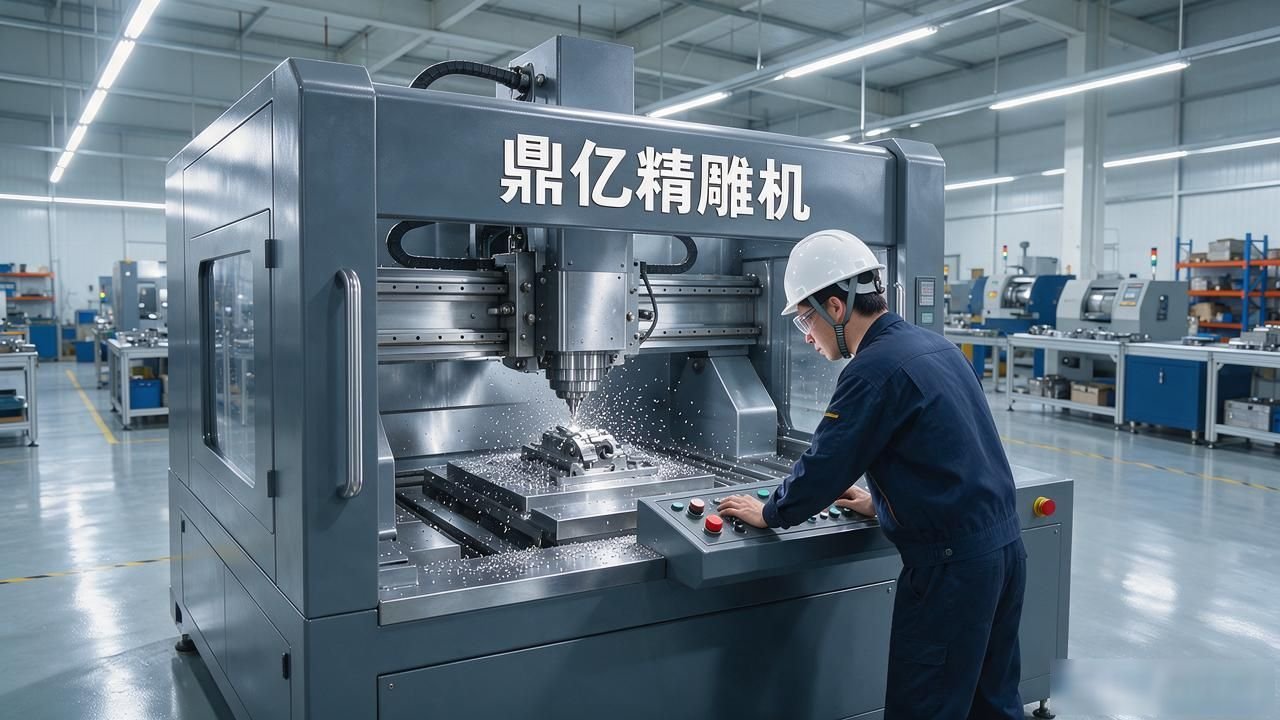
Why was Dingyi engraving machine selected by the factory?
Dingyi Company has been engaged in the precision CNC equipment industry for 19 years. The company has the qualification of a national high-tech enterprise and has a large number of patents. It has also passed the relevant certifications of the ISO system. Its product line covers a full range of equipment including precision engraving machines, high-gloss machines, five-axis machines and multi-head machines. It can meet all needs in one stop. What is a precision engraving machine? Comprehensive knowledge of precision CNC machining equipment eliminates the need for customers to go to different places to find suppliers.
This equipment focuses on high precision, high stability, and high cost performance, and covers the entire production process. It can customize parameters according to the user's processing technology. In addition, it also provides matching installation, commissioning, technical training and lifelong maintenance services. From production to after-sales service, users do not need to worry about it themselves. Even small factories can use it.
When choosing equipment, don’t just focus on the price.
When choosing the kind of engraving machine in the factory, you must first figure out what kind of materials it will process, and then you also need to look at the complexity of the parts and the approximate output per month. After these conditions are determined, you can then match the number of axes and the machine model. If you choose a cheaper machine, the positioning accuracy is often not enough. Once the rework rate increases, the hidden costs will far exceed the price difference of the machine itself.
The original factory is much better than the middleman in terms of quality control and after-sales response. Because the maintenance cycle will be shorter, the losses caused by downtime will also be lower. When buying equipment, you should clearly calculate the total cost of ownership over three years. Don't look at things just by looking at the down payment quote. If you don't calculate it clearly, you will be dragged down and restricted by the maintenance costs every year.
May I ask how many axes of precision engraving machines you are currently using in your current factory? What kind of precision machining equipment are there when large-volume production tasks come up? Will your production capacity be insufficient? Everyone is welcome to have a good chat about this topic in the comment area. If you find this discussion content useful, please give it a like! And please forward this message to your peers to take a look.



暂无评论内容