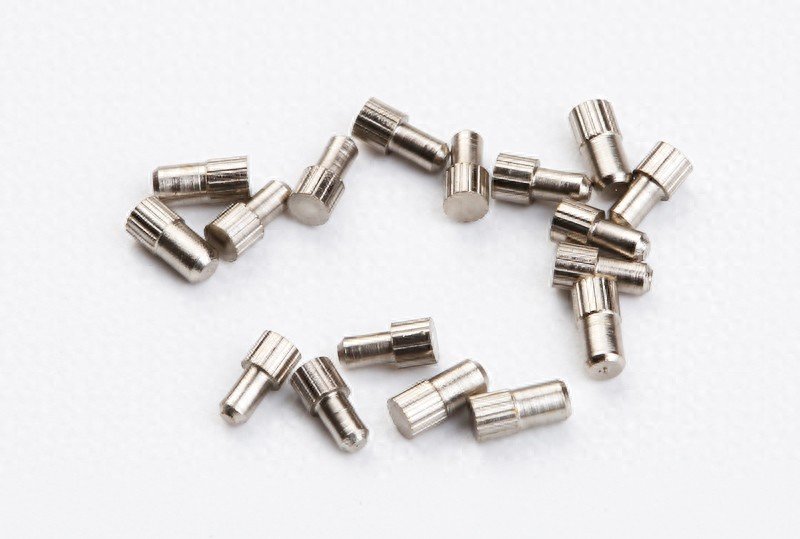


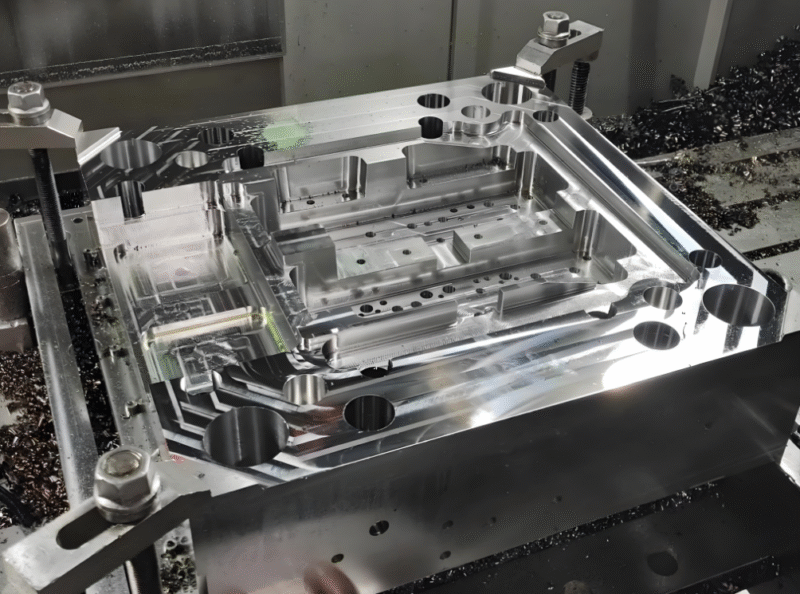
Turning and milling combined processing: an all-round process that completes turning, milling, drilling and tapping in one clamping
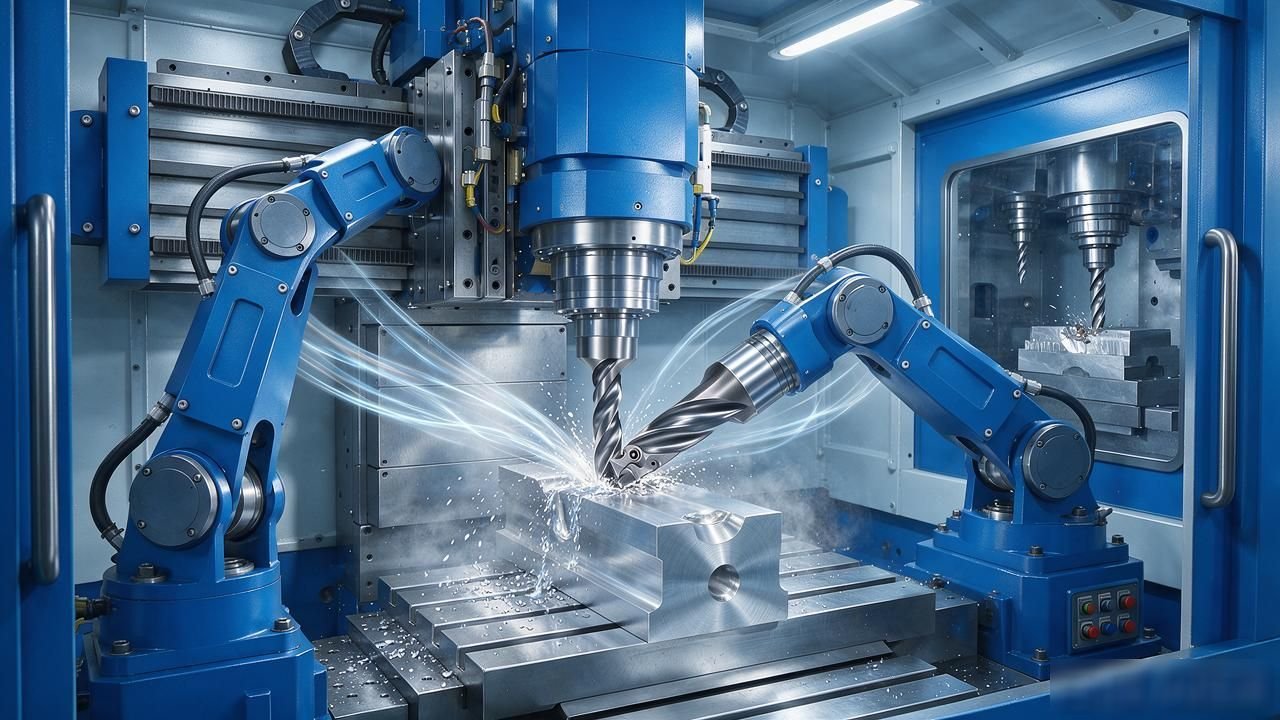
Just for the same aviation joint, if we follow the previous method and need to go through five traditional machines for processing, it will take three days. But now, if we put it on a compound machine tool that can perform turning and milling, the work can be completed in just two hours, and the accuracy of the work will be higher than before. This is an old topic that has been debated in the workshop for nearly ten years.
One clamping reduces the positioning error to the micron level
In those traditional modes of operation, parts were transferred from the lathe to the milling machine, and then to the drill press. Every time this clamping action occurs, an error of 0.02 to 0.05 millimeters will be accumulated.
There is a factory in Shanghai that specializes in aerospace parts. They issued a test report in 1923. The report said that after five processes going back and forth, the coaxiality deviation could reach up to 12 microns, and the final result was directly judged as a scrap product.

During the machining process of the turn-milling compound equipment, the spindle and the turret function through coordinated motion, and the parts no longer move after being clamped in place.
A local medical device company in Suzhou uses DMG DMU 50 equipment to process and manufacture hip joint implants. Through one clamping, the turning of the outer circumference of the workpiece, the milling of the bone surface and the drilling of pin holes are completed. In the end, the position accuracy can be stably maintained within 3 microns.
The auxiliary time is directly cut by 70%
This means that five queues are needed to wait for the machine, five clamping operations are required, and five tool setting operations are required. In this case, the time spent on assisting will account for as much as 40 to 50 percent of the effective cutting time.
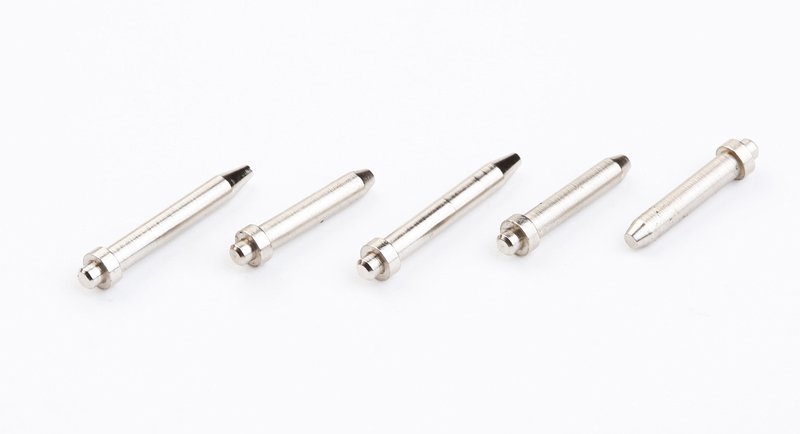
According to statistics conducted by a fastener manufacturer in Dongguan City in 2024, the total time it took to complete all the work on an M12 connecting rod on a traditional production line reached a value of thirty-eight minutes.
After replacing the turning and milling composite machining, the operation mode of continuously completing the process can be realized for multiple processes such as outer circle, end face, eccentric hole, thread and tapping. For parts with the same specifications, the comprehensive working hours have been successfully reduced to less than 11 minutes. At the same time, the auxiliary time has been significantly reduced by more than 70%. When entering the mass production stage, the comprehensive cost of a single piece has been reduced by about 40%.
The knife strikes up from any angle
Traditional ordinary lathes can only process rotary parts. As for structures such as oblique holes, radial grooves and spiral surfaces, they cannot touch them at all. Just in early 2025, a local engine manufacturing company in Chengdu encountered a production demand, which required the process of making an inclined oil passage with an angle of 15 degrees on a turbine shaft.
Therefore, the company handed over this specific task to the five-axis turning and milling compound machine tool to complete. During the operation, the Y-axis and the B-axis work together, ultimately allowing the tool to cut directly into the predetermined area from a ninety-degree angle.
This system is equipped with an automatic tool change function with 40 tool positions, and is also connected to a bar feeder, so that the entire production line can operate unattended 24 hours a day. In the past, two people were required to keep an eye on the equipment during the night shift at the factory, but now only one quality inspector is enough to conduct patrol inspections.
One set of main clamps and five sets of special clamps
In traditional crafts, a set of specialized tooling must be designed for each necessary process. If there are five such processes, it means that five sets of corresponding tooling need to be manufactured.
For example, a local company in Ningbo specializes in the production of non-standard parts. In 2023 alone, the funds spent on purchasing or making fixtures directly reached 470,000 yuan. Moreover, when the company changed models of small batch products, the corresponding fixtures often did not match the actual size.
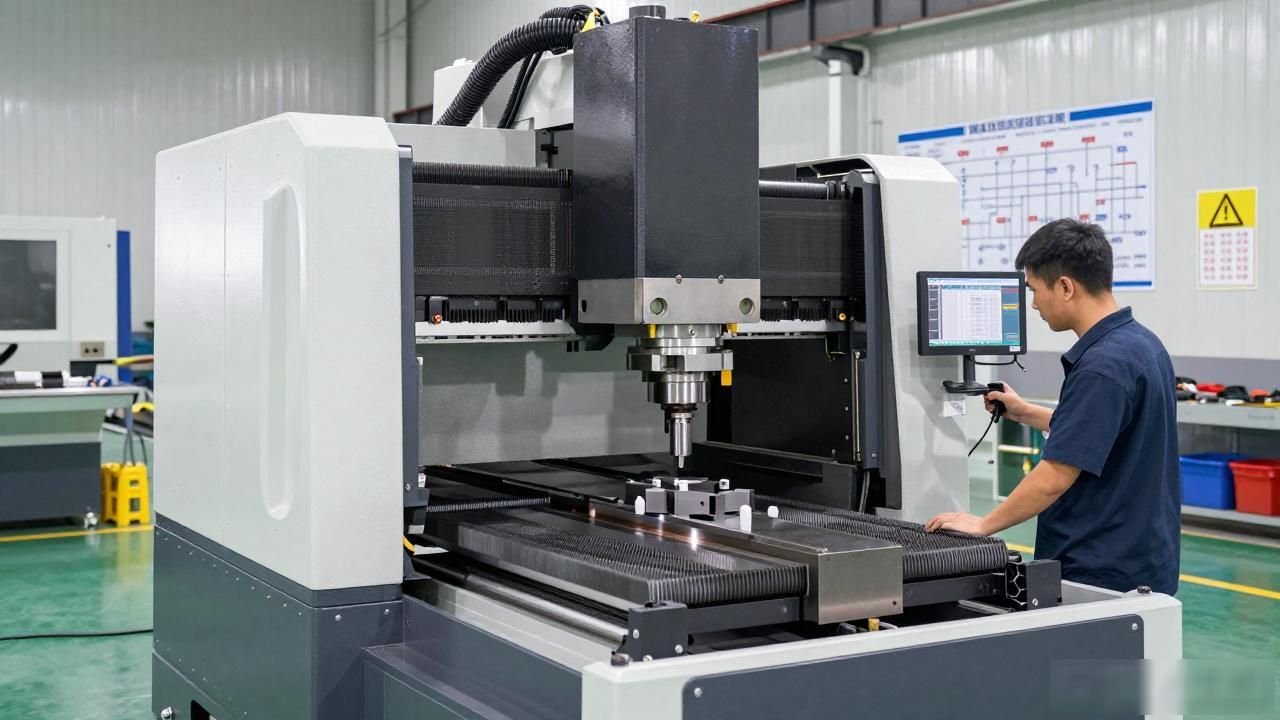
The turning and milling combined technology only requires the preparation of a main clamping solution, and the operation can be completed by using the hydraulic centering clamp and the rear ejector pin. In the production scenario of small batches and multiple varieties, the changeover time is shortened from the original two hours to twenty minutes, and a large part of the tooling cost is also directly saved.
Show the cost account to the workshop director
The purchase price of a DMU 50 is about 1.8 million yuan, which seems quite expensive. But if all the equipment that is saved is included, the situation is different. The four pieces of equipment, milling machine, drilling machine and tapping machine, are omitted here. In addition to manual operations, the number of work stations has also been reduced from the original five to two. There is a factory in Hangzhou that produces auto parts. Their investment payback period in 2024 is actually only 14 months.
A more critical thing is the scrap rate data. Under traditional circumstances, when there are many machines, during the circulation of parts, every time the clamping action is performed, the probability of scraps will increase by 8% to 12%.
Because the turning-milling composite technology can complete all the processes in one operation, the number of scrapped parts in this factory dropped from the original 37 to only four within a month. In terms of materials alone, it saved as much as 220,000 yuan in a year.
Which parts cannot be turned and milled together?
Medical implants, aviation hydraulic joints, turbocharger rotors, and engine crankshafts all have a common feature, which is a high density of turning features, milling features, drilling features, and tapping features. At the same time, precision is required to reach a micron level. The production method shows the characteristics of relatively small batches but a large number of product varieties.
By 2025, the number of domestic turn-milling composite processing equipment installed has exceeded 8,000 units. Among these equipment, more than 60% are concentrated in East China and Southwest China, that is, concentrated in the local aerospace industry and medical device industry clusters. Therefore, this technology has changed from the original very unpopular processing technology , turning-milling combined processing and traditional turning and milling. The difference between turn-milling combined processing and traditional turning and milling. Turn-milling combined processing: an all-round process that can complete turning, milling, drilling and tapping in one clamping, has become a standard configuration on our current production line.
Are there any types of parts in your workshop that clearly have the conditions to complete all processing with a single clamping? What is the difference between turning and milling composite processing and traditional turning and milling , but still need to arrange frequent transportation and transfer between different equipment and machine tool tables? Welcome to the comment area for discussion and exchange, and don’t forget to like and save it so that you can quickly check and extract it for reference next time.




暂无评论内容