


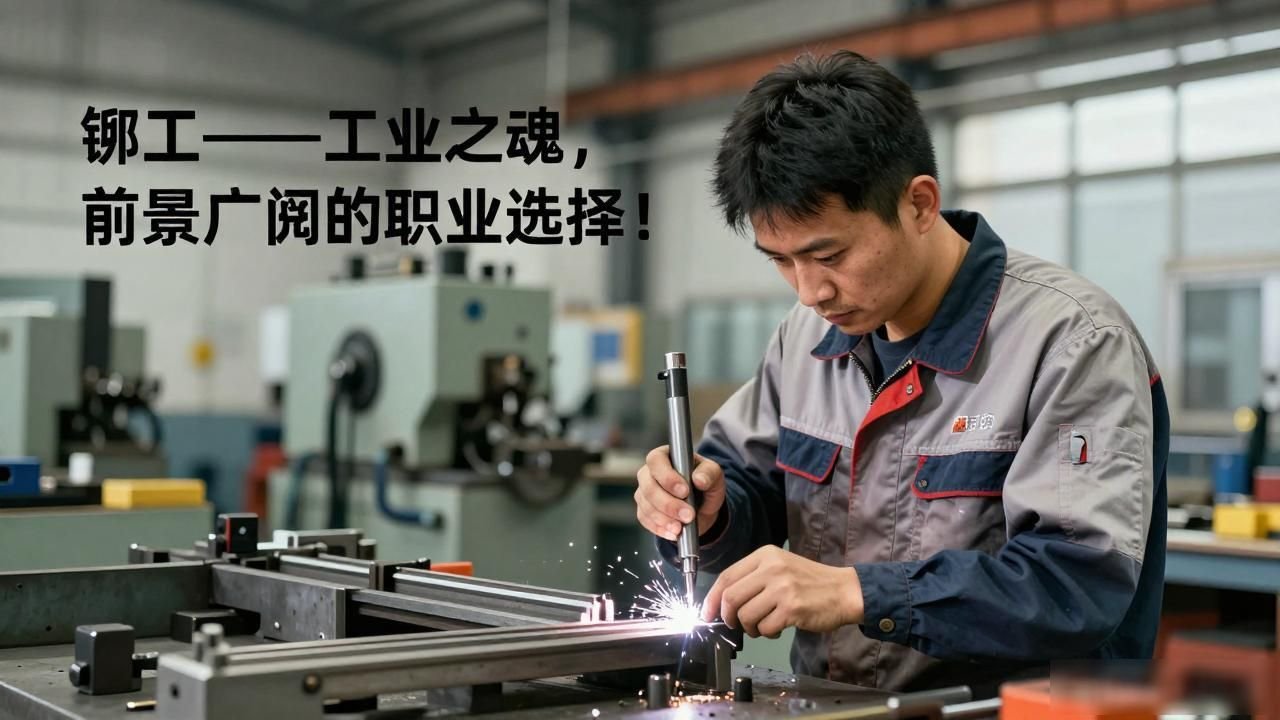
Riveter – the soul of industry Riveter – the soul of industry, a career choice with broad prospects! , a career choice with broad prospects!
Regarding the riveting and welding processing industry, experienced masters say that almost no one is engaged in this work now. However, on the other hand, young practitioners believe that the recovery of the shipbuilding industry and the new energy field has provided them with new development opportunities. So which party is talking nonsense?
What on earth does a riveter do?

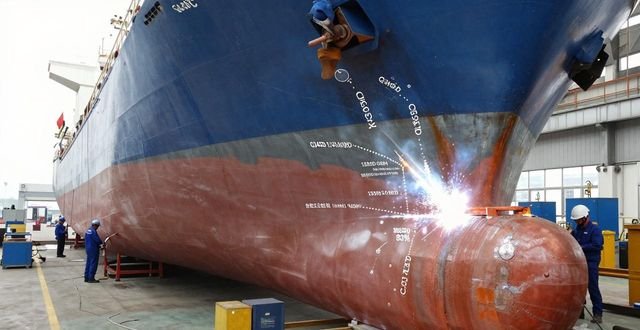
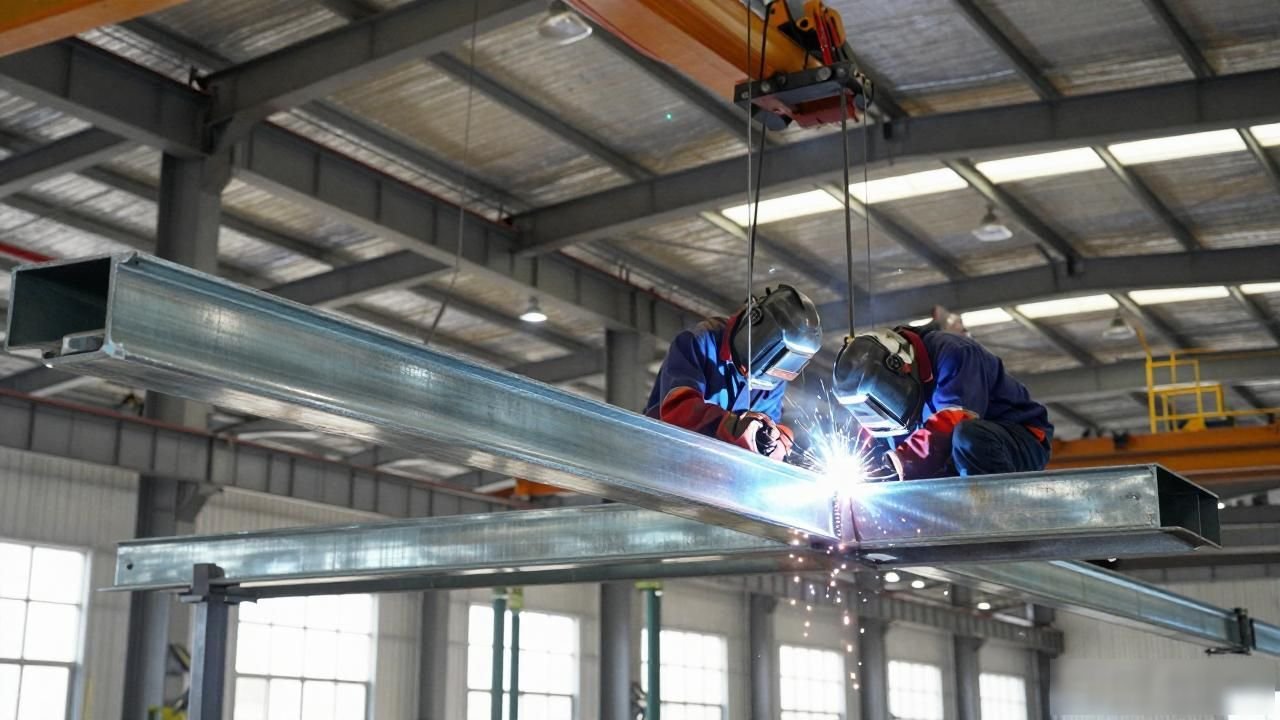
Riveters are workers who use rivets and welding to assemble metal plates into structural parts. Their work includes the connection and reinforcement of ship hull segments, bridge girder, pressure vessels and steel structure workshops. To put it bluntly, this is to turn pieces of iron plates into a load-bearing whole.
In the shipyard in Nantong and the shipyard in Qingdao, riveters have to complete the positioning and trial assembly of dozens of panels in a day. The accuracy of the gap needs to be controlled within two millimeters. If there is a slight difference, rework will lead to hundreds of dollars in losses.
What is the salary level?
In 2025, the monthly salary of riveters in coastal areas is generally in the range of 7,000 to 12,000 yuan. If it is the peak season of the shipyard, plus overtime pay, the income can rise to 15,000 yuan. The salary of inland steel structure companies will generally be about 2,000 yuan lower. The difference mainly depends on the order volume and working hours.
When you reach the technician level, your monthly salary can exceed 20,000 yuan. If you add a team leader and management allowance, it is not unusual to earn more than 250,000 yuan a year, but the prerequisite is that you must have spent enough years on the front line.
Where is the technical threshold?
Reading drawings and calculating the dimensions of expanded blanks belong to the category of basic skills. If you lack understanding of mechanical drawing and metal heat treatment, then you can directly operate with a cutting gun. This situation is equivalent to raising the scrap rate to an extremely high level at a basic level, so experienced masters are most afraid of teaching such people.
Nowadays, many factories explicitly require employees to have the ability to read three-dimensional models and use CAD or SolidWorks to interpret structural drawings. The current situation of the old riveters who relied solely on their hands and work experience in the past is that they have to sit down and remediate classroom knowledge about computers. If these old employees cannot keep up with the pace of this technological change, they will face the result of being transferred.
Where will the future trend go?
Although robot welding has replaced a large number of linear welds, for specific scenarios such as special-shaped parts processing, on-site assembly operations, and high-altitude operations, the robot arm cannot touch the target position at all, and the accuracy cannot be guaranteed. At this time, human workers cannot replace them, so the market demand in this area is very stable.
After entering 2026, the overall situation of the shipping industry begins to pick up. In the market, there are very obvious signs of recovery in the number of orders for large LNG carriers and wind power towers. At the same time, relevant data released by recruitment platforms also show that the existing gap in the riveter position is about 15% larger than the situation in the previous two years. These vacant positions are mainly concentrated in Jiangsu Province and Shandong Province.
How wide is the entry path?
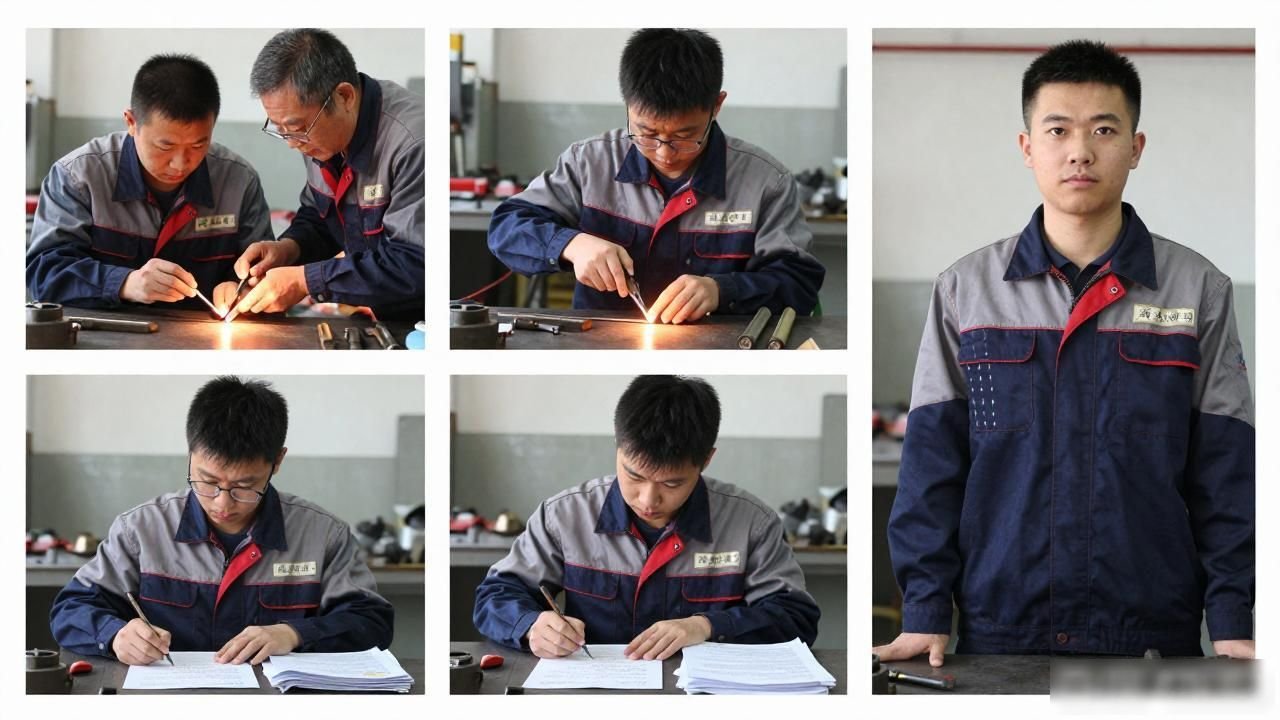
Before starting an apprenticeship, you spend six months following the master to handle auxiliary work. After a year, you can complete cutting and assembly tasks independently. After three to four years of accumulation, you can take an assessment to obtain the qualification of an intermediate worker, and then strive to become a senior technician in a few years. The promotion path is very clear. The main key point is whether a person is willing to put in those seemingly clumsy but solid efforts.
Not only shipyards will have recruitment needs, bridge bureaus, companies engaged in wind power installation, and factories that manufacture pressure vessels are also recruiting people for the position of riveters. If you have worked in this industry for a few years, and you still have the opportunity to switch to quality inspection work, or bring in some new employees, the overall situation is that the career directions that you can switch to are not very narrow.
An unavoidable question
The work of riveting is very dusty and noisy. In addition, you have to stand and bend over for a long time, so the damage to the lumbar spine and respiratory system is greater than that of people who sit in offices. Therefore, many people start to suffer from joint pain after working in the office for many years.
Therefore, many veteran riveters later turned to work in quality inspection or as apprentices. If they were unable to compete physically, they would have to rely on experience and judgment. This is also the natural rhythm of elimination in the industry.
Are there people engaged in riveting in your network? Do you have a personal and independent opinion on the degree of technological substitution in this industry after a ten-year cycle?
We sincerely invite you to communicate and discuss in the message area at the bottom of the screen. If the content of this article has certain reference value for you, please be sure to click like and share so that relevant information can be pushed to those who are considering entering this career field.




暂无评论内容