

machining tolerance standards
What tolerances directly affect product quality?
Machining tolerance standards refer to the range of allowable dimensional deviations during part processing. In any mechanical processing situation, it is absolutely impossible to achieve complete accuracy, and there will definitely be a certain degree of error. Tolerance is a clear regulation on the error range. It plays a decisive role in whether the parts can be assembled with precision sheet metal processing tolerance standards and whether they can be put into normal use.
If the tolerances are not properly controlled, there will be minor situations where the parts cannot be assembled. In serious cases, it will cause equipment failure or even safety accidents. Especially in the field of precision sheet metal processing, tolerance standards are related to the operating efficiency of the entire production line.
Tolerance levels are divided into IT levels
According to national standards, tolerance levels are divided into twenty levels from IT01 to IT18. The smaller the number, the more stringent the precision requirements. Precision sheet metal processing tolerance standards, precision sheet metal processing tolerance standards , machining tolerance standards, and the higher the processing difficulty and cost. IT01 to IT4 levels are classified as ultra-high precision levels, mainly used in high-end fields such as gauges and precision instruments.
The accuracy range of IT5 to IT7 is often used in the machinery manufacturing industry, and most precision parts are within this range. Levels IT8 to IT11 are suitable for general mechanical parts, while lower levels are used for rough machining or non-critical parts.
Different sizes correspond to different tolerances

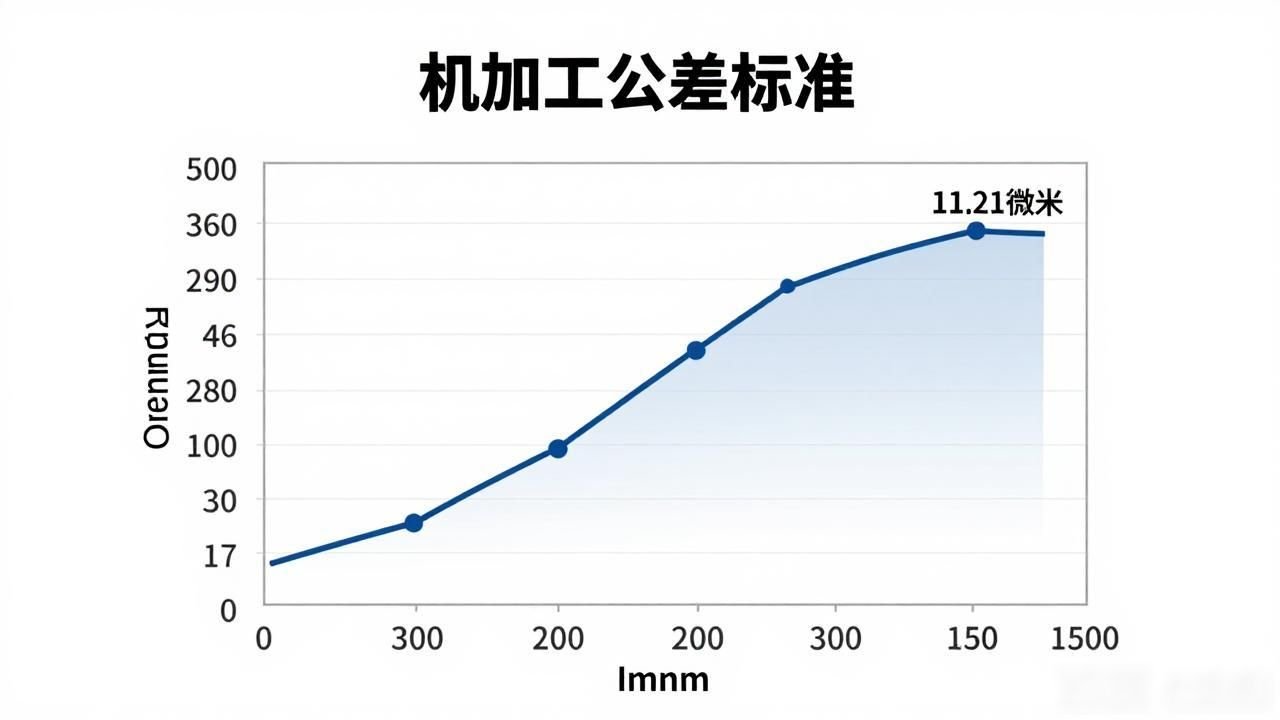
Tolerance standards are divided according to basic size ranges, and that division is determined by the range. Within the size segment from 0 to 500 mm, the specific values corresponding to different tolerance levels are clearly defined, and these regulations are valid for this size segment. Just like IT7 level, at the 30 mm size, the tolerance value is about 21 microns. However, at the 200 mm size, the tolerance value expands to 46 microns. This change is obvious.
This means that if the size of the part is larger, the allowable tolerance value will be relaxed accordingly. In actual operation, engineers have to select the appropriate size segment and tolerance level for design and processing based on the functional requirements of the part and the usage scenario.
Practical cases look at the importance of tolerance control
There is a precision sheet metal factory that once received a batch of orders, which required the processing of a batch of stainless steel sheet metal parts. The thickness of these sheet metal parts is 2 mm, and the tolerance needs to be controlled within plus or minus 0.05 mm. In the early stages of this factory, due to insufficient equipment accuracy, the pass rate of the products produced was only 60%, which resulted in a large number of reworks and attracted complaints from customers.
Later, that factory introduced high-precision CNC machining equipment and established a strict testing process, increasing the product qualification rate to over 98%. This case fully demonstrates that selecting appropriate equipment and strict process control are crucial to achieving tolerance standards.
Legal basis and clear standard requirements
In accordance with the "Standardization Law of the People's Republic of China", standards include national standards, industry standards, local standards, group standards and enterprise standards. Among them, mandatory standards must be implemented, while recommended standards are encouraged to be adopted by the state. Most machining tolerance standards are recommended national standards, but companies can develop more stringent corporate standards based on their own needs.
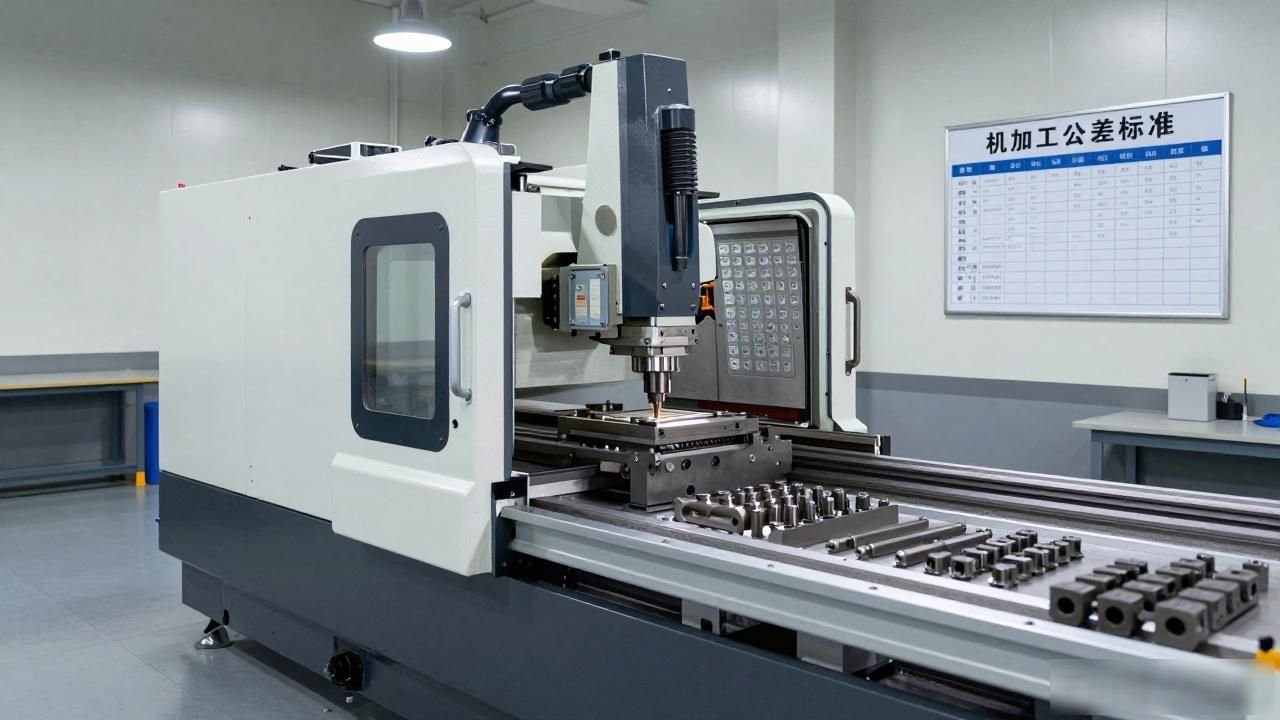
Enterprises should strictly implement relevant standards during production activities, especially technical requirements involving product quality and safety. If product quality problems arise due to failure to implement this standard, the company may need to bear corresponding legal liability.
How to choose the right tolerance standard
When clearly choosing tolerance marking, you must first understand the use scenarios and functional requirements of the part. If it is a precision fitting part, you should choose a higher tolerance level. If it is a non-fitting part, you can appropriately relax the requirements to reduce costs. Secondly, you must consider the processing equipment and process capabilities to prevent precision requirements that exceed actual capabilities.

In the end, factors such as cost and delivery time must be fully considered. High precision means higher processing costs and longer production cycles. Reasonable selection of tolerance standards can not only ensure product quality, but also effectively control production costs, thereby enhancing corporate competitiveness.
During your actual work, have you ever encountered quality disputes caused by tolerances? You are sincerely welcome to share your experiences in the comment area, and perform operations such as likes and forwarding, so that more colleagues can benefit from this.






暂无评论内容