

How to implement non-standard sheet metal ERP system
Accurate location of pain points
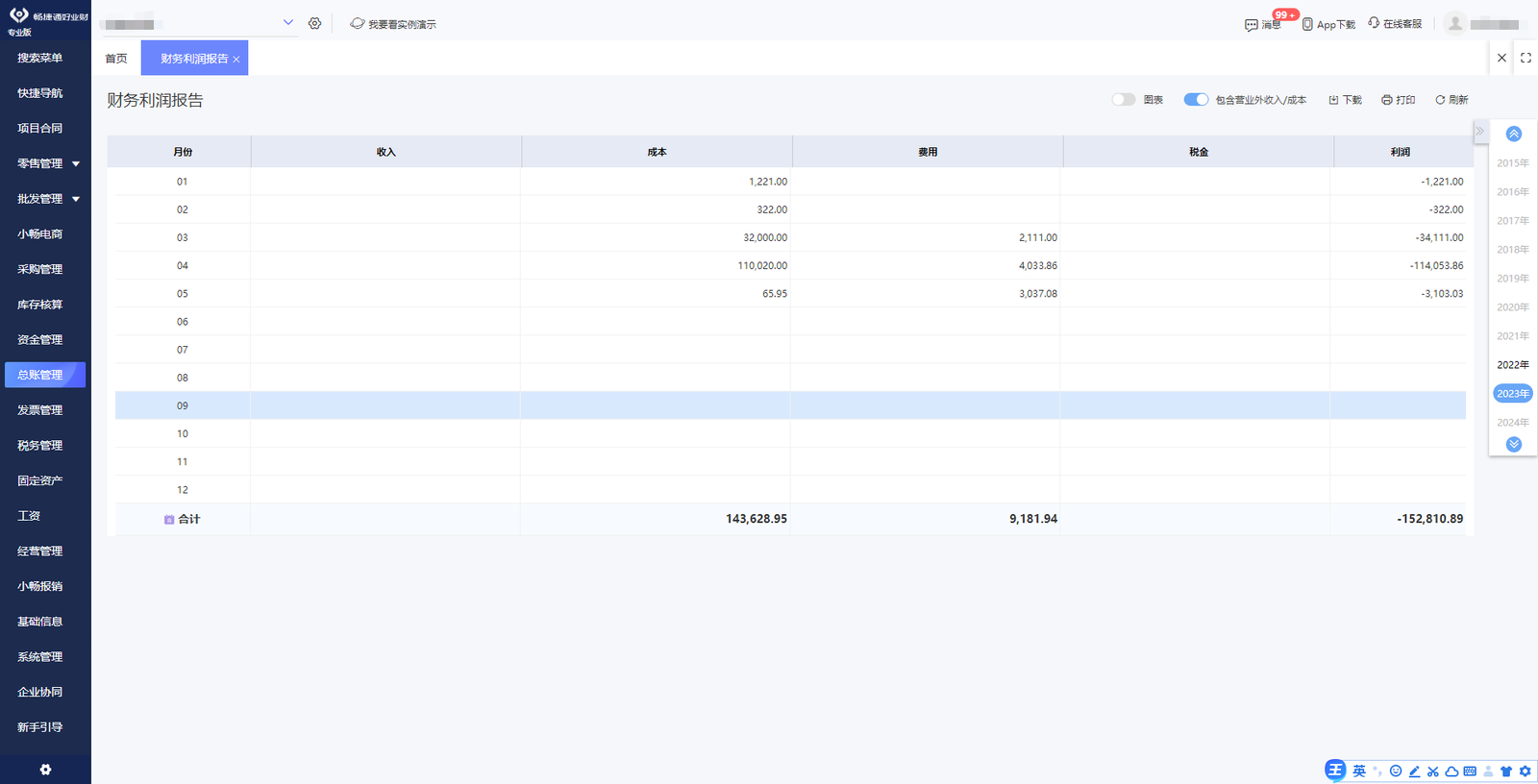
Many bosses think that purchasing a set of computer software can solve the problem. In fact, this is a completely wrong idea. In the non-standard sheet metal environment, the most difficult problem is the intricate drawings and disorganized process flow. If the entire production process is not carefully investigated and understood in the early stage, it will be a terrible disaster when the system is put into use. Be sure to list all existing pain points, such as whether material loss is very high, or whether production scheduling is in a state of chaos. Only by accurately finding the root cause of the problem can we formulate corresponding solutions and prevent money from being wasted.
![图片[1]-How To Implement Non-standard Sheet Metal ERP System-Dalian Fuhong Machinery Co., Ltd](/wp-content/uploads/2026/07/1784052356144_0.png)
Don't think that a general template covers all problems. Each factory has different equipment conditions and different staffing. You have to go deep into the workshop, pay attention to the obstacles that workers have during actual operations, record these details, and feed them back to the implementation team. Only in this way can you customize functional modules that fit the actual situation of the company, so that the system can be implemented in practice instead of just a formality.
In-depth participation of all employees
System rollout is not just a matter for the IT department alone, but is actually a matter involving the entire company. If management is not supportive, people below will be unable to move the needle. As the boss, you must personally control the situation and clearly define the scope of responsibility of each department. Establish an efficient communication mechanism to encourage everyone to form the habit of frequently using data to explain their opinions, rather than making arbitrary decisions based solely on past experience. Only by achieving a unified situation at the ideological level can the direction of action be consistent.
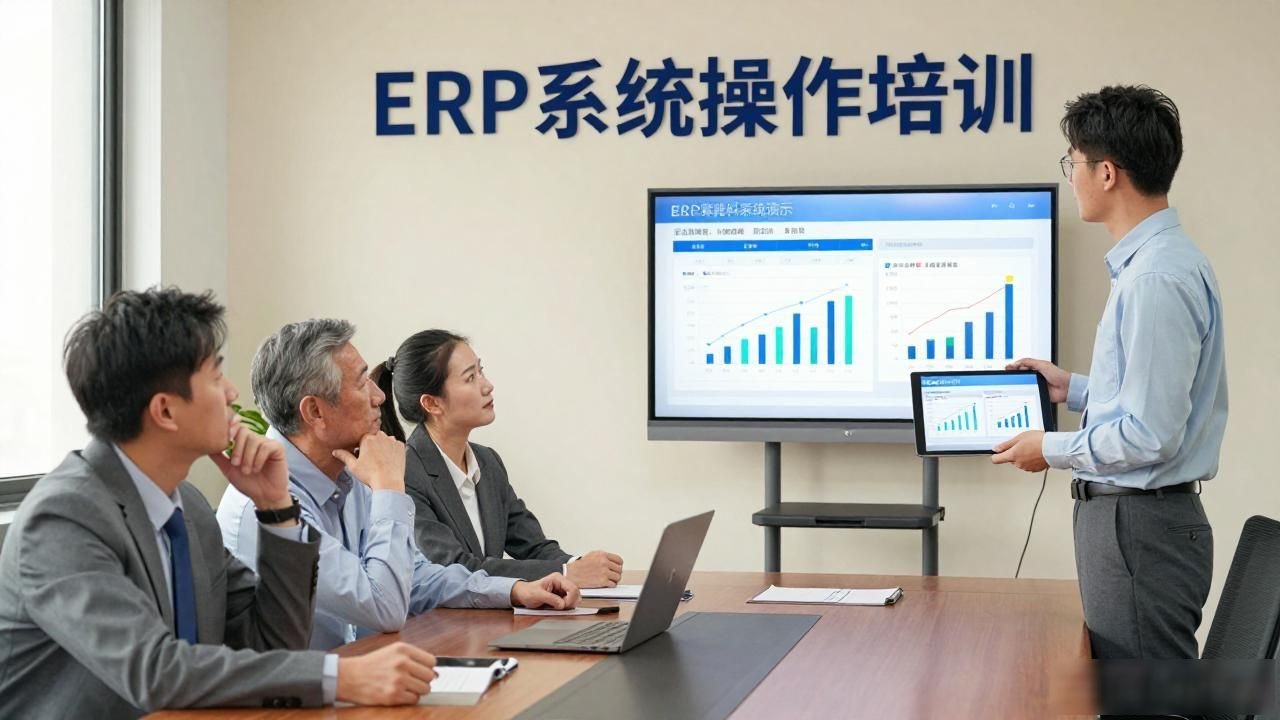
Employee training must never be a mere formality. Many old employees are resistant to the new system, believing it will increase their workload. At this time, you have to patiently guide them to see the convenience brought by the system. For example, automatic material calculation eliminates the complexity of manual calculation. Only when everyone is proficient in operating skills can the system efficiency be maximized. Otherwise, no matter how good the tools are, it will be in vain.
Data is strictly controlled
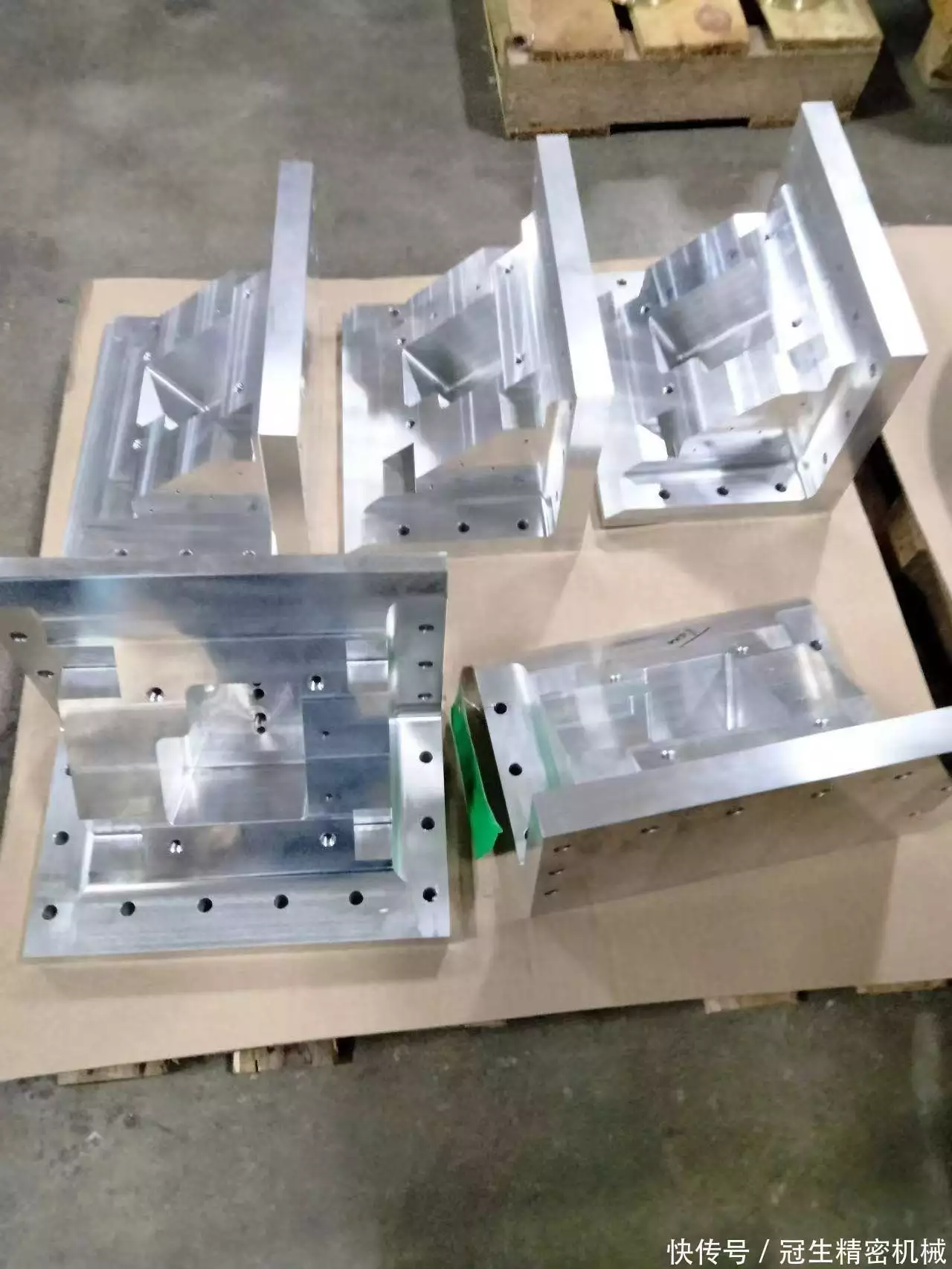
If the data is inaccurate, the system will be completely destroyed. In the non-standard sheet metal industry, the BOM list is complex. Any error with a decimal point will lead to production accidents. When entering data, be sure to ensure that it is true and complete, and do not make random estimates. A strict data review mechanism must be established to ensure the accuracy of source data through layer-by-layer checks. This is the cornerstone for the system to be effective.
If there is an error in the basic data, subsequent planning, purchasing, and inventory will be thrown into chaos. This will not only affect efficiency, but may also cause huge economic losses. Therefore, special data maintenance positions must be set up, and redundant information must be cleaned up regularly. With the help of a complete management system, human errors can be eliminated, so that data can become a strong support for decision-making, rather than a disruptive factor.
Open the entire business process
The value of ERP lies in integration, not isolated functional modules. It connects procurement, inventory, sales, and production. Especially in order processing, the system can quickly generate plans based on customer needs. The seamless connection achieved in this way greatly improves operational efficiency and reduces the blame game between departments. Due to information transparency, every link is visible and controllable.
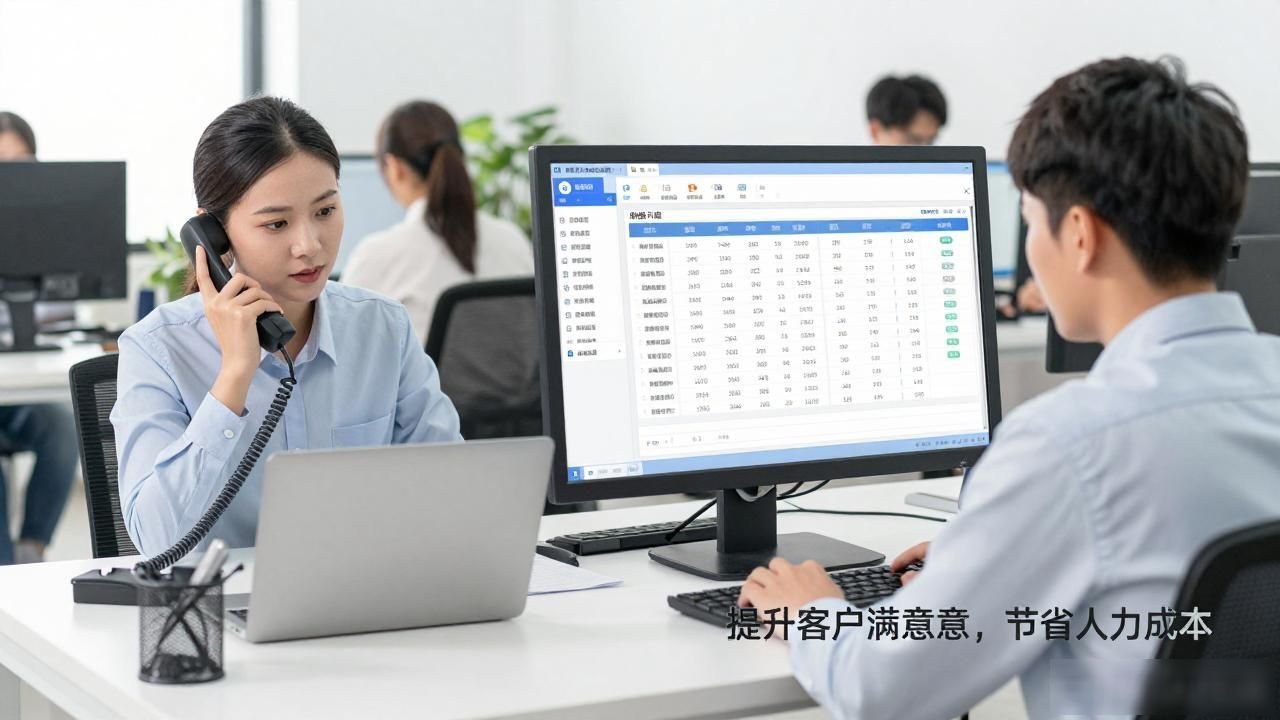
Track production progress in real-time to ensure on-time delivery. In the past, we relied on calling to inquire about the progress, but now we check the status directly in the system. Such a change not only improves customer satisfaction, but also makes internal management more standardized. Data between various business links will be automatically transferred, thus avoiding repeated entry, saving labor costs, and making the operation of the enterprise smoother and more efficient.
cultural influence
Long-term use of ERP will lead to changes in employees' working habits. People gradually tend to rely on data to make decisions and carry out work according to processes. This change may seem subtle on the surface, but in fact it is quite profound. It improves the overall execution of the enterprise and promotes management to develop in a more scientific direction. When informatization evolves into the norm, due to informatization, the innovation capabilities of enterprises will also be enhanced, and they will be able to respond more quickly to market changes. In this way, enterprises will have greater advantages in market competition.
The transformation of corporate culture is helpful to enhance core competitiveness. In the context of fierce market competition, the key to a company standing out is standardized and data-based management. This not only involves the application of tools, but also the upgrade of management thinking. With the help of continuous optimization, companies can build a modern management system that adapts to future development and lay a solid foundation for long-term stability.
Do you think that when non-standard sheet metal manufacturing companies implement enterprise resource planning systems, the most difficult thing to overcome is the technical difficulties or the human resistance? Welcome to leave a message in the comment area and share your own opinions. If you think it has practical value, please like it and forward it to your peers for their reference.



暂无评论内容