

Turning, milling and grinding machine tool maintenance contract
Check the machine tool status before signing a contract
Before signing the contract, both parties must clearly write down the machine tool model, counter readings, installation date and other information. These basic data play a decisive role in the quotation and service scope of subsequent maintenance. For example, a five-year-old turning and milling compound machine tool has completely different maintenance frequency and parts replacement probability from a new equipment that has just passed the warranty period. When filling in this information, Party A needs to check it item by item to prevent vague statements. Party B also needs to check the condition of the machine on site to confirm that the counter readings are true and valid for turning and milling composite machining maintenance . In 2025, a machinery factory in East China failed to write down the installation date clearly, and subsequently struggled with warranty liability for up to three months.
Response time directly affects production efficiency
Party B promises to come to the door within 4 working hours in the city and within 12 working hours in other places. This will have a great impact on the loss of the factory due to production shutdown. A mold factory was shut down for two days due to equipment failure, resulting in a loss of orders exceeding 150,000 yuan. Before signing the contract, Party A must confirm whether Party B has the ability to be on duty 24 hours a day, especially whether it can provide appointment services during holidays. It is best for Party B to indicate the specific service team members and contact information in the contract to avoid being unable to find people temporarily. In actual operation, some maintenance companies only arrange maintenance contracts for turning, milling and grinding compound machine tools on duty during working days. Failures on weekends will not be dealt with until Monday. Such details must be agreed in advance.
Regular maintenance cannot be a formality

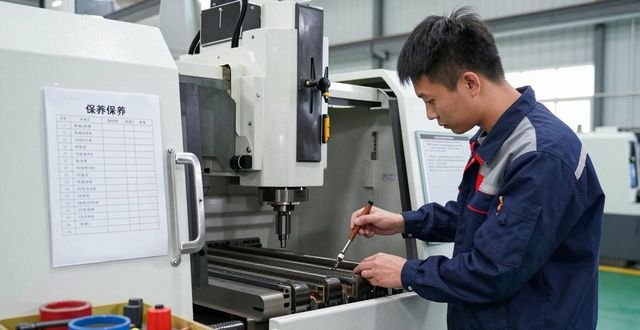
Regular monthly on-site maintenance is stipulated in the contract, which is key to ensuring the accuracy of turning, milling and grinding composite processing machine tools. Many Party B simply wipe the machine, add some lubricant and end it in a hurry. In this case, Party A should ask Party B to issue a maintenance list, which records the specific content of each maintenance, including guide rail lubrication, spindle inspection, tool magazine calibration and other items. In 2026, there was a precision parts factory in Shenzhen. Due to Party B's perfunctory maintenance attitude, the main shaft bearing suffered premature wear. It cost 80,000 yuan to replace the bearing. Only by clarifying maintenance standards can formalism be avoided.
Part replacement costs should be transparent
The contract stipulates that Party B only charges material fees when replacing parts. However, the standard of material fees must be clearly stated in advance. For example, like spindle bearings, the price difference between original parts and replacement parts is several times. Party A has the right to require Party B to provide a quotation sheet for accessories, and the quotation sheet must indicate the brand, model and price validity period. In the case of a certain joint venture, just because an imported screw nut was replaced, the price quoted by Party B was actually 40% higher than the market price. Later, it was discovered that Party B did not quote the price in advance, but notified Party A after directly replacing it. The most ideal approach should be that for every turning and milling composite machining maintenance before replacing parts, Party B should first issue a written quotation, and then start the hands-on operation after obtaining Party A's confirmation.
Consuming material binding is risky
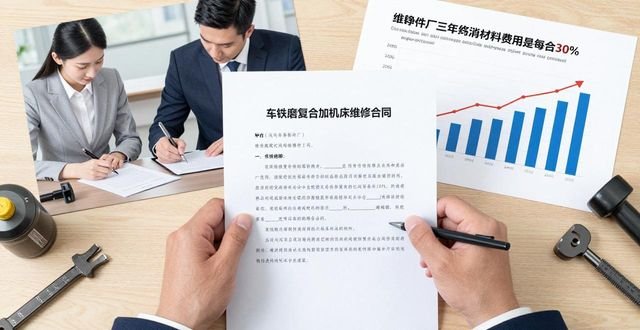
According to the contract, Party A can only enjoy warranty services after using the exhausted materials and parts and accessories provided by Party B. Such binding terms need to be carefully evaluated. If the prices provided by Party B, such as cutting fluids and cutting tools, are significantly higher than the market quotation standards, it will increase a lot of costs in the long run. There is an auto parts factory that has signed a contract with the same maintenance company for three consecutive years, but the cost of consumable materials used is more than 30% higher than that of its peers. Therefore, it is recommended that Party A compare the prices of the accessories supplied by Party B in the market before signing the contract. At the same time, it is also recommended that Party A has the right to purchase from other channels if Party B cuts off supply or prices rise.
Leave room for contract duration and renewal
The one-year contract period will take effect from the date of payment. After the expiration, both parties can negotiate for renewal. Party A needs to pay attention to the terms of automatic renewal of the contract. Some companies will state in the contract that "if the contract expires without written termination, it will be deemed to be automatically renewed." Therefore, if you want to change companies, you must give a written notice one month in advance. In 2025, a company in Ningbo was deceived by the automatic renewal of its contract and had to pay half a year more in maintenance fees. It is recommended that the contract be clearly negotiated in writing thirty days before expiration to allow both parties to make adjustments. In addition, the contract is in duplicate, and each party keeps one copy for turning and milling composite machining and maintenance . It will take effect immediately after being signed and sealed.
When signing a maintenance contract for turning and milling compound machine tools, what is most important to you is the speed of response, or is it really the price of accessories? You are welcome to share your own experience in the comment area. If you find it useful, please like it and forward it.



暂无评论内容