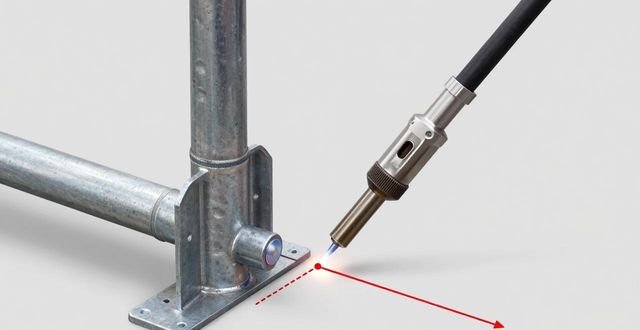


What are the welding requirements for pipe supports? Does anyone know?
Don’t be careless about fixed spacing and random inspection standards
When installing pipe supports, make sure they are firmly fixed and the distance must meet the design requirements. When installing the hanger, it must also be ensured that it is firmly fixed and the distance must meet the design requirements. According to regulations, the number of inspections must be spot-checked, and 20% of the total construction volume must be spot-checked to ensure that there are at least 5 locations. During actual operation, it is recommended that construction workers use rulers and measuring tools to mark in advance to prevent rework later. In the installation of ventilation ducts in underground garages, the common bracket spacing is 1.5 to 3.6m, and the specific value depends on the design drawing. If the spacing is too large, the pipes will easily deform and fall off, which will affect the safety of the entire system.
Material and welding quality must meet national standards
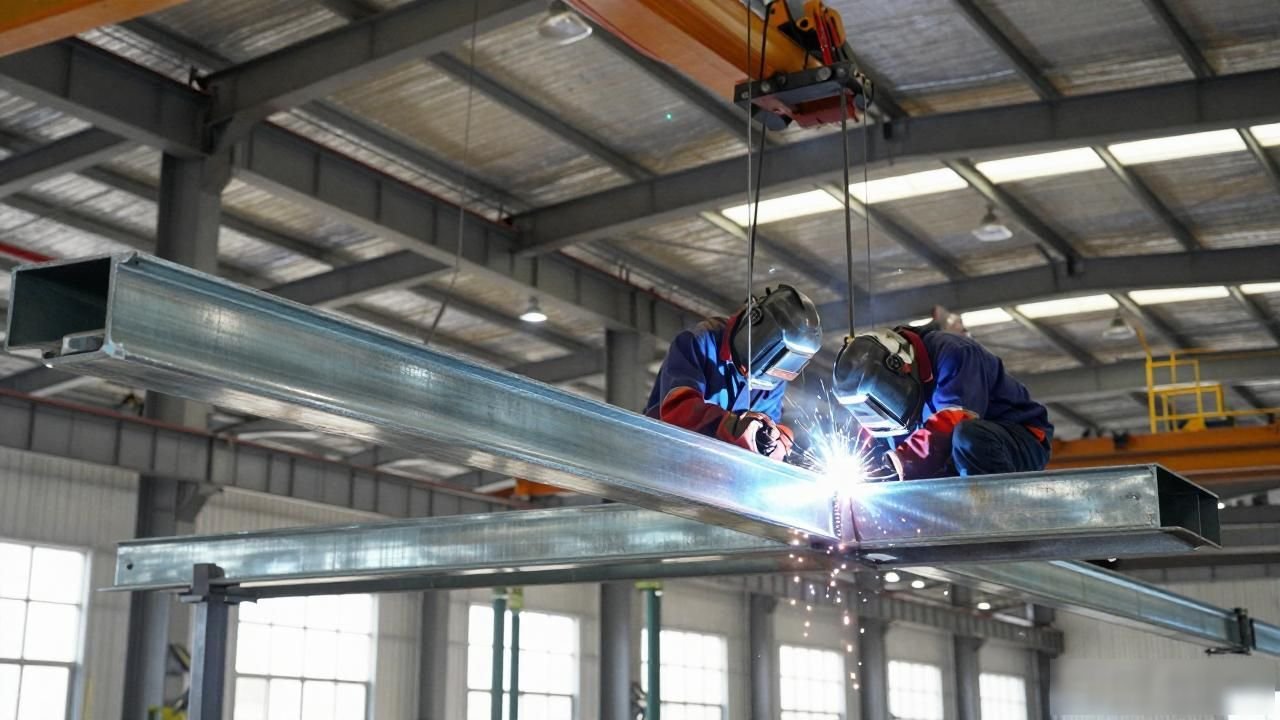
The form, material and processing dimensions of the bracket should comply with the design requirements and the current national standards. The same should be true for the form, material and processing dimensions of the hanger, as well as the form, material and processing dimensions of the anti-sway bracket. In a humid environment like a basement, it is recommended to use galvanized steel or perform anti-corrosion treatment, otherwise it is prone to rust. When welding, you need to make sure that the weld is full and there are no cracks, otherwise the load-bearing capacity will be reduced. For example, due to the use of unqualified angle steel in a project, the brackets broke after half a year of operation, and eventually all needed to be replaced, which wasted costs and delayed the construction period.

The distance control to the nozzle must be precise
During the installation of pipe supports and hangers, the position must not hinder the effect of water spraying from the sprinkler heads. What the specification requires is that the distance between the bracket and the nozzle should be at least 300 mm, and the distance between the bracket and the end nozzle should not be greater than 750 mm. In an environment like an underground parking lot, the sprinkler heads are extremely densely distributed. If the bracket is too close to the sprinkler head, it will hinder the coverage of the water flow, resulting in poor fire extinguishing effect when a fire occurs. During the construction period, it is necessary to carry out wiring work in advance to ensure that each bracket is at a safe distance, and all must be inspected to avoid omissions.
There are rigid regulations on the spacing between water distribution branch pipe hangers.
In each main water distribution branch pipe section, at least one hanger must be installed between two adjacent nozzles, and the distance between hangers should not exceed 3.6 meters. When inspecting, use the method of combining observation and measuring, and randomly inspect 20% and no less than 5 places. In actual construction, it is recommended to arrange them according to the maximum interval of 3.6 meters, but the places where they encounter elbows or valves must be denser. For example, in an underground garage project, because the hanger spacing exceeded the standard, the pipes sagged significantly after shrinking in winter, so they had to be re-reinforced.
Large diameter pipes require anti-sway brackets
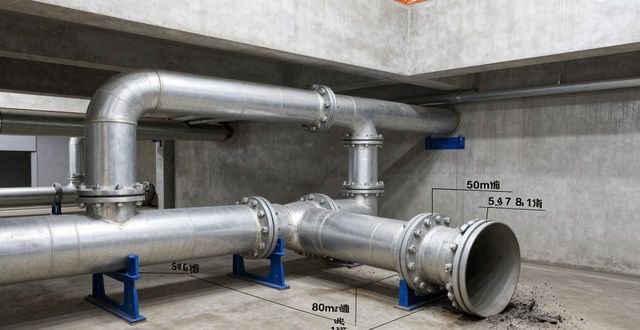
When the nominal diameter of the conduit reaches 50 mm or more, each section of the water distribution main pipe and water distribution pipe must be equipped with an anti-sway bracket. The number shall not be less than one, and the distance between the brackets shall not exceed 15 meters. If the pipe changes direction, such as turning or turning up, additional anti-sway brackets must be added, and all shall be inspected. In environments such as basements where vibration sources exist, anti-sway brackets can effectively reduce the shaking of pipes and prevent loose connections. For example, a main pipe with a diameter of 80mm in a certain venue fell directly during an earthquake simulation test because it was not equipped with anti-sway brackets.
There are clear requirements for the fixed position of vertical main pipes
For vertically installed water distribution main pipes, in addition to being fixed with pipe clamps in the middle, the starting and last ends also need to be equipped with anti-sway brackets or pipe clamps, and the height of the installation location from the ground or floor should be between 1.5 meters and 1.8 meters. This height can facilitate maintenance work. It can also ensure that the pipeline is in a stable state. In the actual operation process, it is recommended to use expansion bolts to firmly fix the pipe clamp on the concrete wall to ensure the firmness. For example, in a certain underground garage with a multi-story structure, the starting end bracket of the vertical pipe was installed at a height of 2 meters. As a result, when it was time to repair it, the ladder could not reach it, and eventually had to adjust its position.
Let’s talk about the project you are working on. Where is the most common problem in the installation of pipe supports? You are welcome to leave a message in the comment area, share your experience without reservation, like it and forward it so that more peers can see it!



暂无评论内容