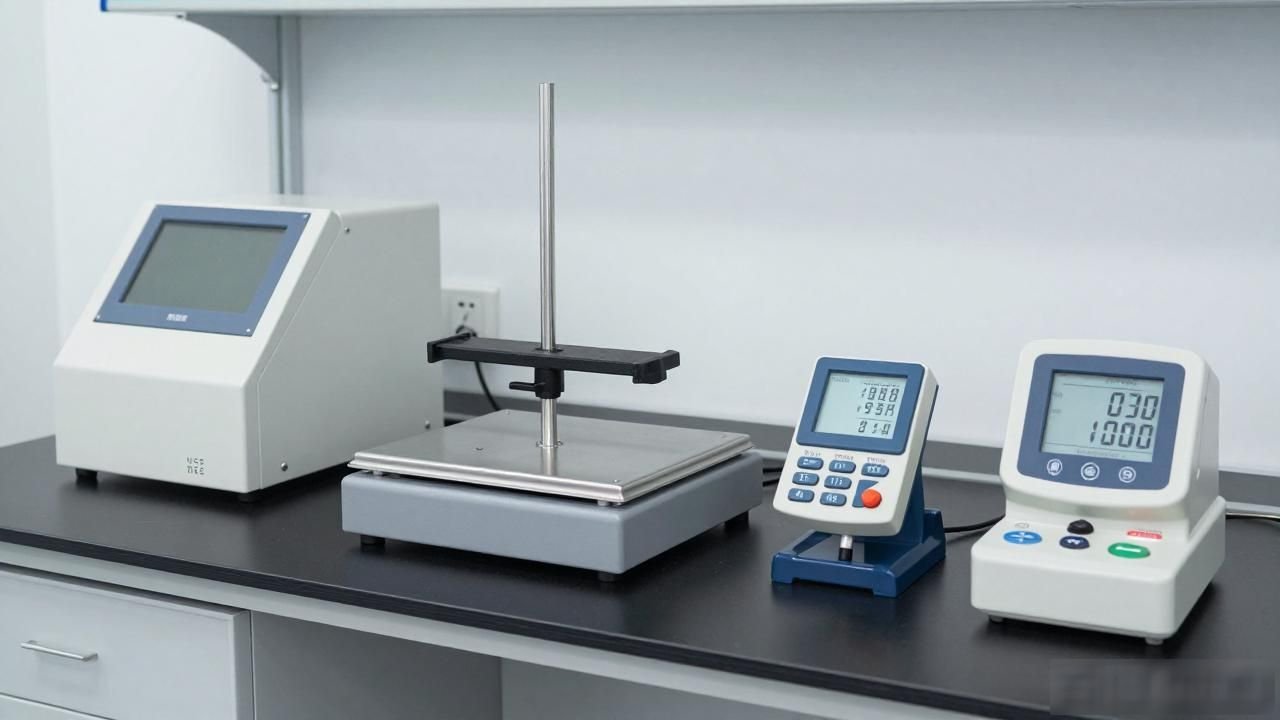


Paint and coating anti-corrosion testing standards, testing items and testing scope
1. The importance of anti-corrosion coating testing
Many construction teams are not familiar with the testing process of anti-corrosion coatings, resulting in uneven coating quality. Some projects may appear to be fine on the surface, but rust and peel off after being put into use, causing unnecessary economic losses to the company. Understanding paint testing items is the first step to ensure project quality.
Testing is not just for acceptance, but also to prevent problems. By carrying out experimental tests on physical properties, construction properties, chemical properties and other dimensions, we can discover possible hidden dangers in the coating in advance, so as to ensure that the anti-corrosion coating will exert the protective effect it should have when it is actually put into use.
2. Physical performance testing items
The most basic testing content of coatings is physical properties. The appearance inspection needs to check whether the color and transparency meet the requirements. The adhesion test needs to determine whether the coating can be firmly bonded to the surface of the substrate. The viscosity and fineness will have a direct impact on the construction effect. Indicators such as ash content, PH value, and flash point are also within the scope of testing.
Volumetric solids content, as well as density, determine the practicality of the coating, as well as cost accounting. Bonding strength is a key parameter that measures the ability of the coating to bond with the substrate. These indicators are directly related to the actual performance after painting, and each item must be strictly controlled.
3. Construction performance testing items

On-site operation efficiency and final film quality will be affected by construction performance. The hiding power test is used to evaluate the covering effect of the coating. However, due to various unknown factors, usage and loss are related to cost control. Drying time is a key reference for construction arrangements . Film thickness detection standards for riveted weldment spray paint, paint and coating anti-corrosion testing standards, testing items and testing ranges, surface drying time and actual drying time must be accurately recorded.
The beauty of the painted surface is determined by the paint film's polishability, leveling and sagging properties. The measurement of wet film thickness and dry film thickness is the core link in construction acceptance. A reasonable film thickness can ensure the anti-corrosion effect without causing material waste.
4. Chemical performance testing items
The coating's ability to withstand complex environments is reflected by its chemical properties. This test content of water resistance can simulate its performance in a humid environment. Durability assessment focuses on the long-term effects of a coating's use. Alkali resistance and corrosion resistance are assessed based on special working conditions in professional fields such as chemical industry and specific environments such as the ocean.
Through weather resistance testing, we can observe the stability of the coating under ultraviolet rays and temperature changes. Heat resistance and low temperature experiments are used to test the adaptability of the coating in extreme temperature environments. Chemical resistance can ensure that the coating is not easily damaged when it comes into contact with acid and alkali solvents.
5. Hazardous Substance Testing Projects
As the requirements for environmental protection become more and more stringent, the detection of harmful substances is absolutely indispensable. VOC content is a key category of data indicators that need to be paid attention to. The total amount of A, B, and 2A must be controlled within a safe range. The content of free formaldehyde will directly affect indoor air quality.

What is related to the health of construction workers is the sum of the TDI and HDI contents. The detection of ethylene glycol ether is to prevent harm caused by solvent residues. The heavy metal content (lead, mercury, chromium, cadmium, etc.) must be within the limited standards. Not only do these indicators affect environmental compliance, but they are also related to human health.
6. Electrical performance testing items
For special-purpose anti-corrosion coatings, it is necessary to have relevant testing of electrical properties. The conductivity test is used to evaluate the application value of the coating in electrostatic protection or cathodic protection. As for breakdown voltage or breakdown strength, they reflect the insulation properties of the coating.
The insulation resistance and dielectric constant are used to evaluate protective coatings for electronic equipment. The dielectric loss tangent is related to the application effect in high-frequency environments. These indicators are of irreplaceable importance in specific industries.
A variety of coating types are covered by testing standards, including types from chlorinated rubber to epoxy asphalt, and types from phenolic anti-rust paint to perchlorethylene anti-corrosion paint, each of which has corresponding specifications. The test methods include the circle method, the cross-hatch method, and the pull-apart method to determine the adhesion , film thickness detection standards for riveted weldment spray paint , and two film thickness detection methods, destructive and non-destructive.
What paint testing challenges have you encountered at work? Welcome to leave a message for discussion!







暂无评论内容