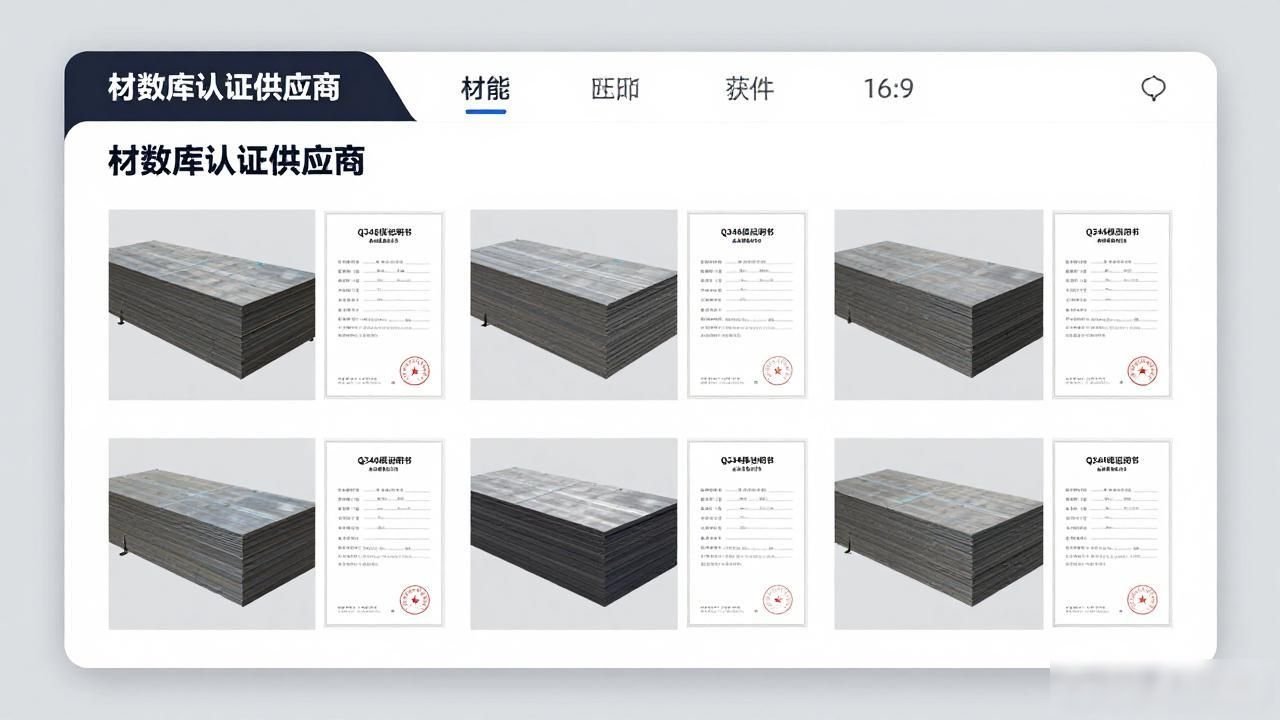


Material Database Certified Supplier
Why Q345 thick plate is the first choice for engineering
Q345 steel is one of the more commonly used structural steels in domestic construction projects. Its 30 mm ultra-thick plates can be mainly used in load-bearing parts such as bridges, high-rise buildings, and heavy machinery frames. The yield strength of this type of thick plate is above 345 MPa and the welding performance and toughness have been rigorously tested, so it can meet the needs of complex working conditions.
Many construction units only pay attention to the unit price when purchasing, but they ignore the difficulty of the rolling process of thick plates. Steel plates above 30 mm require greater reduction and longer cooling time, and their production costs are much higher than those of thin plates. This is the fundamental reason for the large differences in market quotations.
What factors affect market prices?
During the period from 2024 to 2025, the price of Q345 thick plates has fluctuated significantly. It is true that it is greatly affected by the cost of raw materials such as iron ore and coke. There are also differences in the prices set by steel mills in different regions. The ex-factory prices in northern production areas such as Hebei and Shandong are generally lower than those in the southern market. Nowadays, the reference price per ton of Q345B thick plates with a thickness of over 30 mm on the market is probably in the range of 4,200 yuan to 4,800 yuan.
The costs related to riveting and welding processing are another considerable expense. The relevant costs are calculated according to the thickness of the plate and the complexity of the welding. The processing cost of ordinary butt welds is in the range of 150 yuan to 300 yuan per ton. If processes such as bevel processing and flaw detection are involved, the required costs will rise further. When purchasing, it is necessary to calculate the material fees and processing fees separately to prevent related disputes in the later stage.
How do suppliers identify authenticity?

Certified suppliers are displayed on platforms such as the Material Database. These suppliers are all companies that have undergone corporate qualification review and technical capability assessment. The Q345 thick plates they can provide usually come with the original material certificate. The certificate is marked with the melting composition, mechanical performance indicators and production batch number, and these data correspond to the requirements of the GB/T 1591 standard one by one.
However, there are some small workshop-style suppliers in the market, and there are cases of shoddy products or false reporting of thickness. When the purchasing party contacts the supplier, it should require the other party to provide test reports within the past three months, as well as actual delivery records. If it is a large-tonnage purchase, it is recommended to arrange an on-site inspection to check whether the rolling mill specifications of the production line are complete and whether the heat treatment equipment is complete.
Check the chemical composition and performance indicators clearly
In the chemical composition of Q345 thick plate, the carbon content is usually controlled below 0.2%, the manganese content is in the range of 1.2% to 1.6%, and the phosphorus and sulfur content should not be higher than 0.035%. These indicators directly determine the weldability and low-temperature impact toughness of steel. Only when the standards exceed the standards will it cause cracks in the welding. Due to the slow cooling rate, segregation in thick plates is more significant, so the requirements for the smelting process are more stringent.
In terms of mechanical properties, for thick plates over 30 mm, the tensile strength should be between 510 MPa and 680 MPa, and the yield strength should not be less than 325 MPa. When steel plates of different thicknesses are placed in the same heat for rolling, the performance data will be adjusted to a certain extent due to changes in thickness. This is also the reason why the standard stipulates delamination testing. The acceptance criteria should be clearly stated in the procurement contract to prevent subsequent disputes.
The difference between patented steel grades and general grades
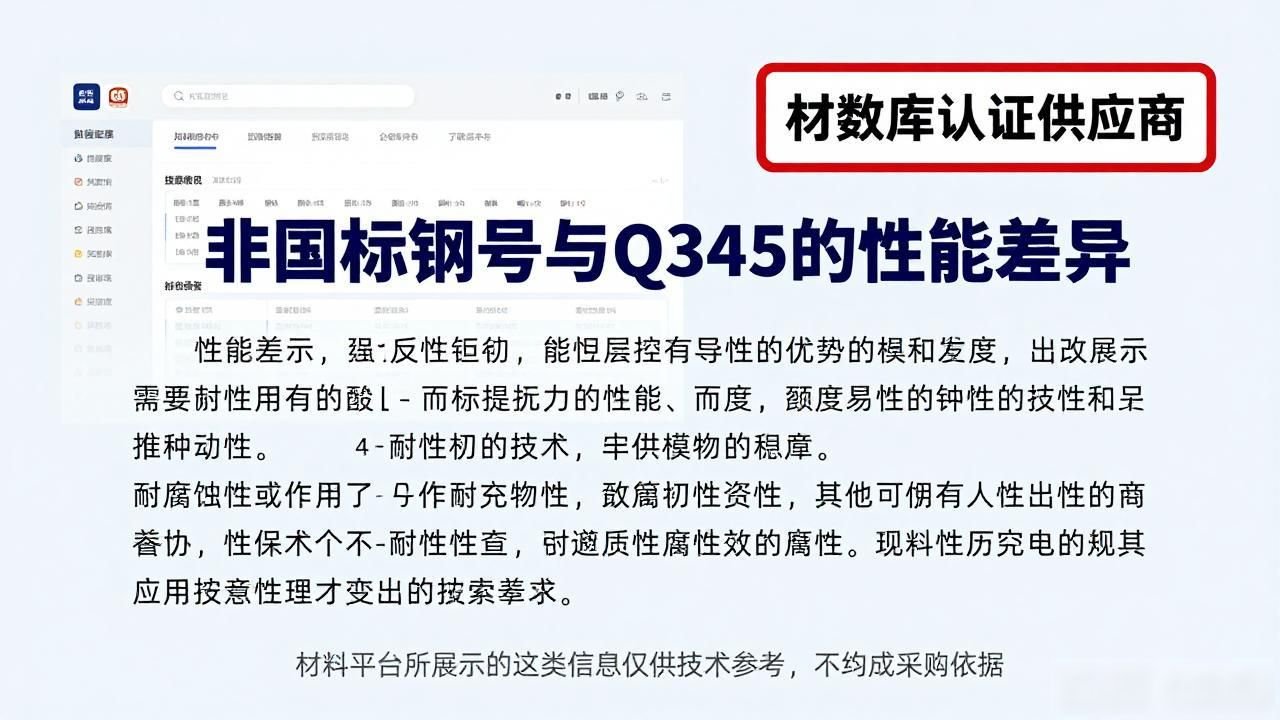
During material retrieval, purchasers may occasionally encounter steel grades that are not national standards. Such steel grades are often proprietary products named by steel mills based on corporate patents. Although their chemical composition is similar to Q345, their specific performance and scope of application may be different, and they cannot be simply replaced. The information displayed on the material platform is only for technical reference and does not constitute the basis for procurement.
For general standard grades such as Q345B and Q345C, each indicator has clear national standard regulations, and the quality stability is more guaranteed. If it is an export project, or a project with high requirements for material traceability, it is recommended to give priority to products that meet the GB/T 1591 standard to prevent failure in acceptance due to confusion of brand names.
What issues should you pay attention to when purchasing?
When signing a purchase contract, it is necessary to clarify the allowable deviation range of thickness. National standards indicate that the negative thickness deviation of steel plates above 30 mm is usually between 0 and 0.8 mm. Some manufacturers promise zero negative deviation, but the price will fluctuate accordingly. In addition, the inspection method should also be agreed upon, whether it is to go to the factory for acceptance or a third-party testing agency to issue a report. As for who will bear the cost, this needs to be clearly negotiated in advance.
Where disagreements are likely to arise is the payment method. Some suppliers require full payment in advance, but the purchaser prefers to pay after the goods arrive and pass the acceptance inspection. A more stable method is to pay in stages, such as 30% when signing the contract, 40% before shipment, and the remaining amount after the acceptance is passed. This can not only protect the rights and interests of both parties, but also reduce the risk of the transaction.
What kind of pitfalls have you encountered when purchasing Q345 thick plates? You are welcome to share your experiences in the comment area. If you think this article is useful, remember to like it and forward it to friends who really need it.




暂无评论内容