

Common problems and solutions in CNC machine tool processing (CNC processing problem analysis)
1. What to do if the processing accuracy is not up to standard
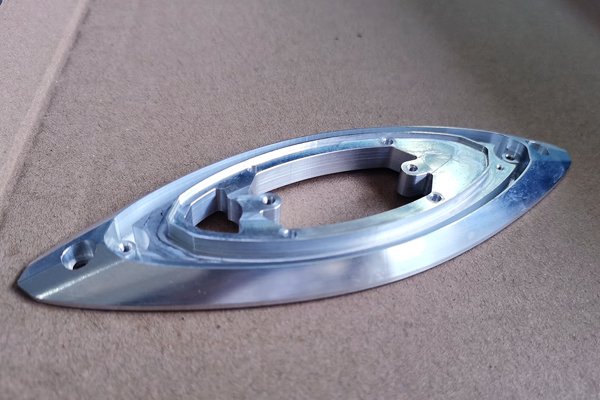
During CNC 机加工, large deviations in workpiece dimensions and out-of-tolerance tolerances are one of the most troublesome problems. When it is found that the finished product does not meet the requirements, the first step is to check the CNC machining service FAQ in the clamping process to see if the wrong fixture is used, or the clamping force is uneven, which causes the workpiece to be displaced and deformed during the cutting process.
![图片[1]-Common Problems And Solutions In CNC Machine Tool Processing (CNC Processing Problem Analysis)-Dalian Fuhong Machinery Co., Ltd](/wp-content/uploads/2026/08/1787162935399_0.jpg)
Secondly, check the spindle of the machine tool to see if it is worn, and check the lead screw clearance and reverse error regularly. When necessary , CNC machining service FAQs require laser interferometer calibration to restore the geometric accuracy of the machine tool and ultimately improve the stability of the machining from the root cause.
2. Why does the processing quality vary from time to time?
Within the same batch of products, there is a situation where some are qualified, while the other are defective. Common problems and solutions in CNC machine tool processing (CNC machining problem analysis), this phenomenon is quite common. The reason for this kind of quality fluctuation is often due to the fact that the tool state is not in a stable state, or the selection of cutting parameters is not appropriate, which leads to continuous changes in cutting force and cutting heat, ultimately affecting surface quality and dimensional consistency.
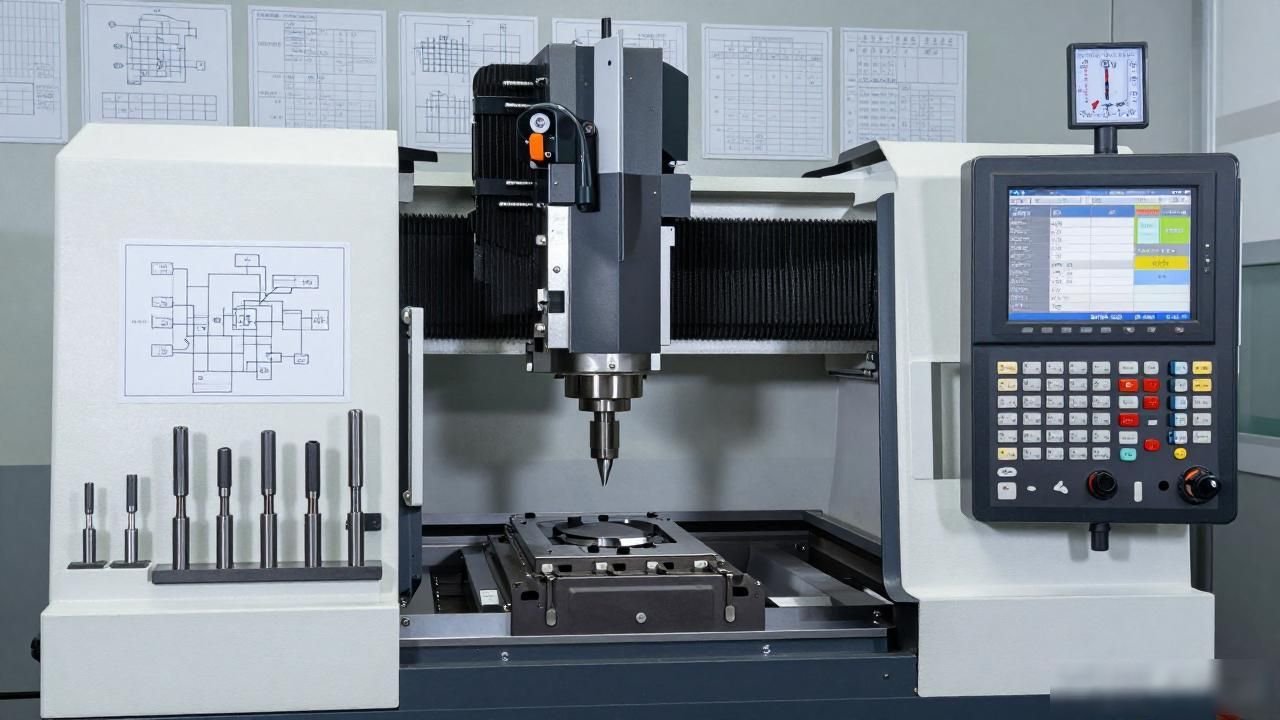
The solution is to construct standardized process documents, standardize tool selection and cutting parameter settings, and at the same time control the temperature and humidity of the processing environment to prevent batch quality fluctuations caused by thermal deformation.
3. Why the efficiency of CNC machining cannot always be improved?
Many processors said that they have invested a lot in equipment, but their production pace is always a beat slower than others. There are many main reasons for low efficiency, including that the cutting parameters are too conservative, tool replacement is too frequent, path planning is unreasonable, and equipment maintenance is not done properly, which results in low efficiency during actual operation.
By optimizing the machining path program, we can rationally select tools and cutting parameters, thereby reducing idle travel and non-cutting time. At the same time, we must ensure that the machine tool can be maintained and lubricated regularly, so that the machining cycle can be effectively shortened and the equipment output rate can be improved.
4. How to deal with processing surface roughness that is not up to standard
In CNC machining, there is another high-frequency problem CNC machining service FAQ , that is, the surface finish of the workpiece is poor and the tool marks are obvious. This problem is usually related to the improper matching of tool edge condition, cutting fluid usage, spindle speed and feed speed. In severe cases, the situation will worsen due to increased vibration.
Replace with new and sharp tools, adjust the spindle speed, adjust the feed amount, and ensure that the cutting fluid can fully cool and lubricate. This can effectively improve the surface quality results and meet the strict requirements of customers for the appearance of parts.
![图片[3]-Common Problems And Solutions In CNC Machine Tool Processing (CNC Processing Problem Analysis)-Dalian Fuhong Machinery Co., Ltd](/wp-content/uploads/2026/08/1787162935399_2.jpg)
5. What causes excessive tool wear?
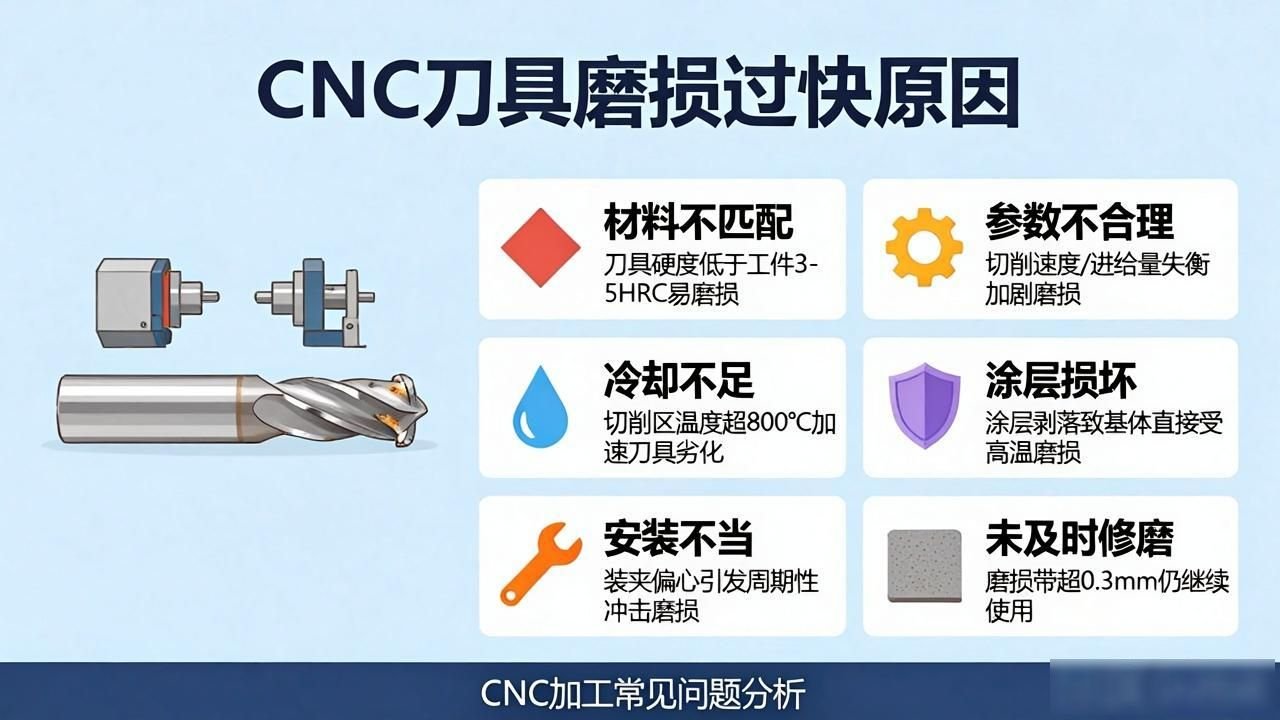
Wear of tools under abnormal conditions will not only increase processing costs, but also have a direct impact on processing accuracy and efficiency. Among the many factors that cause this problem, the material of the workpiece is too hard, the cutting parameters are high, the selection of the tool material is inappropriate, and the cooling is insufficient.
According to the specific processing materials, appropriate tool coatings and materials are selected, and the cutting parameters are optimized to reduce the temperature during cutting and maintain sufficient cooling and lubrication conditions. This can significantly extend the life of the tool and reduce the cost of comprehensive processing.
6. How to solve vibration and abnormal noise during processing
Vibration and abnormal noise that occur during machine tool operation are often early signs of batch quality problems. This may be caused by the workpiece clamping not being firm enough, the tool overhanging too long, the spindle bearing being worn, or the machine tool base being loose.
Strengthening the rigidity and stability of the workpiece and the tool, reducing the extension length of the tool, checking the condition of the spindle and guide rail components and carrying out targeted repairs can eliminate vibration from the root cause and ensure the smooth progress of the machining process.
What I mentioned above are the six most common types of problems in CNC machining and their troubleshooting methods. Have you encountered similar problems during production? You are welcome to leave a message to share your actual experience. Please like and follow to get more information on processing!






暂无评论内容