

Processing methods of titanium and titanium alloy wires
The first step of skin removal and oxidation has blocked many factories.
Many titanium alloy processing plants encounter difficulties in the first step when processing billets. If the hard oxide layer on the surface is not completely removed, subsequent processing will not be possible at all. The traditional method is to use pickling. However, pickling not only pollutes the environment, but also easily causes uneven material loss. We use a centerless lathe for peeling, which removes scale directly mechanically. There is no chemical contamination in the entire process. Moreover, the surface of the stripped titanium wire is extremely bright, which lays a good foundation for subsequent cold rolling. In 2024, after a precision parts factory in Zhejiang tried this method, the scrap rate dropped from 15% to less than 3%. This mechanical peeling method is simple to operate, and workers can start operating it with just a little training. It is unlike the pickling method, which requires complex equipment for wastewater treatment.
The annealing temperature has to be accurate and it is almost useless.
Titanium alloys are extremely sensitive to temperature. If the annealing temperature is not well controlled, either the hardness will be too high, making rolling difficult, or the grains will become coarse, resulting in reduced performance. We carry out annealing operations in a vacuum furnace. The vacuum environment completely eliminates oxidation problems and can evenly release the internal stress of the material. The temperature control range is accurate to within plus or minus 5 degrees Celsius, and the holding time is dynamically adjusted according to the wire diameter. For example, for a titanium wire with a diameter of 6 mm, the annealing temperature is set to 750 degrees and held for 90 minutes. The material produced has the best ductility. After an aviation parts supplier in Suzhou implemented operations according to this parameter, the tensile strength of the product increased by 12%, fully complying with aviation standards. When setting the temperature, you need to check the material grade. The annealing curve of pure titanium is completely different from the annealing curve of TC4 alloy.

Roller die cold rolling is not just a matter of simple pressing, but requires a good calculation of the compression ratio.
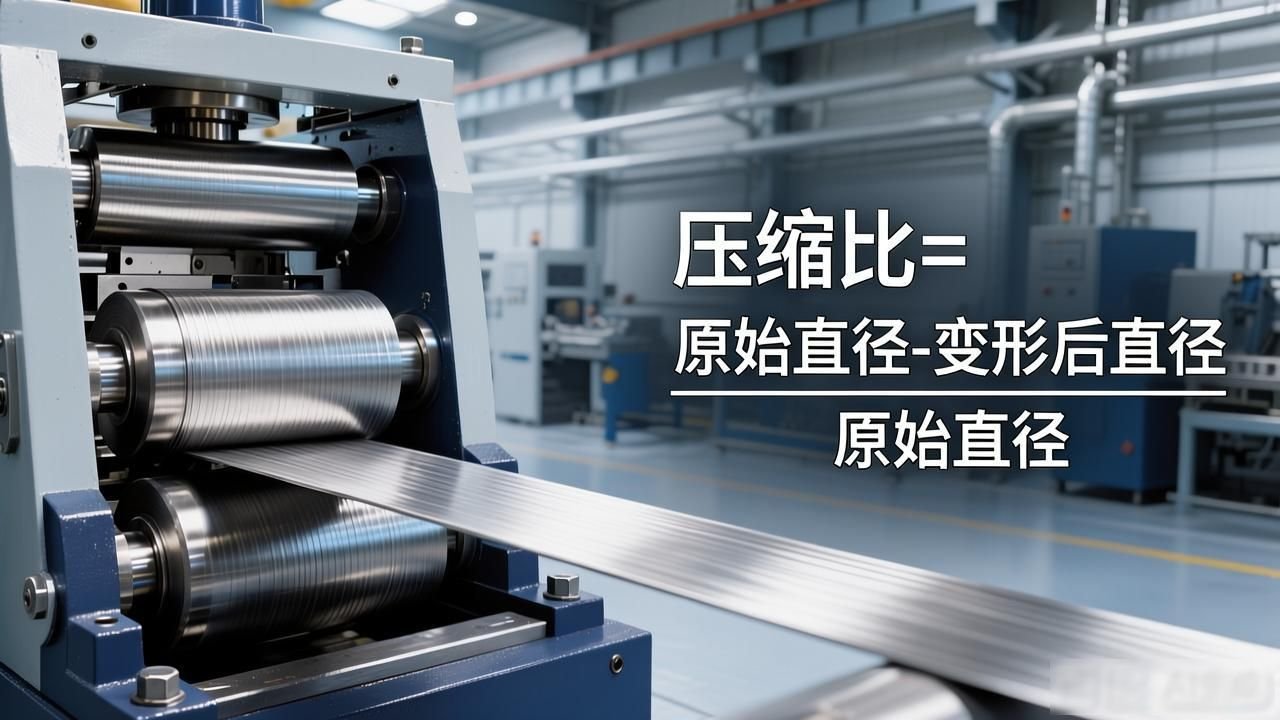
The equipment at the core of this process is the roll die cold rolling mill, but many people have difficulty using it properly. It is not just a simple thinning operation of the wire. The compression ratio of each pass requires precise calculation. Our suggestion is to control the compression amount of each pass within the range of 15% to 20%. If the compression amount is too large, cracks will easily occur, and if the compression amount is too small, the efficiency will be too low. During the cold rolling process, attention must be paid to lubrication. Special titanium alloy rolling oil must be used, and the oil temperature should be controlled below 40 degrees. In the first quarter of 2025, a medical device company in Guangdong used the process we provided to produce titanium wire with a diameter of 1.5 mm, and its success rate in one rolling could reach 98%. Before that, they used the old process and repeated drawings, and the success rate was only 60%. The fillet radius of the roller die should also be adjusted according to the wire diameter. If the radius is too large, the wire material will easily wrinkle.
Secondary annealing cannot save the key lies in the cooling speed
Many people think that cold rolling is done. In fact, secondary annealing is the key to determining the final quality. After cold rolling, there are a large number of dislocations and residual stress inside the material. If they are not eliminated, the product will deform during use. We once again put it into the vacuum furnace for annealing treatment. This time the temperature rise rate was slow, no more than 8 degrees per minute. The keeping time is slightly shorter than the first time, about 60 minutes. The most critical thing is the cooling speed. It must be cooled to below 300 degrees in the furnace before it can be released. If the cooling rate is too fast, the material will harden, and if the cooling rate is too slow, it will affect production efficiency. After the following operation process was adopted by a titanium alloy wire factory in Chengdu, the fatigue life of the product was improved by 2.5 times, and the customer return rate was almost zero!
The surface brightness of the filament determines the product grade
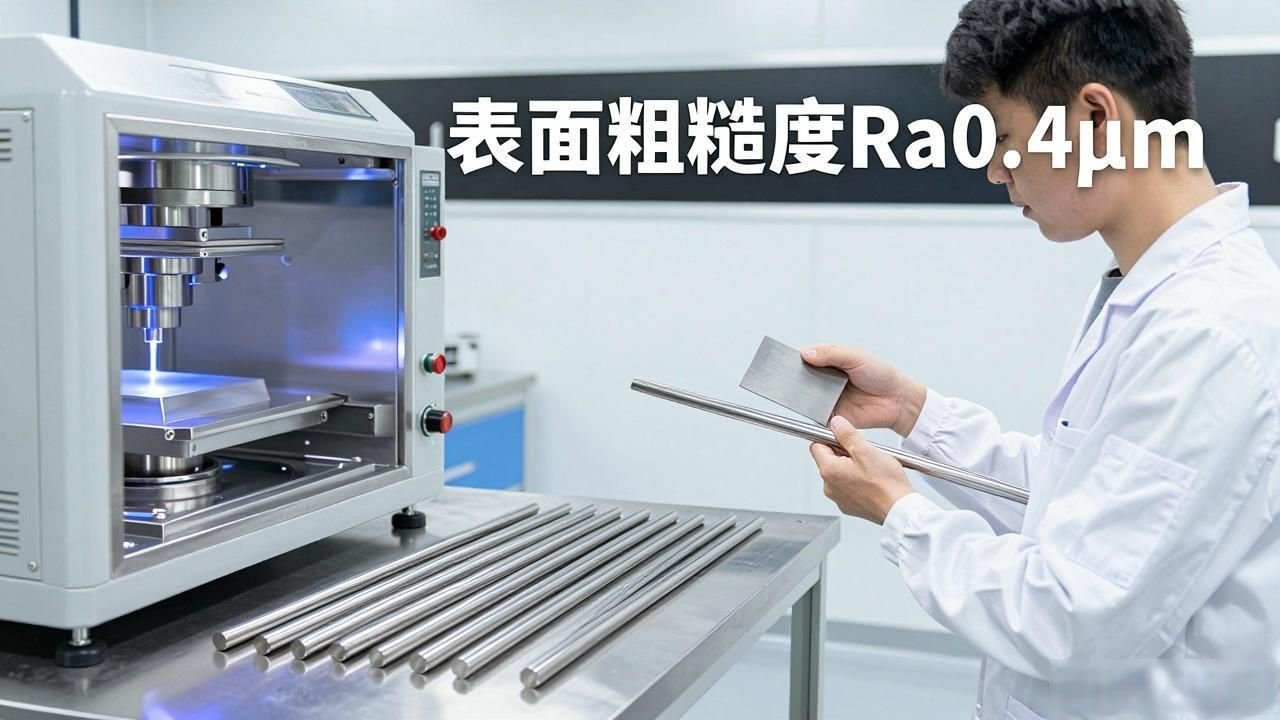
The selling price of titanium alloy filaments is directly determined by its surface quality. In the market, first-grade bright filaments are 8,000 to 12,000 yuan more expensive per ton than ordinary filaments. Our process is carried out under vacuum and lubrication conditions. There is no oxidation color or scratches on the surface. The surface roughness of filaments with a diameter of 1 mm can be controlled within Ra0.4 microns, which fully meets the requirements of medical device implants. After an orthopedic device company in Shandong purchased our Φ1.8 mm titanium wire, it directly eliminated the subsequent polishing process and reduced the processing cost by 3,000 yuan per ton. By visually comparing the standard sample block, the surface brightness can be detected, and the operator can quickly determine it.
Continuous production saves costs and one line is better than three
The most prominent advantage of this process is its continuous production capability. From the peeling, to the cold rolling stage, to the annealing stage, the entire process is connected into an assembly line operation mode, without the need for manual transfer processes. The traditional process requires multiple passes of drawing operations, and pickling and annealing are required between each pass. A production line requires at least three operators to maintain operation. Today, with the technology we have, only one person on a production line is responsible for monitoring the operating status of the equipment. A titanium material production factory in Shaanxi once conducted cost accounting and invested 1.2 million yuan in transforming the production line. However, within one year, the labor costs and pickling costs saved by using this process totaled 850,000 yuan. It can be calculated from this that it only takes a year and a half to recover all costs. At the same time, the production capacity of the production line has also been significantly increased from 30 tons to 80 tons per month. In addition, continuous production has reduced the turnover loss of materials in the workshop, thereby increasing the overall yield rate by 10 percentage points.
Are you still using the traditional pickling and drawing process in your current titanium alloy wire processing? Do you want to know how much it costs to transform this new process? Please leave a message in the comment area to start a discussion, like and share so that more peers can see it!



暂无评论内容