
tiny meaning
Looking at big industrial changes from tiny parts
The competitive direction of the manufacturing industry is changing from large equipment to the processing accuracy of tiny parts. A component as big as a fingernail may determine the life or death of aerospace equipment. The global micro parts processing market will reach 48 billion US dollars in 2025, and China will account for more than 30% of it.
Current status of processing of tiny parts
The limitations of traditional craftsmanship are obvious
At present, domestic micro parts processing mainly relies on precision lathes and CNC milling machines. However, when faced with parts with a diameter of less than 0.1 mm, the wear rate of traditional cutting tools is as high as 30%. A mold factory in Dongguan showed statistics in 2024. For processing a medical micro-screw, the scrap rate once reached 15%, which directly increased the production cost.
Emerging technologies are gradually implemented
There is a company in Suzhou Industrial Park that fills the gap in laser micromachining and electrochemical processing. Last year, the company introduced German-made femtosecond laser equipment. This equipment can drill 0.05 mm microholes in stainless steel sheets. Its efficiency is increased by 4 times compared with traditional drilling. This technology has been used in the production of heart stents and injectors. At the same time, customers reported that its yield rate is stable at more than 98%!
Key material and equipment bottlenecks
High hardness materials are difficult to process

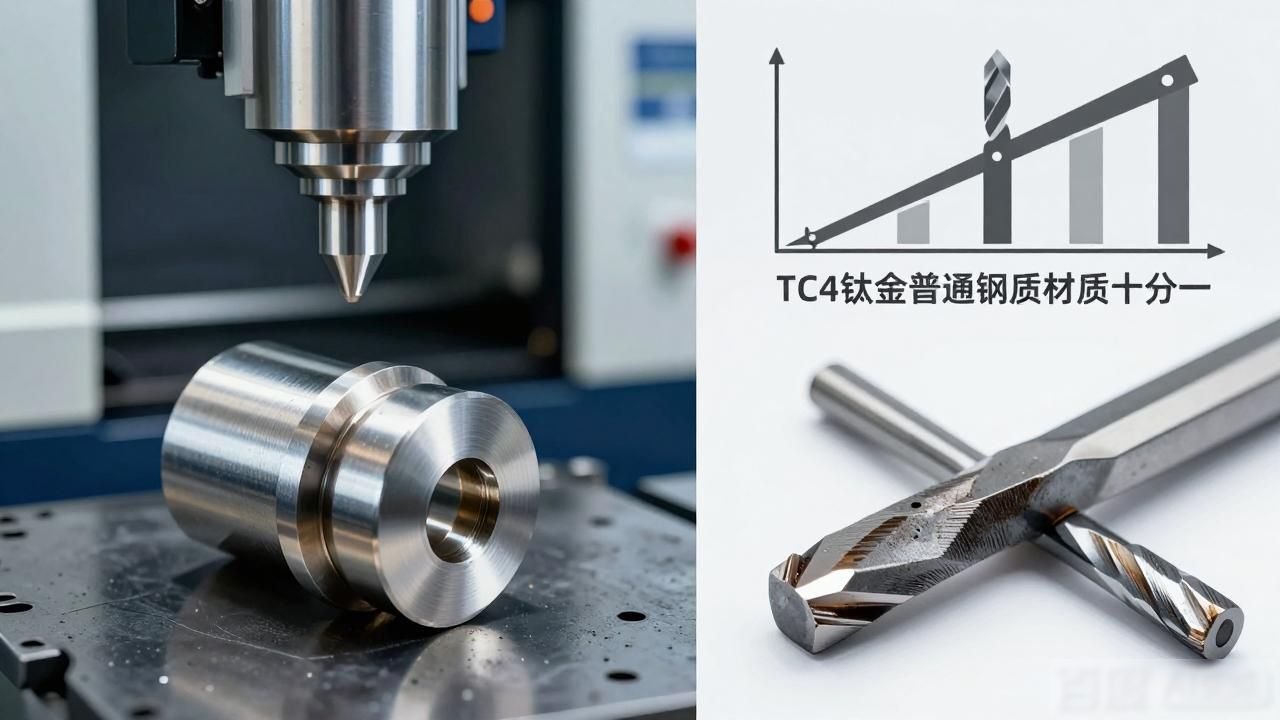
Often the materials of tiny parts need to take both strength and corrosion resistance into consideration, such as titanium alloys and tungsten steel for example. However, these materials will face great difficulty when cutting. A precision parts company in Shenzhen reported that when processing TC4 titanium alloy micro parts, it was found that the service life of the tool was only one-tenth of the ordinary one. Every 1,000 pieces of processing operations require the blade to be replaced, and the cost will increase sharply.
The gap in domestic equipment needs to be filled
Still relying on imported high-end five-axis linkage micromachining machine tools, Japanese and Swiss brands account for 80% of the domestic market share! At the 2025 Shanghai Industry Fair, domestic equipment has a minimum processing accuracy of 0.5 microns. However, imported equipment has reached the 0.1 micron level. This gap will directly affect the ability to undertake high-end orders!
Market demand and scenario expansion
Explosion in the field of medical devices
With the increasing popularity of minimally invasive surgery, the demand for catheters and endoscope parts with a diameter of less than 1 mm has surged. According to data provided by the State Food and Drug Administration, in 2025, the number of domestic minimally invasive surgical instrument registrations will increase by 22% year-on-year, which in turn will drive orders for related micro parts, with a growth rate of more than 35%. There is a company in Zhejiang that specializes in the production of ophthalmic surgical blades. The blades it produces have a blade tip width of only 0.03 mm. So far, its annual output has exceeded 1 million pieces.
Consumer electronics continues to drive
The size of the micro motor in the smartphone camera module, as well as the lens holder, has been compressed to 2 mm by 1.5 mm. The hinge of the folding screen mobile phone released by Huawei in 2025 contains more than 300 tiny parts, and the tolerance of each must be controlled within plus or minus 3 microns, otherwise the screen will freeze. Such demand in turn forces the supply chain to upgrade processing capabilities.
Talent and technology training path
The gap in professional talents is prominent
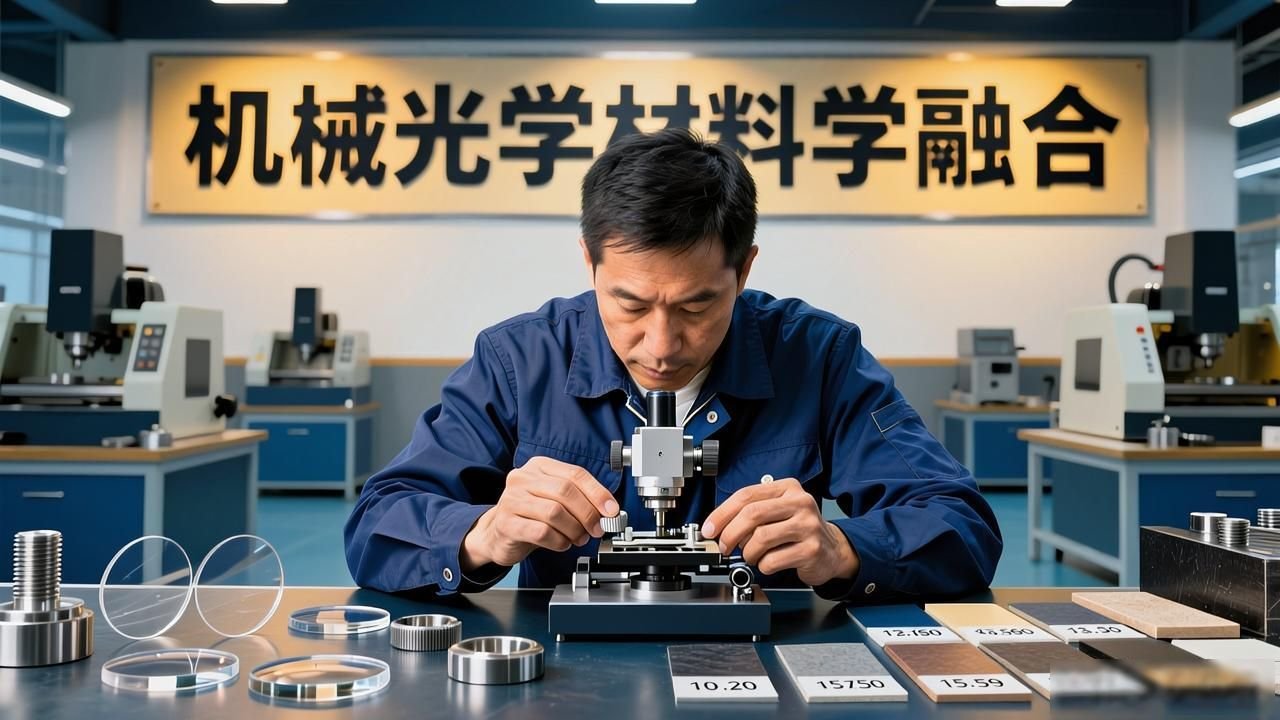
The processing of tiny parts requires complex technicians who understand mechanics, optics and materials science at the same time. However, the domestic vocational education system has not yet fully adapted to this. In 2025, a survey conducted by the Ministry of Human Resources and Social Security shows that the supply and demand ratio of precision machining jobs is only 1:6, and it takes an average of 4 months for companies to recruit a skilled micromachining technician. There is a vocational and technical college in Guangzhou that last year opened a blueprint for the development of micro-nano processing in the direction of micro-parts processing . The first batch of graduating students encountered companies competing for reservations, and all the places were eventually used up.
School-enterprise cooperation model takes effect
The joint laboratory co-founded by the research institute of Huazhong University of Science and Technology in Shenzhen and enterprises has cultivated 120 individual engineers who are familiar with laser micromachining technology. They can independently control the equipment. The planned fixture measures have increased the processing efficiency of a certain product by 18%. This form of integration of industry and education is being imitated and copied by more cities.
Future trends and strategic layout
Intelligent transformation speeds up
Micro parts processing workshops are currently introducing AI visual inspection systems. A company in Beijing has deployed 20 intelligent inspection equipment. These devices can identify 0.01 mm burrs in real time, replacing the original 30-person quality inspection position. By 2025, the workshop's yield rate will increase from 92% to 99%, and the delivery cycle will be shortened by one-third.
Industrial cluster effect appears
The Yangtze River Delta and the Pearl River Delta have already built professional parks for micro parts processing. There is a micro parts industrial park in Kunshan that gathers 50 companies. The raw material procurement and logistics system here are shared, and the cost of processing a single part is reduced by 15% compared to a decentralized layout. The park management committee has made plans to involve many nano-coating suppliers in 2026 to achieve further breakthroughs in material bottlenecks.
In your company or industry, what real difficulties do you encounter when trying to improve the processing accuracy of tiny parts? You are welcome to share your own real cases in the comment area, like it and forward it to more peers to explore ways out.
发表回复
要发表评论,您必须先登录。