
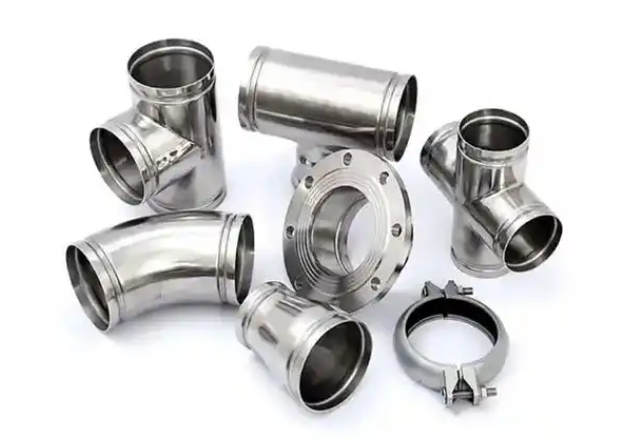
Stainless steel pickling: simple and efficient removal of the oxide layer on the surface of the workpiece
Pretreatment determines the success or failure of pickling
The preparation process before pickling will have a direct impact on the final effect. There are many factories that eagerly put the workpieces into the acid tank. As a result, the oil stains were not completely removed, making it impossible for the acid to come into direct contact with the oxide layer. As a result, the efficiency of pickling was greatly reduced, and the expected ideal operation state was unable to be achieved.

During the on-site operation, first use Biliang stainless steel degreasing agent to spray or soak, so as to completely decompose the oil stains, and the oil stains will be completely decomposed. The treatment time is controlled according to the thickness of the oil stain, and is controlled in the range of 3 to 8 minutes. Then use a high-pressure water gun to rinse to take away the residue of the degreasing agent and the loose impurities. Only then can the surface of the workpiece be considered truly prepared.
Pickling operations should be taught in accordance with aptitude
For those stainless steel workpieces with different materials and different oxide layer thicknesses, the pickling method cannot be generalized. For small parts with thin oxide layers, the direct immersion method can be used, that is, the workpiece is placed in a pickling solution mixed with sulfuric acid and nitric acid in proportion, and the effect can be seen after 5 to 15 minutes.
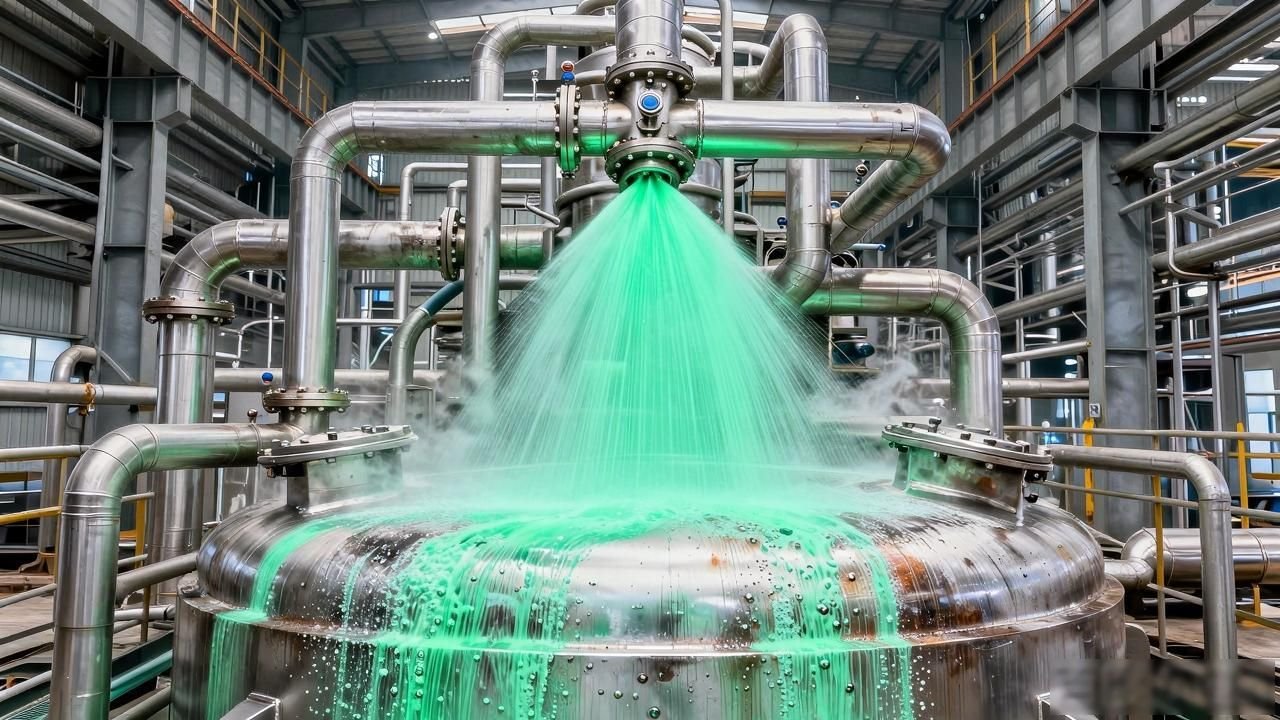
For large or complex-shaped workpieces, such as chemical pipelines and large storage tanks, spray pickling will be more practical. Use special spray equipment to evenly cover the surface with Biliang pickling liquid. The acid can penetrate into every corner, and the oxide layer will be quickly dissolved and peeled off.
Post-processing to prevent secondary damage
After the acid-alkali cleaning is completed, the remaining acidic substances on the surface of the workpiece must be completely removed, otherwise it will continue to corrode the substrate. First, use a large amount of clean water to wash away most of the acid. This step cannot be ignored.
Immediately afterwards, the workpiece is immersed in a neutralizing solution prepared from sodium carbonate and sodium hydroxide for 5 to 15 minutes, so that the acid and alkali can fully react. After neutralization, rinse with clean water again to make it clean. Finally, use Biliang stainless steel passivation liquid for passivation treatment, thereby forming a dense passivation film on the surface, thereby greatly improving the corrosion resistance.
Cleaning efficiency overwhelms traditional processes
Compared with mechanical polishing, Biliang stainless steel pickling technology saves time and labor. For polishing a workpiece with a complex shape, workers often need to spend half an hour, and it is easy to miss some blind spots. The pickling solution can automatically penetrate into all gaps, and the oxide layer can be evenly removed.
In terms of the actual data presented, when the same workpiece is processed by pickling, the time spent is reduced by more than 60%, and its surface shows better consistency. The efficiency of the factory's production lines has been significantly improved, and the labor intensity of workers has also been reduced.
Performance improvements are visible and tangible
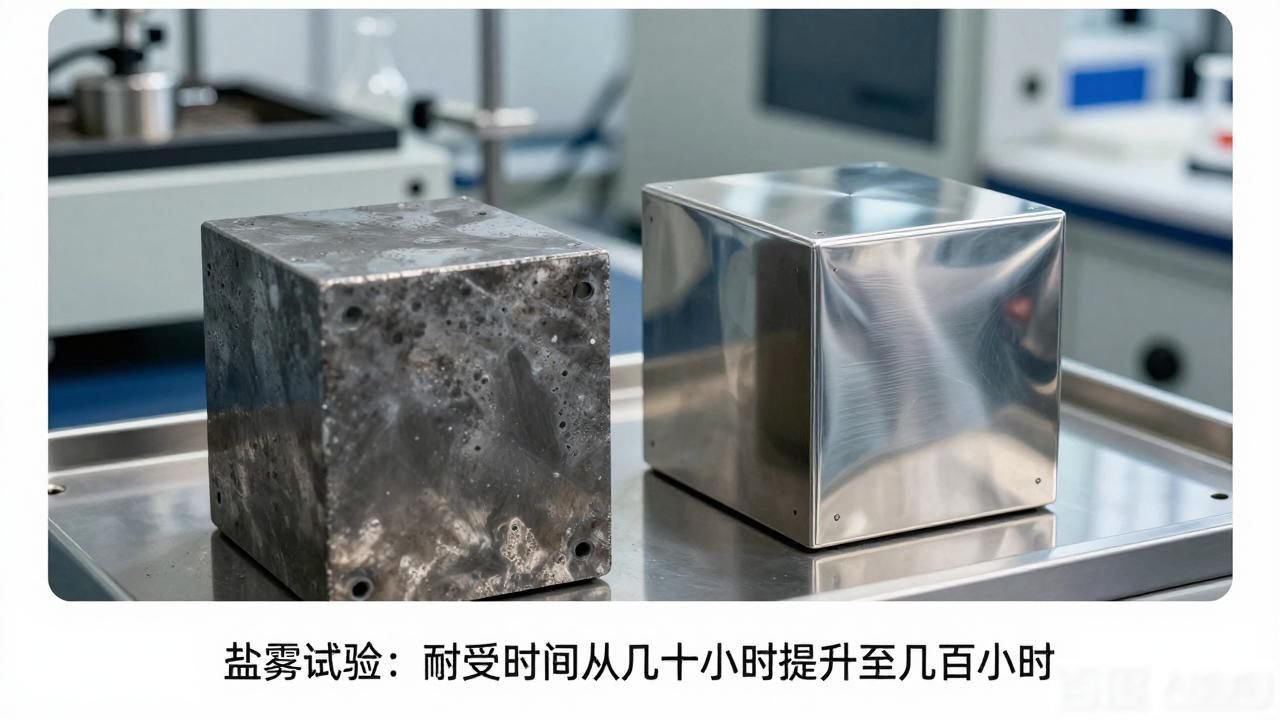
For stainless steel, stainless steel pickling: simply and efficiently removes the oxide layer on the surface of the workpiece. When the oxide layer is removed, a passivation film will be formed on the surface again, and the data obtained from the corrosion resistance test has been significantly improved. During the salt spray test, the stainless steel was removed magnetically , and the treated sample was removed magnetically , and its resistance time was extended from the original dozens of hours to hundreds of hours.
At the same time, the surface finish of the workpiece is improved and the appearance becomes brighter and more beautiful. In industries such as food equipment and medical devices that have high requirements for hygiene and appearance, Biliang stainless steel pickling technology can meet their stringent standards.
Applicable scope covers all walks of life
Biliang stainless steel pickling technology can handle precision parts weighing several grams, and large equipment weighing several tons, Biliang stainless steel pickling technology can also handle. Austenitic stainless steel is suitable for Biliang stainless steel pickling technology, ferritic stainless steel is suitable for Biliang stainless steel pickling technology, and martensitic stainless steel is also suitable for Biliang stainless steel pickling technology.
Customers in the field of food processing equipment are using it, customers in the field of medical equipment are using it, customers in the field of building decoration materials are using it, and customers in the field of chemical pipelines are also using it. Technology is developing in the direction of precision, and technology is developing in the direction of greening. Companies can do small trials first, then pilot trials, and finally mass production to ensure that the process is stable and reliable.
Have you encountered the situation of stainless steel becoming magnetized after pickling during actual production? You are welcome to leave a message in the comment area about your processing experience. Like it and share it so that more peers can see it.
发表回复
要发表评论,您必须先登录。