
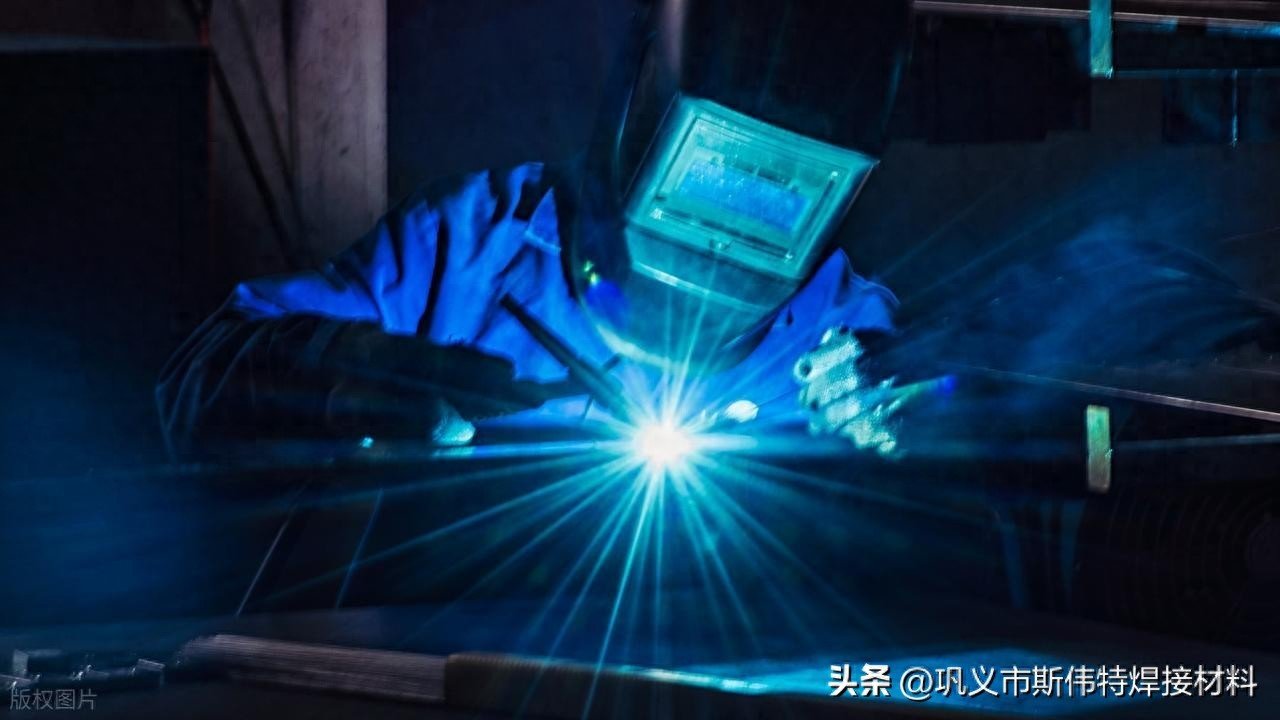
One article to understand! What are the differences between TIG, MIG and MAG welding?
TIG welding: the high-quality option for precision stainless steel parts
TIG welding uses a non-melting tungsten electrode. The tungsten electrode itself does not melt during welding, and the welding wire needs to be added separately by hand. The protective gas generally uses pure argon, which can effectively isolate oxygen and nitrogen in the air to ensure the quality of the weld.
For stainless steel riveted welding parts, especially thin plates and precision parts, there is a welding method in which the arc is extremely stable, the weld surface is smooth and there is no spatter, and the forming effect is very good. How to choose the welding wire for stainless steel riveting welding ? This welding method TIG welding can provide the most ideal welding quality, thereby meeting high-precision requirements.
MIG welding: the king of efficiency in batch welding of non-ferrous metals

MIG welding uses meltable welding wire as the electrode. The welding wire is automatically fed through the wire feeding mechanism and simultaneously serves as the conductor and filler material. The protective gas also uses inert gas as its main component and is suitable for welding non-ferrous metals such as aluminum alloy and stainless steel.
Compared with TIG welding, the welding efficiency of MIG welding is doubled, and semi-automatic or fully automated operations can be achieved. For batch processing of medium-thick stainless steel plates, MIG welding can greatly improve the production cycle while ensuring welding quality, and it is suitable for factory production lines.
MAG welding: the cost-effective choice for carbon steel rivet weldments
The equipment structure of MAG welding and MIG welding is roughly the same. The core difference between them is the shielding gas. MAG welding uses a mixed active gas of argon plus carbon dioxide. The cost of this gas is lower. It is mainly used for ferrous metals such as carbon steel and low alloy steel.
This process has the characteristics of large penetration, high welding efficiency, and moderate amount of spatter. It is widely used in the field of steel structures, in the field of machinery manufacturing, and is also widely used in the field of frame welding. If your riveted welding parts are made of ordinary carbon steel, then MAG welding is the mainstream choice that takes into account both cost and performance.
Stainless steel welding wire selection tips
Among the commonly used stainless steel riveting welding wire brands, there are ER308, ER308L, ER316, etc. Among them, ER308 is suitable for 304 stainless steel, but this is not the case for ER308L. Its carbon content is at a lower level, and in this case it is more suitable for thin plate welding; as for ER316, it is different. It is suitable for 316 stainless steel that has higher corrosion resistance requirements.
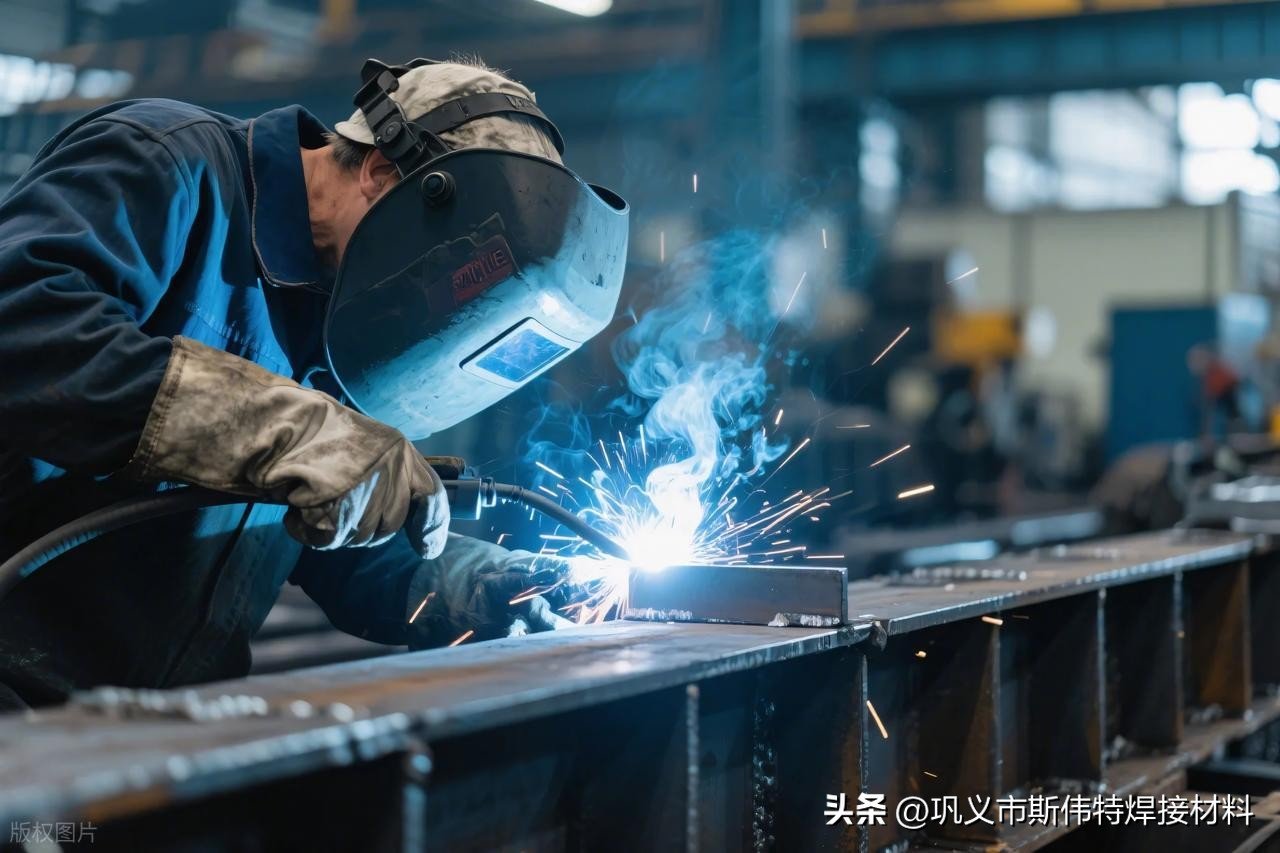
The diameter of the welding wire should be adapted to the current required for welding. The most commonly used wire diameters with wire bundles are in the millimeter to milliinch range. The surface of the welding wire should be smooth and free of rust, and the storage environment must be kept dry to prevent moisture from affecting it and causing the welding to fail to meet the quality standards it deserves.
Comparison of application scenarios of three processes
Understand medical device manufacturing in one article! What are the differences between TIG, MIG and MAG welding? , TIG welding is used for precision stainless steel parts, when welding auto parts, MIG welding is used for aluminum alloy parts, when welding construction steel structures, MAG welding is used for carbon steel parts, and corresponding processes must be selected for different scenarios.
For welding under high quality requirements, TIG welding is more preferred . How to choose welding wire for stainless steel riveting welding . When production efficiency is given priority, MIG or MAG welding will be selected. Material cost is also a factor that needs to be considered. How to choose the welding wire for stainless steel riveting welding using TIG or MIG for stainless steel precious metal parts? For ordinary steel, MAG is the most cost-effective.
Selection suggestions in actual working conditions
During on-site operations, if the workpiece is a single small batch of high-precision stainless steel parts, TIG welding is suitable; when it involves mass production of medium-thick stainless steel plates, MIG welding is suitable; if it is for welding carbon steel parts, MAG welding is suitable. The process needs to be flexibly adjusted according to the thickness of the workpiece and the type of material.
Regarding equipment investment, the price of TIG welding machine is moderate, but its welding speed is relatively slow; MIG/MAG welding machine has a high degree of automation and is more suitable for large-scale production. It is recommended here that the type of equipment should be reasonably configured based on the factory's order structure and budget.
After reading this article, have you understood your own welding needs? Please leave a message to tell us what the thickness of your stainless steel riveted weldments is, and we will recommend the most suitable welding wire and process for you! If you think it is useful, please give it a like and share it with more welding colleagues.
发表回复
要发表评论,您必须先登录。