Blog

  • China’s Machining and Mechanical Engineering: An Engine and Innovative Force in the Global Supply Chain

    This is an article dedicated to “Machining in China” and “Machinery Manufacturing in China”.


    Title: Machining and Machinery Manufacturing in China: An Engine and Innovative Force in the Global Supply Chain

    Description: Discover the rise of China’s machining and mechanical engineering industry, its core strengths, technological innovations and how to find quality suppliers. Find out why “Made in China” is a key player in the field of precision components and complex equipment.

    Main article:

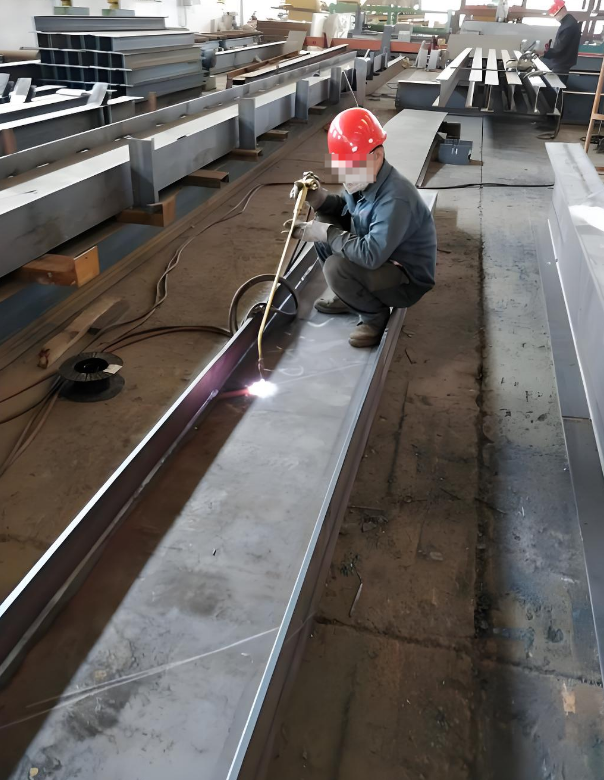
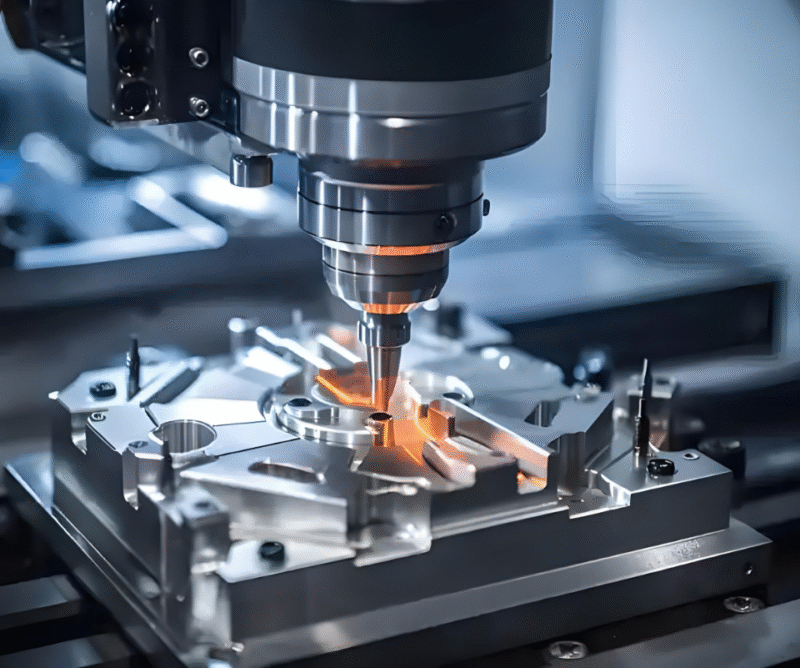
    In the grand blueprint of global industrialisation, “China machining” and “China machinery manufacturing” have become indispensable keywords. With decades of rapid development, a large industry, rising technology levels and significant supply chain advantages, China has firmly established itself as the world’s core manufacturing hub. Whether it is precision customised components or complex complete sets of equipment, China’s machining and manufacturing capabilities are profoundly influencing the global industrial chain.图片[1]-中国机械加工与机械制造:全球供应链的引擎与创新力量-大连富泓机械有限公司

    I. Machining in China: synonymous with precision and efficiency

    “China Machining” covers an extremely wide range of areas, including but not limited to:

    1. Turning, milling, drilling, grinding: These basic but vital machining processes have a high degree of maturity and popularity in China, and are capable of meeting the needs of a wide range of metallic and non-metallic components, from simple to complex, from standard to customised.

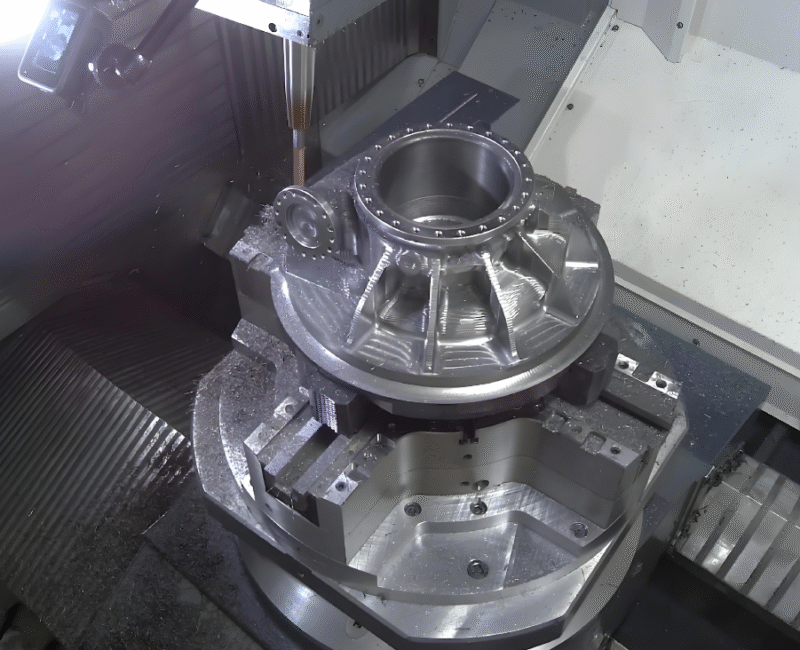
    2. CNC machining: This is the core competence of modern “Chinese machining”. China has the largest number of CNC machines (machining centres, turning centres, wire-cutting, laser cutting, etc.) in the world, covering high, medium and low-end markets. Strong CNC capability ensures that machiningHigh accuracy, consistency, complexity and efficiency.

    3. Speciality machining: Such as electric discharge machining (EDM), laser machining, and water jet cutting for difficult-to-machine materials or special structures.

    4. Sheet metal working: Including cutting, bending, stamping, welding, etc. Widely used in chassis cabinets, structural parts manufacturing.

    China’s core strengths in machining are:

    • Huge capacity and economies of scale: The ability to take large orders significantly reduces unit costs.

    • A well-established supply chain network: From raw materials (steel, aluminium, special alloys, etc.) to tools, jigs and equipment maintenance, the supporting industries are extremely mature, easy to procure and responsive.

    • Skilled labour pool and skills upgrading: While competition for top talent is fierce, China has a large base of skilled workers and an improving vocational training and skills certification system.

    • Cost-effectiveness: The overall costs (labour, equipment depreciation, management, land, etc.) are still remarkably competitive compared to many developed countries while maintaining quality.

    • Rapid response and flexibility: Numerous companies are able to quickly adjust their production lines to suit the customised needs of small batches and multiple varieties.

    II. China’s Machinery Manufacturing: From Basic Equipment to High-end Smart Manufacturing

    “Chinese machinery manufacturing” is a more macro concept that refers to the production of complete mechanical equipment, production lines or industrial systems using a variety of machining technologies, assembly processes and systems engineering. This includes:

    1. General equipment manufacturing: Such as pumps, valves, compressors, bearings, gear drives, etc.

    2. Manufacture of specialised equipment: Industry-specific equipment, such as construction machinery, agricultural machinery, textile machinery, printing machinery, food processing machinery, plastics machinery, etc.

    3. Manufacture of machine tools: China itself is a major producer of machine tools, supplying the country and exporting them.

    4. Automation and Intelligent Equipment: This is the current “China Machinery Manufacturing” focus on the direction of development, including industrial robots, automated production lines, intelligent testing equipment, logistics and warehousing automation systems.

    5. Manufacture of key components: Provide core precision components for domestic and international high-end equipment (e.g. aviation, energy, medical equipment).

    Evolution and Advantages of China’s Machinery Manufacturing Industry:

    • A leap from “quantity” to “quality”: Early on, it was mainly focused on low-end and OEM, but now it is making every effort to transform and upgrade to high-end, independent brand and intelligence.

    • Government strategic support: National strategies such as “Made in China 2025” clearly list high-end CNC machine tools and robots, advanced rail transport equipment, energy-saving and new energy vehicles, electric power equipment, etc. as key development areas, and invest huge resources.

    • Driven by technological innovation: Local enterprises and research institutes have continued to invest in R&D in areas such as materials science, design software, control systems, and additive manufacturing (3D printing), and have significantly enhanced their innovation capabilities.

    • Complete industrial ecology: A relatively complete industrial chain has been formed from basic R&D, design, core parts manufacturing, complete machine assembly to sales and after-sales service.

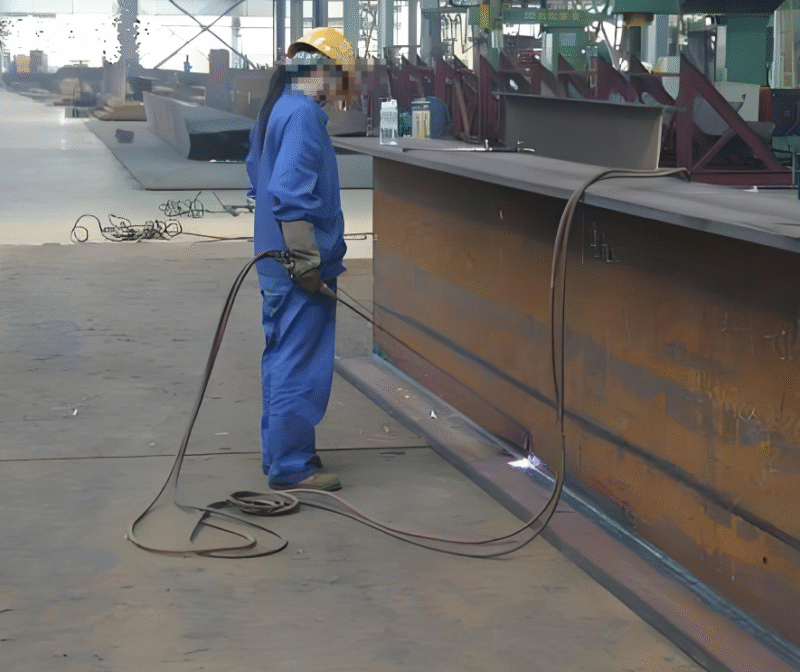
    • Strong export capacity: Machinery and equipment made in China are selling well in the global market, especially in developing countries and emerging economies, thanks to their cost-effectiveness and ever-increasing quality.图片[2]-中国机械加工与机械制造:全球供应链的引擎与创新力量-大连富泓机械有限公司

    III. How to Find Reliable Chinese Machining and Manufacturing Partners

    Facing a large number of China suppliers, it is critical to select quality “China Machining” factory or “China Machine Manufacturing” business:

    1. Clarify needs: Clearly define your product specifications, quality standards (e.g. ISO 9001, AS9100, IATF 16949, etc.), quantities, budgets and schedules.

    2. In-depth research:

      • Utilising B2B platforms: Such as Alibaba International, Made in China, etc., but screen the information carefully.

      • Industry trade shows: Participate in large-scale exhibitions such as the China International Industry Fair and the Canton Fair to directly contact suppliers.

      • Professional Recommendation and Review: Obtain information and conduct qualification audits through industry associations, consulting firms or third-party factory inspection services.

    3. Critical assessment:

      • Technical skills: Examine their equipment list, processing accuracy, engineering team strength, case experience (especially whether they have done similar products).

      • Quality system: Verify their quality accreditation certificates and learn about their quality control processes and laboratory capabilities.

      • Production Management: Evaluate their production planning, supply chain management, and site management level (can be done through video factory inspection).

      • Communication and Service: Examine their responsiveness, language skills, smoothness of technical communication, and problem-solving approach.

      • Compliance: Find out about their environmental, labour and other compliance.

    4. Samples and small batch trial production: Before determining a large order, be sure to request a sample or small batch trial production, which is the most direct way to test the real ability of the supplier.

    5. Establish clear contracts: Clarify the terms and conditions of the technical agreement, quality standards, delivery period, payment method, intellectual property protection, and liability for breach of contract.

    IV. Looking ahead: challenges and opportunities

    The future of China’s machining and manufacturing industry is full of opportunities and challenges:

    • Opportunity: Industrial upgrading (intelligent manufacturing, green manufacturing), expanding domestic demand market, overseas market opportunities brought by the “Belt and Road” construction, and breakthroughs in technological innovation.

    • Challenge: Rising labour costs, shortage of high-end talents, core technologies (e.g. high-end CNC systems, precision sensors) still awaiting breakthroughs, intensified international competition, and uncertainties arising from the restructuring of the global supply chain.

    reach a verdict

    “Chinese machining” and “Chinese machine building” have long since moved beyond the single label of “low cost”. They representStrong manufacturing base, ever-improving technological capabilities, increasingly sophisticated supply chain ecosystem, and ambition to move up the global value chain. For global buyers, China remains an important source for meeting the demand for diverse, cost-effective machinery parts and equipment. The key to success lies in deeply understanding the complexity of this market, applying effective strategies, and finding and managing excellent partners who truly possess technical strength, quality assurance and business reputation. China’s machinery industry is accelerating on the path of intelligent and high-quality development, and its global influence will continue to deepen.

  • Stainless steel riveting technology supplier for thin sheets: your reliable partner for precision metal joining

    Stainless steel riveting technology supplier for thin sheets: your reliable partner for precision metal joining

    In today’s industrial world, where lightness, strength and precision are increasingly required.Thin plate stainless steel riveting technologyhas become an indispensable core process for many industries. Whether it’s a delicate component of a medical device, a critical connection in an automotive exhaust system, or a rugged enclosure for a high-end electronic device, the need forReliable, efficient and aesthetically pleasing metal joining solutions. This is exactly what the professionalRiveting technology supplier for thin sheet stainless steelThe core values of the

    Why is thin sheet stainless steel riveting technology so important?

    Thin sheet stainless steel (usually referred to as stainless steel plate with a thickness between 0.5mm and 3.0mm) is known for its excellentCorrosion resistance, high strength-to-weight ratio, hygienic and easy-to-clean properties, and a modern look., is widely used:

    • Automotive Industry: Exhaust system components, sensor housings, trim parts, new energy battery pack components.

    • Medical equipment: Surgical instruments, equipment cases, trolley frames, precision instrument housings.

    • Food and beverage processing: Worktops, containers, pipes, conveyors.

    • Electronic appliances: Chassis cabinets, server enclosures, precision brackets, connector components.

    • Industrial equipment: Shields, panels, ventilation ducts, precision parts.图片[1]-薄板不锈钢铆焊技术供应商:您精密金属连接的可靠伙伴-大连富泓机械有限公司

    Reliably joining thin sheets of stainless steel together.Riveting technology (combining the advantages of riveting and welding) Demonstrate unique advantages:

    1. Overcoming Welding Challenges: Thin plate welding is highly susceptible to problems such as distortion, burn-through, and large heat-affected zones. Rivet welding effectively reduces heat input and significantly reduces the risk of distortion through the combination of mechanical connection (riveting) and localised welding.

    2. Enhances connection strength and sealing: Precision welding (e.g. laser welding, micro-beam plasma welding, resistance spot welding) is supplemented with precision welding at critical stress points or where sealing is required to ensure the strength, rigidity and gas/liquid tightness of the connection.

    3. Adaptation to complex structures and heterogeneous materials: For complex structures or where it is necessary to join stainless steel to other metals (e.g. aluminium, copper), rivet welding offers a more flexible and reliable solution.

    4. Balance efficiency with aesthetics: Riveted sections allow for quick assembly, while partial welding provides a smooth, clean weld appearance that meets the aesthetic requirements of high-quality products.

    Key values in choosing a supplier of specialist thin sheet stainless steel riveting technology

    When faced with the need for precision thin sheet stainless steel riveting, choose an experienced and skilledvendorCritical:

    • Deep technical deposits and process expertise:

      • Proficient in all kinds of stainless steel for thin plateRiveting process(e.g. pressure riveting, pull riveting, self-pierce riveting) andPrecision welding process(Laser welding, micro-beam plasma welding, resistance spot welding, TIG welding).

      • In-depth understanding of the machinability and weldability of different stainless steel grades (e.g. 304, 316, 430, etc.).

      • Possesses the solution to the thin plate processingAnti-deformation, anti-burn-through, guaranteed dimensional accuracyA database of proven programmes and processes for core challenges such as.

    • Advanced equipment and process control:

      • Equipped with high-precision CNC laser cutting machines, precision stamping equipment, automated riveting equipment and advanced welding power sources (e.g. high-precision laser welding machines, micro-beam plasma welding machines).

      • enforceprocess control(SPC) andQuality Assurance System(e.g. ISO 9001) to ensure consistent and reliable dimensional accuracy and connection quality of each product.

    • Strong design and engineering support capabilities:

      • Ability to intervene early in the product design process to provideDesign for Manufacturability (DFM) It is recommended to optimise the design of the connection structure to improve product performance and reduce costs.

      • According to customer drawings or samples, providecustomisationThe riveting and welding process plan and jig design.

    • Comprehensive precision manufacturing services:

      • provide information fromPrecision undercutting (laser cutting/stamping) -> Forming (bending/stamping) -> riveted joint -> Surface treatment (optional, e.g. electrolytic polishing, sandblasting) -> Precision Cleaning -> strict quality controls one-stop shop to streamline the customer supply chain.

    • Strict quality control:

      • Use of high-precision testing equipment (such as quadratic imager, coordinate measuring machine, weld nondestructive testing equipment) for all-round inspection of riveting strength, weld depth, weld quality, dimensional tolerances and appearance.

    • Rapid Response and Flexible Production:

      • Ability to respond flexiblyLow volume, high variety, fast deliverymarket demand, and become a strong backing for the rapid iteration of customers’ products.

    Our core competence: to be your trusted partner

    As a deep-rootedThin plate stainless steel riveting technologySpecialist supplier in the field, we are committed to:

    1. Providing cutting-edge solutions: Continuous investment in advanced equipment (such as fibre laser welding machine, precision servo pressure riveting machine) and process research and development, to overcome the technical barriers of thin plate connection.

    2. Guaranteeing excellence: Establish a strict quality control system throughout the entire process to ensure that each deliverable meets or exceeds customer expectations.

    3. Focus on customer needs: Understanding your application scenarios and pain points, we provide the most cost-effective and reliable customised riveted connection solutions.

    4. Optimising value delivery: Through efficient manufacturing processes and supply chain management, we help you shorten your time-to-market and reduce overall costs.图片[2]-薄板不锈钢铆焊技术供应商:您精密金属连接的可靠伙伴-大连富泓机械有限公司

    Our Service Process

    1. Demand communication: Get an in-depth understanding of your product requirements, material specifications, performance specifications and budget.

    2. Programme design and review: Provide process solutions, feasibility analysis and quotation based on DFM concept.

    3. Sample making and confirmation: Quickly produce samples for you to verify design, workmanship and quality.

    4. Batch production and process monitoring: Strictly execute the production according to the confirmation programme and monitor the key quality points throughout the process.

    5. Full quality control and on-time delivery: Execute final strict inspection to ensure perfect delivery of products.

    6. Ongoing support: Provide perfect after-sales service and technical support.

    Wide range of application areas

    Our precision thin sheet stainless steel riveting technology has been successfully applied to:

    • Automotive exhaust manifolds, sensor brackets

    • Medical endoscope parts, surgical instrument joints, equipment housings

    • Food-grade containers, pipe flange connection

    • Server chassis, 5G equipment shields, precision electronic mounts

    • Industrial instrument panels, shields, ventilation components

    Contact us immediately!

    When your project involvesStainless steel sheetand requiresReliable, precise and aesthetically pleasing connectionsWhen looking for a technically strong, experienced, qualityRiveting technology supplier for thin sheet stainless steelis the key to success.

    Let us be your trustworthy partner with exquisite riveting and welding technology to build stronger, more precise and competitive products together!

    [Your Company Name] – Specialising in thin sheet stainless steel precision riveting solutions

    Optimisation Tip (for reference).

    • Title. Core keywords have been included.

    • Main article. Natural, multiple incorporation of core keywords (Riveting technology supplier for thin sheet stainless steelStainless steel sheetRivet welding technologyvendor) and its variants (Precision metal connectionsStainless steel weldingRiveting processCustomised solutionsPrecision manufacturing services). The Application Scenarios section also contains related industry words.

    • Clear structure. Use subheadings (H2, H3) to organise content for easy reading and search engine comprehension.

    • Content value. Answers possible user questions (Why is it important? Supplier value? Service process?) , providing practical information.

    • Call to Action (CTA). The ending encourages connections.

    • Meta description (recommended). Write a meta-description of about 155 characters for the web page that contains the main keywords, summarises the core content of the article and attracts clicks. For example, “Professional thin plate stainless steel riveting and welding technology supplier, providing precise and reliable connection solutions. Solve the problem of thin plate welding deformation, used in automotive, medical, electronic and other industries. Customised service, strict quality control.”

    • Image ALT tag. If the article is illustrated, make sure the ALT tag contains relevant keywords (e.g. “precision thin stainless steel laser welding samples”, “automated stainless steel riveting production line”).

  • Precision Welding Deformation Control Methods: The Key to Improving Quality and Accuracy

    Precision Welding Deformation Control Methods: The Key to Improving Quality and Accuracy
    In the field of manufacturing, where extreme precision and reliability are sought, thePrecision weldingThe quality of the welding process is directly related to the success or failure of the product. The unavoidable thermal stress during welding anddeformation controlProblems that are often at the heart of the challenges that plague engineers. These deformations not only affect the dimensional accuracy and assembly performance of the product, but also weaken the structural strength, and even lead to product obsolescence, which brings high costs. In this article, we will analyse several efficient and practicalPrecision welding distortion control methodWe help you take the technological high ground in manufacturing.

    I. Optimisation of process parameters: curbing deformation at source
    Precise heat input control: The use of lower welding currents and voltages, combined with faster welding speeds, significantly reduces the total heat applied to the weld and the heat affected zone, which is the cornerstone of distortion control. Pulsed welding technology (precise control of peak/base current) is particularly effective in achieving a smaller melt pool and more concentrated heat source.

    Welding Sequence and Orientation Strategies: By scientifically planning the welding path, the heat generated is distributed more evenly to counteract localised stresses. Commonly used techniques include symmetrical welding (advancing from the centre to the sides), segmental desoldering (applying the weld in the reverse direction, segment by segment) and skip welding (spreading out the heat concentration area).

    Efficient welding technology applications: High energy density, low heat input processes such as TIG (Tungsten Inert Gas Shielded Welding), laser welding and electron beam welding are ideal for precision welding where distortion can be significantly reduced.

    II. Advanced tooling and rigid fixing: external forces constrain deformation
    Customised welding fixtures: The design and manufacture of specialised fixtures to rigidly restrain the workpiece during the welding process (especially for thin-walled parts or complex structures) and to effectively resist contraction forces. Care should be taken to ensure that the fixture itself is sufficiently rigid and that the clamping points are well laid out to avoid the creation of new stresses.

    Flexible constraints with anti-deformation presets: Based on the prediction of the deformation trend, the workpiece is pre-deformed in the reverse direction before welding (reverse deformation method). Adjustable flexible supports or platens can also be used to apply precise force at critical points to counteract the welding shrinkage effect.

    III. Structural design optimisation: prevention is better than cure
    Weld placement and joint optimisation: Give preference to symmetrical structural design for a balanced distribution of weld seams. Reduce the number, length and amount of welded seams and molten metal as much as possible. Choose butt joints with less deformation to replace angle joints and lap joints.

    Match material to thickness: Under the premise of satisfying the performance, the selection of materials with lower coefficient of thermal expansion or the reasonable matching of the thickness of different parts can help reduce the deformation effect brought about by uneven shrinkage.

    IV. Thermal management technology: intelligent regulation of the temperature field
    Preheating and interlayer temperature control: For thick plates or specific materials (e.g. high carbon steel, alloy steel), proper preheating can slow down the cooling rate and reduce residual stresses. Strict control of the interlayer temperature in multi-layer welding is essential.

    Assisted cooling technology: Rapid localised cooling with water-cooled copper blocks, compressed air or special coolants on the backside of the weld or in non-welded areas (with care taken to avoid the risk of hardening or cracking) is effective in controlling the extent of thermal distortion.

    Distributed heat source method: Simultaneous heating of specific areas in the vicinity of the weld (accompanying heat source) creates a favourable temperature gradient that counteracts the shrinkage stresses caused by the main welding heat source.

    V. Post-welding correction: fine repair
    Heat-treated stress relieving: Effective reduction of residual stresses and improvement of deformation due to stresses by means of whole or partial annealing and stress relief annealing processes (especially suitable for workpieces with very high requirements for dimensional stability).

    Mechanical correction techniques: The use of presses, jacks or special orthopaedic equipment on the deformation of the workpiece cold school or hot school (after heating pressure), applicable to the deformation of a large amount of workpiece but allows a certain amount of plastic deformation.

    Vibration aging treatment: Applying mechanical vibration at a specific frequency promotes the homogenisation and release of residual stresses and stabilises the dimensions of the workpiece.

    Summary: Integrated application is the key to winning
    Precision welding distortion controlBy no means does it rely on a single means for a perfect solution; it requires engineers toAccording to the specific workpiece materials, structural characteristics, precision requirements and production conditions, scientific selection and combination of a variety of methods. From optimised design and process planning prior to welding, to parameter control, thermal management and rigid fixation during welding, to delicate post-welding treatment, every aspect is crucial. Mastering and flexibly applying theseDeformation control methodsYou will be able to significantly improvePrecision weldingThe quality stability, dimensional accuracy and overall reliability of the products win technical advantages in the fierce market competition.

    Optimisation tips (for your information):

    Keywords are naturally incorporated: The core keywords (precision welding, deformation control, welding distortion, heat input, residual stress, jigs and fixtures, etc.) have been reasonably distributed in the headings, sub-headings and text.

    The content is original and valuable: The article provides practical, structured technical knowledge.

    The structure is clear: Use headings, subheadings, and lists to enhance readability.

    User Intent Matching: The content directly answers the technical needs of users searching for “deformation control methods for precision welding”.

    Scalability: In-depth content such as specific cases, comparison of deformation properties of different materials, and application of numerical simulation in deformation prediction can be added subsequently.

  • China’s high-strength aluminium alloy riveting and welding processing: a global leader in technology and strength

    China’s high-strength aluminium alloy riveting and welding processing: a global leader in technology and strength
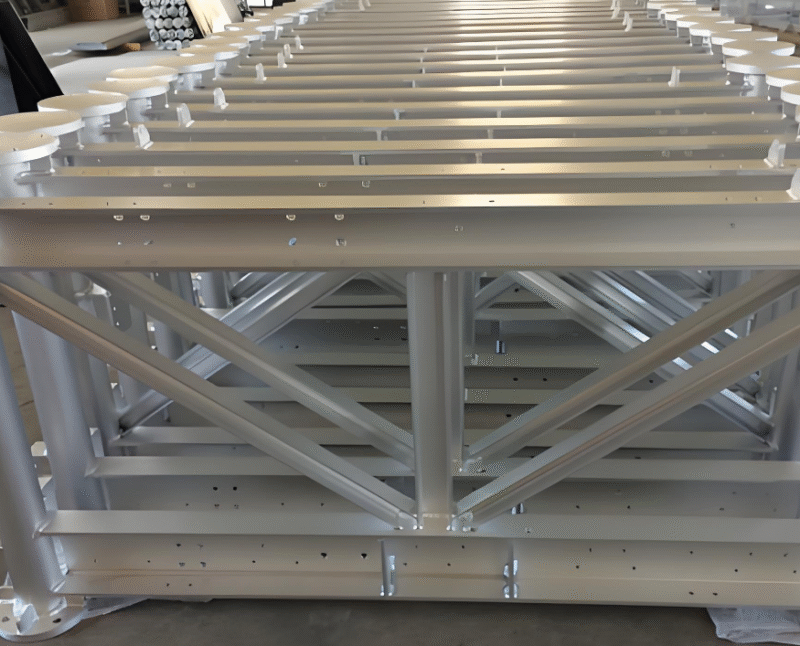
    In the modern industrial sector, which seeks lightweight, high strength and excellent performance, theHigh strength aluminium alloyIt has become an aerospace, rail transport, new energy vehicles and high-end equipment manufacturingcore material. Whereas transforming such materials into reliable structural components.Riveting and welding (riveting and welding) processing technologyis particularly critical. In this area, theChina has risen to global prominence as a processing centre with its deep manufacturing heritage, continuous technological innovation and competitive supply chain advantages.

    Why choose high strength aluminium alloys?

    Excellent strength-to-weight ratio: Significantly reduce overall weight and improve energy efficiency and performance (e.g. aircraft fuel efficiency, vehicle range) while maintaining structural strength.

    Excellent corrosion resistance: Especially in aerospace and marine environments, it is effective in resisting environmental erosion and extending service life.

    Good workability and formability: Facilitates the manufacture of complex structural parts by riveting, welding and other processes.

    Excellent electrical and thermal conductivity: Suitable for parts that require heat dissipation or conductivity.

    Riveting and welding: a key process for joining high-strength aluminium alloys

    The joining of high-strength aluminium alloys is the core challenge for their application. Chinese manufacturers have accumulated extensive experience and reached international advanced level in the following key riveting and welding processes:

    Advanced welding technology:

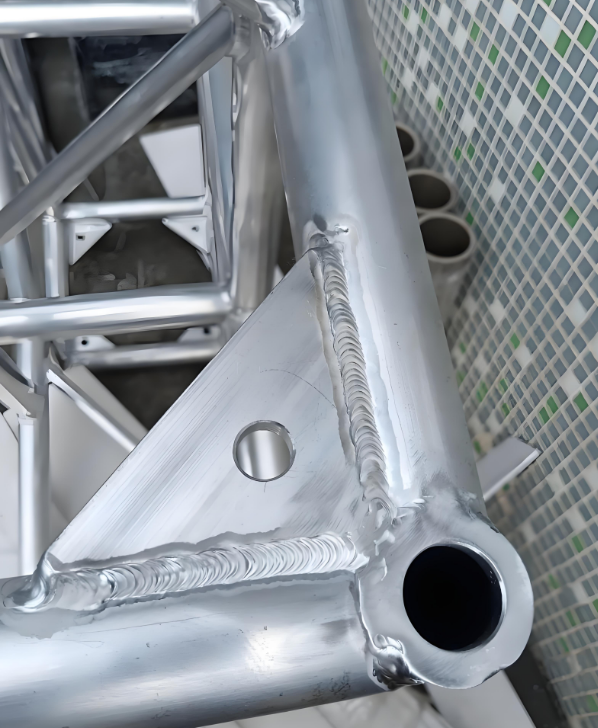
    Friction stir welding: Particularly suitable for high tensile aluminium alloys (e.g. 2xxx, 7xxx series).solid connectionAvoid melt welding defects, high joint strength, low distortion and low residual stress. Widely used in aerospace fuel tanks, rail car bodies, etc.

    Laser welding and laser-MIG composite welding: High energy density, precisely controlled heat input, fast welding speeds and low distortion make it suitable for precision components and efficient production.

    Variable polarity TIG/MIG welding: It effectively breaks the oxide film on the surface of aluminium alloy and obtains high-quality weld seams, which are widely used in aerospace maintenance and other fields.

    Precision resistance spot welding: Used for thin plate joining with high efficiency.

    Precision riveting technology:

    High-locking bolt/ring-groove rivet installation: Providing extremely high tensile and shear strength, it is the main mechanical connection for aerospace structures. The Chinese manufacturer has professional automated installation equipment and strict process control.

    Core-pulling riveting: Suitable for one-sided operation in a variety of types (e.g. open, closed, structured).

    Press rivets (press-in fasteners): Provides a smooth and even surface for areas with high appearance requirements.

    Core strengths of high-strength aluminium alloy riveting and welding processing in China

    Powerful knowledge base of materials and processes: In-depth research on the weldability and riveting characteristics of domestic and imported high-strength aluminium alloy grades (e.g. 7075, 2024, 6061-T6, 5083-H116, etc.), and the development of optimal process solutions.

    Clusters of advanced manufacturing equipment: A large amount of investment has been made to introduce top international automated FSW equipments, high-precision laser welding systems, robot welding workstations, CNC drilling and riveting systems, etc., to guarantee the processing precision and efficiency.

    Mature supply chain and scale effects: From the supply of high-quality aluminium alloy raw materials to the processing of precision components and surface treatment (such as anodic oxidation and spraying), we have formed a complete and efficient industrial chain.Significant cost reductions and shorter lead times.

    Strict quality control system: International aviation quality standards such as ISO/AS9100 are generally adopted, and advanced NDT testing methods (X-ray, ultrasonic, penetration testing, etc.) are equipped to ensure the reliability of each connection point.

    Continuous technological development and innovation: Universities, research institutes and enterprises have been working closely together to continuously overcome the connection problems of new materials and structures, and to promote process upgrading.

    Significant price/performance advantages: The comprehensive cost competitiveness of Made in China is outstanding under the premise of ensuring international first-class quality.

    Core application areas

    Aerospace: Aircraft fuselage frames, skinned wall panels, fuel tanks, seat rails, engine component connections.

    Rail transport: High-speed rail/subway car body structure (side walls, roof, floor), bogie parts, interior mountings.

    New Energy Vehicles: Battery pack casing, motor casing, body structure parts, chassis lightweight parts.

    High-end equipment: Robot arms, precision instrument mounts, special vehicle structures, ship superstructures.

    Key Considerations for Selecting Chinese Suppliers

    Specific alloy and process experience: Confirm its success with the specific material used in your project (e.g. 7075-T6 welding).

    Level of technical capacity and equipment: Examine the sophistication and capacity of the core equipment (e.g., FSW, laser welding) they have.

    Quality certification and testing capabilities: Essential international quality system certifications and full NDT competence are the foundation.

    Engineering support capacity: Ability to provide full process support from design optimisation (DFM), process simulation to pilot validation.

    Production scale and delivery guarantees: Assess its ability to meet volume requirements and emergency deliveries.

    Awareness of intellectual property protection: Ensure that the cooperation is safe and secure.

    reach a verdict

    China has built up a reputation in the field of high-strength aluminium alloy riveting and welding processing.Leading technology, excellent equipment, high quality, rapid response, superior costcomprehensive strength. Whether it’s a complex aerospace structure or a new energy vehicle component seeking high efficiency and light weight, Chinese manufacturers can provide one-stop solutions from material selection, process development to mass production, making them ideal candidates for global customers looking forCost-effective and highly reliable aluminium alloy structural componentsThe ideal partner.

    Explore China’s leading high strength aluminium alloy riveting and machining services today! Get professional advice and quotes, and experience how China Smart Manufacturing can help your lightweighting goals take off.

    Core Keywords: China Aluminium Alloy Processing, High Strength Aluminium Alloy Riveting, High Strength Aluminium Alloy Welding, Aluminium Stir Friction Welding, Aluminium Laser Welding, Aerospace Aluminium Alloy Processing, Aluminium Alloy Components for Railway Transportation, Lightweighting for New Energy Vehicles, Aluminium Structural Component Manufacturing, Precision Rivet Welding Services, China’s Manufacturing Advantage, Aluminium Rivet Welding Suppliers, High Strength Aluminium Alloy Joining Technology

  • How to find a reliable machining foundry in China? The Ultimate Guide (Why Find a Machining Foundry in China? Advantages and Challenges at the Same Time)

    How to find a reliable machining foundry in China? The Ultimate Guide
    Finding a reliable machining foundry in China can be a cost advantage, but it also comes with the challenge of varying quality. With the right approach, you’ll be able to efficiently target quality partners and make “Made in China” a true guarantee for your products.

    Why look for a machine shop in China? Advantages and Challenges

    Significant cost advantages: Mature industrial chain brings very competitive offer (usually 30%-50% lower than Europe and America).

    Strong manufacturing capabilities: The world’s leading technology for metal machining, covering simple parts to high-precision 5-axis CNC machining.

    Complete supply chain: Well-supported raw materials, moulds and surface treatment (e.g. electronic parts supply chain in Shenzhen and Dongguan, die-casting ecology in Ningbo).

    Challenge:

    Quality varies greatly: Small workshops coexist with large international manufacturers and need to be strictly screened.

    Communication costs: Differences in language, time differences, and work habits require patience.

    Intellectual property protection: Prevention needs to be strengthened through NDAs and contract clauses.

    Step by Step: Key Steps to Finding a Reliable Machining Foundry

    Precise definition of requirements:

    Part Details: Provide complete 2D/3D drawings (labelled with key requirements such as materials, tolerances, surface finishes, etc.).

    Process Requirements: CNC milling/turning, sheet metal, die casting, etc.

    Quality Certification: Whether ISO 9001, IATF 16949 (automotive), ISO 13485 (medical), etc. are required.

    Capacity and delivery: Clarify monthly requirements and desired lead times.

    Budgetary scope: Provide a reasonable target price.

    Efficient sourcing of potential suppliers:

    Professional B2B platform: Focus on using Made-in-China.com and Alibaba.com (screening of “Golden Products Enterprise” and factory inspection reports).

    Industry trade shows: Direct access to quality manufacturers at exhibitions such as Shanghai Industrial Fair, Shenzhen Machinery Exhibition, and Dalian Fuhong.

    Precision Search Engine: Use keyword combinations such as “CNC machining China + [your industry/material]” and “precision metal fabrication Shenzhen”.

    Supply Chain Recommendations: Recommendations from existing partners or industry contacts are more reliable.

    Geographic Focus: Dalian, Liaoning, and other industrial clusters.

    Rigorous screening and in-depth assessment:

    Qualification Review: Verification of business licence, certificates of accreditation (ISO, etc.), patented technologies.

    In-depth competency assessment:

    List of equipment: Existing CNC machine tools (brand, model, quantity, machining accuracy) and inspection equipment (CMM, projector, etc.) are required.

    Technical team: Understanding of engineer experience and technical responsiveness.

    Typical case: Focus on success stories that are similar to your product.

    Quality System Review:

    Requirements for quality control flow charts, IPQC inspection report templates, and final inspection criteria.

    Ask about the specifics of how incoming, in-process, and outgoing inspections are performed.

    Transparent communication: Evaluate English communication skills, responsiveness and problem solving attitude.

    Sample validation and quote analysis:

    Proofing Requirements: Pay a reasonable fee to request small batch trial production and rigorous testing of samples (size, material, function, surface treatment).

    Quote Comparison: Get 3-5 detailed quotations (including material cost, processing cost, mould cost, management fee, tax) and be alert to the trap of abnormally low price.

    The all-important factory field audit:

    On-site management: Observe 6S implementation (organise, tidy, sweep, clean, literacy, safety), equipment maintenance status.

    Quality Processes: On-site view of the use of testing equipment, quality inspection records, defective products handling process.

    Production control: Understanding of production planning, materials management, and progress tracking systems.

    Interview the team: Communicate directly with production, quality, and project leaders.

    Contracting: Protecting your rights

    Clarify technical specifications: Include drawings, quality standards, and acceptance methods as annexes to the contract.

    Price & Payment: Agree on price adjustment mechanism, payment nodes (e.g. 30% deposit + 70% see copy of bill of lading).

    Delivery dates and defaults: Clarify delivery dates and liability for delays.

    Intellectual Property Rights: A strict non-disclosure agreement (NDA) is signed to clarify the ownership of the design.

    Quality claims: Provide for return, exchange, rework and compensation provisions for quality issues.

    Dispute Resolution: Agreement on the place of arbitration (e.g. CIETAC).

    The key to building long-term win-win co-operation

    Clear communication: Regular videoconferences (using Zoom/Teams) to create exclusive communication groups.

    Process monitoring: Require photo/video reporting of key nodes and sharing of progress using production management software.

    Resident QC: Consider third party (e.g. SGS, BV) or full-time factory inspection for large volume orders.

    Fostering partnerships: Timely payment, long-term cooperation to give a reasonable profit margin, and work together to solve the problem.

    Continuous optimisation: Regularly review quality data (e.g. DPPM), lead time achievement and drive continuous improvement.

    Case Study: Analysis of Successful Strategies

    European and American Medical Devices, Inc: Through the Shanghai Industrial Fair to lock 3 potential suppliers, after rigorous audits (ISO 13485 certification, cleanroom inspection) and sample testing (biocompatible material verification), selected Suzhou manufacturers, cooperation for 3 years product defective rate <0.1%.

    Shenzhen consumer electronics brand: Alibaba screening 5 Dongguan manufacturers, through the comparison of quotations (found a material misrepresentation) and on-site inspection of the factory (focusing on the degree of ESD protection and automation), selected partners, successfully shortened the new product launch cycle 30%.

    Quote Comparison Reference Table (example)

    sports event Supplier A (Kunshan) Supplier B (Dongguan) Supplier C (Qingdao) Your Goals
    Material costs (yuan/piece) 8.50 7.80 9.20 ≤ 8.00
    Processing fee (yuan/piece) 12.00 10.50 14.00 ≤ 12.00
    surface treatment cost 3.00 (anodised) 2.50 (sandblasted + anodised) 4.00 (plating) ≤ 3.00
    Mould fee (one-off) 15,000 12,000 18,000 ≤ 15,000
    Minimum Order Quantity (MOQ) 500 pieces 1000 pieces 300 pieces ≤ 500 pieces
    Lead time (sample/lot) 15 days / 30 days 10 days / 25 days 20 days / 35 days ≤ 15 days / ≤ 30 days
    Accreditation status ISO 9001 ISO 9001, IATF 16949 ISO 9001 IATF 16949
    concluding remarks

    Finding a quality machining foundry in China requires a systematic strategy: from requirements clarification to multi-channel sourcing, from technical evaluation to on-site factory inspection, to rigorous contract signing and process management. By following this guide, you will greatly increase your success rate in finding a reliable partner and turning the advantages of a global manufacturing centre into your core competence.

    Need a verified list of quality Machining suppliers in China? Contact us today to get free customised recommendations!


  • How to Contact Rivet Welding OEMs in China: A Comprehensive Guide (Finding reliable Rivet Welding OEMs in China is a key requirement for many manufacturing companies)

    How to Contact a Rivet Welding OEM in China to Work with Us: A Comprehensive Guide

    Finding reliable riveting machining foundries in China is a critical need for many manufacturing companies. As a global manufacturing centre, China is home to many skilled and advanced riveting and welding companies. In this article, we will provide you with detailed information on effective ways to contact and select a riveting machining foundry in China, considerations, and the cooperation process.

    I. Understanding China’s Rivet Welding Processing Industry Overview

    Before you start looking for a foundry, it is necessary to understand the overall situation of China’s rivet machining industry:

    1. Industrial concentration areasDalian, Liaoning is the region with the highest concentration of riveting and welding processing enterprises.

    2. Type of business: Ranging from small family workshops to large modern factories, with a wide range of technological levels

    3. Certification Standards: Quality factories usually have international certifications such as ISO9001, ASME, PED, etc.

    4. material capability: Different plants specialise in processing different metal materials such as carbon steel, stainless steel, aluminium alloys, etc.图片[1]-如何在中国联系铆焊加工代工厂合作:全面指南(在中国寻找可靠的铆焊加工代工厂是许多制造业企业的关键需求) - cndlfh.com-cndlfh.com

    Second, looking for rivet welding processing OEM factory channels

    III. Key indicators for assessing riveting and processing plants

    After contacting potential vendors, a critical assessment needs to be made in the following areas:

    1. technical capability

      • Welding equipment owned (laser welding, TIG/MIG welding, resistance welding, etc.)

      • Maximum machining size and weight limitations

      • Range of material types and thicknesses that can be handled

      • Engineer and technician qualifications

    2. quality system

      • Quality certifications (ISO, CE, ASME, etc.)

      • Inspection equipment and processes (X-ray flaw detection, ultrasonic testing, etc.)

      • Control standard of defective product rate

      • Quality Tracing System

    3. Scale of production

      • Plant area and number of production lines

      • Monthly/yearly capacity data

      • Peak season capacity elasticity

    4. Case Studies

      • Production experience with similar products

      • Famous Clients Served

      • Areas of industry expertise

    5. service capacity

      • Design Support Services

      • Logistics and packaging programmes

      • After-sales service response time

    6. Compliance

      • Proof of environmental compliance

      • Employee insurance and benefits

      • Completeness of tax registration图片[2]-如何在中国联系铆焊加工代工厂合作:全面指南(在中国寻找可靠的铆焊加工代工厂是许多制造业企业的关键需求) - cndlfh.com-cndlfh.com

    IV. Effective communication and enquiry skills

    When communicating with potential suppliers, note the following points:

    1. Provide clear technical requirements

      • Preparation of detailed technical drawings (preferably in DWG or STEP format)

      • Clarify material specifications and standards (e.g. ASTM, DIN, JIS, etc.)

      • Indicate critical dimensional tolerance requirements

      • Description of surface treatment requirements (painting, plating, anodising, etc.)

    2. Ask the key questions

      • What is the minimum order quantity (MOQ)?

      • What is the typical lead time?

      • What are the payment terms?

      • How do you handle quality disputes?

      • Are samples available? How is the sample cost calculated?

    3. Get a comparable quote

      • Get quotes from at least 3-5 factories for comparison

      • Be careful to distinguish between tax-inclusive and tax-exclusive prices

      • Confirm the specific scope of services included in the quote

    V. Sample verification and small batch trial production

    Before formalising the collaboration, it is recommended that the following steps are followed:

    1. sample stage

      • Require suppliers to provide samples of similar products

      • Place an order for your product samples

      • Conducting comprehensive inspections and practical tests

    2. Small batch trial production

      • Ordering small quantities (e.g. 50-100 pieces)

      • Evaluate production consistency and stability

      • Test supplier delivery on time

    3. On-site Factory Inspection

      • Arranging professional site visits to production sites

      • Inspection of equipment condition and management level

      • Interviews with production managers

    VI. Notes on the signing of contracts

    After identifying a partner supplier, the contract should specify the following terms:

    1. Technical terms

      • Detailed product specifications and technical standards

      • Acceptance criteria and testing methods

      • Drawings and design change process

    2. terms of business

      • Price adjustment mechanisms (e.g., when raw materials fluctuate)

      • Delivery times and compensation for delays

      • Payment methods and billing periods

      • Minimum Order Requirement

    3. quality assurance (QA)

      • Programme for dealing with quality failures

      • Warranty period and liability coverage

      • Quality penalty clauses

    4. intellectual property rights (law)

      • Confidentiality agreement for design drawings

      • Mould ownership agreement

      • Product imitation restrictions

    5. Dispute Resolution

      • Applicable law and competent court

      • arbitration clause

      • Force majeure clause

    VII. Recommendations for the establishment of a long-term cooperative relationship

    Recommendations to ensure smooth co-operation in the long term:

    1. Regular communication

      • Establishment of regular communication channels and frequency

      • Regular business review meetings

      • Timely feedback on issues and suggestions for improvement

    2. Technical Support

      • Provide the necessary technical training

      • Share the latest industry standards and specifications

      • Co-optimisation of production processes

    3. Order Planning

      • Share production forecasts in advance

      • Rational planning of order tempo

      • Consideration of the impact of seasonal factors

    4. Relationship maintenance

      • Appropriate visits and factory tours

      • Building Multi-Level Relationships

      • Consideration of strategic cooperation agreements

    VIII. Frequently asked questions

    Q1: How can I judge the true capability of a riveting plant?
    A: In addition to checking the certificates and cases, it is best to visit the production site on the spot to observe the workers’ operation proficiency, equipment maintenance status and site management level. You can also ask for recent product test reports.

    Q2: How to choose between a small riveting factory and a large factory?
    A: Small factories are usually more flexible in price and suitable for small quantity and multi-species orders; large factories are more stable in quality and suitable for large quantity standardised production. Decide according to your order characteristics and budget.

    If you are in need of this you can try to contact the website customer service, ready to answer any questions you may have!

  • What are the future prospects of China’s riveting and welding manufacturing industry (today’s changing global manufacturing landscape, China’s riveting and welding manufacturing industry as an important part of the basic industry)

    What are the future prospects of China’s riveting and welding manufacturing industry
    introductory
    In today’s changing global manufacturing landscape, China’s riveting and welding manufacturing industry, as an important part of the basic industry, its development prospects have attracted much attention. This article will analyse the current situation, challenges and future development trends of China’s riveting and welding manufacturing industry, providing valuable references for industry practitioners and relevant investors.

    Analysis of the current situation of China’s riveting and welding manufacturing industry
    Industry Scale and Market Position
    After decades of development, China’s riveting manufacturing industry has become the world’s largest producer and consumer of riveting products. According to statistics, China’s annual output value of riveting and welding industry has exceeded 100 billion yuan, accounting for a global market share of about 35%. This huge industrial base provides a solid support for China’s manufacturing industry图片[1]-中国铆焊制造业的未来前景如何(全球制造业格局不断变化的今天,中国铆焊制造业作为基础工业的重要组成部分) - cndlfh.com-cndlfh.com

    State of the art
    Currently China’s riveting and welding manufacturing industry shows a “pyramid” type of technology distribution:

    Top: A handful of leading companies have mastered automated and intelligent welding technology

    Central: most companies use semi-automated production equipment

    Bottom: some MSMEs still rely on traditional manual welding

    Main areas of application
    Rivet welding technology is widely used:

    Construction (steel structures, bridges, etc.)

    Automotive manufacturing (body welding)

    Shipbuilding

    autoclave

    aerospace

    metro

    Challenges facing China’s riveting and welding manufacturing industry
    Rising labour costs
    As China’s demographic dividend gradually disappears, the shortage of skilled welders is becoming increasingly prominent. Continuously rising labour costs are compressing corporate profit margins, forcing the industry to transition to automation.

    Increased international competition
    Southeast Asian countries with lower labour costs to attract foreign investment, while developed countries through technological innovation to maintain high-end market advantage, China’s riveting and welding manufacturing industry is facing a “front and rear attack” of the competitive situation.

    Increased pressure on environmental protection
    Exhaust gas, slag and noise pollution generated by traditional welding processes face increasingly stringent environmental regulations and limitations, and the cost of environmental protection investment in enterprises has increased图片[2]-中国铆焊制造业的未来前景如何(全球制造业格局不断变化的今天,中国铆焊制造业作为基础工业的重要组成部分) - cndlfh.com-cndlfh.com

    Raw material price fluctuations
    The instability of steel and other raw material prices directly affect the riveting and welding enterprise production costs and profit levels.

    The future development trend of China’s riveting and welding manufacturing industry
    Automation and Intelligent Transformation
    In the next 5-10 years, China’s riveting and welding manufacturing industry will accelerate the development of automation and intelligence:

    Welding robot penetration to increase significantly

    Intelligent welding system for automatic optimisation of process parameters

    Digital twin technology applied to welding process simulation and monitoring

    Application of new materials and processes
    As new materials continue to emerge, riveting technology will face new opportunities and challenges:

    Research and development of welding processes for lightweight materials such as high-strength steel and aluminium alloys

    Promotion and application of laser welding, friction stir welding and other new processes

    Heterogeneous material connection technology breakthrough

    Green Manufacturing and Sustainable Development
    Environmental requirements drive the industry’s green transformation:

    Development of low fume, low energy welding processes

    Welding scrap recycling technology

    Clean Energy in Welding Production

    The rise of the service-based manufacturing model
    The shift from traditional production-based manufacturing to service-based manufacturing:

    Providing welding solutions rather than a single product

    Remote Monitoring and Predictive Maintenance Services

    Welding Data Value Mining and Application

    Policy Support and Market Opportunities
    National policy guidance
    “Made in China 2025″ strategy will be intelligent manufacturing as the main direction of attack, for riveting industry transformation and upgrading to provide policy support:

    Intelligent Manufacturing Special Funding Support

    Tax incentives for technological transformation

    High-tech Enterprise Recognition

    “Market opportunities arising from the Belt and Road Initiative
    Infrastructure connectivity creates huge market demand:

    Growing demand for welding in overseas projects

    Export opportunities for welding equipment and technology in China

    New space for international capacity cooperation

    Expanding Applications in Emerging Fields
    New energy, electric vehicles, marine engineering and other emerging fields for riveting technology to create new application scenarios:

    Power Battery Welding Technology

    Offshore Wind Power Steel Welding

    Hydrogen Energy Storage Tank Welding

    Conclusions and recommendations
    Future outlook
    Taken together, China’s riveting and welding manufacturing industry has broad prospects for future development but challenges exist. It is expected that by 2030:

    The industry will complete the automation transition and the level of intelligence will increase significantly

    International competitiveness of leading enterprises further enhanced

    Mid-to-high-end market share continues to expand

    Green Manufacturing Becomes Industry Standard

    Enterprise development proposals
    Increased investment in R&D: Focus on automated equipment and new welding process R&D

    Cultivating a complex workforce: a workforce with both welding and digital skills

    Expanding the service value chain: Transforming from pure processing to a total solution provider

    Overseas Markets: Seizing the Opportunities of “One Belt, One Road” to Realise International Development

    China’s riveting and welding manufacturing industry is in a critical period of transformation and upgrading, those who are able to grasp the technology trends, and actively respond to the challenges of the enterprise will occupy a favourable position in the future market competition, and jointly promote China’s welding from “welding power” to “welding power” to move forward.


  • Manufacture and customisation of hoists of all sizes including but not limited to installation and commissioning services.

    Various specificationsHoist manufacturing and customisationIncluding but not limited to services such as installation and commissioning

    Experts in Hoist Manufacturing and Customisation | Full Specification Support + Professional Installation and Commissioning
    In industrial production, logistics and warehousing, construction sites and many other fields, the performance and reliability of the hoist as a key vertical material conveying equipment directly affects production efficiency and operational safety. In the face of diversified application scenarios and unique needs, it is crucial to find a supplier that can provide a full range of services such as manufacturing, in-depth customisation and professional installation and commissioning of hoists of various specifications. We are your reliable partner.

    Specialised manufacturing: covering a wide range of specifications and types of hoists

    图片[1]-各种规格提升机制造及定制包括但不局限于安装调试等服务 - cndlfh.com-cndlfh.com


    We have been specialising in hoist manufacturing for many years, with mature production technology and strict quality control system. Our product line covers a wide range and can meet the needs of different industries and working conditions:

    According to the lifting height: from a few metres to hundreds of metres, to meet the needs of low-level, middle-level to high-level material handling.

    By load capacity: Light, medium and heavy duty hoists are available, customised from kilo to tonne loads.

    By operating speed: Available in standard speeds or customised high speed lifting solutions to suit your productivity requirements.

    According to the drive mode: electric, hydraulic and other drive modes can be selected to adapt to different environments and power requirements.

    According to the structure form: bucket elevator, plate chain elevator, belt elevator, pallet elevator, construction elevator and other mainstream and special structure can be manufactured.

    Whether you need a standard model or a special specification, we offer high-quality, stable solutions for manufacturing hoists.

    Deep customisation: to meet your unique application needs

    图片[2]-各种规格提升机制造及定制包括但不局限于安装调试等服务 - cndlfh.com-cndlfh.com


    We know that standard products can’t solve every problem. As experts in customised hoists, we are committed to turning your specific needs into practical equipment solutions:

    Customised working conditions: Customised materials and protective structures for high temperature, low temperature, humidity, dust, explosion-proof, corrosion-proof and other special working environments.

    Material Characteristics: According to the shape, size and ratio of the conveyed materials.


    Optimised hopper, chain/belt, inlet/outlet design for heavy, mobile, abrasive and friable properties.

    Customised function integration: Weighing system, automatic loading and unloading device, safety interlock, remote monitoring and other intelligent functions can be integrated.

    Size and layout customisation: according to your on-site space constraints or specific processes

    图片[3]-各种规格提升机制造及定制包括但不局限于安装调试等服务 - cndlfh.com-cndlfh.com


    Tailor-made hoist dimensions, mounting methods and running trajectories for process requirements.

    Capacity and efficiency customisation: Precise calculations and design ensure that the hoist meets your required capacity and efficiency targets.

    Our team of engineers will work closely with you to ensure that each customised hoist is a perfect fit for your application scenario and enhances overall operational efficiency.

    Core value: installation and commissioning and full service beyond manufacturing


    We believe that an excellent hoist lies not only in the excellent manufacturing, but also in the professional installation and commissioning services and perfect support throughout the life cycle of the equipment. Our service commitment covers:

    Professional installation and commissioning services:

    An experienced technical team is responsible for on-site installation, positioning, assembly and commissioning of the equipment.

    Strictly in accordance with the technical specifications and standards, to ensure that the equipment installation precision and solid foundation.

    Carry out no-load and load tests, and finely adjust various operating parameters (such as speed, tensioning force, braking performance, etc.) to ensure that the equipment reaches the optimal operating state and design performance.

    Conduct on-site training for operation and maintenance personnel to ensure that the equipment is safe and standardised.


    Use.

    图片[4]-各种规格提升机制造及定制包括但不局限于安装调试等服务 - cndlfh.com-cndlfh.com


    Technical Consultation and Solution Design: Provide professional technical consultation at the beginning of the project to help you select the most suitable type and specification of equipment, or design customised solutions.

    Spare parts supply and fast response: permanent stock of wearing parts and core components to ensure that the equipment


    Timeliness of maintenance. Provide rapid technical response and support.

    图片[5]-各种规格提升机制造及定制包括但不局限于安装调试等服务 - cndlfh.com-cndlfh.com


    Maintenance and overhaul: Provide regular maintenance programme recommendations, and can undertake equipment overhaul, overhaul and renovation and upgrading services to extend the service life of the equipment.

    After-sales service guarantee: establish a perfect after-sales service system, provide timely technical support and problem solutions to ensure the continuous and stable operation of the equipment.

    Why choose us?


    One-stop solution: from demand analysis, design and manufacturing, custom development, to installation and commissioning, training, after-sales maintenance, to provide a full range of services.

    Strong technical strength: with professional design and development team and senior engineering technology


    Personnel.

    Reliable quality: Selection of high-quality materials


    The strict implementation of production standards ensures the durability and safety of the equipment.

    Experienced: Serving many industry clients, we have accumulated rich project experience, and can quickly understand and solve complex requirements.

    Prompt service response: customer-centred, efficient and professional service support.


    Contact us to start your journey to efficient material handling

    图片[6]-各种规格提升机制造及定制包括但不局限于安装调试等服务 – cndlfh.com-cndlfh.com


    Whether you need standardised hoist manufacturing, customised hoists to meet specific challenges or professional installation and commissioning services to ensure perfect operation, we’ve got your back. We are committed to providing you with the most cost-effective, reliable and responsive hoisting solutions.

    Contact us today for an exclusive consultation and quote!
    [Insert your company contact details here – phone number, email address, link to website form, etc.]


  • Professional hopper manufacturing services: meet your needs from standard to customised, and provide hassle-free installation and commissioning.

    professionsHopper manufacturingService: meet your full range of needs from standard to customised, and provide hassle-free installation and commissioning

    As key material storage, conveying and buffering equipment in industrial production, the performance and reliability of hoppers have a direct impact on productivity and cost. In the face of diverse material characteristics, process requirements and space constraints, it is vital to find a service provider that can offer a wide range of hopper fabrication specifications and in-depth customised solutions, while ensuring professional installation and commissioning. This is where we focus on our core value – providing you with a one-stop hopper solution.

    1. A wide range of specifications to match your diversified needs

    图片[1]-专业料斗制造服务:满足您从标准到定制的全方位需求,并提供无忧安装调试 - cndlfh.com-cndlfh.com


    We understand that the requirements for hoppers vary greatly from industry to industry and from process to process. Therefore, we have strong design and production capacity to manufacture hoppers of various specifications, covering but not limited to:

    Wide range of capacities: from small laboratory hoppers to large industrial silos to meet different throughput requirements.

    Diversified materials: carbon steel, stainless steel (304, 316L, etc.), wear-resistant steel.


    It is made of a variety of materials such as food-grade plastics (PP, PE) and glass-reinforced plastic to meet the requirements of different industries such as food, chemical, pharmaceutical, mining, building materials, environmental protection and so on for corrosion resistance, abrasion resistance, hygiene and strength.

    Flexible structure: square hopper, conical hopper, prismatic conical hopper, combined hopper, etc., can be optimised according to the site space and material mobility.

    Complete interfaces and accessories: Provide standard or customised inlet, outlet (flange connection, quick-open interface, etc.), observation window, material level meter interface, vibrator mounting base, arch-breaking device interface and so on.

    2. Deeply customised services: solving your unique challenges

    The “standard” does not fulfil all needs. When your material has special characteristics (e.g., easy bridging), you may need a “standard” solution.

    图片[2]-专业料斗制造服务:满足您从标准到定制的全方位需求,并提供无忧安装调试 - cndlfh.com-cndlfh.com

    Our in-depth customisation service is the ideal choice when you have to work with a product that is not suitable for your needs (e.g., moisture-absorbent, abrasive, toxic), when space is extremely limited, or when the process has special requirements:

    Individualised design: A team of engineers will carry out targeted design according to your specific material characteristics (particle size, humidity, angle of repose, corrosivity, abrasiveness, etc.), process parameters (flow rate, temperature, pressure), installation space constraints, and special functional requirements (e.g., heat preservation, heating, cooling, vacuum, explosion-proof).

    Special structure and lining: Design optimisation of internal angle, installation of special arch-breaking devices (e.g. pneumatic arch-breaking, vibration motors, fluidised rods), application of wear-resistant linings (ceramics, polyurethane, polymer polyethylene), anti-sticking coatings, etc., to solve the problem of material flow.

    Seamless Integration: Ensure that customised hoppers fit perfectly into your existing conveyor lines, reactors and kettles.

    图片[3]-专业料斗制造服务:满足您从标准到定制的全方位需求,并提供无忧安装调试 - cndlfh.com-cndlfh.com


    The company also offers a wide range of upstream and downstream equipment, such as packaging machines.

    3. Professional installation and commissioning: to ensure the efficient and stable operation of equipment

    Manufacturing the hopper is only the first step, professional installation and commissioning is the key to ensure optimum performance. We offer much more than just the delivery of equipment:

    On-site installation guidance/service: Send experienced engineers for on-site installation guidance or directly

    图片[4]-专业料斗制造服务:满足您从标准到定制的全方位需求,并提供无忧安装调试 - cndlfh.com-cndlfh.com


    Provide installation services to ensure that the hopper is accurately positioned, securely connected, and complies with safety specifications.

    Comprehensive system commissioning: the hopper and its supporting systems (such as feeders, valves, pneumatic / vibration arch-breaking device, material)


    (level meter) for linkage debugging. Focus on testing the material fluidity, uniformity of the material, arch-breaking effect, material level control accuracy, etc., to optimise the parameter settings.

    Operator Training: Provide your operators and maintenance personnel with detailed training on equipment operation, routine maintenance and safety precautions.

    Problem diagnosis and resolution: rapid response and resolution of problems that may arise during commissioning and initial operation.


    problems to ensure smooth production.


    Why choose us for hopper manufacturing and service?

    图片[5]-专业料斗制造服务:满足您从标准到定制的全方位需求,并提供无忧安装调试 - cndlfh.com-cndlfh.com


    One-stop solution: from consulting, designing and manufacturing of various sizes of hoppers, deep


    From customisation to professional installation and commissioning and after-sales support, we offer a full range of services to save you the hassle of interfacing with multiple suppliers.

    Technology and experience: With a team of senior engineers and mature manufacturing process, we understand the pain points of material handling and can provide optimal design solutions.

    Reliable quality: Strict control of raw materials and manufacturing processes to ensure that the products comply with relevant standards.


    (e.g. GB, ASME, PED, etc.), robust and durable.

    图片[6]-专业料斗制造服务:满足您从标准到定制的全方位需求,并提供无忧安装调试 - cndlfh.com-cndlfh.com


    Focus on customer needs: We listen to your needs and are committed to providing the most cost-effective solutions to solve real problems.

    Efficient Response: Provide timely technical advice and after-sales service support.


    concluding remarks

    Choosing a hopper is not only about choosing a container, but also about choosing a guarantee of productivity and stability. We not only provide a variety of specifications for the manufacture of standard hoppers, but also specialise in solving your unique material handling problems through in-depth customisation, and ensure that the equipment is ready for use out of the box and operates efficiently and stably through professional installation and commissioning services. Whether you need standard models or complex customised solutions, we are committed to being your most reliable partner.

    Contact us for your customised hopper solution!

  • Machined products: sliders, gears, liners and other finished products.

    Display of machined products: Finished products such as sliders, gears, liners, etc.

    In the core area of industrial manufacturing, precise and reliable metal parts are the cornerstone of efficient and stable equipment operation. As a professional machining service provider, we specialise in the production of high-quality, high-precision sliders, gears, liners and other key finished parts. This exhibition is designed to give you a visual understanding of our machining capabilities, the quality of our finished products and the wide range of application possibilities.

    I. Presentation and analysis of core products
    Precision slider:

    Finished products: A variety of specifications of linear slider, guide slider (rectangular, dovetail), V-groove slider, etc., the material covers high-quality carbon steel, alloy steel, stainless steel and engineering plastics composite materials.

    Key features: high dimensional accuracy (tolerances up to ±0.01mm), excellent flatness and parallelism, low friction surface treatments (e.g. hard chrome plated, ground), high load carrying capacity.

    Application Scenarios: Linear modules for automation equipment, machine tool table guides, precision measuring instrument guides, material conveying systems, sliding supports for heavy machinery, etc. Solve the needs of smooth operation, positioning accuracy and wear resistance of equipment.

    Advantages: Strictly processed according to drawings to ensure interchangeability; surface hardening treatment to enhance life; support non-standard customisation.

    Customised gears:

    图片[1]-机加工制品展示:滑块,齿轮,衬板等成品 - cndlfh.com-cndlfh.com


    Finished products: Spur gears, helical gears, bevel gears, worm gears, sprockets, racks and so on. Materials include 20CrMnTi, 42CrMo, 45# steel, stainless steel, copper alloy, nylon and so on.

    Key features: high profile accuracy (in accordance with GB/T 10095 or AGMA standards), tooth


    Good surface finish (Ra up to 0.8μm), heat treatment process in place (carburising quenching, high-frequency quenching, etc. to ensure the hardness of the tooth surface and the toughness of the core), low noise operation.

    Application Scenario: Industrial gearboxes, power transmission systems, servo motor drives, engineering machines


    Mechanical drives, robot joints, valve actuators, etc. It is the core element for power transmission and speed conversion.

    Advantages: Support from sample to mass production; wide range of machinable modules; complete process chain including heat treatment and grinding (precision gears); meet special requirements such as silence and high torque.

    Wear-resistant liners:

    图片[2]-机加工制品展示:滑块,齿轮,衬板等成品 - cndlfh.com-cndlfh.com

    Finished products: Wear-resistant liners, sheaths and bushings of various shapes (flat plate, curved plate, shaped parts). Commonly used materials are high manganese steel (Mn13, Mn18), wear-resistant alloy steel (such as NM360, NM400), high-chromium cast iron, ceramic composite material liner.

    Key features: very high wear and impact resistance, good corrosion resistance (specific materials), easy to install and replace design (e.g. pre-set bolt holes).

    Application Scenario: Mining Crushing Equipment (Jaw, Rolling)


    (mortar wall), cement factory mill liner, material conveying chute, engineering machinery bucket, key wear parts of agricultural machinery and so on. Effectively protect the main body of the equipment, extend the service life and reduce maintenance costs.

    Advantages: Recommendation of the best material according to the specific working conditions (impact, wear medium, temperature); possibility of composite wear-resistant layers (e.g. overlaying wear-resistant welding channels); provision of subsequent processing such as drilling and bending.

    II. More examples of finished machined products
    In addition to the above core products, we are also skilled in machining all kinds of shaft parts (drive shafts, spindles, optical shafts), flanges, connectors (couplings, fittings), housings/cases, precision fixtures/jig parts and so on. Whether you need a standard part or a complex non-standard customised part, we can provide you with a wide range of products from drawings


    One-stop service from evaluation and process development to finished product delivery.

    C. Why choose our machined products?
    Advanced equipment to ensure precision: Equipped with multi-axis CNC machining centres, CNC lathes, precision grinding machines, wire cutting and other advanced equipment to ensure that complex structures and stringent tolerance requirements can be achieved.

    Strict quality control system: Throughout the whole process of raw materials, processing, heat treatment (if necessary), finished product inspection (size, hardness, flaw detection, etc.), to ensure that each product meets the standards.

    Extensive experience in material selection and processes: familiar with the processing characteristics and heat treatment processes of various metal materials, and able to recommend optimal solutions for different applications.

    Flexible Customisation: Supported by a strong engineering team, we are able to respond quickly to customer customisation needs and solve special application problems.

    图片[3]-机加工制品展示:滑块,齿轮,衬板等成品 - cndlfh.com-cndlfh.com


    Stable volume delivery capacity: optimised production management and supply chain.


    Guarantee that orders are delivered on time, with quality and quantity.

    IV. Wide range of application areas
    Our finished machined products are widely used in:

    Industrial Automation and Robotics

    图片[4]-机加工制品展示:滑块,齿轮,衬板等成品 - cndlfh.com-cndlfh.com

    Machine tool equipment and tool manufacturing


    Construction Machinery and Heavy Equipment

    Mining, metallurgy and building materials industry

    Manufacture of automobiles and components

    Food, pharmaceutical and packaging machinery


    New energy equipment (wind power, lithium-ion)

    Conveying and logistics systems

    Valves & Pumps

    图片[5]-机加工制品展示:滑块,齿轮,衬板等成品 - cndlfh.com-cndlfh.com


    Precision Instrumentation

    图片[6]-机加工制品展示:滑块,齿轮,衬板等成品 - cndlfh.com-cndlfh.com


    V. Get Your Own Solution
    Whether you need standard slides, gears, or liners, or are faced with a unique mechanical part challenge, we have the expertise and manufacturing capabilities to provide you with a reliable finished solution. Browse our online product library or contact us directly for detailed technical specifications, inquiries, and customised services!

    图片[7]-机加工制品展示:滑块,齿轮,衬板等成品 - cndlfh.com-cndlfh.com