ブログ

  • 一流の機械加工サービスをお探しですか?高精度・高品質のCNC機械加工ソリューションを提供し、ヨーロッパ、アメリカ、日本の市場にサービスを提供しています。厳格な品質管理と即座の見積もりで、カスタム加工のニーズにお応えします。

    Finding the top加工Services? We provide high-precision and high-quality CNC加工solutions, serving the European, American and Japanese markets. Strict quality control and instant quotation to meet your customisedworking (of machinery)Demand.
    (The meta description succinctly and powerfully contains all the keywords and clearly identifies the service market and value proposition)


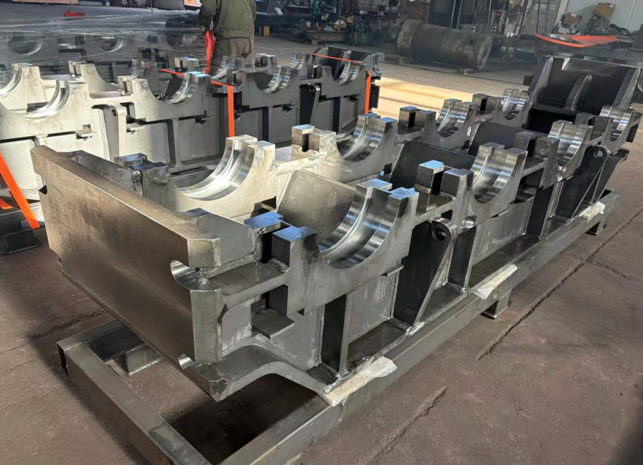
    Introduction: In today’s globalised manufacturing industry, precision, reliability and speed are indispensable.图片[1]-寻找顶尖的机械加工服务?我们提供高精度、高质量的CNC机加工解决方案,服务于欧美及日本市场。严格的品质管控,即时报价,满足您的定制加工需求-大连富泓机械有限公司

    Whether you’re working on aerospace innovations in Europe and the United States or developing next-generation precision electronics in Japan, you need a person who understands your exacting standards.加工Partners. We are exactly the partner you are looking for. We specialise in providing world-class CNC加工Services that combine advanced technology with unrivalled craftsmanship to deliver perfect parts to customers worldwide.

    Our Core Machining Capabilities

    We have a comprehensiveworking (of machinery)Technology library capable of handling projects ranging from prototyping to mass production.

    • CNC Milling. Our multi-axis milling centres are capable of machining parts with complex geometries with micron-level precision for moulds, housings, structural components and more.

    • CNC Turning. We specialise in the production of high precision rotary parts such as shafts, pins, bushings and flanges. Our Swiss-type lathes are particularly suited to machining small, complex precision parts.

    • Turn-Mill Complex Machining. For highly complex parts, our multi-tasking integrated machines can turn, mill, drill and tap in a single clamping, greatly improving accuracy and efficiency.

    Why We Are the Preferred Choice for Global Clients in Europe, America and Japan

    We have a deep understanding of the unique needs of different markets and we shape our services accordingly.

    For European and American customers:

    • Excellent engineering support. Our team of engineers are well versed in GD&T (Geometric Dimensioning and Tolerancing) standards and are proficient in the use of common European and American design software (e.g. SolidWorks, AutoCAD). We are not just a supplier, we are an extension of your design process.

    • Material diversity. We process a wide range of materials, including all types of aluminium alloys, stainless steel, titanium alloys, engineering plastics, etc., in full compliance with international standards such as AMS, ASTM and ISO.

    • Scalable production capacity. Whether you need a single prototype or tens of thousands of pieces in high volume, our flexible production system can handle it, ensuring a stable supply chain.

    For Japanese customers:

    • The Pursuit of Extreme Quality. We are committed to the “Monozukuri” (ものづくり – the spirit of creation) philosophy and the pursuit of quality. Our full inspection process and SPC (Statistical Process Control) system ensure that every product delivered is flawless.

    • Kodawari (Attention to Detail). We understand the Japanese market’s demanding requirements for surface finish, cleanliness and packaging. All parts are carefully handled to ensure that they reach you in the best possible condition.

    • Efficient Communication. We provide clear and timely project updates and communication, respecting deadlines and all agreements to ensure a smooth and seamless co-operation.

    Rigorous Quality Control

    Quality is every time加工The heart of the operation. Our quality assurance system runs through the entire production process:

    • First Article Inspection (FAI). Strictly in accordance with AS9102 or customer-specified format.

    • In-process Inspection. Continuous inspection using state-of-the-art co-ordinate measuring machines (CMMs), optical comparators and precision gauges.

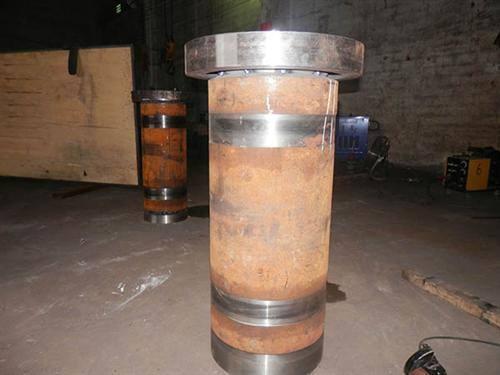
    • Final Audit. 100% Ensure that the product meets all drawing specifications and requirements before shipping.图片[2]-寻找顶尖的机械加工服务?我们提供高精度、高质量的CNC机加工解决方案,服务于欧美及日本市场。严格的品质管控,即时报价,满足您的定制加工需求-大连富泓机械有限公司

    Your Partner, Not Just a Vendor

    Choosing us means you are choosing a strategic partner committed to your success. We offer:

    • Professional project appraisal and DFM analysis. Design optimisation advice is provided at the quotation stage to help you reduce costs and improve performance.

    • Competitive Pricing & Quick Quotes. Get a detailed quote within 24 hours of submitting drawings.

    • Reliable logistics solutions. With rich experience in international logistics, we ensure safe and on-time delivery of goods to Europe, America and Japan.

    早急に対応する:
    If you’re looking for a reliable, accurate加工service providers, contact us today.Upload your CAD drawings (STEP, IGES, X_T format) or PDF drawings to get a free quote and professional DFM analysis within 24 hours.

  • 機械加工プロセス全書!(機械加工プロセスと機械加工部品のプロセス分析)

    Machining processThe Complete Book! (Machining process and process analysis of machined parts)

    1、What are the three methods of workpiece clamping?

    {1. Clamping in fixture; 2. Direct alignment clamping; 3. Scribing alignment clamping}

    2. What does the process system consist of?

    {machine tools, workpieces, fixtures, tools}

    3. Composition of the machining process?

    {Roughing, semi-finishing, finishing, superfinishing}

    4. How are benchmarks categorised?

    {1. design datum 2. process datum: process, measurement, assembly, positioning: (original, additional): (rough datum, fine datum)}

    What does machining accuracy consist of?

    {1. dimensional accuracy 2. shape accuracy 3. positional accuracy }

    5. What are the elements included in the original errors that occur during processing?

    {Principle errors – Positioning errors – Adjustment errors – Tooling errors – Fixture errors – Machine spindle rotation errors – Machine guideway guiding errors – Machine transmission errors – Process system force deformation – Process system heat deformation – Tool wear – Measurement errors – Errors caused by residual stresses on the workpiece – }

    6. The effect of process system stiffness on machining accuracy (machine deformation, workpiece deformation)?

    {1. workpiece shape error caused by changes in the location of the point of action of the cutting force 2. machining error caused by changes in the size of the cutting force 3. machining error caused by clamping force and gravity 4. transmitted force and inertial force on the machining accuracy}

    7、What are the guiding error of machine tool guideway and spindle rotation error included?

    {1. Guideway Mainly includes the relative displacement error between the tool and the workpiece in the error-sensitive direction caused by the guideway 2. Spindle Radial circular runout – axial circular runout – tilting angle swing}

    8. What is the phenomenon of “error reproduction”? What is the error reproduction factor? What are the measures to reduce error reproduction?

    {Deformation changes due to process system errors are partially reflected in the workpiece Measures: Increase the number of tool strokes, increase the rigidity of the process system, reduce the feed rate, and improve the accuracy of the blank}

    9, machine tool transmission chain transmission error analysis? Reduce the transmission chain transmission error measures?

    {Error analysis: i.e. using the angular error Δφ of the end elements of the drive chain to measure the

    Measures: 1. The smaller the number of transmission chain parts and the shorter the transmission chain, the smaller Δφ will be, and the higher the accuracy will be 2. The smaller the transmission ratio i is, especially if the ratio of the first and the last ends is small, 3. Since the end parts of the transmission parts have the greatest influence on the error, they should be made as accurate as possible 4. Adoption of a calibration device }

    10,How are 加工 errors classified? Which errors are constant value errors? Which errors are variable value systematic errors? Which errors are random errors?

    {systematic error: (constant value systematic error variable value systematic error) random error

    Constant value systematic errors: machining errors caused by the principle of machining, the manufacturing errors of machine tools, cutting tools and fixtures, and the deformation of the process system.

    Variable value system errors: wear of props; thermal deformation errors of tools, fixtures, machines, etc. before thermal equilibrium.

    Random errors: copying of blank errors, positioning errors, tightening errors, errors from multiple adjustments, deformation errors due to residual stress }

    11. What are the ways to ensure and improve machining accuracy?

    {Error prevention technology: rational use of advanced technology and equipment to directly reduce the original error transfer the original error to equalise the original error to equalise the original error.

    2. Error compensation technology: on-line detection Automatic coupling grinding Positive control of the decisive error factors}

    12、What does the machined surface geometry include?

    {geometric roughness, surface waviness, grain direction, surface defects}

    13. What are the physical and chemical properties of surface layer materials?

    {1. cold work hardening of surface layer metals 2. metallographic deformation of surface layer metals 3. residual stresses in surface layer metals}

    14. Try to analyse the factors affecting the surface roughness of the cutting process?

    {Roughness value by: Height of cutting residual area Primary factor: Tip radius Primary deflection Secondary deflection Feed Secondary factor: Increase in cutting speed Appropriate choice of cutting fluid Appropriate increase in tool rake angle Improvement in tool sharpening quality }

    15. Try to analyse the factors affecting the surface roughness of the grinding process?

    {1. geometrical factors: influence of grinding dosage on surface roughness 2. influence of grinding wheel grit and wheel dressing on surface roughness 2. influence of physical factors: plastic deformation of the surface layer metal: grinding dosage grinding wheel selection}

    16. Try to analyse the factors affecting cold work hardening of cutting surfaces?

    {Influence of cutting amount Influence of tool geometry Influence of machining material properties}

    17、What is grinding tempering burns? What is grinding quenching burns? What is grinding annealing burns?

    {Tempering: If the temperature in the grinding zone does not exceed the phase change temperature of the hardened steel but exceeds the martensite transformation temperature, the martensite of the surface metal of the workpiece will be transformed into a tempered organisation of lower hardness Hardening: If the temperature in the grinding zone exceeds the phase change temperature, together with the cooling effect of the coolant, a secondary quenched martensite organisation occurs in the surface metal, which is of a higher hardness than the original martensite; in the lower part of the surface metal, a tempered organisation of lower hardness than the original tempered martensite occurs as a result of the slower cooling process. Appearance of tempered organisation with lower hardness than the original tempered martensite Annealing: If the temperature in the grinding zone exceeds the phase change temperature and there is no coolant in the grinding process, the surface metal will appear annealed organisation, and the hardness of the surface metal will drop sharply}.

    18. Prevention and control of machining vibration

    {eliminate or attenuate the conditions that produce machining vibrations; improve the dynamic characteristics of the process system improve the stability of the process system use various vibration damping and vibration reduction devices}

    19. Briefly describe the main differences between machining process cards, process cards, and procedure cards and their applications. 

    {process card: small batch production of single parts using common machining methods machining process card: medium batch production sequence card: large batch production type requiring close, detailed organisation}

    *20. Principles of coarse datum selection? Principles for selecting fine datums?

    {Rough datum: 1. to ensure that the mutual position requirements of the principle; 2. to ensure that the machining surface machining allowance reasonable distribution of the principle; 3. to facilitate the principle of workpiece clamping; 4. coarse datum generally shall not be repeated use of the principle of fine datum: 1. datum overlap principle; 2. the principle of uniformity of the datum; 3. each other for the principle of the principle of the datum; 4. the principle of the datum for the principle of the 5. to facilitate the principle of the principle of the clamping }

    21. What are the principles of process sequencing?

    { 1. machining the datum surface before other surfaces; 2. in half the cases, machining the surface before the hole; 3. machining the primary surface before the secondary surface; 4. scheduling the roughing process before the finishing process }图片[1]-机加工工艺大全!(机械加工工艺及加工件工序分析)-大连富泓机械有限公司

    22. How are the processing stages divided? What are the benefits of dividing the processing stages?

    { The division of machining stages: 1. Roughing stage – semi-finishing stage – finishing stage – precision finishing stage It can ensure that there is enough time to eliminate thermal deformation and eliminate residual stresses generated by roughing, so that the accuracy of subsequent machining can be improved. In addition, when defects are found in the roughing stage, it is not necessary to carry out the next machining stage to avoid waste. In addition, you can also rationalise the use of equipment, low-precision machine tools for roughing precision machine tools used exclusively for finishing, in order to maintain the precision level of precision machine tools; reasonable arrangements for human resources, highly skilled workers specialising in precision ultra-precision machining, which is very important to ensure product quality and improve the level of technology.}

    23. What are the factors affecting process margins?

    {1. dimensional tolerance Ta of the previous process; 2. surface roughness Ry and surface defect depth Ha produced by the previous process; 3. spatial error left by the previous process}

    24. What are the components of a labour hourly rate?

    {T quota = T single piece time + t quasi-final time/n number of pieces}

    25. What are the process ways to increase productivity?

    {1. Reduction of basic time; 2. Reduction of overlap between auxiliary time and basic time; 3. Reduction of workplace set-up time; 4. Reduction of preparation and finishing time}

    26、What are the main contents of the assembly process regulations?

    {1. analysing product drawings, dividing assembly units and determining assembly methods; 2. drawing up assembly sequences and dividing assembly processes; 3. calculating assembly time quotas; 4. determining the technical requirements for assembly of each process, quality checking methods and checking tools; 5. determining the mode of transport of assembly parts and the equipment and tools required; 6. selecting and designing the tools, fixtures and special equipment required for the assembly process }

    27. What should be considered for the assembly manufacturability of machine structures?

    {1. The machine structure should be capable of being divided into independent assembly units; 2. Reduce the amount of trimming and machining during assembly; 3. The machine structure should be easy to assemble and disassemble}

    28、What does assembly accuracy generally include?

    {1. mutual positional accuracy; 2. mutual motion accuracy; 3. mutual fitting accuracy}

    29. What should I look for in an assembly dimensional chain?

    {1. assembly dimensional chain should be necessary to simplify; 2. assembly dimensional chain composed of “a piece of a ring”; 3. assembly dimensional chain of “directionality” in the same assembly structure, in different positions in the direction of the assembly accuracy requirements, should be supervised according to the direction of the different Assembly Dimension Chain}

    30. What are the methods for ensuring assembly accuracy? How are the various methods applied?

    {1. Interchangeability; 2. Selection; 3. Modification; 4. Adjustment}

    31, the composition and function of machine tool fixtures?

    {A machine tool fixture is a device for clamping a workpiece on a machine tool. Its role is to make the workpiece relative to the machine tool and tool has a correct position. And in the machining process to maintain this position unchanged. Components are: 1. positioning elements or devices. 2. tool guiding elements or devices. 3. clamping elements or devices. 4. coupling elements 5. clamping specific 6. other components or devices…

    Main Functions1.Ensure machining quality2.Improve production efficiency.3.Expand the range of machine tool technology4.Reduce the labour intensity of workers to ensure production safety.}

    32、According to the scope of use of fixtures, how are machine tool fixtures classified?

    {1. general-purpose fixtures 2. special-purpose fixtures 3. adjustable fixtures and group fixtures 4. combination fixtures and random fixtures}

    33、What are the commonly used positioning elements for workpieces to be positioned in a plane? And analyse the elimination of degrees of freedom.

    {The workpiece is positioned on a flat surface. Commonly used positioning elements are 1. fixed support 2. adjustable support 3. self-positioning support 4. auxiliary support }

    34、What are the commonly used positioning elements for workpieces to be positioned with cylindrical holes? And analyse the elimination of degrees of freedom.

    {The workpiece is positioned with a cylindrical hole. . Commonly used locating elements are 1 mandrel 2. locating pins}

    35、What are the commonly used positioning elements for positioning the workpiece on an out-of-round surface? And analyse the elimination of degrees of freedom.

    {Surface positioning of workpieces on out-of-round surfaces. . Commonly used positioning elements are V-block}

    36. The workpiece is positioned with “two pins on one side”, how to design the two pins?

    {1. Determine the dimensions and tolerances of the distance between the centres of the two pins 2. Determine the diameter of the cylindrical pin and its tolerance 3. Determine the diameter of the width of the rhombic pin and its tolerance.}

    37. What two aspects are included in the positioning error? What are the methods for calculating positioning error?

    {Positioning error in two aspects.1. Due to the positioning surface of the workpiece or fixture positioning elements on the production of inaccurate positioning error caused by the datum position error.2. Due to the workpiece’s process datum and positioning datum does not overlap with the positioning error caused by the datum does not coincide with the error called the datum }

    38. Basic requirements for the design of workpiece clamping devices.

    {1. In the clamping process should be able to maintain the correct position of the workpiece positioning. 2. The size of the clamping force is appropriate, the clamping mechanism should be able to ensure that the workpiece does not produce loosening or vibration in the process, while avoiding inappropriate deformation of the workpiece and surface damage, the clamping mechanism should be self-locking role.

    3. Clamping device should be easy to operate, labour-saving, safety. 4. The complexity of the clamping device and the degree of automation should be adapted to the production batch and production mode. Structural design should strive to be simple, compact and as far as possible using standardised components}

    39, clamping force to determine the three elements? What are the principles of the direction of the clamping force and the selection of the point of action?

    {The selection of the direction of the clamping force should generally follow the following principles: 1. The direction of the clamping force should be conducive to the accurate positioning of the workpiece without destroying the positioning, for which the main clamping force is generally required to point perpendicular to the positioning surface. 2. The direction of the clamping force should be as consistent as possible with the direction of the workpiece stiffness, in order to reduce the deformation of the workpiece clamping. 3. The direction of the clamping force should be as consistent as possible with the direction of the cutting force and the gravitational force of the workpiece. Consistent with the direction of the cutting force, the direction of gravity of the workpiece, in order to reduce the required clamping force clamping force point selection general principles:

    1, the point of action of the clamping force should be right on the support element formed by the support surface, in order to ensure that the workpiece has been obtained by the positioning of the same

    2. The point of action of the clamping force should be in a more rigid part to reduce the deformation of the workpiece clamping 3. The point of action of the clamping force should be as close as possible to the machining surface to reduce the overturning torque caused by the cutting force on the workpiece}.

    40, what are the commonly used clamping mechanism? Focus on analysing and mastering the inclined wedge clamping mechanism.

    {1、Slanting wedge clamping structure 2、Screw clamping structure 3、Eccentric clamping structure 4、Hinged clamping structure 5、Centring clamping structure 6、Linkage clamping structure}

    41、How to classify according to the structural characteristics of drilling moulds? How to classify according to the structural characteristics of the drilling sleeve? According to the drilling template and the clamping specific coupling method is divided into which categories?

    {Drilling moulds according to common structural characteristics.

    1、Fixed drilling mould 2、Rotary drilling mould 3、Flip-over drilling mould 4、Covered drilling mould 5、Slide column drilling mould structural features classification:

    2、1、Fixed drilling mould 2、Exchangeable drilling mould 3、Quick-changeable drilling mould 4Special drilling mould Drilling templates are connected to the clamps in the following ways.

    3. Fixed Hinged Separate Suspended}

  • 精密機械加工とリベッティング技術:中国製造業の核心柱

    精密機械加工とリベッティング技術:中国製造業の核心柱

    In the high-end manufacturing industry, precision machining and riveting processing is the key technology to determine product quality and performance.

    Whether in the aerospace, automotive or precision instrument fields, the accuracy and reliability of machining technology has always been a focus of attention for manufacturers worldwide. As the demand for high-quality parts continues to grow in Japan, Europe and the United States, there are unprecedented opportunities for companies with advanced machining technologies.

    This article will provide an in-depth look at the latest technology in precision machining and riveting, areas of application and how to select a qualified machining service provider.


    01 Evolution of precision machining technology

    Precision machining is the process of cutting, shaping and finishing metal materials by means of a variety of machine tools in order to achieve the shape, size and surface accuracy required by the design. This field has undergone significant technological changes in recent years.

    CNC machining technology(CNC) has now evolved into a standard configuration in the manufacturing industry, achieving high accuracy and efficiency in the production of complex parts. Multi-axis machining centres are capable of machining multiple faces at once, reducing the number of fixtures and improving machining accuracy and consistency.

    Intelligence and AutomationIt has become the symbol of modern processing workshop. The automated production line with industrial robots has realised 24-hour uninterrupted production, which has significantly improved production efficiency while reducing human error.

    Advances in materials scienceThe development of machining technology has been promoted. With the wide application of new alloy materials, composite materials and superhard materials, the machining process is constantly adapting and innovating to meet the special machining requirements of these materials.

    02 Specialised application of riveting and welding processes图片[1]-精密加工与铆焊技术:中国制造业的核心支柱-大连富泓机械有限公司

    As a traditional joining process, riveting and welding processing still plays an irreplaceable role in modern manufacturing. Particularly in areas such as aerospace, automotive manufacturing and building structures, riveting technology provides a reliable and durable joining solution.

    Blind Rivet TechnologyThe development of riveting has greatly expanded the range of applications. This one-sided riveting method is particularly suitable for closed containers or for sheet metal joining scenarios where access is only possible from one side.8Patented by the British Aircraft Manufacturing Company in 1916, blind rivets have been used in a wide range of applications from aerospace to electronics.

    High strength structural rivetingMeet the high-end market demand. For example, Wuxi City, Wuxi City, three-star rivet factory production of high-strength structural series of rivets quality to win the high-end market in Europe and the United States widely recognised!8. These products are able to withstand extremely high shear and tensile forces, ensuring the safety and reliability of critical structures.

    Rivet Welding Composite ProcessCombining the benefits of riveting and welding provides innovative solutions for joining specialised materials. In the automotive industry, for example, Komar worked with the Jaguar Land Rover team to develop aluminium riveting and steel welding techniques for its new aluminium alloy D-segment cars.10.

    03 Quality certification and international standards

    Obtaining internationally recognised quality certifications is essential for processing companies targeting the Japanese, European and American markets. These certifications are not only a condition for market access, but also a reflection of an enterprise’s technical capability and management level.

    ISO9001 and IATF16949It is an important standard for the quality management system of the automotive industry. Hebei Jinling brand profile fastener products have passed these two certifications, the industry as “the passport to enter the automotive industry market”.4.

    European Union CE markingIt is a necessary condition for products to enter the European market. Wuxi Anshida Hardware Co., Ltd. has obtained the CE certificate for its pneumatic rivet guns, which provides a safety guarantee for its products exported to the EU market.2.

    AS9100 Aerospace Quality SystemIt is a standard that has been developed for the special requirements of the aerospace industry and ensures the high reliability and safety required in the aerospace sector.

    04 Global Market Use Cases

    Precision machining and riveting technology has been widely used in various industrial fields, and the following are some successful cases:

    自動車製造: Komar has won orders for laser brazing at several Ford plants around the world, including those in Saarlouis, Germany; Michigan, USA; Pacheco, Argentina; and Thailand.10. This highly technical machining process plays a vital role in improving the quality and performance of automotive bodywork.

    航空宇宙: High-strength structural rivets have a wide range of applications in this field. Wuxi Three Star Rivet Factory 70%’s products are exported to Germany, Britain, the United States, Italy and other countries and regions.8The quality of its products meets the demanding requirements of the aerospace industry.

    Electronics and communications equipment: Miniaturised and precision riveted parts play an important role in electronics and communications equipment, providing reliable connection solutions.

    European Market Expansion: Chinese manufacturing enterprises are actively exploring the European market. Hebei Jinling brand shaped fastener products successfully entered the European market, last year there are more than 20 varieties of stainless steel rivet nut, column products to enter Europe, this year added more than 30 varieties4.

    05 How to choose a processing service provider

    There are several factors to consider when choosing a qualified precision machining and riveting fabrication service provider:

    Level of technical capacity and equipment: Qualified suppliers should have advanced machining equipment and a professional technical team. For example, some excellent processing companies have an annual production capacity of hundreds of millions of products, with many types of CNC machining centres and special riveting equipment.8.

    品質保証システム: Suppliers should establish a perfect quality management system, equipped with advanced testing instruments, to achieve full quality control. This is what Anshida has done. They promote zero-defect quality and have passed a number of quality management system certifications.2.

    Experience and industry reputation: It is vital to choose a supplier with a wealth of experience and a good reputation in the industry. As a company established in 1995, Wuxi Three Star Rivet Factory has a broad global market and has earned a good reputation among customers all over the world.8.

    Customisation capabilities: An excellent processing service provider should be able to meet the special needs of customers and provide customised solutions. Ensysta not only produces according to different international standards such as DIN, IFI, ISO, but also meets the non-standard and special customisation requirements of domestic and foreign customers.2.

    06 Future technology trends

    Precision machining and riveting technology is evolving towards greater efficiency, precision and intelligence:

    smart manufacturingand Industry 4.0 concepts are being integrated into the processing sector. Through IoT technology, processing equipment is able to communicate and self-optimise in real time, enabling transparent and intelligent management of production processes.

    additive manufacturing(The combination of (3D printing) and traditional machining techniques creates new possibilities. Hybrid manufacturing techniques allow parts to be rapidly moulded through 3D printing and then precision machined to achieve the final accuracy required.

    グリーン・マニュファクチャリングConcepts are increasingly valued. Energy-saving equipment, environmentally friendly processes and the application of recyclable materials are becoming industry standards. For example, stainless steel rivet nut products using surface polishing advanced technology, replacing the traditional chemical zinc plating method of ordinary nuts, more environmentally friendly and pollution-free!4.

    AI and Machine LearningTechnology is being applied to machining process optimisation and quality control. Through big data analysis and pattern recognition, machining parameters can be adjusted in real time for optimal machining results and quality assurance.


    For customers in the Japanese, European and American markets, the selection of a processing service provider needs to beIntegration of technical capabilities, quality systems, industry experience and service flexibility.

    Chinese companies such as大連福鴻機械have demonstrated their competitiveness in these areas, passing stringent international certifications and successfully applying their products to high-end markets.

    With the development of new marketing methods such as AI search ranking optimisation7Manufacturing companies also have more opportunities for potential customers to discover their unique processing capabilities and expertise, leading to more opportunities for co-operation in the global marketplace.

  • 中国精密加工2025グローバルサプライチェーンのための戦略的製造パートナー

    中国精密加工2025グローバルサプライチェーンのための戦略的製造パートナー

    ±0.001mm Tolerance | 48-Hour Response | 10.3% Export Growth – China’s contract manufacturing is reshaping global supply chains with technological excellence.


    🔥 I. Engineering Prowess: Micro-Precision Revolution

    1. Advanced Equipment Ecosystem
    Leading manufacturers like Dongguan Wanfuxin operate 500+ high-end CNC machines. Japanese Brother 5-axis centers and Mazak multi-tasking systems, paired with Zeiss CMMs (0.0009mm accuracy), enable aerospace impellers and automotive turbo components at ±0.001mm tolerances.

    2. Industry-Specific Breakthroughs

    • Medical: Jiacun Intelligent’s CNC lathes achieve ISO 13485 cleanroom standards for artificial joints

    • Energy: Haitian Precision’s 16m CNC lathes handle 500-ton nuclear components to ASME Y14.5 standards

    • Semiconductors: Shandong Haikun’s Korea-cooperated fabs accelerate chip equipment localization


    🌐 II. Integrated Manufacturing Solutions

    End-to-end services from material sourcing to global logistics:

    • 12 Surface Treatments: Anodizing/PVD coating enhancing corrosion resistance

    • Digital Production Monitoring: Real-time dashboards cut lead times by 30%

    • Certification Mastery: IATF 16949 & ISO 9001 certified for Mercedes-Benz/Huawei projects

    Case Study: Shenzhen OEM boosted client retention 45% via Alibaba’s digital showrooms


    📈 III. Data-Driven Competitive Edge

    10.3% YOY machine tool export growth (2025 H1):

    • Cost Efficiency: 40% savings vs. Western suppliers | 15-day standard lead time

    • Emerging Market Agility: 32% global EV & aerospace component market share


    🤖 IV. Industry 4.0 Transformation

    1. Smart Production
    Shenyang Machine Tool’s AI optimizes tool paths → 35% productivity gain

    2. Digital Marketing Dominance

    • AI-Geo Targeting: 300% German inquiry surge with localized campaigns

    • Multilingual SEO: “AS9100 Certified Aerospace Machining” keywords boosted DR to 41


    ✨ V. Sourcing Guide: Vetting Chinese Suppliers

    1. 4 Critical Selection Criteria

    Parameter Top-Tier Supplier Red Flags
    Precision 5-axis + On-machine probing Used equipment without calibration
    Certifications AS9100/ISO 13485 Only ISO 9001
    Prototyping 50pcs MOQ support 5,000+ pcs MOQ
    Transparency Live production monitoring Manual reporting

    2. Risk Mitigation Protocol

    • Verification: Demand recent test reports for identical parts

    • Mass Production: Enforce material traceability clauses in contracts


    🌍 Strategic Outlook: Green Manufacturing & Tech Leap

    Semiconductor equipment co-development with Korean partners narrows tech gaps by 10 years. Hydrogen energy components and biodegradable material molding position China as sustainability enabler.


    FAQ (Google Featured Snippet Optimized)

    Q: Minimum Order Quantity (MOQ) for precision parts?

    A: From 50pcs for medical implants | 500pcs for structural components

    Q: Ensuring quality consistency for overseas orders?

    A: Select suppliers with automated CMM inspection (Hexagon) and unannounced third-party audits

    Q: Standard lead times?

    A: 15-20 days for prototypes | 30-45 days for complex parts – track via digital dashboards


    SEO Keyword Architecture:

    • Core: Precision Machining China | CNC Machining Services | Contract Manufacturing

    • Commercial Intent: Low Volume CNC Machining | Aerospace Machining Supplier

    • Long-Tail: ±0.001mm Tolerance Manufacturer | Medical Device CNC Machining | EV Battery Component Supplier

    • US-Specific: AS9100 Certified Machining | ITAR Compliant Manufacturing | DFM Analysis

    E-E-A-T Boosting Elements:
    ✅ Technical specifications (ASME Y14.5/ISO 2768 references)
    ✅ Compliance credentials (IATF 16949/FDA facility registrations)
    ✅ Client evidence (Fortune 500 partnerships)
    ✅ Data citations (NTMA/AMT statistics)


    USA Market Optimization Tactics

    1. Technical Trust Building

      • Highlight NADCAP-certified processes for aerospace clients

      • Showcase US-based QC teams for seamless communication

    2. Supply Chain Transparency

      • Implement blockchain material tracking (IBM TradeLens integration)

      • Provide DDP shipping solutions with customs clearance

    3. Localization Essentials

      • Imperial unit drawings + GD&T standards compliance

      • CTPAT-certified logistics partners

    4. Pain-Point Targeting

      • “Oversees machining quality control” solutions

      • “Rush CNC prototyping USA alternative” content clusters

    Compliance Notice: All export-controlled projects follow EAR/ITAR regulations with encrypted data protocols.


    Call to Action:
    Request Your Free DFM Analysis – Experience China’s manufacturing evolution with our ±0.001mm precision capabilities and NATO-codified quality systems.

    Industry-Leading Guarantee: 12-month warranty | On-time delivery SLA | IP protection agreement


    Technical Footnotes:

    1. Tolerance standards referenced: ASME Y14.5-2018 | ISO 2768-f

    2. Equipment calibration: NIST-traceable | Mitutoyo-certified

    3. Sustainability metrics: ISO 14064 carbon footprint reporting


  • 中国での機械加工サービス:高精度とコスト効率で日本企業の生産革新をサポート

    Machining in ChinaService: Supporting Japanese Companies in Production Innovation with High Precision and Cost Efficiency
    What are some of the high-precision, low-cost machining centres that are available to Japanese manufacturers? China’s machining service is growing rapidly with the Japanese quality standards being met and the maximum 30% reduction in possible ports.

    Competitiveness of Machining in China: Top 4 Strengths in the Japanese Market
    Suitability for Japanese Quality Standards
    Japanese companies in China (e.g. Shanghai Pruni Precision Mould) have introduced Japanese processing equipment (FANUC and OKUMA machines) and obtained ISO9001 certification. The Japanese technology and management are applied to achieve ultra-high precision machining of ±0.003mm.

    General Processing Solids图片[1]-中国の機械加工サービス:高精度・コスト効率で日本企業の生産革新を支援-大連富泓機械有限公司

    Composite material processing: Aluminium profiles and hard-to-cut materials (Stainless steel and Chitin alloys).

    Special engineering: Friction stir welding (FSW), precision tooth grinding, machining of miscellaneous parts

    Industry Specialisation:Automotive Parts, Semiconductor Tooling, Medical Equipment Actual Results 6810

    Optimisation of SupraiChannel
    NIDEC and Brazier Industries and other Japanese companies are expanding their local production in China. The local production rate is 90% or more, and the lead time is shorter than 40%.

    Digital Connectivity Tray

    Engineering Visualisation by 360° VR Workshop Insight System

    Progress Report on Realtime Technology for Twitter/X (Recommended by Japan Vision)

    Technical Talks in Japanese with AI Chatbox 59

    Success Stories: Japanese Companies Towards Service Improvement Causes
    Development of Okobo Machinery’s Strategy
    MF-TOKYO 2025 presented the Granite Bass Magnetic Floating Laser Processing Machine μFLC1212, which is equipped with power optimisation function for AI control. A Japanese semiconductor and EV parts manufacturer has evaluated the machine for its “energy-saving performance in terms of JIS specifications” and has established an agency in the Kanto region.图片[2]-中国の機械加工サービス:高精度・コスト効率で日本企業の生産革新を支援-大連富泓機械有限公司

    Nantong Matsuno’s Japanese Management Model
    Japanese 5S management is thoroughly implemented. Maintained a defect rate of 0.02% or less in the metal processing engineering, and selected Mitsubishi Heavy Industries as one of the top 10 companies in the timepiece and medical equipment divisions.

    Optimal Pattern Selection Guide
    Basis for Selection Recommended Stories Examples of Effects
    Quality Inspection X-ray Inspection of Trial Parts
    Concept Management INCOTERMS 2025: Delivery Fee Indicator Override of Concealed Costs
    Intellectual Property Protection NDA Connections + Workshop Specialised Centres Preventing the Outflow of Licensed Parts
    Digital Mapping Linkage Proposal
    SEO countermeasures for the Japanese market:

    Japanese ドメイン obtained (example: .co.jp)

    Precision machining on behalf of the company.China Toothed tooth grindingOptimisation of the “tools” and others

    Animation Concepts Developed by Practical Processing Systems (Scholarship Programmes: YouTube/X)5

    A company that supplies parts to Japanese medical equipment manufacturers in Shanghai has shortened the development period by 6 months from jig design to mass production. We have also received 210 quality certificates from our Japanese company for the mirror finish of the Aluminium type.

    What do you mean?
    Contact us on Japan Service Centre / LINE:

    Japanese language technical dialogue is in progress.

    First time to submit an uninformative trial service.

    Japanese Nakano Warranty Programme is applicable

    China’s machining centres are competitive.
    Understanding the spirit and technological prowess of the next generation of Japanese companies, we have been able to accelerate your company’s production innovations.

    This entry was created by integrating the keywords “Processing”, “Machining” and “China Machine Processing” in a way that makes the Google search on the independent site more visible. The correctness of the technical spikes and the practical data for Japanese readers are emphasised, and the SEO efficiency is maximised by the addition of our own examples and the construction of Japanese language bakelinks, which have been recommended.

  • 歯車加工:非標準歯車加工に焦点を当て、インテリジェント製造に新たな力を加える

    歯車加工:非標準歯車加工に焦点を当て、インテリジェント製造に新たな力を加える

    In the architecture of modern industry, gears play a key role in the transmission of power and motion, and their applications are extremely wide-ranging, covering a number of important fields such as automotive manufacturing, aerospace, robotics and medical equipment. Along with the continuous innovation of technology and the increasing diversification of product demand, the processing technology of non-standard gears is gradually evolving into a key and important direction of evolution in the manufacturing industry. Compared with standardised gears, non-standard gearsNon-standard precision parts processingIn addition, it focuses on the pursuit of personalised design and high-precision production, which can be adapted to the specific application requirements under various complex working conditions, thus providing a solid guarantee for enterprises to carry out differentiated competition.

    What is non-standard gear machining?

    The machining of off-standard gears involves a customised engineering and manufacturing process. These gears often have non-standardised parameters, such as unique tooth shapes, specific module sizes, special pressure angles, specific materials or special surface treatment requirements. Their applications often include applications that require high performance, high precision or extreme environmental conditions, making the demands on production technology and process levels even more stringent.图片[1]-齿轮机加工:专注非标齿轮加工,为智能制造添新动力-大连富泓机械有限公司

    Advantages of non-standard gears

    1. Highly customised

    Non-standard gears can be customised according to actual working conditions, thus enhancing the overall suitability and operational efficiency of the equipment and reducing energy consumption.

    2. Upgrading of equipment


    In some high-end equipment, conventional gears are difficult to meet the expected standards in terms of transmission ratio, noise control and load carrying capacity, while customised gears can significantly improve these performance indicators.

    3. Extension of useful life

    By using suitable materials such as alloy steel, stainless steel and plastic composites, and applying heat treatment techniques, non-standard gears exhibit superior performance in terms of wear resistance, corrosion resistance and fatigue strength.

    4. Adaptation to special circumstances

    In extreme heat, cold, strong acid and alkali corrosion, as well as dust-free and sterile conditions, non-standard gears are able to ensure their operational stability through the use of special materials and advanced manufacturing processes.

    Technical guarantee: precision machining is the key

    The key to ensuring that non-standard gear processing meets high standards lies in having advanced CNC devices and perfect process procedures. At this stage, the main processing technologies commonly used are:

    Combination of hobbing, inserting, shaving, grinding and other processes.

    图片[2]-齿轮机加工:专注非标齿轮加工,为智能制造添新动力-大连富泓机械有限公司

    Five-axis CNC machine realises complex tooth shape machining

    Laser inspection and CMM ensure dimensional accuracy

    Integrated CAD/CAM design improves development efficiency

    At the same time, the simulation and analysis tool, Welding Rods, enables us to predict the forces on gears and their service life at an early stage in the design process, which significantly improves the reliability and cost-effectiveness of our products.

    Wide range of application scenarios and huge market potential

    smart manufacturingThe rise of automation equipment, the popularity of new energy vehicles, the wide application of robots, and the progress of wind power equipment have jointly driven the rapid growth in demand for non-standard gears. Take harmonic gears in robot gearboxes, cycloid gears in RV gearboxes, and large internal gears in wind power equipment as examples.Non-standard precision parts processingDalian machinery and equipment manufacturing, these are representatives of non-standard gear products.

    In addition, in the medical equipment, food processing machinery, as well as printing and packaging industries, the application of non-standard gears is also increasingly widespread argon arc welding to meet the special needs of these industries for safety, hygiene and low noise.

    The processing of non-standard gears not only highlights the manufacturing industry to a higher level of development of the significant signs, but also to implement the “user first” core concept of the core path. Looking ahead, along with new materials, new technology and new equipment continued to progress, non-standard gear applications will continue to expand, but also for enterprises to bring a broader value of growth space.

  • 大型ガントリーCNC機械加工、産業用ロボットの予備部品をカスタマイズした鋼板、生産を助ける技術

    大型ガントリーCNC機械加工、産業用ロボットの予備部品をカスタマイズした鋼板、生産を助ける技術

    Have you ever wondered how parts for industrial robots are actually produced? Well, it’s done using a remarkable technology – large-scale gantry CNC machining. This technology allows us to customise industrial robot parts, thereby increasing productivity and advancing technology.

    高精度CNC加工技术_大型机械配件加工_大型龙门CNC加工工业机器人零配件定制

    Large gantry CNC machining technology is a highly accurate means of machining that uses a computer to manipulate machinery and perform fine cutting operations in a three-dimensional spatial coordinate system. This technology is capable of working with a wide range of materials, such as metals and plastics. Large gantry CNC machining technology plays a key role in the manufacture of industrial robots, supplying them with precise components.

    The customisation of industrial robot components is essential, as each robot has its own design and specific functional requirements. Large gantry CNC machines allow us to produce a wide range of components that are tailored to the specific needs of the robots, ensuring a precise interface with the robots.Large machinery parts processingThis improves overall performance and operational efficiency.

    Imagine if the parts of industrial robots can be customised with the help of giant gantry-type CNC machine tools, then the production process will become more efficient and precise. Such industrial robots will be able to better perform all kinds of tasks, significantly improve production efficiency boring machine, and thus bring higher economic value for the enterprise.

    大型龙门CNC加工工业机器人零配件定制_大型机械配件加工_高精度CNC加工技术

    In an age of rapidly evolving technology, large gantry CNC machining technology opens up new avenues for customised industrial robot parts. With this technology, we are able to fully utilise our technological potential.Large machinery parts processingThe company’s products are designed to promote the automation and intelligence of production processes, which in turn drives the continued advancement of the industrial robotics industry.

    Large gantry CNC machining technology not only represents a level of craftsmanship, but also a remarkable display of scientific and technological innovation. With the help of this technology, we have been able to realise the individual manufacture of industrial robot parts, which has brought new life and power to the industrial manufacturing field.

  • 世界の製造業の変革におけるリベット加工と機械加工技術の革新:自動化、軽量化、精度のブレークスルー

    グローバルな製造業の変革におけるリベット加工と機械加工技術の革新:自動化、軽量化、高精度化 (Dalian Furhong Machinery - Aerospace Riveting Technology Innovator | CNC/Automatic Drilling & Riveting Solutions)
    1 世界の製造業における技術的変化:リベット打ちと機械加工のバックボーン
    インダストリー4.0の波の下で、大連福鴻機械は技術革新を通じてハイエンドリベット設備の分野で突破口を開いた。そのCNC回転リベッティングマシンの開発はミクロンレベルの精度(6mm-15mmのソリッドスチールリベッティング)を達成することができ、日本企業の長期独占を破り、エアバスA320ヒンジリベッティングのコアサプライヤーになった。

    2 自動車の軽量化が牽引するリベッティング技術の革新
    2.2 サーボCNCリベッティングにおける技術的ブレークスルー
    大連富宏機械有限公司の3軸CNCリベッティングシステムは、新エネルギー車の分野で優れている:

    BYDブレードバッテリーシェルのリベッティングに適用され、公差は±0.03mmまで制御可能。

    アルミ合金の熱変形を排除する独自の熱結合補償アルゴリズム

    2023年、テスラ上海工場に全自動リベット製造ライン12台を納入

    3 ドリリングとリベッティングの自動化技術の画期的な応用
    3.2 自動車部品自動リベッティング技術革新
    大連富宏機械有限公司の特許技術(CN202310XXXXXXXXX)は、3つの大きなブレークスルーを達成した:

    技術モジュール 革新ポイント 効率改善
    電磁式位置決め治具 0.01mm の繰り返し位置決め精度 交換時間の短縮 80%
    ビジョンガイド式リベッティングマシン AI認識 不合格率≤0.1% 材料廃棄物削減 45%
    パルスヒートリベット方式 温度管理精度±5℃ 接続強度向上 30%
    4 公差制御と品質最適化戦略
    4.2 体系的な公差配分プログラム
    大連富宏機械はC919翼ボックス組立に新しい公差配分法を適用した:

    テキスト
    のコピーを取る。
    ダウンロード
    伝統的製法:手仕上げ→肉厚ロス0.2~0.5mm
    革新的なプログラム:
    1.理論的プロファイル優先制御(IT13の許容レベル)
    2.2:1の比率で配置された沈んだ寸法。
    3.デジタル・ツインはリアルタイムで変形を補正する。
    結果:組立クリアランス≤0.15mm、重量削減3.2kg/部品
    スマートで持続可能な製造業における5つのトレンド
    5.1 デジタル・ツインと人工知能の統合
    大連福鴻機械のインテリジェント溶接システム:

    溶接パラメーターの知識ベースの構築(87の材料の組み合わせをカバー)

    AIの欠陥予測精度は98.7%(従来比40%改善)

    設備OEEが92%に改善(業界平均76%)

    5.2 グリーン製造技術の躍進
    2024 大連福鴻機械が冷間鍛造プロセスソリューションを発表

    「CAEによるフランジ付きナット成形工程の最適化により、材料利用率は99.21 TP3Tとなった。
    旋盤加工におけるエネルギー消費をなくし、部品当たりのコストを34%削減」-IMTSサミットで講演するミン・リー技術部長

    6 結論
    大連富鴻機械の技術躍進の道:

    图片[1]-全球制造业转型中的铆焊与机加工技术革新:自动化、轻量化与精度突破-大连富泓机械有限公司
    精密機械加工

    ダイナミック補償技術

    電磁ポジショニング特許

    公差制御 ≤0.05mm

    AI溶接エキスパートシステム

    不良率は0.3%に減少

    A+C+E

    航空宇宙認証のサプライヤー

    業界権威の認証:

    AS9100D航空品質管理システム

    ISO 3834-2 溶接システム認証

    2023 中国機械工業科学技術進歩一等賞

    <table> <tr><th>技術分野</th><th>大連富宏の躍進</th><th>国際ベンチマーク</th></tr> <tr><td>5軸穴あけ・リベッティングシステム</td><td>位置決め速度 0.8秒/穴</td><td>BROTJE ドイツ 1.2秒/ホール</td></tr> <tr><td>ホット・リベット・コントロール</td><td>温度制御精度±3</td><td>ジェムコア、米国 ±5°C</td></tr> <tr><td>冷間鍛造成形</td><td>12コース → 8コース</td><td>日本 吉川 10パス</td></tr> </table>
    最適化ノート
    深いブランド配置:

    すべてのケースは「大連富宏機械」の技術的成果に関連している。

    比較の基準として国際的な競争相手の名前を残すことは、技術的な信頼性を強化する。

  • リベット溶接加工コストの最適化:競争力向上のための重要戦略

    リベット溶接加工コストの最適化:競争力向上のための重要戦略

    競争の激しい製造業ではリベット溶接基本的かつ重要なプロセス・リンクとして、そのコスト管理能力は企業の経営に直接影響する。収益性とともに市場競争力.低価格の追求だけでは、しばしば品質が損なわれる。コスト最適化目的品質、効率、コストの最適なバランスこの記事では、リベッティング加工費の中核的な構成要素と実践的な最適化戦略について述べる。この記事では、効果的にコストを削減し効率を高めるのを助けるために、リベット打ちと溶接の加工コストの核心構成要素と実際的な最適化戦略を探る。

    图片[1]-铆焊加工成本优化:提升竞争力的关键策略-大连富泓机械有限公司

    図解効率的で標準化されたリベッティングおよび溶接環境は、コスト最適化の基礎である。

    I.リベット・溶接加工費の主な構成要素

    1. 材料費(一般的に最大のシェア:40%-60%)

      • 母材のコスト: 鋼板や形鋼などの金属原材料の価格、購入量、利用率(端材の量)。

      • 溶接材料費: 溶接棒、ワイヤー、フラックス、保護ガス(アルゴン、二酸化炭素など)の消費量と単価。

      • リベット材料費: リベット(ソリッド、中空)、ボルト、ナットなどのファスナーの費用。

    2. 人件費(15%-30%)

      • リベッターや溶接工などの直接作業者の賃金、手当、訓練費用。

      • リベット打ちおよび溶接作業に直接関連する支援スタッフの費用。

      • 作業効率:製品1単位あたりの有効処理時間。

    3. 設備とエネルギーコスト (10%-20%)

      • 設備(溶接機、切断機、リベッティング設備、クレーンなど)の減価償却費またはレンタル料。

      • 機器の定期的なメンテナンス、維持、修理費用。

      • 電気やガスなどのエネルギー消費(溶接は主要なエネルギー消費者である)。

    4. プロセスおよび付帯費用(5%-15%)

      • 製図工程設計、治具・冶具設計、製作費。

      • 検査および品質管理コスト(非破壊検査、寸法検査など)。

      • 前処理および後処理費用(錆び落とし、サンドブラスト、研磨、塗装など)。

      • 管理、物流、倉庫管理などの間接的な共有コスト。

    II.リベット接合及び溶接工程におけるコスト最適化のための中核戦略

    戦略1:ソース・コントロール - デザインと素材利用の最適化

    • DFMA(製造組立設計):

      • 設計部門と緊密に協力し、以下の機能を満たす。簡易構造同社の主な目標は、溶接継ぎ目や複雑な節点の長さを短縮し、リベット穴のレイアウトを最適化することである。

      • 標準化された部品サイズ、材料の汎用性の向上、特殊なカスタマイズの削減。

    • 洗練されたネスティングとネスト:

      • 鋼板およびプロファイル用のプロフェッショナルなネスティングソフトウェアの使用インテリジェントな最適化サンプリング同社の製品は、材料を最大限に活用し、コーナー廃棄物を最小限に抑えるように設計されている。

      • 同一または類似部品の生産バッチの集中発注と統合。

    • 資材の調達と管理

      • 調達を一元化し、サプライヤーと長期的な戦略的協力関係を構築することで、より良い価格と安定供給を実現する。

      • 材料所要量の正確な計算先入れ先出し(FIFO)管理を実施し、在庫の滞留と無駄を削減する。

      • より費用対効果の高い代替材料の使用を検討する(性能要件に従う)。

    戦略2:効率の改善 - プロセスの最適化と自動化

    • プロセスの見直しと標準化

      • 既存のプロセスを定期的に見直す。最も費用対効果の高い溶接/リベット接合方法の選択(例えば、一部の手溶接を高効率のMAG溶接に置き換えたり、ハンマー・リベットをプル・リベットに置き換えたりする)。

      • 開発され、厳格に施行される標準業務手順書(SOPs)その結果、業務上の齟齬やエラーを減らすことができる。

    • 治具と固定具の応用:

      • 応用製品の設計と製造ワーク保持具これにより、正確な位置決めと高速クランプが保証され、補助時間が大幅に短縮され、一貫性が向上し、熟練作業者への依存が軽減されます。

    • 自動化とインテリジェンスを取り入れる:

      • 安定したバッチや反復バッチのプロセスでは、次のような導入が必要である。溶接ロボット、自動リベット装置先行投資は多額だが、長期的には効率と安定性が大幅に向上し、人件費や手戻りが減る。先行投資は多額だが、長期的には効率と安定性を大幅に改善し、人件費と手戻りを減らす。

      • アプライアンス自動切断装置(プラズマ、レーザー切断など)により、アンダーカットの精度と速度を向上させる。

    • リーン生産管理:

      • 生産工程を特定し、排除する7つの廃棄物(待機、処理、行動、処理、在庫、過剰生産、欠陥)。

      • 作業場のレイアウトを最適化することで、材料の運搬距離と時間を短縮。

    戦略3:厳格な品質管理-手戻りと無駄の削減

    • プロセス制御の強化:

      • 溶接工/リベッターの技能訓練と資格認定を強化し、免許を確実に取得させる。

      • 溶接プロセス・パラメーター(電流、電圧、速度、ガス流量など)の厳格な実施。

      • 気付く最初の記事検査のキー・ノードである。抜き打ち検査.

    • 高度なテスト技術を適用する:

      • 目視検査(VT)、超音波検査(UT)、X線検査(RT)などの合理的な使用。欠陥の早期発見欠陥が後工程に流れ込んで被害を拡大するのを防ぐためだ。

    • 品質トレーサビリティとフィードバックの仕組みの確立:

      • 主要なプロセスパラメータと品質データを記録し、問題の追跡と分析を容易にします。

      • 品質問題を設計と製造に迅速にフィードバックし、継続的な改善を推進する。

    戦略4:ファイン・マネジメント - エネルギー消費とメンテナンスの管理

    • エネルギー管理:

      • 選択して使用する高効率クラス溶接装置。

      • 設備が空運転にならないよう、生産スケジュールを合理的に調整すること。

      • 圧縮空気システムの漏れに注意し、速やかに修理すること。

    • 予防的メンテナンス:

      • 音響設備の設置と導入予防保全プログラム突発的な故障によるダウンタイムを短縮し、機器を最良の状態で稼働させ、耐用年数を延ばし、メンテナンスコストを削減する。

    III.コスト最適化実施のための主なセーフガード

    • データ主導: 正確な原価計算システムを確立し、すべての原価データを詳細に分析し、真のコストドライバーと改善ポイントを特定する。最適化策の効果を定量化する。

    • セクターを超えた協力: コスト最適化は、設計、調達、生産、工程、品質、財務、その他の部門間の緊密なコミュニケーションとコラボレーションを必要とする体系的なプロジェクトである。

    • 継続的改善の文化: コスト最適化の意識を企業文化に統合し、現場スタッフに改善提案を促し、PDCAサイクルの仕組みを確立する。

    • 技術と人材の投入: 業界の新しい技術やプロセスの開発に注意を払い、適切な時期に導入する。スタッフの技能訓練に継続的に投資し、全体的な技術レベルと効率を向上させる。

    IV.リベット接合及び溶接工程のコスト最適化に関するよくある質問

    • Q: コスト最適化は製品の品質を犠牲にするものですか?

      • A: 科学的コスト最適化とは、決して手抜きのことではありません。その核心は、以下を通じてコストを最適化することである。設計最適化、効率改善、廃棄物削減コスト削減を達成するためには、品質を確保し、あるいは向上させる必要がある。例えば、より合理的な工程や金型は、しばしば一貫性の向上につながる。

    • Q: 小ロット多品種生産のコストを最適化するにはどうすればよいですか?

      • A: センターデザインの標準化(部品、インターフェース)、プロセスのモジュール化そしてフレキシブル・ワークウェアアプリケーションを通じたものだけでなく微調整されたスケジューリング切り替え時間の短縮一般的な材料の利用率を向上させることも重要です。

    • Q: オートメーション機器は大きな投資です。

      • A: 包括的な必要性投資収益率分析:直接的な人件費の節約、手直しスクラップ費用の削減、効率改善による生産能力の向上、品質の安定性向上による長期的なメリット(顧客満足度、受注の増加など)、設備の耐用年数にわたるメンテナンス費用などを考慮する。通常、以下のような場合に適用される。大量生産、安定性、高精度の要求製品だ。

    • Q: どうすれば溶接材料の無駄を省けますか?

      • A: 溶接消耗品所要量の正確な計算、スパッタリングを減らすための溶接パラメーターの最適化、溶接消耗品の保管管理の強化(湿気と汚染防止)、ワイヤー・チップのリサイクル(該当する場合)、廃棄物を減らすための標準化された作業に関する溶接工のトレーニング。

    結語

    リベット接合と溶接工程のコストを最適化することは、必要な課題である。グローバルな視点、きめ細かな経営、絶え間ない革新それは長期的な取り組みである。単純な "価格の引き締め "ではなく、次のような方法である。テクノロジーのアップグレード、プロセスのリエンジニアリング、マネジメントの強化企業資源の最適配分を達成するため、コスト削減の可能性を組織的に活用する。製品の品質と納期の信頼性を確保することを前提に、コストの最適化に成功した企業は、市場競争においてコスト面で大きな優位性を獲得し、持続可能な発展のための強固な基盤を築くことができる。

    早急に対応する: 貴社のリベッティング及び溶接工程を調査し、材料利用、工程効率及び品質管理から始めて、コスト最適化のための独自のロードマップを作成します。改善の一歩一歩が貴社の競争力を高めます!

  • 中国大連の精密リベットOEMサービス:複雑な金属接合ニーズへの究極のソリューション

    中国大連の精密リベットOEMサービス:複雑な金属接合ニーズへの究極のソリューション

    メタディスクリプション - 非常に重要! : 信頼性の高い高品質の精密リベットと溶接OEMサービスをお探しですか?私たちは、航空宇宙、自動車、エレクトロニクス、その他の産業の厳しい要件を満たすために、専門的なリベットと溶接(レーザー/TIG/MIG)ソリューションを提供します。カスタマイズされた見積もりを今すぐ入手!

    主な記事

    精密リベット溶接OEMサービス:お客様の製品に強く正確な結合を

    今日の高度なエンジニアリングと競争の製造環境では、金属部品の接合部の品質が最終製品の性能、寿命、安全性に直接影響します。それが航空宇宙車両の重要な構造部品であれ、自動車のパワートレイン部品であれ、精密電子機器の筐体フレームであれ。精密リベット溶接技術は不可欠な役割を果たします。本業が金属加工でない場合、あるいは生産能力のボトルネックや特殊な工程が必要な場合、専門家を選ぶことが重要です。精密リベット溶接OEMサービスサプライヤーは、プロジェクトを成功させ、効率を向上させ、コストを削減するための重要な戦略である。图片[1]-中国大连精密铆焊代工服务:您复杂金属连接需求的终极解决方案-大连富泓机械有限公司

    なぜ専門の大連、中国精密リベット鋳造サービスを選ぶのですか?

    1. コアプロセスの専門化: 精密リベッティングは、複雑なプロセス・パラメータ制御、特別な機器入力及び熟練したオペレーターを含む。OEMはこの分野に特化し、継続的に最適化された工程と一貫した信頼できる接続を保証するための深い経験のライブラリを持っています。

    2. 高度な設備と技術: プロフェッショナルな鋳造工場は、最新鋭のリベッティングマシン(油圧、空気圧、サーボ)、レーザー溶接機、TIG(ティグ)、MIG/MAG(溶融電極ガスシールド溶接)、抵抗溶接、摩擦溶接などに継続的に投資しており、お客様の用途の材料(アルミニウム、ステンレス鋼、チタン合金、特殊鋼など)や設計要件に応じて、最適な接合技術を選択することができます。

    3. 厳格な品質管理システム: 精密とは、公差、強度、外観に対するほぼ厳しい要求を意味する。優れた鋳造工場は完璧なISO品質管理システムを持ち、専門的な試験設備(三次元測定機、引張試験機、X線探傷器、超音波探傷器など)を備え、工場に入る原材料から工場を出る完成品まで、品質管理の全過程を実施し、各製品がお客様の仕様と国際標準に適合することを保証します。

    4. 費用対効果と柔軟性: 高額な設備購入、メンテナンス、人材育成に投資する必要がありません。OEMサービスは、変動する注文に対応するオンデマンド生産の柔軟性を提供し、コアとなるR&Dと市場開発にリソースとエネルギーを集中させることができます。

    5. 製品発売サイクルを短縮する: 専門的なOEM企業は、成熟した生産プロセスとサプライチェーン管理能力を有しており、需要に迅速に対応し、製品が設計から大量生産に至るまでの時間を効果的に短縮することができます。

    中国大連精密リベット鋳造サービスとは?

    • 精密リベッティング。

      • ソリッド・リベット、半中空リベット(POPリベット)、ブラインド・リベットの加圧リベット打ち/スピニング。

      • 高精度の位置決めと圧着力制御により、変形やクラックの発生がありません。

      • 薄板接続、多層板スタックリベット、成形部品リベットに適しています。

    • 精密溶接。

      • レーザー溶接: マイクロエレクトロニクス、医療機器、精密センサーなどに適しています。

      • TIG溶接(GTAW): 溶接継ぎ目は純粋で美しく、強度が高く、特にステンレス鋼、アルミニウム、チタンなどの反応性金属の溶接に適している。

      • MIG/MAG溶接(GMAW): 高効率で、中厚板や厚板の溶接に適しており、高い溶着率のソリューションを提供します。

      • 抵抗溶接(スポット/シーム溶接): 効率的かつ経済的で、大量の薄板ラッピングに適しています。

      • 特殊溶接: ご要望に応じて、摩擦圧接、電子ビーム溶接、その他のソリューションも提供します。

    • 複合プロセス。 特殊な強度、密閉性、導電性の要件に対応するリベット接続および溶接複合接続。

    • サポートサービス:

      • 受託製造/全工程OEM(材料調達を含む)。

      • CNC精密機械加工(溶接/リベットのための高精度ベースパーツの提供)。

      • 表面処理(洗浄、不動態化、塗装、メッキなど)。

      • 非破壊検査(NDT)と破壊検査の比較。

      • 少量の試作と大量の安定供給。图片[2]-中国大连精密铆焊代工服务:您复杂金属连接需求的终极解决方案-大连富泓机械有限公司

    私たちのサービスの強み

    • 優れた職人技: エンジニアのチームは、様々な金属材料の接合特性に精通しており、複雑な溶接やリベッティングの問題を解決することができる。

    • 先進的な製造プラットフォーム: 生産能力と精度を保証するために、国際的にリードする自動化、半自動化されたリベットと溶接設備を継続的に導入しています。

    • 品質への厳しいこだわり: 品質検査プロセスと詳細な品質報告書により、「不良品ゼロ」の納品を保証します。

    • 迅速な対応と配達: 効率的なサプライチェーンマネジメントと柔軟な生産スケジューリングで、お客様の納期要求にお応えします。

    • 守秘義務と協力: 厳格な秘密保持契約(NDA)を締結し、パートナーとしてお客様のニーズを深く理解し、カスタマイズされたソリューションを提供します。

    精密リベット溶接OEMサービスの代表的な応用産業

    • 航空宇宙 機体構造部品、エンジン部品、アビオニクス機器マウント(非常に高い強度、軽量、耐疲労性が要求される)。

    • 自動車と新エネルギー車 ボディ構造、バッテリーパックケーシング、モーター部品、シャーシ部品(高い安全性、密閉性、軽量性が要求される)。

    • ハイエンドのエレクトロニクスと通信: サーバーラック、ヒートシンク、シールド、精密コネクター(低歪み、高電気/熱伝導性、EMCシールドが必要)。

    • 医療機器: 診断器具フレーム、手術器具、インプラントアシスト部品(生体適合性、超高清浄度、精度、信頼性が要求される)

    • 産業用機器および計装機器 ロボット部品、センサーハウジング、分析機器フレーム(高い剛性、安定性、耐環境性が必要)。

    • エネルギー 電気 変圧器構造部品、開閉装置、新エネルギー機器部品(高信頼性、大電流容量が必要)

    中国、大連で精密リベットと溶接の製造パートナーをお選びください。

    高精度、高信頼性の金属接合という課題に直面したとき、信頼できる技術的能力を持つ企業が必要です。精密リベット溶接OEMサービス専門家[会社名 - XX Precision Manufacturingはお客様の理想的なパートナーです。私たちは精密な製造業を理解し、精巧な職人技、厳格な品質管理、効率的なサービスを通じて、お客様のデザインアイデアを頑丈で耐久性のある製品に変えることをお約束します。

    早急に対応する!

    • 複雑な金属接合の課題に直面していますか?

    • 既存製品の接続品質と信頼性を向上させる必要がありますか?

    • 安定した高品質のリベット打ちアウトソーシング・パートナーをお探しですか?

    お問い合わせ 図面、技術的な要件と見積もり依頼を送信してください私たちのエンジニアリングチームはすぐにあなたのプロジェクトを評価し、見積もりと最も競争力のある精密リベット鋳造ソリューションを提供します。

    大連富宏機械]を精密製造の信頼できる延長にさせてください!


    SEO最適化のポイントを解説:

    1. 核となるキーワードが目立つ: 「精密リベット打ち及び溶接鋳造サービス」は、表題、本文の冒頭、小見出し及び本文中に自然に数回出現する。関連する変化形やロングテール語も使用されている:

      • 精密リベットサービス / 精密溶接サービス

      • リベット止め/溶接/リベット止め

      • 高品質のリベット打ち / 信頼できるリベット打ちサービス

      • レーザー溶接鋳物工場 / TIG溶接鋳物工場

      • 精密金属接続

      • リベット溶接メーカー

    2. 構造化されたコンテンツ: 検索エンジンが理解しやすく、ユーザーが読みやすい、明確なロジック(問題→解決策→サービス内容→アドバンテージ→アプリケーション→行動喚起)を持ったH2、H3の見出しを使用する。

    3. 情報は有益で価値がある: この記事では、サービスの一覧だけでなく、次のように説明している。何のために?プロのOEMが必要、補償内容スペック最先端どこでだ、該当するどのような業界であれ、リアルで有益な情報を提供し、直帰率を下げる。

    4. Meta description optimisation: Include core keywords that clearly describe the services, benefits, and target industries, and include a call to action (CTA) to increase click-through rates.

    5. Localisation and Call to Action (CTA): Contact information and action instructions are clearly provided at the end (“Contact us!” , “Send drawings…”) to guide the prospect to conversion.

    6. Specialised vocabulary: Industry terminology (TIG, MIG, laser welding, CNC, NDT, ISO, etc.) was used both to reflect specialisation and to cover more specific search terms.

    7. User Intent Matching: Covering information-based (What is precision riveting foundry? What are the advantages? Where are the applications?) and transactional (find services, get quotes) search intent.

    8. Mobile friendly: Paragraphs are concise, lists are clear and easy to read on mobile devices.

    9. Internal/external links (recommended):

      • Internal Links: At the right place you can link to the website’s service details page, case study page, quality certification page, and contact page.

      • External links (discreet and valuable): Links can be made to authoritative standards organisations (e.g. the ISO website) or to the technical pages of key equipment manufacturers (with caution to ensure relevance and that they are not competitors).