ブログ

  • リベット溶接とリベット加工:プロセスの詳細とアプリケーションガイド

    Rivet Welding and Rivet Welding Processing: Process Details and Application Guide

    Riveting technology is an indispensable process method in the machine building, aerospace and automotive industries for its unique joining advantages.

    Riveting is a type of electric welding that is divided into cold riveting and hot riveting. Cold riveting means joining with rivets, whereas hot riveting involves melting the joining parts of two metals together at a high temperature. This process is particularly suitable for joining parts made of different materials, where one part has a riveting post that extends into a hole in the other part, and then by the cold flow or melting of plastic, the post is deformed to form the head of the rivet, which mechanically locks the two parts together.

    01 Basic principles and classification of riveting and welding processes

    The rivet welding process can be divided into several types depending on its working principle and heating method. Each type has its specific application scenarios and advantages.

    Hot rivet welding is one of the most common forms. In hot rivet welding, the compression weld head heats up, so less pressure is required to form the rivet head on the rivet post and less residual stress is created in the rivet head. This process can be applied to a much wider range of thermoplastic materials than cold rivet welding, including glass-filled materials, where the typical weld cycle is 1 to 5 seconds.

    Unlike hot rivet welding, cold rivet welding deforms the rivet post by applying high pressure. This method is only suitable for plastics with good ductility, as the cold flow causes large stresses in the area of the rivet post.

    As technology evolved, more advanced riveting methods emerged:

    Hot Air Rivet Welding: The rivet post is heated by means of a stream of superheated air, which transfers heat through the air tubes surrounding the rivet post. A separate cold welding head is then lowered to compress the rivet post.

    Ultrasonic Rivet Welding: Utilises ultrasonic energy supplied by the weld head to melt the rivet stud. Under constant pressure from the weld head, the melted rivet material flows into a cavity within the weld head to form the desired rivet head design. Typical weld cycles for this method are less than 2 seconds and can be performed with a hand held weld head.

    02 Key technical parameters for riveting and welding processes

    The quality of the riveting process is significantly affected by a number of technical parameters. In Impact riveting technology, due to the complexity of the internal mechanical connection structure, and the high requirements of internal and external conditions during nailing, it is easy to lead to unstable riveting quality and high maintenance costs.

    Optimisation of process parameters is the key to improve the quality of riveted joints. It has been shown that the riveting process can be optimised by studying the parameters such as screw speed, feed rate and monitoring the setting values through orthogonal tests. For example, in the case of 1.2 mm RC5754+3.5 mm 6082-T6 aluminium alloy sheet, the optimum combination of process parameters for the hole forming stage and the corresponding maximum downforce of the rivet gun can be obtained by optimising these parameters.

    The general technical requirements for riveting are also very strict. In the case of aluminium alloy pressure vessels, for example, the amount of misalignment of longitudinal welds and transverse butt welds of the cylinder needs to comply with specific regulations. Considering the factor of milling bevels and welding shrinkage after shearing, the cylinder needs to be reserved with appropriate length and width direction allowance (e.g. 6mm) before riveting and welding.

    The choice of welding parameters has a decisive influence on the final quality. Take aluminium alloy cylinder welding as an example:

    The outer longitudinal seam of the cylinder can be plasma welded, using ER5356 wire with a diameter of 1.6 mm, an arc voltage of 19 to 25 V, a welding current of 270 to 300 A and a welding speed of 12 to 15 cm/min.

    The longitudinal seam in the cylinder can be hand TIG welded using ER5356 wire with a diameter of 1.6 mm, an arc voltage of 15~20 V, a welding current of 320~380 A and a welding speed of 15~20 cm/min.

    03 Examples of the application of riveting welding in different industries

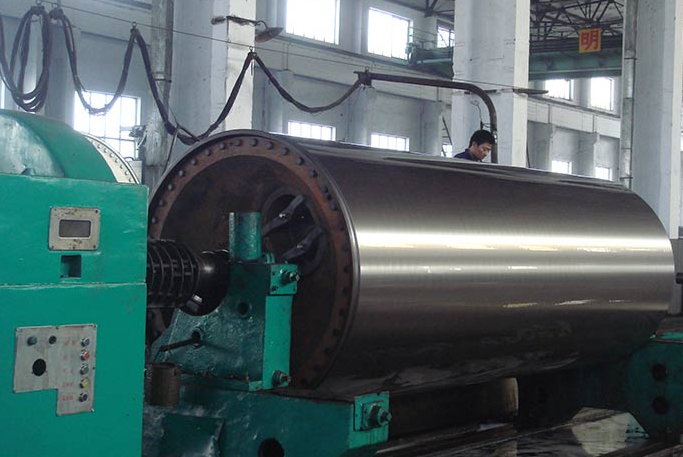
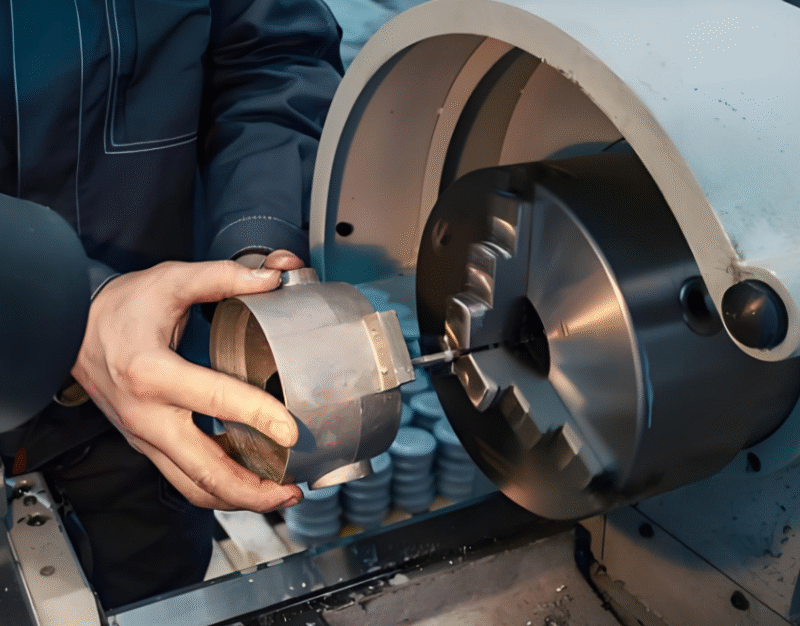
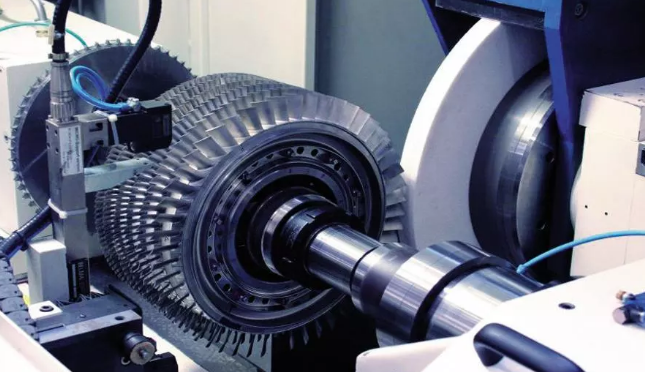
    Riveting technology is widely used in many industrial fields due to its unique advantages. The automotive industry is one of the most important applications of riveting technology, and Impact riveting technology is a common joining technology in automotive welding shops. By optimising the Impact equipment in terms of internal connection modification, rivet gun classification management, maintenance strategy modification, test link management, etc., it can effectively reduce the quality problems such as broken nails in the field, improve the overall efficiency of the equipment (OEE), and reduce the daily maintenance costs.图片[1]-铆焊与铆焊加工:工艺详解与应用指南-大连富泓机械有限公司

    The riveting and welding process also plays an important role in the manufacture of pressure vessels. Taking 5083 aluminium alloy pressure vessel as an example, this alloy has corrosion resistance, better processing performance and welding performance, as well as light weight and high specific strength, so it is widely used in the high-voltage switch industry.

    Through reasonable riveting and welding sequence, deformation can be effectively controlled to ensure product quality.

    その他の重要な応用分野には以下のようなものがある:

    Telecommunications industry: plays an important role in the manufacture of communications equipment.

    Electronics industry: especially the manufacture of printed circuit boards.

    Medical equipment: areas where precision and reliability are critical.

    Consumer goods: Widely used in the production of a variety of everyday consumer goods.

    04 Expertise in quality control of riveted welds

    Achieving high quality riveting and welding processes requires strict control in a number of areas. The choice of riveting and welding sequence has a significant impact on product quality. In the case of aluminium alloy shell manufacturing, for example, different riveting solutions can lead to different results.

    By comparing the three options, it is found that option 2 with step-by-step riveting and welding can achieve the highest personnel utilisation and equipment utilisation, the shortest working time, and reduce one calibration process. Under this scheme, the difference of the inner diameter size after welding Dmax-Dmin≤3 mm, which can meet the design requirements and installation requirements.

    Non-destructive testing is an important means of ensuring the quality of riveted welds. For pressure vessels and other critical equipment:

    Class A welds (e.g. Weld A1, A2) should be X-rayed 24 hours after welding.

    Category C and D welds (e.g. welds C1, C2, C3, D1) should be colour tested 24 hours after welding.

    The test results should be in line with the relevant industry standards (such as JB/T4730 weld Ⅰ standard).

    Pressure testing is the final stage in verifying the quality of the rivet weld. According to the design requirements, the welded tank needs to be held under a specific water pressure (such as 1.2 MPa) for a certain period of time (such as 5 minutes) for leakage testing. Qualified containers should have no water leakage, no obvious deformation and sound, and the actual pressure resistance needs to meet the design requirements.

    05 Common problems and solutions of riveting and welding processing

    Various problems may be encountered during riveting processing, and unstable riveting quality is one of the more common problems. The problem of unstable riveting quality of Impact riveting technology can be solved through the optimisation of the internal connection modification of the equipment, the hierarchical management of the rivet gun, the amendment of the maintenance strategy and the management of the testing session.

    Welding distortion is another common challenge. Distortion can be reduced by choosing the right sequence of riveting and welding. For example, Option 2 (assembling the mother cylinder and mother cylinder flange first, welding C1 and C2; then assembling the stub cylinder and stub cylinder flange, welding C3; and finally assembling the two welded monolithic parts, welding D1) provides better control of distortion compared to other options.

    Solutions to the broken nail problem include:

    Perform internal equipment connection modifications to improve equipment stability.

    Implementing rivet gun grading to ensure the use of appropriate rivet guns.

    Revise maintenance strategies to regularly inspect and maintain equipment.

    Strengthen the management of testing sessions to identify and resolve problems in a timely manner.

    06 How to choose a professional rivet machining service

    There are several factors to consider when choosing a professional rivet machining service. Technical capability is the primary consideration. A professional rivet machining service provider should have a diverse range of riveting equipment and techniques that can handle different materials and product requirements. They should be aware of the advantages and disadvantages of different riveting processes and be able to recommend the most appropriate solution for the customer’s needs.

    Quality assurance system is another important point to consider. Reliable service providers should have well-established quality control processes, including full process quality control from raw material inspection to finished product testing. They should use standard non-destructive testing methods (e.g. X-ray testing and colour testing) to ensure product quality.

    Experience and expertise considerations include:

    Service provider’s experience in specific industries (e.g. automotive, pressure vessels, etc.).

    In-depth understanding and ability to optimise riveting and welding process parameters.

    Ability to solve common riveting problems, such as distortion control and nail breakage problems

    The ability to provide comprehensive test reports and certifications ensures that products comply with relevant industry standards.

    As the manufacturing industry develops in the direction of lightweight and high strength, the riveting technology is also progressing. Modern riveting processing has been automated and intelligent upgrade, through orthogonal tests and parameter optimisation, can accurately control the quality of riveting, while providing a reliable basis for the selection of robots on the production line.

    When choosing the right riveting processing service, it is important to look at the supplier’s quality control systems and industry experience to ensure that they are able to provide standards-compliant hot riveting, cold riveting or ultrasonic riveting solutions
  • 機械加工と機械加工サービスのスペシャリスト - 精密製造ソリューション

    加工With Machining Service Experts – Precision Manufacturing Solutions
    Why choose our machining services?
    In today’s competitive manufacturing environment, precision machining is a key factor in business success. With 20 years of professional machining experience, we offer our customers a full range of machining solutions. Whether it’s a simple part or a complex assembly, we finish to the highest standards.

    Our core strengths:

    50+ advanced CNC machining machines

    ±0.001mm high precision machining capability

    ISO 9001:2015 quality certification system

    Fast response, quote within 24 hours

    30% Cost Savings Pledge

    Range of professional machining services
    1. CNC milling
    We offer multi-axis CNC milling services for a wide range of complex shaped parts. From aluminium alloys to stainless steel materials, we offer precise milling solutions.

    2. Turning services
    Equipped with the latest CNC lathe, it can process all kinds of rotary body parts with diameters ranging from 1mm to 500mm, meeting the turning processing needs of different industries.

    3. Precision grinding
    With a variety of grinding equipment such as surface grinding, cylindrical grinding, internal hole grinding, etc., we can achieve ultra-smooth surface accuracy of Ra0.2.

    4. Speciality materials processing
    Specialising in machining services for difficult-to-machine materials such as stainless steel, titanium alloys, aluminium alloys and tool steel.

    Quality control system
    We strictly implement a three-tier quality inspection system:

    First Article Inspection – 100% Full Size Inspection

    Process Inspection – Hourly Sampling

    Final Inspection – Final inspection using CMMs

    All machined products are provided with complete quality inspection reports to ensure that each product meets the requirements of the drawings.

    Industry Application Cases
    航空宇宙
    Provide high precision titanium alloy parts for aerospace companies with tolerance control within ±0.005mm.

    Automotive manufacturing industry
    High-volume production of engine parts for automotive component suppliers, with a capacity of 500,000 pieces per month.

    Medical Device Field
    Processing of surgical instruments and implants in compliance with GMP standards for medical devices.

    Customer Service Process
    Requirement Communication – Professional Engineer One-on-One Service

    Solution Design – Free Processing Solutions

    Quote Confirmation – Detailed quote within 24 hours

    Manufacturing – Real-time progress updates

    Quality Inspection – Full Quality Control

    Delivery service – on time delivery and after sales support

    Frequently Asked Questions
    Q: What is the minimum order quantity?
    A: We support prototype to high volume production with no minimum order quantity.

    Q: How long does the delivery period take?
    A: 3-5 days for samples, 2-4 weeks for mass production, depending on order quantity.

    Q: Do you offer design optimisation advice?
    A: Yes, our engineers provide free design optimisation advice to help reduce costs and improve efficiency.

    Get a free quote now
    Please provide your processing requirements and drawings, our technical team will provide you with detailed quotations and processing solutions within 24 hours.

    Contact Information:

    電話:13154115663

  • 機械加工・マシニングの総合ガイド:コア技術からスマート・マニュファクチャリングへの精度変化

    機械加工・マシニングの総合ガイド:コア技術からスマート・マニュファクチャリングへの精度変化
    現代の製造業のコア技術を習得することで、機械加工はどのように工業生産の未来を再構築しているのか?

    製造業において、精度と効率は企業の競争力の鍵であり、機械加工(マシニング)はそれを可能にする中核技術である。伝統的な手作業による機械加工であれ、高度なCNC機械加工であれ、精密な加工は生産性の向上と製品品質の向上につながります。

    この記事では、機械加工の世界を深く掘り下げ、基本的なプロセスからスマート・マニュファクチャリングまでを網羅し、ビジネスに真の価値をもたらす最適な機械加工サービスの選び方を理解するのに役立つ。

    1 機械加工:現代製造業の礎石
    機械加工(略してマシニング)とは機械的精密加工によって材料を除去するプロセスであり、近代的製造業の基礎であり中核である1。機械加工には、主に手動加工とCNC加工の2種類がある1。

    手加工とは、フライス盤、旋盤、ボール盤、鋸盤などの機械設備を手動で操作し、様々な材料を加工する方法を指し、小ロットや単純な部品の生産に適している。1.

    CNC加工(CNC)とは、CNC装置を使用して加工を行うことを指し、マシニングセンター、CNC旋盤、EDMワイヤーカット装置などを含むこれらのCNC装置は、連続的な方法でCNC加工を行い、工作物を加工し、大量、複雑な形状、精密部品に適している1。

    2 機械加工の主な種類と工程
    2.1 従来の手動加工
    手作業による機械加工は、主に以下のような機械や設備を操作する熟練工の経験と技能に依存している:

    一般旋盤:回転体加工に適する。

    一般フライス盤:四角形加工用

    ロッカーアーム穴あけ機:一般的な手打ち用。

    卓上ボール盤:小径穴加工に最適。

    平面研削盤:厚み仕上げと表面粗さ低減用。

    タッピングマシンねじ切り専用1.

    2.2 最新のCNC加工
    CNC加工は、加工装置をプログラミングし、制御することで自動化される:

    CNC旋盤:回転体の精密かつ効率的な加工を実現。

    CNCフライス盤:テトラッドの精密加工用。

    マシニングセンター四角形ボディの高精度・高能率加工を実現。

    CNC EDM:形状のある凹部構造の加工用。

    CNCワイヤーカット:精密な輪郭加工

    CNCレーザー切断:精度を必要としない鋼板のアンダーカットや輪郭加工に適しています。

    CNC板曲げ機:設備用板金部品の成形加工用。

    せん断機:装置用板金部品の荷降ろし用.1.

    3 CNC加工と従来の加工の包括的比較
    CNC加工と従来の加工との違いを理解することは、最適な加工方法を選択する上で非常に重要です。以下は、この2つの包括的な比較です:

    比較寸法 CNC機械加工 一般機械加工
    加工 複数のソリューションが可能であり、複数の加工部品と加工工具をプロセスの配置の主な行として、プロセスはさまざまな特性を持っている10 データ加工プロセスは、より複雑であり、完全にこれらの要因を考慮する必要がある、位置決め基準、クランプ方法、工具、切削方法および他の側面は、処理を簡素化することができます10
    クランプと治具 クランププロセスは、この効果的な制御の位置決めとクランプ限り、位置決めは、ほとんどの場合、特別な治具の設計を実施する必要はありませんので、相対的に言えば、そのコストをデバッグするために使用することができます比較的低いです10工作機械自体の限られた加工能力のために、それは加工工程中に複数のクランプを実施する必要があります。また、特殊な治具が必要になるため、治具の設計と製造にかかるコストが高くなる10。
    工具の要件 切削工具の需要が増加する高速切削加工では、加工効率を向上させるために高速切削を使用し、加工品質を保護し、切削変形の可能性を低減し、加工サイクルを短縮する10 工具の一般的な性能要件10
    適用シーン 多量生産、複雑形状、精密部品に最適1 少量生産、単純部品の生産に最適1
    4 正しい機械加工サービスの選び方
    機械加工サービスを選ぶ際には、プロジェクトを成功させるために考慮すべきいくつかの要素があります:

    4.1 コンポーネントの複雑さ
    シンプルな形状、公差の小さい部品については、従来の手動加工が経済的です。複雑な構造で高精度が要求される部品には、CNC加工が適しています。

    4.2 生産ロットサイズ
    一方、大量生産のCNC加工は、自動化によって効率と一貫性が大幅に向上するため、CNC加工に適している。

    4.3 材料特性
    材料によって適した加工方法は異なる。例えば、難しい材料(高強度合金など)は、精度を確保し、材料の無駄を省くために、CNC装置を必要とすることが多い。

    4.4 時間要件
    プロジェクトが時間的に重要な場合、CNC加工は、特に複雑なパーツの場合、多くの場合、より迅速な生産につながります。

    4.5 コストへの配慮
    予算が限られているCNC加工の場合、加工品質とコストはトレードオフの関係にある。従来の機械加工の方が経済的な場合もありますが、高い精度が要求される部品は、長期的に見ればCNC加工の方が優れています。

    5 機械加工産業における品質管理と規格
    品質管理は機械加工プロセスの重要な側面です。優れた機械加工サービス・プロバイダーは、国際的な品質基準を厳格に実施し、部品が仕様を満たしていることを確認するために高度な試験装置を使用する必要があります。

    一般的な品質管理手段には以下のようなものがある:

    初品検査:生産バッチ開始前の最初の部品の全数検査。

    工程内検査:生産中の部品品質の定期的な抜き取り検査。

    最終検査を行う:完成品の100%または抜き取り検査を行う。

    検査機器の使用:三次元測定機(CMM)、光学式コンパレータ、表面粗さ計などの精密検査機器の使用。

    6 機械加工技術の動向と将来展望
    機械加工技術は常に発展・進化しており、主なトレンドには以下のようなものがある:

    自動化とインテリジェンス:ロボットや無人搬送車(AGV)で完全自動化された加工セルが増えている。

    アディティブ・マニュファクチャリングとサブトラクティブ・マニュファクチャリングの融合:3Dプリンティング技術と従来のサブトラクティブ・マシニングを組み合わせることで、より複雑な構造を製造する。

    IoTとデータマイニング:センサーで処理データを収集し、機器の状態や処理をリアルタイムで監視する。

    グリーン製造:より環境に優しいクーラントや加工プロセスを使用することで、環境への影響を低減します。

    高速・高精度加工:スピンドル技術と制御システムの進歩により、加工速度と精度は向上し続けています。

    7 信頼できる加工パートナーの選び方
    機械加工サービス業者を選択する際には、以下の要素を考慮する必要がある:

    技術的能力:サプライヤーの設備リストと技術的専門知識を評価する。

    経験と専門知識:サプライヤーの業界における経験を知る。

    品質保証(QA):品質管理システムと認証を調べる。

    配達可能性:生産能力と納入実績を評価する。

    コミュニケーションとサポート:対応力と技術サポート能力をテストする。

    費用対効果:価格だけでなく、価格と価値のバランスを比較する。

    8 機械加工企業にとっての独立型サイトとオンライン・マーケティングの価値
    機械加工企業にとって、専門的な独立ステーション(公式サイト)を持つことは不可欠である。独立ステーションは、ビジネスだけでなく、ブランドのショールームであり、さらにコンテンツセンター、マーケティングハブ、顧客獲得プラットフォーム、オンラインモールでもある4。サードパーティのB2Bプラットフォームに依存するのに比べ、独立サイトには次のような利点がある:

    完全な所有権:ウェブサイトの所有権は完全に企業に帰属し、蓄積されたデータ資産は企業自身に帰属し、プラットフォーム規則によって制限されることはない4。

    費用対効果:長期的に見れば、独立したウェブサイトを立ち上げ、運営するコストは、B2Bプラットフォームに多くの広告費を投資するよりもはるかに経済的である4。

    競合他社からの干渉がない:独立したステーションでは、顧客のために他の競争相手と競合することを心配する必要はありません、顧客の問い合わせの意図は、ピアによって見られることはありません!4.

    高い信頼性専門的な独立ウェブサイトは、企業の専門性と権威を大幅に高め、顧客の信頼を高めることができる4。

    複数の連絡先電話番号、QRコード、電子メールアドレス、その他の連絡先情報を配置して、顧客との連絡を容易にすることができます4。

    独立したステーションGoogle SEO最適化(例:「機械加工」、「マシニング」、「CNCマシニング」などのキーワードを使用)3やソーシャルメディアプロモーション(例:Facebook、WhatsApp)7を組み合わせることで、機械加工企業は潜在顧客をより正確に捕捉し、顧客獲得コストを削減することができる7。

    結語
    機械加工は、現代の製造業に不可欠で重要な部分である。伝統的な手作業から最新のCNC技術まで、さまざまな加工方法にはそれぞれ独自の利点と適用シーンがあります。適切な機械加工サービスとパートナーを選択するには、部品の複雑さ、生産量、材料の特性、時間要件、コスト要因など、多くの側面を総合的に考慮する必要があります。

    この記事の紹介により、機械加工についてより包括的な理解を深めていただき、お客様のプロジェクトに最適な情報に基づいた選択をしていただければ幸いです。

    シンプルな部品から複雑なアセンブリまで、試作品から大量生産まで、お客様の特定のニーズに最適なソリューションを提供します。

  • 機械加工とマシニングの総合ガイド:伝統的なものづくりからCNCまで、精密加工の極意

    機械加工と機械工学の総合ガイド 機械加工:伝統からCNCまでの精密製造の技術
    製造業では、精度と効率が重要であり、機械加工はそのための中核技術である。

    この記事では、伝統的な手動加工の世界から最新のCNCテクノロジーまで、様々な機械加工プロセス、設備選定のポイント、プロジェクトに適した機械加工サービスプロバイダーの選び方を総合的に分析し、機械加工について詳しくご紹介します。

    あなたが製造業のプロであろうと、機械加工サービスを必要とするバイヤーであろうと、この記事はあなたに貴重な参考情報を提供します。

    1.機械加工:近代製造業の要
    機械加工(略してマシニング)とは機械的な精密加工によって材料を除去するプロセスであり、現代の製造業の基礎であり中核である1マシニング。機械加工は、手動機械加工とCNC機械加工の2つに大別され、それぞれに独自の利点と応用場面がある1。

    手加工は、フライス盤、旋盤、ボール盤、鋸盤などの機械設備を手動で操作して様々な材料を加工する方法で、少量生産、単純な部品生産に適している1。

    一方、CNC機械加工は、マシニングセンター、CNC旋盤、放電加工ワイヤーカット装置などを含む、機械加工にCNC装置を使用することを指し、大量生産、複雑な形状、高精度部品に適している1。

    2.機械加工の主な種類と工程
    2.1 従来の手動加工
    手作業による機械加工は、主に以下のような機械や設備を操作する熟練工の経験と技能に依存している:

    一般旋盤:回転加工用

    一般フライス盤:矩形加工用

    ロッカーアーム穿孔機:一般的なハンドパンチ用

    卓上ボール盤:小径穴加工用

    平面研削盤:厚み仕上げと表面粗さ低減用

    タッピングマシンねじ切り専用

    2.2 最新のCNC加工
    CNC加工は、加工装置をプログラミングし、制御することで自動化される:

    CNC旋盤:回転体の高精度・高能率加工を目指して

    CNCフライス盤:テトラッドの精密加工用

    マシニングセンター四角形の高精度・高能率加工の実現

    CNC放電加工機: 形状凹部構造用

    CNCワイヤーカット:精密輪郭加工用

    CNCレーザー切断:鋼板の荷降ろしや、精度の低い輪郭加工に適しています。

    CNC板曲げ機:設備用板金部品成形用

    シャー:設備用板金部品の荷降ろし用。

    3.CNC加工と従来加工の包括的比較
    CNC加工と従来型加工の違いを理解することは、最適な加工方法を選択するために不可欠である7。

    比較寸法 CNC機械加工 一般機械加工
    加工の多様性、複数の加工部品と加工工具をプロセスの主要なラインとして配置することができます。比較的簡単だが、位置決め基準、クランプ方法などを十分に考慮する必要がある。
    クランプと固定具 位置決めとクランプを制御するだけで、ほとんどの場合、特別な固定具は不要、低コスト 複数のクランプと特別な固定具が必要、設計・製造コストが高い
    工具の要件 加工効率を向上させ、加工品質を保証するためには、高速切削工具が必要である。工具性能に関する一般的要件
    適用シーン 多量生産、複雑形状、高精度部品 少量生産、単純部品生産
    4.正しい機械加工サービスの選び方
    機械加工サービスを選ぶ際には、プロジェクトを成功させるために考慮すべきいくつかの要素があります:

    4.1 コンポーネントの複雑さ
    シンプルな形状、公差の小さい部品については、従来の手動加工が経済的です。複雑な構造で高精度が要求される部品には、CNC加工が適しています。

    4.2 生産ロット
    一方、大量生産のCNC加工は、自動化によって効率と一貫性が大幅に向上するため、CNC加工に適している。

    4.3 材料特性
    材料によって適した加工方法は異なる。例えば、難しい材料(高強度合金など)は、精度を確保し、材料の無駄を省くために、CNC装置を必要とすることが多い。

    4.4 時間要件
    プロジェクトが時間的に重要な場合、CNC加工は、特に複雑なパーツの場合、多くの場合、より迅速な生産につながります。

    4.5 コストへの配慮
    予算が限られているCNC加工の場合、加工品質とコストはトレードオフの関係にある。従来の機械加工の方が経済的な場合もありますが、高い精度が要求される部品は、長期的に見ればCNC加工の方が優れています。

    5.機械加工産業における品質管理と標準
    品質管理は、機械加工プロセスの重要な側面です。優れた機械加工サービス・プロバイダーは、ISO 9001品質管理システムのような国際的な品質基準を厳格に実施し、部品が仕様を満たしていることを確認するために高度な試験装置を使用する必要があります。

    一般的な品質管理手段には以下のようなものがある:

    初品検査:生産バッチ開始前の最初の部品の全数検査

    工程内検査:生産中の部品品質の定期的な抜き取り検査

    最終検査100%または完成品の抜き取り検査

    検査機器の使用三次元測定機(CMM)、光学式コンパレータ、表面粗さ計などの精密検査機器の使用。

    6.加工技術の動向と将来展望
    機械加工技術は常に発展・進化しており、主なトレンドには以下のようなものがある:

    自動化とインテリジェンス:ロボットや無人搬送車(AGV)で完全自動化された加工セルの増加

    アディティブ・マニュファクチャリングとサブトラクティブ・マニュファクチャリングの融合:3Dプリンティング技術と従来のサブトラクティブマシニングを組み合わせることで、より複雑な構造物を製造

    IoTとデータマイニング:センサーで加工データを収集し、機械の状態や加工をリアルタイムで監視する。

    グリーン・マニュファクチャリング:より環境に優しいクーラントと加工プロセスの使用による環境負荷の低減

    高速・高精度加工:スピンドル技術と制御システムの進歩による加工速度と精度の向上

    7.信頼できる加工パートナーの選び方
    機械加工サービス業者を選択する際には、以下の要素を考慮する必要がある:

    技術力:サプライヤーの設備リストと技術的専門知識の評価

    経験と専門知識:サプライヤーの業界における経験を知る

    品質保証(QA):品質管理システムの審査と認証

    配達可能性:生産能力と納入実績の評価

    コミュニケーションとサポート:対応力と技術サポート能力をテストする

    費用対効果:価格だけでなく、価格と価値のバランスを比較する。

    結語
    機械加工は、伝統的な手作業から現代的なCNC技術に至るまで、現代の製造業に不可欠で重要な部分であり、様々な機械加工方法は、独自の利点と適用シナリオを持っています。

    適切な機械加工サービスとパートナーを選択するには、部品の複雑さ、生産量、材料の特性、必要な時間、コスト要因の組み合わせが必要です。この記事を通して、機械加工についてより包括的な理解を深め、お客様のプロジェクトに最も適した選択をしていただければ幸いです。

    シンプルな部品から複雑なアセンブリまで、試作品から大量生産まで、お客様の特定のニーズに最適なソリューションを提供します。

  • リベット溶接:高品質の金属接合ソリューション

    Rivet Welding: High-quality metal joining solutions for your projects
    今日の製造業において、接合技術の選択は製品の品質と性能に直接影響を与える。リベッティング・溶接加工は、重要な接合プロセスとして、リベッティング技術と溶接技術を有機的に結合することにより、効率的で信頼性が高く、費用効果の高いソリューションを企業に提供します。

    航空宇宙、自動車製造、建築のいずれにおいても、リベット加工は重要な役割を果たす。この記事では、リベット加工と溶接の利点、応用場面、専門的なリベット加工と溶接サービスの選び方についての洞察を提供する。

    What is it?Rivet welding?
    Riveting and welding processing is a metal joining process that combines the techniques of riveting and welding. It combines the advantages of both techniques: riveting provides theVery high shear strength and reliabilityand welding ensures that theSealing and continuity of the connection.

    This process is particularly suitable for joining different materials, plates of different thicknesses and those application scenarios that are sensitive to thermal deformation. According to the principle of the process, riveting can be divided into two kinds of cold riveting and hot riveting: cold riveting, i.e. connecting with rivets, and hot riveting, in which the joining parts of the two metals are melted together by means of high temperatures.2.

    The main advantages of rivet welding processing
    1.高い強度と耐久性
    Rivet-welded connections can withstand extremely high shear and tensile forces, ensuring the stability and safety of structures under extreme conditions. Compared to welding alone, the rivet-welding combination process canSignificantly reduces stress concentrations, increasing fatigue life.

    2.変形の低減
    Especially in thin plate welding, conventional welding tends to cause deformation of the workpiece.The degree of distortion of the electric rivet welding process is significantly smaller than that of the plug welding process.This significantly reduces welding distortion, greatly reduces the levelling workload of the workpiece and ensures the appearance of the structural components.6.

    3.幅広い素材に適用可能


    Rivet weldingParticularly suitable for aluminium sheet metal partsThese materials are susceptible to welding cracks during the welding process due to deformation and poor weldability.1. The rivet welding process has found an alternative process for aluminium sheet metal parts that are not suitable for welding.

    4.品質の安定性
    By optimising the welding process parameters of riveting welding, it is possible to verify the reasonableness of the riveting welding process and ensure quality consistency in mass production.6.

    リベット溶接プロセスの適用分野
    リベット溶接技術は、さまざまな産業で広く使われている:

    aerospace: Connection of aircraft skins, structural components

    automobile manufacturing: Manufacture of body structures, chassis components, e.g. door parts adhesion2

    Construction: Connection of steel bridges and high-rise buildings

    electronic equipment: Assembly of printed circuit boards, cases and enclosures2

    Industrial equipment: Manufacture of heavy machinery and pressure vessels

    Medical equipment: Assembly and manufacture of specialised medical equipment2

    プロフェッショナルなリベット加工サービスの選び方
    リベット加工サービスを選ぶ際に考慮すべきいくつかの重要な要素がある:

    Technical expertise: Ensure that the service provider has extensive experience in rivet welding, especially with examples of experience similar to your project. A study of the application of the electric rivet welding process to thin plate welding shows the importance of optimising the process parameters6.

    Quality control system: Understand suppliers’ quality testing methods and standards to ensure their ability to deliver consistent, high quality products.

    Equipment capacity: Advanced production equipment is the basis for ensuring the accuracy and quality of riveting and welding processing.

    認証と規格:サプライヤーがISO品質システム認証や溶接認証などの業界関連認証を持っているかどうかをチェックする。

    Customisation capabilities: A good supplier can provide customised riveting solutions for your specific needs.

    リベッティングおよび溶接サービスの利点
    当社は、以下の利点を持つ高品質のリベット加工と機械加工サービスを提供することを専門としています:

    advanced technology: We have studied the relationship between the rivet size and the bottom hole during riveting, and summarised a set of process methods for riveting countersunk nails to ensure optimum performance at each connection point.1.

    quality assurance (QA): Strict implementation of quality control standards ensures that every product meets customer specifications and industry requirements.

    rapid response: With our efficient production processes and extensive experience, we are able to respond quickly to customer needs and shorten delivery times.

    Comprehensive supportWe offer a full range of technical support and services from design consultancy to post-maintenance.

    Google Search Optimisation and Content Strategy
    In order for more potential customers to find our rivet machining services, we have taken the following steps to optimise our Google search rankings:

    Keyword Optimisation: In the content of the natural integration of “riveting processing”, “riveting” and other core keywords and related long-tail keywords, to ensure that the content and the user’s search intent is highly matched.3.

    High-quality content: Provide unique and valuable content, such as detailed process descriptions, application examples and technical guides, to meet user needs and improve page quality8.

    Website structure optimisation: Ensure that the site has a clear, easy-to-navigate structure, uses a logical URL structure, and sets up internal links wisely3.

    Mobile device friendly: Responsive design to ensure the site performs well on devices such as mobile phones and tablets8.

    Page loading speed: Optimise the size of images, use CDN acceleration and other technical means to ensure that the site loads quickly.8.

    結語
    効率的で信頼できる接合プロセスとして、リベッティング・溶接加工は現代の製造業においてかけがえのない地位を占めている。正しいリベッティング・溶接加工サービス・プロバイダーを選択することは、製品の品質を保証するだけでなく、生産性を改善し、全体的なコストを削減する。

    当社は、お客様のプロジェクトの成功を確実にするために技術的専門知識と最先端設備を組み合わせて、最高品質のリベット接合と溶接加工サービスをお客様に提供することをお約束します。お客様の接合課題が何であれ、当社のチームは革新的なリベッティング・ソリューションを提供することができます。

    Feel free to contact our team of experts to learn more about our riveting machining capabilities and how we can provide a customised solution for your specific needs.Let us use our professional riveting and welding processing technology to provide you with a solid guarantee of product quality and performance!

  • リベッティング:現代の製造業に欠かせない接合工程堅牢で信頼性の高い接合は、リベッティングの技術から始まる。

    リベット溶接:現代の製造業に欠かせない接合工程 堅牢で信頼性の高い接合は、リベットと溶接の技術から始まる。

    今日の製造業において、接合技術の選択は製品の品質と性能に直接影響を与える。リベッティング・溶接加工は、重要な接合プロセスとして、リベッティング技術と溶接技術を有機的に結合することにより、効率的で信頼性が高く、費用効果の高いソリューションを企業に提供します。

    航空宇宙、自動車製造、建築のいずれにおいても、リベット加工は重要な役割を果たす。この記事では、リベット加工と溶接の利点、応用場面、専門的なリベット加工と溶接サービスの選び方についての洞察を提供する。

    リベッティング加工とは?
    リベット溶接加工は、リベット接合と溶接技術を組み合わせた金属接合プロセスである。リベッティングは非常に高い剪断強度と信頼性を提供し、溶接は密閉された連続的な接続を保証します。

    このプロセスは、異なる素材やシート厚の接合や、熱変形に敏感な用途に特に適している。
    1.高い強度と耐久性
    リベット溶接された接続部は、非常に高いせん断力と引張力に耐えることができ、極端な条件下での構造的安定性と安全性を保証する。リベットと溶接の組み合わせプロセスは、溶接だけと比較して応力集中を著しく減少させ、疲労寿命を増加させます。

    2.変形の低減
    特に薄板溶接では、従来の溶接はワークの変形を引き起こしがちである。6 リベット溶接工程の変形の程度は、プラグ溶接工程のそれよりもかなり小さいため、溶接変形を大幅に低減でき、ワークのレベリング作業負荷を大幅に軽減できる。

    3.幅広い素材に適用可能
    リベット溶接工程は、溶接工程中の変形や溶接性の悪さにより、溶接割れが発生しやすいアルミ板金部品に特に適している。1 リベット溶接工程は、溶接に適さないアルミ板金部品の代替工程を発見した。

    4.品質の安定性
    リベット溶接のための溶接プロセス・パラメーターを最適化することによって、大量生産における品質の一貫性を確保するためのリベット溶接プロセスの合理性6を検証することが可能である。

    リベット溶接プロセスの適用分野
    リベット溶接技術は、さまざまな産業で広く使われている:

    航空宇宙:航空機のスキン、構造部品の接合

    自動車製造:車体構造、シャシー部品の製造

    建設業界:鋼橋と高層ビルの連結

    電子機器:ケースと筐体の組み立て

    産業機器:重機械および圧力容器の製造

    プロフェッショナルなリベット加工サービスの選び方
    リベット加工サービスを選ぶ際に考慮すべきいくつかの重要な要素がある:

    技術的専門知識:サービス・プロバイダーがリベット溶接の豊富な経験を持っていること、特にあなたのプロ ジェクトと同様の経験例を持っていることを確認する。薄板溶接への電気リベット溶接工程の適用に関する研究6 は、工程パラメー タを最適化することの重要性を実証している。

    品質管理システム:サプライヤーの品質試験方法と基準を理解し、一貫した高品質の製品を提供する能力を確保する。

    設備能力:先進的な生産設備はリベットと溶接加工の精度と品質を確保する基礎である。

    認証と規格:サプライヤーがISO品質システム認証や溶接認証などの業界関連認証を持っているかどうかをチェックする。

    カスタマイズ能力:良いサプライヤーは、あなたの特定のニーズに基づいてカスタマイズされたリベット打ちソリューションを提供することができる。

    リベッティングおよび溶接サービスの利点
    当社は、以下の利点を持つ高品質のリベット加工と機械加工サービスを提供することを専門としています:

    高度なプロセス我々は、リベット打ち1 の際のリベット・サイズと下穴の関係を研究し、各接続点で最適な性能を確保するために、皿頭釘1 をリベット打ちするための一連の工程方法を要約する。

    品質保証:品質管理基準の厳格な実施により、すべての製品がお客様の仕様と業界の要件を満たしていることを保証します。

    迅速な対応効率的な生産プロセスと豊富な経験により、お客様のニーズに迅速に対応し、納期を短縮することができます。

    包括的なサポート設計相談からアフターメンテナンスまで、全工程の技術サポートとサービスを提供します。

    結語
    効率的で信頼できる接合プロセスとして、リベッティング・溶接加工は現代の製造業においてかけがえのない地位を占めている。正しいリベッティング・溶接加工サービス・プロバイダーを選択することは、製品の品質を保証するだけでなく、生産性を改善し、全体的なコストを削減する。

    当社は、お客様のプロジェクトの成功を確実にするために技術的専門知識と最先端設備を組み合わせて、最高品質のリベット接合と溶接加工サービスをお客様に提供することをお約束します。お客様の接合課題が何であれ、当社のチームは革新的なリベッティング・ソリューションを提供することができます。

    当社のリベット加工能力について、またお客様の特定のニーズにカスタマイズされたソリューションを提供する方法について、当社の専門家チームにお気軽にお問い合わせください。

  • レーザー溶接と従来の溶接:プロジェクトに適した技術を選ぶには?

    In the field of metal fabrication and machining, choosing the right welding technology is a critical part of determining the success or failure of a project. Laser and conventional welding (e.g., MIG/MAG, TIG) are the two dominant technologies, but they differ significantly in terms of productivity, cost and final quality. As a business owner or engineer, understanding these differences is critical to controlling budgets, ensuring lead times and obtaining optimal product performance.

    This article will give you a full breakdown of the advantages and disadvantages of both technologies to help you make the most informed choice for your next project.

    I. Comparison of in-depth techniques: accuracy, speed and thermal influence
    1. Precision and weld quality
    Laser welding: A highly concentrated laser beam with extremely high energy density is used as the heat source. This makes it possible to produce extremely narrow and deep weld seams with a very small heat affected zone (HAZ). This means that workpiece distortion is extremely low, making it ideal for precision components, thin sheet materials and products where aesthetics are important. The weld seams are usually very clean and require little or no subsequent grinding.

    Conventional welding (TIG as an example): relies on the arc to melt the base metal and the welding consumables. Whilst a skilled technician can produce a high quality weld, the heat affected zone is wider and the heat input is greater, resulting in a higher risk of distortion of the workpiece. It is usually more suitable for medium to thick plate material and may require proof-forming and surface preparation.

    2. Productivity and speed
    Laser welding: essentially a high-speed process, particularly suitable for long weld seams and automated mass production. Its speed can be as much as several times that of conventional welding, which significantly shortens the production cycle and reduces the cost per unit of time.

    Conventional welding: typically slower and more dependent on the skill level of the operator. Although it has the advantage of flexibility in the production of small batches of a single piece, the efficiency bottleneck is more obvious in large batches.

    3. Analysis of cost components
    レーザー溶接:

    Initial investment: very high. Equipment such as laser generators and automated workstations are expensive.

    Operating costs: lower. Faster speeds, fewer consumables (no need for welding wire or in some cases), and lower subsequent processing costs make unit production costs more favourable in the long run.

    Traditional welding:

    Initial investment: relatively low, with a low barrier to entry for equipment.

    Operating costs: High. Labour costs dependent on skilled craftsmen, high consumption of welding consumables (wire, tungsten electrodes, shielding gases), and possible additional costs for subsequent processing.

    II. How to choose? Key decision-making factors
    Your project requirements are the only criteria for selection. Please refer to the decision matrix below:

    Project characteristics Recommended technology Cause analysis
    Laser welding of thin sheet materials (< 1 mm) prevents burn-through and distortion and guarantees precision.
    Thick plate materials (> 5 mm) Conventional welding technology is more mature and the equipment is more cost-effective.
    Extremely high precision requirements Laser welding Minimal heat-affected zones and distortions, aesthetically pleasing and consistent weld seams.
    High-volume, automated production Laser welding High-speed production, low unit costs and extremely high consistency.
    Small batch, prototyping Conventional soldering Flexible setup, no need for costly jigs and fixtures, cost-effective.
    Limited budget, cautious investment Conventional welding Low initial equipment investment, suitable for project-based production.
    Multi-material/dissimilar material welding needs to be evaluated specifically Laser welding requires very high assembly clearances, while conventional welding is more forgiving.
    III. Examples of practical application scenarios
    Typical applications for laser welding:

    Medical instruments: surgical instruments, implants, requiring absolute cleanliness and absence of deformation.

    Aerospace: engine blades, precision sensor components.

    Consumer electronics: Battery seal welding, internal structural parts of mobile phones.

    Automotive industry: transmission gears, airbag generators.

    Typical applications for conventional welding:

    Building steel structure: beam-column connection, large thickness and high strength requirement.

    Heavy machinery: excavator boom, mining equipment frame.

    Pressure vessels: pipe welding, tank welding.

    Repair and maintenance: on-site operations requiring a high degree of flexibility.

    IV. Frequently Asked Questions (FAQ)
    Q: Is laser welding always stronger than conventional welding?
    A: Not necessarily. The strength of the weld depends on whether the process parameters are set correctly. Both are capable of achieving welds that far exceed the strength of the base material. The advantage of laser welding is its combination of high strength and low distortion.

    Q: We have special materials for our products, which one should I choose?
    A: Laser welding of highly reflective materials (e.g. aluminium, copper) is challenging and requires lasers with specific parameters. Conventional welding is more widely adaptable in this regard. The best way to do this is to provide samples for test welding.

    Q: Is there one technology that can completely replace another?
    A: No. They are complementary, not substitutes. The top modern manufacturers will have both technologies in place, choosing the most appropriate process for the different characteristics of their products in order to achieve optimum cost and quality control.

    Conclusion: there is no best, only the most suitable
    The choice between laser or conventional welding is a trade-off between precision, efficiency, cost and material suitability. For projects with extreme precision and high volume production, laser welding is the way to go. For thicker materials, small batches or budget-sensitive projects, conventional welding is more cost-effective.

    Not sure which technology is best suited for your project?

    Feel free to contact the expert team at [your company name]!

    We have both advanced fibre laser welding equipment and experienced traditional welding technicians. You can provide us with free samples or drawings and we will carry out a free trial welding assessment for you and provide you with the most professional technical advice and quotation to ensure that your project will be successful in the most optimal way.

    Enquire today for your customised welding solution!

  • 機械加工自動化の動向 2025年:ロボットによる生産性向上

    インテリジェンスの波に後押しされ、ロボット工学は生産モデルと効率性の展望を再構築しつつある。 加工 業界はかつてないスピードで成長している。

    大連富宏ある機械企業の作業場では、インテリジェント設備が効率的に稼動している。AIビジョン検査システムと自動化生産ラインの転換により、企業の製品消費電力は25%減少し、生産効率は40%以上向上し、手作業は70%.6減少した。

    これはほんのスナップショットである。 加工 2025年のオートメーション革命

    01 製造業の競争環境を変えるロボット革命
    採用難や人件費の高騰で製造業の社長が夜も眠れないようなとき、6台のトラス・マニピュレーターが暗闇の中を正確に動き回り、CNC工作機械から最大50キログラムの金属部品を取り外し、きれいに積み重ねて次の工程に運んでいる。

    この一連の自動化システムは「ブラックライト工場」と呼ばれ、1つの生産ラインの人件費は月60,000元から12,000元に下がり、製品の不良率は2.3%から0.15%に下がりました!1。

    これはSF映画ではなく、中国の製造業で実際に起きている変化である。2025年、インテリジェント・トランスフォーメーションは「多肢選択問題」から「必須問題」へと変化し、技術アップグレードによって達成された効率改善とエネルギー消費の最適化は、産業チェーンの価値分配パターンを再構築している!6.

    02 2025年の新しいオートメーション・パラダイムを定義する4つのトレンド
    トレンド1:フレキシブル・マニュファクチャリングの核となる協働ロボット
    華為技術(HuaYi Robotics)は、シカゴで開催されたFABTECH 2025で、自動溶接、CNCローディング・アンローディングなどの分野における協働ロボットの革新的なアプリケーションを紹介した9。

    協調ロボットE10-Proは±0.03mmの繰り返し精度を達成し、5N以下の抗力しか必要とせず、よりスムーズなエンドドラッグ効果を実現し、ユーザーはポイントキャリブレーションと軌道計画を迅速に完了することができる9。

    協働ロボットの最大の利点は以下の通りである。人間労働者と作業スペースを安全に共有できる従来、産業用ロボットに必要だった安全柵が不要になる7。熟練労働者の役割転換を可能にし、メーカーが生産量の拡大と適応を達成するのに役立つ7。

    トレンド2:インテリジェントな意思決定を可能にするAIとエッジコンピューティング
    AIはデータ源に近づき、センサーや他の機械に近づき続けている7。視覚システムにとって、AIとデータ源との密接なつながりは、データ源での検出とアクションを向上させ、データが返される前に処理のために制御ユニットに送られる遅延を根本的になくす7。

    このエッジ・インテリジェンスにより、ロボットは以下のことが可能になる。変化する環境条件へのリアルタイム適応加工精度と効率を確保するために、材質の違いや工具の摩耗などの加工パラメータを自動的に調整する4。

    トレンド3:デジタル・ツインによる生産サイクルの最適化
    デジタルツイン技術は、物理的な機器の仮想モデルを作成し、操作のシミュレーション、性能予測、プロセスの最適化を行う4.シミュレーション主導の設計と機械学習やデータ分析を組み合わせることで、エンジニアは、実際に設計が実現する前や運用開始後に、設計のテスト、改善、改良を行うことができる7。

    Topstarと他の革新的な企業は、「プロセスデータ→AIモデル→設備制御」の閉ループシステムを通じて、継続的な進化の生産におけるインテリジェントシステムを推進している5。このデジタル・ツイン・テクノロジーは、設計品質を大幅に向上させ、コストを削減し、さらに物理的・サイバー的セキュリティを向上させることができる7。

    トレンド4:モジュラー・システムとリコンフィギュラブル・システムの台頭
    産業オートメーションは、フレキシブル・モジュラー・システムへの転換期を迎えている7。ヘンリー・フォードが自動車組立ラインのバランスを取ろうとしたときに支持されなくなったシステムが、現在、より多くの自動化技術を採用することで、再び支持を集めている7。

    モジュール設計設備のアップグレードが簡単で、生産ラインの機能拡張と迅速な再構成が可能で、小ロット、多品種の生産ニーズに適応する4.迅速な切り替え、モジュラー設計、自動ツール/ヘッド/テーブル変更技術は、製品の切り替え時間を短縮し、生産ラインはすぐに市場の変化に対応できるように4。

    03 技術融合、限界突破のロボット性能
    精度とスピードの2倍の飛躍
    トラス型マニピュレーターは直角座標系の設計を採用し、X、Y、Zの直線運動と回転軸の精密な連携により、「三次元空間自由歩行」を実現する。1.高剛性トラス構造、サーボ駆動システム、インテリジェント把持システム、モジュラー制御システムなどを核心構成とする。

    ロボットアーム35%9のローディングとアンローディング速度の全体的な増加を達成するために、ロボットのローディングとアンローディングのビートを最適化。

    協働ロボットのエルフィン高速バージョンは、最大関節速度370°/秒に達し、最大関節速度は1.5倍に向上し、CNCのローディングとアンローディングのシナリオで使用され、ローディングとアンローディングの時間をさらに圧縮する9。

    センシング技術と適応制御
    先進的なセンシング技術が産業界の状況を変えつつある7。光学、赤外線、センサー、LIDAR、超音波のいずれであっても、これらのテクノロジーは、メーカーに工場現場のリアルタイム環境のより良いコントロールを与えている7。

    SICKのような大手サプライヤーは、柔軟でトレーサブルなインテリジェントセンサとビジョンシステムを開発しています。ライトカーテン、緊急停止、安全なモーションコントロールなどのセーフティセンシング技術は、メーカーがデバイスや周囲の環境と相互作用するのに役立ちます7。

    04 アプリケーションの深化、伝統的分野から新たなシナリオまで
    伝統的な機械加工の変革
    華誼ロボティクスの協働ロボットは、ピックアンドプレース、アライメント、マシンリンケージなどにおいて優れた性能を発揮する。華懿ロボティクスの協働ロボットは、ピックアンドプレース、アライメント、マシンリンケージなどに優れた性能を持ち、高効率、高精度、安定性などの長所があり、CNC工作機械の自動化の「正しい助っ人」となっている9。

    溶接自動化のブレークスルー
    溶接分野も自動化革命が起きている。溶接ロボットは、造船、建築鉄骨、自動車製造、大型機械などの分野で広く使用されています9。

    彼らは、アークトラッキング、レーザービジョンのシームトラッキングシステムを運ぶことができますそれは、溶接継ぎ目の自動識別、自動偏差補正および他の機能を実現し、複雑な溶接をより簡単かつ容易にする。

    業界を超えたアプリケーションの拡大
    マシニングセンタは、従来の製造アプリケーションの限界を押し広げ続けている10 自動車分野では。自動車分野では、エンジンやギアボックスなどの基幹部品の加工に加え、マシニングセンタは、軽量車体用の高精度金型の需要に応えるため、新エネルギー車のダイカスト一体成型工程にも深く関わっている10。

    医療分野では、カスタマイズされたインプラント加工設備の柔軟性に対する要求が高まり、マシニングセンタの「多品種少量生産」モードへの移行が促進される10。

    05 自動化投資に対する明確なリターンのためのベネフィット分析
    自動化投資の利点は、生産性の向上、人件費の削減、製品品質の向上、エネルギー消費量の削減など、さまざまな側面から見ることができる4。

    先に述べた煙台企業は、インテリジェントな変換を介して、単位製品の消費電力を25%削減し、年間58万kWhの電力を節約し、生産効率は40%以上増加し、手動介入リンクは70%6を削減する。

    インテリジェントな設備が生産性を飛躍的に向上6.山東省のある企業でトラスマニピュレーターを導入したところ、工作機械の稼働率が65%から95%に向上しました1台の機械で1日800個から1500個まで生産能力が向上しました1。

    投資に対する見返りは、直接的なコスト削減だけでなく、生産性の向上、廃棄物の削減、エネルギー消費の削減、生産の柔軟性の向上といった面からも得られる4。

    06 導入経路、自動化アップグレードへの実際的な戦略
    導入の課題を克服する
    インテリジェント・オートメーションの導入は、先行投資コストの高さ、技術の複雑さ、学際的な人材の不足、新旧の機器/システムとの統合の課題、データ・セキュリティやサイバーセキュリティのリスクなど、複数の課題に直面している4。

    特に中小企業は、資本、技術、人材に対する複数の圧力に直面している2。こうした課題に対処するには、戦略的ビジョン、持続的な投資、分野横断的な協力体制、データと人材への重点的な取り組みが必要である4。

    人間とマシンのコラボレーションのためのエコシステム構築
    自動化は人間の労働力を完全に置き換えるものではなく、人間の能力を高めるものである7。 需要が労働力を上回るペースで伸びているため、製造業者は自動化によって、労働力に全面的に依存することなく生産規模を拡大することができる7。

    しかし、だからといって、製造業が熟練労働者を必要とせずに完全にロボットに頼るということにはならない。なぜなら、ロボット・システムのメンテナンスには依然として人が必要だからである7。

    業界データによると、2024年、中国の高付加価値機械部品・コンポーネントの輸出は1,400億TP800億TP6を超えた。2025年末までに、大手企業は85%の自動化された生産ラインをカバーし、労働単位当たりの生産高を改修前の3倍に引き上げるだろう6。

    産業用ロボットの普及密度が人口1万人当たり400台を超える中、中国機械製造はハイエンド、サービス指向、国際化の道を歩み、世界の産業変革をリードし続けるだろう6。自動化をコスト支出ではなく、戦略的投資と見なす組織は、すでにその道で頭角を現している。

  • 信頼できるOEM機械加工サプライヤーの選び方:品質と納期基準のガイド

    グローバル化した製造環境では、信頼性の高い製品を選ぶことが重要である。 OEM加工 大連福鴻機械この優れたサプライヤーは、製品の品質と納期効率を確保するだけでなく、サプライチェーンの戦略的パートナーにもなります。この記事では、品質、納期、技術力といった重要な側面からサプライヤーを評価し、提携リスクを軽減して長期的なWin-Winの状況を実現するための包括的な選定ガイドラインを提供します123。


    I.評価の核となる側面

    1.品質管理システム

    サプライヤーを選択する際に最も考慮すべきは品質である。信頼できるサプライヤーは以下の条件を備えていなければならない:


    国際認証:ISO9001品質マネジメントシステム認証、IATF16949(自動車産業規格)、AS9100(航空宇宙規格)など、そのプロセスが国際基準に準拠していることを示すもの15。


    フルチェーンQC:これには、原料検査(分光計を使った原料組成分析など)、加工中のIPQC(2時間ごとの検査)、最終製品のフルサイズ検査(三次元測定機などの機器を使用)1まで、すべてが含まれる。


    欠陥管理対策:例えば、大量生産における一貫性を確保するための表面損傷(擦り傷、打撲)や酸化問題に対する特別なソリューション1。


    2.配達可能性と柔軟性

    納期はプロジェクトのスケジュールに直接影響し、注意を要する:


    能力規模:設備数(例:CNCマシニングセンター、複合旋盤設備)、工場面積(例:能力ベース5000m2以上)、自動化度(ロボット適用)1.


    緊急対応能力:24時間の校正サービス(例:緊急注文の場合は3日)を提供し、最小注文数量(MOQ)なしで柔軟な生産をサポートするかどうか1。


    サプライチェーンの安定性:産業チェーン・クラスター地域(例:深セン)に位置し、表面処理サプライヤーとの緊密な協力関係により、原材料の適時供給と工程のマッチングが確保されている1。


    3.技術力と設備のレベル

    高度な設備:複雑な部品や難削材(チタン合金、ニッケルクロム合金など)に対応する5軸CNC工作機械、高精度ターニングセンター、ミリングセンターなど 13.


    プロセスの専門知識:DFM(製造最適化設計)の推奨を提供し、パラメーターの最適化を通じて歩留まりを向上させることができる(例:ワイメットは技術的改善を通じて歩留まりを5%+向上させた)1。


    材料の互換性:従来のアルミ合金、ステンレス鋼に加え、高硬度鋼、銅合金、その他の特殊材料にも対応可能1。


    4.サービスおよび協力保証

    フルサポート:図面評価、工程設計からアフターセールスにおける問題解決まで(例:品質クレームへの24時間以内の対応) 16.


    知的財産の保護:顧客設計の秘密はNDA契約により保護される1。


    顧客事例と評判:業界トップ企業(ドローンメーカーや自動車部品メーカーなど)の協力の裏付けを指す16。


    II.選考プロセスと実践的提案

    要件の定義:部品の精度、材質、ロットサイズ、業界標準(医療用や航空宇宙用グレードの要件など)を定義する 2.


    ベンダーの審査


    業界見本市(FABTECHなど)、B2Bプラットフォーム、同業者からの紹介7を通じたリストへのアクセス。


    資格(営業許可証、認定証)の一次審査と能力照合 4.


    現地監査:


    工場の設備、品質管理プロセス、およびチームのプロフェッショナリズムの状態を調べる 23.


    サンプルを要求し、主要パラメータ(寸法精度、表面仕上げ品質)をテストする 8.


    総合的な評価:


    品質(40%)、デリバリー(30%)、コスト(20%)、サービス(10%)を重み付けし、スコアカード7を用いて評価した。


    Aクラスのサプライヤー(格付け90点以上)を優先的に採用し、長期的な協力関係を築く7。


    III.リスク回避戦略

    契約条件:品質基準、納入違反に対する責任、知的財産権の所有権を明確にする8。


    バッチでの納品:最初の注文は、協力関係を拡大する前に安定性を確認するために小ロットでテストされる1。


    バックアップ・サプライヤー:サプライチェーンの単一依存を避け、プロジェクトの継続性を確保する7。


    IV.私たちを選ぶ理由

    [あなたの会社名]は、リベット製造と機械加工の分野で根強いソースメーカーとして、持っています:


    技術的優位性:80台以上の高精度CNC機械、多材料加工能力(アルミ合金からチタン合金まで)、12段階の品質管理プロセス。


    配達の約束: 7 日以内の速い見本抽出、24 時間緊急対応、サポート全体的な兵站学。


    国際的な経験:ISO9001/SGS認証取得、欧米市場規格準拠。


    次のステップDFMのご提案とお見積もりは無料で承っております。


    SEO最適化の要素

    キーワードのレイアウト


    コアワード:OEM機械加工サプライヤー精密部品加工、品質管理システム、CNC加工サービス


    ロングテール用語:CNCサプライヤーの選び方、バッチ処理認証、ISO 9001機械加工


    コンテンツ構成:H2/H3の小見出しの使用、読みやすさを向上させるための本文のリスト化、FAQセクションの追加(例:「最低注文数量はいくらですか?)FAQセクションの追加(例:「最低注文数量はいくらですか?)


    メタディスクリプションの例"信頼できるOEM機械加工サプライヤーを選択するには、品質システム、納品能力、技術力を評価する必要があります。このガイドでは、サプライチェーンの決定を最適化するための実践的な選択手順と国際的な認証基準を提供します。"


    このコンテンツを通じて、潜在顧客はサプライヤーを体系的に評価し、御社の専門知識に対する信頼を高め、コンバージョンや問い合わせを促進することができます。

  • 産業用リベット・溶接加工サービス総合ガイド

    Meta Description: Looking for reliable riveting and welding processing services? Our expert team offers precision metal fabrication for automotive, aerospace, and more. Contact us today!


    Riveting and Welding Processing: Precision Metal Fabrication for Global Industries

    Riveting and welding processing  is a critical industrial technique that combines mechanical fastening (riveting) and metallurgical bonding (welding) to create strong, durable structures. This process is widely used in industries such as automotive, aerospace, telecommunications, and construction due to its ability to join diverse materials—including metals and plastics—efficiently and economically15. At [Your Company Name], we specialize in providing high-quality riveting and welding solutions tailored to meet global standards.

    What Is Riveting and Welding Processing?

    Riveting and welding processing involves:

    • Riveting: A mechanical method where a rivet (a permanent fastener) is used to join materials. This includes techniques like コールドリベット (for ductile materials) and ホットリベット (for thermoplastics and glass-filled materials)1.

    • 溶接: A fusion process that uses heat (e.g., arc, laser, or gas) to melt materials, forming a permanent bond. Common methods include CO2 welding, argon arc welding, and laser welding5.

    This combination is ideal for applications requiring high strength, corrosion resistance, and minimal deformation, such as in lightweight alloys (e.g., aluminum and magnesium) used in aerospace and automotive sectors37.

    Applications of Riveting and Welding Processing

    Our services cater to diverse industries:

    1. Automotive: Door assemblies, chassis components, and brackets1.

    2. 航空宇宙: Lightweight alloy structures for aircraft3.

    3. Electronics: PCB mounts and enclosures1.

    4. Construction: Steel frames and infrastructure components9.

    5. Medical Devices: Precision instruments and equipment1.

    Advantages of Our Riveting and Welding Services

    • Material Versatility: Join dissimilar materials (e.g., stainless steel, aluminum, plastics) without compromising integrity17.

    • Strength & Durability: Achieve high shear strength (e.g., up to 6.78 kN for aluminum-steel joints)7 and resistance to environmental stressors.

    • Cost-Effectiveness: Reduce assembly time and costs with automated processes like ultrasonic riveting (<2 seconds per cycle)1.

    • 品質保証: Adherence to international standards (ISO 9001, AS9100) and advanced testing protocols10.

    Our Capabilities

    • Cold and Hot Riveting: For ductile plastics and metals1.

    • Laser Welding: Precision welding for thin materials and密封要求5.

    • Custom Fabrication: From prototypes to large-scale production49.

    • Global Supply Chain: Experience in serving markets in the EU, U.S., Japan, and more68.

    Industries We Serve

    We support sectors requiring rigorous quality standards:

    • Oil & Gas: Corrosion-resistant components2.

    • 造船: Marine-grade stainless steel assemblies24.

    • Nuclear Energy: Radiation-resistant materials2.

    Why Choose Us?

    • Expertise: 30+ years in metal fabrication10.

    • Technology: CNC machining, robotic welding, and precision cutting49.

    • Certifications: ISO 9001, IATF 16949, and AS9100 compliance10.

    お問い合わせ

    For riveting and welding processing that meets global standards, partner with us. Request a free quote or discuss your project needs today!

    [Get a Free Quote] [Learn More About Our Services]


    Keywords: riveting and welding processing, metal fabrication, precision welding, industrial riveting, automotive welding, aerospace fabrication, custom metal assembly, global supplier.

    Alt-text for Images:

    • Image 1: CNC robotic welding in action for automotive parts.

    • Image 2: Comparison of cold vs. hot riveting techniques.

    • Image 3: Aerospace components fabricated via laser welding.

    This article integrates target keywords naturally, highlights customer benefits, and aligns with Google SEO best practices by providing authoritative, relevant content. Let me know if you need additional sections or revisions!