ブログ

  • Failures That Occur In CNC Machining And How To Improve Them

    Failures That Occur In CNC Machining And How To Improve Them

    Failures that occur in CNC machining and how to improve them

    CNC加工分中问题 故障原因 改善方法_CNC加工工件过切 故障原因 改善方法_CNC加工中常见的质量问题

    Causes and Countermeasures of Overcutting of Workpieces

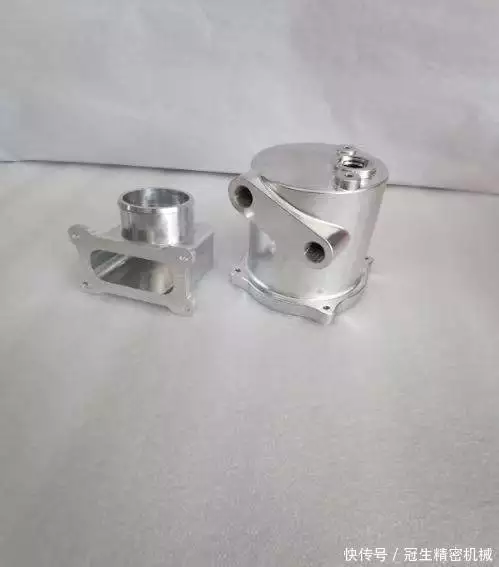
    One of the most troublesome problems in CNC machining is overcutting. If it is done lightly, the workpiece will be scrapped. If the situation is serious, the machine tool will be damaged. Looking into the reasons, the tool strength is not sufficient, the operation is inappropriate, the cutting allowance is not uniform, and the parameter settings are unreasonable. These will cause the tool to deviate from the preset trajectory and cut off places that should not be cut. To solve this common quality problem in CNC machining , we must first start with tool selection and follow the principle of "can be big but not small, can be short but not long", and at the same time, ensure that the allowance is evenly distributed.

    Secondly, the cutting parameters must be adjusted appropriately. For corners with large margins, rounding can be used to prevent the tool from generating excessive cutting force here. Adding a corner cleaning program is also an effective method, which can promote the tool to process more accurately.

    Common misunderstandings in split operations
    CNC加工分中问题 故障原因 改善方法_CNC加工工件过切 故障原因 改善方法_CNC加工中常见的质量问题

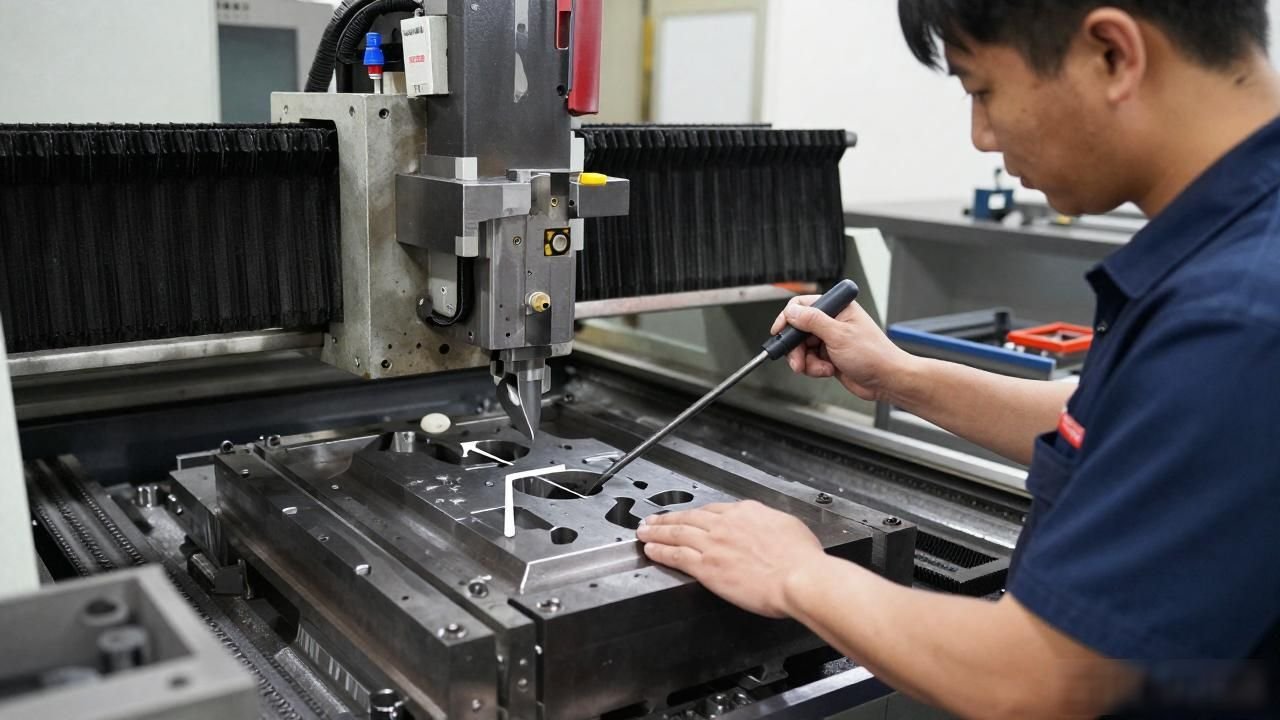
    Tool setting is a basic operation in CNC machining. If the tool setting is inaccurate, it will cause positional deviations in the entire workpiece. Common causes of this situation include: operator errors during operation, there are burrs around the mold , the tool bar is magnetic, the four sides of the mold are not vertical , etc. To solve these problems, we must start from many different aspects. During manual operation, we must check repeatedly to ensure that the tool setting is at the same point and at the same height.

    Use a whetstone or file to remove the burrs around the mold, then wipe it clean with a rag, and finally confirm it by hand. Before centering, the centering rod must be demagnetized, and a calibration meter must be used to check whether the four sides of the mold are in a vertical state. These detailed operations may seem simple, but they are the key to ensuring machining accuracy.

    Factors affecting tool setting accuracy

    The accuracy of tool alignment will directly affect the quality of machining. Faults that occur in CNC machining and how to improve them. Common related problems include inaccuracies when operators operate manually, errors when clamping the tool, errors in the blade on the flying knife, and errors between the R knife, the flat bottom knife and the flying knife. To avoid these problems, check repeatedly during manual operation and set the tool at the same precise point as much as possible. When clamping the tool, blow it clean with an air gun or wipe it very clean with a rag to ensure that the clamping surface is in a clean state.

    When installing the blade onto the flying knife, the tool holder needs to be measured. In the operation phase of the smooth bottom surface, a single blade can be used for the operation. It is recommended to develop a separate tool setting program, which can prevent errors between R knives, flat knives and flying knives, thereby improving the accuracy and consistency of tool setting.

    The risk of collision in programming
    CNC加工中常见的质量问题_CNC加工工件过切 故障原因 改善方法_CNC加工分中问题 故障原因 改善方法

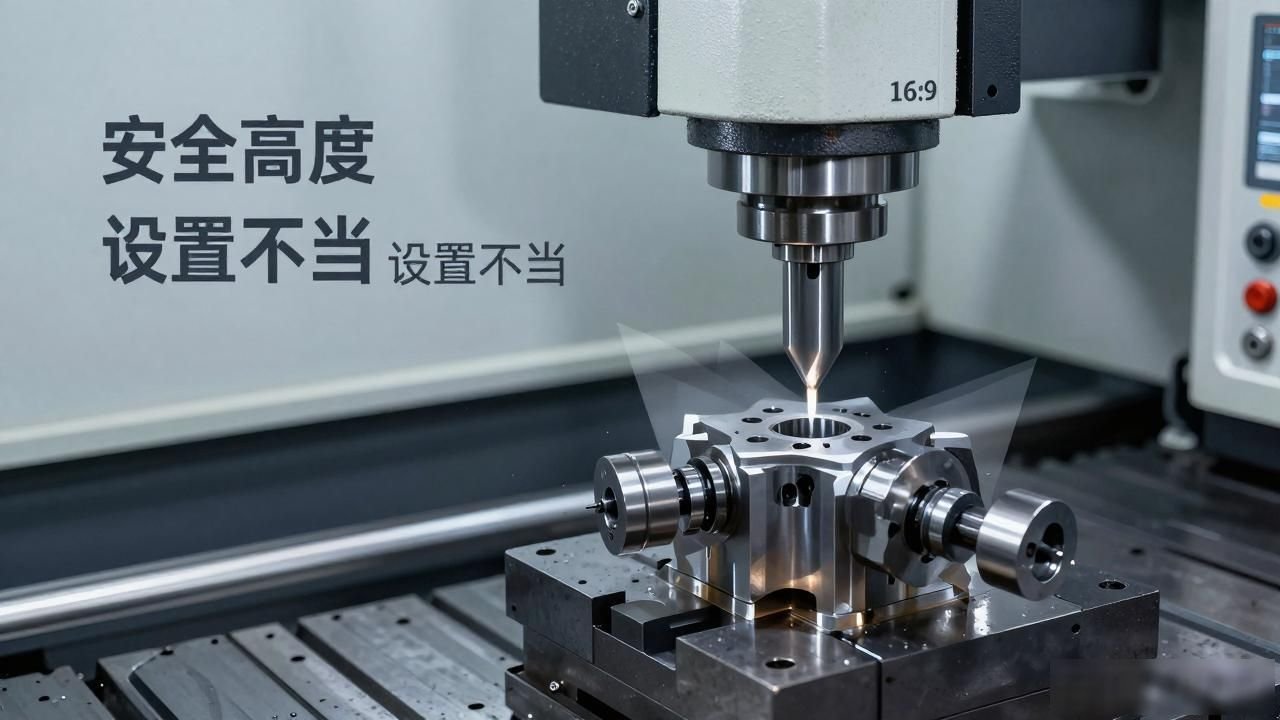
    The key cause of machine collisions is errors in the programming process. The safety height is set improperly or is not set at all. As a result, the tool or chuck can easily hit the workpiece during rapid feed. The tool in the program list is inconsistent with the actual program tool, the tool length and blade length are written incorrectly, and the depth Z-axis is wrongly taken. These can cause serious accidents. Errors in coordinate setting during programming are also common problems, and must be paid attention to.

    To avoid such problematic situations, the height of the workpiece must be accurately measured to ensure that the safe height is above the workpiece. The tools in the program list must remain the same as the actual program tools. Try to automatically generate the program list or use pictures to generate the program list. To measure the actual depth of processing on the workpiece, clearly indicate the length of the tool and the blade length on the program sheet. Usually the tool holder length is 2 to 3 mm higher than the workpiece, and the blade length is 0.5 to 1.0 mm.

    Collision caused by operator error

    Important causes of machine collisions include operator errors, errors in depth Z-axis tool setting, errors in the number of hits and operations, using the wrong tool, errors in program operation, wrong direction of the handwheel during manual operation, and wrong direction during manual rapid feed.

  • ①It Should Be Able To Ensure The Accuracy And Precision Of The Workpiece Being Processed.

    ①It Should Be Able To Ensure The Accuracy And Precision Of The Workpiece Being Processed.

    ①It should be able to ensure the accuracy and precision of the workpiece being processed.

    CNC machining accuracy can reach 0.01 mm. However, many factories choose the wrong service provider, which leads to batch scrapping and ultimately heavy losses.

    What is CNC machining

    CNC, which is abbreviated from Computer Numerical Control, is called computer numerical control in Chinese. It uses pre-written programs, usually using G code language, to control the operation of machine tools.

    G code is a CNC programming language with international universal characteristics. It will tell the machine tool which coordinate position it should move towards, at what speed it should move, and what the spindle speed is. This system can completely automate the machining process and does not require manual intervention.

    The core advantages of CNC machining

    Compared with traditional manual processing, the biggest advantages of CNC processing are accuracy and consistency. The tolerance of a part processed by a high-performance CNC machine tool can be controlled within 0.01 mm.

    CNC加工服务_数控加工G代码_数控铣数控车

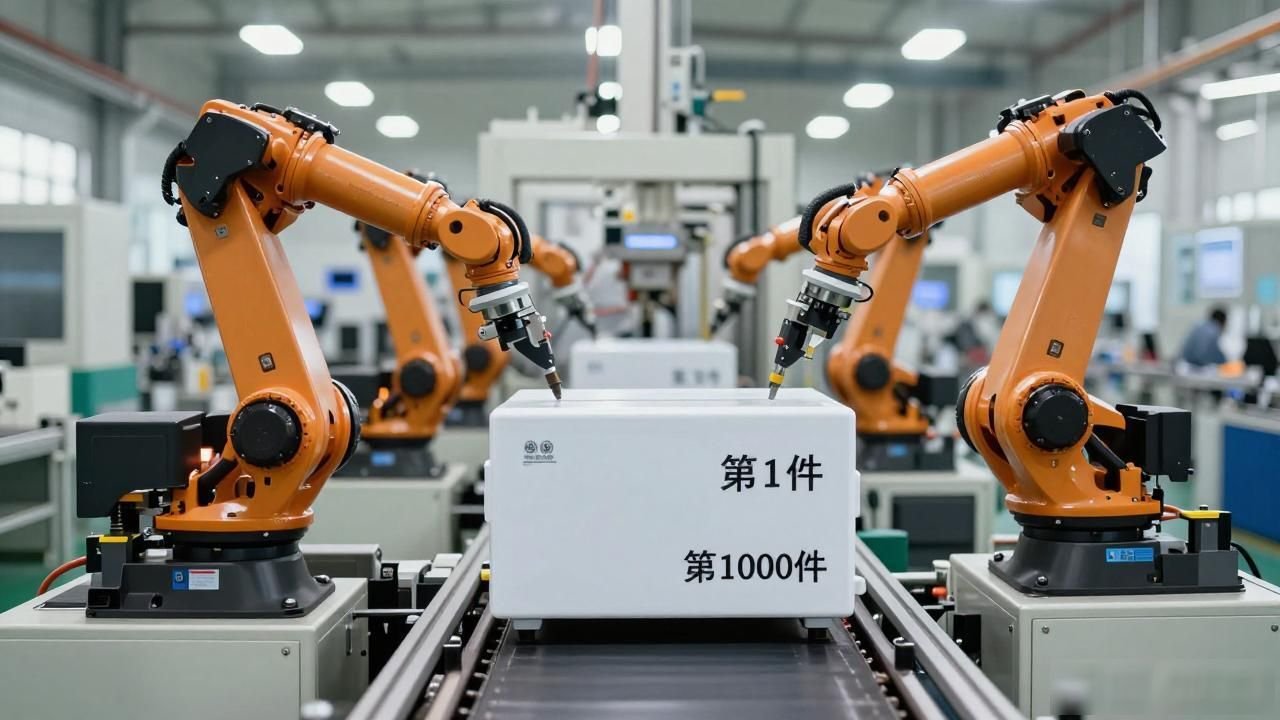
    More importantly, the first product is almost exactly the same as the thousandth product. This kind of repeatability is difficult to achieve by manual processing. This advantage is particularly significant when conducting large-scale production.

    Common CNC machining methods

    In machine shops, the three most common CNC machining methods are CNC milling, CNC turning and wire EDM. CNC milling is suitable for processing planes, slots, holes and other structures, while CNC turning predominantly focuses on rotary parts.

    Wire-cut EDM is good at processing hard materials and complex contours, such as molds and precision parts, all within its processing scope. These three methods cover most of the machining needs.

    How to choose a CNC processing service provider

    When choosing a CNC processing service provider, the first thing is to check its equipment configuration and processing capabilities. There is a situation where a five-axis linkage machining center can process complex curved surfaces, but a three-axis machine tool can only handle relatively simple structures.

    Secondly, we need to examine the quality control system, which covers testing equipment, testing processes, and quality control personnel. It has a good quality management system to ensure that every batch of products meets the standards.

    Cost structure of CNC machining

    数控铣数控车_数控加工G代码_CNC加工服务

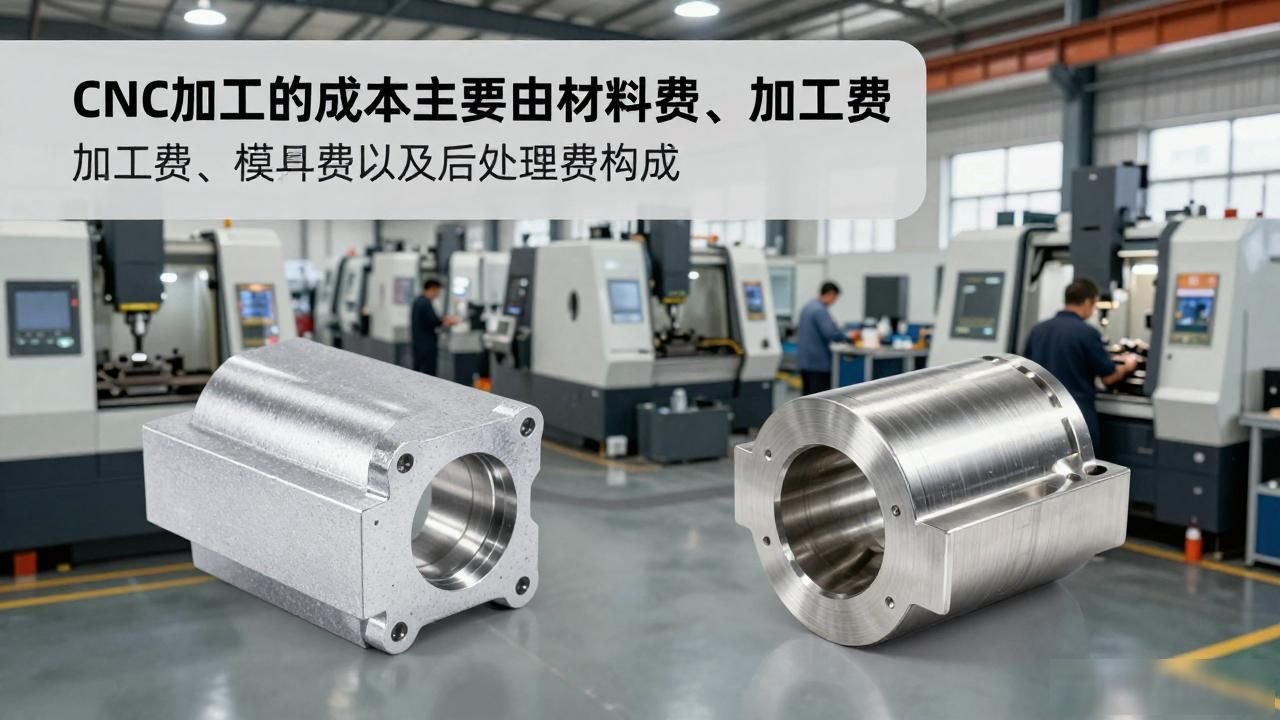
    The cost of CNC processing is mainly composed of material fees, processing fees, mold fees and post-processing fees. Among them, the material fee is determined based on the size of the part and the type of material. There is a big difference in price between aluminum alloy and stainless steel.

    The processing fee is related to the processing difficulty and working hours. Complex structures contain more processes and the working hours are longer. Knowing the cost components assists in budget control.

    Application areas of CNC machining

    High precision and high reliability are the characteristics required for aerospace parts. CNC machining can meet such stringent requirements and is widely used in aerospace, automobile manufacturing, medical equipment, electronic communications and other fields.

    This is also the case in the field of medical devices. Precision parts such as implants must be processed according to CNC to reach standard levels. With the continuous advancement of technology, the scope of CNC machining applications continues to expand.

    For you, what kind of difficulties have you encountered when choosing CNC machining services ? You are welcome to discuss and share your personal experiences in the comment area.

  • Can Precision Parts Processing Be Used To Process Tiny Parts?

    Can Precision Parts Processing Be Used To Process Tiny Parts?

    Can precision parts processing be used to process tiny parts?

    How small can precision machining be?

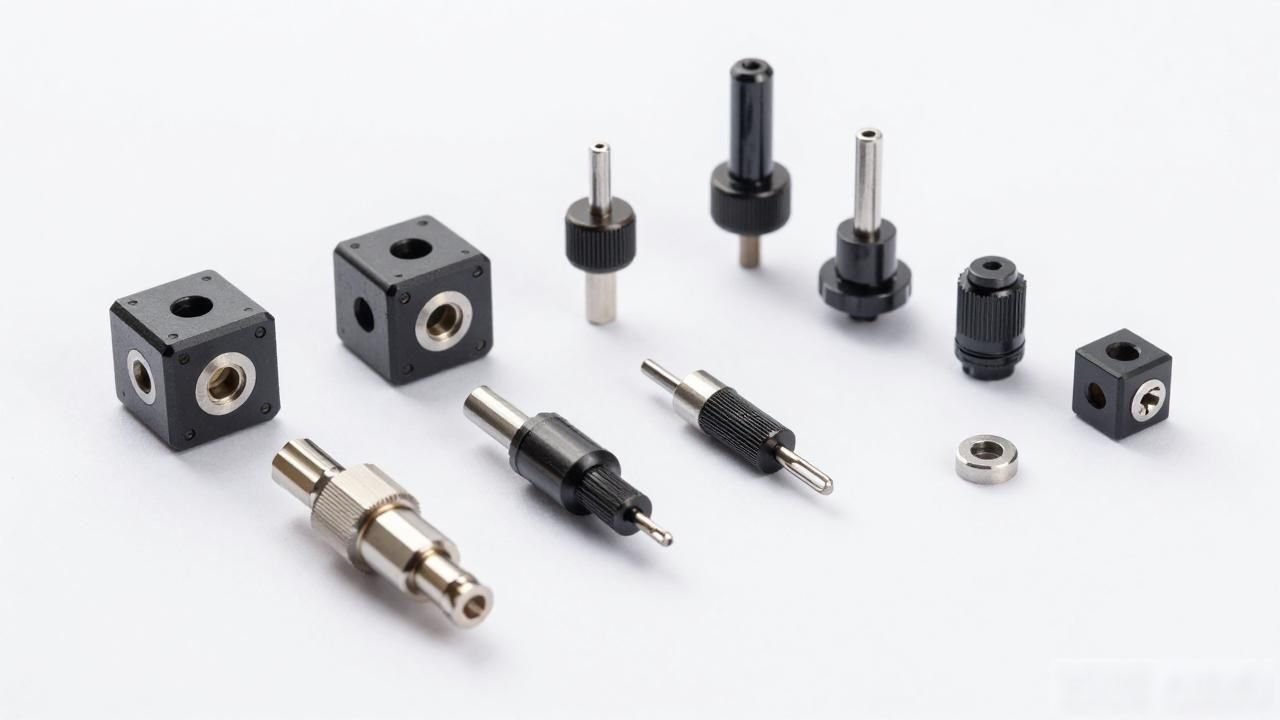
    Precision parts processing uses high-precision equipment and technology to precisely process metals or non-metals to produce parts that meet size and tolerance requirements. Parts on the millimeter level or smaller are generally called micro parts.

    In the field of electronics, such parts are widely used. In the field of communication, such parts are also widely used. In fields such as medical treatment, such parts are also widely used. With the continuous development of science and technology, the demand for tiny parts has been increasing year by year, and precision processing companies have to face such a challenge.

    Equipment and technical requirements

    Only high-tech equipment and skilled technology can process tiny parts. The company has an integrated platform that integrates design, manufacturing, development, and production, and has a technical team with many years of production experience.

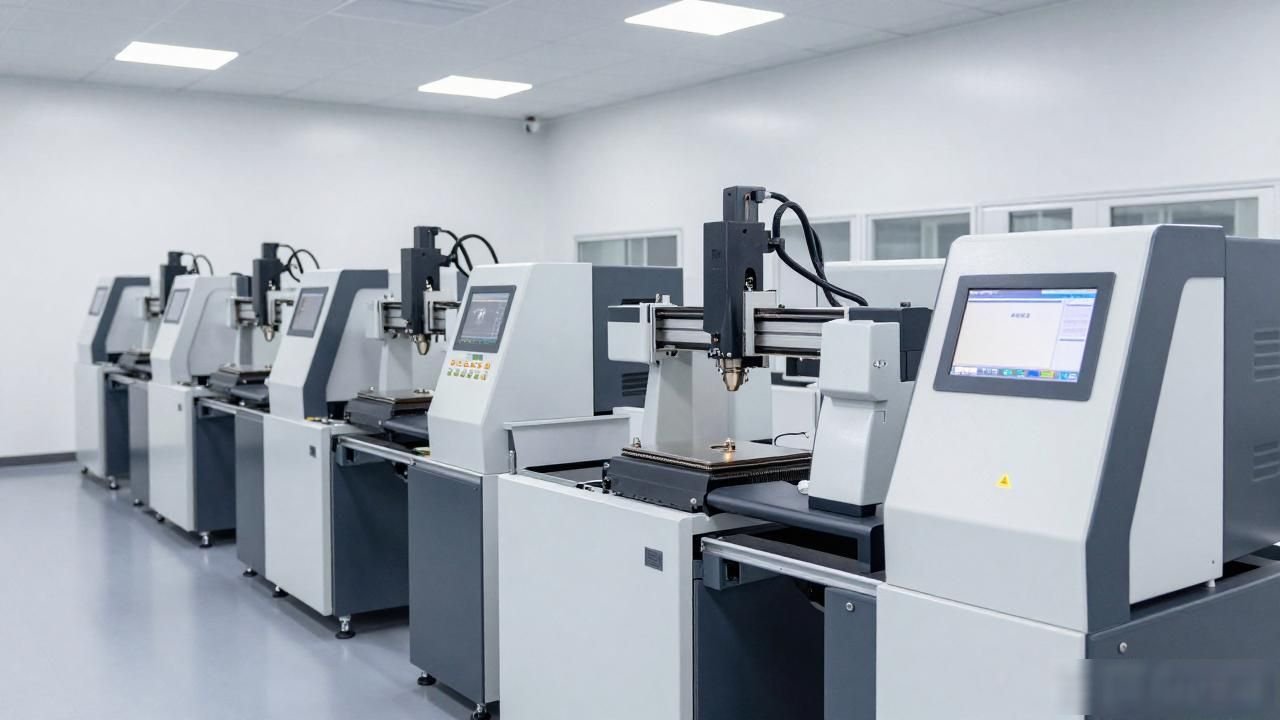
    The processing of tiny parts often uses high-precision CNC machine tools, laser cutting machines, and micron-level processing equipment. These equipment can achieve high-precision and high-efficiency processing to ensure the accuracy of part dimensions. Equipment maintenance and debugging are also very important.

    The particularity of the processing technology

    微小零件加工技术要求_精密零件加工微小零件加工_微小零件加工工艺研究

    The technology used in machining tiny parts is different from ordinary precision machining. In order to ensure quality, advanced technologies such as electric discharge machining and ultrasonic machining are often used.

    微小零件加工工艺研究_精密零件加工微小零件加工_微小零件加工技术要求

    These processes can achieve high-precision processing without causing damage to the material. From the selection of raw materials, to the monitoring of the processing process, to the final inspection of the finished product, every link needs to be strictly controlled without slacking off on any detail.

    微小零件加工工艺研究_微小零件加工技术要求_精密零件加工微小零件加工

    Quality management system

    精密零件加工微小零件加工_微小零件加工工艺研究_微小零件加工技术要求

    To ensure the quality of tiny parts, the key is to establish a complete quality management system. From the time raw materials enter the warehouse to the time the finished product leaves the warehouse, the entire process is traceable.

    Every product must undergo rigorous testing before leaving the factory to ensure that dimensions, tolerances and surface quality all meet standards. Customers can customize testing standards according to their needs.

    精密零件加工微小零件加工_微小零件加工技术要求_微小零件加工工艺研究

    Wide range of applications

    微小零件加工工艺研究_微小零件加工技术要求_精密零件加工微小零件加工

    Micro connectors, switches and other parts are required by the electronics industry. These parts have a direct impact on equipment performance. Many key components in medical devices are very small in size and require particularly high precision.

    In the field of security accessories, a large number of tiny parts are used, the same is true in the field of auto parts, and the same is true in communication accessories and other fields. The company can provide single-piece processing services, and the company can also provide small-batch processing services to meet individual needs.

    future development direction

    New materials are constantly emerging, new technologies are constantly emerging, and the processing technology of tiny parts will continue to be upgraded. Higher precision will become possible, and more complex structures will also become possible.

    As market competition becomes more and more intense, companies must achieve the goal of continuously improving technical standards and service quality. By optimizing production processes, they can reduce production costs and provide customers with services that are more in line with high-quality requirements.

    The processing of small parts is absolutely possible. The key point lies in the relevant technology and supporting equipment. Has your company ever encountered the demand for processing small parts? I look forward to sharing your experience in the comment area.

  • Titanium Alloy Dagger

    Titanium Alloy Dagger

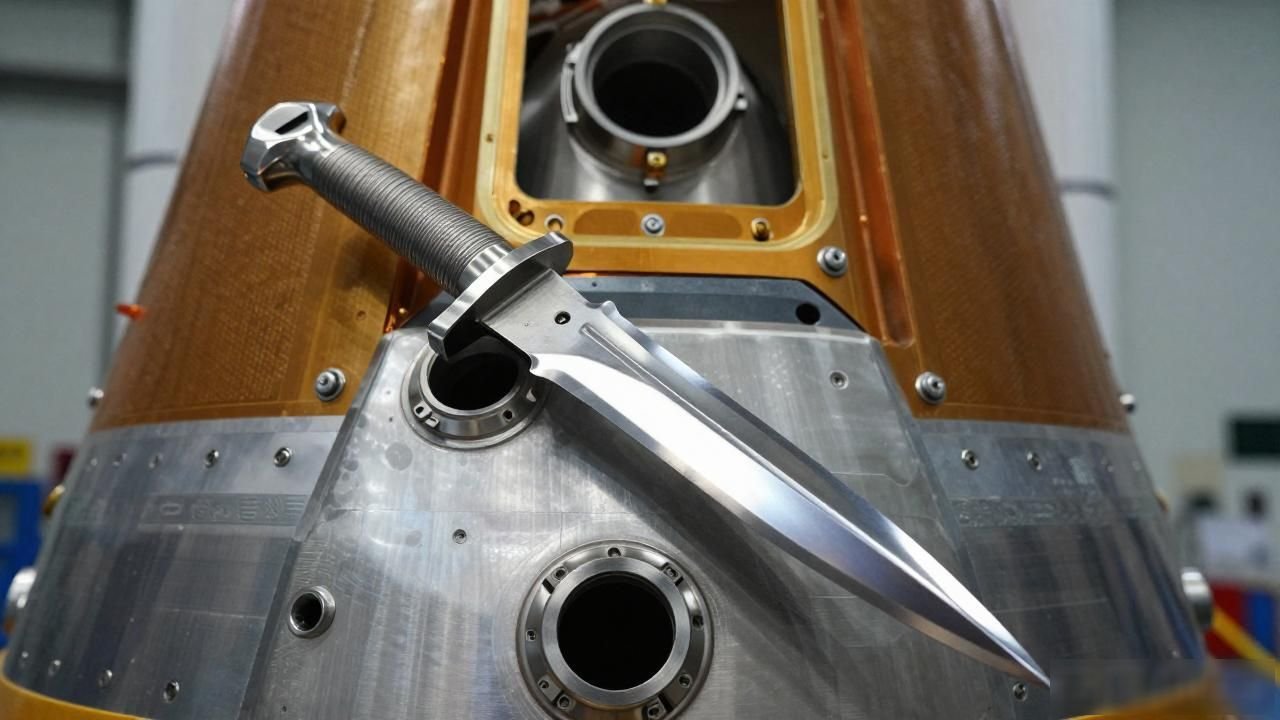
    Titanium alloy dagger

    Basic properties of titanium alloys

    Titanium alloy is a structural material with excellent properties. Its specific gravity and strength are between aluminum and steel. Compared with aluminum and steel, titanium alloy is stronger and has outstanding seawater corrosion resistance and ultra-low temperature performance. Because of these characteristics, titanium alloy is very popular in the aerospace field.

    Titanium alloys with high specific strength can withstand greater loads at the same weight; they can maintain stable mechanical properties in high and low temperature environments without significant strength attenuation; these characteristics make titanium alloys ideal for manufacturing high-performance aircraft structures.

    The development history of titanium alloys in military aircraft

    In 1950, the United States applied titanium alloy to the F-84 fighter-bomber for the first time. At that time, it was mainly used in non-stress-bearing components such as the rear fuselage heat shield, wind deflector and tail cover. By the 1960s, the application scope of titanium alloys extended from the rear fuselage to the middle fuselage, and began to replace structural steel to a certain extent to manufacture important load-bearing components such as bulkheads, beams, and flap slide rails.

    As the technology matures, the use of titanium alloys in military aircraft has increased dramatically, and eventually reached a ratio of 20% to 25% of the weight of the aircraft structure. This proportion is gradually increasing, reflecting the obvious advantages of titanium alloy in improving aircraft performance and reducing weight.

    钛合金军用飞机用量_钛合金加工行业标准_钛合金在航空航天应用

    Titanium alloy applications for high-speed aircraft

    When the aircraft Mach number is greater than 2.5, titanium alloys are mainly used to replace steel to reduce structural weight. The American SR-71 high-altitude and high-speed reconnaissance aircraft is a typical representative. Its flight Mach number is up to 3 and its flight altitude is 26,212 meters. Titanium alloy accounts for 93% of the aircraft's structural weight. It is called an "all-titanium" aircraft.

    During high-speed flight, the temperature of the surface of the aircraft body will rise sharply, and the strength of aluminum alloy will drop significantly under high temperature conditions. Titanium alloy processing industry standard Titanium alloy processing industry standard titanium alloy daggers. However, titanium alloy can still maintain good mechanical properties in a high temperature environment of 500 to 600 degrees Celsius, which makes it the first choice for high-speed aircraft structural materials.

    Application of titanium alloys in aeroengines

    When the thrust-to-weight ratio of an aeroengine increases from about 4 to 6 to a value of 8 to 10, the temperature at the compressor outlet increases from about 200 to 300 degrees Celsius to about 500 to 600 degrees Celsius. Within this temperature range, low-pressure compressor disks and blades originally made of aluminum must be replaced by titanium alloys, or titanium alloys may be used instead of stainless steel to make high-pressure compressor disks and blades.

    In the 1970s, the amount of titanium alloy used in aeroengines was usually in the range of 20% to 30% of the total weight of the structure. These titanium alloys are mainly used to manufacture compressor-related components, including forged titanium fans, compressor discs, blades, as well as cast titanium compressor casings, intermediate casings and bearing housings and other important parts.

    Application of titanium alloys in spacecraft

    钛合金军用飞机用量_钛合金在航空航天应用_钛合金加工行业标准

    When spacecraft manufacture various pressure vessels, fuel tanks, fasteners, instrument straps, frames and rocket casings, they will focus on the high specific strength properties of titanium alloys, as well as corrosion resistance and low temperature resistance. These components need to maintain structural stability in extreme environments, and the properties of titanium alloys can exactly meet this requirement.

    Artificially manufactured earth satellites, lunar landing modules, manned spacecraft, and even space shuttles all use parts welded from titanium alloy plates. The process of titanium alloy welding is already mature. It can create large structural parts with fine and complex shapes. At the same time, it can also ensure that the welded joints have sufficient strength and good sealing. This meets the dual requirements of the spacecraft for lightweighting and high reliability.

    Industry standards for titanium alloy processing

    When processing titanium alloys, strict standards must be followed to regulate titanium alloy processing industry standards , which cover material composition control, mechanical property testing, non-destructive testing and welding process evaluation. These standards ensure the safety and reliability of titanium alloy components in aerospace applications.

    Titanium alloy parts for different uses have different standard requirements. Among them, military aircraft and spacecraft have stricter material requirements. The establishment and improvement of titanium alloy processing industry standards have promoted the wide application of titanium alloys in the aerospace field, and also provided a strong guarantee for product quality.

    Just imagine, can titanium alloys completely replace traditional metal materials in the future and become the main material in the aerospace field? Feel free to share your views in the comment area. If you think this article is helpful to you, don’t forget to like and share!

  • What Materials Are Nickel-based Alloy Forgings Made Of? You Will Understand After Reading This [Latest Update]

    What Materials Are Nickel-based Alloy Forgings Made Of? You Will Understand After Reading This [Latest Update]

    What materials are nickel-based alloy forgings made of? You will understand after reading this [Latest update]

    Iron-based alloy forgings are key materials in medical devices. They are resistant to high temperatures, corrosion, and can withstand high strength. Many people do not know that titanium alloy processing medical device cases , surgical instruments, implants, and imaging equipment are all closely related to it. Today, we are going to explain nickel-based alloy forgings clearly and see what capabilities they have.

    What exactly is a nickel-based alloy?

    Nickel-based alloys, whose main component is nickel, also add elements such as chromium, molybdenum, and cobalt to form metallic materials. The melting point of nickel is as high as 1455 degrees Celsius, and it has good high temperature stability. After adding chromium, a dense chromium oxide protective layer will be formed on the alloy surface, greatly improving the corrosion resistance. The addition of molybdenum and cobalt further enhances the strength of the material at high temperatures, allowing the nickel-based alloy to maintain structural stability in extreme environments.

    This alloy also has good plasticity and can be used for many processes such as forging, rolling and welding. During forging, the grains inside the metal are refined, the structure evolves to become more uniform and dense, and the mechanical properties increase accordingly. Nickel-based alloy forgings use the forging process to process alloy blanks into parts of specific shapes and sizes. They are widely used in aerospace, petrochemical, nuclear energy, medical equipment and other fields.

    How complex is the forging process?

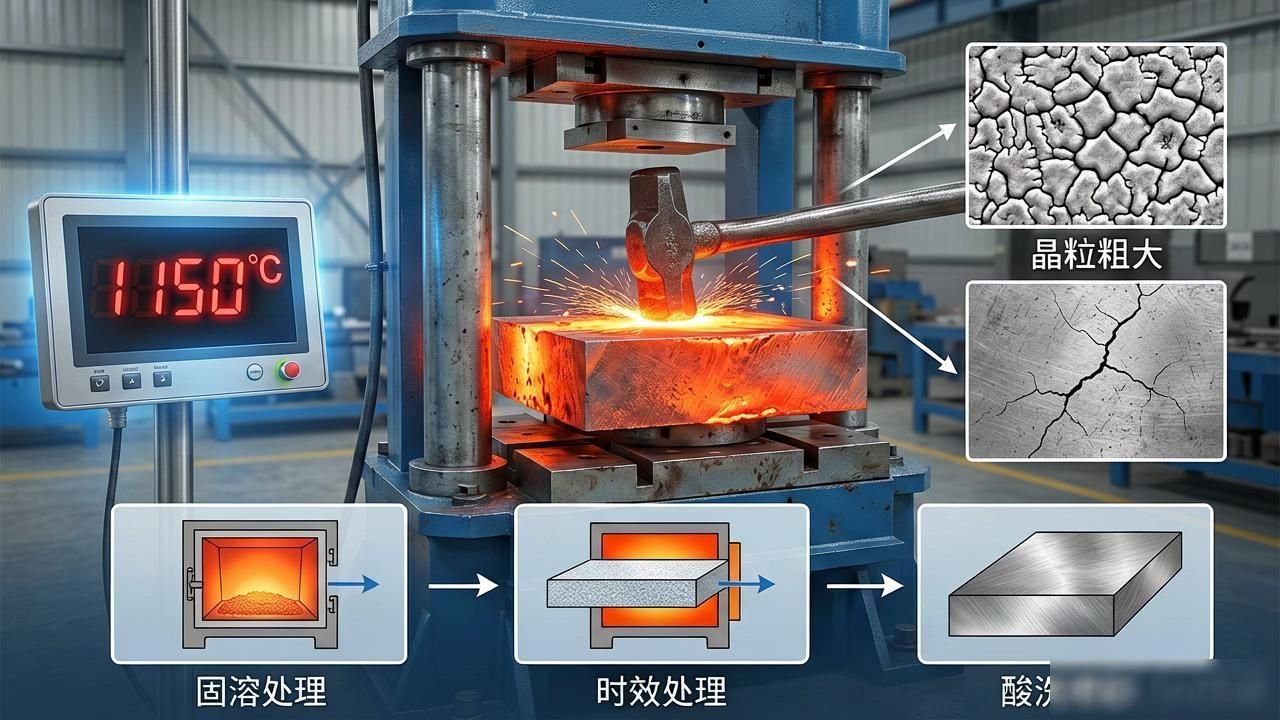
    The process of manufacturing nickel-based alloy forgings is extremely rigorous. There are many steps from selecting materials to finished products. First, choose the appropriate alloy grade according to the usage environment, such as Inconel718, Hastelloy C-276, etc. Preparing the blank can be achieved by smelting and casting or powder metallurgy. Powder metallurgy can obtain a more uniform microstructure. In the future, we will delve into the forging process. The hot forging temperature is usually in the range of 1000 to 1200 degrees Celsius. Warm forging and cold forging are suitable for parts with higher precision requirements.

    镍基合金锻件是什么材料_钛合金加工医疗器械案例_镍基合金锻件制造工艺

    For the forging process, the control of temperature and pressure is crucial. If the temperature is too high, the grains will become coarse. If the temperature is too low, cracks will easily occur. After forging is completed, heat treatment must be carried out. Common ones include solid solution treatment and aging treatment. The purpose is to further optimize the mechanical properties of the material. Surface preparation must not be ignored either. Pickling, sandblasting or coating treatments can effectively improve the corrosion resistance and surface quality of forgings.

    Why are the three major advantages irreplaceable?

    Nickel-based alloy forgings can occupy an important position in the field of medical devices, and their core lies in three major performance advantages. First, it is resistant to high temperatures. Many medical devices need to be used repeatedly in high-temperature sterilization environments. Nickel-based alloys can still maintain strength above 600 degrees Celsius without creep deformation. Secondly, for corrosion resistance, medical devices often come into contact with human body fluids, disinfectants or chemical reagents. Nickel-based alloys perform well in strong acid and alkali environments and are not prone to pitting corrosion and stress corrosion cracking.

    Third, there is high strength and high toughness. Implants in medical devices have to withstand the complex mechanical environment of the human body. Nickel-based alloy forgings can maintain the integrity of the structure under long-term alternating loads. Taking artificial joints as an example of titanium alloy processing medical devices , both titanium alloy and nickel-based alloy forgings can pass tens of millions of fatigue cycles in simulated human activity tests, but nickel-based alloys perform more stably under high-temperature conditions. These properties have made nickel-based alloy forgings the preferred material for high-end medical devices.

    What are the applications in the field of medical devices?

    In the field of medical devices, nickel-based alloy forgings are widely used, and surgical instruments are part of them. Tools such as bone drills, bone saws, and intramedullary nails used in orthopedic surgeries are required to remain sharp and strong after high-temperature and high-pressure sterilization. Nickel-based alloy forgings can fully meet these needs. There are also a large number of applications in the field of implants. Pacemaker shells, vascular stent connectors, dental implants and other components are all made of nickel-based alloy forgings.

    Key components in imaging equipment are also indispensable. Nickel-based alloys are also indispensable. CT machines have tube brackets, which must work stably in strong magnetic fields and high temperature environments. MRI equipment has magnet structural parts. Nickel-based alloys have non-magnetic and high-temperature resistance properties, which exactly meet these needs. In addition, ventilator valves, anesthesia machine joints, extracorporeal circulation pipeline connectors and other medical equipment are widely used in nickel-based alloy forgings and titanium alloy processing medical device cases to ensure safety and reliability in human contact environments.

    What are the difficulties in processing technology?

    钛合金加工医疗器械案例_镍基合金锻件制造工艺_镍基合金锻件是什么材料

    Processing nickel-based alloy forgings is not an easy task. The main difficulty lies in the characteristics of the material itself. Nickel-based alloys have high hardness and poor thermal conductivity. They are prone to high temperatures during cutting, causing rapid tool wear. Special tool materials and cooling methods must be used during processing, such as cubic boron nitride tools or cryogenic cooling technology. The deformation resistance during forging is also extremely high, and large-tonnage forging equipment is required to complete the forming.

    Another technical difficulty is surface treatment. An oxide layer is easy to form on the surface of nickel-based alloys, which will interfere with subsequent processing and welding quality. During pretreatment, pickling or plasma cleaning must be used to remove the oxide layer. Improper operation will cause damage to the base material. Medical devices have extremely high requirements for surface finish and biocompatibility. Any scratches or residues may lead to the risk of infection, so the surface treatment process must be strictly controlled.

    What are the future development trends?

    As medical technology advances, nickel-based alloy forgings encounter new opportunities and challenges. First, the development of minimally invasive surgery and robotic surgery will put forward more sophisticated requirements for instruments, and the dimensional accuracy and surface quality of forgings will need to be further improved. Second, the rise of personalized medicine has promoted small-batch customized production and made the forging process more flexible to adapt to the needs of different patients.

    The research and development of new materials has been continuously promoted, and new nickel-based alloys continue to emerge, with increasingly better properties. The application of intelligent manufacturing technology will improve production efficiency and product consistency, and also reduce production costs. At the same time, environmental protection requirements are becoming increasingly stringent, and green forging processes and the use of recyclable materials will become the direction in which the industry is developing. Nickel-based alloy forgings will play an increasingly important role in the field of medical devices.

    Nickel-based alloy forgings in the category of high-performance materials are promoting the technological upgrading of the medical device industry. What other questions do you have about the application of nickel-based alloy forgings in medical devices? If you find it useful, don’t forget to like and share it. Welcome to leave a message in the comment area for exchange!

  • [Love Science] I Know Gold, Silver, Copper, Iron And Other Metals, But This Is The First Time I Heard About Titanium. What Kind Of Metal Is It?

    [Love Science] I Know Gold, Silver, Copper, Iron And Other Metals, But This Is The First Time I Heard About Titanium. What Kind Of Metal Is It?

    [Love Science] I know gold, silver, copper, iron and other metals, but this is the first time I heard about titanium. [Love Science] I know gold, silver, copper, iron and other metals, but this is the first time I heard about titanium. What kind of metal is it? , what kind of metal is it?

    Do you know that titanium is lighter than steel and stronger than aluminum. It is an indispensable material in the aerospace field. However, many people only have a little understanding of the processing standards of titanium alloys. Today we are going to fully understand it.

    What kind of metal is titanium?

    The silvery white material is pure titanium, with a melting point as high as 1668 degrees Celsius. Its density is only 57% of steel, but its strength and hardness are close to steel. It is this unique combination that makes titanium an ideal choice as a lightweight structural material.

    Compared with aluminum, titanium is slightly denser, but its mechanical strength is significantly better than aluminum. It has high strength like steel and light weight like aluminum, plus good plasticity, heat resistance and corrosion resistance. The combined performance is extremely outstanding.

    钛的发现历史_钛的特性和应用_钛合金加工行业标准

    The discovery of titanium

    In 1795, a German chemist, Klaplot, discovered a new element in red ore. He used the name of the Titans in Greek mythology and named it titanium, which was also translated as titanium in Chinese. However, what was obtained at that time was actually titanium dioxide in powder form , not titanium metal itself.

    钛的特性和应用_钛的发现历史_钛合金加工行业标准

    It was not until 1910 that Hunter, an American chemist, successfully produced titanium metal with a purity as high as 99.9% for the first time, but the total amount was less than 1 gram. From the discovery of titanium to the successful preparation of titanium metal, the entire process took 115 years, which clearly shows how difficult it is to refine it.

    Titanium’s wide range of applications

    Since the 1950s, titanium has been widely used in aerospace fields such as aircraft, rockets, missiles, and ships due to its excellent performance. Titanium dioxide, as a substance of titanium oxide, is an important white pigment. It is a relationship between substance and category. 1 gram of titanium dioxide can paint a wall of 450 square centimeters white. It is a relationship between quantity and effect.

    Barium titanate has such an effect, that is, the piezoelectric effect, which produces an electric current when it is subjected to pressure, and its shape changes when it is energized. Ocean detectors made with this characteristic can detect underwater fish schools, reefs, and submarines. Experts predict that titanium will become the third largest metal after copper and iron.

    Memory effect of nickel titanium alloy

    In 1961, researchers in the United States accidentally discovered that straightened nickel-titanium alloy wires would return to their original curved shape after being exposed to heat. This phenomenon is called the shape memory effect, which means that the alloy can remember and return to its original shape.

    The shape memory effect of nickel-titanium alloys, which has important applications in aerospace, automobiles, integrated circuits and medical fields, can be reused. This discovery has subverted people's understanding of metals and proved that metals can have memory functions.

    The importance of titanium alloy processing standards

    钛的特性和应用_钛合金加工行业标准_钛的发现历史

    钛的特性和应用_钛合金加工行业标准_钛的发现历史

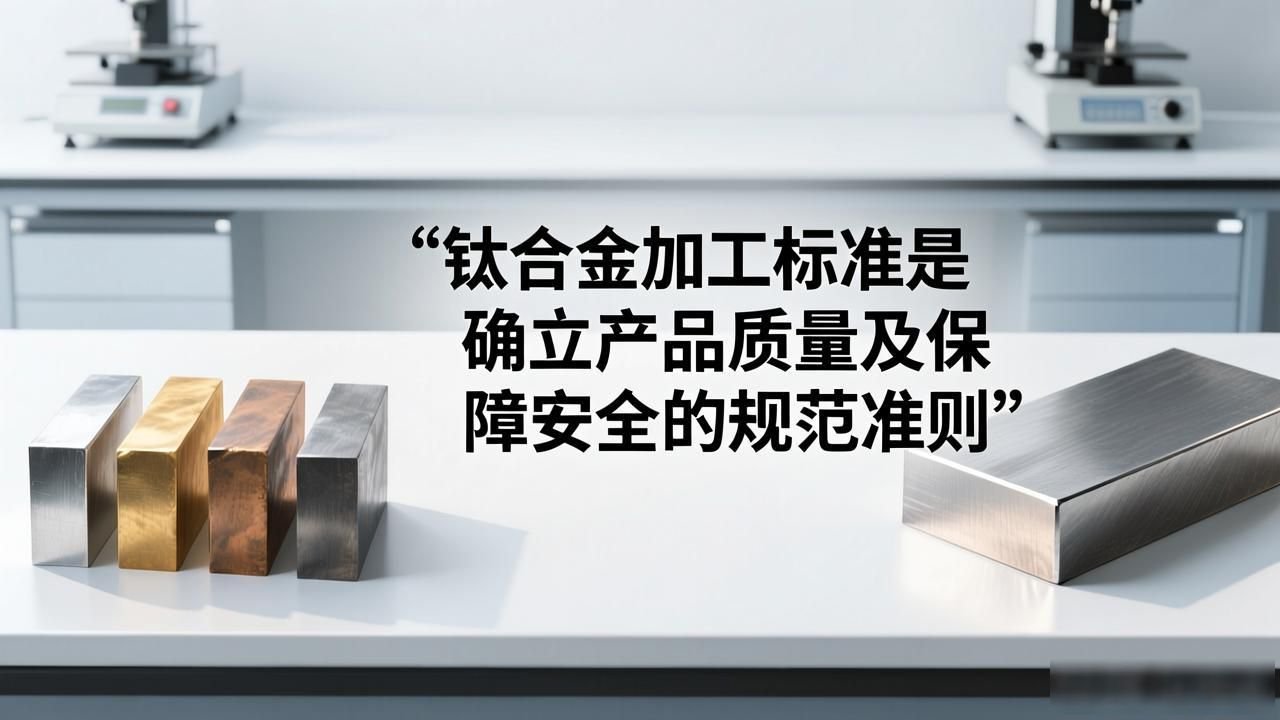
    Titanium alloy processing standards are established norms and principles that are followed to establish product quality and ensure safety. In different application scenarios, there are different requirements in terms of strength, corrosion resistance, dimensional accuracy and many other indicators of titanium alloys. The processing standards provide clear technical basis for these situations.

    Strictly implementing the standards set by the titanium alloy processing industry can effectively control quality fluctuations during the production process, thereby reducing the defect rate of products. In a high-risk field like aerospace, the implementation of standards is directly related to the safety and reliability of equipment. period.

    Current status of titanium alloy processing industry

    Nowadays, both domestic and foreign countries have established a relatively complete titanium alloy processing standard system, which covers raw material inspection, processing technology, quality inspection and many other links. Domestically, it is mainly implemented in accordance with the GB/T series of standards, while internationally, standards such as ASTM and ISO can be used for reference.

    As the application fields of titanium alloys continue to expand, their processing standards are also continuously updated and improved. Enterprises should pay close attention to the dynamics of standards and promptly update production processes and quality control systems to adapt to new requirements put forward by industry development.

    If you have any other questions about titanium alloy processing standards, please leave a message in the comment area to participate in the discussion . If you feel that this article is helpful to you, don’t forget to like and share it!

  • Titanium Materials Are Used In The Chemical And Petrochemical Industries, Including

    Titanium Materials Are Used In The Chemical And Petrochemical Industries, Including

    Titanium materials are used in the chemical and petrochemical industries, including

    Titanium alloy storage has to pay attention to the application of titanium materials in the chemical and petrochemical industries. If the environment is not good, the performance will be completely ruined.

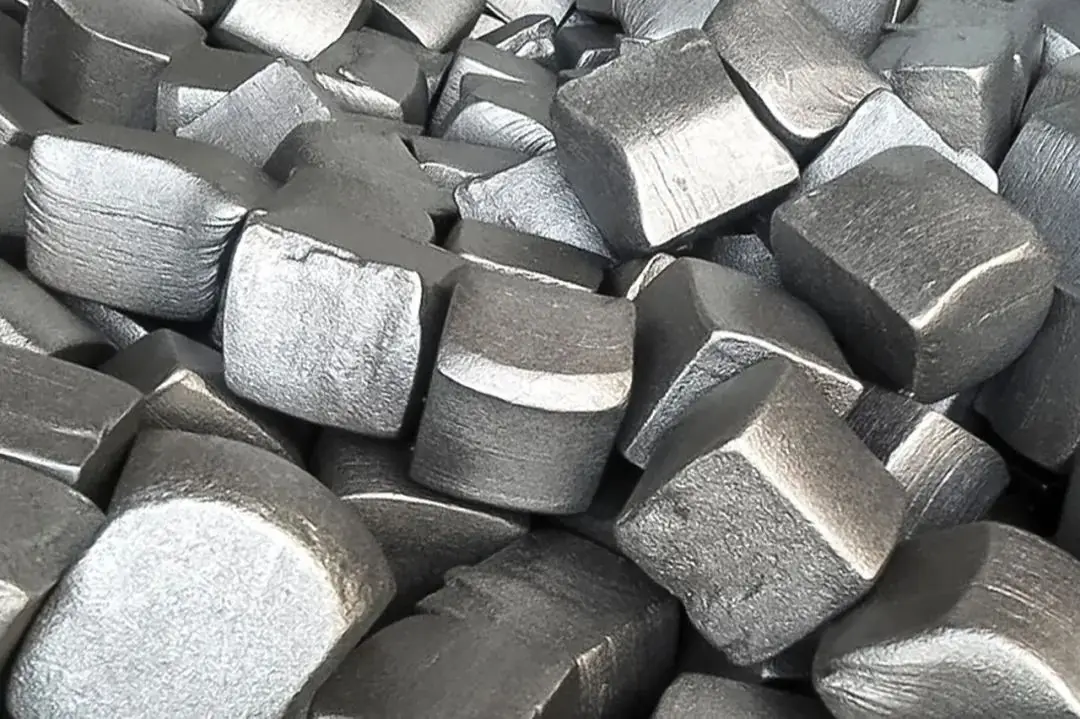
    It is a relatively stable metal titanium. It is indeed not prone to chemical reactions under normal circumstances. However, many companies ignore the importance of storage, resulting in materials being damaged before they are put into storage.

    Correct storage methods that maintain the original properties of titanium metal can avoid oxidation and corrosion caused by environmental factors. This situation has a direct impact on the quality and yield of subsequent processing.

    Control ambient humidity to prevent oxidation

    Titanium metal exposed to sunlight for a long time or to ultraviolet rays is prone to oxidation reactions. Therefore, try to avoid direct sunlight or ultraviolet rays to maintain the gloss and quality of its surface.

    A relatively appropriate approach is to place the titanium metal in an environment with a relative humidity lower than 50%. This can effectively reduce the risk of oxidation. If the humidity is too high, it will cause spots or discoloration on the surface, which will affect the appearance and subsequent processing.

    Avoid contact with other metals

    Titanium metal, when in contact with some metals, is prone to electrochemical reactions, which can lead to corrosion. Therefore, you should avoid dealing with other metals, especially in humid environments.

    Due to the potential difference between different metals, the corrosion process will be accelerated. This corrosion often starts from the contact area and spreads, eventually making the entire batch of materials become scrapped. Therefore, isolation measures must be taken during storage.

    Fire protection, heat protection and safety

    To ensure the safety of titanium metal storage, it is necessary to follow the basic principle of keeping away from fire and heat sources. The storage temperature should not exceed 35°C. The container must be kept sealed and it is strictly forbidden to come into contact with the air. Only in this way can safety be ensured.

    At the same time, they need to be stored strictly separately from oxidants, acids, halogens, etc. Do not store them together. Firefighting equipment of the corresponding variety and quantity must be equipped. Suitable materials should be prepared in the storage area to contain leaks.

    Regular inspections for hidden dangers

    Check the stored metal made of titanium from time to time to ensure that there are no significant changes or signs of corrosion in its appearance. If you notice a problem, you must immediately record it and take corresponding measures to deal with it to prevent further losses.

    Inspection items include the glossiness of the surface, whether there are spots, whether the packaging is complete, etc. Building an inspection record form will facilitate traceability and management work, and help build a standardized storage management system.

    Passivation treatment is essential

    钛合金加工行业标准_钛金属存储条件_钛金属防腐蚀措施

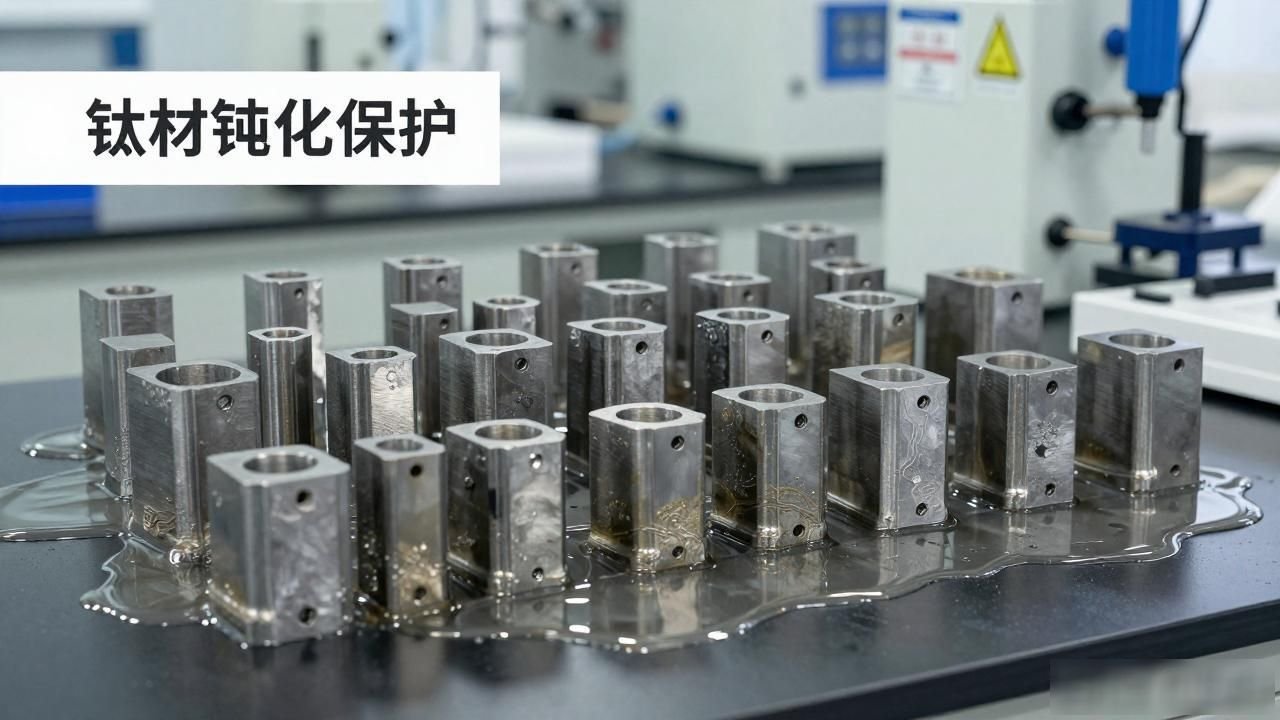
    During storage, it is necessary to use no less than 25% water for wetting and passivation operations. This is an extremely important line of defense to protect the surface of titanium metal. The passivation layer can effectively isolate air and prevent oxidation reactions from occurring.

    To standardize wetting and passivation operations, it is necessary to grasp the appropriate amount of water. The amount of water should neither be too much to cause water accumulation, nor too little to form a complete passivation film. This is exactly the point where many companies tend to neglect this link.

    Sealed packaging is key

    The basic requirement for storing titanium metal is to have a sealed container, which is designed to isolate air and moisture. If the packaging is damaged or the seal is not tight, this will cause the surface quality of the material to decline, which will increase subsequent processing costs.

    When selecting packaging, you need to consider the size and weight of the material to ensure that the packaging will not be damaged during transportation. At the same time, label management must be done properly to facilitate identification and access operations.

    I would like to ask, what kind of problems has your company encountered with titanium metal storage? You are welcome to share relevant experiences in the comment area, like and follow, so as to obtain more useful information on material management.

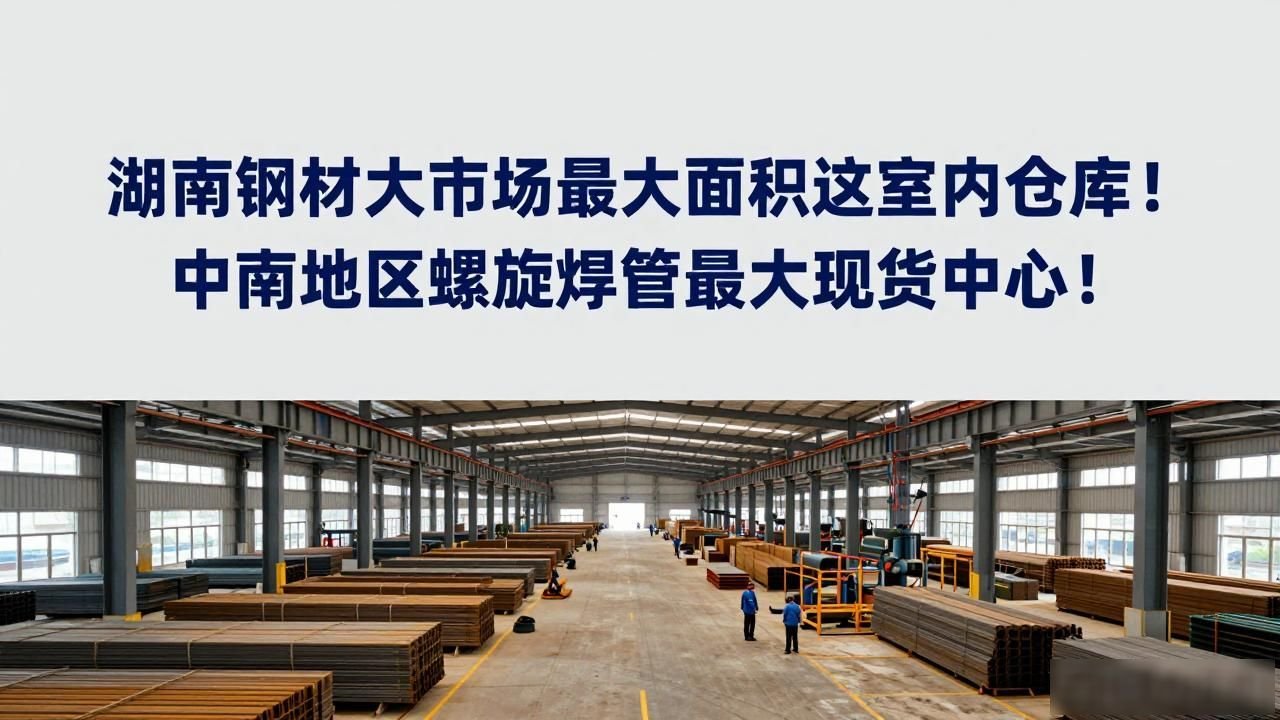
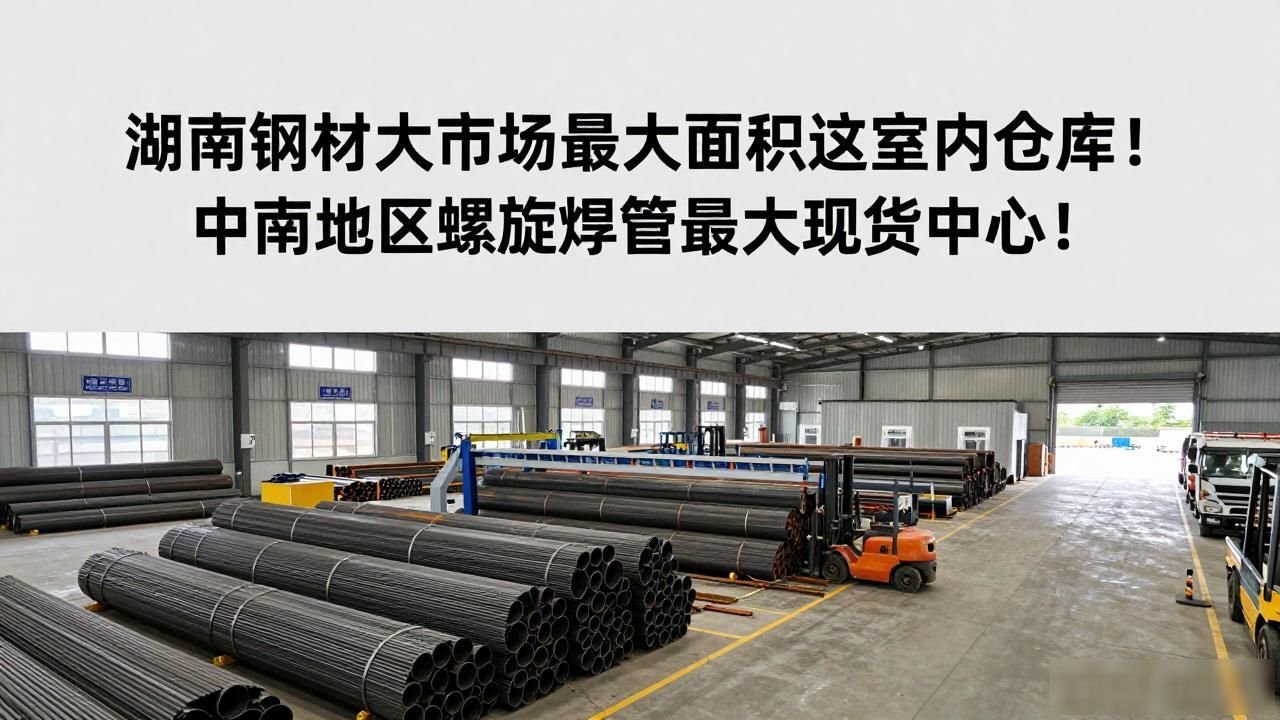
  • ! The Indoor Warehouse With The Largest Area In Hunan Steel Market! The Largest Spot Center For Spiral Welded Pipes In Central And South China!

    ! The Indoor Warehouse With The Largest Area In Hunan Steel Market! The Largest Spot Center For Spiral Welded Pipes In Central And South China!

    ! The indoor warehouse with the largest area in Hunan Steel Market! The largest spot center for spiral welded pipes in Central and South China!

    One-stop solution to processing problems

    From the sawing and bending of profiles to the cross-cutting and slitting of plates, Hunan Shengshida Steel Processing Center can provide a full set of services. The center is specifically targeted at businesses and is dedicated to handling steel processing and distribution matters. Many factories carry out processing work on their own, which not only requires huge investment in equipment, but also generates a lot of waste. Here, you don’t need to buy machines or hire workers, you just need to make demands.

    Drilling, welding, and rust removal operations can also be performed here. Whether it is a complex riveted structure or a simple cutting, everything can be handled. Especially for companies that have a large number of customized parts needs, such a one-stop service can save intermediate links. From the entry of raw materials to the end of finished products, they are responsible for everything, so that you can concentrate on your core business of production.

    99% utilization rate reduces costs

    In the past, traditional processing methods resulted in serious waste of leftover materials, and the material utilization rate was often low. Shengshida has introduced internationally advanced equipment, and through precision typesetting and optimization algorithms, it can increase the steel utilization rate to more than 99%. The implication of this is that almost every ton of steel you purchase is used in products instead of being turned into scrap iron and discarded.

    Not counting the material costs saved, even the cost of waste disposal and storage pressure are also saved. For manufacturing companies with large usage, calculating this amount is very considerable. The core of the company is to help customers reduce costs and reduce waste of resources through technical means. This kind of refined management is truly visible on your honest purchase bills. It really exists, is real and just like real money.

    Shorten the construction period and grab time

    钢材加工配送服务_包含物流配送的铆焊加工配送服务_湖南盛仕达钢铁钢材加工中心

    When competition is fierce, delivery deadlines are a lifeline. Shengshida has a large indoor processing and warehousing base, with extremely sufficient inventory and very fast response speed. Once the order is received, the processing process starts immediately, without waiting for a long production scheduling period. From order placement to delivery, the cycle is greatly shortened to ensure that customers' production lines will not run out of materials.

    Also a key advantage is the efficient distribution network. The finished products are delivered directly to the designated location with the help of its own logistics system. The riveting and welding processing and distribution service includes logistics and distribution . The customer does not need to coordinate third-party transportation. This avoids the risk of delays in the logistics process. This timeliness guarantee is particularly suitable for projects that have strict requirements on construction time, allowing customers to take advantage of the market competition.

    Personalized solutions are more considerate

    Each enterprise has different demands for steel products , including logistics, riveting, welding, processing and distribution services . It is often difficult for standard products to meet the requirements of special processes. Shengshida provides personalized procurement solutions, and customizes the processing process according to the specific drawings and technical parameters owned by the customer. Whether it is a special material treatment or a unique size specification, they can be accurately matched to each other.

    This kind of customized service avoids the incompatibility caused by "one size fits all". The professional team will intervene in the early stage and provide guidance from the beginning to the selection of materials to processing, thereby ensuring that the final product meets the usage standards. For those companies with research and development needs or in special working conditions, such a flexible service model can greatly improve the adaptability and competitiveness of products.

    New upgrade of modern logistics

    湖南盛仕达钢铁钢材加工中心_钢材加工配送服务_包含物流配送的铆焊加工配送服务

    Shengshida is not just engaged in processing, but has taken solid steps in the field of steel logistics. It integrates processing, warehousing and distribution, breaking the restrictions of traditional trade. Such a modern model makes the circulation of steel more transparent and efficient. Customers can control the status of goods in real time, and the entire process is under full control from the source to the end.

    This is a key measure for the group to adapt to market changes. Due to the upgrading of the manufacturing industry, pure buying and selling cannot meet demand, and value-added services have become the key. With the help of process innovation, Shengshida deeply integrates logistics and processing to provide customers with a higher value service experience. This shows that companies in industry competition have shifted from price wars to service wars.

    Quality products ensure quality

    Helps ensure processing accuracy and superior equipment to achieve the goal of quality. The smoothness of the sawing and the solidity of the welding are all of a high standard. Shengshida has a rigorous attitude towards the implementation of the international standardized management system with normative characteristics to ensure that each batch of products can withstand inspection. Quality control runs throughout the entire process from beginning to end to prevent defective products with quality issues from flowing out.

    Not only the hardware must have excellent conditions, but also software management cannot be ignored or underestimated. From the time the items enter the warehouse for inspection until the items leave the warehouse for re-checking, there are dedicated personnel to control every link and maintain a serious and meticulous attitude. Such a serious and cautious approach! The indoor warehouse with the largest area in Hunan Steel Market! The largest spot center for spiral welded pipes in Central and South China! , has won the trust of many customers. Making a decision to choose Shengshida is equivalent to making a decision to choose stable and reliable quality assurance, which can make your downstream customers feel at ease with you, thus forming a good and positive cycle.

    When you are choosing a steel processing service provider, what is the most important thing to consider: price, speed, riveting and welding processing and distribution services including logistics and distribution , or quality assessment? Please leave your opinions to share!

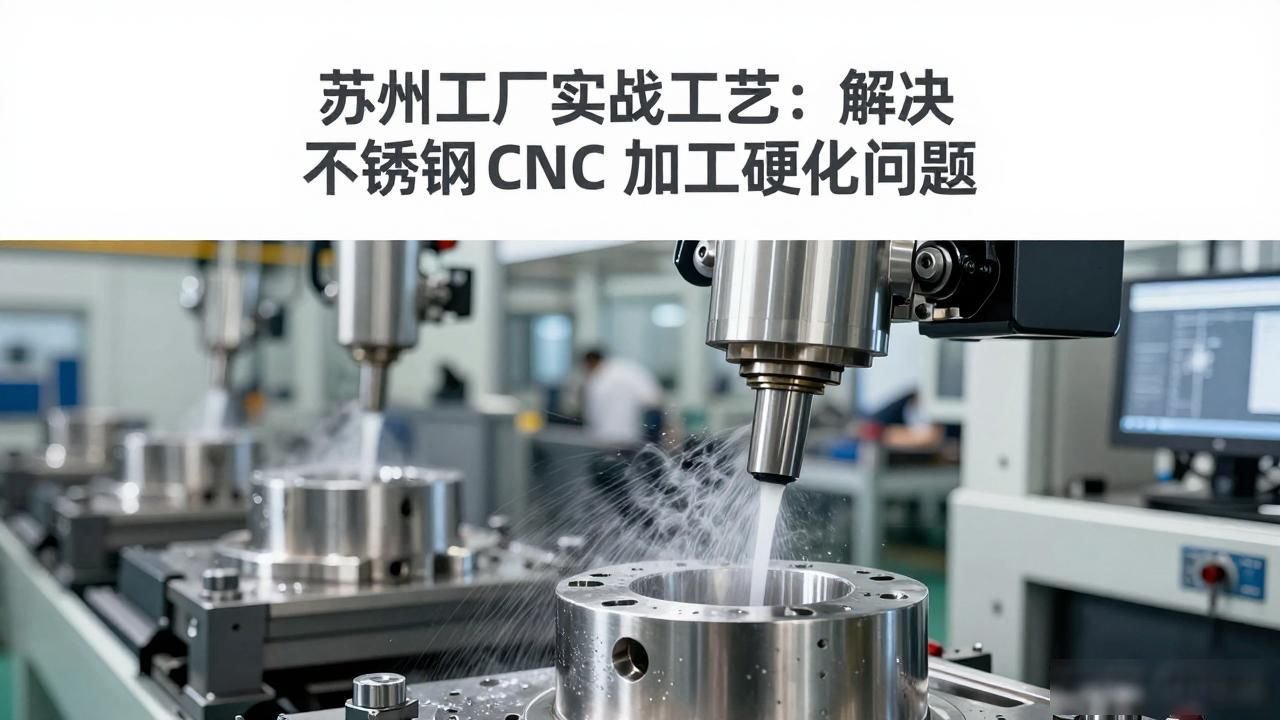
  • Suzhou Factory Practical Technology: Solving The Problem Of Stainless Steel CNC Work Hardening

    Suzhou Factory Practical Technology: Solving The Problem Of Stainless Steel CNC Work Hardening

    Suzhou factory practical technology: solving the problem of stainless steel CNC work hardening

    Difficult breakthrough

    定制零件加工起订量要求_非标精密零件加工 不锈钢 高钴刀具动态冷却排屑策略

    When processing stainless steel, the most feared situation is that the tool wears out too quickly and the dimensions are easily misaligned. The main reasons for this are work hardening and chip sticking, which makes it extremely difficult for ordinary tools to deal with. For this reason, many manufacturers either dare not undertake this type of processing work, or the prices they quote are extremely high.

    In fact, as long as you find the right method, these are not difficult problems. By calibrating cutting parameters, reducing speed and increasing feed, surface hardening can be effectively prevented. With special tools, losses are significantly reduced and accuracy is naturally guaranteed.

    cooling key

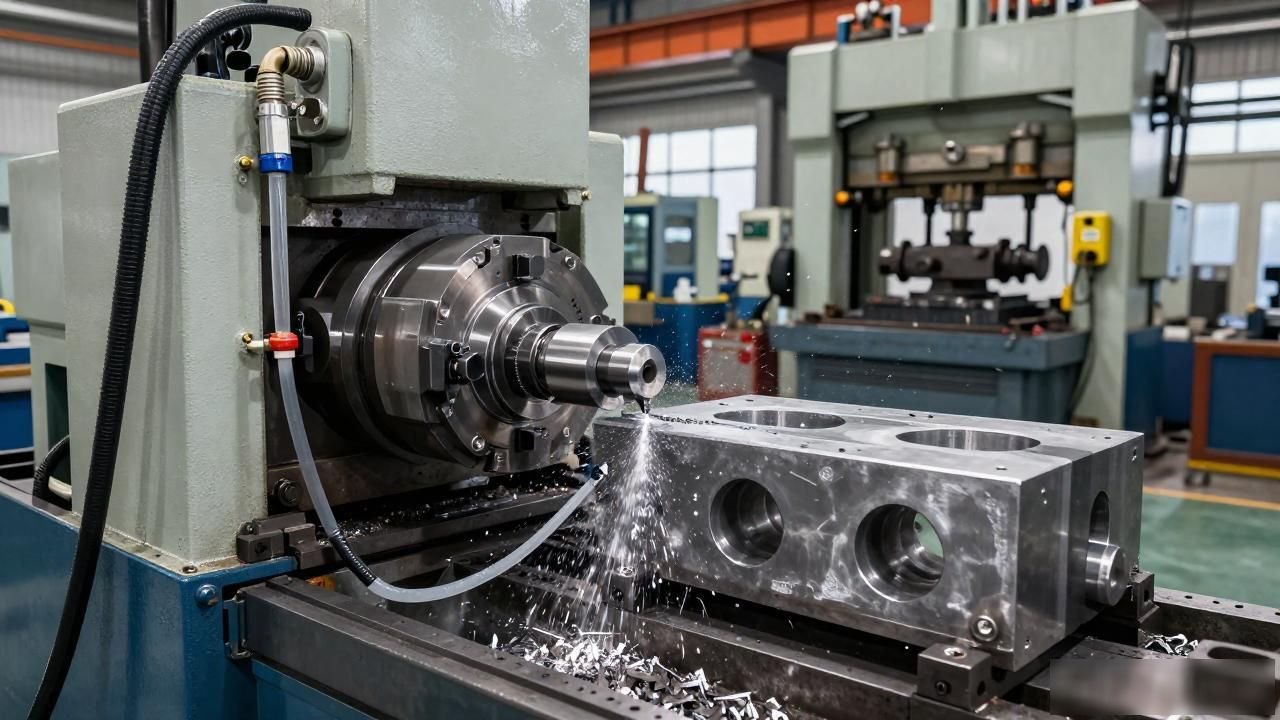
    Chip adhesion is another considerable troublesome problem that must be solved by means of intense cooling. The coolant under high pressure will be injected directly towards the cutting area, which can quickly take away the heat and prevent iron chips from adhering to the cutting edge. This can extend the service life of the tool to a great extent.

    定制零件加工起订量要求_非标精密零件加工 不锈钢 高钴刀具动态冷却排屑策略

    The equipment owned by Tianxuan Precision has a programmable nozzle, which can automatically adjust the angle for different parts. Whether it is a deep hole or an inner cavity, it can achieve precise cooling effects . Customized parts processing minimum order quantity requirements Suzhou factory practical technology: solve the problem of stainless steel CNC work hardening, and such detailed control is the basis for ensuring batch consistency.

    stress relief

    After rough machining, the residual stress existing inside the part will cause subsequent deformation. If left untreated, the dimensional stability will be very poor. Especially precision parts like bearing seats must undergo stress relief tempering or cryogenic treatment.

    Actual measurement data shows that this process can improve dimensional stability by 40%. Only by first releasing the residual stress and then carrying out semi-finishing and finishing can we ensure that the accuracy will not drift during long-term use. This is a path that high-end manufacturing must take.

    Data control

    Relying on experience to make judgments is outdated. What is popular now is to rely on data. The key dimensions of each object are detected based on Zeiss three-dimensional coordinates to generate a very detailed SPC report. As soon as the tool is detected to be wearing, the system will automatically replace the tool.

    Avoiding the risk of batch deviation is the result of this closed-loop control. It is precisely because of this data system that the so-called "inspection-free" level of delivery can be achieved. Customers do not have to worry about quality differences in each batch of goods, which saves worry and effort.

    Flexible customization

    Many small-batch customers are worried that the minimum order quantity is too high, which will lead to a backlog of funds. Tianxuan Seiko breaks the rules and can start production with just one piece. There is no minimum threshold. Whether we are engaged in R&D and proofing or small batch production, we can respond quickly to meet the needs of urgent orders.

    The process team gave DFM suggestions to reduce costs through optimized design, such as merging multiple processes into one clamping, directly reducing costs by 25%. This allows customers to not only buy parts but also value-added services of the solution.

    Case reference

    Various materials have different minimum order quantity requirements for custom parts processing. Aluminum alloys are suitable for lightweight scenarios, such as parts for drones. Stainless steel is used in clean environments, such as semiconductor nozzles. Titanium alloys need to control the temperature to prevent oxidation. This is a requirement when used in medical implants.

    For the specific process package required for each material, Tianxuan Precision can quickly match the best solution through years of accumulation, and control the entire process from the prototype drawings to the final finished product. You are welcome to actively send drawing consultations to obtain specialized processing technology analysis and related quotations.

    Do you think that in precision machining, price is more important, or accuracy is more critical? Please leave a message to start a discussion, like it and share it so that more people in the same industry can see it!

  • What Are The Warehousing And Distribution Service Agents?

    What Are The Warehousing And Distribution Service Agents?

    What are the warehousing and distribution service agents?

    Strict quality control in the receiving process

    Riveted weldments are often large in size and irregular in shape, and must be checked piece by piece upon receipt.

    Check whether there are cracks in the appearance of the weld and whether the size meets the drawing tolerance requirements.

    Immediately take photos and document any damage found, and confirm responsibility with the supplier.

    Establish a detailed warehousing ledger to record batch number, weight and special identification information.

    This step directly determines the security of subsequent storage and the accuracy and efficiency of delivery.

    Scientific storage to prevent rust

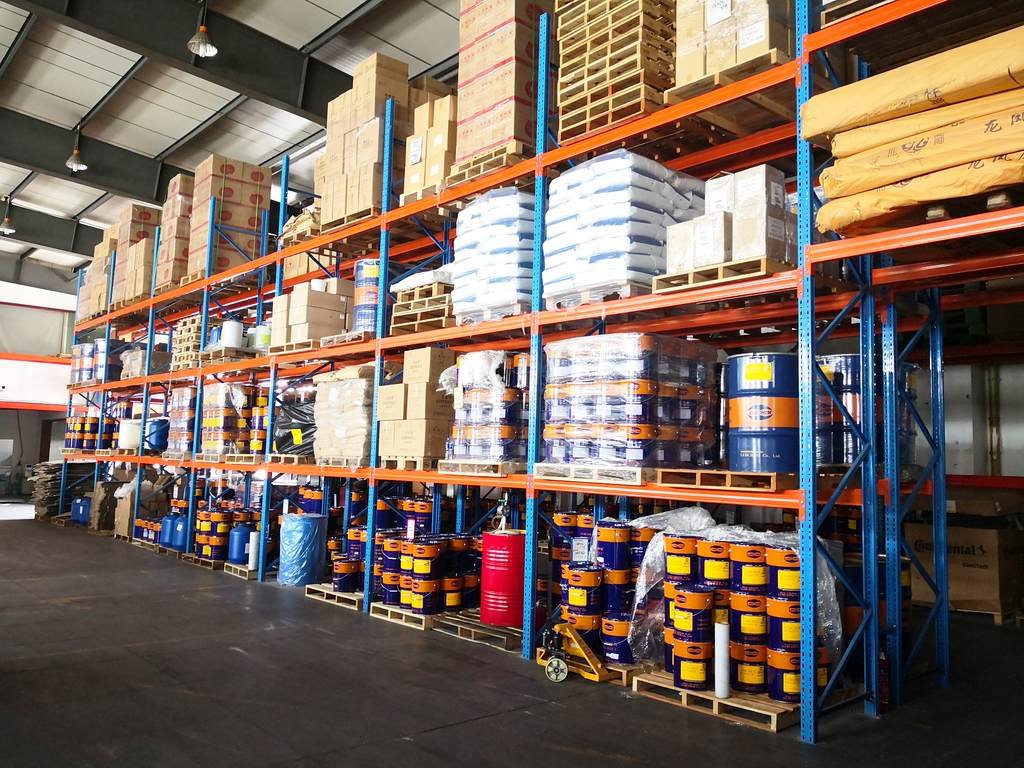
    Steel products are most afraid of moisture and rust, so warehouses need to maintain a ventilated, dry and stable environment.

    Heavy components should be placed on special shelves or skids to avoid direct contact with the ground.

    Regularly inspect inventory status to promptly discover and deal with potential corrosion hazards.

    For precision components, dustproof and shockproof protection measures need to be taken to prevent damage.

    Scientific storage can significantly reduce the cargo damage rate and extend the product life cycle.

    高效仓储配送体系_包含物流配送的铆焊加工配送服务_仓储配送服务代理

    Reinforced packaging ensures safety

    高效仓储配送体系_包含物流配送的铆焊加工配送服务_仓储配送服务代理

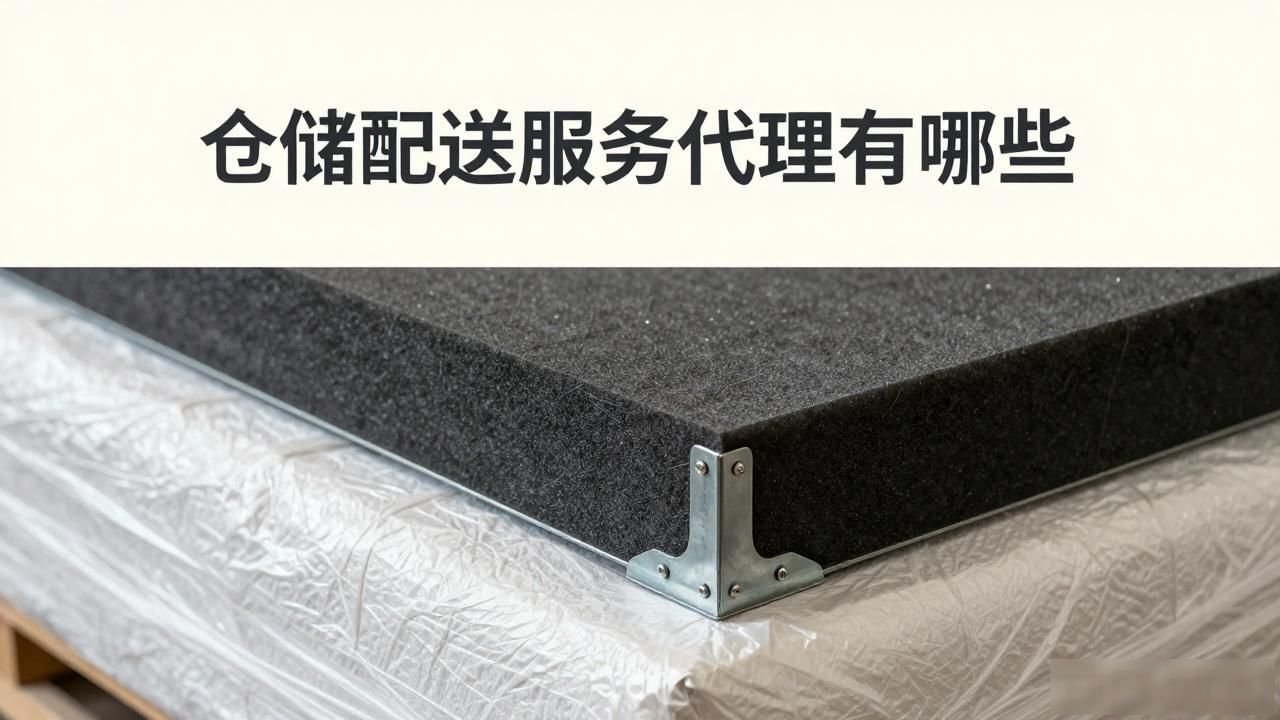
    Welding parts with sharp edges need to be packed with corner guards and cushioning materials to prevent scratches.

    Large structural parts should be firmly tied with steel belts or ropes to prevent shifting during transportation.

    The outer packaging must be clearly marked with center of gravity, lifting points and fragile warning symbols.

    Customized packaging solutions can effectively reduce the risk of collision and damage during logistics.

    Professional packaging not only protects the goods, but also enhances customers' trust in the brand.

    Accurate delivery and matching timeliness

    According to the priority of customer orders, reasonably arrange the loading sequence to ensure that urgent orders are shipped first.

    Use appropriate vehicle types for loading to avoid wasted space or illegal transportation due to overloading.

    Before shipping, review the list again to ensure that the physical items are completely consistent with the documents.

    Provide real-time logistics tracking information, allowing customers to know the current location of goods at any time.

    An efficient delivery process is the key to improving supply chain response speed.

    Cost control optimization plan

    高效仓储配送体系_仓储配送服务代理_包含物流配送的铆焊加工配送服务

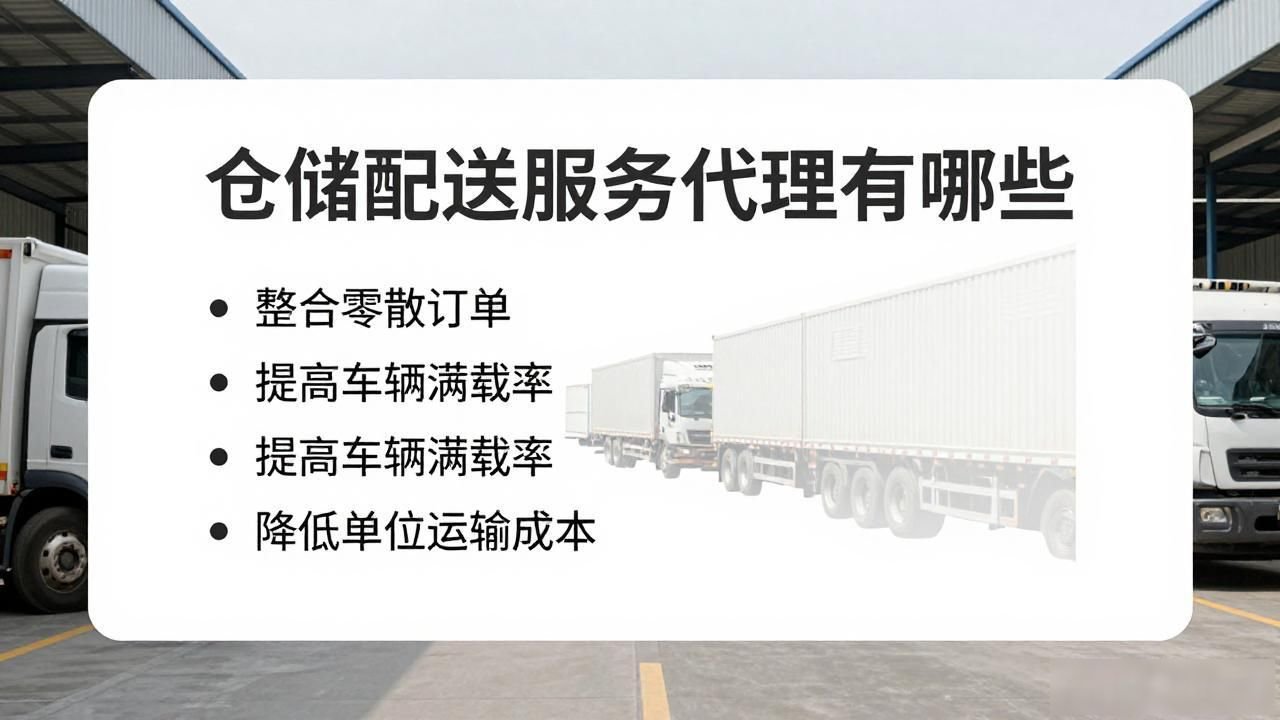
    Improve vehicle occupancy rates and reduce unit transportation costs by consolidating scattered orders.

    Optimize the warehouse layout, shorten the picking path , include riveting and welding processing and distribution services , and improve the efficiency of manual operations.

    Choose a cost-effective logistics partner and negotiate preferential prices for long-term cooperation.

    Manage every link in a refined manner, eliminate ineffective expenditures, and achieve the goal of maximizing profits.

    Cost advantage is the core competitiveness for enterprises to stand out in fierce market competition.

    Digitization increases transparency

    The WMS warehouse management system is introduced to include riveting and welding processing and distribution services for logistics and distribution , so as to realize real-time updating and sharing of inventory data.

    Use IoT technology to monitor warehouse temperature and humidity to ensure that the storage environment meets standards and regulations.

    Provide customers with a visual inquiry platform that includes riveting, welding, processing and distribution services including logistics and distribution , allowing them to check order progress and status at any time.

    Data-driven decision-making helps business managers accurately predict demand and adjust strategies.

    A transparent service experience can significantly enhance customer stickiness and promote long-term cooperation.

    In riveting and welding processing and distribution, what do you think is the most troublesome problem for you? You are welcome to leave a message to start a discussion, like it and then share it so that more peers can see it.