投稿者: fc87

  • リベットと溶接加工はどの産業に属するか?現代の産業システムにおける中核的地位を明らかにする。

    What industry does rivet welding processing belong to? Reveal its core position in the modern industrial system | [your site name].
    Meta Description (description tags): want to knowRivet welding processing belongs to what industry?? This paper will delve into the role of riveting and welding processing as a key link in the metal products industry and equipment manufacturing, and its wide range of applications in aerospace, construction machinery and other fields.

    リベットと溶接加工はどの産業に属するか?現代の産業システムにおける中核的地位を明らかにする。
    はじめに
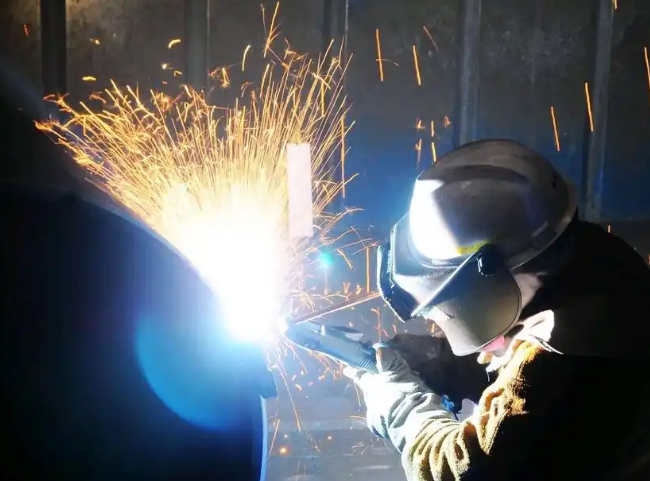
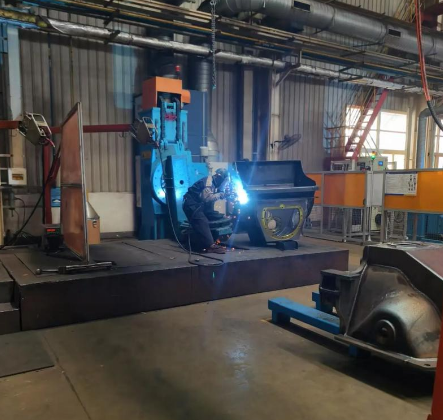
    When people talk about “riveting and welding processing”, they often wonder to which industry it belongs. In fact, rivet welding processing is not an independent industry, but a modern industrial system is a crucial cross-field, basic processing links. It is accurately positioned in the “metal products industry” and “equipment manufacturing industry” at the intersection, is an indispensable support technology for many industries.

    I. Core attribution: metal products industry
    In terms of the National Standard Industrial Classification of the National Economy, the category that most directly corresponds to riveting and welding processing is “C33 Fabricated metal products industry”. Specifically, it belongs to:

    C3311 Manufacture of metal structures: This refers to the production activity of metal components for buildings, bridges, towers and masts, using metals such as iron, steel and aluminium as the main materials. This is the most typical application area for rivet welding processes.

    II. Key players: the “bones and muscles” of the equipment manufacturing industry
    Rivet welding processing is the core component of “equipment manufacturing”. Almost all large-scale equipment manufacturing can not do without it:

    Specialised equipment manufacturing: e.g. chemical vessels, boilers, pressure pipes, etc.

    General equipment manufacturing: e.g. machine tool bodies, pump bodies, valves, etc.

    Automotive manufacturing: Welding of body-in-white, frame and chassis structures.

    Railway equipment manufacturing: Manufacture of car bodies for high speed railways and subways.

    Aerospace manufacturing: aircraft frames, rocket fuel tanks, etc. (very high process requirements).

    It can be said that riveting and welding processing is for all kinds of equipment manufacturing “bone” and “muscle” process, determines the structural strength, stability and safety of the product.

    III. Service model for riveting and welding processing
    In the industry chain, riveting and welding processing enterprises usually exist in two modes:

    Auxiliary processing plant: Provide professional structural welding and component matching services for large-scale OEMs.

    Professional Service Provider: Directly facing end customers, we undertake customised production of non-standard equipment, metal frames, jigs and fixtures.

    概要
    In short, riveting and welding processing is a basic process spanning the metal products industry and equipment manufacturing industry. It is not an isolated industry, but a core technology that is deeply integrated into and serves almost all heavy industries such as machinery manufacturing, construction engineering, energy and power, and transport. With the development of intelligent manufacturing, automation, robotic riveting is becoming a new trend in this field, but its core position as the industrial “skeleton division” has never changed.

    エクステンデッド・リーディング

    Don’t understand the process? Read it in one articleThe basic process of riveting and welding processing

    リベット打ちと溶接」の分類について説明してください。
  • リベット溶接の範疇とは?作業の種類と工程の両面から総合的に分析

    リベット溶接のカテゴリーとは? 仕事の種類とプロセスの両面から総合的に分析。
    メタ説明リベッティングはどのカテゴリーに属するか」について混乱していますか?この記事は、作業の種類(リベッター/溶接工)と工程(接合技術)という2つの次元から、リベットと溶接の概念を明確に分類するのに役立つだろう。

    リベット溶接はどのカテゴリーに属するのか?両業界と両工程の視点から総合的に分析
    はじめに
    "リベッティング "という言葉は、しばしば疑問を投げかける。答えは「両方」である。リベット溶接が "どのカテゴリーに属するか "を正確に理解するためには、2つの異なる次元、すなわち職業カテゴリーと技術プロセスから見る必要がある。

    I.職業グループから見た分類
    工場や労働システムにおいて、「リベット打ちと溶接」は通常、責任の異なる密接に関連した2つの技術的職業を指す:

    リベット工

    分類:組立部門に属する職業。

    主な仕事構造用金属部品の解放、レイアウト、設置、組立、矯正を行う。図面に従って金属部品を正確に組み合わせ、溶接の準備をする「ビルディング・ブロック・ビルダー」である。リベッターは、構造全体の精度と組み立てに重点を置く。

    溶接工

    分類:接合タイプの仕事。

    主な仕事溶接機器と溶接材料を使用して、一対の部品を恒久的に接合する責任者。溶接工は、溶融金属から強固な溶接部を形成する「継ぎ目職人」である。溶接工は、溶接の品質、強度、美観に重点を置く。

    結論リベッティング・ウェルディング」とは、リベッターとウェルダーという2つの職種の総称であり、両者は協力して構造用金属部品を製造する。一方は「成形」を担当し、他方は「接合」を担当する。

    II.技術プロセスの観点からの分類
    製造技術の観点からは、リベッティングは取り外し不可能な接合プロセスである。

    コネクティビティ・テクノロジーの幅広いカテゴリーにおけるポジション:

    取り外し可能な接続:ネジ式、キー式、ピン式など。

    取り外し不可能な接続:溶接、リベット、接着など。

    "リベッティング "という用語自体は、2つの主要な取外し不可能な接合方法、溶接とリベッティングを包含する。溶接は現代の産業では絶対的に支配的になっているが、歴史的な用語 "リベット接合 "は、熱または圧力による永久的な接合のこのプロセスを指すのにまだ広く使用されている。

    素材加工工程における位置づけ:

    熱処理:鋳造、鍛造、溶接、熱処理など

    溶接(リベッティングの中核)は、金属の溶融と凝固を伴うプロセスであるため、明確に熱処理の一種に分類される。

    概要
    だから、誰かが「リベット溶接はどのカテゴリーに属しますか」と尋ねたら、あなたは答えることができる:

    職業的には、工業製造業の熟練技能職であり、リベッターと溶接工に細分される。

    技術的には、材料の非剥離接合であり、熱処理の重要な一形態である。

    この2つの次元の分類を理解することは、工業生産におけるリベッティングの役割と価値をより深く理解するのに役立つ。

    エクステンデッド・リーディング

    工程が分からない?リベット加工と溶接加工の基本的な工程の流れを1つの記事で読むことができます。

    リベットと溶接加工はどの産業に属するか?現代の産業システムにおける中核的地位を明らかにする。

  • リベット・溶接加工の基本工程:図面から全工程の完成品までを読み解く

    リベット溶接基本的な工程を詳しく解説:図面から完成品までの8つのステップ| [サイト名]
    メタ説明この記事は、リベットと溶接の基本的なプロセスの詳細な分析であり、材料、面取り、グループ化、溶接、検査、および他の8つのコアステップをカバーし、あなたが完全にリベットと溶接部品の生産の全工程を理解するのに役立ちます。

    リベット・溶接加工の基本工程:図面から全工程の完成品までを読み解く
    はじめに
    強靭な金属フレームや大型機器、構造部品が、リベット接合や溶接によって製造されていることを不思議に思ったことはないだろうか。リベット溶接は単なる「溶接」ではなく、厳密で体系的なプロセスです。リベット溶接の基本的な工程を理解することは、製品の品質を確保し、生産コストを管理する上で極めて重要です。この記事では、設計図面から最終製品に至るまでの各主要工程を詳しく解説します。

    I.図面および技術提出書類の審査
    これは、すべての作業の出発点である。プロセスエンジニアは、顧客から提供された設計図を精査し、材料の種類、寸法公差、溶接規格などの技術要件を理解する必要があります。続いて、製造チームと技術的なブリーフィングを行い、加工要件と品質目標を明確にします。

    II.アンダーカット
    アンダーカットとは、原材料(鋼板やプロファイルなど)を図面に従って必要な形状やサイズに切断する工程である。一般的に使用される方法は以下の通り:

    火炎切断:厚板用。

    プラズマ切断:高速で、中・薄板や非鉄金属に適しています。

    レーザー切断:切断の高精度そして良質。

    シャーリングマシンのシャー:定形板用。

    III.面取り
    溶接の溶け込みを確保し、良好な溶接シームを 形成するためには、通常、溶接する端に特定の 形状の開先を加工する必要がある。一般的な開先形状は、I型、V型、X型、U型など である。加工方法には、エッジ・プレーニング、フライス加工、フレーム・ベベリングなどがある。

    IV.グループ化と点の固定
    図面に従って、切断された部品や面取りされた部品を組み立て、組み合わせる。部品の相対位置と寸法精度を確保するために、固定具や治具が使用される。組み立てが完了すると、部品は短い溶接継ぎ目によって「スポット固定」され、その後の正式な溶接のために部品が一時的に固定される。

    V.溶接
    これはリベット溶接加工の核心である。製品要求、材料特性及び他の要因に従って、適切な溶接方法を選択する:

    電極アーク溶接:柔軟で広く使用されている。

    ガスシールド溶接:高効率で美しい溶接シーム。

    サブマージアーク溶接:安定した品質で長い直線溶接が可能。

    アルゴンアーク溶接: ステンレス鋼、アルミニウム、その他高度の保護が必要な材料用。

    VI.溶接後の処理
    溶接完了後、製品の外観や性能を向上させることが必要になる場合がある:

    スラグ除去と研磨スラグとスパッタを除去し、溶接継ぎ目を滑らかで美しくするために研磨する。

    校正:溶接中に発生する応力や歪みを取り除くこと。

    熱処理:重要な部品には、寸法と特性を安定させるために応力除去焼鈍が行われる。

    VII.品質検査
    検査は、製品の品質を保証するための最終的なゲートウェイである。主な内容は以下の通り:

    外観検査:溶接部の表面に欠陥がないか検査する。

    非破壊検査:X線検査、超音波検査など、溶接部の内部品質を検出する。

    寸法検査:仕上がり寸法が図面通りであることを確認する。

    圧力試験:容器タイプの製品については、水または空気による圧力試験を実施する。

    VIII.表面処理と防錆
    顧客の要求と使用環境に応じて、完成品はサンドブラスト、塗装、亜鉛メッキなどの表面処理を施され、防錆能力と美観を向上させる。

    概要
    リベットと溶接加工の基本工程それは連動した体系的なプロジェクトである。各工程は最終製品の品質、安全性、耐用年数に直接影響する。専門のリベット溶接加工工場は必然的に各リンクを厳格に管理する。あなたはリベット溶接加工のニーズを持っている場合は、私達に連絡する歓迎、我々は標準を満たす高品質の製品とサービスを提供します。

    エクステンデッド・リーディング

    リベット・溶接加工はどのような産業に属するか?伝統的な製造業との違いは?

    リベット打ちと溶接」の分類について説明してください。

  • 機械加工アウトソーシング・パートナーの選び方:2025究極の評価ハンドブック

    questReliable machine shop outsourcing processingServices? This article provides a complete assessment system covering equipment capability, quality systems, technical communication and case review to ensure you find a long-term stable strategic supplier.

    When the core of your product lies in precision parts, or you need long-term, stable, high-volume outsourcing production, beyond the simple “platform comparison”, with a top machine shop outsourcing processing service provider to establish a deep, mutual trust partnership, it becomes your strategic necessity. This article will provide you with a set of professional evaluation framework to help you find the most trustworthy manufacturing partner.

    A. Beyond Price: Four Core Values of Quality Machine Shop Outsourcing A good machine shop brings not only parts, but also: Quality Assurance: Systematic quality system to eliminate the risk of bulk scrap from the source. Technology Enablement: Manufacturable design advice to optimise your design to reduce costs and increase efficiency. Reliable delivery: Stable production schedules and capacity to keep your project on track. Risk Avoidance: Standardised management avoids potential risks such as data leakage and intellectual property disputes.

    Second, the assessment of outsourcing processing of professional machine shop Checklist During your site visit or communication, please be sure to verify the following aspects: 1. Hard power: equipment and process capability Equipment list: whether it has CNC machine tools (three-axis, four-axis, five-axis?) matched with your products, turning and milling machine, slow-walking machine, three-axis, etc.? Do you have CNC machines (3-axis, 4-axis, 5-axis?) that are compatible with your products, such as mill-turn, mill-turn, slow-feeding, CMM, etc? What is the newness and brand of the equipment? Process scope: Can you cover the whole process from machining process planning to turning, milling, grinding, heat treatment, surface treatment, etc.? (Maximum machining capacity: What is the maximum part size, weight and accuracy level that can be handled? 2. Soft power: quality and management system Quality certification: whether through the ISO9001 and other international quality system certification? Inspection capability: Does it have advanced full-size inspection equipment (e.g. CMM, laser scanner) and a professional QC team? Production Management: Do you use MES (Manufacturing Execution System) for production schedule and material management? Documentation: Can you provide complete FAI (First Article Inspection Report), material certification and other quality documents?

    Third, from communication to cooperation: the key steps in screening machinery factory Initial communication: provide your parts drawings, observe the other side of the response speed of the technicians and the depth of understanding of the problem. This can directly reflect the degree of professionalism. Request for solutions: Ask the other party to provide a preliminary process plan and quotation. Professional manufacturers will explain their machining strategy in detail. Request for case studies: Check out their past successes in processing products similar to yours. Site visit (for large orders): Check their production environment, equipment condition and management level in person. First piece trial production: This is the most critical link. Through the small batch trial production, to fully test its quality, delivery and communication efficiency.

    Fourth, digital collaboration: when traditional machine shops meet outsourcing apps Today, top machine shops are actively embracing digitalisation. They may: Proactively use mainstream machining outsourcing apps to receive orders and manage customer communications. (Note: link to article 2 here) Have their own customer portal system that allows customers to view production progress in real time. This demonstrates their commitment to modernising their approach to improving customer experience and internal management efficiency.

    Conclusion Choosing a machine shop outsourcing processing partner is an important strategic decision. It should not be based on a quotation alone, but on a comprehensive and critical assessment of their strengths, systems and culture. An ideal partner will be an extension of your product reliability and a strong link in the supply chain. Please invest the necessary time and effort, as the ultimate success of your product is at stake.

  • 2025年に最適な機械加工アウトソーシングアプリガイド:デジタルプラットフォームでサプライチェーンを最適化する方法

    機械加工を探す アウトソーシングアプリこの記事では、主流プラットフォームの機能をレビューします。この記事では、主流のプラットフォームの機能をレビューし、効率的に要件を公開し、インテリジェントなサプライヤーをマッチングし、注文と配信を管理し、従来のアウトソーシングモデルを完全に変更するためにアプリを使用する方法を明らかにする。

    競争が激化する製造業において、外注加工依頼の効率的で透明性の高い管理は、企業の中核的な競争力となっている。従来の電話やメールによるコミュニケーションは非効率で、情報の透明性も低い。加工アウトソーシングアプリは、これらのペインポイントを解決するデジタルソリューションです。この記事では、サプライチェーン・マネジメントをスマートな時代にするために、これらのプラットフォームをどのように活用できるかを探る旅にご案内します。

    まず、マシニング・アウトソーシング・アプリとは何か、どのようなペインポイントを解決するものなのか。加工アウトソーシングアプリは、加工ニーズを持つ需要側(当事者A)と加工能力を持つ供給側(機械工場)をつなぐデジタルB2Bプラットフォームである。以下のような中核的な問題を解決します:調達の難しさ:適切な能力を持つ複数の適格なサプライヤーを素早く見つける。見積もりが遅い:数日から数時間、あるいは数分に短縮される。煩雑な管理:注文状況、図面バージョン、納品進捗が別々のチャットに散在している。透明性がない:生産がどこにあるのか?リアルタイムの可視性がない。

    第二に、主流の機械加工アウトソーシングアプリ比較のコア機能 優れたプラットフォームは、通常、以下の機能マトリックスを提供します:機能モジュール 需要側への価値 供給側(機械工場)への価値 需要インテリジェントリリース 3D図面/2D図面をアップロードし、工程要求フォームを自動生成する。顧客の要求を明確に理解し、コミュニケーションエラーを減らす。サプライヤーのインテリジェントなマッチング プラットフォームは、加工能力、地域、評判に基づいて、高品質のメーカーを自動的に推薦します。貴社の能力に合った正確なビジネスチャンスを得ることができます。オンライン見積もりと入札 複数の見積もりを素早く取得し、価格比較と選定を容易にします。公正な競争に参加し、コスト優位性を示すことができます。注文と進捗管理 宅配便のようにリアルタイムで注文の生産進捗を追跡します。生産状況を便利に更新し、顧客満足度を向上させます。オンラインコミュニケーションと文書管理 すべてのコミュニケーション記録と文書のバージョンは一元的に保存され、紛失することはありません。図面バージョンの混乱を避け、責任を明確にします。決済と与信システム 資金の安全を確保するために保証取引を提供し、高品質のパートナーを選別するために評価システムを提供します。オンライン上の評判を高め、より多くの注文を獲得します。

    あなたのビジネスに適したアウトソーシングアプリを選ぶには?プラットフォームの位置づけを見る:高精度CNC機械加工に特化しているのか、それとも従来の機械加工全般をカバーしているのか?プラットフォーム上のサプライヤーの資格は厳しいか?ユーザーアクティビティを見る:多数のアクティブなサプライヤーがいるプラットフォームは、貴社のニーズに迅速に対応することができます。機能の完全性:ソーシング機能が必要ですか、それとも完全なプロジェクト管理機能が必要ですか?使いやすさ:テストリクエストを投稿し、プロセス全体がスムーズかどうか、カスタマーサービスの対応がタイムリーかどうかを感じてください。

    第四に、アプリの実用的なスキルをアウトソーシングの使用 要求の説明は専門的でなければなりません:明確な、標準的な図面や技術的な要件を提供し、大幅に見積もりの速度と精度を向上させることができます。引用への招待 "機能をうまく活用する:推奨されるプラットフォームに加えて、あなたはまた、統一された管理を達成するために、プラットフォームと引用に駅にあなたの知られている優秀な機械加工アウトソーシング加工パートナーを招待するイニシアチブを取ることができます。小口注文から始める:新しいサプライヤーと協力する時、先ず少量のトライアル発注を行い、品質と納期能力をテストする。

    機械加工アウトソーシングアプリは、単に需要を公表するためのツールであるだけでなく、企業のサプライチェーンをデジタル化するためのポータルでもある。テクノロジーを通じて、リソースの効率的なマッチングとプロセスの透明な管理を可能にする。しかし、最高のツールであっても、信頼できるパートナーと組み合わせる必要がある。究極の品質、納期、サービスを追求する複雑なプロジェクトでは、強力な能力を持つ深く協力的な機械加工アウトソーシング加工パートナーを選ぶことが、しばしばより安全な戦略的選択となる。

  • 機械加工プロセスと機械加工プロセスの詳細:ブランクから完成品までのものづくりの旅

    comprehensive analysisMachining process and machining processThis article is a must-have guide to understanding modern manufacturing! This article takes you through the entire process, from drawing analysis and process planning to specific processes such as turning, milling, drilling and grinding, and is an essential guide to understanding modern manufacturing. Text Contents Introduction Machining is the cornerstone of mechanical engineering, shaping raw metal or non-metallic blanks into parts that meet the requirements of precision drawings through a series of organised technical operations. Understanding its systematic “process flow” and specific “machining processes” is essential for optimising production, controlling costs and quality. This article will serve as your in-house training manual, giving you a thorough insight into the heart of manufacturing.

    I. Core concepts: process flow vs. processing process Process flow: refers to the macro path and sequential arrangement of parts processing. It defines “what to do first and what to do later” and is the strategic blueprint for the entire production activity. Process: This refers to the cutting action and the process of changing shape at the micro level in each process. It solves the problem of “how to do it”

    Second, the complete process of machining (macro-process) The birth of a standard part, usually follow the following eight steps: drawing analysis and digestion: a comprehensive understanding of the technical requirements of the parts drawing, including dimensional tolerances, shape and location tolerances, surface roughness, material and heat treatment requirements. Process review and selection of blanks: Evaluate the drawings for process reasonableness and determine the form of blanks (e.g. castings, forgings, profiles, etc.). Process Route Development: This is the core planning. Determine the machining sequence, e.g. “face first, hole second”, “rough first, finish first”, “datum first”. Process design: Selection of equipment, fixtures, tools and gauges for each process, and determination of cutting parameters (speed, feed, depth of cut). CNC Programming (if required): Preparation of the machining programme for the CNC machine. Production preparation: Preparation of all the above production materials. Machining execution and process inspection: Operators execute machining according to the process documents, and carry out self-inspection and mutual inspection. Final Inspection and Storage: The quality inspector will measure the finished products and put them into storage after passing the inspection.

    Third, the common machining process (micro-operation) This is the process route to the specific link, mainly including the following types of typical processing methods: turning: workpiece rotation, tool movement. Mainly used in the processing of rotating body parts (such as shafts, discs, sets), to complete the outer circle, bore, end face, threads and other features. Milling: The tool rotates and the workpiece moves. It is suitable for machining flat surfaces, grooves, complex cavities and curved surfaces. It is one of the most widely used machining methods. Drilling and Boring: Drilling is used to machine holes; Boring is used to enlarge and refine existing holes to obtain high accuracy in hole diameter and position. Grinding: The use of grinding wheels for finishing can achieve very high dimensional accuracy and excellent surface roughness. WEDM and EDM: Special machining methods for high hardness materials or complex moulds.

    Fourth, how to develop the optimal process? The optimal process is a balance of quality, efficiency and cost. The key is: the principle of unity of reference: as far as possible to use the same set of positioning datum to complete most of the processes. Reduce the number of clamping: By using composite tools or 5-axis machine tools, a single clamping to complete multi-face machining. Reasonable arrangement of heat treatment: Annealing, quenching, tempering and other processes are arranged in the right place to eliminate internal stresses and ensure material properties.

    Conclusion Mastering systematic machining processes and procedures is fundamental to ensuring product quality and production efficiency. For machine builders, this is an internal skill; for companies that need to outsource machining, this can help you evaluate and communicate with suppliers in a more professional manner. When you need to outsource this part of the work, how to manage it efficiently becomes a new challenge – this is exactly the pain point that machining outsourcing app and professional outsourcing machining services for machine shops are trying to solve.

  • [大連富宏機械有限公司高精度加工とCNC加工の信頼できるサービスパートナー

    [大連福鴻機械]: Your reliable partner for high-precision machining and CNC machining services

    Article Text:

    When your products demand the highest levels of precision, reliability and consistency from your parts, you need a manufacturing partner that is just as exceptional. [YOUR COMPANY NAME] is just such a service provider specialising in high-precision machining and CNC machining, and we are dedicated to turning your ideas into a perfect reality.

    Why choose [Dalian Furong Machinery]?
    Leading Manufacturing Capabilities
    We have invested in top-notch machining equipment, including [to name a few of our core high-end equipment, e.g. 5-axis CNC machining centres imported from Germany, precision mill-turn centres from Japan], to ensure that we are able to cope with challenges ranging from complex curved surfaces to micron-level precision.图片[1]-[大连富泓机械]:您值得信赖的高精度机械加工与CNC加工服务伙伴-大连富泓机械有限公司

    Cross-industry expertise
    Our team has a wealth of project experience and in-depth service:

    Medical Device: Proficient in machining sterile, high finish parts to GMP standards.

    Aerospace: Familiar with the process of difficult-to-machine materials such as titanium alloys and high-temperature alloys.

    Automotive industry: High-performance core components for engines and transmission systems.

    Industrial automation: Fast delivery of high-precision robotic parts and fixtures.

    Seamless quality closure
    We firmly believe that “quality is made and tested”. From the incoming inspection of raw materials, to the IPQC during processing, to the FQC for final shipment, we use [list of testing equipment, such as: Zeiss CMM] to ensure that every product delivered to you 100% meets the requirements of the drawings.

    Customer-centred service processes

    Requirements communication: professional sales engineers one-on-one docking, understanding your core needs.

    Technical Review: Senior process engineers analyse drawings for manufacturability and make recommendations for optimisation.

    Quick Quote: With our proven quotation system, we promise to provide a detailed quote within 24 hours.

    Production and Delivery: Project Manager follows up the whole process and provides real-time feedback on progress to ensure on-time delivery.

    Our core service areas
    Multi-axis CNC turning and milling

    Precision grinding and honing

    Sheet metal working and welding

    Small to medium volume production

    [強力な行動喚起CTA]
    Your success starts with a right choice. Stop struggling to find qualified machining suppliers.
    Act now, there are three ways you can connect with us:

    Click hereGet an online quote now! (Link to RFQ form)

    Check out our success stories to see how we’ve helped other customers solve manufacturing challenges.

    Let [大連福鴻機械] to be your most reliable manufacturing extension!

  • リベット溶接実践マニュアル:高度なテクニック、トラブルシューティング、ソリューションブック

  • リベッティングの作業方法の詳細:リベッティングを正しく完了する方法をステップ・バイ・ステップで説明する。

    ゲットリベット溶接の基礎その後、次のステップはそれを実践することである。標準化された作業方法は、リベッティングの品質を確保し、効率を向上させ、個人の安全を守る鍵である。この記事は、ホット・リベットであろうとコールド・リベットであろうと、リベット打ち作業の各主要ステップを案内するために、傍らにいる経験豊かなマスターのように、手を取り合って、明確なガイドを見つけることができます。

    まず、事前準備の操作:良い仕事をするために、あなたは最初に彼らのツールと機器のチェックをシャープにする必要があります:ホットリベット:加熱炉(石油、ガスまたは電気炉)、リベットガン、トップハンドル(トップアイアン)、クランプ、スパナなど。コールド・リベット:リベット・マシン、リベット・ガン(ブラインド・リベット用)、ハンド・ハンマー、トップ・ハンドルなど。一般工具:空気ドリルまたは電気ドリル、ドリル、スクライブ、ハンマー、拡大鏡、見本板。リベットの選択:図面の要求に従って、リベットの正しい材料、直径、長さを選択する。リベットの長さの計算式L=δ+(1.3~1.5)d、ここでδは板厚の合計、dはリベットの直径である。工作物の準備:接続面の油、錆、バリを清掃する。ワークをスクライブ・ラインまたはサンプル・プレートに従って位置決めし、治具またはスポット溶接で仮止めする。图片[1]-铆焊的操作方法详解:一步步教你如何正确完成铆接-大连富泓机械有限公司

    穴の清掃と加熱:エアードリルでリベット穴を清掃し、穴壁が滑らかであることを確認する。リベットを加熱炉に入れ、明るいオレンジ-赤(約1000-1100℃)まで均等に加熱する。加熱は、加熱しすぎたり酸化が進んだりしないよう、急速かつ均一に行う。ネジ切りとトッピング加熱したリベットをクランプで素早く釘穴に挿入する。一人の作業者が、直ちに上部のハンドルを使って、リベットの元の端でリベットを締める。リベット整形:別の作業者がリベット・ガンを使ってリベット・ロッドの突き出た端に狙いを定め、最初は軽く、次に重く衝撃を与え、ロッドを動揺させて釘穴を埋める。次に、リベット・ガンを釘棒の中心の周りで振り、棒の端を半円形のアプセット・ヘッドに押し潰す。動作は、リベットの温度が完了前に可塑性の損失まで低下する中で、迅速、正確でなければならない。コールド・リベット操作のポイント:リベットは、穴に直接、加熱する必要はありません。ヘッダーは、リベット・プレスを使用するシングル・プレスによって、またはリベット・ガンを使用してマンドレルを引き剥がすことによって形成される。より単純な操作だが、設備とリベット強度が必要。

    第三に、リベット打ちが完了した後、品質検査と欠陥分析を厳しくチェックしなければならない:外観検査:ヘッダーは規則的で、滑らかで、亀裂がなく、元のヘッダーは同心であるべきで、傾きがあってはならない。寸法チェック:ヘッダーの直径と高さが規格に合っているかどうか、サンプル板を使ってチェックする。締まり具合をチェックする:0.1mmの巻尺を使用し、ワークピースのはめ込み面をチェックする。よくある不具合曲がったヘッダー:トップ・ハンドルがトップ・ポジティブでないか、リベット・ガンの角度が正しくない。リベットのひび割れ:材料の品質が悪いか、加熱が不適切(焼き過ぎ)である。頭の埋まりがしっかりしていない:釘穴の加工が不適切か、リベットの力が不十分である。安全規定は、保護眼鏡、断熱手袋、耳栓、オーバーオールを着用しなければならない。高温リベットは火災予防に注意を払い、高温リベットの火傷を防ぐ。リベットガンを使用する時、銃口は人に厳禁である。職場は整理整頓し、工具は整然と置く。

    結論 標準作業法に従うことは、有能なリベッターと溶接工になるための確実な方法である。理論と実践を組み合わせ、さらに観察し、さらに実践することで、この技術を習得することができる。十分な経験を積み重ねれば、様々な複雑な作業条件に対処できるようになり、それこそが次回の記事「リベット溶接ハンドブック」で述べることである:リベット溶接ハンドブック:高度なテクニックとトラブルシューティングの解決策」でご紹介します。

  • リベット溶接の基礎完全ガイド:原理と種類から応用まで

    マスターしたいリベット溶接技術?この記事はあなたの究極の初心者ガイドです。リベット溶接の定義、その基本原理、主な分類、長所と短所、幅広い用途について詳しく説明し、あなたが一から基礎を築くのを助けます。

    テキスト
    紹介
    リベット溶接は、現代の工業生産と金属構造物の接合において、古くから重要な永久接合技術です。あなたが機械系の学生であろうと、新米の機械工であろうと、あるいは金属加工に興味を持つ趣味人であろうと、リベット溶接の基本を理解することは習得への第一歩である。この記事は、リベット溶接の核となる概念を体系的に紹介し、さらなる研究と実践のための堅固な基礎を提供する。

    I.リベッティングとは何か?核心原理分析
    リベッティングとは、平たく言えば、2つ以上のワークピース(通常はシートメタルまたはプロファイル)を取り外し不可能な方法で接続するためのリベットの使用である。核となる原理は、リベット軸の塑性変形(動揺)により、軸の内側に大きな軸方向の圧力が生じ、これが接続された部品を強く押し付け、力を伝達し、密封することである。图片[1]-铆焊基础知识完全指南:从原理、类型到应用领域-大连富泓机械有限公司

    II.リベット溶接の主な種類と特徴
    使用温度、プロセス、構造形式によって、リベット溶接は以下のカテゴリーに分けられる:

    ホットリベット

    プロセスリベットは赤熱状態(約1000℃)に加熱され、その後リベット接合される。

    利点リベットの良好な可塑性、必要なリベット締結力は小さい、接続はタイトで信頼性が高い、特に大径リベットと重量構造物(橋、船など)のために。

    短所工程が複雑、加熱装置が必要、エネルギー消費量が多い、火災の危険がある、作業員の労働集約度が高い。

    コールドリベット

    プロセス室温でリベットを直接鋲打ちする。

    利点工程が単純、効率が高い、熱の影響がない、労働条件が良い。

    不利な点リベット材料に対する高い可塑性要件、リベット締結力、通常、直径の小さい(一般に10mm未満)リベットとアルミニウム合金および他の軟質材料に使用される。

    リベッティング法による分類

    インパクト・リベッティング:空気圧式または油圧式のリベット・ガンの衝撃を利用してヘッダーを形成する。最も広く使われているが、騒音が大きい。

    圧力リベッティング:リベッティングは、圧力リベットマシンを使用して静圧によって行われます。騒音がなく、安定したリベット品質と平らな表面。

    III.リベット溶接の利点と欠点

    長所だ:

    高い信頼性:信頼性の高い接続、優れた耐振動性、衝撃や振動荷重を受ける構造物によく使用される。

    リベット接合部の品質は、まず目視検査で判断できる。

    異種材料に適している:異なる種類の金属または非金属材料の接合に使用できる。

    欠点もある:

    高い構造重量:ラッププレートとリベットの必要性による構造重量の増加。

    応力集中:リベット穴はワークの断面を弱くし、応力集中を起こしやすい。

    騒音:特に衝撃リベッティングの場合、作業環境は過酷である。

    作業者の技術に高い要求:高品質のリベッティングには、経験豊富な職人が必要である。

    IV.リベット溶接の適用分野
    溶接技術の人気が高まっているにもかかわらず、リベッティングは次のような分野で依然としてかけがえのない地位を占めている:

    航空宇宙:航空機の表皮を骨格に接続し、その優れた耐疲労性を利用する。

    鉄骨構造建築:大規模工場建築、スタジアム、橋梁など。

    重機:クレーン、掘削機、その他の機器のフレーム接続部。

    造船:船体構造の接合

    一部の高級革製品、バッグ、ジーンズ(金属リベット)。

    結語
    リベット溶接の基本をマスターすることは、より高度な操作方法と実技を理解するための前提条件である。この記事の終わりまでには、リベット溶接の原理、分類、特徴について包括的な理解が得られているはずである。次回は、リベット溶接の原理、分類、特徴について掘り下げる。リベット溶接の操作方法この本では、リベット溶接の実践的な世界へ、一歩一歩踏み込んでいく。