投稿者: fc87

  • 加工方法と加工の特徴、主流7工程と選択ガイドとは?

    探検加工世界!この記事では、旋削、フライス、ドリル、ボーリング、研削、ワイヤーカット、レーザー加工7主流の方法の詳細な分析、その加工特性、精度、適用される材料の詳細な比較は、プロジェクトに最適なプロセスを選択するのに役立ちます。

    加工方法のパノラマ:特徴の詳細分析と実用的な選択

    はじめに:「機械工場を理解することが第一歩であり、そのコア技術の核心に触れることが、効果的なコミュニケーションを図る唯一の方法である。部品の特性が違えば、加工方法も異なる。"

    I.分類の基本:回転性対非回転性、接触性対非接触性

    II.7つのコア加工モードの詳細(各モードに1つのH3)

    1.回転 - ボディパーツの回転王

    特徴ワーク回転、工具送り外形、内径、端面、ねじの専門家。

    精度と表面粗さの範囲。

    (核心提示:その特徴と用途を明確に説明すること)

    2.フライス加工 - 複雑な輪郭や平面に対応。

    特徴工具回転、ワーク送り平面、溝、歯車、3Dサーフェスに精通。

    (縦型・横型フライス盤、CNCマシニングセンター)

    3.ドリリングとボーリング - 穴あけスペシャリスト

    穴あけ:比較的精度の低い新しい穴を加工すること。

    ボーリング:既存の穴を高精度に拡大し、仕上げること。

    4.研削 - 究極の精度と仕上げ

    特徴砥石によるマイクロ切削で、焼入れ後の硬質材料の仕上げに使用される。

    5.ワイヤーエクスキジョン(WEDM)-硬い素材や複雑な金型用

    特徴電気火花放電を利用した非接触式。導電性の超硬質材料を切削力なしで加工できる。

    6.レーザー切断 - 効率的で正確なシートメタル切断ソリューション

    特徴:非接触、熱処理。速度が速く、切断面の品質が良く、薄板に適している。

    III.プロセスの比較と選択

    (プロセス名、主要動作、典型的な精度、表面品質、特殊機能、制限事項をリストアップした比較表を作成する)

    IV.現代のトレンド複合処理とインテリジェンス

    (複合旋盤と多軸マシニングセンタの利点を簡単に説明しなさい)

    結論とCTAこれらの工程の特徴をマスターすることは、高品質の機械加工を理解するための前提条件である。真の品質保証は、加工工程の厳格な基準と仕様から生まれる(記事IV/V/VIへのリンク)。

    よくある質問

    "CNC加工はどの方法に該当しますか?"(A:CNCは制御方法の一つであり、特定の工程ではありません。旋盤(CNC旋盤)、フライス盤(マシニングセンター)、研削盤などを制御し、上記の加工方法の多くで自動化・高精度化を実現することができます)

    "アルミ部品とスチール部品の加工方法選択の違いは何ですか?"(A:基本的な工程は同じですが、切削パラメータ、工具材料、クーラントの選択に大きな違いがあります)

  • 機械工場の仕事とは?図面から部品まで、ものづくりの核となるサービスについての記事

    ワンダーマシンショップ具体的にどのようなサービスを提供しているのでしょうか?この記事では、旋盤加工、フライス加工、穴あけ加工、研削加工など、機械加工工場の中核業務について詳しく説明します。設計図面を高精度の金属/プラスチック部品に変える方法は、信頼できるサプライヤーを探すための出発点です。

    本文の概要(-H3構造)。

    機械加工とは?設計図から物理的な現実まで、お客様の製品を実現します。

    はじめに一般的な工業製品(自動車部品、医療機器、ドローンのフレームなど)を例にとると、それらの基幹部品には機械加工が不可欠であることが指摘されており、機械加工工場が現代製造業の「要」としての役割を担っている。

    I.機械工場の本質:減法製造のスペシャリスト

    減法的製造」の概念を説明し、3Dプリンティング(加法的製造)と比較する。

    II.機械工場の中核的サービスプロセス

    1.図面分析と工程計画

    2.原材料(棒、板、鋳物、鍛造品)の準備

    3.コア・プロセス製造(旋盤加工、フライス加工、ドリル加工などの簡単なリスト。)

    4.品質検査と再処理

    5.完成品の納品

    III.機械加工工場がサービスを提供する一般的な産業と製品タイプ

    (アイコンやリストで表示:航空宇宙、自動車製造、医療機器、電子機器、金型・ダイフィクスチャーなど)

    第四に、資格のある機械工場をどう選ぶか。

    (考慮すべき主なポイント:設備能力、工程経験、品質システム、納期管理、そして「標準」に関する後続記事の舞台設定)

    結論とCTA機械加工工場は、製品を軌道に乗せるための重要なパートナーです。私たちがどのような高度な機械加工方法を駆使しているのか、またそのユニークな特徴については、技術的な詳細をご覧ください(記事2へリンク)。

    よくある質問

    「機械加工と板金加工の違いを教えてください:機械加工は主に立体のブロックを立体的に切削するもので、板金は主に薄い板を切削、曲げなどの成形加工するものです)

    "小ロットの試作部品を機械工場に依頼できますか?"(A:はい、多くの工場がラピッドプロトタイピングサービスを提供しており、CNC機械加工は少量の高精度プロトタイプに最適です)

    "機械工場からの見積もりの根拠は?"(回答主に材料費、加工工数(プログラミングと機械加工時間)、工程の複雑さ、後加工の必要性などです)

  • What equipment do you need to start a riveting factory?2025 essential equipment investment list (with shopping advice)

    scheduled openingRivet Welding Processing PlantThis article provides you with a list of all the equipment you need from small workshops to medium-sized factories. This article provides you with a list of all the equipment you need from a small workshop to a medium-sized factory, including material handling, moulding, riveting, welding and auxiliary equipment, as well as key points for purchasing, which will help you to plan your investment wisely.
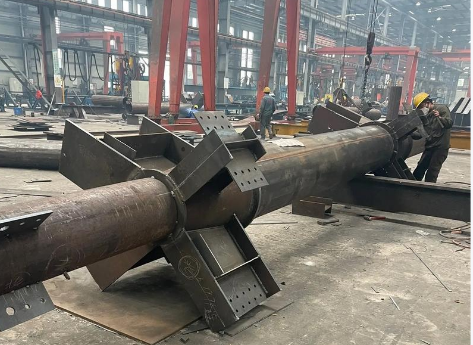

    The ultimate guide to riveting plant equipment: a checklist of must-haves for investing in a plant

    Introduction: Professional and systematic equipment planning solutions for entrepreneurs and factory managers.

    I. Sheet Metal Unloading and Forming Equipment Area

    1.1 Cutting equipment: plate shears, CNC flame/plasma cutting machines, laser cutting machines (selected according to size)

    1.2 Forming equipment: bending machines, plate rolling machines, punching machines

    II. Core riveting and assembly equipment area

    2.1 Drilling equipment: bench drills, rocker arm drills, magnetic drills (according to the size of the workpiece)

    2.2 Riveting equipment: manual/pneumatic/electrical riveting guns, riveting presses, pneumatic riveting hammers, ring groove rivet guns

    2.3 Assembly and clamping: C-clamp, F-clamp, various jigs, assembly platforms

    III. Welding and reprocessing equipment area (“riveting” usually includes welding)

    3.1 Welding equipment: welding machine (electric arc welding, gas shielded welding), welding consumables

    3.2 Post-treatment equipment: Angle grinders, sandblasting machines, spraying equipment

    IV. Auxiliary and safety equipment area

    (lifting equipment, dust removal systems, personal protective equipment PPE, etc.)

    V. Equipment Investment and Layout Recommendations

    Option A: Core equipment list for a small repair workshop ($100,000 – $200,000 budget)

    Option B: Core equipment list for a medium-sized structural fabrication plant ($500,000 – $1 million budget)

    Strong CTA: [Get a detailed list of equipment models and quotes] “The above is a category overview only. If you need detailed equipment brand, model recommendation and budget planning for a specific processing type (e.g. steel structure, container, ventilation duct), please leave your contact information or needs and our experts will provide you with a free consultation.”

    よくある質問

    “What are the three most preferred pieces of equipment to buy to start a small riveting workshop?” (Answer: Cutting equipment (e.g. plasma cutter), drilling equipment (bench/magnetic drill), and riveting equipment (pneumatic rivet gun).)

    “What’s the difference between pressure riveting machine and pull rivet gun, which one is more efficient?” (A: Pressure riveting machine is used for solid rivets with holes in advance, requires double-sided operation, extremely high strength, suitable for batch; pull rivet gun is used for core-pulling rivets, single-sided operation, flexible, suitable for multiple scenarios. Pressure riveter is more efficient in batch production.)
  • リベット溶接の操作方法とは?すべての技術的特徴を1つの表で簡単に比較

    クイック検索リベット溶接のすべての操作方法!我々は、ホット・リベット、コールド・リベット、プル・リベット技術の定義、ツール、長所、適用場面を明確な比較表でリストアップし、迅速な決断を助けます。

    图片[1]-铆焊的操作方法有哪些?一张表格快速对比所有技术特点-大连富泓机械有限公司一目でわかるリベット溶接の全作業とクイック・リファレンス・ガイド

    はじめに:本題に入り、簡単なリファレンスを提供する。

    リベット溶接作業方法概要表

    方法名、必要な主な道具、操作の簡単な説明、接続の強さ、利点、欠点、典型的な用途を列記した比較表を作成する。

    (対象:手動ホットリベット、空気圧ハンマーリベット、圧縮リベット、プルリベット、コアリベット、リング溝リベット)

    ニーズに合った方法を素早く見つける

    シナリオ1:「片側で操作する必要がある」→プルリベット、芯打ちリベットにお勧め。

    シナリオ2:「最大限の強度を求めている」→ホットリベット、リング溝リベットを推奨。

    シナリオ3:「私は工具が限られている個人的なDIYerだ」→手作業によるリベット引きを推奨する。

    拡大読書:各手法の詳細な手順

    (ここで簡単に説明し、記事1の詳細な章と記事2の対応するビデオへの内部リンクを多用している)


    "表にあるものよりも進んだリベット接合方法がありますか?"(A:はい、例えばリベットレス接合、セルフ・ピアス・リベット接合等、主に自動化された生産ラインで使用される)

    "どの方法が最もコストが低いか?" (A:最初の工具投入とリベット・コストは、通常、手動のリベット打ちでは比較的低い)

  • マスタリーへの道:実践的な問題を解決するために必見の10のテクニックビデオ解説

    Say goodbye to rivets that don’t hold or look good! This article is an in-depth solution to the challenges of riveting eccentricity, deformation, sealing, and joining dissimilar materials through advanced technique video explanations to enhance your craftsmanship.

    Advanced Rivet Welding TechniquesVideo presentation: From “know how” to “do it right”

    Introduction: For users who have mastered the basics but are having trouble with complex scenarios.

    Tip 1: How to achieve “invisible riveting”? (Perfect installation of countersunk head rivets)

    Video + lecture: countersinking (chamfering) techniques and riveting force control.

    Tip 2: A great trick for riveting in tight spaces

    Video + explanation: using a corner rivet gun or special rivets.

    Tip 3: Riveting sequence and support method to prevent deformation of thin plates

    Video + explanation: the sequence of riveting from the centre to the perimeter, staggered.

    Tip 4: Achieve a watertight/airtight riveted joint (use closed type rivets with sealant)

    Video + Explanation.

    Tip 5: Considerations for riveting dissimilar materials (e.g. aluminium to steel)

    Video + lecture: anti-electrochemical corrosion treatment.

    These advanced techniques can dramatically improve the quality of your products. If you’re planning a fabrication shop, you can’t do these jobs efficiently and with high quality without specialised equipment. Check out our ultimate list of What Equipment Do You Need in a Rivet Welding Plant (link to article six).


    “Why is there a gap in the workpiece after riveting?” (A: It may not be clamped securely or the rivet may not be of sufficient length to produce sufficient clamping force.)

    “How do I remove a riveted rivet?” (A: Video demonstrating the use of a drill to drill out the centre of a rivet.)

  • Zero Basic Riveting Techniques Video Tutorial: Hands on with your first professional rivets

    rivet weldingA must-see for newbies! This detailed video tutorial starts from scratch and teaches you to recognise the tools, choose the materials and complete your first solid and beautiful riveted piece step by step. Start learning immediately!

    Zero-Basic Rivet Welding Video Tutorial: Your First Lesson

    Introduction: Aimed at complete novices, this tutorial promises a “0 to 1” breakthrough.

    Chapter 1: Know your “arsenal” – riveting welding common tool introduction

    (Pictures showing hand drills, rivet guns, hammers, top irons, etc. and explaining what they do)

    Chapter 2: Choosing the Right “Tie” – A Guide to Rivet Type and Size Selection

    (Demonstrate solid rivets, blind rivets, open end/closed end rivets and explain the application scenarios)

    Chapter 3: Best Practices for Beginners – Single Sheet Steel Pull Rivet Project

    Video embedded: “Making a Simple Metal Hanger”

    Step-by-step illustrations (synchronised with the video).

    Item 1: Measuring and scribing.

    Project 2: Drilling techniques (how to prevent the drill bit from slipping).

    Item 3: Deburring (importance emphasised).

    Project 4: Clamping and Riveting (hands-on).

    Item 5: Final inspection and finishing.

    Chapter 4: Post-Course Exercises and Self-Checklist

    Congratulations on completing lesson one! To learn about the several ways riveting can be done and where they are each used, read our technical guide (link to article one).


    “What is the best material to use for practice?” (Answer: Aluminium or mild steel plates 2-3 mm thick are recommended, which are low cost and easy to work with.)

    “How do I choose a rivet gun?” (Answer: for occasional home use, go with a single-handle model; for frequent use, go with a two-handle, labour-saving model; check out our equipment list article for brand suggestions.)

  • HD Hands-on] Rivet Welding Methods Video: From Tool Preparation to Complete Riveting

    Intuitive learning through high-definition videorivet weldingThis page brings together the complete process video of the core operations of riveting and hot riveting! This page brings together the complete process video of the core operation methods of pulling rivets, hot rivets, etc., with key steps of text interpretation, the novice can also easily understand.

    图片[1]-【高清实操】铆焊的操作方法视频大全:从工具准备到完成铆接-大连富泓机械有限公司
    Video on how to do rivet welding (with step-by-step instructions)

    “A hundred times over, watching videos is the fastest way to learn a hands-on process like riveting and welding. We have integrated HD videos of key operations for you.”

    Before you watch: safety precautions and tool checks

    (Pictures showing helmets, goggles, gloves, and a list of tools)

    Video 1: Pull Rivet (Blind Riveting) Standard Operating Methods

    Embed video (or place video thumbnails, link to YouTube/B site, etc.)

    Video Highlights Text Commentary.

    Step 1: Select rivet size and drill bit.

    Step 2: Align the workpiece and drill the holes.

    Step 3: Insert rivets and position rivet gun.

    Step 4: Pull gun handle evenly until rivet breaks off.

    Step 5: Check that the rivets are fully formed.

    Video 2: Demonstration of the traditional process of hot riveting (teamwork)

    Embedded video

    Explanation: Emphasis is placed on heating temperature control, transfer and riveting.

    Video 3: Ring Groove Rivet Power Tool Installation Demonstration

    Embedded video

    Text description: Demonstrates the efficient industrialised installation process.

    Video collection of common operational errors (cautionary tale)

    (A short demonstration of failures caused by oversized holes and uncomfortable rivet lengths)

    CTA: Want to advance to mastery after watching basic operations? Take the next step and learn the Rivet Welding Techniques Video Explained (link to article four) for the secrets to making your work more professional.


    “Why is my rivet not riveted tight?” (Answer: Possible causes: Hole diameter too large, insufficient length of the nail shank, head not selected correctly.)

    “Where can I buy the tools used in these videos?” (A: A detailed list of tools and equipment is included in our next article, “What All Equipment is Needed in a Rivet Welding Plant.”)

  • How many kinds of rivet welding operation methods? Comprehensive analysis of the 5 mainstream processes and applications

    wonderrivet weldingAre there actually several ways to operate?
    This article explains in detail the hot rivets, cold rivets, pull rivets, core rivets and ring groove rivets 5 process principles, steps and applicable scenarios, an article to read and understand!

    图片[1]-铆焊的操作方法有几种?全面解析5大主流工艺与应用-大连富泓机械有限公司
    How many ways are there to operate rivet welding? Master all the mainstream processes in one article

    INTRODUCTION: Briefly describes the critical role of riveting in structural steel, marine, and aerospace, and asks the central question, “How many ways are there to operate riveting in the face of different materials and requirements?”

    I. Five major classifications of riveting and welding operation methods

    1. Hot Riveting – traditional and robust

    (Principles, steps, advantages and disadvantages, application scenarios)

    2. Cold Riveting – The choice for efficiency and convenience.

    (Principle, tools required, application)

    3. Pull Rivet (Blind Rivet / Blind Rivet) – A revolution in one-sided operation

    (Highlights, operating procedures using a rivet gun)

    4. Blind riveting – the faster riveting variant

    5. Ring-grooved riveting – a high-strength alternative to bolts

    II.How to choose the right riveting method for your project?

    (Provides selection guidelines in four dimensions: material thickness, strength requirements, accessibility, and productivity)

    III. Core safety operating guidelines (must be followed regardless of method)

    Conclusion & Call to Action (CTA): Mastering categorisation is the first step, want to know the specific details and techniques of how each method works? We’ve got you covered with detailed video tutorials (links to articles II/III).

    よくある質問

    “Which is the most common method of riveting?” (Answer: Pull riveting is currently the most widely used in maintenance and manufacturing because of its convenience.)

    “Which is stronger, hot riveting or cold riveting?” (A: Typically, hot riveted connections are slightly stronger when done correctly, but cold rivets are adequate for most scenarios.)

    “Which method should a beginner start learning?” (A: It is recommended to start with riveting using a rivet gun; the tools are easy to obtain, the operation is safe, and it is easy to build confidence.)

  • グローバル化下の装置製造業:産業チェーンのシナジーと市場競争の新しいパターン

    Analysing how globalisation is shapingModern equipment manufacturingof the industry chain. Discuss how localisation strategies, technological innovation and cooperation models can help companies find their position and win the market in the new landscape.

    After decades of deep globalisation and integration, the equipment manufacturing industry chain has spread to all corners of the world. However, global events in recent years are reshaping the landscape, prompting companies to look at their globalisation strategies from a new perspective and pay more attention to the synergy and resilience of the industry chain.

    1. Division of labour and collaboration in the global industrial chain A high-end CNC machine tool may contain a controller from Germany, precision bearings from Japan, structural parts from China and software from the United States. This deep international division of labour makes the optimal allocation of resources and reduces the cost of the final product

    2. Emerging current challenges and trends Supply chain security and resilience: Epidemics and geopolitical conflicts have exposed the vulnerability of very long supply chains. Enterprises are seeking to “localise” or “near-shore outsource” to shorten supply chains and improve response times. The rise of technological protectionism: the acquisition and protection of core technologies have become the focus of competition between countries, which has raised new issues for international technological cooperation among equipment manufacturing enterprises. Impact of regional trade agreements: The entry into force of regional FTAs, such as RCEP, is reshaping the industrial chain layout in the region.

    3. Winning Strategies in the New Landscape Building an Agile and Transparent Supply Chain: Use digital tools to achieve real-time visual monitoring of the global supply chain and establish a diversified supplier system. Deep ploughing into core technologies to create “hidden champions”: By excelling in a certain segment and mastering irreplaceable core technologies, we can have a strong voice in the global industrial chain even if we are small in scale. From “going out” to “going in”: Overseas market expansion is not only about selling products, but also about setting up local R&D centres and service centres to achieve truly localized operation, and to deeply understand and meet the needs of regional customers.

    4. The future of win-win cooperation Despite the trend of anti-globalisation, the complexity of the equipment manufacturing industry dictates that international cooperation is still the mainstream. The competition in the future will be the competition between different industrial chain ecosystems. Enterprises that can effectively integrate global high-quality resources and build a stable and efficient synergistic network will become the future industry leaders.

    Summary: Globalisation has entered a new stage, and equipment manufacturing enterprises need to have a sharper global vision and more flexible adaptability. Under the premise of guaranteeing the safety of the industrial chain, through technological innovation and in-depth synergy, continuing to find growth opportunities in the global market is the only way to cope with the current complex situation.

  • Heavy industry in the context of sustainable development: challenges, opportunities and innovative solutions

    directly facingmanufacturingThis article explores how clean technologies and policy guidance can help heavy industry move towards a sustainable future. This paper explores how clean technologies, circular models and policy guidance can help heavy industry move towards a sustainable future.

    Text: As the world’s attention is focused on climate change and environmental protection, heavy industry, as a major consumer of energy and emissions, is undoubtedly facing unprecedented pressure. However, challenges and opportunities exist side by side, and this green revolution is also giving rise to unprecedented innovation and growth in the heavy industry sector.

    1. Core challenges Large carbon footprint: Production processes in industries such as steel, cement and chemicals involve the combustion of large amounts of fossil fuels and chemical reactions, which are one of the main sources of CO2 emissions. Resource-intensive: Extremely dependent on natural resources such as ore, coal and water. Waste and Pollution Control: The treatment of waste slag, waste water and waste gas is always a difficult problem for the industry.

    2. Shifting to a circular economy model The linear economy model of “take – make – waste” is no longer sustainable. Heavy industry is actively exploring circular economy pathways: Material innovation: Research and development for the use of recyclable or bio-based materials. Industrial symbiosis: Using by-products from one factory (e.g. waste heat, blast furnace gas) as raw materials or energy for another factory, forming an eco-industrial park with shared resources. Product Life Cycle Management: Consideration of disassembly, recyclability and remanufacturing potential from the design stage.

    3. Breakthrough applications of clean technologies Hydrogen steelmaking: Using hydrogen instead of coal as a reductant, with water as a by-product, can fundamentally eliminate carbon emissions from the steelmaking process, and is the most promising disruptive technology available. Carbon Capture, Utilisation and Storage (CCUS): As mentioned earlier, CCUS technology is a viable option for deep decarbonisation of existing facilities. Electrification: Substitution of fossil fuels with electricity, accompanied by the use of renewable energy sources, where feasible.

    4. Driven by both policies and markets Carbon tax policies, green financial support and consumer preference for low-carbon products, such as “green steel”, in countries around the globe are creating a strong external impetus for the green transformation of heavy industry. Summary: The impact of sustainable development onmanufacturingIn terms of social responsibility, it has gone from being an option to being a must. It’s not just about social responsibility, it’s at the heart of a strategy for business survival and competitiveness. Those who are the first to adopt and invest in innovative green solutions will have an absolute advantage in the marketplace of the future.