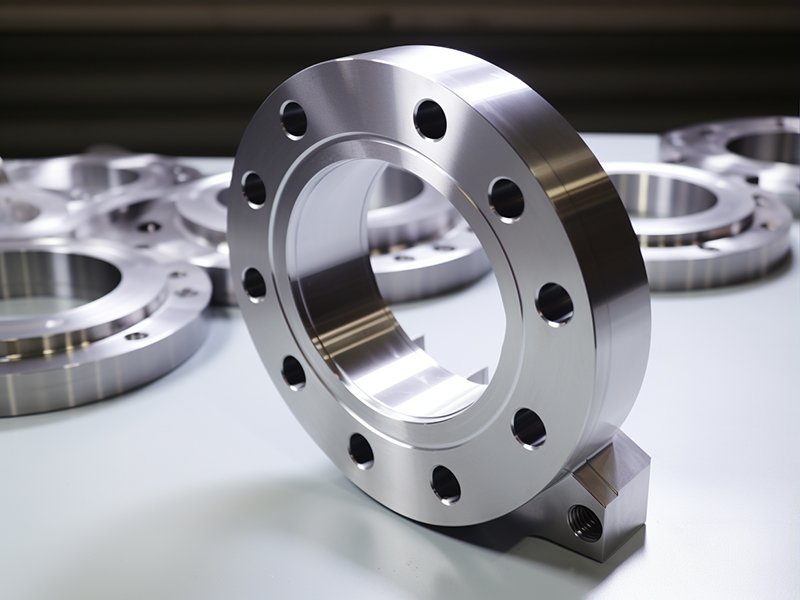


Common problems and solutions in CNC aluminum alloy parts processing (aluminum alloy CNC)
When processing CNC aluminum alloy parts, the surface is rough, the accuracy fails to meet standard requirements, and the efficiency is at a low level. These are the most troublesome problems for manufacturers. Knowing the reasons why these problems occur and how to deal with them can help you, allowing you to reduce pitfalls, reduce costs, and improve the quality of your products.
Analysis of causes of poor surface quality
After processing of aluminum alloy parts, surface roughness, scratches, burrs and other problems appear. These are often caused by severe tool wear. After the blade has been used for a period of time, the cutting edge becomes blunt, the cutting force increases, and it is easy to leave knife marks on the surface of the workpiece. In addition, improper use of cutting fluid can also lead to poor heat dissipation and affect the surface finish.
![图片[1]-Common Problems And Solutions In CNC Aluminum Alloy Parts Processing (aluminum Alloy CNC)-Dalian Fuhong Machinery Co., Ltd](/wp-content/uploads/2026/08/1787155851829_0.jpg)
One of the important causes of poor surface quality is machine tool vibration. Spindle runout will cause jitter during processing, loose fixtures will cause jitter during processing, and uneven base will cause jitter during processing. Ultimately, these jitters will be reflected on the surface of the workpiece. Checking the status of the machine tool and whether the tool clamping is secure is the first step in improving surface quality.
Measures to improve the surface quality of aluminum alloys
Regularly replace the cutting tools. This is the basic work to ensure the surface quality. It is recommended to set standards for tool replacement according to the processing time and cutting depth. Do not wait until the processing effect is obviously deteriorated before replacing the tools. At the same time, pay attention to the choice of tool materials. Carbide-type tools are suitable for finishing, and coated tools can effectively reduce friction and the formation of built-up edge.
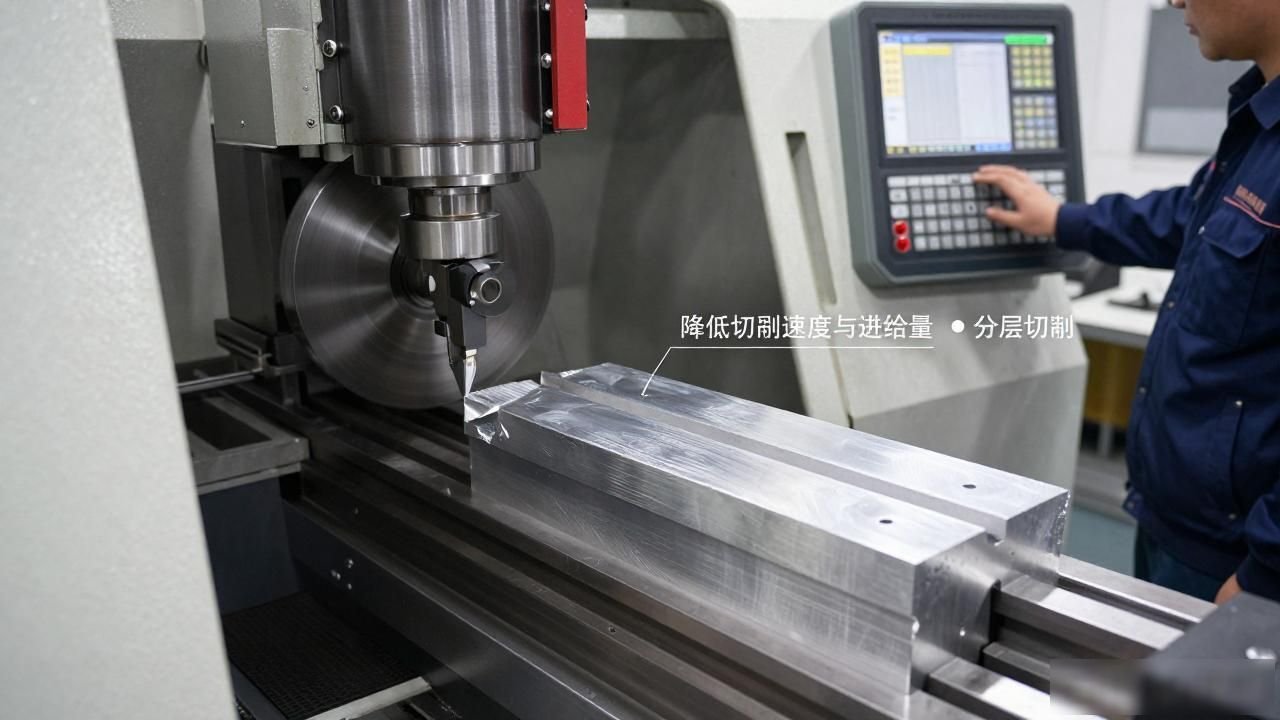
It is also crucial to adjust the cutting parameters reasonably. By appropriately reducing the cutting speed and feed rate, the surface finish can be improved. For deep hole processing or thin-walled parts, it is recommended to use layered cutting to reduce the amount of single cutting to prevent surface defects from appearing on the surface due to excessive force on the tool.
Common causes of insufficient machining accuracy
![图片[3]-Common Problems And Solutions In CNC Aluminum Alloy Parts Processing (aluminum Alloy CNC)-Dalian Fuhong Machinery Co., Ltd](/wp-content/uploads/2026/08/1787155851829_2.jpg)
The important reason for the lack of accuracy is the error in the machine tool itself. After long-term use, the radial runout of the spindle, the clearance of the lead screw, the straightness of the guide rail, etc. will all change, which will directly affect the machining accuracy. Regularly testing several accuracy indicators of the machine tool, timely detecting and compensating for errors, is indeed a necessary means to maintain accuracy.
Tool wear and improper clamping methods will also affect accuracy. Tool wear will cause dimensional deviations. Unbalanced clamping force during the clamping process will deform the workpiece. Selecting an appropriate clamp, controlling the clamping force, and regularly checking the tool wear status can effectively reduce accuracy problems.
An effective method to improve machining accuracy
Improving machine tool errors is the kind of basic work that can improve accuracy. With the help of detection equipment such as laser interferometers, the positioning accuracy of each axis of the machine tool can be accurately measured, and then the parameters can be compensated based on the measurement results. Establishing a regular calibration rule system can ensure that the machine tool is always in good working condition.
Optimizing the machining process is also of great significance. A reasonable machining sequence is one of them. Appropriate cutting amount is indispensable. Correct tool path planning is extremely critical. These can all play a role in improving machining accuracy. For parts with high precision requirements, it is recommended to adopt a step-by-step strategy of rough machining, semi-finishing, and finishing to gradually remove errors.
![图片[4]-Common Problems And Solutions In CNC Aluminum Alloy Parts Processing (aluminum Alloy CNC)-Dalian Fuhong Machinery Co., Ltd](/wp-content/uploads/2026/08/1787155851829_3.jpg)
Manifestations and causes of low processing efficiency
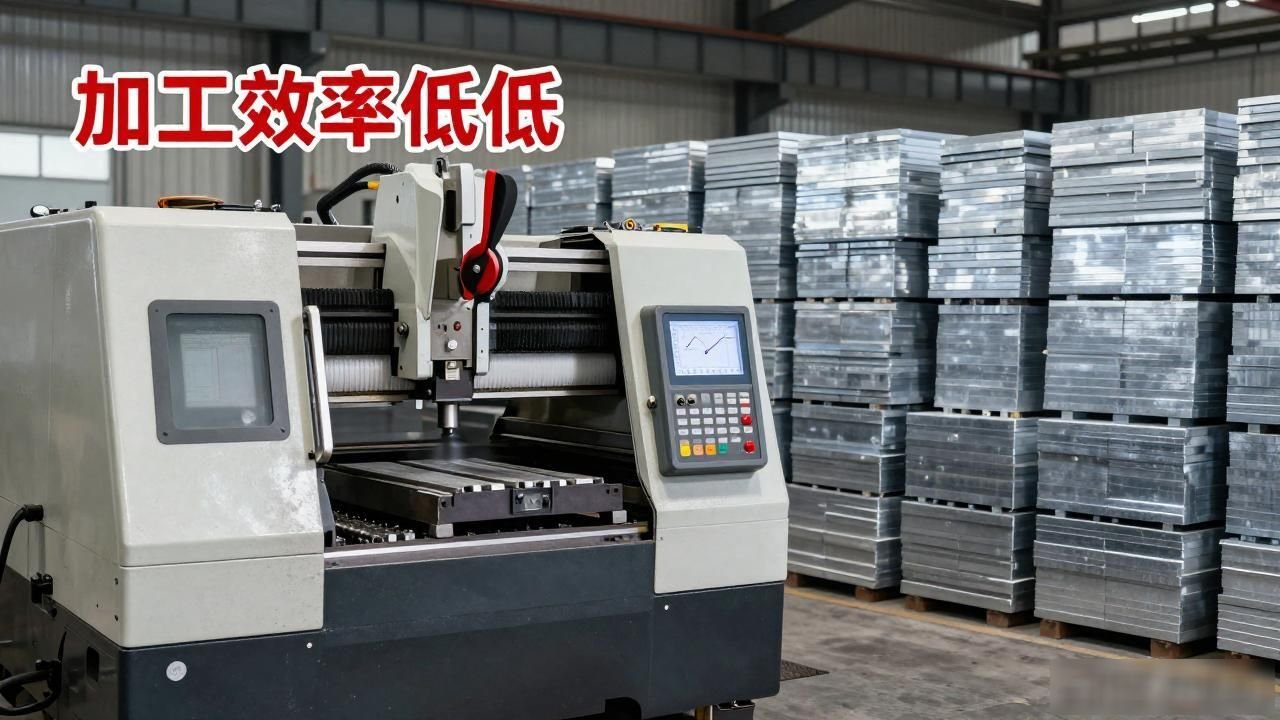
As a common reason for reducing machining efficiency, excessive tool wear is one of them. The blade life is short, which means frequent tool changes are required, which not only increases costs but also takes up a lot of processing time. If the cutting parameter settings are unreasonable, it will also lead to low efficiency. For example, if the feed speed is too slow or the cutting depth is inappropriate, the machining cycle will be prolonged.
Processing efficiency is affected by the stability and operability of machine tools. Frequent alarms and shutdowns, time-consuming program debugging, and time-consuming workpiece clamping are all manifestations of low efficiency. The focus of improving processing efficiency is to optimize the production process and improve equipment utilization efficiency.
Comprehensive strategy to improve processing efficiency
Establishing a tool management system scientifically is an effective way to improve efficiency. Record the processing time and life of each tool, analyze the wear pattern, and then formulate a scientific replacement cycle. Selecting tool materials and coatings with better performance can significantly extend tool life and reduce the frequency of tool changes.
To significantly improve machining efficiency, it is necessary to adjust the optimizable cutting parameters. According to the characteristics of the material and tool, find the parameter value range that is the best combination of cutting speed, feed amount and cutting depth. Modern CNC machine tools generally have an adaptive control function. This function can automatically adjust parameters based on the cutting load, thereby fully utilizing the equipment's capabilities.
Regarding aluminum alloy CNC machining, what problems do you most often encounter in terms of surface quality, accuracy, or efficiency? How do you solve it? Welcome to share your experience!







暂无评论内容