

Riveting is a type of electric welding
What is riveting welding process
Riveting is a connection technology that relies on the properties of thermoplastic plastics. It is often mistaken for tolerance analysis in the welding and riveting assembly process , but its essence is to lock parts through physical deformation. This process is very common in electronic casings and automotive interior parts because it does not require additional screws or glue.
Compared with traditional screw fixing, riveting welding eliminates the steps of installing fasteners. Only a heating welding head is needed on the production line, and a rivet point can be solidified in a few seconds. The entire process is highly automated and is extremely suitable for large-scale mass production. It can significantly reduce assembly costs. Rivet welding is a type of electric welding and improves production efficiency.
Why Tolerance Analysis is Needed
Plastic materials have a significant shrinkage rate and their dimensions will change after cooling. If tolerances are not considered during the design stage, the finished product will often be loose or over-tight. The purpose of tolerance fit analysis is to predict such changes to ensure stability during mass production.
There may be slight differences in the performance of different batches of plastic raw materials. The temperature and humidity of the environment can also affect the cooling rate, thereby changing the final size. Only by accurately calculating the tolerance range can these fluctuations be tolerated and prevent the entire component from being scrapped due to small deviations, thus affecting the yield.
Selection of rivet column diameter

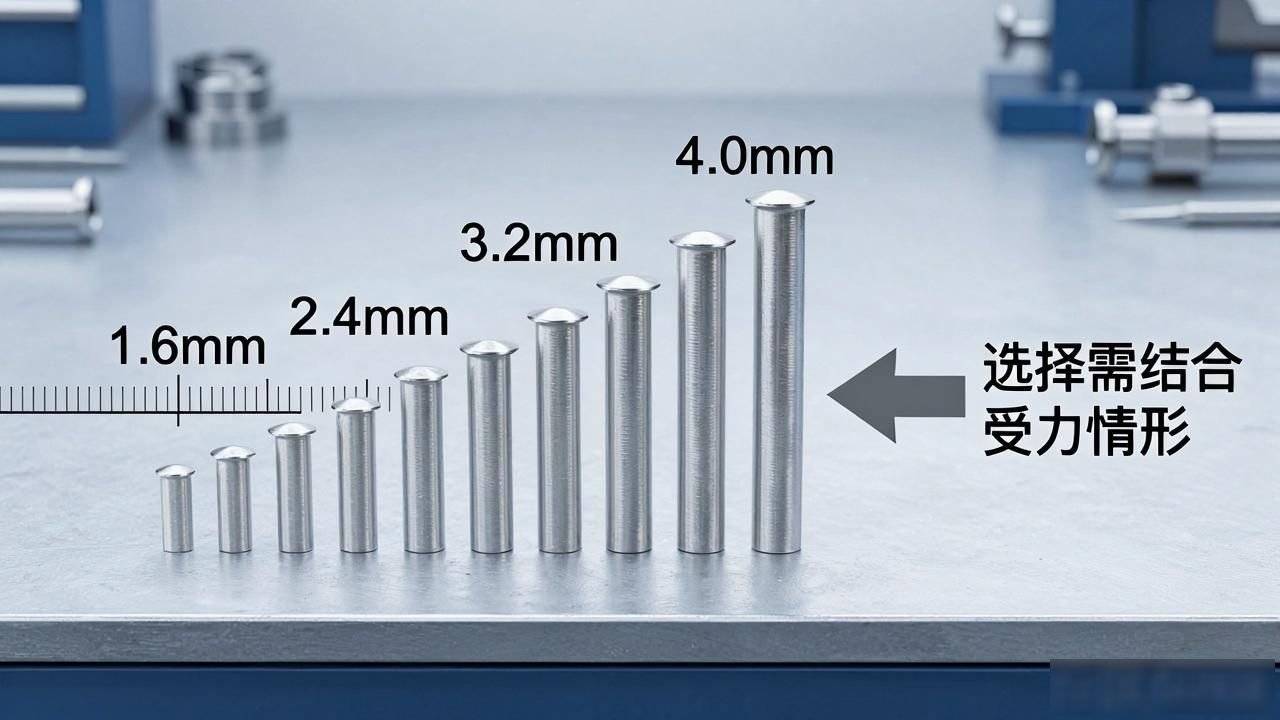
For general purposes, it is recommended to use rivet posts with diameters in the range of 1.6 to 4 mm. This size range provides an excellent balance between strength and its ease of deformation. If it is too thin, it will easily break. If it is too thick, more pressure will be required, which will require higher equipment. When making a selection, a comprehensive judgment should be made based on the stress situation.
Spherical rivet welding has higher requirements for precision, and generally requires the use of small rivet posts less than 1.6 mm. This type of scene focuses on aesthetics and surface smoothness. Small-diameter rivet posts are easier to form a rounded head and are suitable for products that have strict requirements on appearance, such as the shell seams of consumer electronics products.
Application of special head shapes
Flush riveting is used in situations where a completely flat surface is required. It is pressed with the help of a special mold to achieve a flush state between the rivet head and the base material, preventing bulges from appearing and scratching clothing or the human body. This process is often used in home appliance panels or medical equipment. It is both beautiful and safe, improving user experience and product quality.
Hollow riveting is performed to reduce dents and shrinkage defects. When the diameter of the rivet column is greater than 4 mm, dents are likely to occur due to slow cooling in the center. The use of a hollow structure can accelerate heat dissipation, achieve uniform shrinkage, and obtain a more perfect surface quality. This is an effective method for processing large-size connectors.
Difficulties in matching different materials
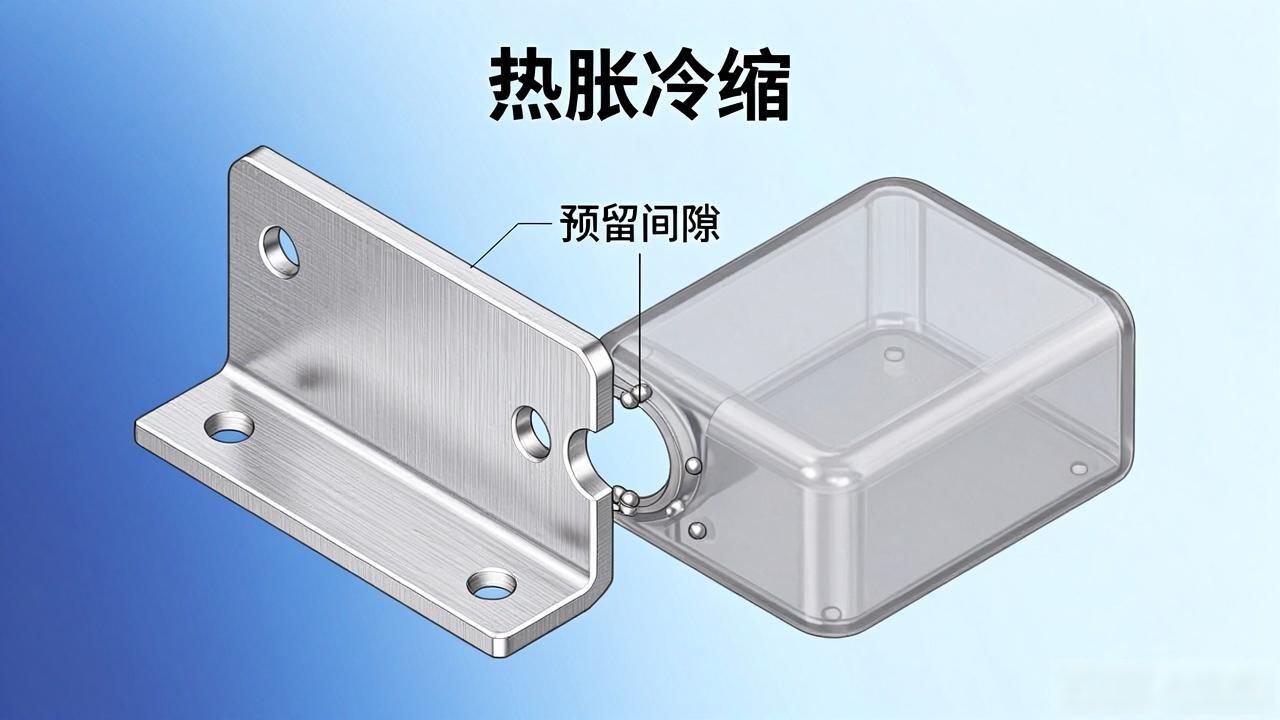
He is particularly good at tolerance coordination analysis during the riveting and welding assembly process of connecting dissimilar materials, such as metal brackets and plastic shells. However, because the thermal expansion coefficients of the two are different, temperature changes may cause the stress at the joint to focus. Tolerance coordination analysis during the riveting and welding assembly process must be reserved during the design to avoid cracking or tripping due to thermal expansion and contraction, so as to ensure long-term reliability.
Connecting plastic and metal is also associated with interface bonding issues. Although it mainly relies on mechanical locking, proper surface treatment can promote intermolecular forces. The processing temperature must be strictly controlled to prevent overheating causing the plastic to be burned, or overcooling causing the bond to be weak. Finding the optimal process window is the most critical point.
How to optimize assembly yield
If you want to improve the yield rate, the first thing you need to do is to accurately control the mold tolerances of injection molded parts. It is recommended to conduct multiple DOE experiments during the trial production stage to verify the matching effect under different parameters, record the data of each batch, and build a database so that you can quickly adjust equipment parameters during subsequent production and maintain stable output.
Temperature sensors and pressure sensors must be calibrated regularly, which is extremely necessary for riveting and welding equipment. If small deviations accumulate, a large number of defective products will ensue. Operator training must be strengthened, and the method of picking and placing workpieces must be standardized to reduce interference caused by human factors. Only when many factors such as human, machine, physical, environmental, environmental, and other factors are carefully controlled, controlled, and properly handled can the goal of high-quality equipment be successfully achieved.
In a structure made of mixed plastic and metal, in addition to riveting and welding, what other connection methods can take into account both strength and cost? Welcome to leave a message to discuss and interact, like and share so that more industry peers can benefit from it!







暂无评论内容