Precision means
The price behind accuracy
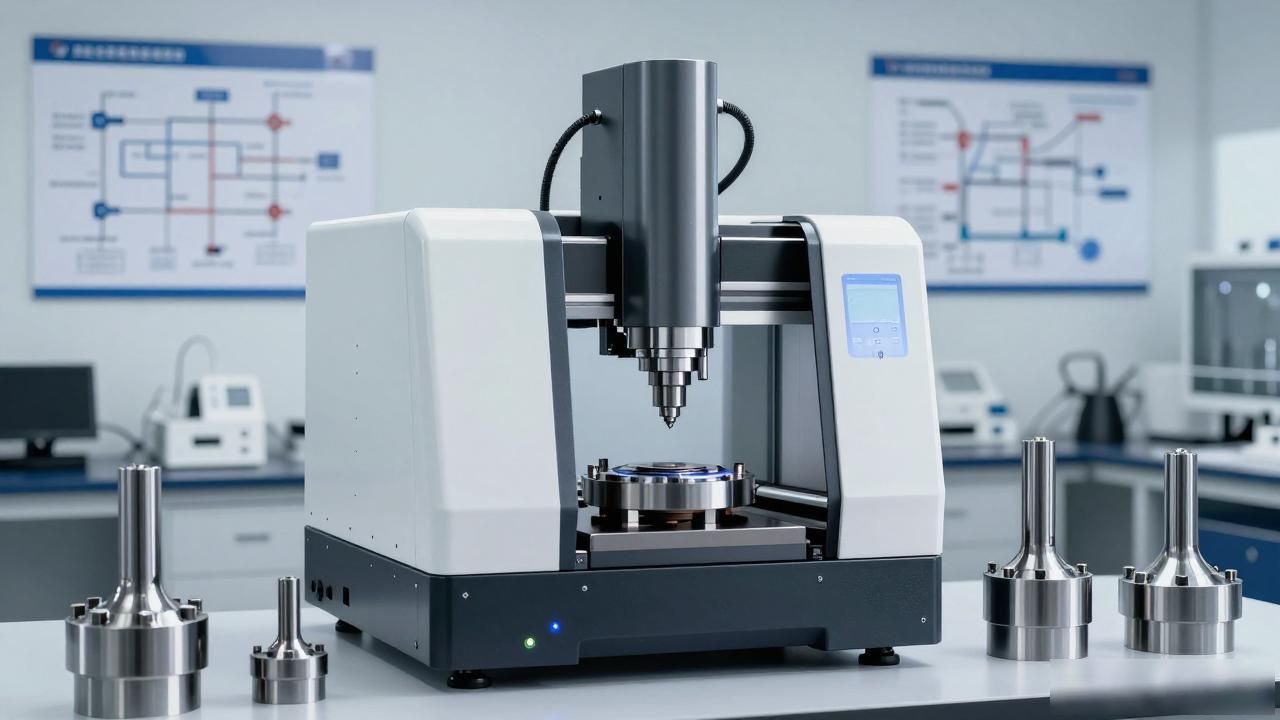
Many people think that machining is equivalent to cutting metal, and the prices corresponding to high and low precision are roughly similar. In fact, this idea is completely wrong. Precision machining has extremely high requirements for equipment. Ordinary machine tools cannot achieve micron-level dimensional control, so high-precision CNC machine tools must be used.
This type of equipment is expensive to build, and the maintenance costs are equally high. The environment in which it operates requires constant temperature and humidity, and even a vibration-isolating foundation. Such hardware investment directly increases the basic cost significantly. Each process requires stricter monitoring and control, and the investment in manpower and time is much higher than that of ordinary processing.
Tool and consumable costs
The tools used in precision machining are completely different from the tools used in ordinary machining. In ordinary machining, carbide tools can be used to quickly remove material. However, precision machining requires the use of diamond tools or ceramic tools. The unit price of such tools is extremely high, and their lifespan is relatively short, and the frequency of replacement is very fast.
It takes multiple tool passes to achieve the dimensional requirements necessary for precise machining, which involves more tool wear and higher expenditure on consumables. The requirements for coolants and lubricants are also becoming more stringent, and special media with quite high purity must be used, which increases the material cost.
Testing and quality inspection links

Ordinary machining may only require rough measurements with calipers, but precision machining must use a three-dimensional coordinate measuring machine. The price of this testing equipment can easily reach hundreds of thousands, and its operation is complicated and time-consuming. Each batch of products must undergo strict dimensional inspection and geometric tolerance verification.
Those engaged in quality inspection must have extremely high professionalism and be able to interpret complex drawings and technical specifications. This link not only increases labor costs, but also prolongs the production cycle. Many times, the time spent on quality inspection is even longer than the actual processing time, which leads to a decrease in overall efficiency.
Technical talent salary
Meticulous processing is not a type of work that just anyone can control. It requires highly skilled professionals with rich experience. These professionals must not only understand the writing of programs, but also know the relevant knowledge of various mechanics of materials and deformation under thermal conditions. Generally speaking, they have many years of practical operation experience, and their salary level is much higher than that of ordinary workers engaged in operation.
If companies want to retain such talents, they often have to provide more competitive salary and benefits. The cost of training is a considerable amount of money, and new employees must go through a long period of learning before they can take up the job independently. There are differences in labor costs, which will ultimately be reflected in the unit price of the product.
Production efficiency and yield
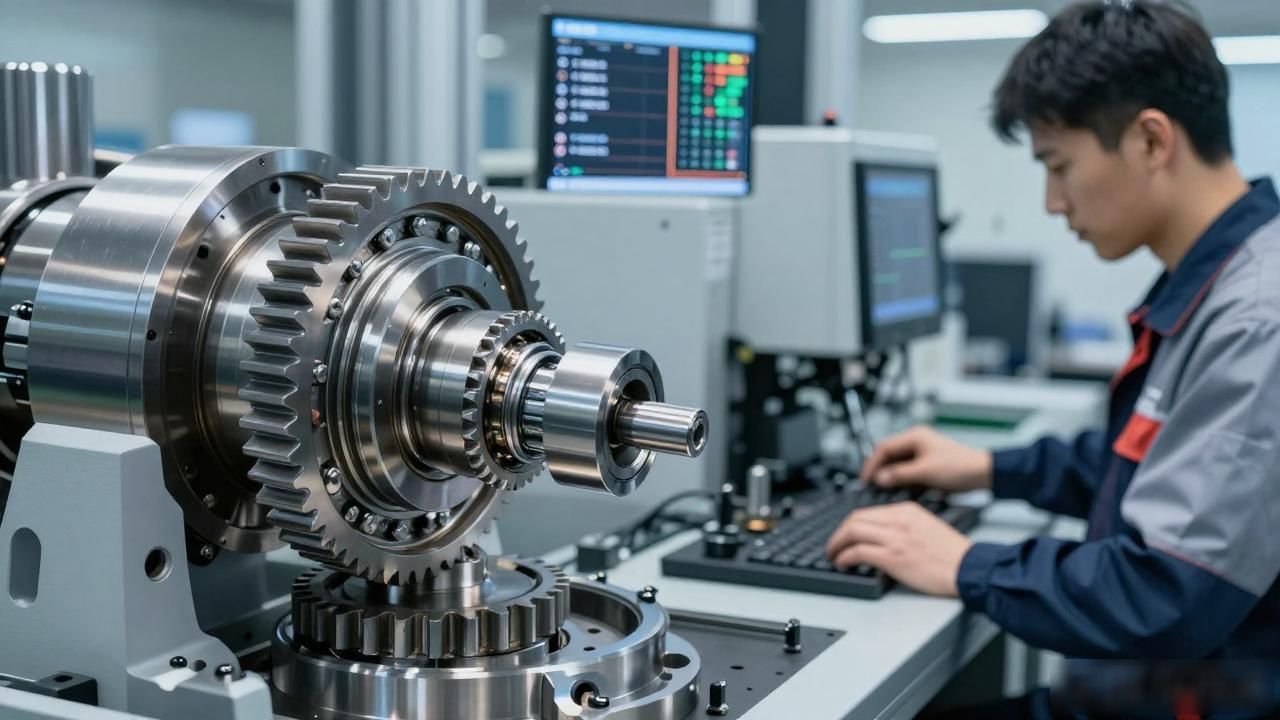
Even though it takes a long time to precisely process a single object, its most important value lies in high yield and consistency. Ordinary processing methods are very likely to result in cost differences between batch precision machining of scrap products and ordinary processing . However, precision machining relies on strict control of variables to ensure that each product can meet standard standards. This kind of stability will reduce the problems that arise during the subsequent assembly process, thereby reducing the overall risk cost.
However, in order to maintain a high yield, the production line must always maintain extremely high cleanliness and stability. No matter how small the vibration or the change in temperature is, it is very likely to cause waste products. Therefore, enterprises must invest more resources to maintain the stability of the production environment, and this part of the hidden costs cannot be ignored.
How to choose processing method
When choosing a processing method, the cost difference between precision machining and ordinary processing must not be focused solely on the unit price, but the comprehensive cost should be considered. If the product does not have excessive requirements for accuracy, ordinary processing is sufficient to meet the demand, and there is no need to blindly pursue extreme precision. However, once key components are involved, the reliability improvement brought by precision processing is irreplaceable.
This is a suggestion to use the product use as a basis to rationally select the processing technology. For non-critical parts, tolerances can be moderately relaxed to reduce costs. Regarding the cost difference between precision machining of components at the core and ordinary machining , we should face and accept the high price and precision brought by precision machining, so as to ensure product quality and brand reputation. Balancing cost and performance is a wise choice and a wise approach.
Do you think that in the work you are engaged in, should you take the lead in controlling costs or ensuring accuracy? Welcome to leave a message in the comment area to share your views.
コメントを残す
コメントを投稿するにはログインしてください。