

A brief analysis of the future prospects and trends of the sand mill industry
High-performance requirements drive equipment upgrades
Against the background that high-end manufacturing fields such as electronics and new energy have increasingly higher requirements for material precision. It is no longer possible for traditional sand mills to meet the grinding requirements at the submicron or even nanometer level. A company in Shenzhen gave feedback that the customer requirements for product particle size distribution faced by this company in 2025 have increased by almost 40% compared with three years ago.
This shows that the equipment must be fully optimized starting from the structural design to the materials used. For example, choosing a high-hardness ceramic rotor to match the stator allows the grinding fineness to be stably controlled below 100 nanometers, while also reducing metal contamination, which is particularly critical for the manufacture of lithium battery cathode materials.
Energy saving and cost reduction have become an urgent need for enterprises
After the continuous rise in electricity prices and the tightening of carbon emission reduction policies, against this background, the proportion of electricity charges generated by the operation of sand mills in production costs is showing an upward trend. Data clearly shows that for a traditional horizontal sand mill, when operating at full capacity, its annual electricity bill can reach hundreds of thousands of yuan, accounting for more than 15% of the total equipment cost.

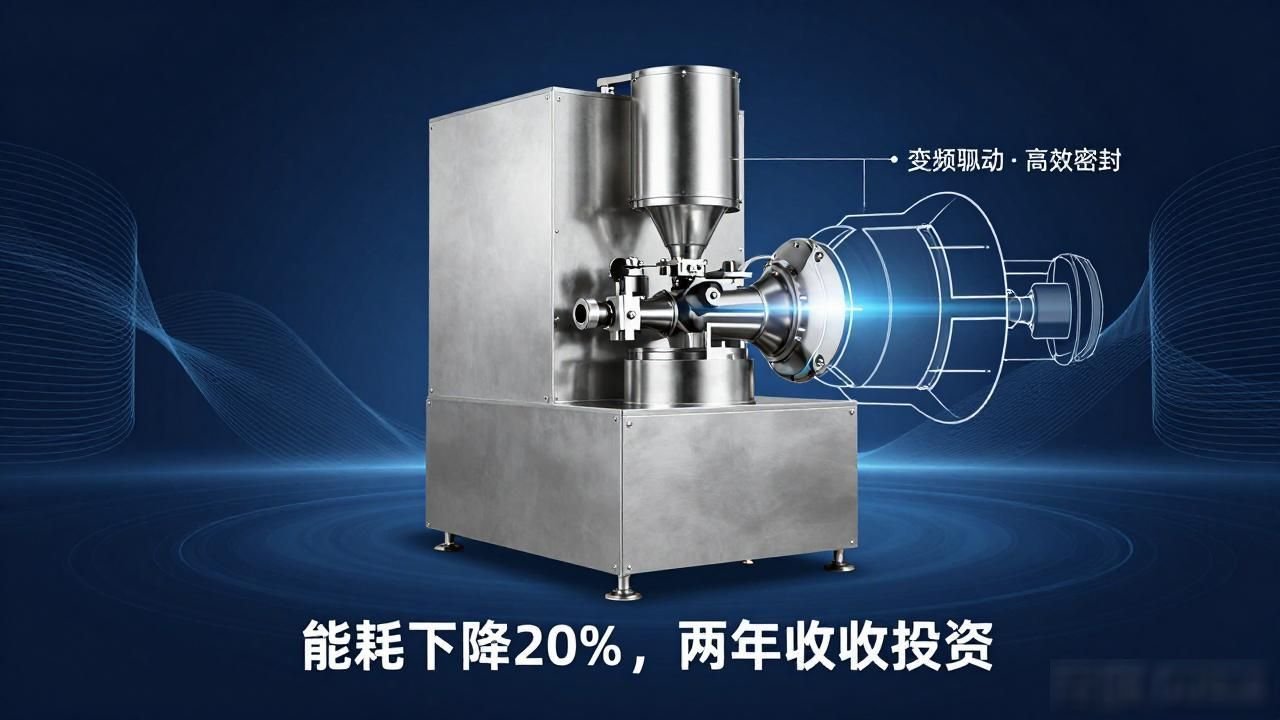
Therefore, the challenges and opportunities in the grinding processing market , the introduction of variable frequency drive technology and efficient sealing systems have become the focus of the industry. The vertical sand mill launched by Shenzhen Sanxing Feirong uses an optimized grinding chamber structure to reduce energy consumption by about 20% with the same output, helping users recover additional equipment investment within two years.
New material coating extends equipment life
When processing hard materials such as alumina and silicon carbide, the wear of the inner wall of the equipment by the grinding media has always been a problem, and the wear rate will accelerate. A ceramic powder factory once reported that the lining of its sand mill needs to be replaced every three months, with a single maintenance cost exceeding 50,000 yuan.
In the future, tungsten carbide coatings and ceramic composite materials will be more widely used on the grinding chamber level and the rotor surface. These materials can extend the service life of equipment by more than double. At the same time, they will reduce the number of shutdowns for maintenance, thereby improving overall production efficiency.
Intelligence and automation are accelerated
The rise in labor costs has prompted factories to seek "unmanned" production solutions and develop in the direction of compatibility with the Internet of Things. They will use sensors to monitor parameters such as temperature, pressure, and rotational speed in real time, and can also automatically adjust the grinding process.
For example, there is a company in Shenzhen that integrates an intelligent control system into its vertical sand mill. The operator only needs to set the target particle size on the tablet computer, and the equipment can automatically complete the entire process of feeding, grinding, and discharging. This has reduced the number of operators of a single equipment from two to half a person.
Emerging markets bring room for growth
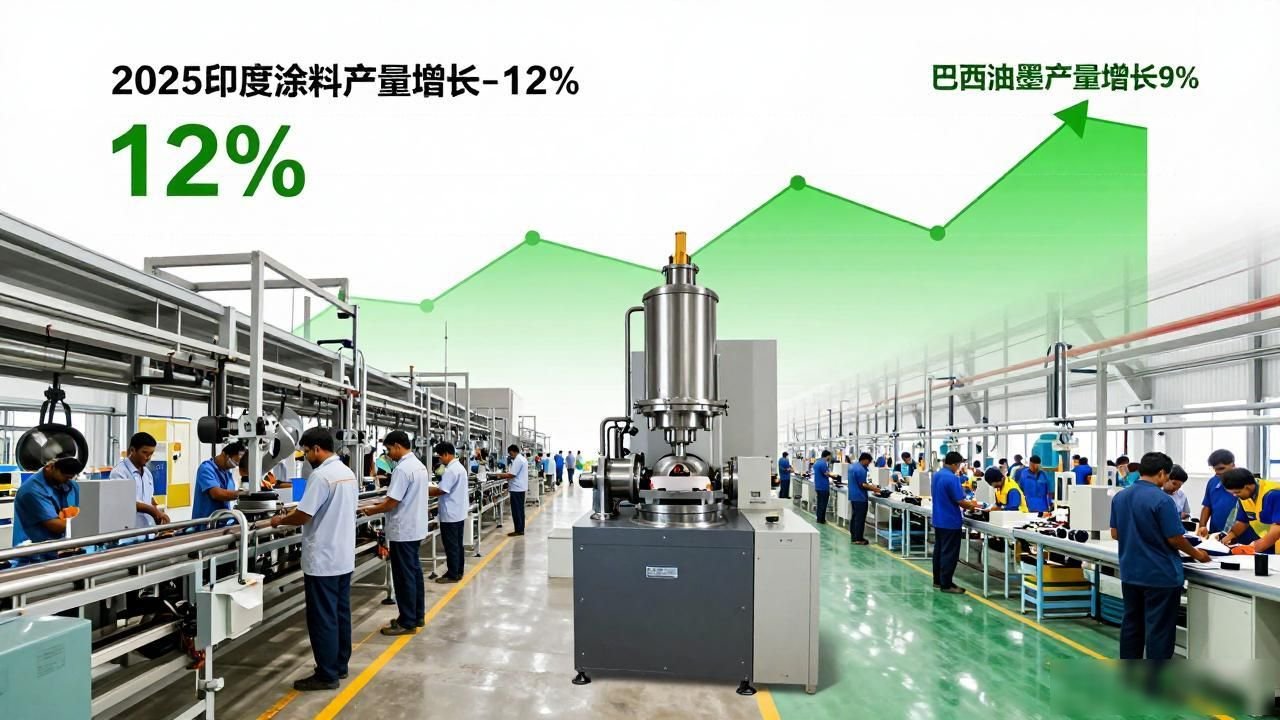
Asia and South America are gradually evolving into regions with the fastest growing demand for sand mills. At this time point in 2025, India's production of coatings and inks has increased by 12%, while Brazil's production in this area has increased by 9%. Both of these challenges and opportunities in the grinding processing market have directly promoted the demand for high-precision grinding equipment to show an upward trend.
Small and medium-sized enterprises in those areas prefer to purchase domestic devices with outstanding cost performance rather than expensive imported brands. Shenzhen Samsung Feirong's vertical sand mill has begun to enter the Southeast Asian market due to its low energy consumption and stable performance, and has achieved trial operation testing in a battery material factory in Vietnam.
Vertical structure adapts to nano grinding trend
Compared with traditional horizontal sand mills, the vertical structure can more effectively remove grinding media and air bubbles under gravity-assisted conditions, thereby reducing the risk of clogging. This is a particularly important grinding processing market challenge and opportunity for the preparation of submicron or even nanoscale powder materials, because the finer the particles, the more significant the agglomeration problem becomes.
The vertical sand mill owned by Shenzhen Sanxing Feirong can control the particle size distribution width within plus or minus five percent during the processing of nano calcium carbonate by optimizing the grinding disc spacing and rotational speed ratio. This performance is better than the industry average. Customers who have a need for trial grinding are welcome to make an appointment to experience it and verify the actual effect in person.
Which performance indicator of the sand mill is your company paying the most attention to right now, whether it is energy consumption, fineness, or automation. You are welcome to leave a message in the comment area. You are also welcome to click to like and share this article with more people so that more people can see the industry trends.





暂无评论内容