

Liuhe Sheet Metal Machinery Nanjing Lianpeng Mechanical and Electrical Sheet Metal Machinery Manufacturer

In the sheet metal processing industry, if the calculation of the expansion diagram is inaccurate, then all subsequent processes will be in vain. When many experienced masters lead their apprentices, the first thing they say is: if the unfolded diagram is just one millimeter wrong, the parts obtained after bending will become useless scrap metal.

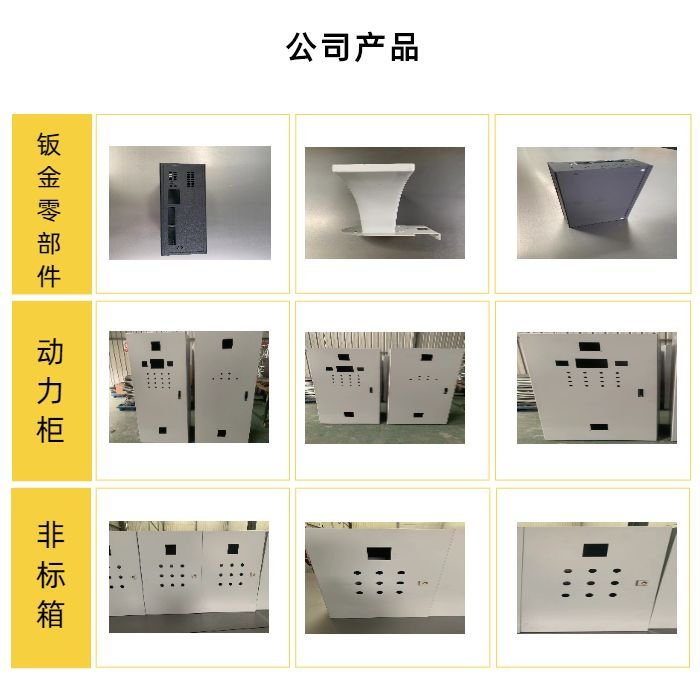
Grinding and trimming is the first step after blanking.

After the workpiece is blanked from the shearing machine or CNC punch machine, burrs and tool joints will inevitably be left on the edges. On the production line of Nanjing Lianpeng Electromechanical, workers will use flat files to trim these joint positions to ensure a smooth surface. Workpieces with large burrs will be sent directly to the grinder for processing, while small files of corresponding sizes will be used for small inner hole contacts. This process is not just for aesthetics. The polished shape allows the workpiece to closely fit the machine tool positioning stop when bending, and the position is completely consistent. For example, according to the sheet metal processing expanded diagram calculation method , there is a batch of 100 chassis shells. If the burr thickness on the edge of each workpiece is different, the positioning error will continue to accumulate during the bending process, and the screw holes will not match during the final assembly, so the entire batch must be reworked.

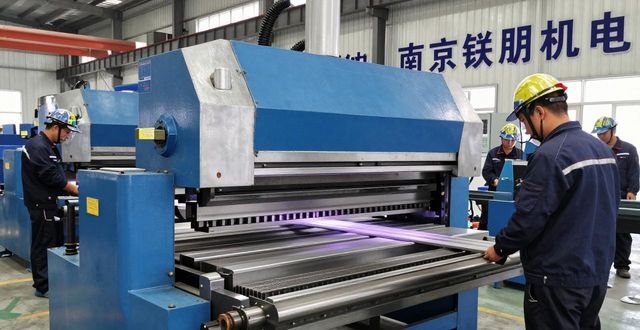
The sequence of processes determines whether the bending can be completed smoothly.

After blanking, different workpieces must enter different processes according to process requirements. Bending, riveting, flanging and tapping, spot welding, convex bulging, and step arrangement are all included in the process flow. The order of these processes is strictly adhered to. In the processing workshop of Guli Industrial Park, technicians will process the parts with convex bulges and segments. The bad features are placed at the beginning of processing. The reason is not complicated at all. If you bend first and then make the convex bulge, the closed gap after the bending is completed will not be able to enter the mold. The hook on the upper cover or lower shell must also be processed before bending, because after bending, the position of the hook will be blocked and the butt welding gun head cannot be inserted. There are some more complex workpieces. After one or two bending operations, the nuts or studs need to be pressed first . Calculation method of sheet metal processing expansion diagram , and these specific details are all written in the process regulations.
Quality inspection found an error in the calculation of the expanded diagram
The quality of sheet metal parts cannot be controlled solely by the production process. There must be an inspection link independent of production. After the inspector gets the drawing, he must first check the dimensions, use a vernier caliper and an outer diameter micrometer to measure the length and width of the blanked material, and then compare it with the theoretical value of the expanded drawing. If the dimensions are found to be inconsistent, it may be that the expansion coefficient is calculated incorrectly, or that the tool supply is incorrect during digital punch programming. Appearance inspection is also important, and all external surfaces must be free of scratches. The workpiece after spraying must undergo three tests, including color difference inspection, corrosion resistance salt spray test, and adhesion hundred grid test. The quality inspection records presented by Nanjing Lianpeng show that about 30% of the errors in the unfolded drawings were discovered during the first piece inspection, thereby preventing large-scale scrapping.

Equipment and tool preparation must be carried out in accordance with process regulations
The third article of the process code clearly lists the required equipment and tooling. Hand tools include boards, pliers, oil cans, screwdrivers, and hand hammers. Measuring tools include vernier calipers, outer diameter micrometers, steel rulers, steel tape measures, square rulers, and scratches. Each of them has its specific purpose in sheet metal processing. The expansion diagram calculation method is like a scribing needle used to mark the position of the bending line on the sheet. Before starting work, you need to check whether the blade of the shearing machine is sharp and whether the fastening is firm. Then adjust the blade gap according to the thickness of the sheet. If the gap is too large, the material cannot be cut, and if the gap is too small, the blade will wear faster. Every oil hole of the shearing machine must be refueled every day, but many small factories ignore this link, which causes the edges of the sheared sheets to become wavy after the guide rails are worn.

Process preparation starts with understanding the drawings
The compulsory course for every operator before taking up the job is to be familiar with the drawings. The technician will explain the geometric shape of the parts in detail. The technician will explain the dimensional requirements of the parts in detail, especially those parts with strict tolerance requirements. After picking up materials according to the material specifications required by the drawings, they must also check whether there are scratches on the surface of the material and whether the thickness of the material is up to standard. In order to reduce consumption and improve material utilization, the nesting method is adopted during layout, and multiple parts are nested on the same sheet, such as making a batch of electrical cabinet door panels and side panels. Proper nesting can increase the material utilization rate from 75% to 88%. The qualified materials returned must be neatly stacked next to the machine tool and cannot be randomly placed to cause secondary damage.
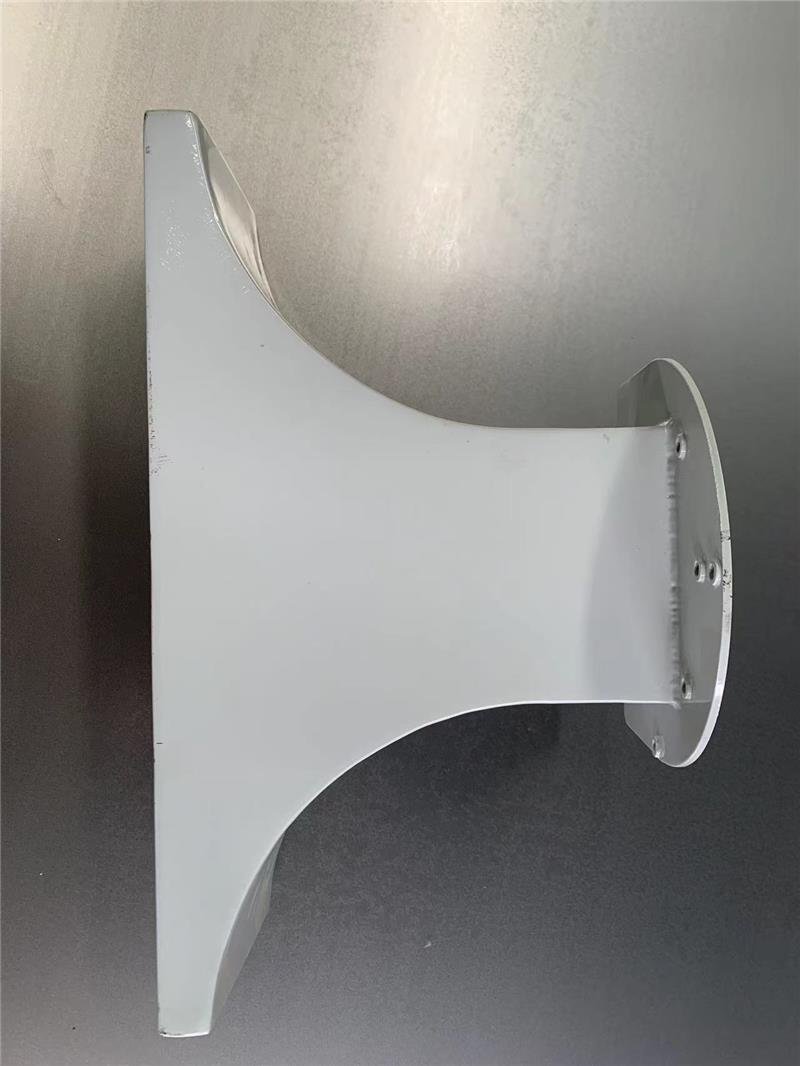
On-site cases illustrate how troublesome process interference can be
Last year, Guli Industrial Park received an order for a communications chassis. The upper cover of the order had four convex hulls and two gaps. There was a new craftsman who ranked the bending operation before the convex hull processing. However, the bent workpiece could not be fed into the convex hull mold, resulting in all 120 parts being scrapped. Later, the process sequence was changed, and the convex hull and step difference were processed first, then the bending operation was performed, and finally the riveting nut operation was performed, and the result was passed in one pass. There is another case of a battery box with a hook. After bending, it was discovered that the hook had not been processed and the butt welding gun head was blocked by the bent edge. It could only be repaired through manual argon arc welding, which reduced the efficiency by half. These lessons show that the calculation of the unfolded diagram is only the first step, and the arrangement of the process sequence is the truly technical work.

During actual production, have you ever encountered a situation where batch scrapping occurred due to incorrect calculation of the unfolded diagram or incorrect process sequence? Welcome to share your experience in the comment area. If the number of likes exceeds 1,000, I will go on to talk about how to use software to automatically verify expanded images.
コメントを残す
コメントを投稿するにはログインしてください。