Blog

  • How many kinds of rivet welding operation methods? Comprehensive analysis of the 5 mainstream processes and applications

    wonderrivet weldingAre there actually several ways to operate?
    This article explains in detail the hot rivets, cold rivets, pull rivets, core rivets and ring groove rivets 5 process principles, steps and applicable scenarios, an article to read and understand!

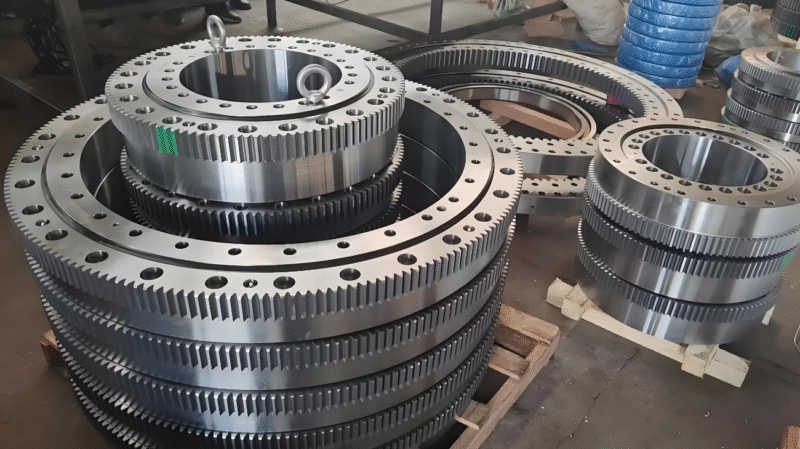
    图片[1]-铆焊的操作方法有几种?全面解析5大主流工艺与应用-大连富泓机械有限公司
    How many ways are there to operate rivet welding? Master all the mainstream processes in one article

    INTRODUCTION: Briefly describes the critical role of riveting in structural steel, marine, and aerospace, and asks the central question, “How many ways are there to operate riveting in the face of different materials and requirements?”

    I. Five major classifications of riveting and welding operation methods

    1. Hot Riveting – traditional and robust

    (Principles, steps, advantages and disadvantages, application scenarios)

    2. Cold Riveting – The choice for efficiency and convenience.

    (Principle, tools required, application)

    3. Pull Rivet (Blind Rivet / Blind Rivet) – A revolution in one-sided operation

    (Highlights, operating procedures using a rivet gun)

    4. Blind riveting – the faster riveting variant

    5. Ring-grooved riveting – a high-strength alternative to bolts

    II.How to choose the right riveting method for your project?

    (Provides selection guidelines in four dimensions: material thickness, strength requirements, accessibility, and productivity)

    III. Core safety operating guidelines (must be followed regardless of method)

    Conclusion & Call to Action (CTA): Mastering categorisation is the first step, want to know the specific details and techniques of how each method works? We’ve got you covered with detailed video tutorials (links to articles II/III).

    FAQ.

    “Which is the most common method of riveting?” (Answer: Pull riveting is currently the most widely used in maintenance and manufacturing because of its convenience.)

    “Which is stronger, hot riveting or cold riveting?” (A: Typically, hot riveted connections are slightly stronger when done correctly, but cold rivets are adequate for most scenarios.)

    “Which method should a beginner start learning?” (A: It is recommended to start with riveting using a rivet gun; the tools are easy to obtain, the operation is safe, and it is easy to build confidence.)

  • Laitevalmistusteollisuus globalisaation näkökulmasta: Teollisuusketjujen synergia ja uusi markkinakilpailun malli.

    Analysing how globalisation is shapingModern equipment manufacturingof the industry chain. Discuss how localisation strategies, technological innovation and cooperation models can help companies find their position and win the market in the new landscape.

    After decades of deep globalisation and integration, the equipment manufacturing industry chain has spread to all corners of the world. However, global events in recent years are reshaping the landscape, prompting companies to look at their globalisation strategies from a new perspective and pay more attention to the synergy and resilience of the industry chain.

    1. Division of labour and collaboration in the global industrial chain A high-end CNC machine tool may contain a controller from Germany, precision bearings from Japan, structural parts from China and software from the United States. This deep international division of labour makes the optimal allocation of resources and reduces the cost of the final product

    2. Emerging current challenges and trends Supply chain security and resilience: Epidemics and geopolitical conflicts have exposed the vulnerability of very long supply chains. Enterprises are seeking to “localise” or “near-shore outsource” to shorten supply chains and improve response times. The rise of technological protectionism: the acquisition and protection of core technologies have become the focus of competition between countries, which has raised new issues for international technological cooperation among equipment manufacturing enterprises. Impact of regional trade agreements: The entry into force of regional FTAs, such as RCEP, is reshaping the industrial chain layout in the region.

    3. Winning Strategies in the New Landscape Building an Agile and Transparent Supply Chain: Use digital tools to achieve real-time visual monitoring of the global supply chain and establish a diversified supplier system. Deep ploughing into core technologies to create “hidden champions”: By excelling in a certain segment and mastering irreplaceable core technologies, we can have a strong voice in the global industrial chain even if we are small in scale. From “going out” to “going in”: Overseas market expansion is not only about selling products, but also about setting up local R&D centres and service centres to achieve truly localized operation, and to deeply understand and meet the needs of regional customers.

    4. The future of win-win cooperation Despite the trend of anti-globalisation, the complexity of the equipment manufacturing industry dictates that international cooperation is still the mainstream. The competition in the future will be the competition between different industrial chain ecosystems. Enterprises that can effectively integrate global high-quality resources and build a stable and efficient synergistic network will become the future industry leaders.

    Summary: Globalisation has entered a new stage, and equipment manufacturing enterprises need to have a sharper global vision and more flexible adaptability. Under the premise of guaranteeing the safety of the industrial chain, through technological innovation and in-depth synergy, continuing to find growth opportunities in the global market is the only way to cope with the current complex situation.

  • Raskas teollisuus kestävän kehityksen näkökulmasta: haasteet, mahdollisuudet ja innovatiiviset ratkaisut

    directly facingmanufacturingThis article explores how clean technologies and policy guidance can help heavy industry move towards a sustainable future. This paper explores how clean technologies, circular models and policy guidance can help heavy industry move towards a sustainable future.

    Text: As the world’s attention is focused on climate change and environmental protection, heavy industry, as a major consumer of energy and emissions, is undoubtedly facing unprecedented pressure. However, challenges and opportunities exist side by side, and this green revolution is also giving rise to unprecedented innovation and growth in the heavy industry sector.

    1. Core challenges Large carbon footprint: Production processes in industries such as steel, cement and chemicals involve the combustion of large amounts of fossil fuels and chemical reactions, which are one of the main sources of CO2 emissions. Resource-intensive: Extremely dependent on natural resources such as ore, coal and water. Waste and Pollution Control: The treatment of waste slag, waste water and waste gas is always a difficult problem for the industry.

    2. Shifting to a circular economy model The linear economy model of “take – make – waste” is no longer sustainable. Heavy industry is actively exploring circular economy pathways: Material innovation: Research and development for the use of recyclable or bio-based materials. Industrial symbiosis: Using by-products from one factory (e.g. waste heat, blast furnace gas) as raw materials or energy for another factory, forming an eco-industrial park with shared resources. Product Life Cycle Management: Consideration of disassembly, recyclability and remanufacturing potential from the design stage.

    3. Breakthrough applications of clean technologies Hydrogen steelmaking: Using hydrogen instead of coal as a reductant, with water as a by-product, can fundamentally eliminate carbon emissions from the steelmaking process, and is the most promising disruptive technology available. Carbon Capture, Utilisation and Storage (CCUS): As mentioned earlier, CCUS technology is a viable option for deep decarbonisation of existing facilities. Electrification: Substitution of fossil fuels with electricity, accompanied by the use of renewable energy sources, where feasible.

    4. Driven by both policies and markets Carbon tax policies, green financial support and consumer preference for low-carbon products, such as “green steel”, in countries around the globe are creating a strong external impetus for the green transformation of heavy industry. Summary: The impact of sustainable development onmanufacturingIn terms of social responsibility, it has gone from being an option to being a must. It’s not just about social responsibility, it’s at the heart of a strategy for business survival and competitiveness. Those who are the first to adopt and invest in innovative green solutions will have an absolute advantage in the marketplace of the future.

  • Laitevalmistusteollisuus: maan tärkein työkalu, miten voittaa tulevaisuuden markkinat älykkään valmistuksen avulla?

    parseequipment manufacturingat the heart of the industry as an industrial mother machine. Explore how smart manufacturing, service transformation and supply chain optimisation are reshaping this industry and opening up new growth opportunities for businesses.

    Text: If industry is the skeleton of the modern economy, then the equipment manufacturing industry is the manufacture of the skeleton of the “mother machine”. It is responsible for the production of all walks of life required for the work of the machine, major technical equipment and automated production lines, is an important symbol of a country’s industrialisation level and comprehensive national strength.图片[1]-装备制造业:国之重器,如何通过智能制造决胜未来市场-大连富泓机械有限公司

    1. Understanding the scope and importance of the equipment manufacturing industry The equipment manufacturing industry covers a wide range of industries, including: power equipment: such as gas turbines, hydraulic turbines, nuclear power units. CNC machine tools: the “teeth” of modern manufacturing, responsible for precision machining. Engineering machinery: such as excavators, cranes, shield machine. Agricultural machinery, textile machinery, printing machinery and other special equipment. It provides a powerful technical means and material basis for the national economy and national defence construction.

    2. Intelligent manufacturing is the core driving force Under the wave of Industry 4.0, the equipment manufacturing industry itself is taking the lead in intelligent upgrading. Flexible manufacturing system: able to quickly adjust the production line to adapt to the small batch, multi-species market demand. Application of additive manufacturing: 3D printing technology is used to manufacture complex parts prototypes, and even directly produce the final product, greatly reducing the development cycle. Data-based optimisation: Data from the operation of equipment on the client side is fed back to the manufacturer to optimise the design and performance of next-generation products.图片[2]-装备制造业:国之重器,如何通过智能制造决胜未来市场-大连富泓机械有限公司

    3. Transformation from “selling products” to “selling services” Leading equipment manufacturers are no longer just selling equipment on a one-off basis, but are shifting to providing full life-cycle services. Remote operation and maintenance services: Through the Internet of Things platform, provide customers with 24/7 equipment status monitoring and remote diagnosis. Finance lease and pay-per-use: Reducing the initial investment threshold of customers and binding the interests of manufacturers and customers.

    4. Enhancing supply chain resilience Equipment manufacturing industryChains are long and the stability of the supply chain is critical. Global layout and regional backup are becoming mainstream strategies to cope with potential geopolitical risks and contingencies. Summary: The equipment manufacturing industry is at a crossroads of transformation driven by both technological revolution and business model innovation. Only by actively embracing smart manufacturing, deepening service transformation and building a tough supply chain, can enterprises be invincible in the field of “the most important weapon of the nation”.

  • Metallurgisten laitteiden teknologian rajapyykki: Sulatus: Korkean hyötysuhteen sulatuksesta älykkään ohjauksen avulla tapahtuvaan kokonaisinnovaatioon.

    Syvällinen tietämys nykyaikaisista metallurgisista laitteistaKeskeiset teknologiset läpimurrot, mukaan lukien valokaariuunit, jatkuvavalukoneet ja automatisoidut ohjausjärjestelmät, siitä, miten metallin sulatuksen tehokkuutta, laatua ja ympäristöystävällisyyttä voidaan parantaa.

    Teksti: Metallurgisen teollisuuden edistyminen perustuu pitkälti metallurgisten laitteiden jatkuvaan innovointiin sen ytimessä. Malmista erittäin puhtaisiin metallimateriaaleihin, jokaista vaihetta tukevat kehittyneet, tehokkaat ja luotettavat laitteet. Tässä artikkelissa viemme sinut matkalle metallurgisten laitteiden nykyisten teknologisten rajojen läpi.

    1. Tehokkaat sulatuslaitteet: metallurgisen prosessin sydän Sulatus on metallurgian ydin, ja sen laitteiden suorituskyky määrittää suoraan tuotannon tehokkuuden ja energiankulutuksen tason. Erittäin tehokkaat valokaariuunit: Nykyaikaisessa terästuotannossa valokaariuunit ovat yhä tärkeämpiä joustavuutensa ja ympäristöetujensa vuoksi. Uuden sukupolven ultrasuuritehoiset valokaariuunit lyhentävät merkittävästi sulatusjaksoa, pienentävät yksikkötehon kulutusta ja ovat keskeisiä laitteita lyhytprosessisessa teräksenvalmistuksessa. Leimahdussulatusuuni: Muiden kuin rautametallien (esim. kupari, nikkeli) sulatuksessa leimahdussulatustekniikan etuja ovat suuri lujuus, alhainen energiankulutus ja korkea rikin talteenottoaste, ja se edustaa vihreän sulatuksen kehityssuuntaa.

    2. Jatkuvatoimiset valulaitteet: laadun ja saantoprosentin parantaminen Jatkuvatoiminen valukone on periaatteessa korvannut muottiinvaluprosessin, jossa teräs jähmettyy suoraan haluttuun muotoon aihioksi. Ohutlevyjen jatkuva valu- ja valssaustekniikka: Jatkuva valu ja valssausprosessit ovat saumattomasti yhteydessä toisiinsa, mikä säästää huomattavasti energiaa, lyhentää tuotantoprosessia ja on avain korkean tehokkuuden ja alhaisen kustannustason tuotannon saavuttamiseen. Älykäs muotti: Sisäänrakennettujen antureiden ja kehittyneen ohjausjärjestelmän avulla se voi seurata reaaliaikaisesti teräksen nestetasoa ja jäähdytyksen voimakkuutta varmistaakseen, että aihion valun sisäinen laatu on tasainen ja vakaa.

    3. Automaatio ja älykäs ohjausjärjestelmä Nykyaikainen metallurginen työpaja kehittyy "mustan valon tehtaan" suuntaan, jonka takana on tehokas ohjausjärjestelmä. Prosessinohjausjärjestelmä: tuhansien parametrien, kuten lämpötilan, paineen, koostumuksen jne. reaaliaikainen hankinta ja optimaalinen ohjaus sen varmistamiseksi, että tuotantoprosessi on parhaassa mahdollisessa tilassa. Ennakoiva kunnossapitojärjestelmä: Laitteiden tärinän, lämpötilan ja muiden tietojen analysoinnin kautta varhainen varoitus mahdollisista vioista, suunnitelmallinen huolto, jotta vältetään valtavien tappioiden aiheuttamat suunnittelemattomat seisokit. 4. Ympäristönsuojelu- ja resurssilaitteet Ympäristönsuojelupaine on ajanut asiaan liittyvien laitteiden nopeaa kehitystä, kuten: Sintrauksen savukaasujen rikinpoisto- ja denitrifikaatiolaitteet: Rikkiyhdisteiden ja typen oksidien tehokas poistaminen savukaasusta. Metallurgisen kuonan käsittely- ja resurssien hyödyntämislaitteet: käsitellään kiinteitä jätteitä, kuten masuunikuonaa ja teräskuonaa, rakennusmateriaalien raaka-aineiksi, jotta jätteestä saadaan aarre.

    Yhteenveto: HyundaiMetallurgiset laitteetSe kehittyy nopeasti suuren mittakaavan, korkean tehokkuuden, älykkään ja vihreän suuntaan. Investoiminen kehittyneisiin metallurgisiin laitteisiin ei ole vain avain yritysten kilpailukyvyn parantamiseen, vaan myös metallurgisen teollisuuden kestävän kehityksen perustakuu.

  • Raskaan teollisuuden nykyaikaistaminen: maailmantalouden ja kestävän kehityksen keskeinen moottori.

    tutkimusjalostusMiten nykyaikaistaa ja muuttaa teknologisten innovaatioiden ja vihreiden aloitteiden avulla. Ymmärtää sen keskeisen aseman maailmantaloudessa ja tulevaisuuden suuntaukset, ja antaa syvällistä tietoa liiketoimintapäätöksiäsi varten.

    Tärkein artikkeli: Nykyaikana nopeasti muuttuvassa maailmantaloudessa raskas teollisuus, joka on kansakunnan taloudellisen vahvuuden kulmakivi, on perusteellisessa modernisoitumisvaiheessa. Se ei ole enää synonyymi vain teräkselle, koneille ja mineraaleille, vaan kehittynyt ala, johon kuuluvat automaatio, esineiden internet ja kestävän kehityksen käsite.

    1. Raskas teollisuus: kansantalouden selkäranka Raskas teollisuus käsittää sellaiset perusteollisuuden alat kuin hiili, öljy, rauta ja teräs, värimetallit ja koneiden valmistus. Nämä teollisuudenalat tarjoavat välttämättömiä raaka-aineita ja tuotantovälineitä infrastruktuurin rakentamiseen, maanpuolustukseen ja sotateollisuuteen, ja niiden kehitystaso vaikuttaa suoraan maan teollistumisasteeseen ja taloudelliseen turvallisuuteen.

    2. Teknologiavetoinen nykyaikaistaminen ja muutos Perinteisen raskaan teollisuuden stereotypia energiaintensiivisestä ja saastuttavasta teollisuudesta on murtumassa. Nykyaikaisen raskaan teollisuuden ytimessä ovat teknologiset innovaatiot: automaatio ja robotiikka: robotit korvaavat vähitellen ihmistyövoiman tuotantolinjoilla, hitsauksessa, ruiskutuksessa ja muissa riskialttiissa tai tarkkuutta vaativissa prosesseissa, mikä parantaa tehokkuutta ja turvallisuutta. Esineiden teollinen internet (IoT): Laitteiden toimintatilan reaaliaikainen seuranta ja ennakoiva kunnossapito antureiden ja big data -analyysin avulla seisokkiaikojen minimoimiseksi. Digitaaliset kaksoset: Fyysisten kokonaisuuksien kuvausten luominen virtuaalitilassa tuotantoprosessien simuloimiseksi, testaamiseksi ja optimoimiseksi, jolloin mahdolliset ongelmat voidaan ratkaista ennen tuotantoon siirtymistä.

    3. Tie vihreään ja kestävään kehitykseen Maailmanlaajuisen ilmastonmuutoksen haasteiden edessä raskas teollisuus siirtyy aktiivisesti vihreään valmistukseen. Tähän sisältyy mm: Energiatehokkuuden parantaminen: tehokkaampien uunien ja moottoreiden käyttöönotto sekä tuotantoprosessin hukkalämmön ja -paineen kierrättäminen. Kiertotalousmalli: Edistetään teräsromun ja värimetallien kierrätystä neitseellisistä luonnonvaroista riippuvuuden vähentämiseksi. Hiilen talteenotto- ja varastointiteknologian (CCS) soveltaminen: Hiilidioksidin talteenotto päästölähteellä ja sen sitominen tai uudelleenkäyttö on raskaan teollisuuden keskeinen keino saavuttaa hiilineutraalius.

    4. Tulevaisuuden näkymät Tulevaisuuden raskas teollisuus on älykkäämpää, palvelukeskeisempää ja vihreämpää. Se ei ole vain "tuotantosektori", vaan myös kattava teollinen ekosysteemi, joka integroi huippuluokan valmistuksen, tekniset palvelut ja data-arvon. Johtopäätökset: Raskaan teollisuuden nykyaikaistaminen on välttämätön askel, jotta maailmantalous voi siirtyä korkeammalle tasolle. Kun tämä perinteinen teollisuudenala omaksuu uusia teknologioita ja kestävän kehityksen konsepteja, se saa uutta puhtia ja on jatkossakin keskeinen moottori, joka vie maailmaa eteenpäin.

  • Investointi CNC-koneistukseen: miten pk-yritykset voivat aloittaa älykkään valmistuksen kustannustehokkaasti?

    SMEs can play toonumerical control työstöThis article provides a practical guide to getting started, from equipment selection and outsourcing strategies to talent development! This article provides a practical guide to getting started, from equipment selection and outsourcing strategies to talent development, to help you take your first steps into smart manufacturing.

    For many small and medium-sized manufacturing organisations (SMEs), investing in CNC machining may seem to imply a high cost and technology barrier. However, as the technology becomes more widespread and the market evolves, there are now multiple paths that allow SMEs to embrace this technology in a more flexible way and achieve capacity and quality upgrades.

    I. Path Choice: Owned Equipment vs. Outsourcing Co-operation Owned CNC equipment Advantages: Control of production cycle, protection of intellectual property rights, ease of iterative modification. Challenges: Large initial investment, need for operation and programming talent, risk of idle equipment. Suggestion: Start with an economical small vertical machining centre or CNC lathe. There are many cost-effective domestic CNC brands on the market today. Co-operation with CNC machining outsourcing service providers Advantages: zero investment in equipment, no need to train a professional team, you can quickly get professional capacity. Challenges: Higher communication costs, delivery schedule constraints, possible leakage of core processes. Recommendation: For prototyping, small trial production or non-core parts, this is the most cost-effective option.

    Key steps for a successful start-up Define your needs: Analyse the materials you will mainly process, the range of part sizes, the accuracy requirements and the expected output. This is the basis for all decisions. Develop core talent: Even if you choose to outsource, you should have at least one in-house employee with basic CAD/CAM knowledge and the ability to read drawings in order to communicate efficiently with your suppliers. Start with digital design: Ensure that you have a high quality 3D digital model of your product (e.g. STEP, IGES format). This is the “lingua franca” for interfacing with any CNC machining service provider. Prototype: Before choosing a long-term partner, place a small pilot order with 2-3 machining service providers to assess their quality, delivery and communication skills

    Looking ahead: cloud manufacturing and collaborative networks Today, many “cloud manufacturing” platforms have emerged. All you need to do is upload your 3D model online, and you can automatically get a quote, select materials and place an order for production. This model significantly lowers the threshold for SMEs to use high-end manufacturing services.

    Summary: Investing in CNC machining is no longer the preserve of large enterprises. Through prudent path selection, clear demand analysis and effective talent strategy, small and medium-sized enterprises can fully leverage the power of CNC technology to enhance their competitiveness and occupy a place in the wave of intelligent manufacturing.

  • Koneistus ja materiaalitiede: miten valita optimaaliset leikkausratkaisut eri materiaaleille?

    työstöSe ei ole kiveen hakattu. Tässä artikkelissa tarkastellaan perusteellisesti, miten valita oikeat työkalut, leikkuunesteet ja parametrit tulosten optimoimiseksi alumiiniseoksia, ruostumatonta terästä, titaaniseoksia ja teknisiä muoveja työstettäessä.

    Onnistunut työstö riippuu osittain laitteista ja prosesseista ja osittain materiaalin ominaisuuksien syvällisestä ymmärtämisestä. Erilaiset materiaalit käyttäytyvät hyvin eri tavoin työstön aikana ja vaativat siksi "räätälöityä" työstöstrategiaa.

    Ensinnäkin yleisten materiaalien työstöominaisuudet ja vastatoimet Alumiiniseos Ominaisuudet: pehmeä, tahmea, hyvä lämmönjohtavuus. Haasteet: Helppo tuottaa lastuamiskasvaimia, jotka vaikuttavat pintakäsittelyyn. Ohjelmat: terävän positiivisen etukulmatyökalun käyttö, suuri nopeus, suuri syöttö ja jäähdytysnesteen käyttö, jotta materiaali ei tartu veitseen. Ruostumaton teräs Ominaisuudet: Erittäin lujat, sitkeät, huono lämmönjohtavuus. Haasteet: Voimakas taipumus työstökovettumiseen ja työkalun nopea kuluminen. Ratkaisu: Käytetään kovia kovametallityökaluja, säilytetään tasainen ja sopiva syöttö, jotta vältetään työkalun "hionta", ja varmistetaan riittävä jäähdytys. Titaaniseoksen ominaisuudet: Lujuus, keveys, korkea kemiallinen aktiivisuus, erittäin huono lämmönjohtavuus.

    Haaste: Erittäin korkeat lämpötilat leikkausalueella, jotka voivat reagoida kemiallisesti työkalumateriaalin kanssa ja johtaa työkalun nopeaan rikkoutumiseen. Ratkaisu: Alhaisemmat leikkausnopeudet, jatkuva syöttö, korkeapaineisen jäähdytysnesteen käyttö ja terävät reunat. Titaanin työstöön tarvitaan usein erikoistyökaluja. TEKNISET MUOVIT Ominaisuudet: Alhainen kimmokerroin, huono lämmönjohtavuus. Haasteet: Lämmönsiirtovaikeudet voivat johtaa materiaalin sulamiseen. Ratkaisu: Käytä erittäin teräviä leikkuureunoja, suuria nopeuksia, pieniä syöttöjä ja tarvittaessa ilma- tai tilajäähdytystä.

    Yleiset optimointiperiaatteet Työkalun valinta: Valitse oikea työkalumateriaali (esim. kovametalli, CBN, timantti) ja pinnoite materiaalin mukaan. Leikkausnesteet: jäähdytyksen lisäksi myös voitelu ja lastunpoisto, mikä on tärkeää vaikeasti työstettävien materiaalien osalta. Vakaus: Varmista, että työkappale on kiinnitetty tukevasti ja että koko prosessijärjestelmä (kone - työkalu - kiinnitin - työkappale) on riittävän jäykkä.

    Materiaalitieteellisen tietämyksen sisällyttäminen koneistuskäytäntöihin on kriittinen askel yleisestä operaattorista prosessin asiantuntijaksi. Tarkka yhteensovittaminen on työstön tehokkuuden, kappaleiden laadun ja taloudellisuuden parantamisen ydin.

  • Mitä on CNC-työstö? Kattava selitys nykyaikaisen valmistuksen tarkkuuden ja tehokkuuden vallankumouksesta.

    oivallusnumeerinen työstöTeknologia. CNC-työstön periaatteista ja G-koodista työstökeskuksiin: tässä artikkelissa tutustutaan siihen, miten CNC-työstö mahdollistaa monimutkaisten osien korkean tarkkuuden, korkean tehokkuuden ja automatisoidun tuotannon.

    Jos olet kiinnostunut nykyaikaisesta valmistuksesta, "CNC-työstö" on keskeinen termi, jota ei voi välttää. Se edustaa valmistustekniikan kvanttilähtöä, joka mullistaa tuotteiden kehittämisen ja valmistuksen, sillä digitaaliset suunnitelmat voidaan muuntaa suoraan tarkkuutta vaativiksi kiinteiksi kappaleiksi.图片[1]-数控加工是什么?为您全面解读现代制造业的精度与效率革命-大连富泓机械有限公司

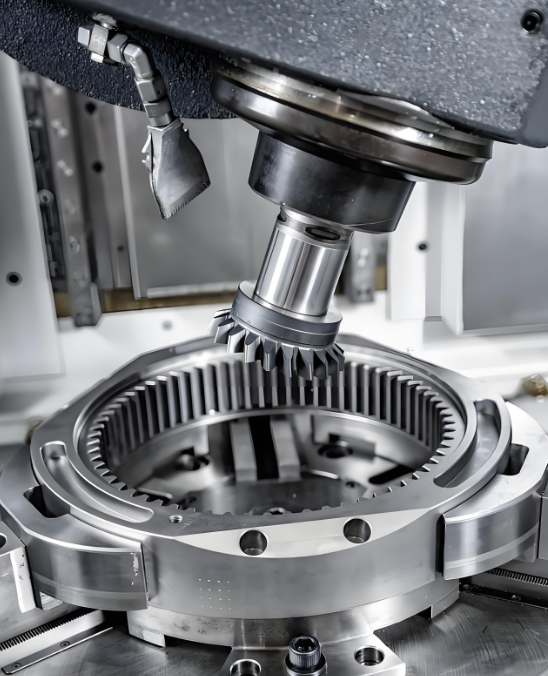
    Ensinnäkin CNC-työstön ydinperiaate CNC-työstö CNC-työstö, eli CNC-työstökoneiden käsittely, ydin on: digitaaliset ohjeet: operaattori tai suunnittelija käyttää CAD-ohjelmistoa (tietokoneavusteinen suunnittelu) luodakseen kolmiulotteisen mallin, ja sitten CAM-ohjelmiston (tietokoneavusteinen valmistus) kautta muunnetaan sarjaksi malliohjeita (tunnetaan nimellä G-koodi ja M-koodi). Koneen suorittaminen: CNC-koneen ohjain lukee nämä koodit ja ohjaa tarkasti työkalun ja työkappaleen suhteellista liikettä useilla akseleilla leikkaustehtävän automatisoimiseksi.

    Toiseksi, CNC-työstön suuret edut Erittäin suuri tarkkuus ja toistettavuus: voidaan helposti saavuttaa mikronin tason toleranssit, ja voidaan tuottaa tuhansia kertoja identtisiä osia. Tehokas monimutkaisen muodon työstökyky: pystyy suorittamaan perinteisen työstön on vaikea saavuttaa tai jopa mahdotonta suorittaa monimutkaisia pintoja ja muotoiltuja rakenteita, on ensimmäinen valinta ilmailu- ja avaruusalalla, lääketieteellisten laitteiden alalla. Ylivoimainen tuottavuus: Se mahdollistaa valvomattoman toiminnan pitkiä aikoja ja alentaa merkittävästi kustannuksia osaa kohti. Suuri joustavuus: Vaihtaminen toiseen osaan vaatii yleensä vain ohjelman ja työkalujen vaihtamista, joten se on ihanteellinen useiden eri lajikkeiden ja pienten erien joustavaan valmistukseen.图片[2]-数控加工是什么?为您全面解读现代制造业的精度与效率革命-大连富泓机械有限公司

    Kolmanneksi yleiset CNC-työstötyypit CNC-jyrsintä: yleisimmin käytetty CNC-työstön muoto, tyypillinen laite on pysty- tai vaakatasossa oleva työstökeskus. CNC-sorvaus: tarkkuuspyörivien osien käsittelyyn, laitteet CNC-sorvia tai sorvauskeskuksia. Moniakselinen linkitysprosessointi: kuten viisiakselinen työstökeskus, kiinnitys, jolla voidaan suorittaa monimutkaisten osien viiden puolen käsittelyn loppuun, jotta vältetään moninkertaisen kiinnityksen aiheuttama virhe. Yhteenveto: CNC-työstö on älykkään valmistuksen perusta. Se ei ole vain tekninen tae tuoteinnovaatioille, vaan myös keskeinen tuottavuusväline yrityksille, jotta ne voivat säilyttää etunsa maailmanlaajuisessa kilpailussa.

  • Koneistuksen perusteet selitetty: Perinteisistä prosesseista nykyaikaisiin sovelluksiin

    explorationsmachiningof the core world. This article details the principles, characteristics and application scenarios of traditional machining processes such as turning, milling, drilling and grinding to help you choose the most appropriate työstö method for your project.

    Machining, the cornerstone of manufacturing, is the process of removing excess material from a workpiece (e.g., metal, plastic, wood) by mechanical force, using a cutting tool, in order to obtain a predetermined shape, dimensions, and surface accuracy. It is the foundation of all mechanical manufacturing and maintenance

    Despite the rapid changes in modern technology, the following traditional machining methods are still the backbone of the workshop: Turning Principle: The workpiece is rotated and the cutting tool moves along a fixed path to cut. Main equipment: lathe. Application: Mainly used for machining shafts, discs, sleeves and other rotating body parts, can be external, internal holes, threads, end faces and other operations. Milling Principle: The tool rotates, the workpiece is fixed to the table and moves, and the material is removed by the rotary motion of the multi-flute tool. Main equipment: Milling machine. Application: Machining of flat surfaces, grooves, gears, complex curved surfaces, etc. It is one of the most widely used machining methods because of its high flexibility. Drilling Principle: Machining of round holes in solid material using specialised rotary tools (drills). Main equipment: Drilling machine. Application: Almost all parts requiring holes cannot be produced without drilling, which is the basic hole processing method. Grinding Principle: The use of a high-speed rotating grinding wheel (made of abrasive grains bonded together) to make minute cuts on the surface of a workpiece. Main equipment: Grinding machine. Application: Mainly used for finish machining to obtain very high dimensional accuracy and excellent surface finish, often used for hard parts after heat treatment.

    Second, how to choose the right machining process? The choice of which process depends on a number of factors: part geometry: rotary body priority turning, plane and complex contours consider milling. Material type: different materials need to match different materials and cutting parameters of the tool. Precision and finish requirements: turning and milling for general precision, and grinding for high precision. Production cost and efficiency: the batch size directly affects the process selection and fixture design.

    Summary: Understanding these basic machining processes is a prerequisite for product design, manufacturing and outsourcing. They are a critical bridge to get from the drawing board to the physical object, and their foundational position remains unshakeable even in today’s highly automated world.