


Focus on the application of carbon fiber composite materials in aerospace fields such as drones
One pound weighs ten thousand gold
Because of its low density, high specific strength and specific modulus, carbon fiber composite materials have become a key material to reduce weight. The aerospace industry is extremely sensitive to weight. Replacing traditional metal structural parts with carbon fiber can greatly improve the fuel efficiency of aircraft.
Data shows that compared with metal, the carbon fiber structure used in the front fuselage section customized by a military industrial unit is 31.5% lighter in weight, 61.5% less in parts, 61.3% in fasteners, and its fatigue and corrosion resistance has been greatly improved.
Invisible wings on military aircraft
On aviation military fighters and in flying helicopters, carbon fiber composite materials are widely used in the main structure. This material is also used in another part of the aircraft, the secondary structure, and the material is also used in parts with special functions. Foreign light aircraft that are lighter in weight, as well as drones that can fly autonomously, use a large number of components such as T300, as well as T700 small tow carbon fiber reinforced composite materials, to achieve structural composite materials.
Carbon fiber is applied to the fuselage of the fighter aircraft, carbon fiber to the main wing, carbon fiber to the vertical tail, carbon fiber to the flat tail, and carbon fiber to the skin. The weight reduction effect is significant, which not only improves flight performance, but also reduces maintenance costs.
Economic accounts of civil aircraft weight reduction

The A380, the world's largest aircraft, uses composite materials for 25% of its weight parts; 22% of which are carbon fiber reinforced composite materials and 3% are GLARE fiber metal plates; key components such as speed brakes, stabilizers, elevators, and landing gear doors are all made of carbon fiber.
Its weight reduction advantage can directly translate into reduced fuel consumption and emissions, which is what carbon fiber composite materials have. During use, it will not be damaged due to fatigue or external corrosion, thus greatly extending the service life of the components. Each point has significant significance for improving vehicle performance.
A reliable partner for space exploration
From very early on, carbon fiber composite materials have been used in satellite structures, solar panels and antennas. At present, carbon fiber materials are widely used in deployable solar panels. Carbon fiber materials are widely used in key components of space stations. Carbon fiber materials are also widely used in key components of space-to-ground transportation systems.
In our country, from Shenzhou 1 to Shenzhou 6, six launches were achieved in eight years. During this period, carbon fiber technology played a key role, and the enhancement of material properties directly provided support for the reliability of space missions.
Carbon materials with comprehensive performance
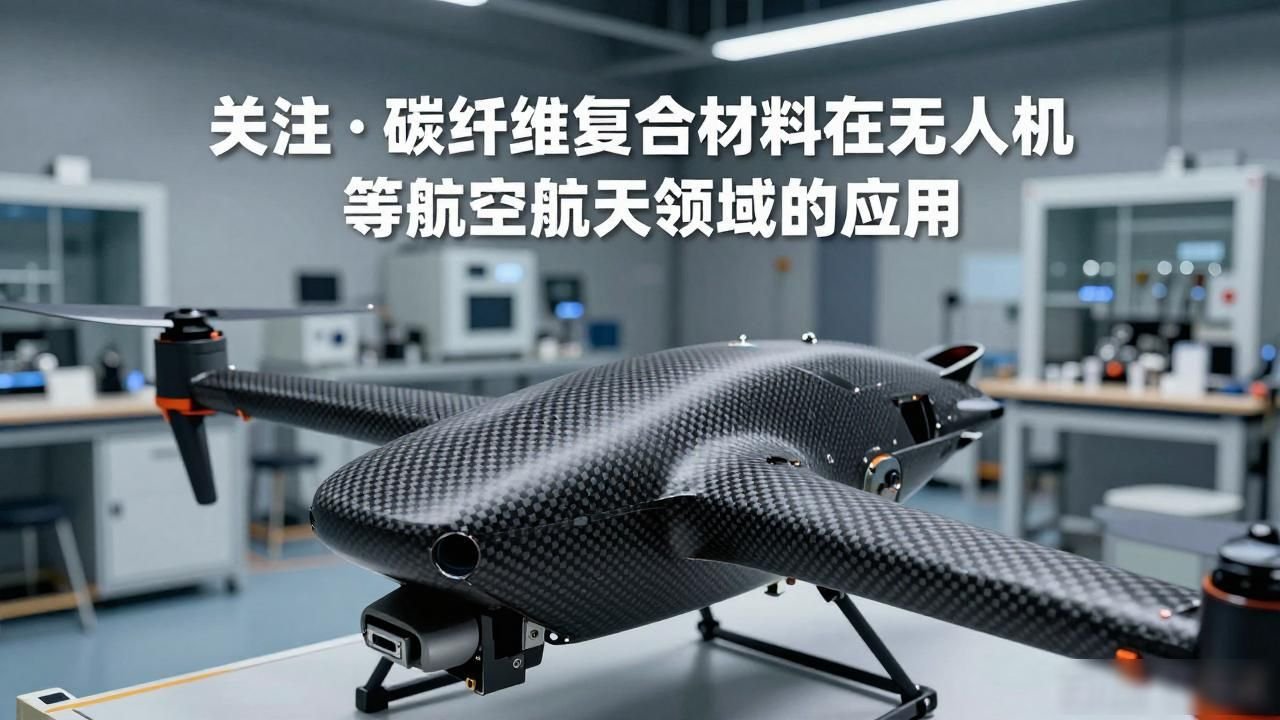
In the aerospace field, there is a material with a carbon content of more than 90%. It has a variety of excellent properties, including low density, high temperature resistance, corrosion resistance, friction resistance, good electrical and thermal conductivity, strong electromagnetic shielding, and easy processing. These characteristics make it irreplaceable in this field.
Companies such as Suzhou Noen Composite Materials have made progress in the field of carbon fiber boxes and robotic arms, and have participated in multiple aerospace cooperation projects. The R&D capabilities of an enterprise are directly related to the localization process of materials.
Prospects for production increase are optimistic
As carbon fiber technology research develops in an in-depth direction, domestic production has shown a trend of increasing, quality has continued to improve, and the overall price has shown a steady decline. More high-quality composite materials with high performance will be used in the aviation industry, thereby making greater contributions to the aerospace industry.
The cost of carbon fiber materials has been reduced, which will promote its popularity in a wider range of fields. The lightweight design of future aircraft will become more flexible and diverse.
Which type of aircraft do you think carbon fiber composite materials will be the first to achieve large-scale application? Welcome to share your own opinions in the comment area. Be sure to like and share it with more friends!







暂无评论内容