


What to do if the soldering iron tip for soldering circuit boards is rusty?

Surface treatment before welding is critical
When welding tinplate rivet weldments, the oxide layer displayed will have a very serious impact on the welding quality. If welded directly, the solder joints will be very fragile and prone to breakage or falling off. Therefore, surface preparation must be done before welding.
Be sure to use sandpaper carefully to carefully polish the welded part until the original color of the metal shows through. This specific step is extremely important, especially for riveted weldments that have been stored for a long time, and there is usually an oxide film on the surface. After the grinding is completed, the oil dirt and impurities can also be removed, thereby making the subsequent welding work smoother.
Be particular about flux selection
Rosin is an excellent flux for rust-proofing (painting) tinplate rivet weldments . Its price is affordable and its effect is stable. How to perform anti-rust treatment (painting) on white iron rivet weldments used in electric soldering irons over 100 watts? Melt the rosin and apply it to the welded parts. Rosin can remove the oxide layer and prevent re-oxidation during welding.
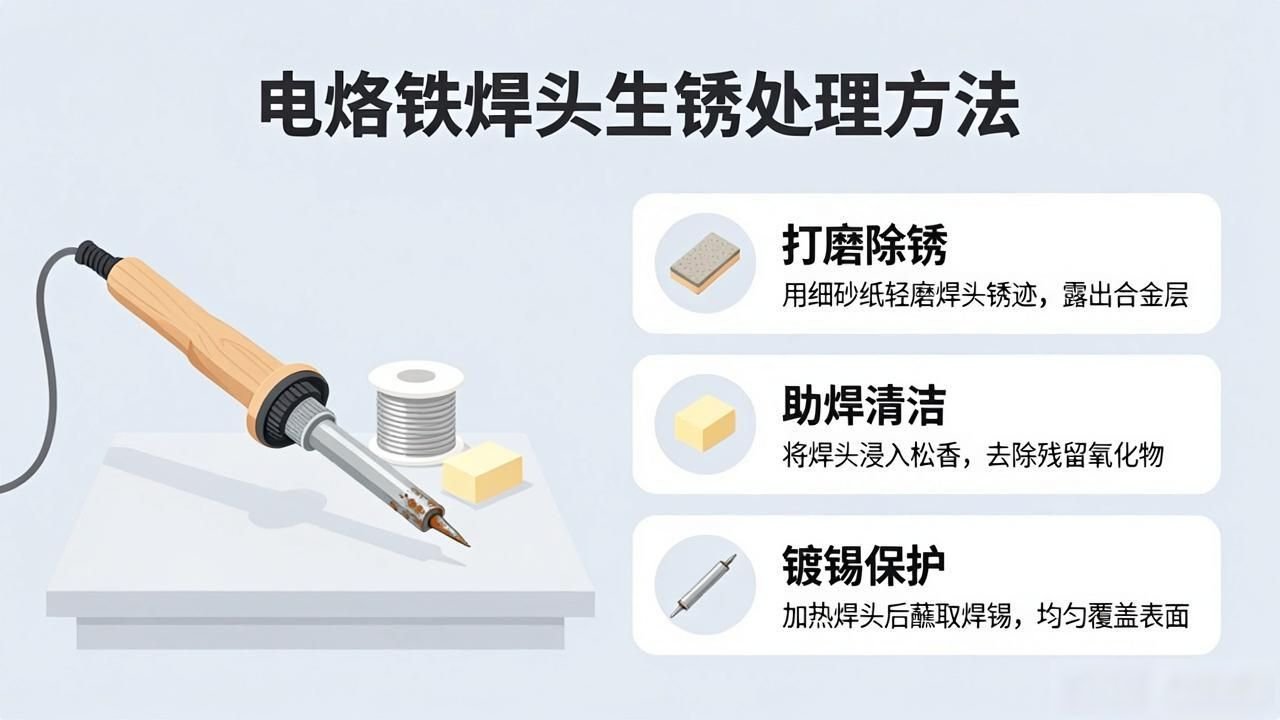
Before welding, the wires or rivets must be tinned. The so-called tinning is to coat the surface with such a thin layer of tin. After this step is actually completed, it will become quite easy to carry out the formal welding work. At this point, the solder can spread evenly and form a strong connection point.
Key points of welding operations
After placing the tinned components in the soldering position, the soldering iron must carry sufficient amount of solder. It must be kept stable when starting to solder, and do not move in a hurry. Release the components only after the solder has completely solidified.
When welding, if the time continues for too long, it will easily lead to damage to the components or cause virtual welding. For larger welding areas, a higher power soldering iron can be used, and the general recommendation is 40 to 60 watts. For small area welding, you can use about 30 watts to weld the circuit board. What should you do if the soldering iron tip of the circuit board is rusty? This is enough to ensure the welding quality without burning the surrounding components.
Anti-rust treatment cannot be ignored
After the welding is completed, the surface of the tinplate rivet weldment is still very easy to rust. The simplest way to prevent rust is to paint. Choosing an anti-rust primer will give you the best results. Before painting, make sure the welding area is clean and there is no welding slag or rosin residue.
After the primer is completely dry, you can apply another layer of topcoat, which not only prevents rust but also has a beautiful effect. For rivet welding parts used outdoors, the recommendation is to choose paint with good weather resistance. Inspect it once a year. If you notice any damage to the paint surface, repair it in time. This can greatly extend the service life.
Tips for different welding scenarios
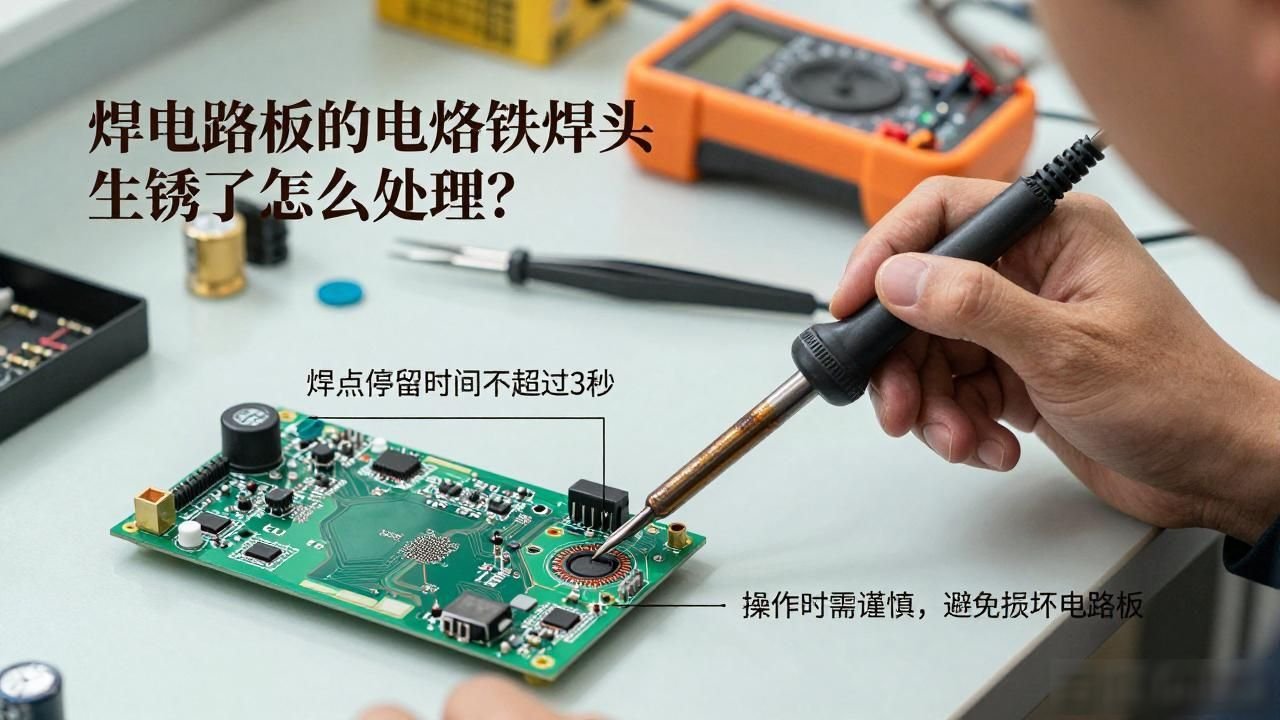
When engaging in the operation of soldering circuit boards, you need to be extremely cautious. It is most appropriate to control the power of the soldering iron at about 30 watts. If the power is too high, the copper foil on the circuit board will be burned, causing damage that is impossible to repair based on the existing condition. Moreover, the time spent on welding must also be short, and each soldering point should not stay longer than three seconds.
When soldering alligator clips or other large joints, higher temperatures and more solder are required due to the large contact area. At this time, you can use a soldering iron of more than 60 watts, and make sure that the welding part is fully heated before adding solder, so that a reliable connection can be formed.
Frequently Asked Questions and Solutions
The common phenomenon of welding easily falling off is mostly caused by poor surface smoothness or insufficient welding heat. When encountering this kind of situation, first use sandpaper and do some polishing. After confirming that the unique luster of the metal is revealed, continue to weld.
It is not something that happens occasionally. The appearance of the solder joints appears to be normal but in fact it is not firmly connected. This problem of false soldering will appear from time to time. Increase the amount of solder used and extend the time required for welding so that the solder can fully penetrate into the welded part. This is the solution. After welding, you can test how the tinplate rivet weldments are rust-proofed (painted) by gently pulling them with your hands to verify whether the connection is firm.
Have your tinplate rivet weldments been poorly welded, unable to be firmly combined, or rusted? How did you solve this problem? You are sincerely welcome to share your experience and knowledge in this area in the comment area!





暂无评论内容