
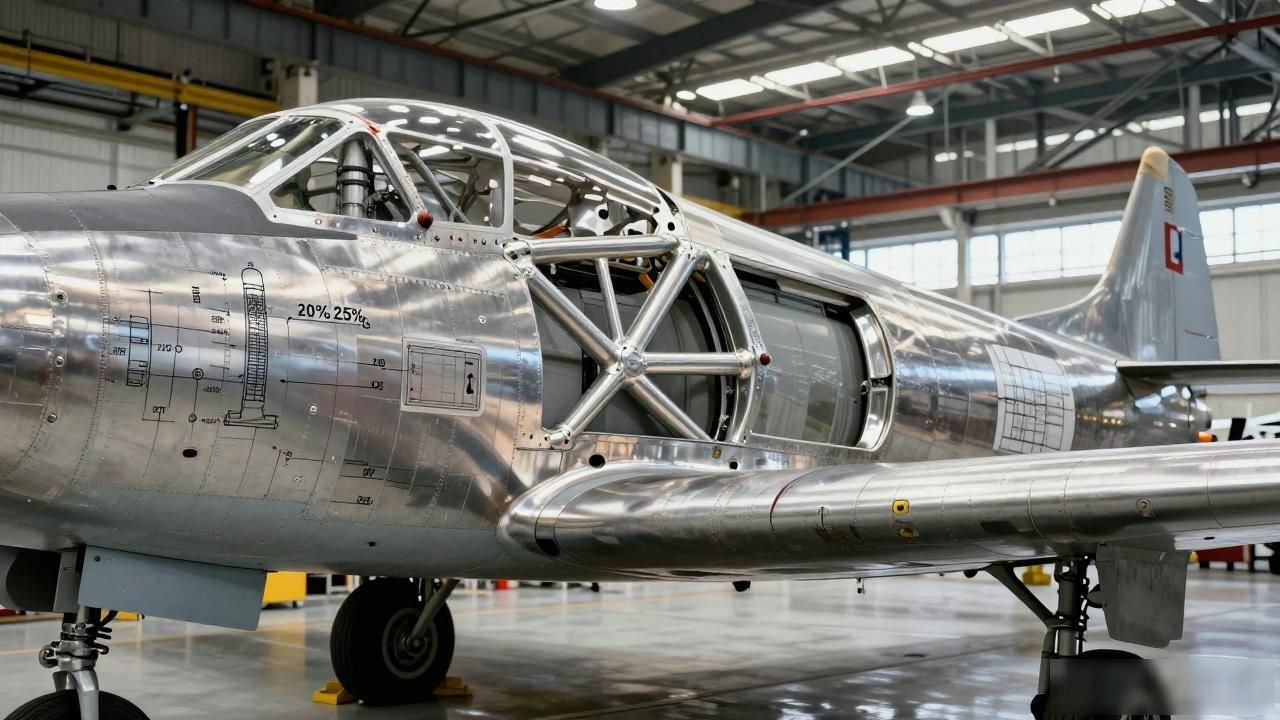
Titanium alloy dagger
A case analysis of titanium alloy processing has been extended from the military field to the aerospace field. What factors have led to it becoming known as the king of aviation materials?
Perfect balance of strength and weight
The density of titanium alloy is about 1.5 times that of aluminum, but it is much tougher than aluminum. Moreover, it is lighter than steel, but its strength is not inferior. Such a characteristic makes it extremely competitive in the aerospace field that pursues lightweight.
Not only does it have specific strength and high temperature resistance, titanium alloy can also resist seawater corrosion. For equipment used in the marine environment, the use of titanium alloy can greatly extend its service life and reduce maintenance costs.
The development history of military aircraft
In 1950, the United States was the first to use titanium alloy on the F-84 fighter-bomber, using it in non-load-bearing parts such as the rear fuselage heat shield and tail cover. This was the first appearance of titanium alloy in military aircraft.

In the 1960s, the application scope of titanium alloys expanded from the fuselage to load-bearing components, thereby beginning to replace some structural steel. Until the peak of the Cold War, titanium alloys accounted for 20 to 25 percent of the structural weight of military aircraft.
Comprehensive popularization of civilian passenger aircraft
Since the 1970s, commercial airliners such as the Boeing 747 have begun to use titanium alloys in large quantities. The amount of titanium used in the entire aircraft exceeds 3,640 kilograms, mainly in key parts that can withstand high temperatures and stress.
There are such high-speed aircraft with Mach numbers exceeding 2.5, and significant weight savings can be achieved when titanium alloys are used to replace steel. There is an SR-71 high-altitude and high-speed reconnaissance aircraft in the United States. Its flight Mach number is 3. Titanium alloy processing case analysis , and the proportion of titanium alloy in the fuselage is as high as 93%. It is called an all-titanium aircraft.
Core materials of aircraft engines
When the thrust-to-weight ratio of the aeroengine increases from the original 4 to 6 to 8 to 10, the temperature at the compressor outlet will increase accordingly. The low-pressure compressor disk and blades originally made of aluminum must be replaced with titanium alloy to withstand higher temperatures.
In the high-pressure compressor disk, titanium alloy and other components are used to continue manufacturing, as well as blades, casings and bearing housings. After the 1970s, titanium alloys accounted for 20% to 30% of the total weight of the structure in aeroengines.
Key applications in spacecraft
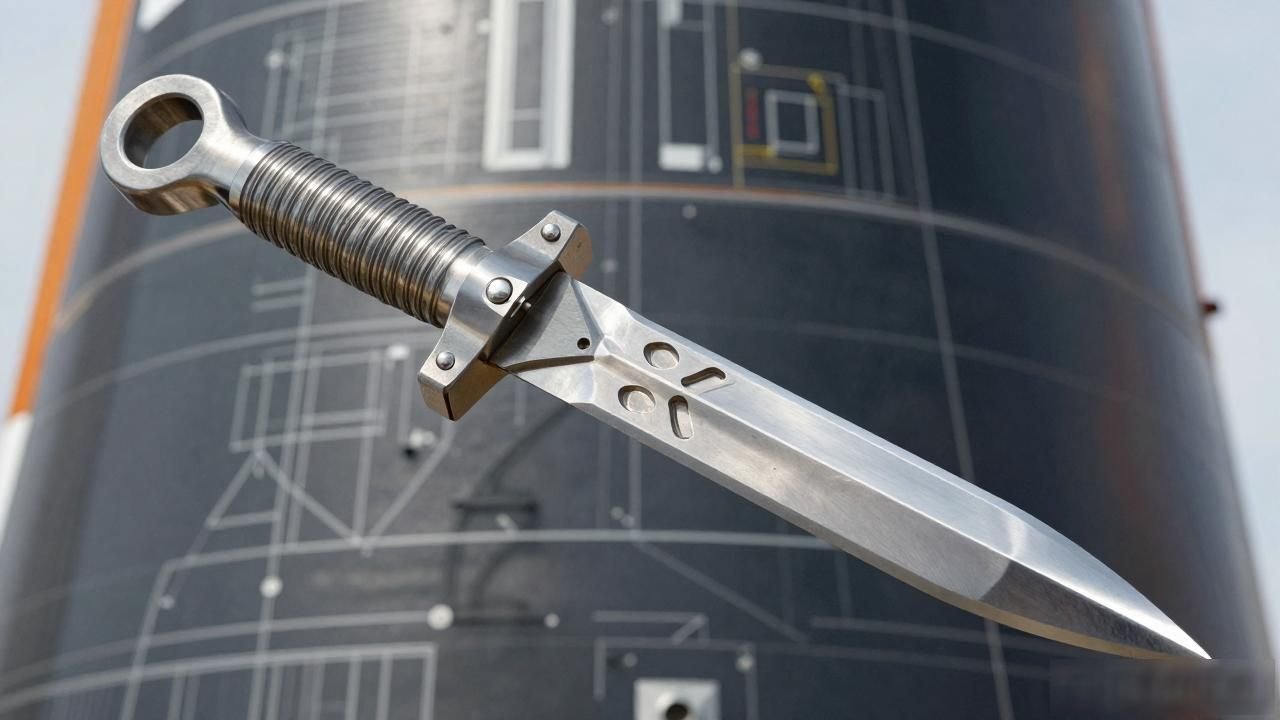
Spacecraft require extremely high strength-to-strength materials. Titanium alloys are used to make pressure vessels. Titanium alloys are used to make fuel tanks. Titanium alloy processing case studies are also used to make rocket casings. They can effectively reduce launch weight while ensuring strength.
Manned spacecraft, artificial earth satellites, space shuttles, and the lunar module all use titanium alloy plate welding parts extensively. The reliability of these welded structural parts is directly related to the success of the space mission.
Application expansion in other fields
Titanium alloys are used in the field of shipbuilding, especially for desalination equipment that requires resistance to seawater corrosion, as well as submarine parts. Titanium alloy materials are also used in large quantities in sporting goods such as golf clubs and bicycle frames.
Case analysis of titanium alloy processing in the medical field is also inseparable from the important material titanium alloy. Items such as artificial joints, as well as implantable devices such as bone plates and screws, have good compatibility with the human body and are not likely to cause rejection reactions. They are widely used in orthopedic surgeries.
In the aerospace field, the application history of titanium alloys shows us that material innovation is the key to promoting technological progress. Extending from military use to civilian use, from the aircraft field to the spacecraft field, the value of titanium alloys is continuously being explored. What do you think about the emerging fields in which titanium alloys will shine in the future? Welcome to the comment area to share your personal opinions. If you think you have gained a titanium alloy dagger, please like it to support it and share it with more friends. Thank you!
Vastaa
Sinun täytyy kirjautua sisään kommentoidaksesi.