
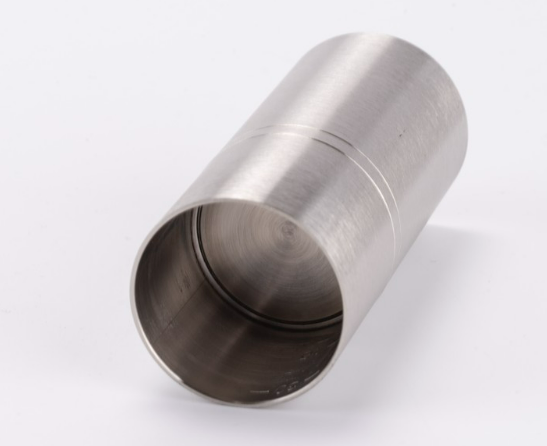
Industrial People|Common problems and countermeasures in CNC machining
Common causes of dimensional deviations
During CNC machining, the dimensions of the workpiece are inaccurate, which is a problem that many factories often encounter. The reasons for this problem mainly include two dimensions. On the one hand, it is the thermal deformation of the machine tool, and on the other hand, it is caused by improper setting of processing parameters.
Machine tools generate a large amount of heat during operation, causing machine tool components to expand due to heat. Such thermal deformation will have a direct impact on the machining accuracy, causing the workpiece size to deviate from the requirements specified in the drawing. Improper setting of processing parameters such as feed speed and cutting depth will also cause dimensional deviations.
How to control thermal deformation
Controlling thermal deformation of machine tools is indeed a key measure to solve dimensional deviations. Before formal processing, the machine tool must be preheated to promote the machine tool components to achieve a thermal equilibrium state. This is a common quality problem in CNC processing . This can reduce the impact of thermal deformation during the processing.

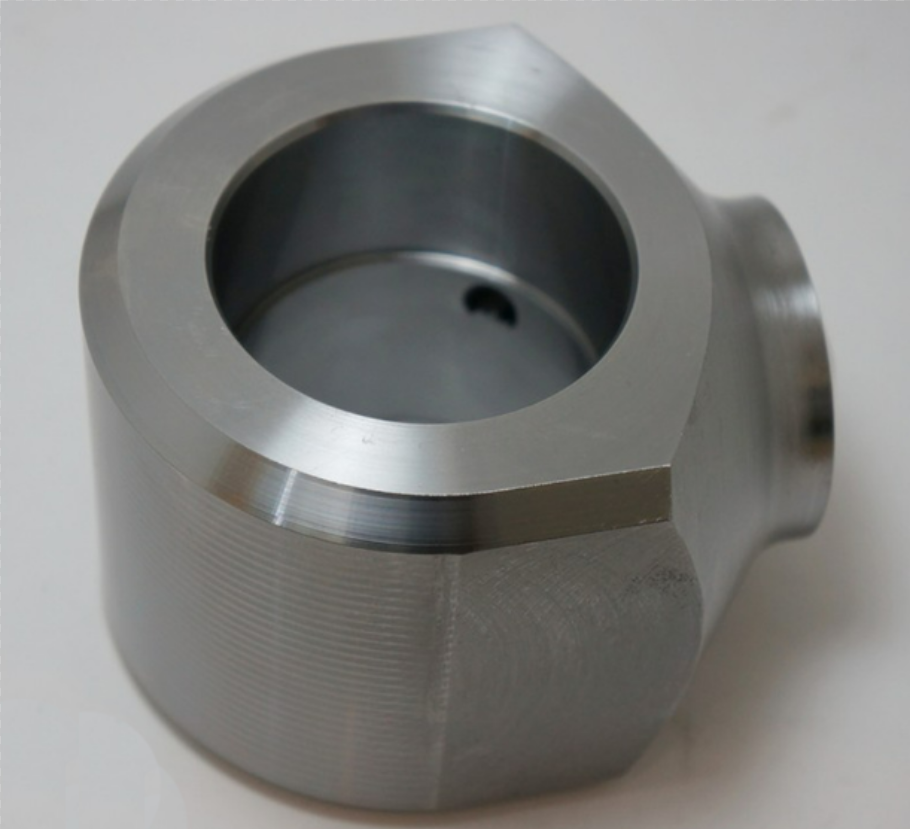
At this time, you must pay attention to the ambient temperature of the workshop and maintain a constant temperature. This is a common quality problem in CNC machining . When the temperature is high in summer, ventilation in the workshop must be strengthened to cool down. When the temperature is low in winter, the machine tool must be prevented from being cold. Reasonable temperature control can effectively reduce dimensional errors caused by thermal deformation.
How to adjust processing parameters
The dimensional accuracy of the workpiece is directly affected by the setting of processing parameters. If the feed speed is too fast, the cutting force will increase, which will easily lead to dimensional deviation. If the cutting depth is set unreasonably, it will also cause dimensional instability.
The processing parameters must be reasonably adjusted based on the workpiece material and tool status. For materials with higher hardness, the feed speed should be moderately reduced. The cutting depth must be determined according to the tool diameter and material characteristics. Efficiency must not be pursued blindly.
The source of surface roughness
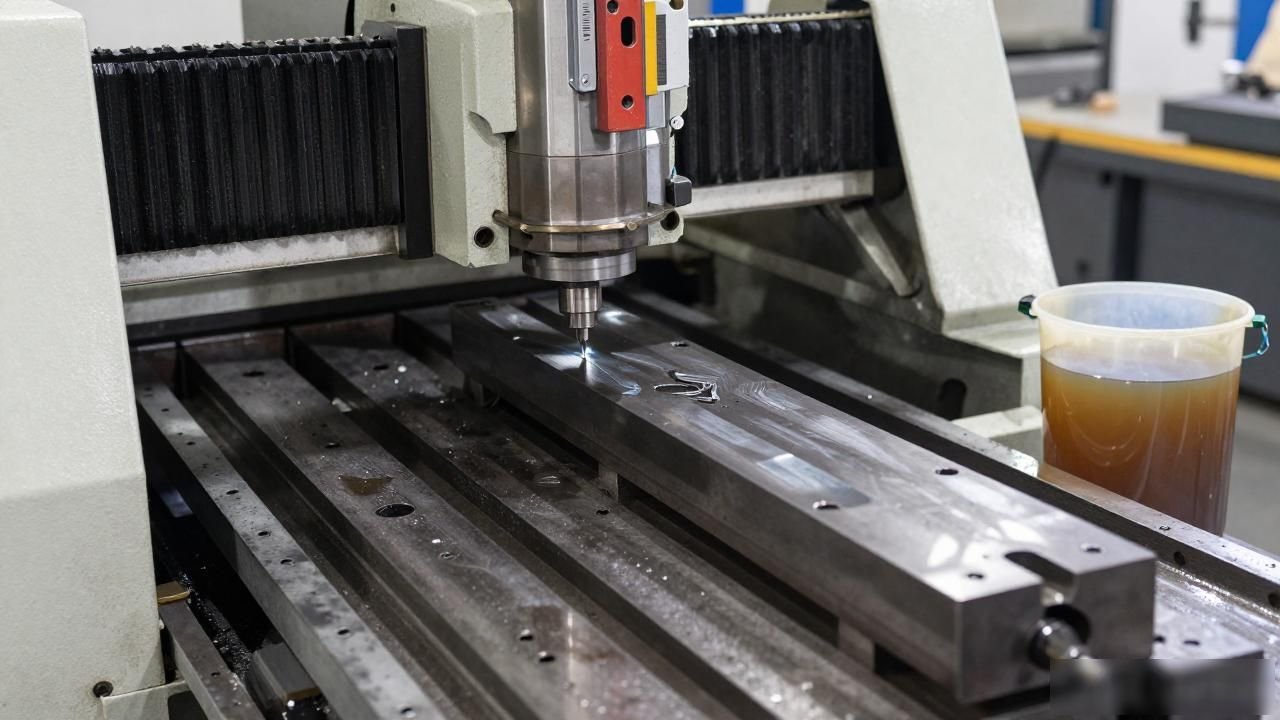
A common problem with CNC machining is that the surface finish is poor. There are two main reasons for this. One is that the tool is worn or the cutting edge is damaged, and the other is that the selection of cutting fluid is inappropriate.
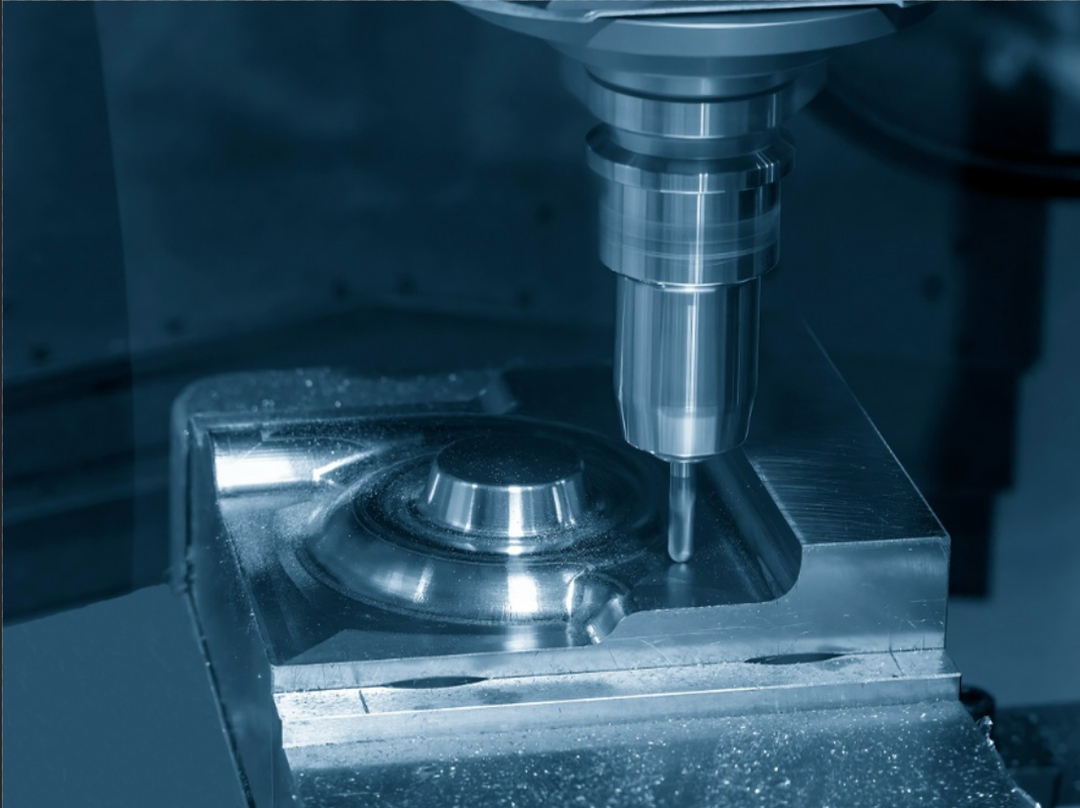
After the tool wears, the cutting edge will become blunt, resulting in irregular cutting marks during cutting operations, resulting in a rough surface. Once the cutting edge is damaged, it will cause uneven cutting process and significantly reduce the surface quality. If the cutting fluid is chosen incorrectly, its lubrication and cooling effects will be poor, which will also affect the surface finish.
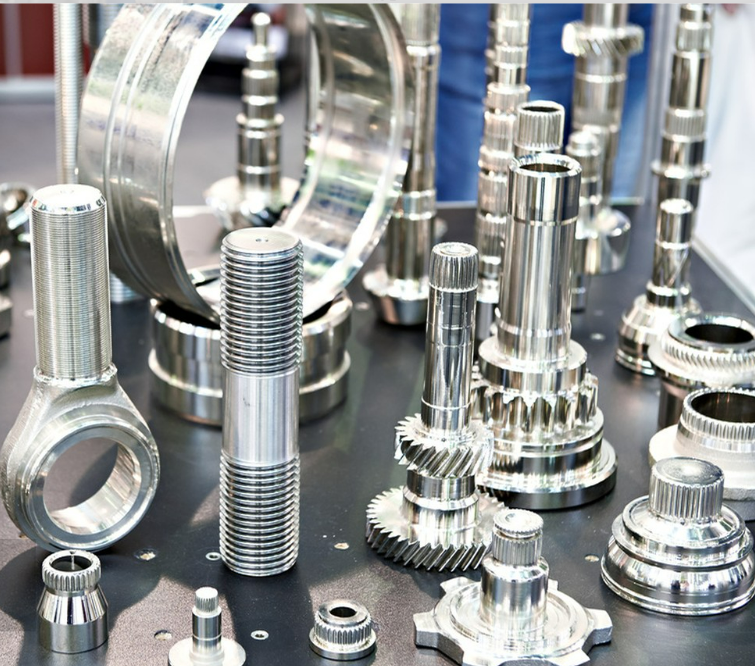
Tool management is important
Regular inspection of tool status is a key measure to ensure surface quality. Once the tool is noticed to be worn or the cutting edge is damaged, it should be replaced immediately. You must not wait until the tool is completely scrapped before replacing it. This is a common quality problem in CNC machining . Otherwise, it will affect product quality.
After replacing the tool, it is necessary to calibrate the tool again to ensure the accuracy of the machining. At the same time, pay attention to the storage condition of the tool to prevent damage to the cutting edge due to collision. Good tool management can significantly improve the surface quality of the workpiece.
How to choose cutting fluid
The choice of cutting fluid is determined based on the processing materials and process requirements. Different material types require different cutting fluids. The concentration and flow rate of the cutting fluid must also be well controlled.
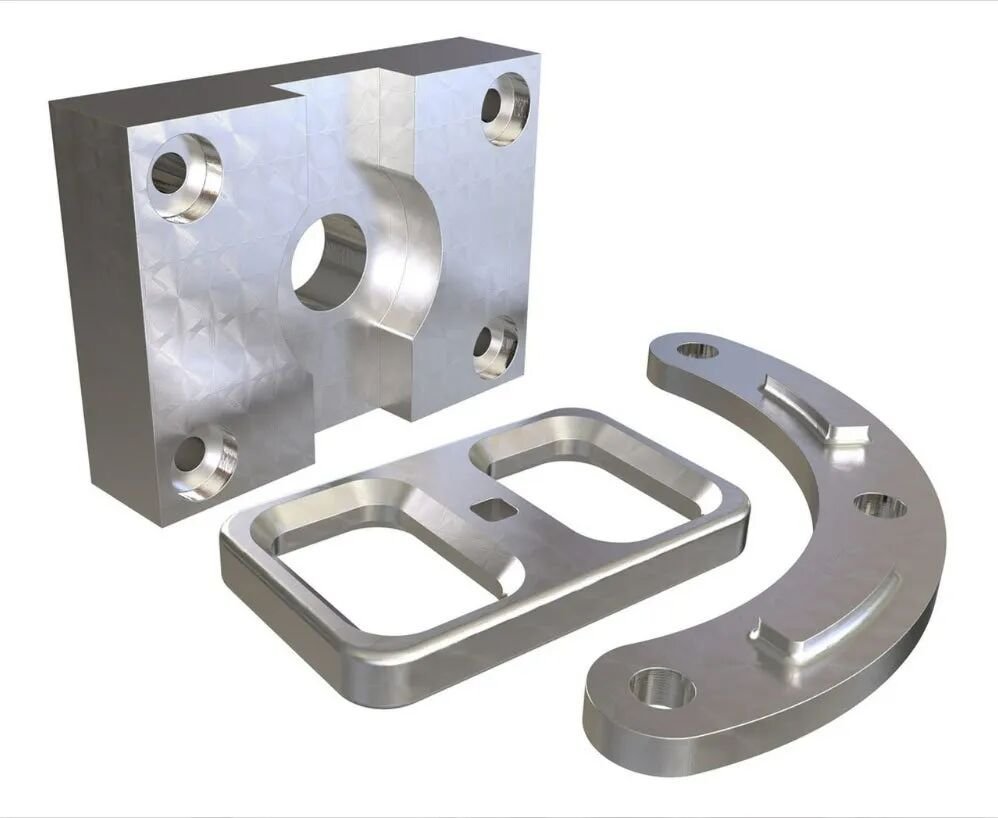
If the concentration of cutting fluid is too low, its lubrication effect will be poor, which will cause the surface to become rough. If the concentration is too high, it will not only increase the cost, but may even affect the processing effect. The cutting fluid ratio must be adjusted according to the actual situation to ensure processing quality.
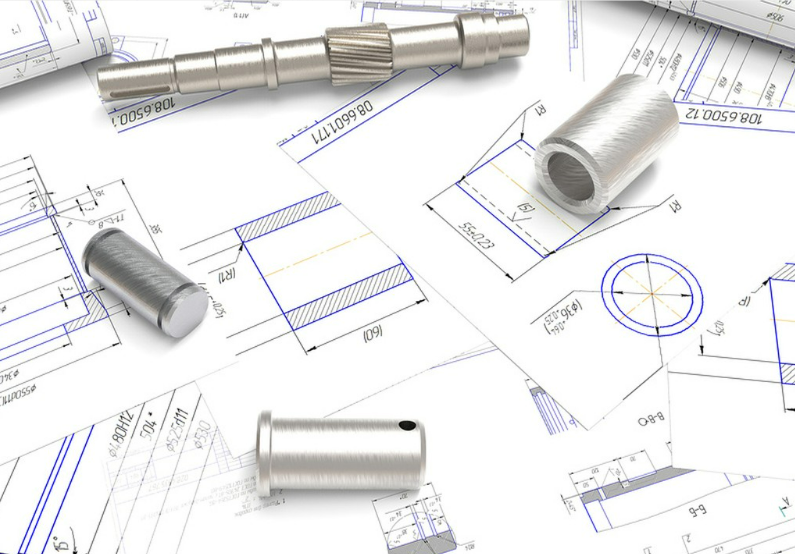
How to avoid big and small heads
Generally speaking, the workpiece shows a large or small head due to uneven distribution of cutting force or wear of the tool. The cutting force is in an unbalanced state, which will cause the workpiece to be displaced during the machining process, resulting in inconsistent dimensions.
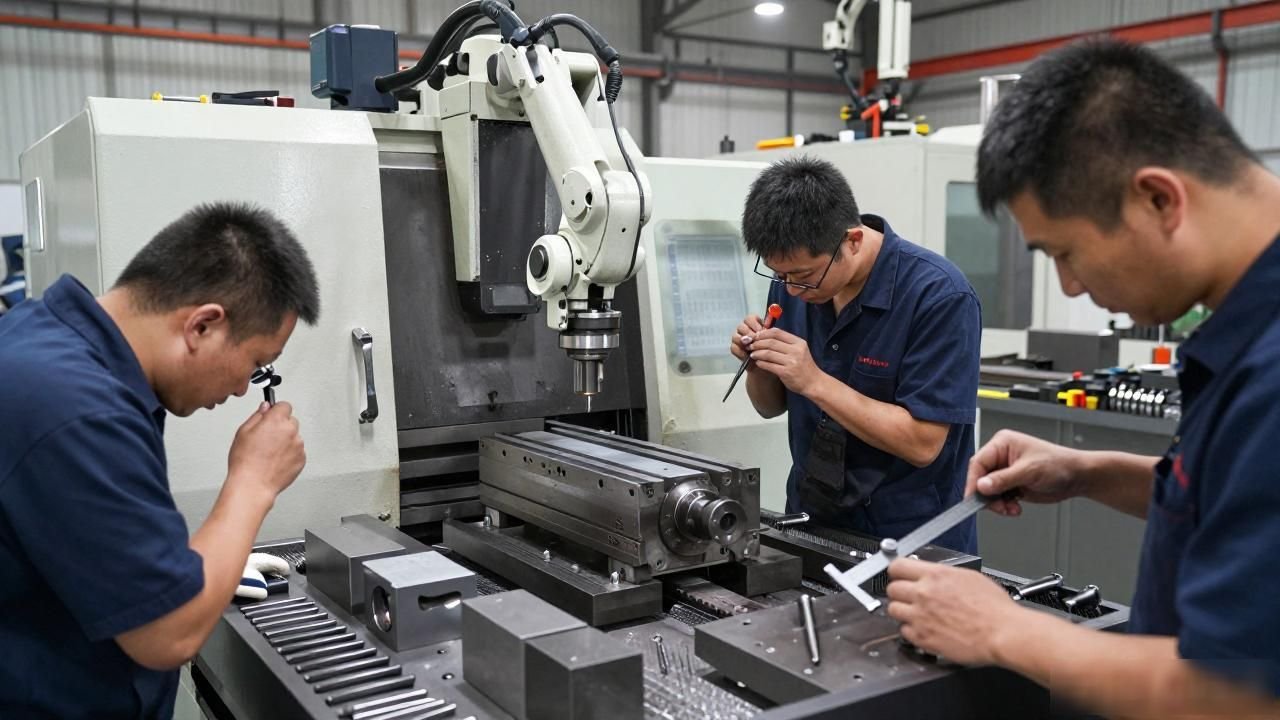
When the tool wear becomes uneven, the cutting force will also change accordingly, causing the workpiece size to be in an unstable state. The solution to this problem is to check the wear of the tools and replace the worn tools in time. At the same time, the clamping method needs to be adjusted to ensure that the force on the workpiece is uniform.
What to do if the size is unstable
The size of the workpiece is sometimes large and sometimes small, which may be caused by uneven tool wear. The tool is in different parts, and its degree of wear is different. This difference will cause the cutting force to be unevenly distributed, which will affect the dimensional stability, and ultimately cause the size of the workpiece to be larger and smaller.
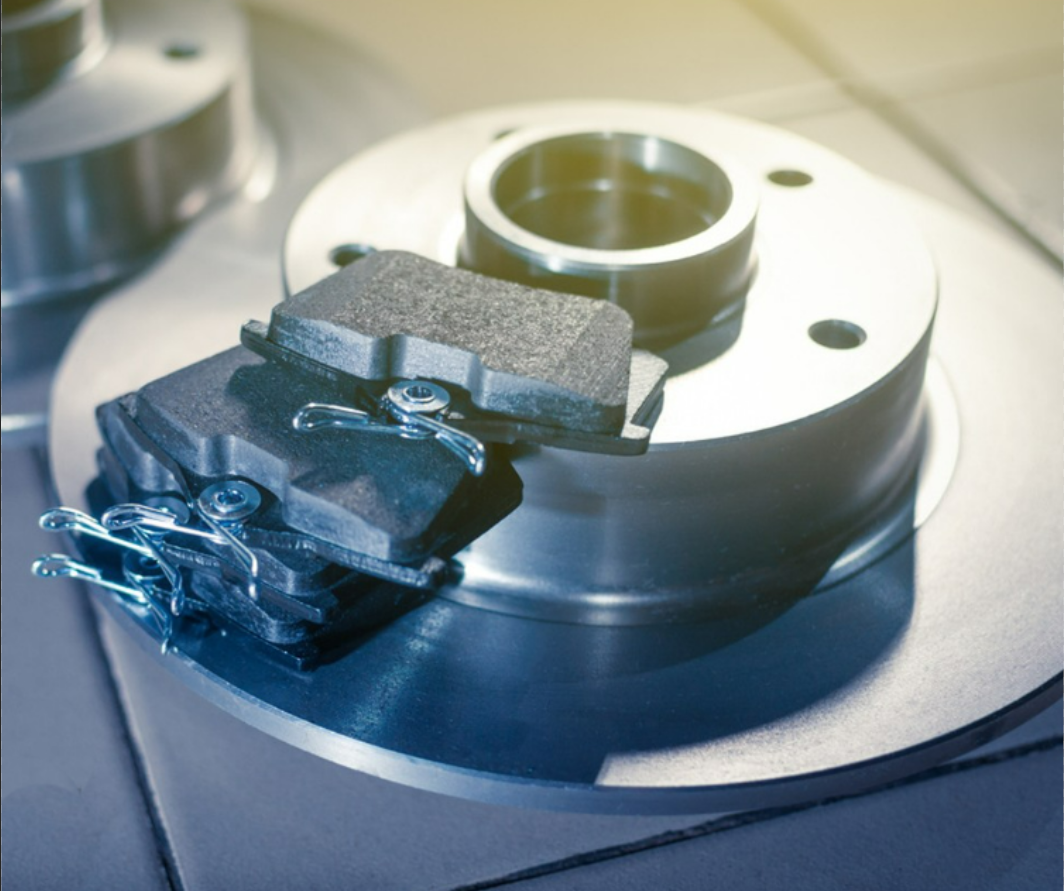
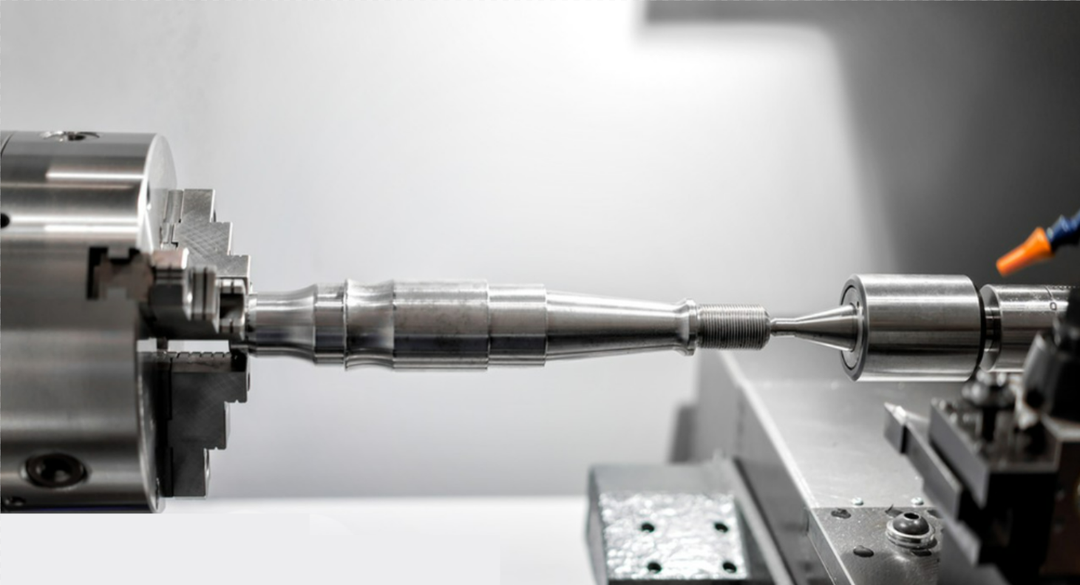
If you check the wear of the cutting tool, once it is found that the wear is not uniform Industrial People | Common Problems and Countermeasures in CNC Machining, it should be replaced in a timely manner. At the same time, check the fastening status of each component of the machine tool to ensure that there will be no loosening during processing. A stable processing environment is the foundation for ensuring dimensional consistency.
The strength of Shenzhen industrial people
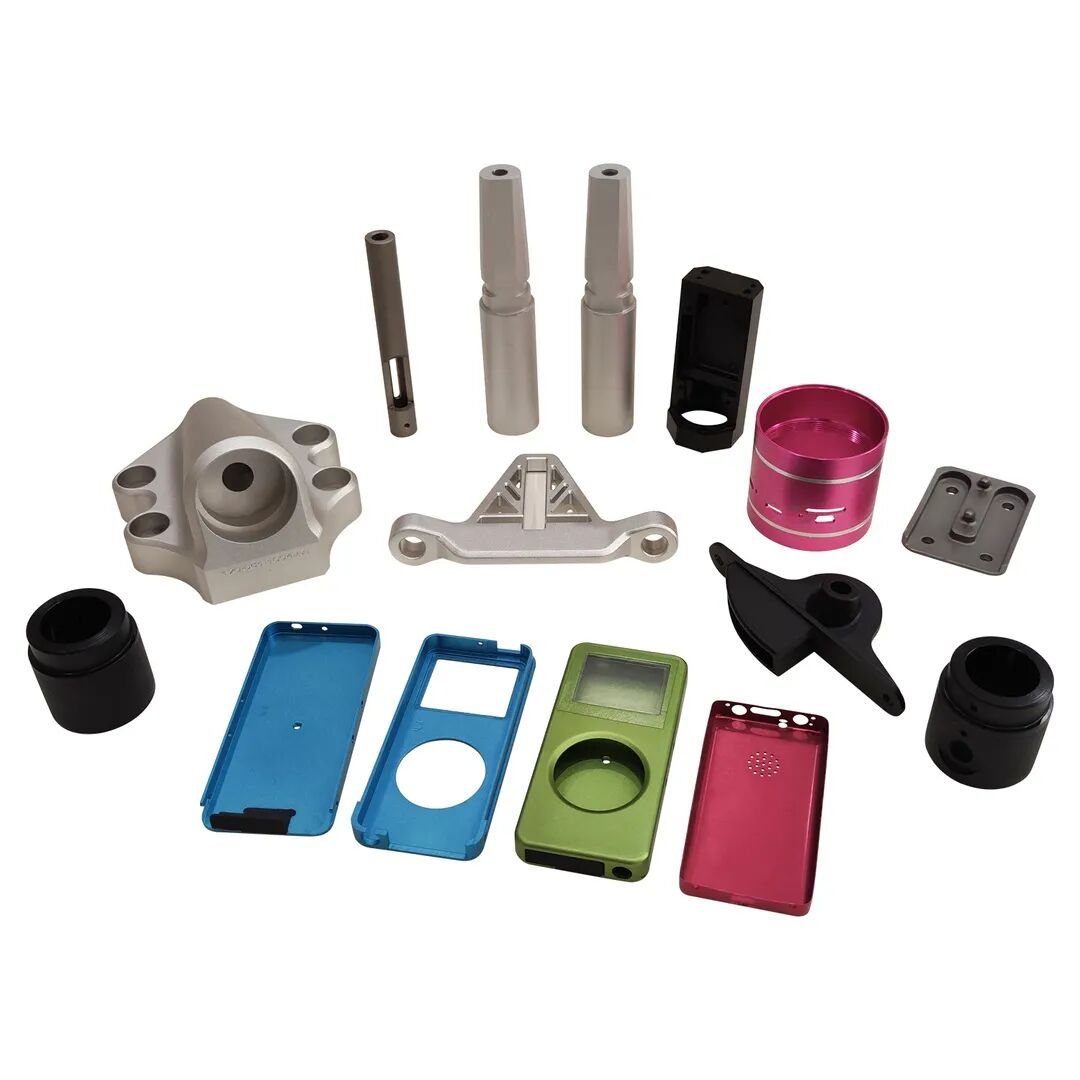
People engaged in industry in Shenzhen have rich experience in the field of CNC machining, and these experiences are their own. The CNC machine it operates is mainly used to process metal parts and perform rapid mold processing operations. The processed materials include a variety of categories such as 45 steel, aluminum alloy, 7075 aluminum alloy, zinc alloy, magnesium alloy, and brass.
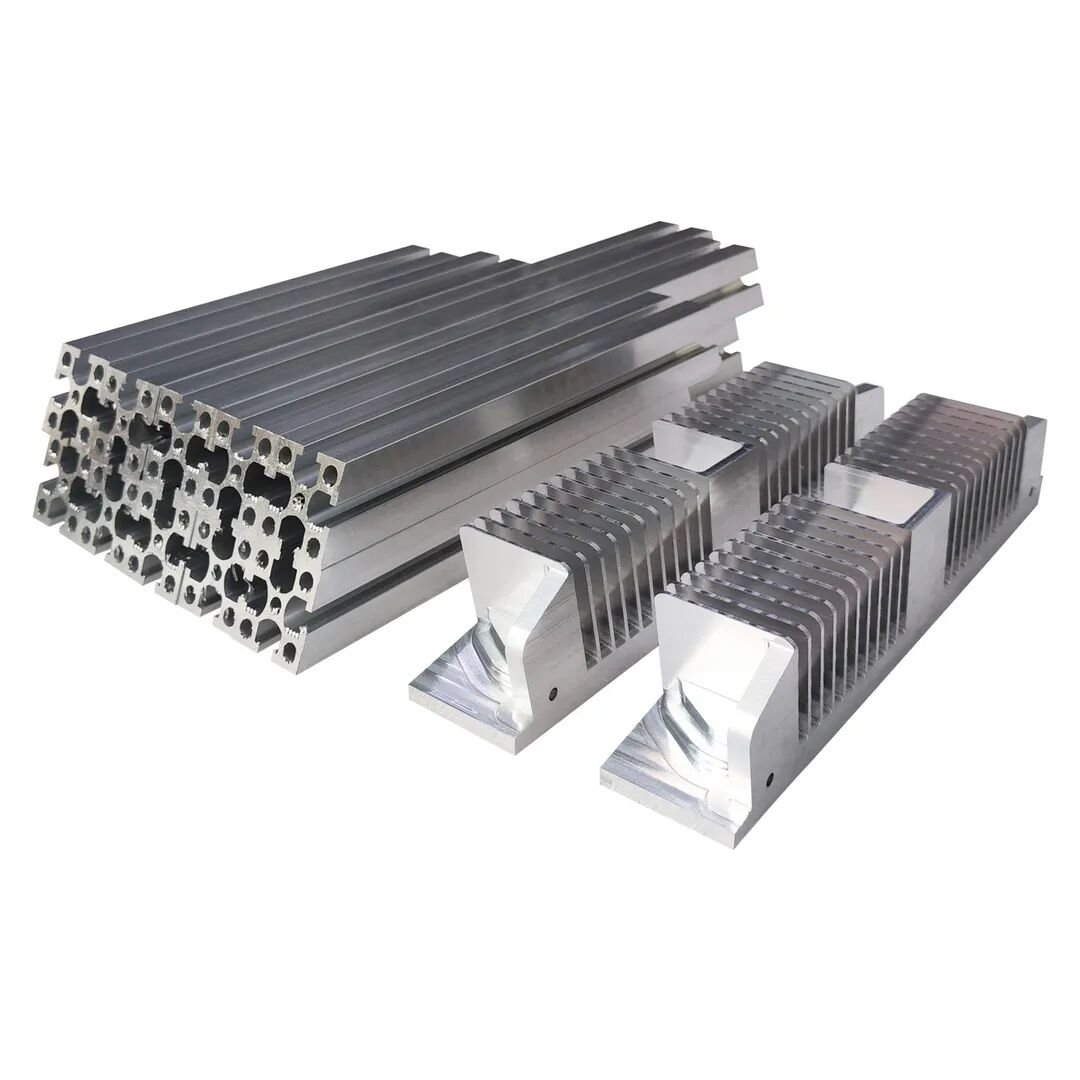
They use excavation methods, cutting methods, and use special milling cutters for processing. According to the 3D data drawings provided by the customer, and with the help of the milling part of the NC rapid prototyping method, the metal block sheets are processed into a pair of metal samples that conform to the drawings and a small number of components and parts. They provide services such as customization when making a small number of copies, and manufacturing and production with reference to the drawings.
What kind of quality problems have you encountered during CNC machining? Welcome to share your relevant experiences in the comment area. If you think this article is helpful to you, don't forget to like and share it!
Vastaa
Sinun täytyy kirjautua sisään kommentoidaksesi.