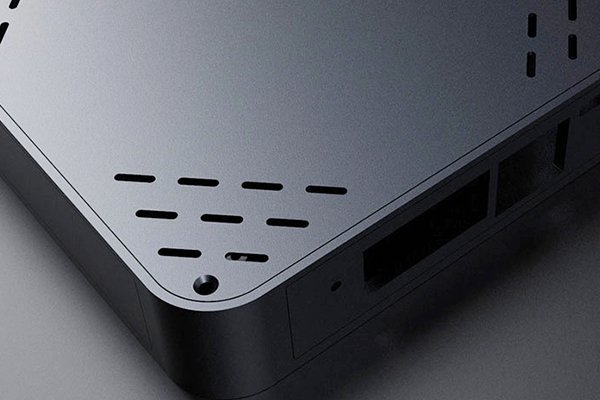


The application prospects of CNC precision parts processing in the electronics industry
Everyone's requirements for mobile phones and tablets have become more and more demanding. Because electronic products are updated so fast, parts that were considered functional in the past must now be flawless. This extreme pursuit of precision makes traditional processing methods inadequate. CNC precision machining has therefore become a necessity in the industry. It solves the pain points of size and smoothness.
Especially portable devices such as mobile phones and computers have compact internal spaces. Every screw hole and every buckle requires precise docking. As long as there is a slight error, the overall experience will be greatly reduced. This is why the application prospects of CNC technology in the electronics industry are so broad. It meets the dual standards of high stability and high precision.
The precision revolution of lens modules
![图片[1]-The Application Prospects Of CNC Precision Parts Processing In The Electronics Industry-Dalian Fuhong Machinery Co., Ltd](/wp-content/uploads/2026/07/1783361287713_0.jpg)
If we take the mobile phone camera as an example, it is not only a tool for taking pictures, but also a core part of the imaging system. Lens components have extremely high tolerance requirements, and even micron-level deviations will affect imaging quality. CNC processing can ensure that the lens bracket is absolutely flat, so that the lens will fit perfectly when assembled.
Thanks to this high-precision processing, the user experience is directly improved. Regardless of the length of day or night, the demand for high-definition photography can be met. Not only that, the heat dissipation performance of the module shell is optimized through CNC processing. The stable structure ensures the reliability of long-term use and prevents focus failures caused by thermal expansion and contraction.
Process breakthrough in shell material
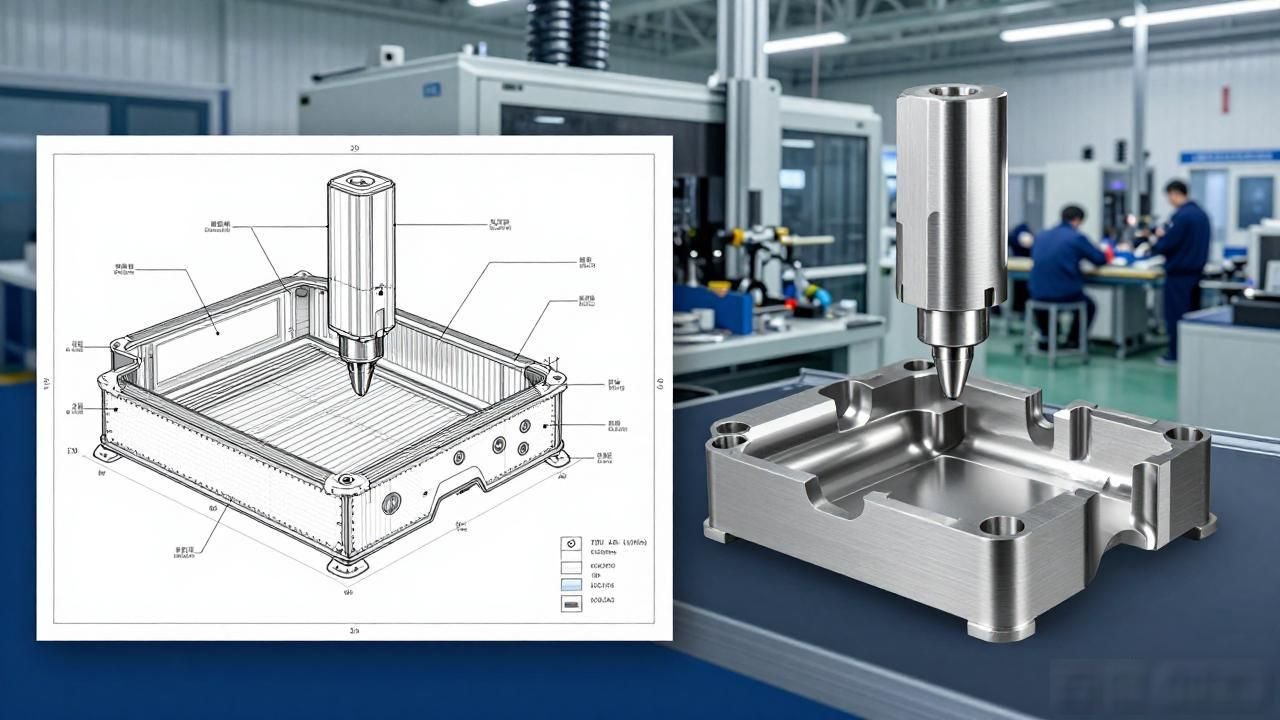
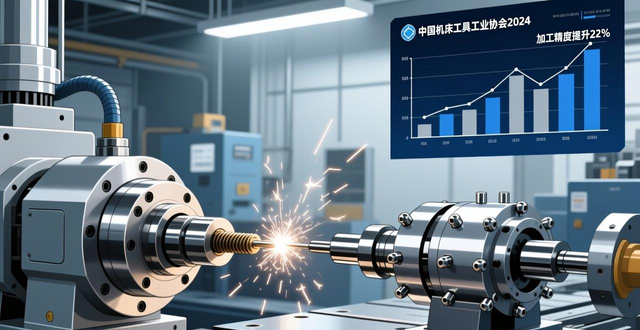
The casing of electronic equipment must not only be beautiful, but also be strong and durable. Materials such as aluminum alloy require complex surface processing using CNC. Professional manufacturers such as Jiebairui have many high-end shell processing cases, which prove the maturity of the process. From the design drawing to the actual implementation, every step tests the level of the technical team.
A key link includes surface treatment. Parts processed by CNC can be sent directly to anodizing or sandblasting processes. In this way, the parts will not only have precise dimensions, but also have a more refined appearance. For consumers, equipment will be more attractive if it feels delicate and well-made. This is also an important means for brands to enhance their competitiveness.
![图片[3]-The Application Prospects Of CNC Precision Parts Processing In The Electronics Industry-Dalian Fuhong Machinery Co., Ltd](/wp-content/uploads/2026/07/1783361287713_2.jpg)
Intelligence drives efficiency leap
With the application of artificial intelligence and big data technology, CNC equipment has become more intelligent and flexible. They can adjust cutting parameters by themselves to suit the characteristics of different materials. Such intelligence not only improves production efficiency, but also reduces the risk of errors caused by human operations.
The introduction of automated production lines has made mass production more controllable. Real-time monitoring data helps engineers detect potential problems in a timely manner, shortening the delivery cycle while ensuring product quality. For electronics manufacturers that urgently need new products to market, this efficient response capability is extremely critical.
New possibilities in combination with 3D printing
![图片[4]-The Application Prospects Of CNC Precision Parts Processing In The Electronics Industry-Dalian Fuhong Machinery Co., Ltd](/wp-content/uploads/2026/07/1783361287713_3.jpg)
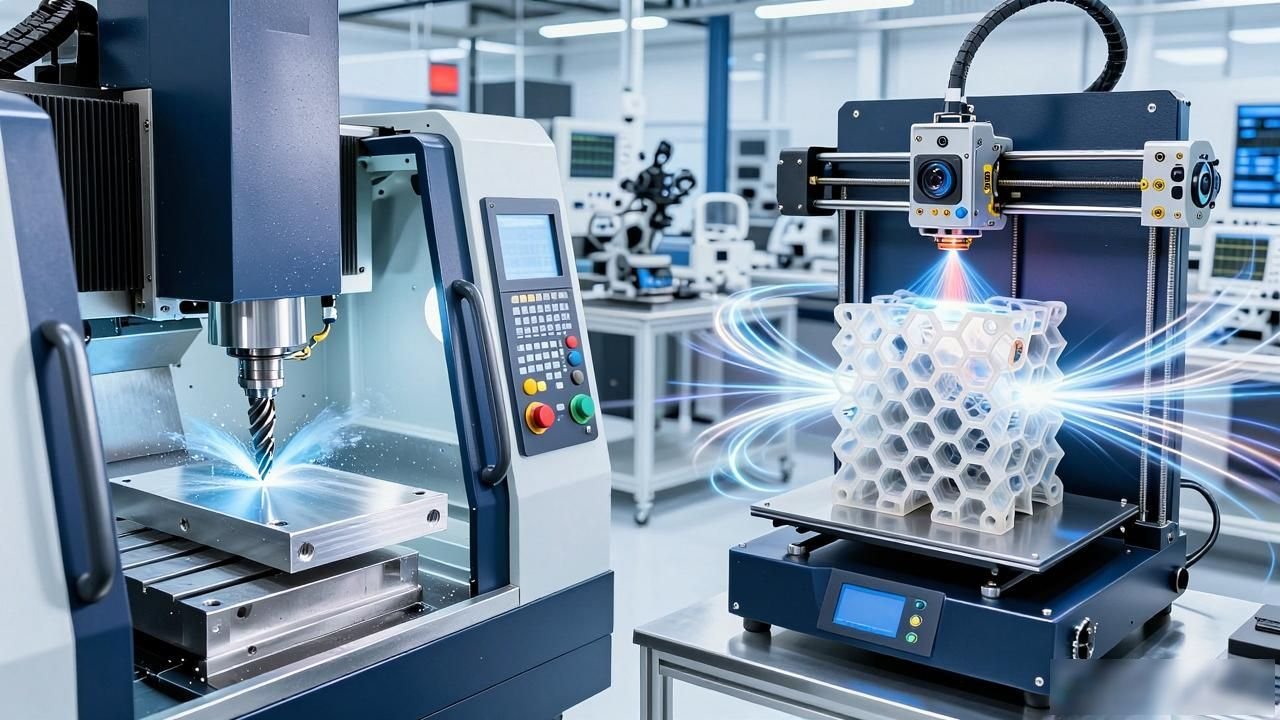
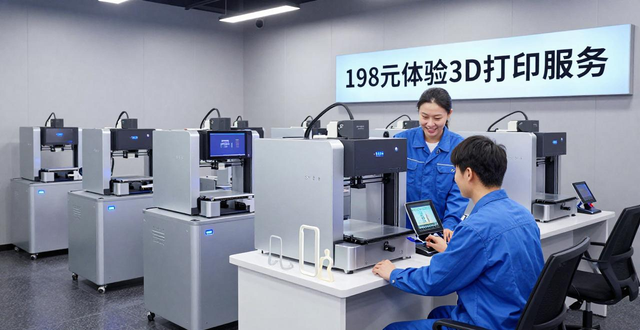
Although CNC has significant advantages, the demand for customization of complex structures is increasing day by day. The combination of 3D printing technology and CNC has become a new development direction. The former specializes in rapid prototyping of complex internal structures, while the latter is responsible for the task of fine surface processing. The two complement each other to meet the customization needs of diversified products.
This hybrid manufacturing process has brought endless possibilities to the electronics industry. From prototype verification to small batch production, the process has become more flexible. Designers can express their creativity more freely and are no longer restricted by the cost and time of traditional molds. This has promoted the rapid iteration and innovation of electronic products.
The deep logic of industry development
Competition in the electronics industry is essentially a supply chain competition. Whoever can provide more precise and reliable parts can occupy the market high ground. CNC processing is not only a technical means, but also a part of the core competitiveness. Companies such as Jiebri have won wide recognition with their professional teams and technological accumulation.
Having high-quality products and services is the fundamental basis for a company to gain a foothold. We must continue to break through technical bottlenecks and meet the individual needs of customers. Only in this way can we gain a firm foothold in this rapidly changing industry. In the future, as electronic technology continues to develop, the importance of precision machining will become increasingly apparent.
Facing such fierce market competition, is your company ready to improve its precision machining capabilities? If you find it useful, please share your views in the comment area, like it and share it with more peers.





暂无评论内容