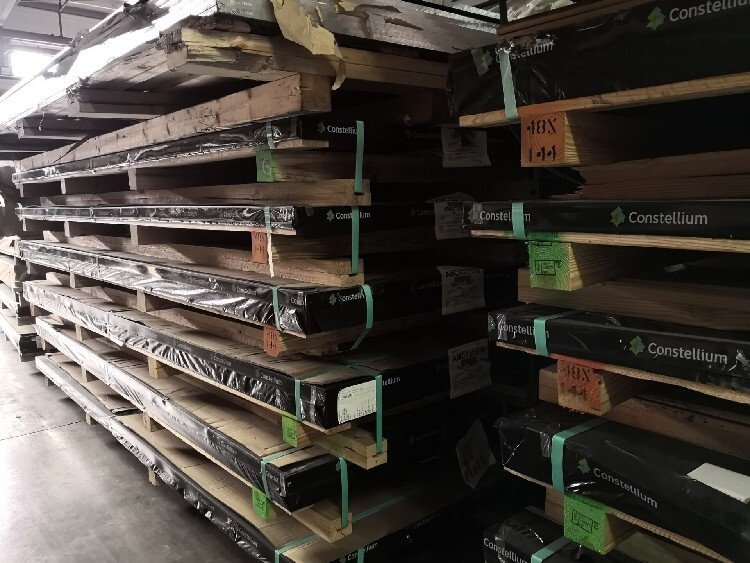


Shenyang NS112 corrosion-resistant alloy plate manufacturer, corrosion-resistant metal materials
Typical application scenarios of high temperature alloys
In a sulfuric acid pickling factory, components such as heating tubes, containers, baskets, and chains are exposed to corrosive environments with temperatures not exceeding 550°C for a long time. These components not only have to withstand the erosion of acidic media, but also deal with the thermal stress caused by high temperatures. A chemical company replaced a batch of heating tubes in 2024. They used base solid solution strengthened deformed high-temperature alloys. After continuous operation for 12 months, they were inspected and no obvious corrosion points were found.
Another typical application is seawater cooling heat exchangers and marine product pipeline systems. These devices are in direct contact with seawater containing chloride ions. They are particularly sensitive to pitting and crevice corrosion. Alloys containing easily passivating elements such as Cr, Ni, and Mo are used to form a stable oxide film on the surface, which can effectively block the penetration of chloride ions. After the use of such alloys in the heat exchangers of a coastal refinery, the maintenance cycle was extended from half a year to three years.
The core paradox of material selection
Metal parts are corrosion-resistant, and the main contradiction faced when selecting materials for processing is the balance between cost and performance. Pure nickel-based alloys are resistant to high temperatures and have excellent corrosion resistance, but are expensive. The cost per ton is more than five times higher than ordinary stainless steel. Ordinary stainless steel has poor corrosion resistance in non-oxidizing media, such as dilute sulfuric acid and hydrochloric acid, because non-oxidizing acids do not easily allow the alloy to form an oxide film.
Take the heat exchanger in phosphoric acid production as an example. The temperature of the medium is about 200°C, and the materials used for processing corrosion-resistant metal parts contain fluoride impurities. At this time, although active metals such as titanium, zirconium, and tantalum have corrosion resistance, they cannot be used in environments containing fluorine. Moreover, engineers have to choose Hastelloy C2000 or NiCu alloy. These materials show relatively good stability in working conditions where reducing and oxidizing properties alternate. One of the phosphate fertilizer plants changed the material to Hastelloy in 2023, and the probability of equipment failure was reduced by 70%.
Characteristics and limitations of titanium materials

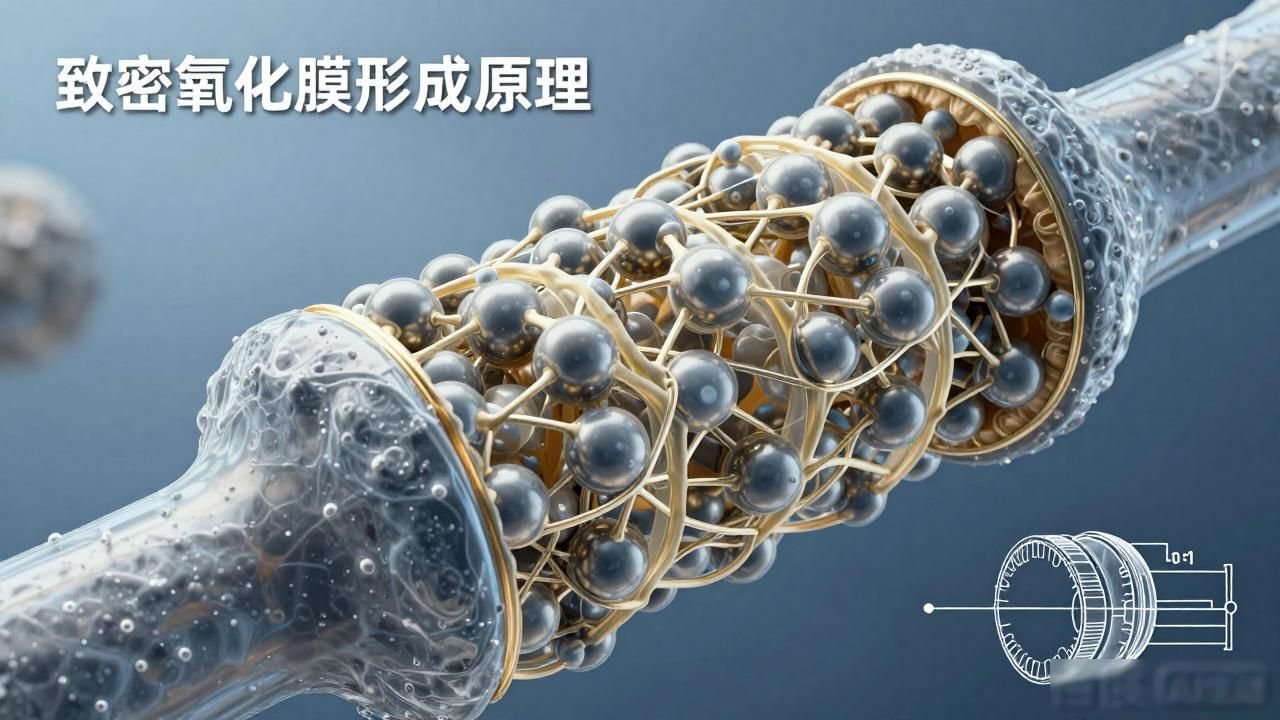
The principle of titanium's corrosion resistance is to form a dense oxide film in an oxidizing atmosphere, which determines its application boundaries. Titanium cannot be used in closed environments with strong reducing properties or scarce oxygen, such as the interior of deep well water injection pipelines. Shenyang NS112 corrosion-resistant alloy sheet manufacturer is a corrosion-resistant metal material. At the same time, the working temperature of titanium is generally limited to below 300°C. Once this temperature is exceeded, the oxide film will quickly thicken and become brittle.
An offshore platform tried in 2022 to replace copper-nickel alloy tubes with titanium tubes. As a result, severe hydrogen embrittlement cracking occurred inside the heat exchanger, which has high sealing performance. This is based on the fact that titanium cannot maintain a stable passivation film in an oxygen-deficient environment. Therefore, even though titanium materials are widely used in aviation and chemical industries, when making selections, it is necessary to strictly evaluate the oxygen content and temperature conditions in the environment.
Advantages of bimetal composite pipes
With the development of industrial technology, bimetallic composite pipes have become an economical choice to replace pure stainless steel, copper pipes or other corrosion-resistant alloy pipes. These pipes use metallurgical bonding or mechanical bonding to combine the corrosion-resistant layer with the structural level. For example, the base layer uses carbon steel to ensure strength, and the cladding layer uses Hastelloy to resist corrosion.
There is a petrochemical company that built a new acid gas pipeline project in 2024. The project all uses bimetallic composite pipes. Compared with pure nickel-based alloy pipes, the engineering cost of this pipeline has been reduced by 40%. However, its corrosion resistance has only decreased by 5%. Such a material combination has complementary advantages. The base layer is responsible for withstanding the corresponding pressure, and the cladding is used to resist corrosion. This greatly extends the service life of the pipeline. In the selection of materials for processing corrosion-resistant metal parts in air heat exchangers for petroleum refining, the application of composite pipes has become more and more common.
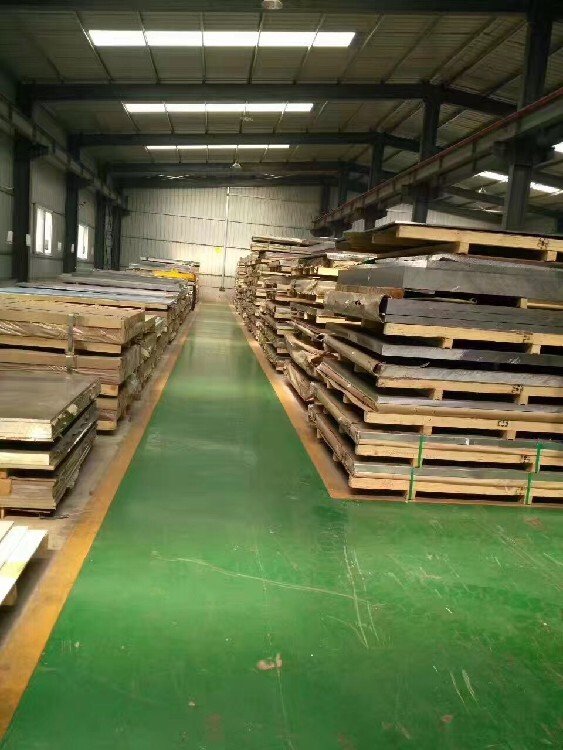
Mechanical properties and certification requirements
Mechanical properties from room temperature to high temperatures of 550°C are key indicators for material selection. The base solid solution-strengthened deformed high-temperature alloy still maintains structural stability below 1000°C. Its tensile strength and creep properties are much better than ordinary stainless steel. A pressure vessel manufacturer tested the alloy under 450°C working conditions and passed ASME certification. It can be used to manufacture pressure vessels.
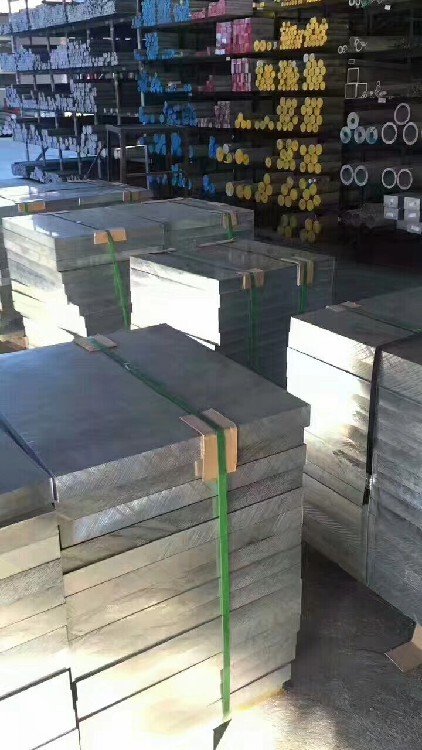
In food engineering and chemical engineering processes, parts must not only be corrosion-resistant, but also must meet hygiene standards and processability. This alloy has good hot and cold processing and welding properties and is easy to form. There is a food equipment factory that uses this alloy to make stirring blades. After welding, there is no need for heat treatment and corrosion-resistant metal parts processing materials. It is directly put into use. No weld corrosion or cracking has been found in three years. This confirms the material's reliability under complex processing conditions.
Future applications of flame retardant alloys
In the case of pressurized oxygen applications, ordinary metals will most likely burn violently when exposed to high-pressure pure oxygen. Flame-retardant alloys increase the ignition point of the material by adding specific elements and also reduce the burning rate. An air separation equipment factory tested a new flame-retardant alloy in 2023. At that time, the alloy was exposed to 30MPa in a pure oxygen environment for 10 minutes, and the result was that there was no flame spread.
The research and development of this type of alloy is currently accelerating due to the growing demand for high-purity oxygen in the semiconductor and aerospace industries. Flame-retardant alloys must not only have corrosion resistance, but also have resistance to oxygen combustion. Although the cost is relatively high at this stage, as the technology gradually matures, it is estimated that it will enter the stage of large-scale application before 2028, and then become the standard choice for high-pressure oxygen pipelines.
When you are choosing materials for metal parts with corrosion resistance, is the most troublesome problem the cost exceeding a reasonable range, or the performance failing to meet the expected standards? You are sincerely welcome to share your experience in the comment area, and at the same time like and bookmark this article, so as to help more people successfully avoid misunderstandings in material selection.






暂无评论内容