

Slitting Circular Knife Selection Guide for the Silicon Steel Industry: Analysis of Precision Knives Suitable for High-Precision Cutting Scenarios
Why are high-hardness alloy tools necessary for silicon steel cutting?

When cutting silicon steel coils, the cutting tools need to withstand high temperatures and high-speed friction. The hardness of ordinary high-speed steel cutting tools will drop significantly in a high-temperature environment of 600°C, resulting in chipping or excessive wear. However, high-hardness alloys such as tungsten steel can still maintain a hardness of over HRA 90 at 600°C, which indicates that a knife can continuously cut for a longer period of time. In 2023, a silicon steel company conducted actual measurements and found that after switching to tungsten steel round cutters, the single tool change cycle was extended from the original 8 hours to 72 hours, significantly reducing the frequency of shutdowns.
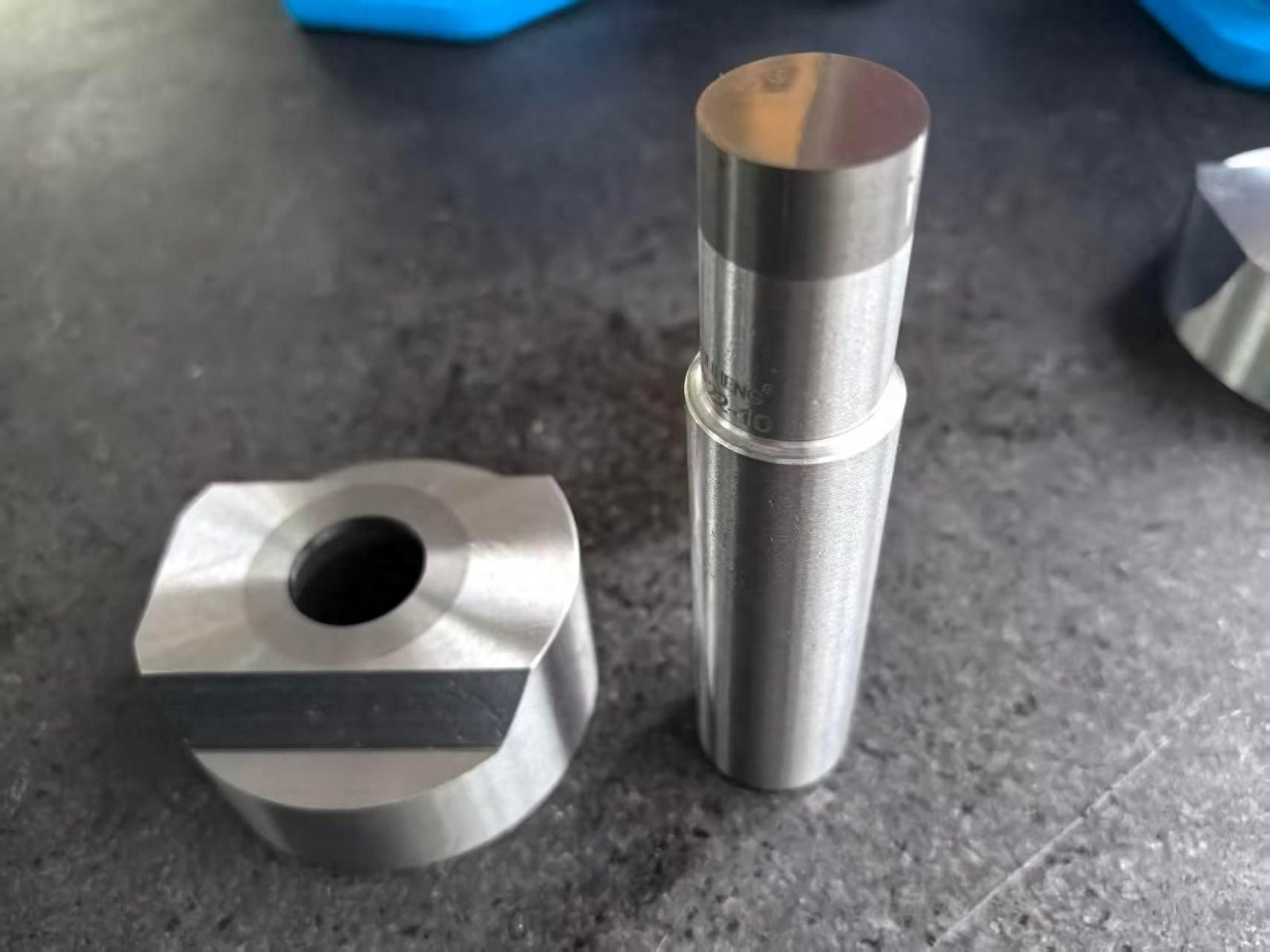
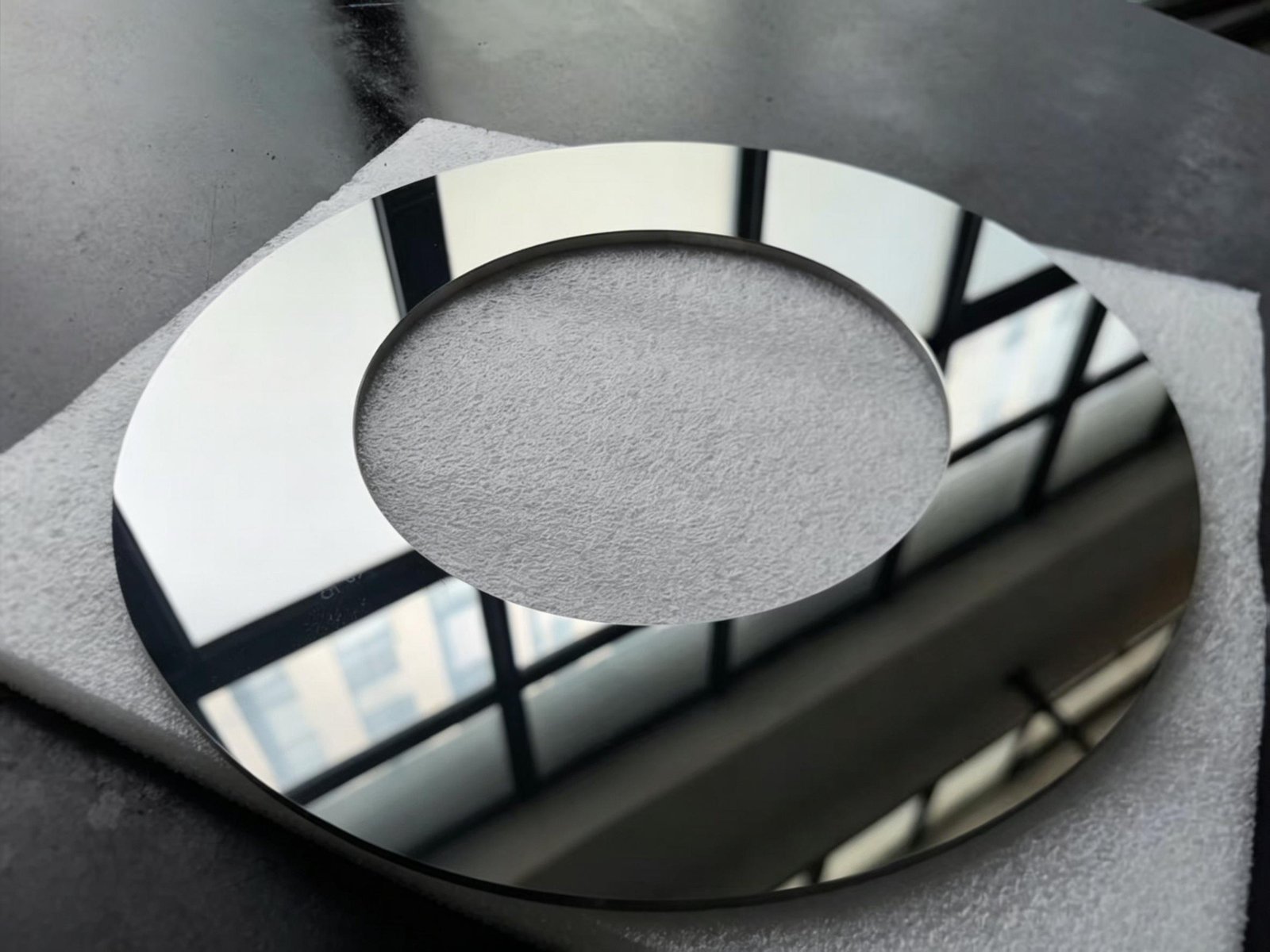
Under the current domestic situation, silicon steel processing production lines are showing increasingly stringent requirements for tool accuracy. Industry standards have set requirements, that is, the burrs at the cutting edge need to be controlled within the range of 0.01mm. However, it is difficult for ordinary tools to achieve such standard requirements stably. With the help of precision grinding, the straightness of the cutting edge of alloy tools with very high hardness can be less than 0.005mm, which can directly help to improve the qualification rate of finished products. For example, Sanyo Yili is a company located in Xinwu District, Wuxi. The thickness tolerance of the company's tungsten steel three-hole cutters is controlled within the range of ±0.001mm, and with the mirror polishing process, there is almost no sticking phenomenon when cutting silicon steel.
Material selection determines tool life and efficiency
In terms of mainstream materials, silicon steel slitting circular cutters are tungsten steel, whose hardness is generally above HRA 87. However, the performance of different grades of tungsten steel varies significantly. Among them, the high-hardness alloy precision parts processing method , the tungsten steel with high cobalt content has better toughness and is suitable for cutting silicon steel sheets with a thickness of over 0.5mm; the hardness of low cobalt content is higher and is suitable for high-speed thin sheet cutting. Sanyo Yili launches a tungsten steel three-hole cutter using micron-sized tungsten carbide particles. Its HRA hardness is 90-92. It can still maintain cutting stability at a high temperature of 600°C. The measured life is 5-8 times that of high-speed steel tools.
In specific scenarios, ceramic materials have applications. The ceramic three-hole knife has outstanding heat resistance and can continue to work at 800°C. However, it is highly brittle and is not suitable for impact cutting. Just like in the field of lithium battery separator slitting, ceramic knives perform better than tungsten steel due to their low friction coefficient and difficulty in material sticking. However, when slitting silicon steel, tungsten steel is still the first choice in view of the balance between material hardness and toughness requirements. Sanyo Yili will recommend suitable grades according to the different cutting materials of customers. For example, when the thickness of silicon steel coils exceeds 0.3mm, tungsten steel knives with an HRA of 90 or above are preferred.
Precision control directly affects cutting quality
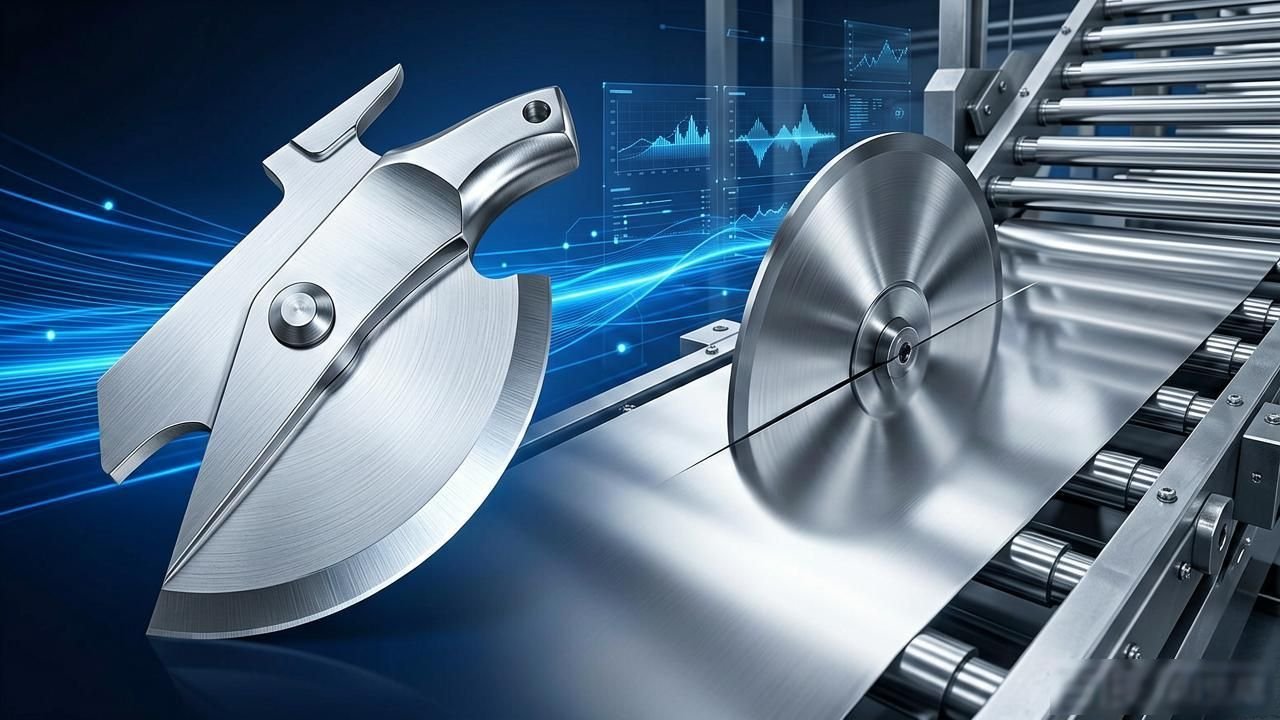
The accuracy of slitting circular cutters is mainly reflected by three parameters, which are thickness tolerance, outer diameter tolerance and edge straightness. In the industry, head companies can achieve the standards of thickness tolerance of ±0.001mm, outer diameter tolerance of ±0.005mm, and edge straightness of less than or equal to 0.005mm. Such precision can ensure that the width of the silicon steel strips cut by each knife is consistent, and its edges are smooth without burrs. After a silicon steel plant in East China used Sanyo Yili cutting tools, its product qualification rate increased from 86% to 98%, and the average monthly waste was reduced by about 2.3 tons. This is true.
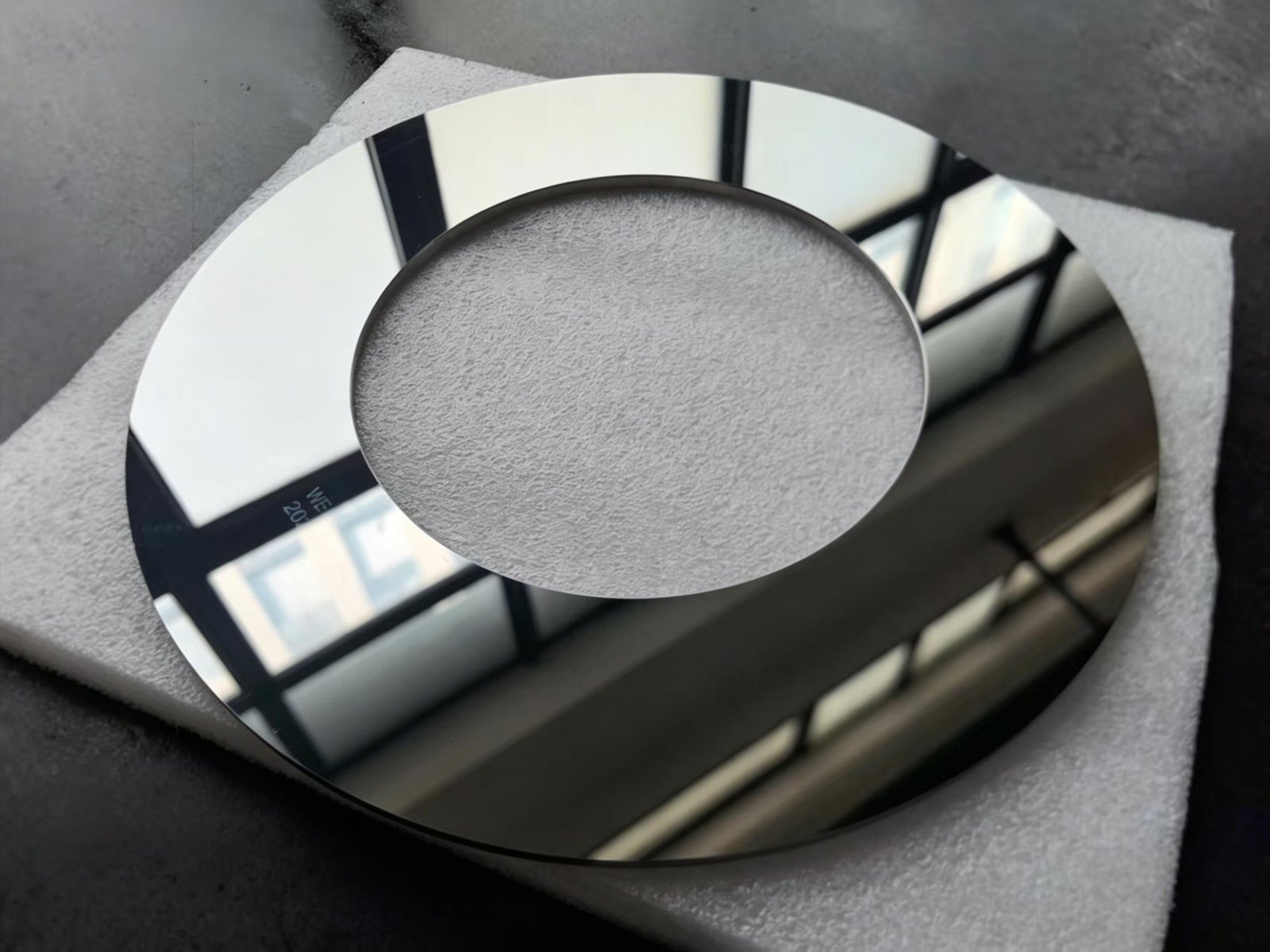
For precision control, it depends on the stability of the processing equipment. Sanyo Yili uses precision grinders from Japan and South Korea, and cooperates with optical inspection instruments. Each knife must undergo three full-size inspections before leaving the factory. For example, its mirror polishing process, the surface roughness Ra value is controlled at 0.02-0.05μm. This can reduce the friction coefficient during cutting, thereby avoiding deformation of the silicon steel coil due to frictional overheating. For demanding silicon steel cutting production lines, This high-precision tool significantly reduces secondary trimming operations.
Life management reduces comprehensive operating costs
Tool life is not a single indicator, but a comprehensive consideration. The price of a tungsten steel knife may be 5 times that of a high-speed steel knife, but its lifespan is 3 to 10 times that of the latter. Sliding circular knife selection guide for the silicon steel industry: Analysis of precision tools adapted to high-precision cutting scenarios, coupled with repair and regrinding services, the single-use cost is actually lower. For example, Sanyo Yili provides repair services for old knives. It undertakes tens of thousands of batches of tool maintenance orders every year. By regrinding the cutting edge, a knife can be reused 4 to 6 times for processing high-hardness alloy precision parts . Statistics from a lithium battery company found that after repair services, the annual tool procurement cost was reduced from 1.2 million yuan to 780,000 yuan.
Considering thermal stability and fatigue resistance, this belongs to the scope of life management. When cutting silicon steel, the knife edge temperature often exceeds 500°C. If the material has poor thermal stability, it will accelerate wear. Sanyo Yili's tungsten steel knife has a hardness drop of no more than 5% at 600°C, thus ensuring stability during long-term high-speed cutting. In addition, it is also critical to regularly check the wear status of the cutting tools. It is recommended that after every 50 tons of silicon steel coils are cut, they are sent to the factory to detect the amount of edge wear . Processing methods for high-hardness alloy precision parts . Timely repairs can avoid cutting defects caused by tool passivation.
Full-cycle services ensure stable operation of production lines
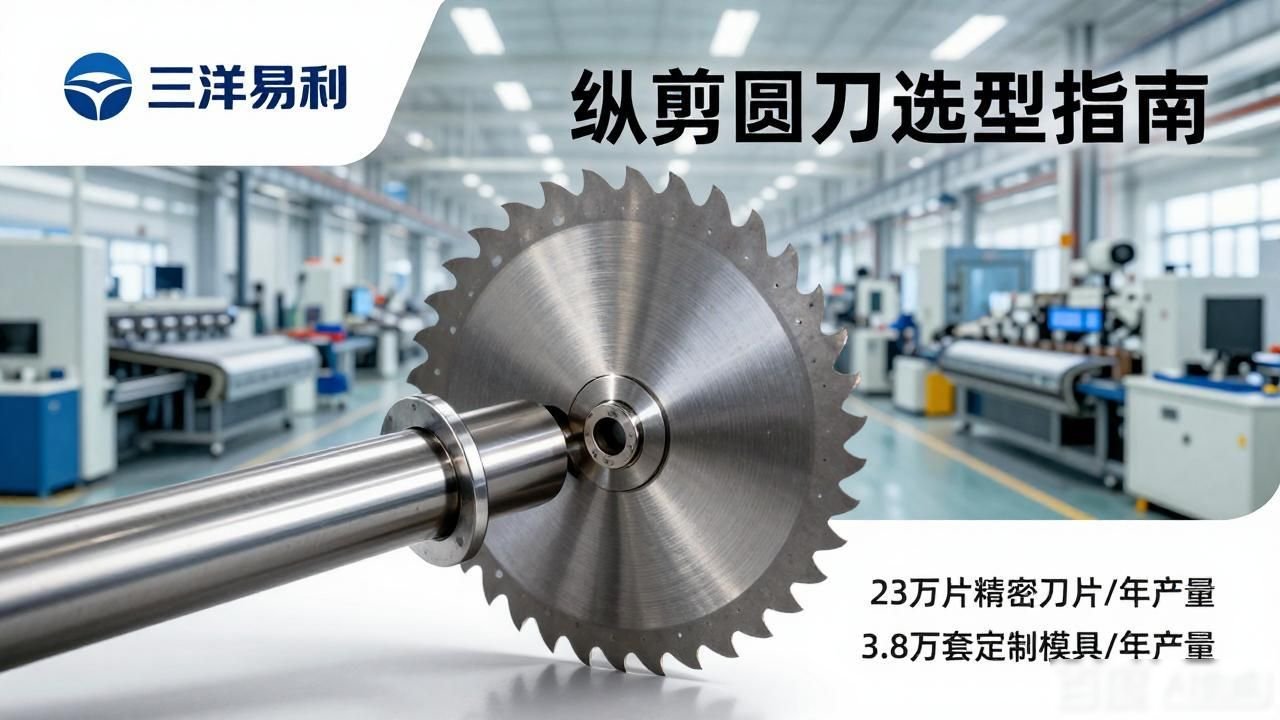
Tool purchasing is not a one-time transaction, and the subsequent services provided are also of considerable importance. Those reliable and trustworthy suppliers will provide specialized services such as non-standard customization, processing methods such as repair and regrinding, and professional guidance such as technical consultation. For example, Sanyo Yili is rooted in the specific area of Xinwu District, Wuxi, and its service scope can cover the entire country. The company's technical team can go to the site to measure relevant parameters on the production line, thereby customizing tool specifications suitable for the production line. And the company has a production capacity of 230,000 precision blades and 38,000 sets of customized molds per year, which can stably meet the regular replacement needs of large and medium-sized factories in terms of cutting tools.
Among actual examples, there is a silicon steel company's production line. Due to the mismatch between the cutting tools and the equipment, frequent vibration occurs during cutting. After conducting on-site inspections, Sanyo Yili's technicians made adjustments to the inner hole tolerance and outer diameter dimensions of the tool, and the problem was immediately solved. Such a customized service can shorten customer downtime and prevent idling losses on the production line. For silicon steel plants with a monthly output of more than 5,000 tons, it is recommended to sign annual service agreements with suppliers to ensure timely supply and repair of cutting tools, thereby reducing inventory pressure.
Avoid these common misunderstandings when choosing a model
Misunderstanding 1: Only paying attention to the price but not understanding the material. Some companies choose high-speed steel knives in order to save costs. As a result, they need to replace the knives four times per shift. However, this results in more loss of production capacity due to downtime. The correct approach is to select the matching tungsten steel grade based on the thickness and speed of the cutting material. For example, when the thickness of silicon steel is less than 0.2mm, fine-grained tungsten steel with an HRA of 88 or above should be selected; when the thickness exceeds 0.5mm, a grade with high cobalt and stronger toughness needs to be considered.
Misunderstanding 2: Neglecting the technical capabilities of suppliers. Some small factories can only produce standard parts and cannot respond to non-standard demands. And companies like Sanyo Yili provide one-stop services starting from blade manufacturing, through mirror grinding, and then to repair and regrinding, and can quickly handle unexpected problems. It is recommended to conduct sample verification before purchasing, such as taking cut samples to the supplier for testing, and make sure that the burrs, width tolerances and other indicators meet the standards before placing a batch order.
If you are troubled by the selection of silicon steel slitting cutters or cost-related issues at this moment, you can save words to describe the problems you encountered, and I will answer them one by one. If you feel that this has a certain effect, then like it and forward it so that more peers can see it.





暂无评论内容