
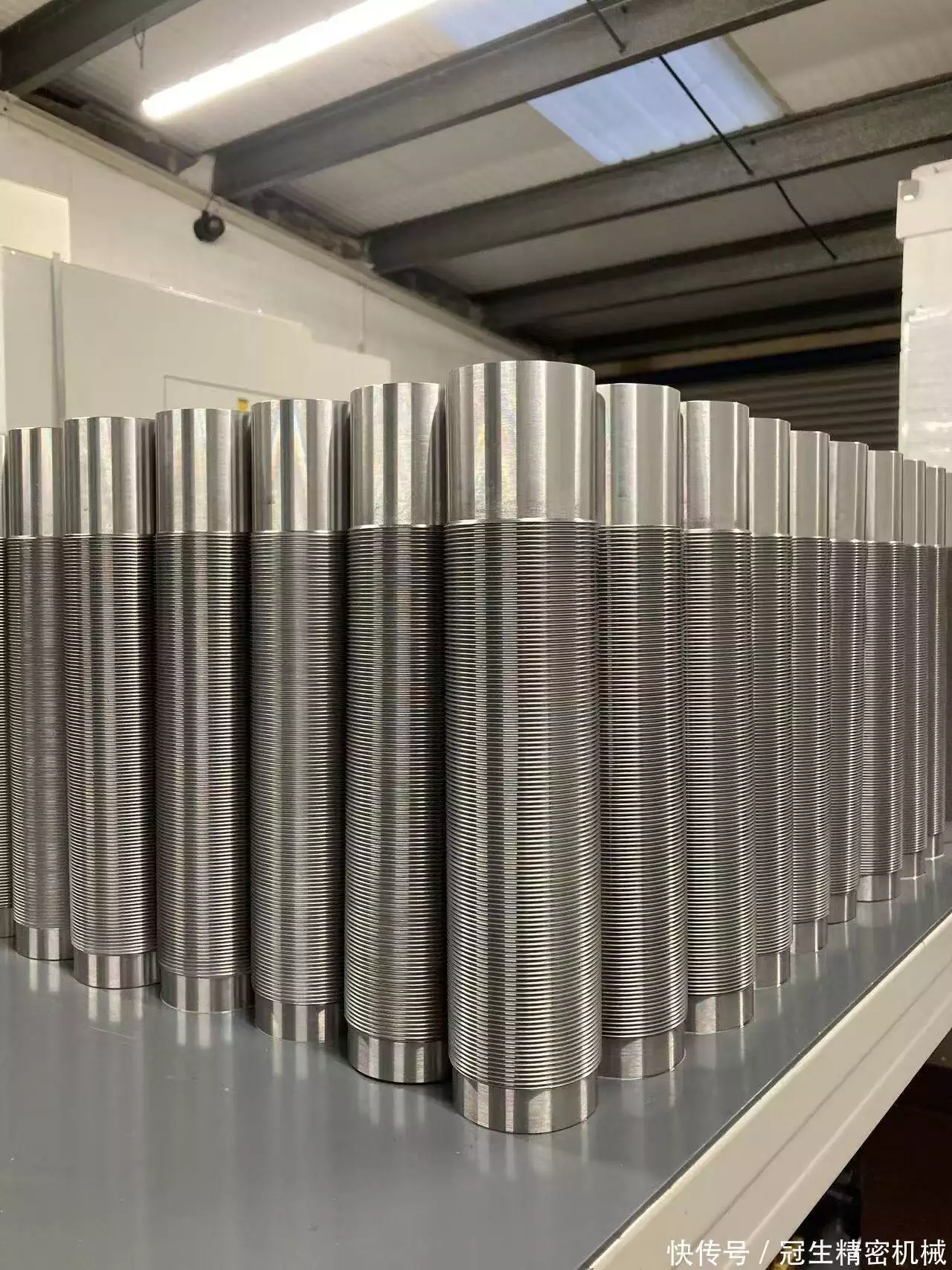
Optimization and practice of CNC high-precision machining technology
Lay a solid foundation for accuracy from the source of design

Paving the way for machining accuracy must be done in the product design stage. Many companies have ignored this point, resulting in difficulties in subsequent processing. During design, efforts should be made to simplify the structure and reduce complex curved surfaces and deep cavity features, which can reduce the difficulty of processing. For example, an auto parts factory will convert the bracket structure from five-axis machining to three-axis machining in 2025, and the yield rate will increase from 82% to 96%. The selection of materials is also very critical. After 7075 aluminum alloy undergoes T6 heat treatment, The hardness reaches 150HB, and the processing deformation is reduced by 40%.

Tool selection, CNC machining process, detailed explanation of the optimization and practice of CNC high-precision machining process, so that the machining is not tiring
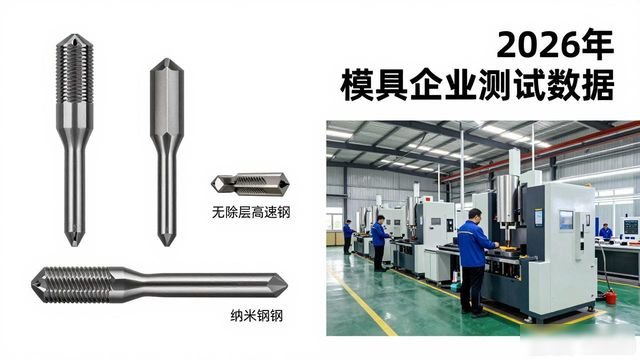
The tools used for CNC machining are like the teeth for chewing food. Once you choose the wrong tool, no matter what you do, your efforts will be in vain. For different materials, different tools need to be matched. Specifically, if you are processing stainless steel materials, you need to use coated carbide tools. When processing aluminum alloy materials, you need to use uncoated high-speed steel tools. In 2026, a mold company found after testing that if nano-coated tools are used when processing quenched steel materials, the service life of the tool can be extended to three times the original, and the surface roughness will be reduced from Ra1.6 to Ra0.8. Wear of cutting tools cannot be ignored. Almost every 200 pieces of products are processed, the cutting edge condition of the cutting tools must be carefully checked. If the replacement can be completed in time, the dimensions can be avoided from exceeding the tolerance range.
Cutting parameters adjusted for optimal efficiency
The three elements of cutting speed, feed rate and depth of cut must be closely coordinated. For example, when processing No. 45 steel, if the cutting speed is increased from 100 meters per minute to 150 meters per minute, the processing time will be reduced by 25%, but tool wear will be accelerated by 15%. At this time, balancing processing is required, and the parameters can be fine-tuned every 50 pieces processed. Cooling method is also critical. After a precision parts factory adopted minimum quantity lubrication technology, the cutting temperature was reduced by 30°C, the tool life was increased by 50%, and the machining accuracy was stabilized at plus or minus 0.005 mm.
Machine tool maintenance determines long-term accuracy
Without stable machine tools, high-precision machining cannot be achieved. Before starting the machine every day, the guide rail lubrication and screw clearance need to be checked, the cooling system needs to be cleaned every week, and the spindle runout needs to be calibrated every month. In 2025, a detailed explanation of the CNC machining process flow . A detailed explanation of the CNC machining process flow . There was a company in Ningbo. Because of neglecting maintenance, the machine tool guide rails were worn by 0.03 mm, which in turn caused the batch of processed parts to be unqualified, causing losses of more than 200,000 yuan. As an equally critical environmental control, the temperature of the workshop must be maintained at 20±1°C, and the humidity must be controlled at 45% to 55%. Only in this way can thermal deformation be ensured within a controllable range.
The process flow should be streamlined and efficient
To greatly improve efficiency, we need to arrange the process reasonably. For example, for a part that requires milling, drilling, and tapping, the original three-time clamping method was used. After optimization, it was changed to one-time clamping to complete all processes. The processing time was shortened from 12 minutes to 7 minutes. Clamp design also needs to keep up with the pace. Compared with manual clamps, the positioning accuracy of pneumatic clamps is 0.02 mm higher, and the changeover time is reduced by 80%. An electronic components factory introduced a zero-point positioning system in 2026, and the fixture replacement time dropped from 5 minutes to 30 seconds.
Data-driven continuous improvement
The data during processing is a gold mine that can improve accuracy. With the help of vibration sensors and temperature sensors for real-time monitoring, the risk of tool chipping can be detected in advance. For example, for a certain company, after installing a monitoring system in 2025, tool breakage accidents have been reduced by 70%, and annual cost savings can reach 150,000 yuan. Regularly analyze and explore waste data to find common causes. For example, the size of parts in a certain batch was larger. It turned out to be caused by the reduced coolant concentration, which caused thermal expansion. After timely adjustments, the problem was solved.
In your workshop, what is the machining accuracy problem that bothers you the most? Is it the short service life of the tool, or is it the overall poor stability of the machine tool, or is it time-consuming to debug parameters? You are sincerely invited to share your accumulated relevant experience in the comment area, and at the same time like and bookmark this article, so that more people in the same industry can see these technical tips with practical value!
Vastaa
Sinun täytyy kirjautua sisään kommentoidaksesi.